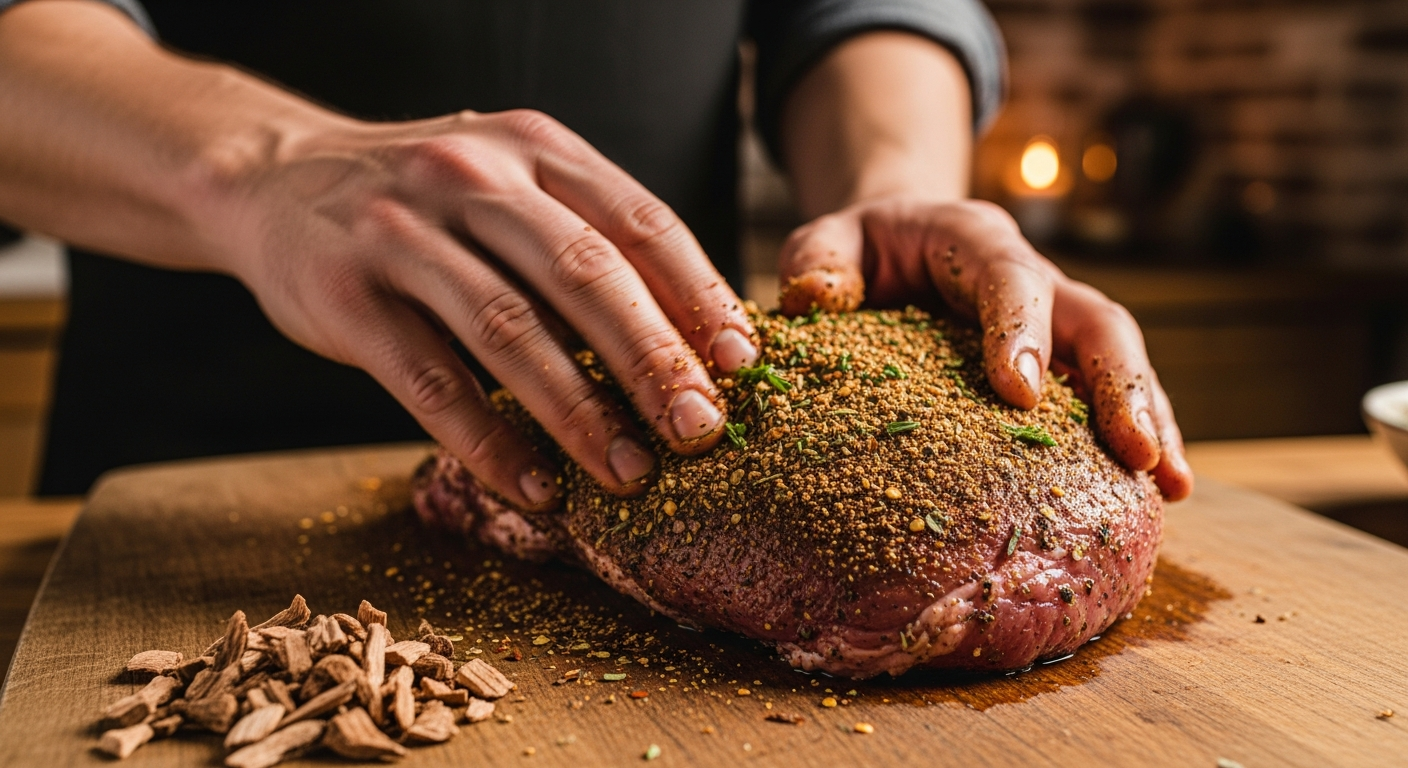
Cooking Techniques
Master the techniques behind authentic jerk cooking, from traditional pits to modern methods.
The technique is what separates good jerk from great jerk. You can have the finest marinade in the world, but if you do not understand how to cook it properly, you will never achieve that perfect combination of smoky exterior, tender interior, and deep spice penetration that defines authentic Jamaican jerk.
Traditional jerk cooking is done over pimento wood in makeshift pits or on drum grills made from repurposed oil barrels. The green pimento branches serve double duty: they provide the fuel and the smoke that gives jerk its characteristic aroma. The meat is placed directly on the grill grate or on sheets of zinc, covered with more pimento branches, and cooked low and slow until the outside develops a dark, spicy crust while the inside remains succulent.
Temperature control is everything. Too hot, and you burn the outside before the inside cooks through. Too cool, and you lose the caramelization that creates the jerk crust. The sweet spot for jerk chicken is around 300-325 degrees Fahrenheit at the grate level, cooking bone-in pieces for 60-90 minutes with regular turning.
But technique goes beyond just the cooking. It includes how you prepare the meat (scoring, butterflying), how you apply the marinade (injection vs. surface coating), how you manage the fire (direct vs. indirect heat), and how you rest the meat after cooking. Each of these steps contributes to the final result.
In this section, we break down every aspect of jerk cooking technique, from building a traditional pimento wood fire to adapting for a home gas grill. Whether you are cooking for two on a weeknight or feeding a crowd at a cookout, these techniques will elevate your jerk game to the next level.
All Cooking Techniques Articles (11)
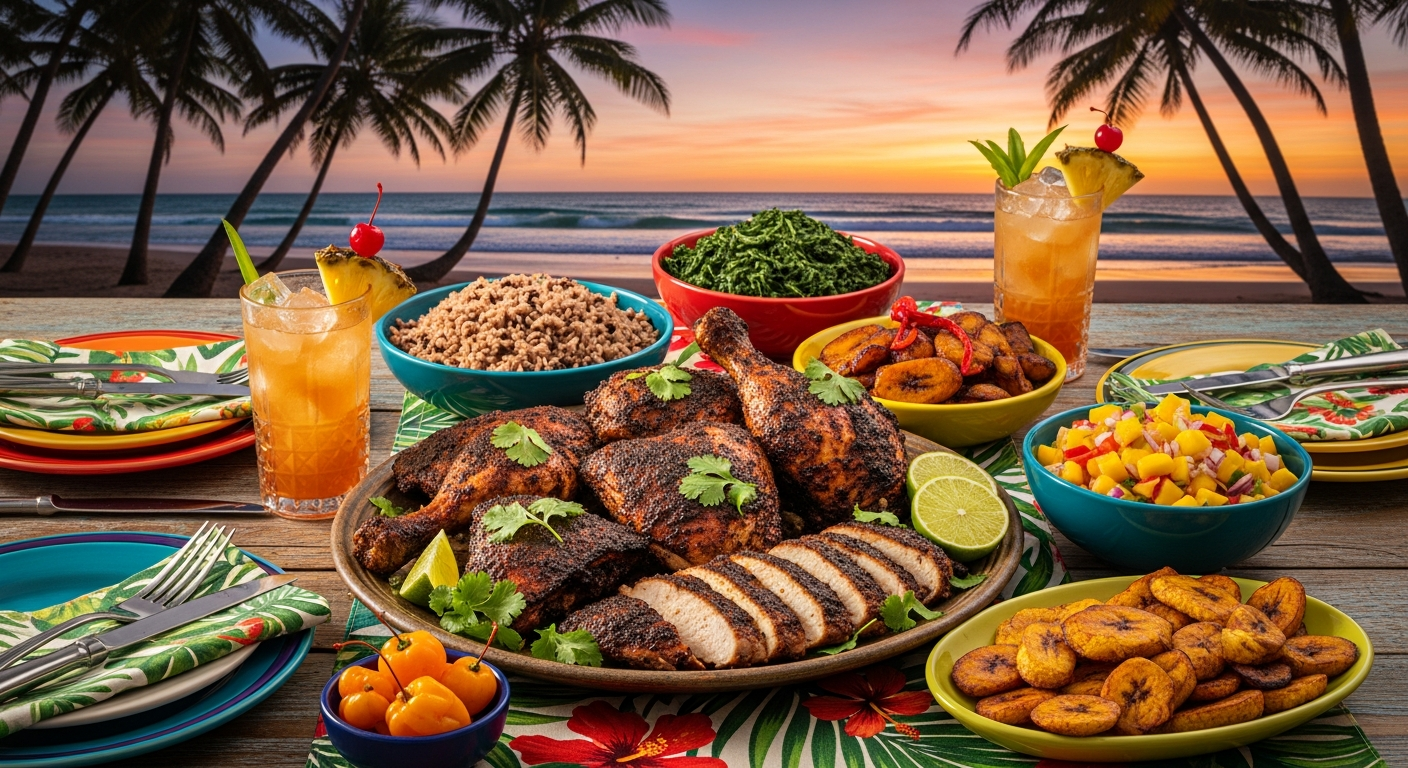
Jerk Dishes with Caribbean Food Side Dishes: Complete Guide
Master the art of cooking jerk dishes alongside Caribbean food side dishes with proper timing, temperature, and technique.
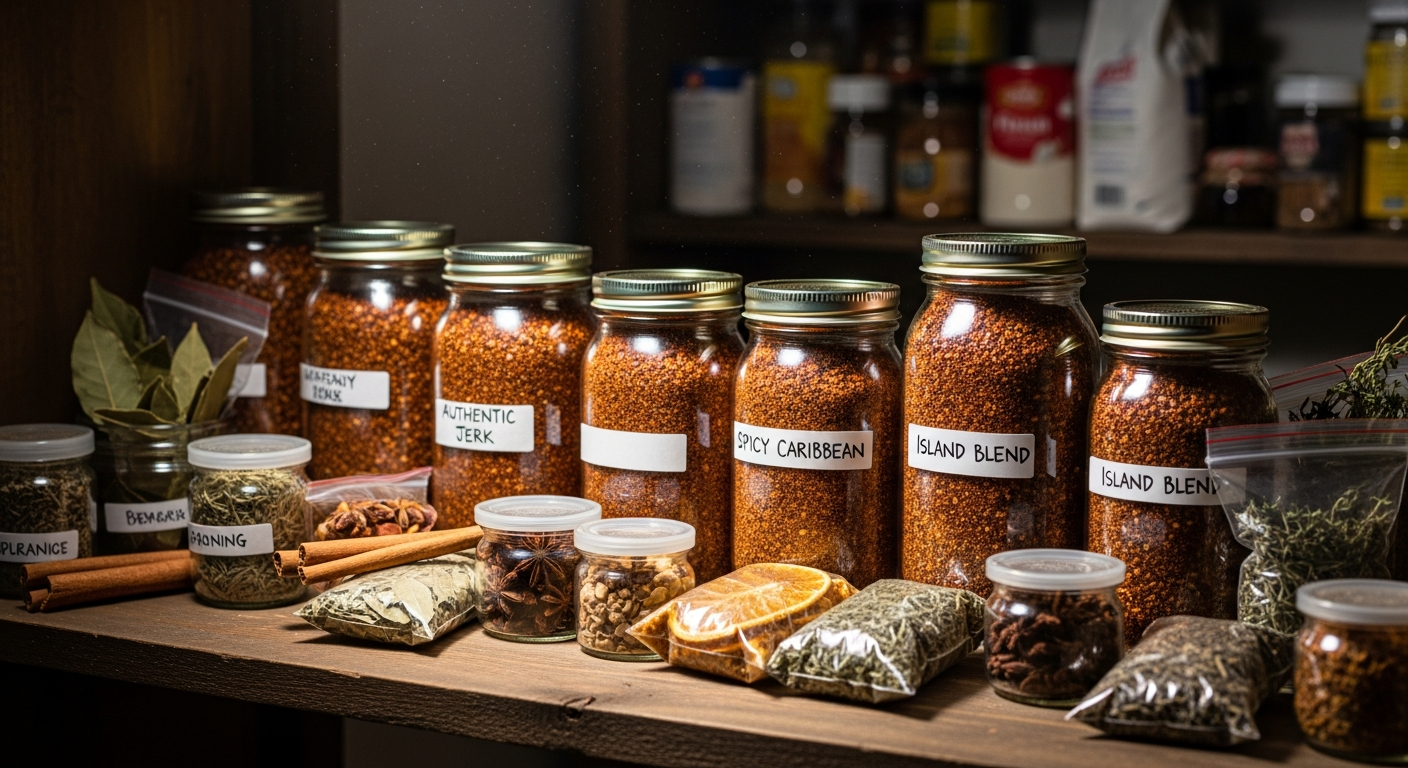
Storing Homemade Jerk Seasoning: Tips for Maximum Freshness
Maximize the shelf life and flavor of your homemade jerk seasoning with proper storage techniques for both wet marinades and dry rub blends.
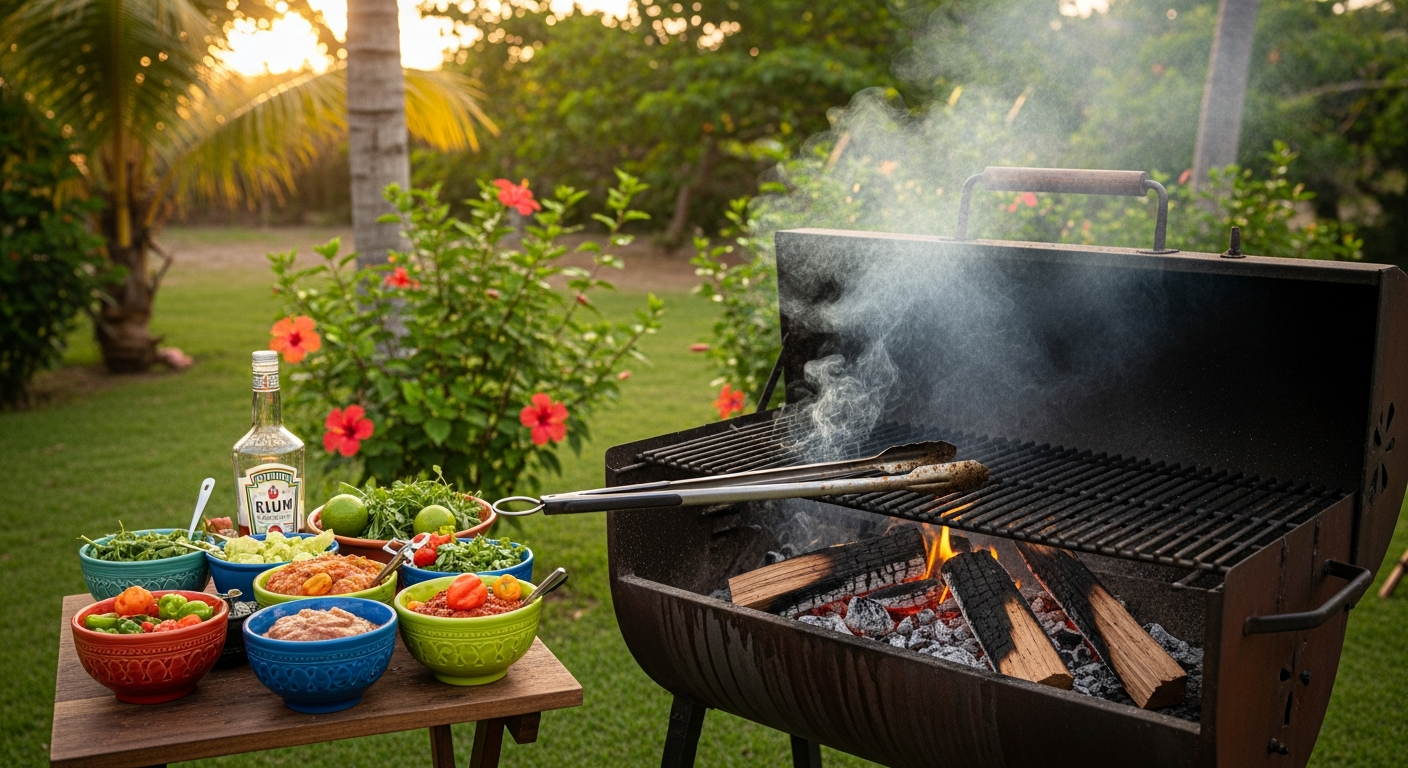
Backyard Jamaican Jerk Cooking Essentials
Transform your backyard into a Caribbean jerk station with the right equipment, fuel, and techniques. Your complete guide to outdoor jerk cooking at home.
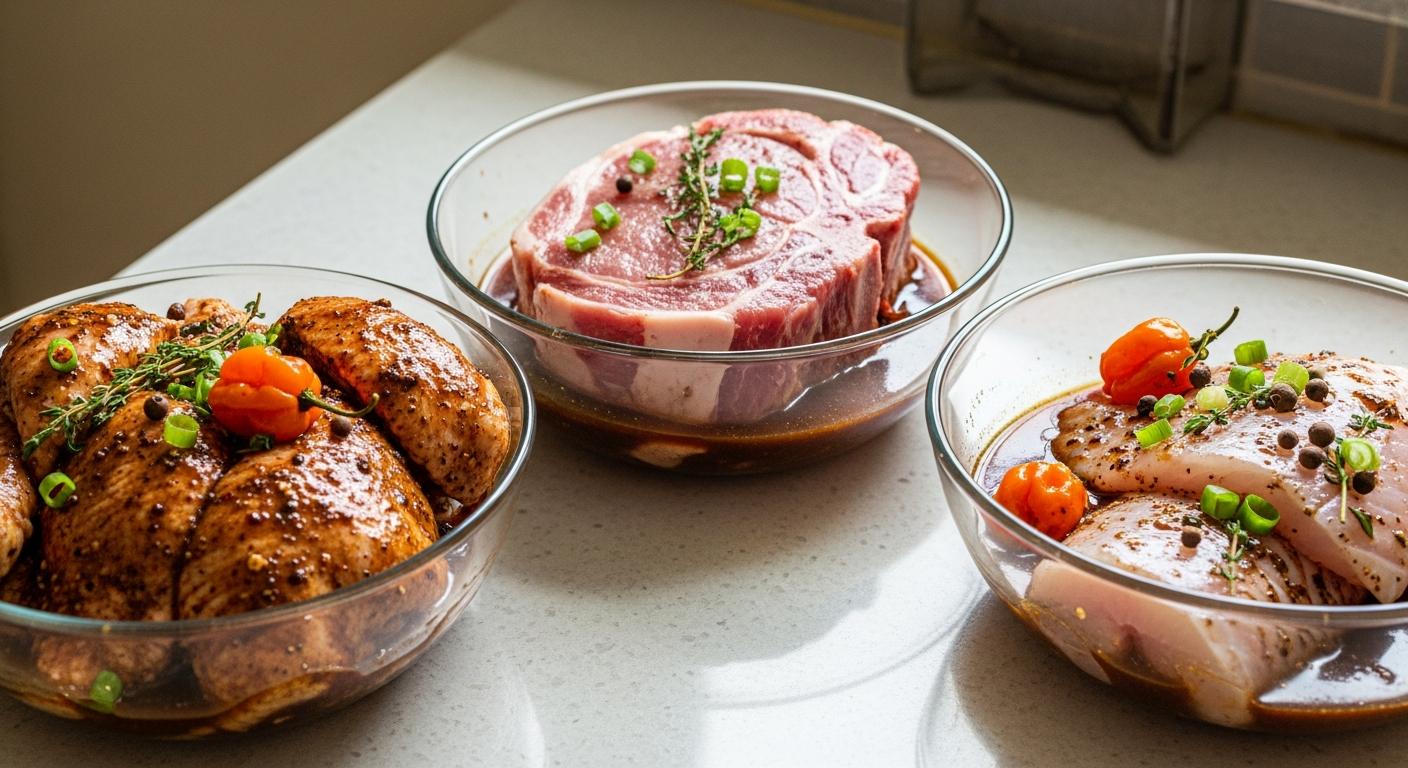
Jerk Marinades for Chicken, Pork, and Fish
One base marinade, three proteins, three different approaches. Learn how to optimize your jerk marinade for chicken, pork, and fish.
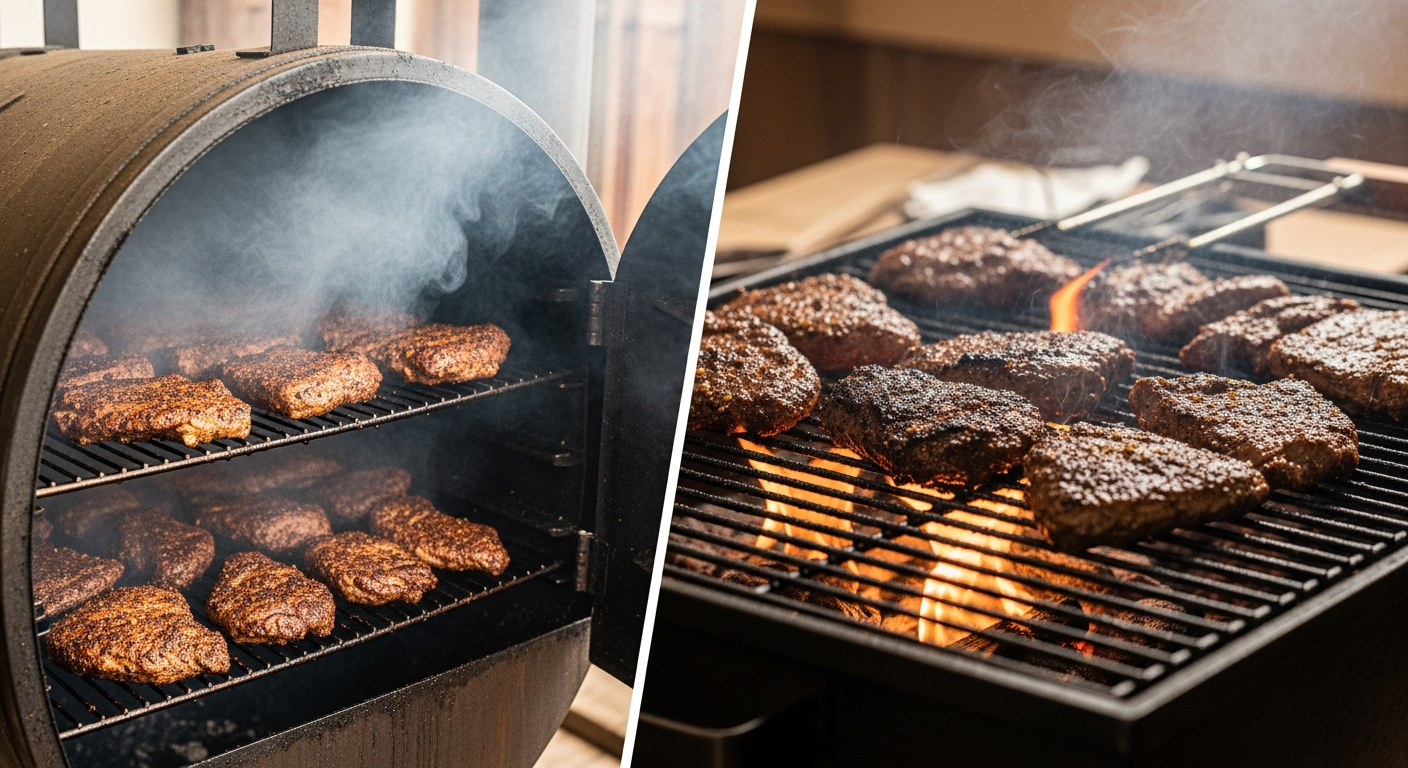
Jerk Meats: Smoking vs Grilling — Which Is Better?
Smoking and grilling produce distinctly different jerk results. Learn the advantages of each method and when to choose one over the other.
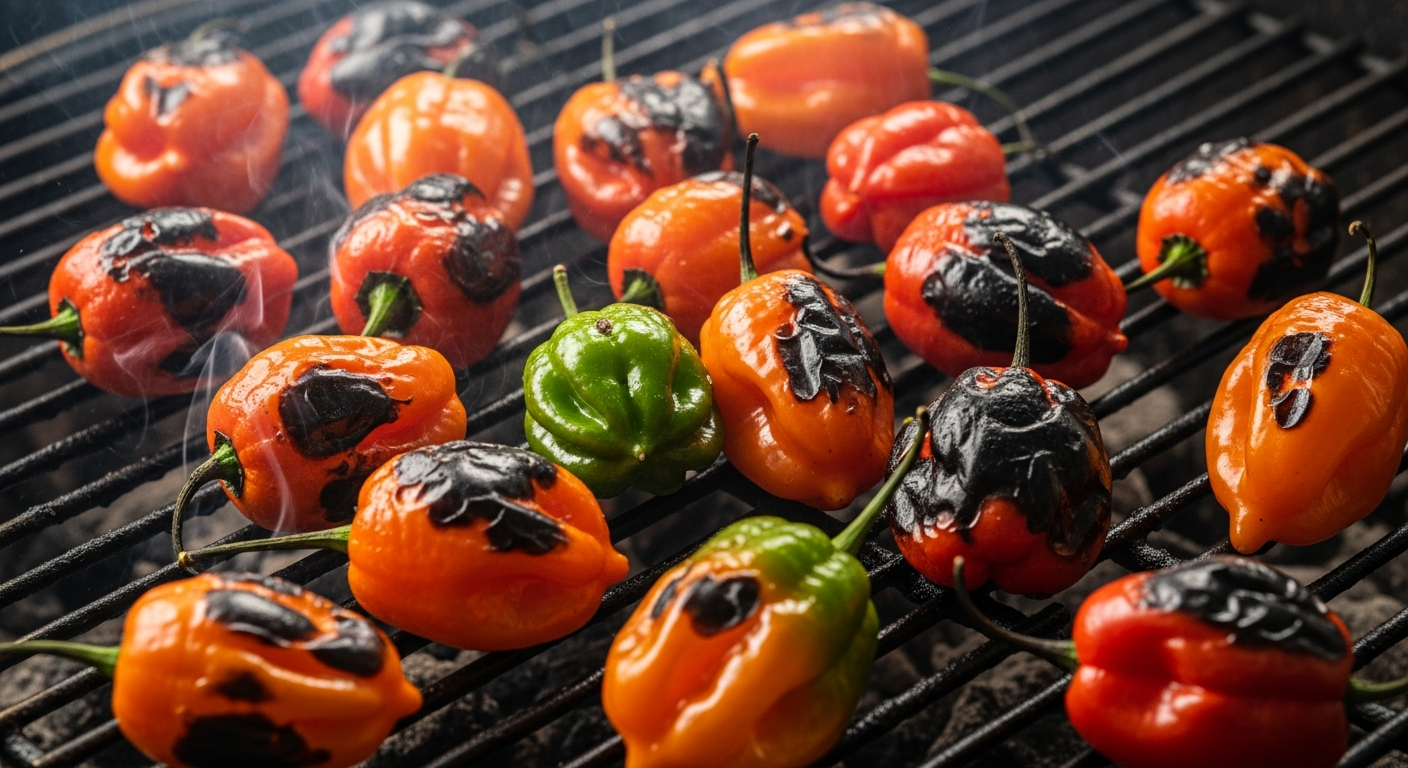
Mastering Heat in Jerk Cooking: Temperature Control Guide
Temperature control separates good jerk from great jerk. Master the heat variables — from charcoal management to internal temperatures — for perfect results every time.
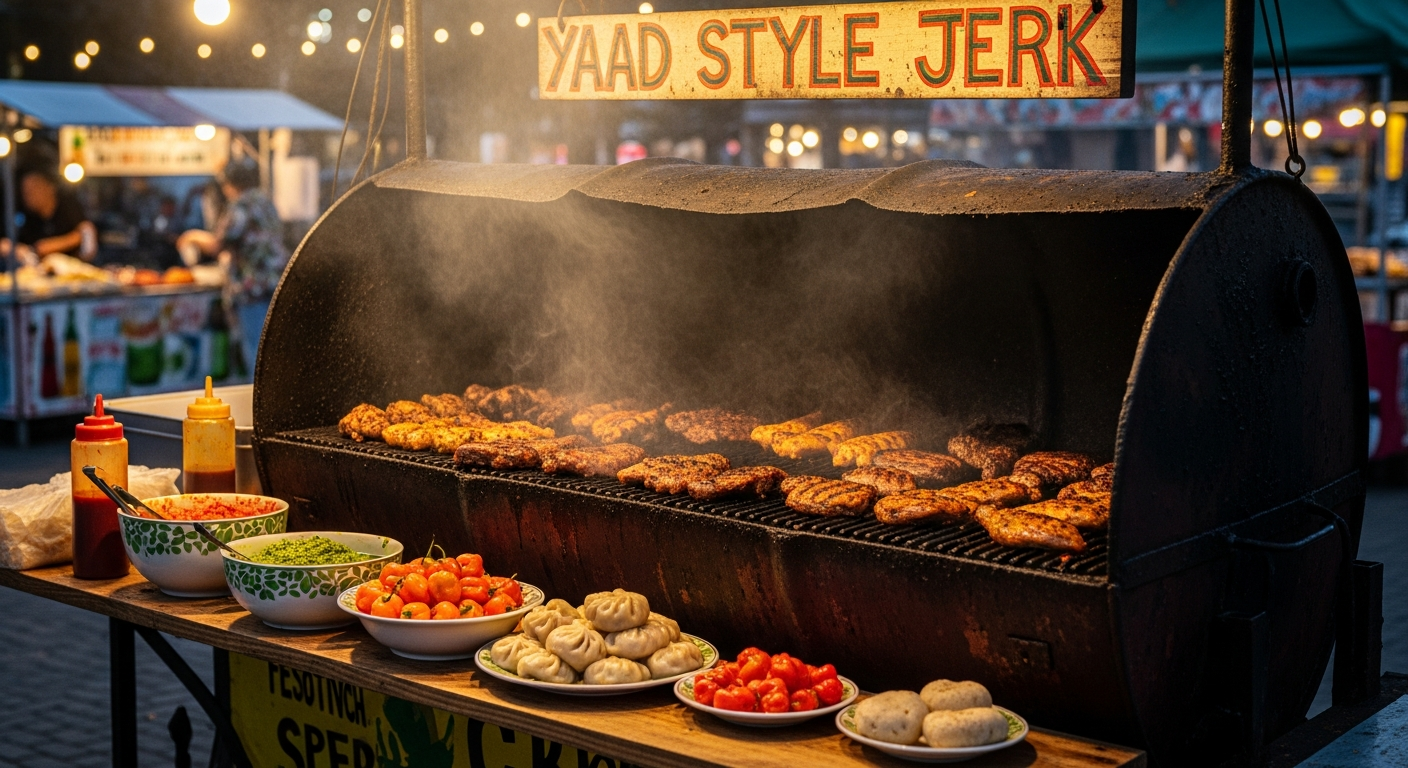
Tips for Traditional Jerk Grilling: Authentic Techniques
Learn the authentic grilling techniques used at Jamaican jerk stands. From fire building to turning and basting, these tips deliver genuine Caribbean results.
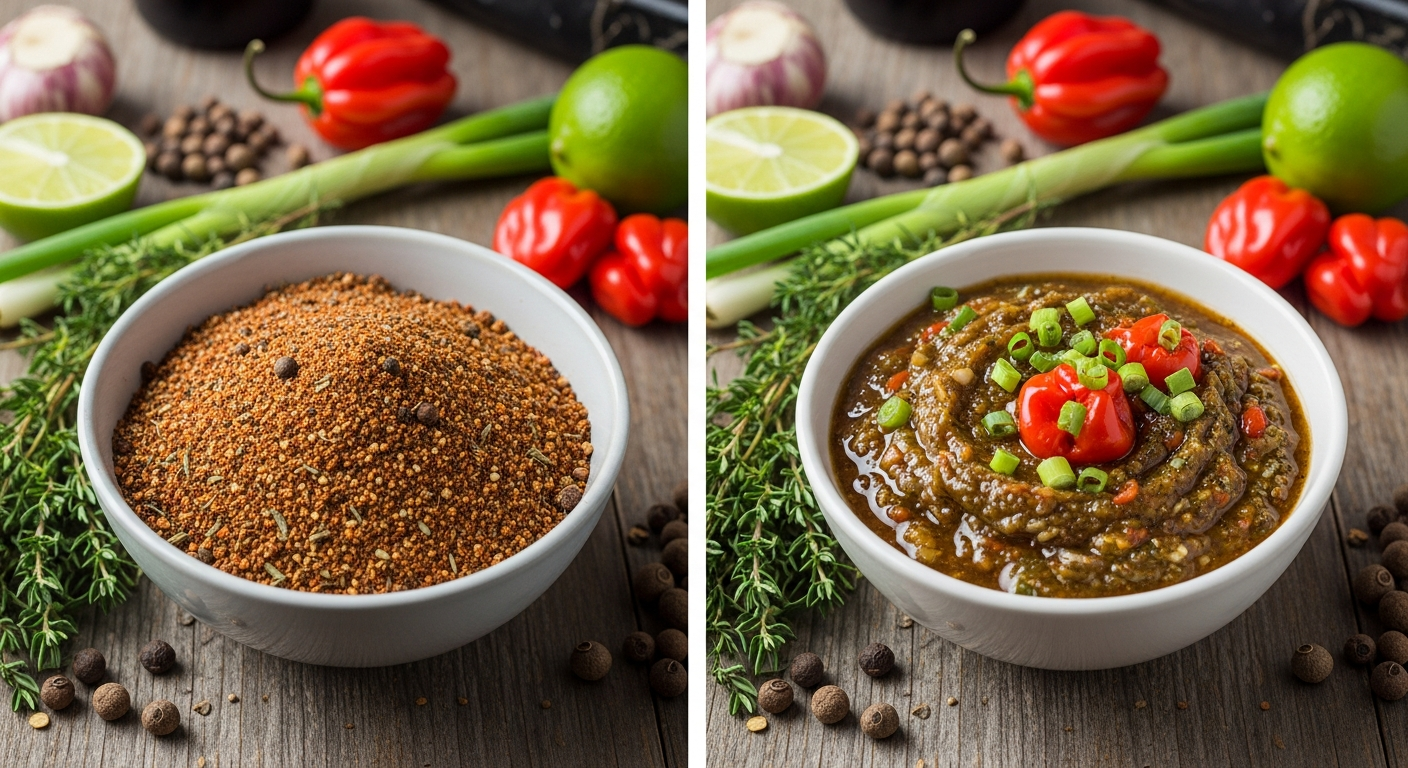
Dry Rub or Wet Marinade for Jerk: Which Should You Choose?
Dry rub or wet marinade — two paths to jerk perfection. Compare the techniques, flavors, and practical advantages of each approach.
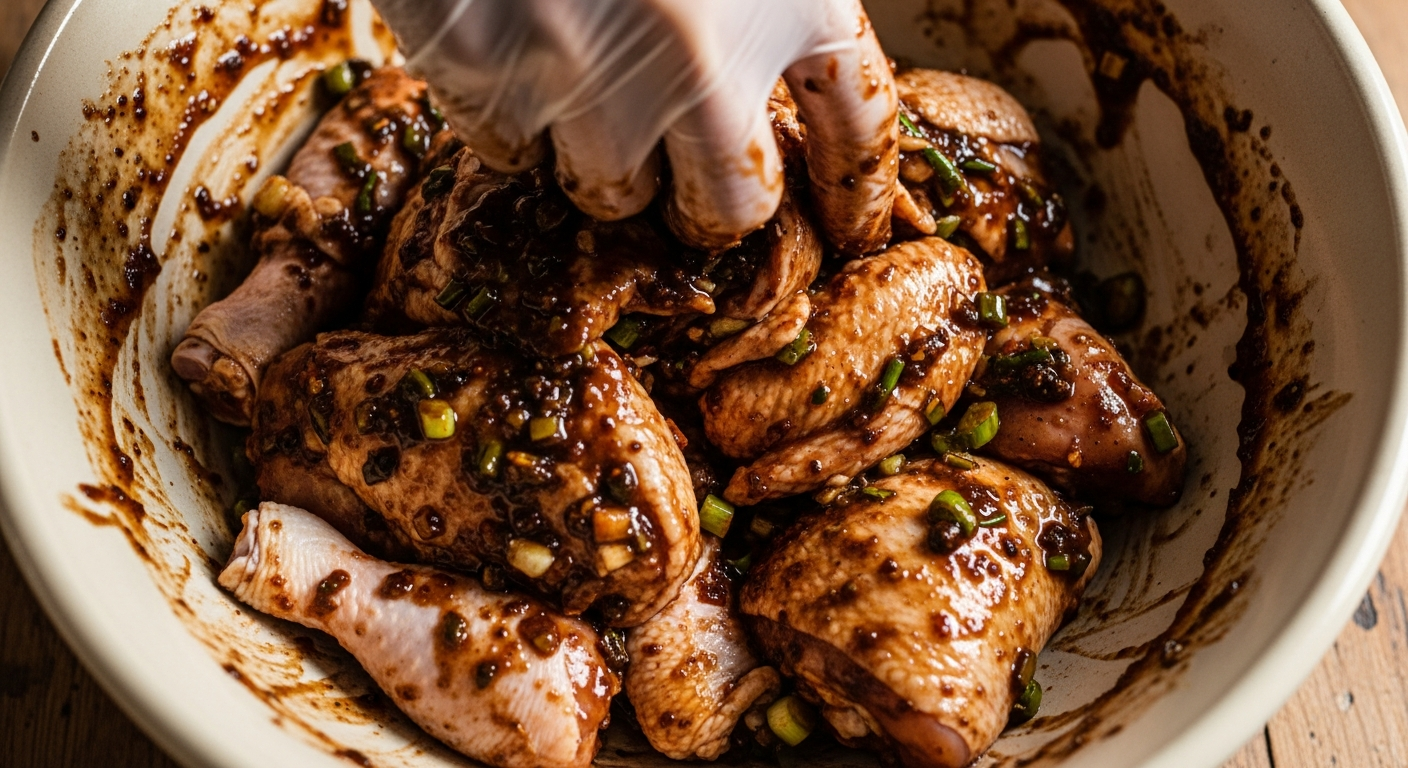
How to Marinade Jerk Chicken for Maximum Flavor
Maximize flavor in your jerk chicken with proper marination technique. From scoring and timing to container choice and application method, every detail matters.
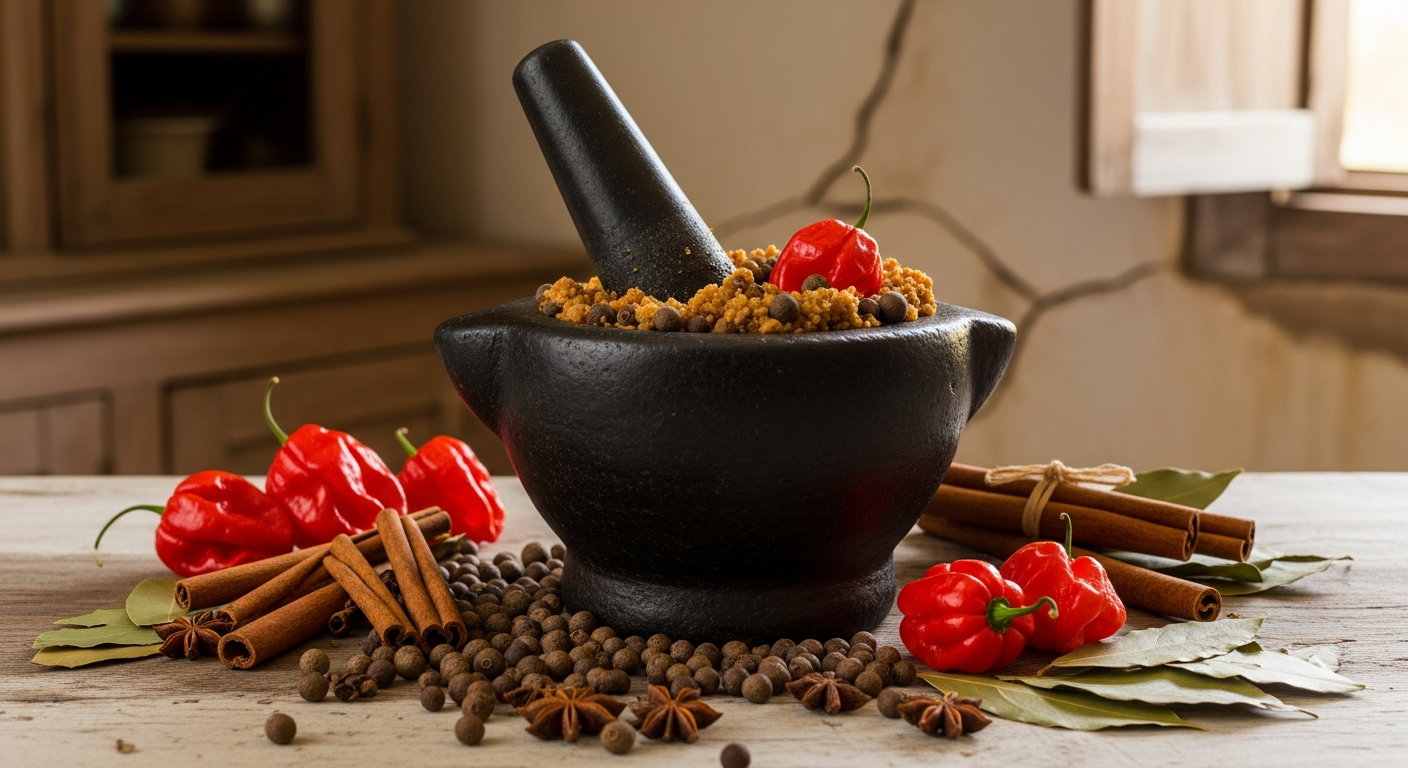
Homemade Authentic Jamaican Jerk Seasoning from Scratch
Create authentic Jamaican jerk seasoning from whole spices with this detailed guide. Toasting, grinding, and blending techniques for maximum freshness and flavor.
Jerk Chicken Temperature Guide – Perfect Cooking Doneness
Never serve undercooked or dry jerk chicken again. This complete temperature guide covers safe internal temperatures, grill temps, and doneness techniques for perfect jerk every time.