How to Control Heat Levels in Jerk Cooking for Beginners

Mastering Heat in Jerk Cooking

As you embark on your journey into the vibrant world of jerk cooking, one key element stands out: heat control. Did you know that mastering the perfect balance of heat and spice can elevate your dishes to new heights? In this guide, you'll uncover essential techniques and insights that will transform your cooking experience!

What You Will Learn

  • Understanding the essence of jerk chicken and how spices contribute to its unique flavors.
  • The importance of heat control and its impact on flavor development, texture, and food safety.
  • Essential techniques for managing heat, including indirect cooking and adjusting pepper quantities for desired spice levels.
  • Insights into using various cooking methods, from grilling to air frying, for delicious jerk chicken.
  • Creating the perfect marinade by balancing sweet, savory, and spicy ingredients.
  • Safety tips for handling Scotch bonnet peppers and ensuring food safety when cooking.

Jerk Cooking Heat Control: Scoville Scale & Cooking Methods

Understanding spice levels and choosing the right cooking method are fundamental to mastering jerk cooking. This visual outlines the Scoville heat units for key peppers and compares various cooking techniques.

Scoville Heat Scale: Pepper Comparison

Scotch Bonnet: 100k - 350k SHU

Habanero: 100k - 350k SHU

Jalapeño: 2.5k - 8k SHU

(SHU = Scoville Heat Units)

Pepper Quantities for Spice Levels

🌶️

Mild: ½ pepper or less

🌶️🌶️

Medium: 1 pepper

🌶️🌶️🌶️

Spicy: 2 peppers

(Adjust Scotch bonnet peppers to taste)

Jerk Cooking Methods: Pros & Cons

Grilling: Authentic flavor, requires skill.

Baking: Easier heat management, less char.

Air Fryer: Fast, crispy skin, retains moisture.

Slow Cooker: Infuses flavors, no smoky char.

Grilling Heat Sources: Charcoal vs. Gas

Charcoal: Deep smoky taste, longer heat time.

Gas: Quick start, temp control, less smoky.

(Choose based on flavor preference & convenience)

Achieving the Right Heat Levels in Jerk Cooking: A Beginner's Guide

Welcome to the vibrant world of jerk cooking! At Jerk Pit, we believe that mastering the art of this iconic Jamaican cuisine begins with understanding the key elements of heat. Achieving the right heat levels is essential for creating those bold and smoky flavors that define jerk chicken. Let’s dive into this journey together!

Understanding the Fundamentals of Jerk Cooking

The Essence of Jerk Chicken and Its Unique Flavors

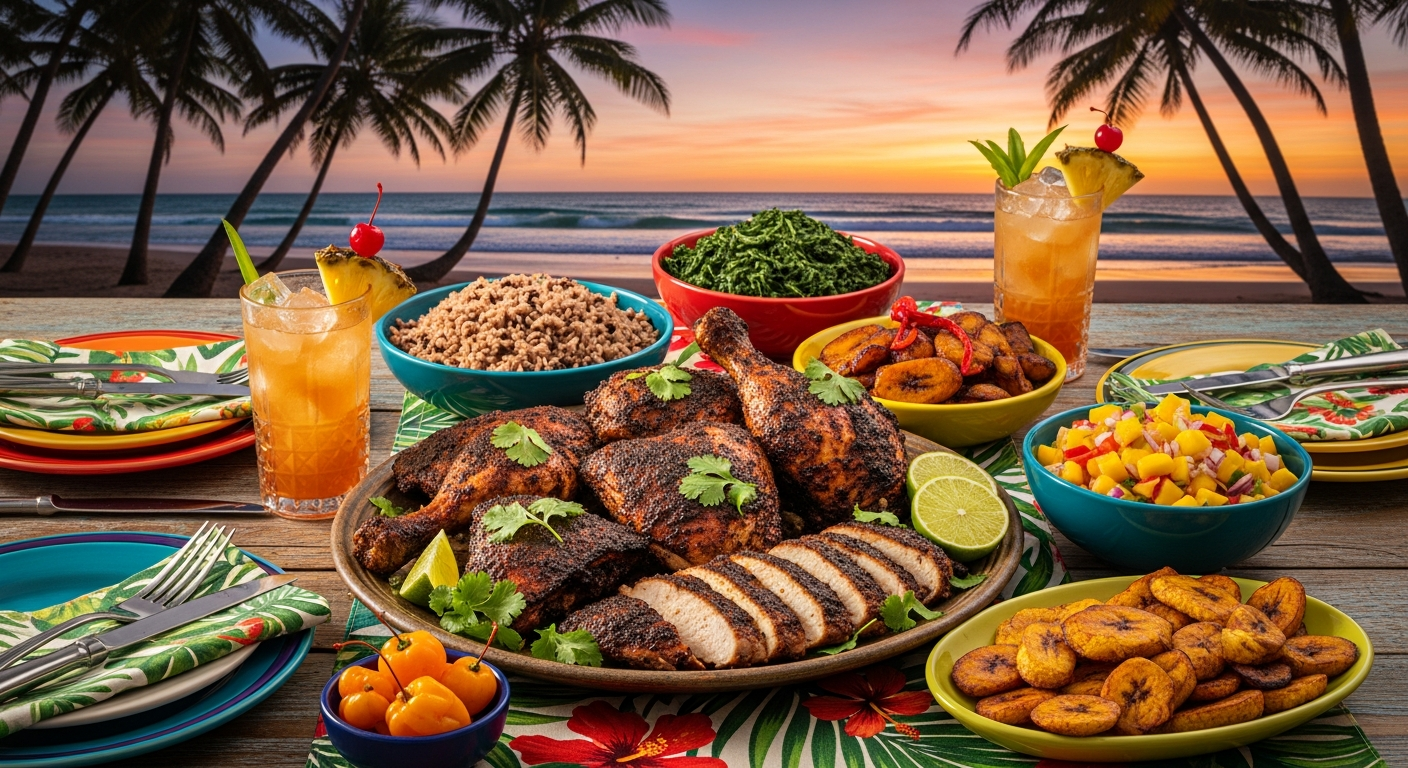
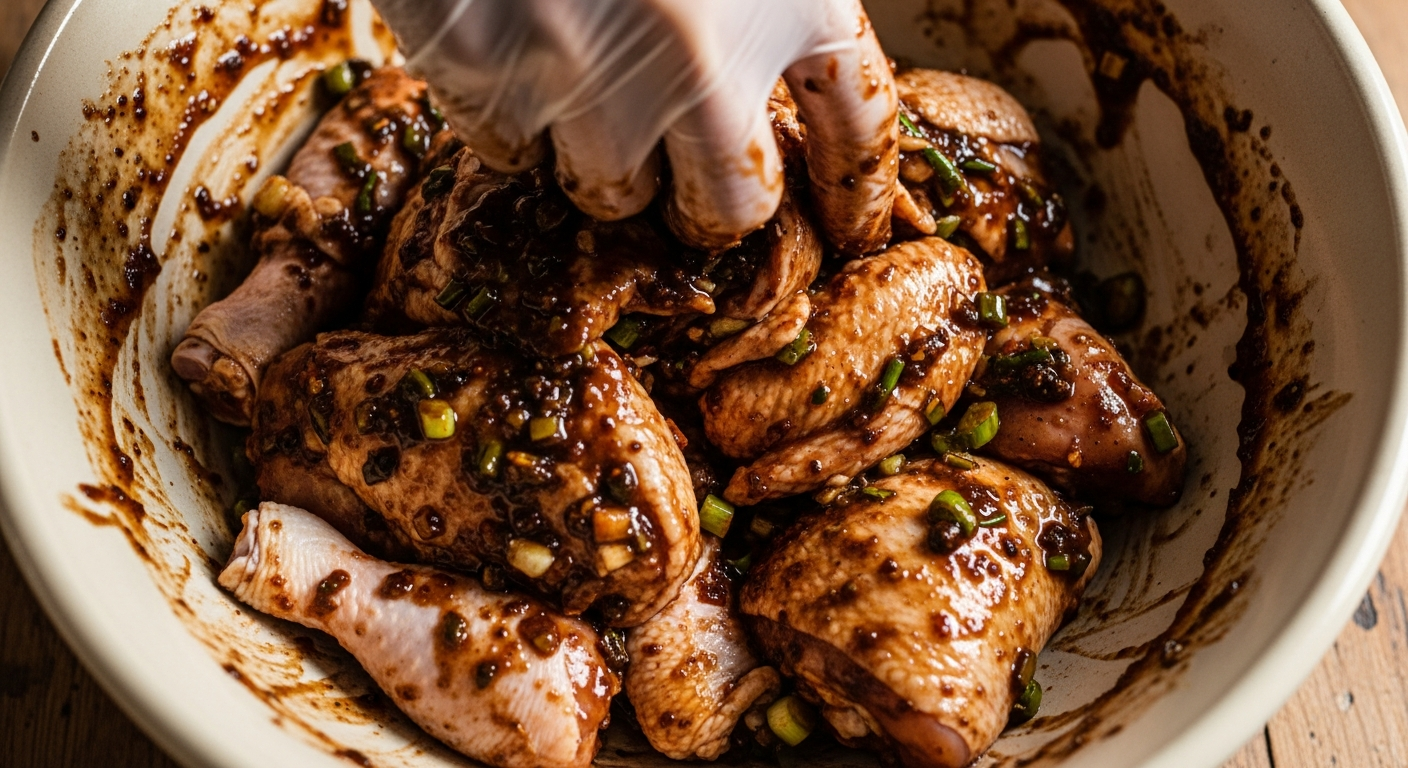
Jerk chicken is more than just a dish; it's a culinary tradition deeply rooted in Jamaican culture. The essence lies in the combination of spices, particularly allspice, which brings a warm, aromatic flavor. Each chicken piece is enveloped in this blend, creating a taste that’s unforgettable. But it's not just the spices; the smoky heat from the grill adds a layer of complexity that elevates the experience!

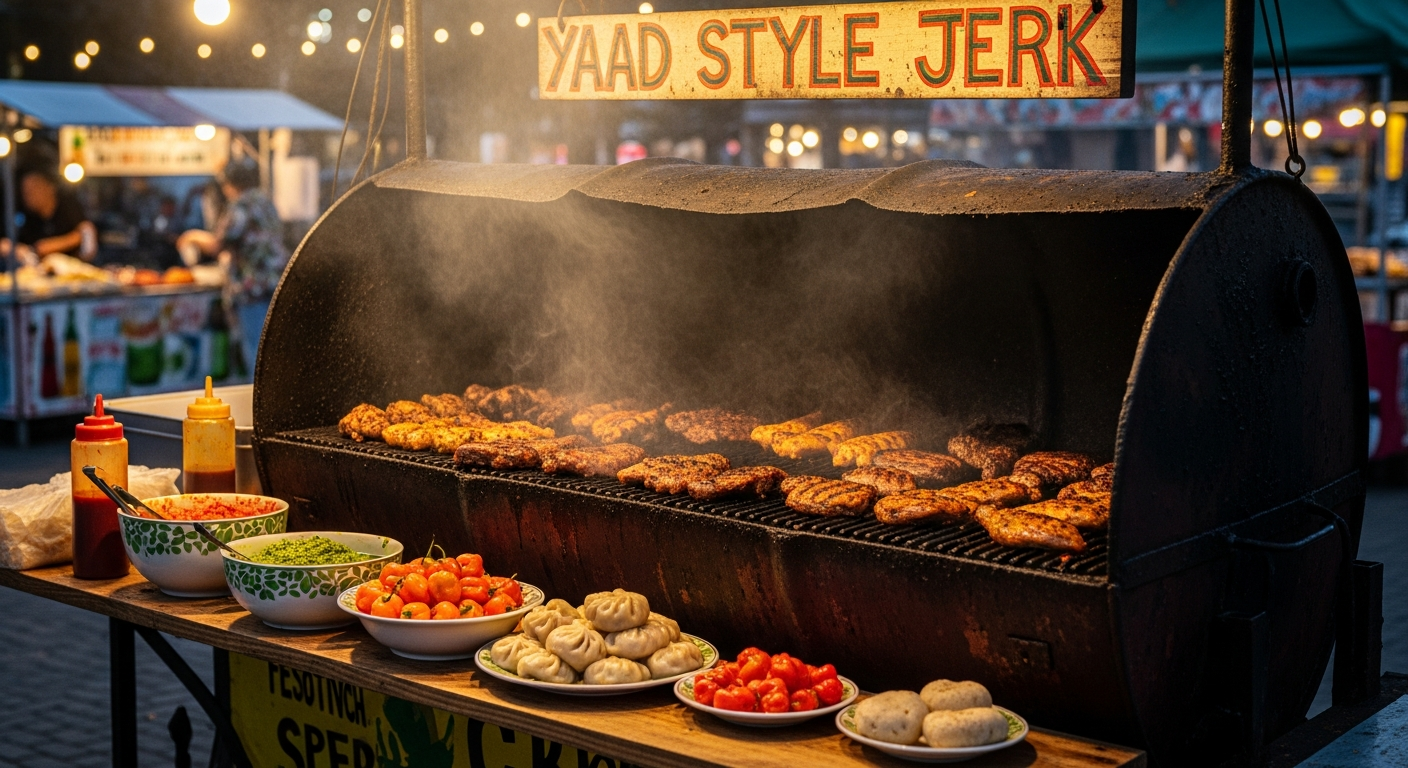
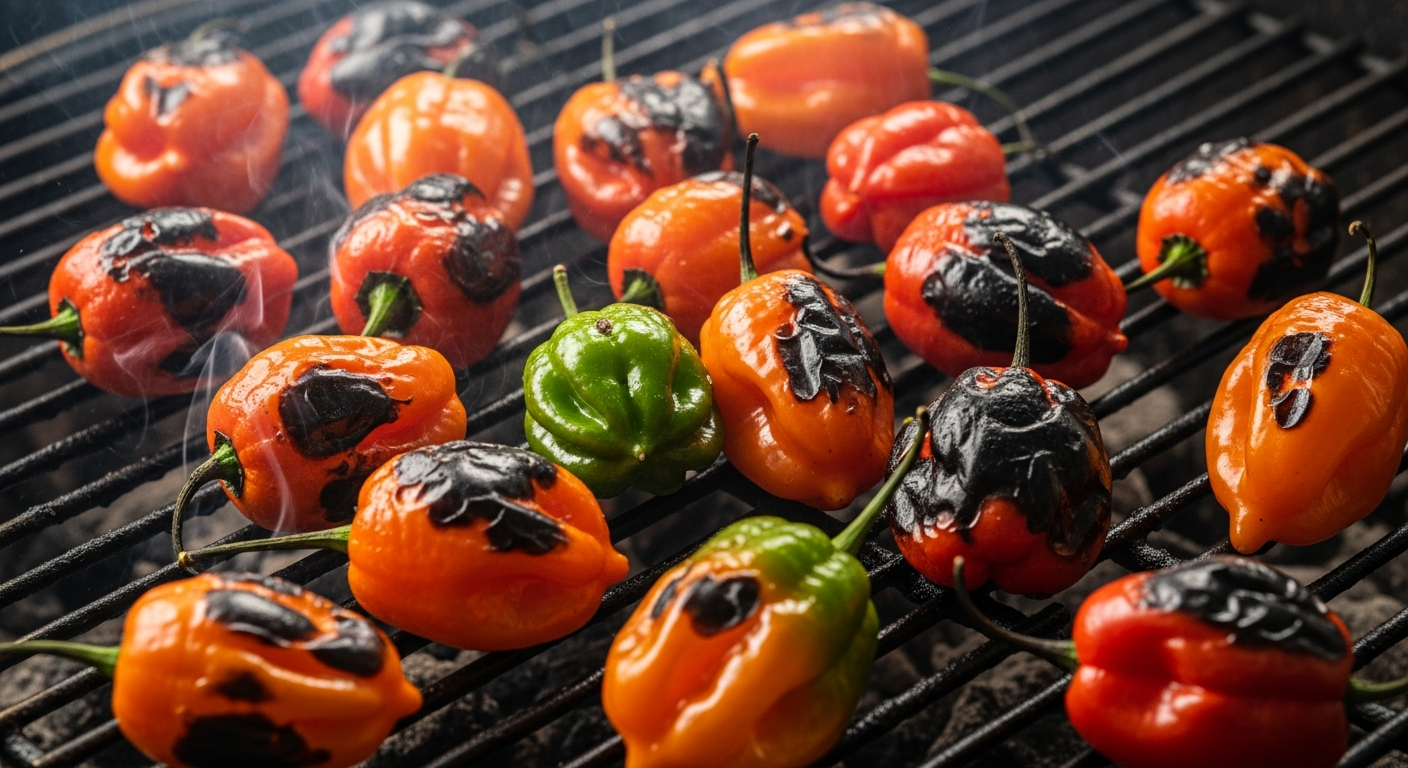
Jerk chicken cooking on a grill, smoky, vibrant colors

Have you ever tasted a perfectly grilled jerk chicken that made your taste buds sing? That sensation comes from achieving the right balance of heat and flavor. It's about letting the spices do their magic while ensuring that the chicken remains juicy and tender. Let’s explore how heat control plays a crucial role in making that happen.

Why Heat Control is Crucial in Jerk Cooking

When it comes to jerk cooking, heat control is paramount. Too much heat can char the outside, leaving the inside undercooked. On the flip side, too little heat can result in a dry, unappetizing meal. Here’s a quick look at why managing heat is vital:

  • Flavor Development: Proper heat allows spices to meld beautifully, enhancing the overall flavor.
  • Texture: Achieving the right crispiness on the outside while keeping the meat tender inside.
  • Safety: Ensuring that chicken is fully cooked to avoid foodborne illnesses. For detailed guidelines on safe cooking temperatures, you can consult resources like the Food Safety and Inspection Service.

By understanding how to manipulate heat, you’ll be well on your way to creating unforgettable jerk dishes that your family and friends will love!

Essential Techniques for Managing Heat in Jerk Cooking

Indirect Heat Cooking: What It Means and How to Do It

One of the best techniques for jerk cooking is using indirect heat. This method involves placing the chicken away from the direct flames, allowing it to cook slowly and evenly. You get that smoky flavor without risking burnt skin! Here’s how you can do it:

  • Preheat your grill, keeping one side hot and the other cooler.
  • Place the jerk chicken on the cooler side to cook through without charring.
  • Once the chicken is nearly cooked, move it over to the hot side for a final sear.

This technique not only helps in achieving the right texture but also allows you to infuse that signature jerk flavor throughout the meat.

Adjusting Pepper Quantities: Balancing Spice and Flavor

Scotch bonnet peppers are a staple in jerk cooking, but the key to a great dish is knowing how to balance their heat. You can customize the amount to suit your taste. If you prefer a milder dish, start with just a small amount and gradually increase it. Here’s a quick guide:

  • Mild: 1/2 pepper or less
  • Medium: 1 pepper
  • Spicy: 2 peppers

Remember, it’s always easier to add more heat than it is to tone it down later. Tweak it to find your perfect balance!

Understanding the Scoville Scale: Measuring Heat Levels

Speaking of heat, let’s talk about the Scoville scale. This scale measures the spiciness of peppers based on the concentration of capsaicin, the compound that gives peppers their heat. Knowing where Scotch bonnets fall on this scale can help you make informed decisions when cooking:

  • Scotch bonnet: 100,000 - 350,000 Scoville Heat Units (SHU)
  • Jalapeño: 2,500 - 8,000 SHU
  • Habanero: 100,000 - 350,000 SHU

Understanding the Scoville scale can help you gauge how spicy your dishes will be, allowing you to serve up jerk chicken that suits everyone’s palates! For more information on the Scoville scale and pepper heat, you can explore resources like Chili Pepper Madness.

Exploring Various Cooking Methods for Beginners

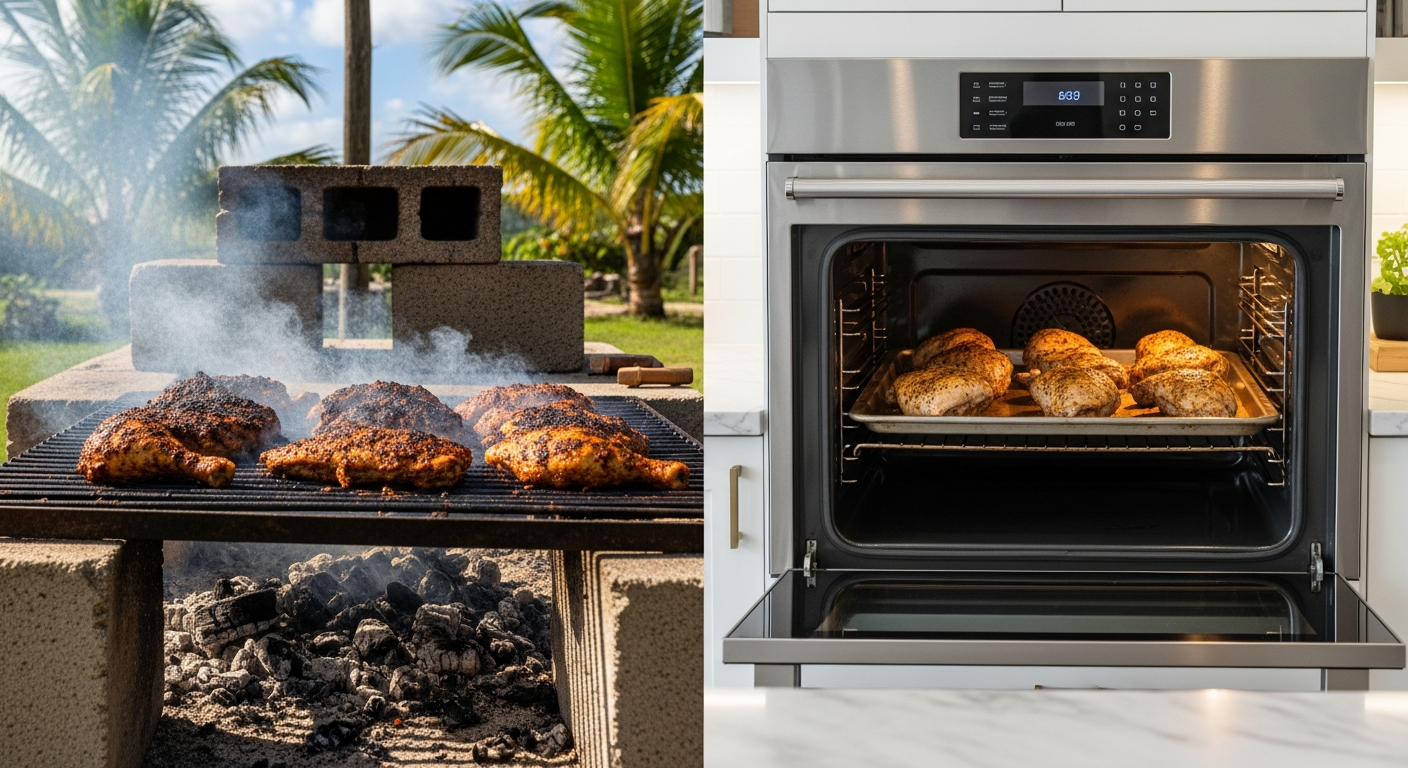
Grilling vs. Baking: Pros and Cons of Each Method

When it comes to cooking jerk chicken, you have options! Grilling is traditional and infuses a smoky flavor, while baking is easier for beginners. Here’s a comparison to help you choose:

  • Grilling: Offers authentic flavor, but requires more attention and skill.
  • Baking: Easier to manage heat, but may lack that signature char.

Consider your comfort level and the equipment you have. Whichever you choose, the goal is to achieve that deliciously smoky flavor!

Using an Air Fryer and Slow Cooker for Jerk Chicken

If you're looking for convenience, don’t forget about modern appliances! Both air fryers and slow cookers can create fantastic jerk chicken with minimal effort. Here’s how:

  • Air Fryer: Quickly cooks while retaining moisture; perfect for crispy skin.
  • Slow Cooker: Ideal for infusing flavors over time, though it won’t give you that smoky char.

These methods are great for beginners, making jerk cooking accessible and fun!

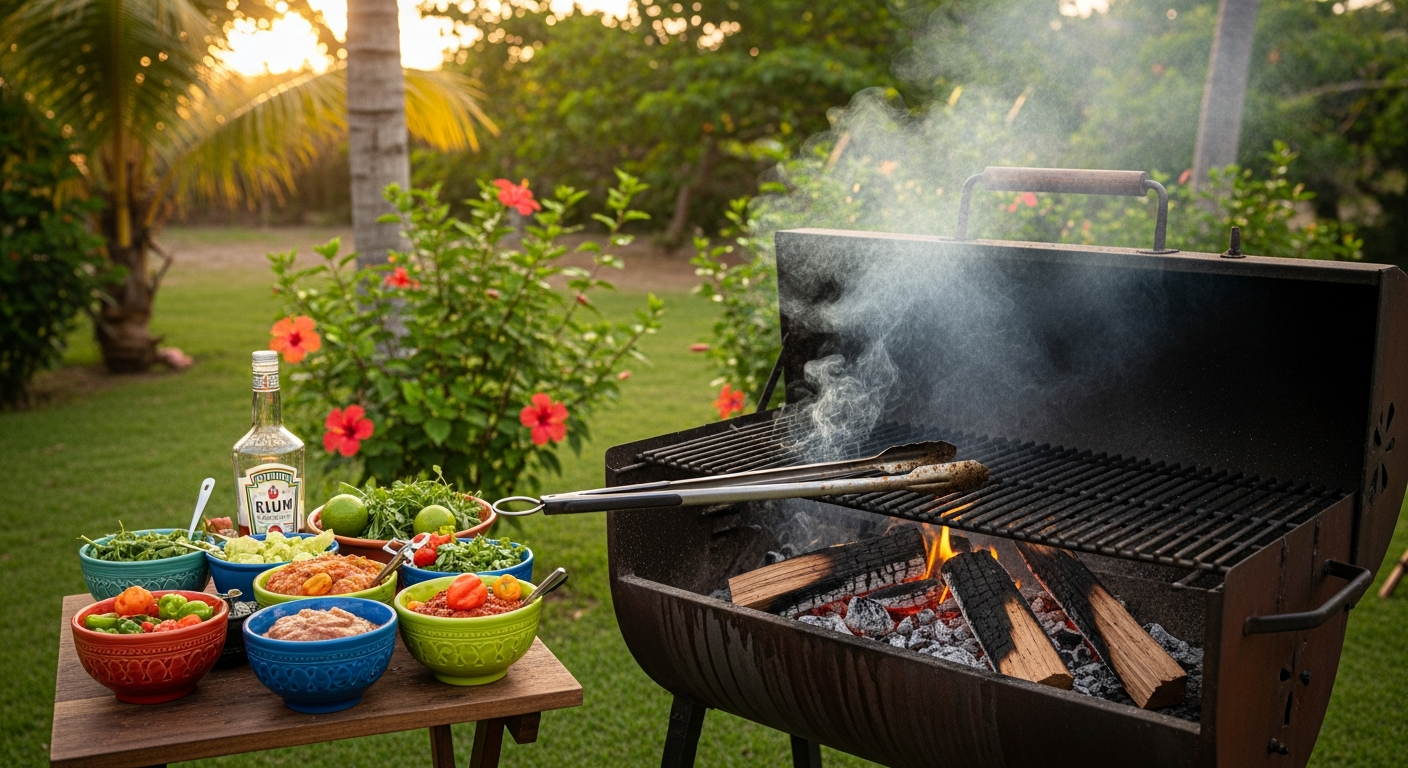
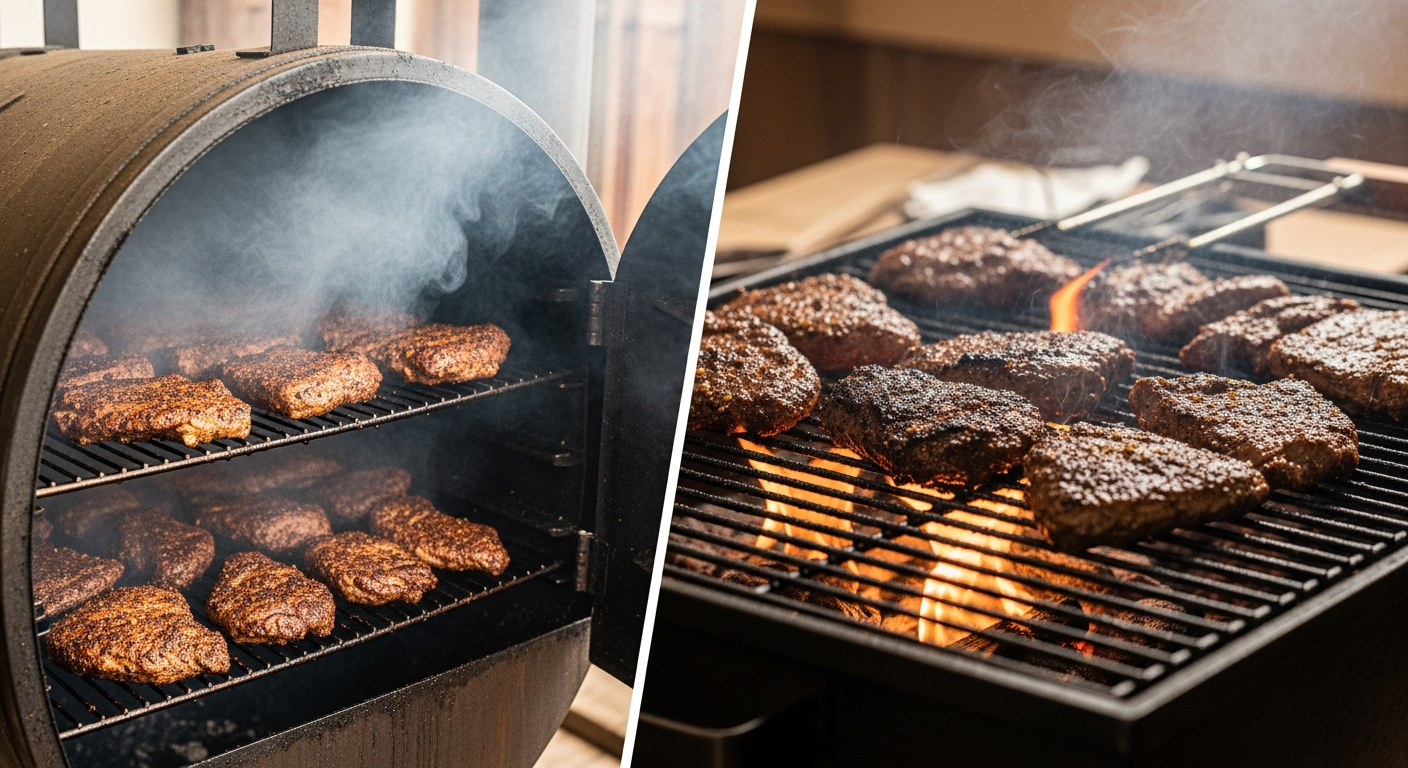
Charcoal Grilling vs. Gas Grilling: Choosing the Right Heat Source

When it comes to grilling jerk chicken, the heat source can make a difference. Charcoal grilling offers that authentic smoky flavor, while gas grilling provides convenience and temperature control. Here’s a quick breakdown:

  • Charcoal: Deep, smoky taste but takes longer to heat.
  • Gas: Quick to light and easy to regulate temperature; less smoky flavor.

Choose based on your taste preference and the experience you want to create!

Creating the Perfect Marinade for Balance

Key Ingredients: Allspice, Thyme, and Sweetness in Jerk Marinade

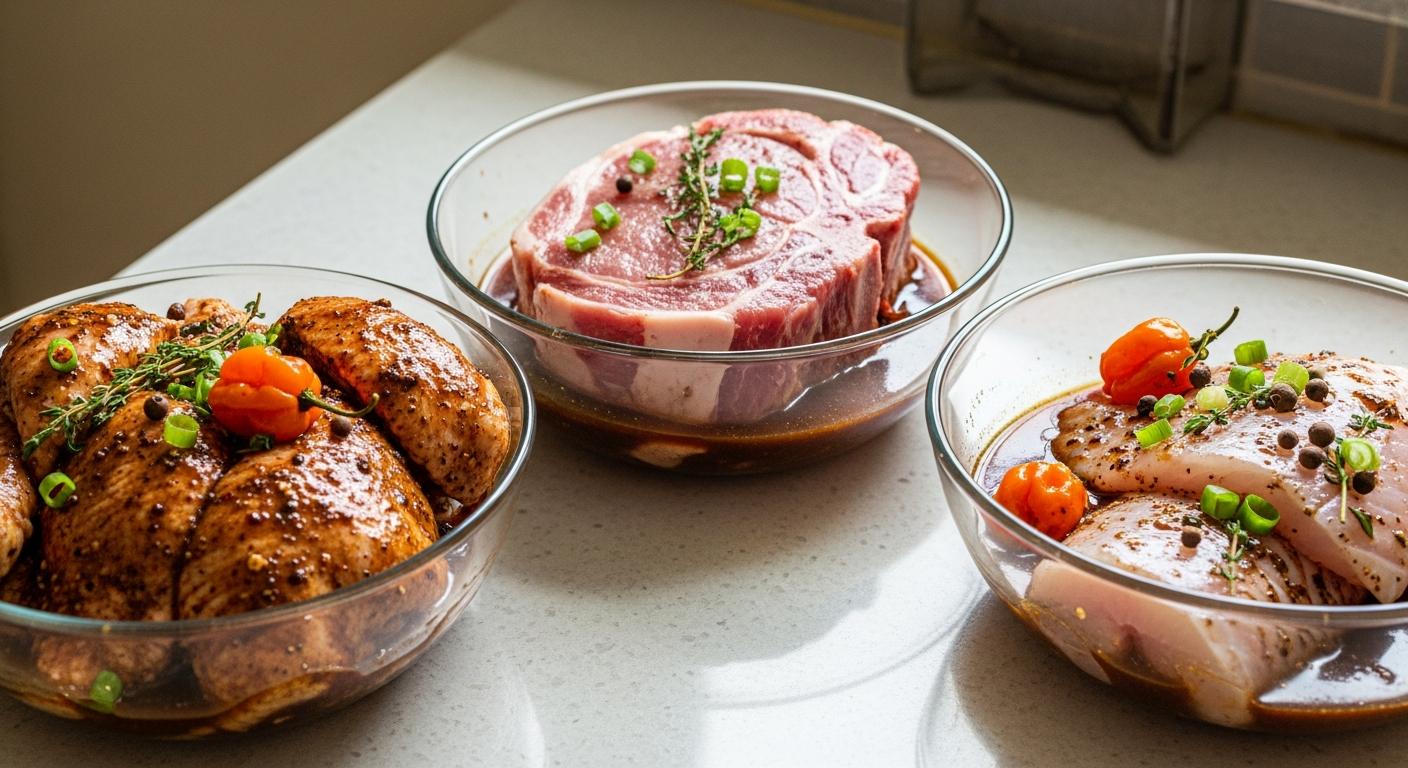
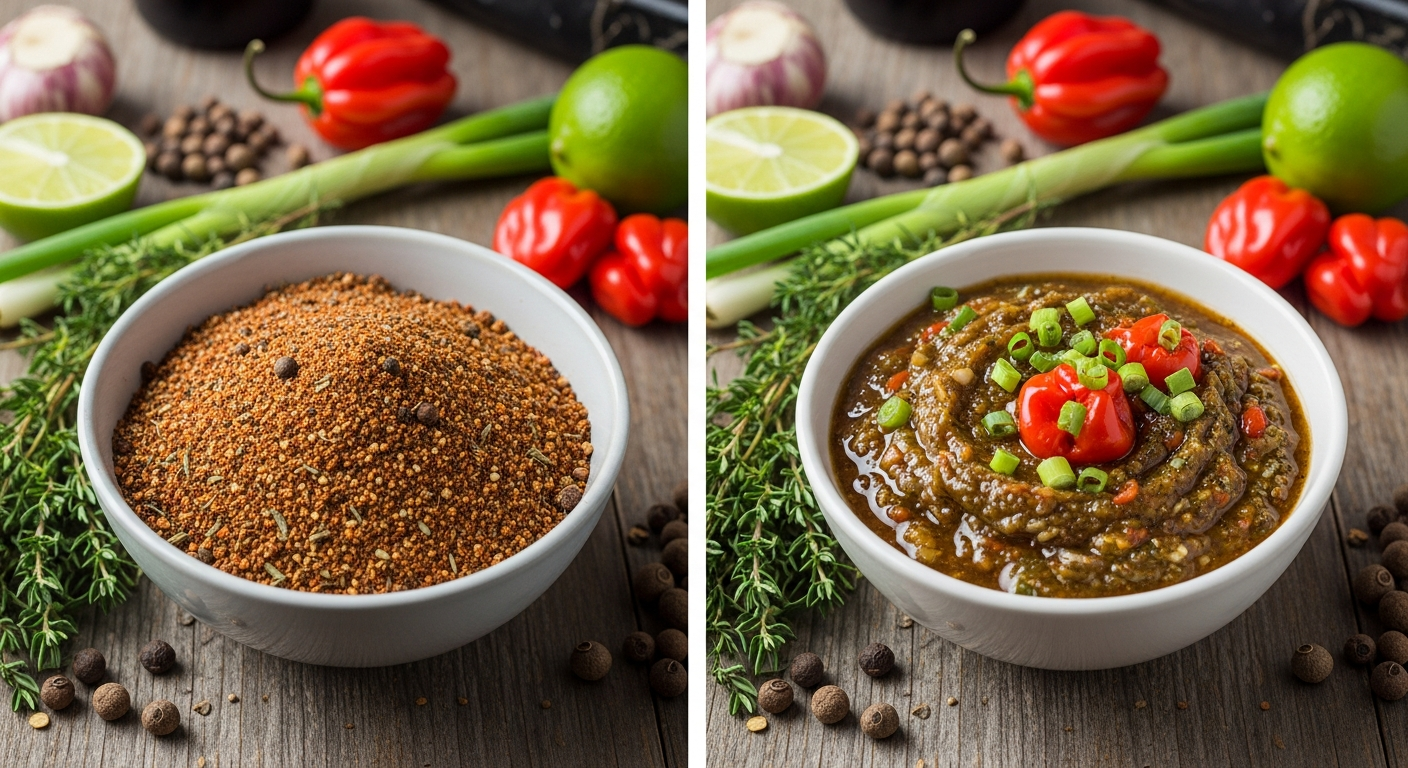
Now that you’ve mastered heat, let’s talk about marinade! The perfect jerk marinade is a balance of sweet, savory, and spicy. Key ingredients include:

  • Allspice: The backbone of jerk flavor.
  • Thyme: Adds earthiness.
  • Brown sugar: For that touch of sweetness.

Combining these elements will give your chicken a delightful flavor profile that truly represents the jerk tradition!

How Long Should You Marinate Jerk Chicken?

Marinating is crucial for flavor infusion. Ideally, you want to marinate your jerk chicken for at least 4 hours, but overnight is even better! This allows all the flavors to meld beautifully. If you’re short on time, even a quick 30-minute soak can make a difference.

Exploring Jerk Marinade Recipe Variations for Enhanced Flavor

Don’t be afraid to get creative with your marinades! Here are a few variations to try:

  • Fruity Twist: Add mango or pineapple for sweetness.
  • Herbaceous Boost: Include fresh cilantro or parsley.
  • Spicy Kick: Incorporate additional peppers or hot sauces.

Experimenting with different flavors can lead to unique and exciting jerk dishes that everyone will love!

Traditional vs. Modern Jerk Cooking Techniques

The Role of Pimento Wood Smoke in Authentic Jerk Flavor

To achieve authentic jerk flavor, traditionalists often use pimento wood (allspice wood) for smoking. It imparts a rich, aromatic essence that is hard to replicate. If you can find it, don't hesitate to use it!

Adapting Traditional Methods for the Home Kitchen

While pimento wood might be hard to come by, you can still adapt traditional methods at home. Consider using a combination of woods for smoking, or even adding wood chips to your grill to enhance that flavor.

Cooking Temperature and Time: Achieving the Perfect Jerk Chicken

Cooking temperature is crucial for jerk chicken. Aim for a grill temperature of around 350°F. Cooking time can vary, but typically, chicken pieces take about 30-40 minutes to fully cook through. Keep an eye on the internal temperature, aiming for 165°F for safety.

Frequently Asked Questions About Jerk Cooking Heat Control

Q1: Why is heat control so important in jerk cooking?

A1: Heat control is crucial in jerk cooking to ensure proper flavor development, achieve the desired texture (crispy skin, tender meat), and guarantee food safety by preventing undercooked chicken. Too much heat can char the outside, while too little can dry it out.

Q2: How can I adjust the spice level of my jerk chicken?

A2: You can adjust the spice level by controlling the quantity of Scotch bonnet peppers you use. For a mild dish, use ½ pepper or less; for medium, use 1 pepper; and for spicy, use 2 peppers. It's easier to add more heat than to reduce it.

Q3: What is the Scoville scale, and how does it relate to jerk cooking?

A3: The Scoville scale measures the spiciness of peppers based on their capsaicin concentration. Understanding it helps you gauge the heat of different peppers (e.g., Scotch bonnets are 100,000-350,000 SHU) and make informed decisions about how much to use in your jerk dishes to suit various palates.

Q4: What are the best cooking methods for jerk chicken and their advantages?

A4: Grilling offers authentic smoky flavor but requires skill. Baking provides easier heat management but may lack char. Air fryers offer fast cooking with crispy skin, and slow cookers infuse flavors deeply without a smoky char. Choose based on your preference and convenience.

Q5: How long should jerk chicken be marinated for optimal flavor?

A5: For optimal flavor infusion, jerk chicken should be marinated for at least 4 hours. Marinating overnight is even better, allowing the spices to meld deeply into the meat. Even a quick 30-minute marinade can make a difference if you are short on time.

Safety Tips for Handling Heat and Ingredients

How to Safely Handle Scotch Bonnet Peppers

When working with Scotch bonnet peppers, always wear gloves to protect your skin from the heat. If you accidentally touch your face, especially your eyes, wash immediately! It’s essential to handle these fiery ingredients with care. For more safety tips on handling spicy ingredients, you might find resources from culinary schools or food safety organizations helpful.

Resting Meat After Cooking: Importance and Timing

After cooking, don’t rush to cut into your jerk chicken. Let it rest for about 10 minutes to allow the juices to redistribute, giving you a juicier, more flavorful bite!

Food Safety Tips When Working with Spices and Marinades

Lastly, always remember food safety when it comes to spices and marinades. Keep raw chicken separate from ready-to-eat foods and ensure you properly clean your hands and surfaces after handling. Following these simple guidelines will help you enjoy a delicious and safe jerk cooking experience!

Wrapping Up Your Journey into Jerk Cooking

As we come to the end of this flavorful journey into the heart of jerk cooking, it's essential to reflect on the common pitfalls you might encounter along the way. Every cook, whether a novice or seasoned pro, faces challenges, but with the right knowledge, we can navigate them together!

Understanding heat control is key, as it can make or break your jerk dishes. Too much heat can lead to an overwhelming spice level, while undercooked chicken can leave your flavors lacking. Let’s dive deeper into the common mistakes and how to avoid them.

Common Mistakes to Avoid in Heat Control

Understanding Heat Levels: Too Spicy or Under-Cooked?

Getting the heat just right is a balancing act. Too spicy? That could be from an overload of Scotch bonnet peppers. On the other hand, if your chicken is undercooked, you risk losing the juicy integrity that jerk cooking is famous for. To find your sweet spot, always start with less heat and build up.

  • Begin with a small amount of pepper in your marinade.
  • Always use a meat thermometer to ensure your chicken reaches 165°F.
  • Let your flavors develop over time—don't rush the process!

By understanding your ingredients and cooking methods, you can avoid these pitfalls and create delicious jerk dishes that are both safe and satisfying!

Addressing Troubleshooting Issues in Jerk Cooking

Every cook runs into hurdles, but knowing how to troubleshoot can save the day. If your jerk chicken tastes bland, it might need more seasoning or a longer marination time. If it’s overly smoky, check your cooking method. Here are a few more troubleshooting tips:

  • Adjust the timing on your grill to avoid burning.
  • Balance sweetness with acidity—try adding lime juice!
  • Experiment with different marinades until you find the perfect match!

These suggestions can transform your cooking experience and lead you to fantastic results every time.

Navigating Cooking Tips for Optimal Flavor Profiles

As you grow in your jerk cooking journey, mastering flavors is essential. Remember that the right cooking techniques, like indirect grilling, can enhance those rich, smoky flavors. Here are some tips to keep in mind:

  • Use fresh herbs for a vibrant flavor boost.
  • Consider adding fruit juices for sweetness.
  • Let your chicken rest before serving to lock in moisture.

With these strategies, you’ll create memorable dishes that will impress your family and friends—maybe even inspire them to join you on this culinary adventure!

Encouragement for Experimentation and Flavor Exploration

How to Customize Heat Levels for Different Proteins

Don’t be afraid to get creative! For those who adore experimenting, jerk cooking offers endless possibilities with various proteins. Adjusting heat levels can make jerk shrimp just as delightful as jerk chicken. Here’s how:

  • For chicken, maintain a moderate amount of spice.
  • For shrimp, consider a milder marinade to avoid overpowering the delicate flavor.
  • Pork can handle more heat due to its richness—feel free to amp it up!

Experimenting with these variations not only diversifies your dinner table but also allows you to explore the amazing flavors of Jamaica!

Looking Ahead: Expanding Your Jerk Cooking Skills

As you grow more confident in your jerk cooking skills, I encourage you to delve into the rich world of Jamaican cuisine. There’s so much to learn beyond just jerk chicken. Try your hand at other classic dishes like curry goat or rice and peas. The possibilities are endless!

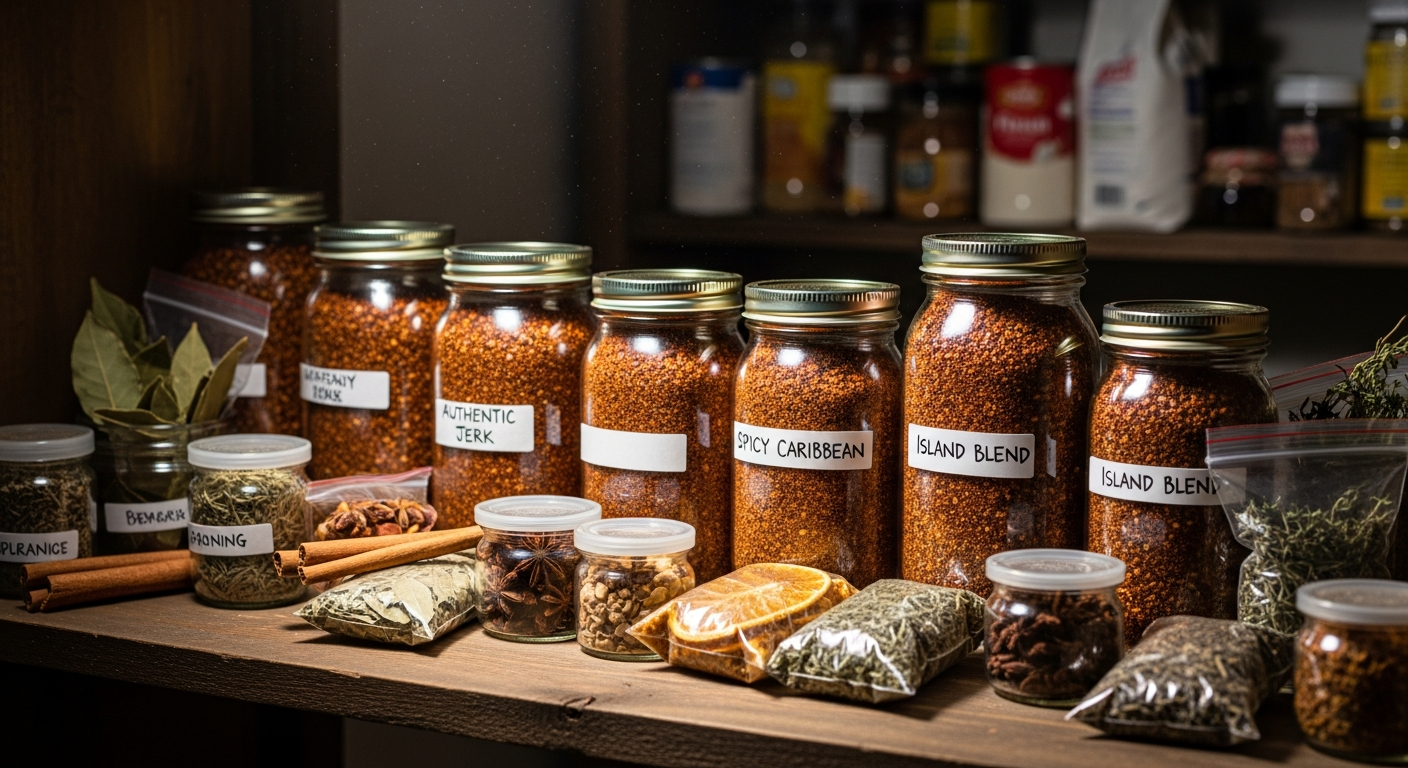
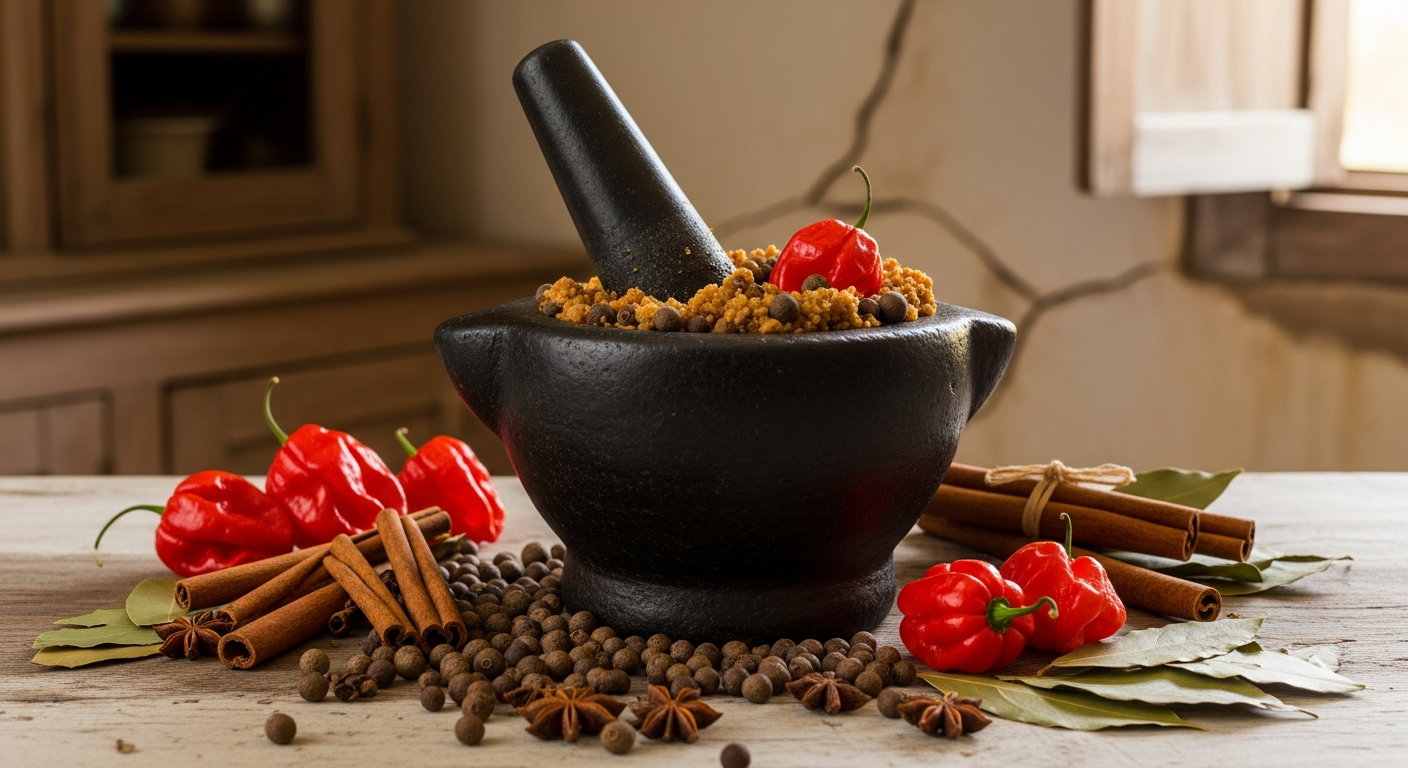
Assortment of jerk spices and ingredients, vibrant and fresh

Flavor Infusion Techniques for Unique Jerk Variations

Want to give your jerk chicken a special twist? Consider flavor infusion techniques, such as:

  • Using different types of wood chips for smoking.
  • Incorporating fruits like mango or pineapple into your marinades.
  • Exploring various Caribbean spices beyond the traditional jerk blend.

These methods will not only enhance your jerk dishes but also elevate your culinary artistry. So, gather your ingredients and let your creativity flow!

Final Thoughts and Resources for Continuous Learning

Glossary of Jerk Cooking Terms for Beginners

Before we wrap up, here’s a quick glossary of essential jerk cooking terms that will help you navigate your culinary journey:

  • Marinade: A mixture used to flavor and tenderize meat.
  • Scotch Bonnet: A spicy pepper known for its heat and flavor.
  • Pimento: Another name for allspice, crucial in jerk seasoning.

Familiarizing yourself with these terms will boost your confidence in the kitchen as you explore more!

Suggested Reading and Video Resources for Further Mastery

Looking for more inspiration? Here are some resources to enhance your jerk cooking skills:

  • Books on Jamaican cuisine, like “Jerk from Jamaica” by Helen Willinsky.
  • Online video tutorials showcasing grilling techniques.
  • Cooking blogs that focus on Caribbean flavors and recipes.

These resources are treasure troves of information, perfect for anyone eager to learn more!

Online Communities and Cooking Blogs for Jerk Cooking Enthusiasts

Don’t forget to connect with fellow cooking enthusiasts! Joining online communities can provide support and inspiration. Here are some great spaces to explore:

  • Facebook groups focused on Caribbean cooking.
  • Forums dedicated to grilling and barbecue techniques.
  • Cooking blogs that celebrate the culture and flavors of Jamaica—like Jerk Pit!

These connections can be invaluable as you continue your journey and expand your culinary skills!

Recap of Key Points

  • Understanding Heat Control: Achieving the right heat levels is crucial to avoid charring the chicken while ensuring it's fully cooked.
  • Indirect Heat Cooking: Use indirect heat to cook jerk chicken evenly, then sear it for a perfect finish.
  • Balancing Spice: Adjust pepper quantities based on your heat preference, starting small and increasing as needed.
  • Cooking Methods: Grilling offers authentic flavor, while baking is easier for beginners. Consider using modern appliances like air fryers and slow cookers.
  • Marinating: Marinate for at least 4 hours, or overnight for maximum flavor infusion.
  • Safety Tips: Handle Scotch bonnet peppers carefully and ensure chicken reaches an internal temperature of 165°F.