Authentic Jamaican Jerk Cooking
Master jerk recipes, marinades, and techniques rooted in centuries of Caribbean tradition. From the smoky pits of Boston Bay to your backyard grill.
Start with Classic Jerk ChickenThe Complete Guide to Jerk Cooking
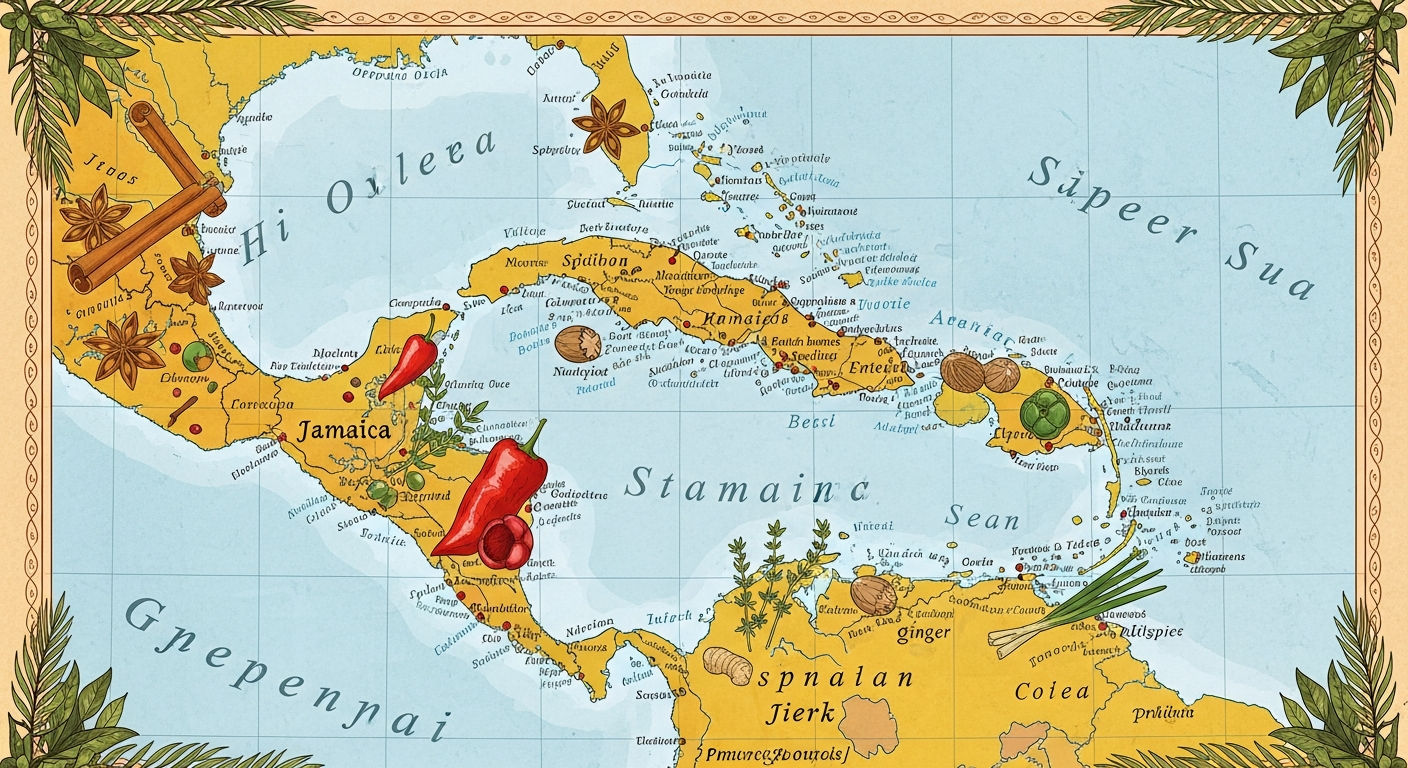
Jamaican jerk is one of the world's great culinary traditions — a method of seasoning and cooking meat that originated more than three centuries ago in the rugged Blue Mountains of eastern Jamaica. The Maroon people, descendants of enslaved Africans who escaped into the mountains, developed jerk cooking as a way to preserve and flavor wild boar and other game using the indigenous plants they found growing in the dense tropical forest. The technique they created — rubbing meat with a fiery paste of scotch bonnet peppers, allspice berries, and fresh herbs, then smoking it low and slow over green pimento wood — produced something so deeply flavorful that it has endured for centuries and spread to kitchens around the world.
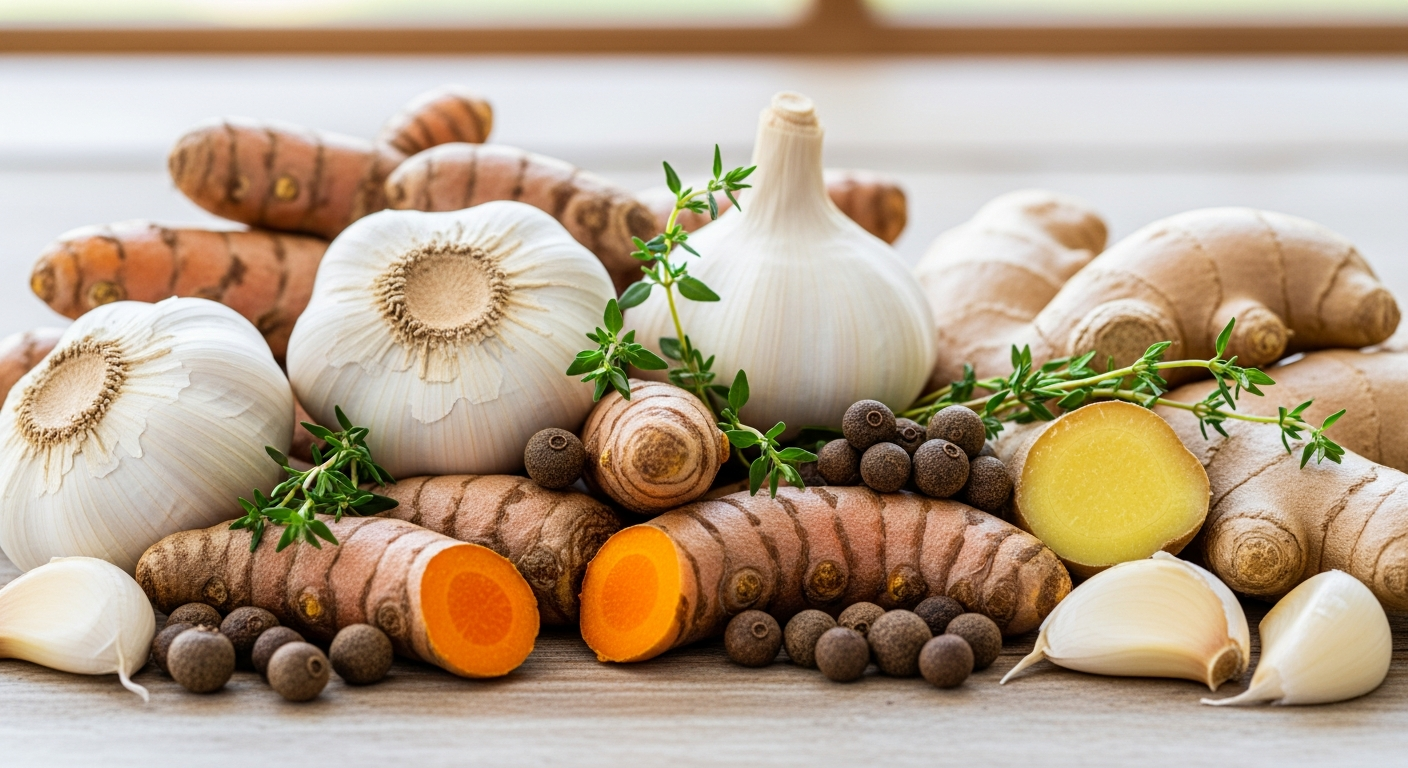
At its heart, authentic jerk is built on a few non-negotiable ingredients. Scotch bonnet peppers provide the signature heat — these small, lantern-shaped peppers deliver a fruity, intensely hot burn that is different from any other chili. Allspice, the dried berry of the pimento tree native to Jamaica, brings a complex warmth that suggests cinnamon, nutmeg, cloves, and black pepper all at once. Fresh thyme adds herbaceous depth. Scallions, garlic, and ginger round out the aromatic base. These ingredients, combined in the right proportions and applied with the right technique, create the layered, multidimensional flavor that makes jerk cooking unmistakable.
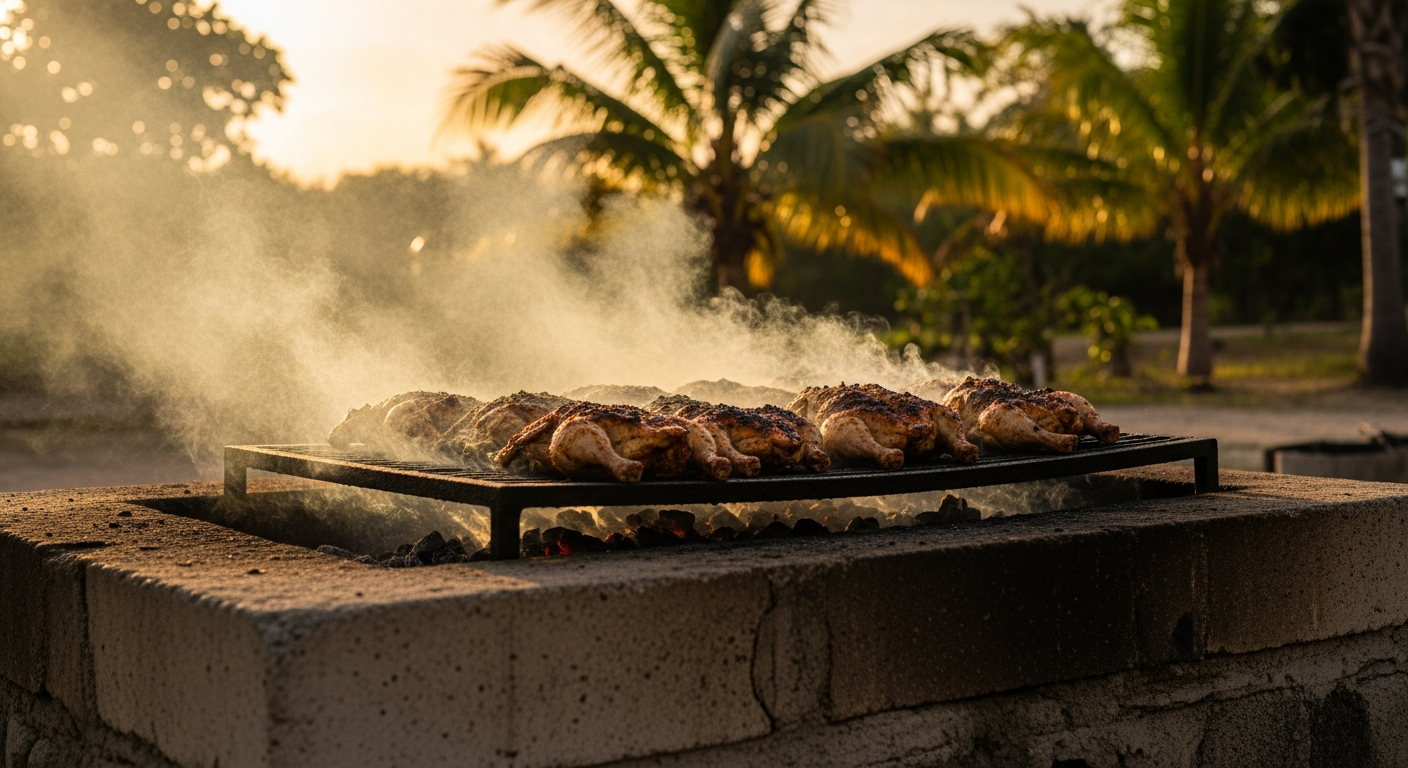
What separates jerk from other grilling traditions is the relationship between the marinade and the smoke. In traditional jerk pits along the roadside in Boston Bay, Portland Parish — the birthplace of jerk — whole chickens and legs of pork are marinated overnight, then cooked for hours over smoldering pimento wood logs. The wood produces a sweet, aromatic smoke that infuses the meat with a flavor impossible to replicate with any other fuel. This marriage of the spice paste and the pimento smoke is the soul of authentic jerk cooking.
JerkPit.com exists to be your complete resource for mastering jerk cooking at home. We have tested and documented every recipe, every marinade variation, every technique, and every pairing so you can cook with confidence. Explore our categories below to find exactly what you need — whether that is a step-by-step jerk chicken recipe, a guide to building your own jerk marinade from scratch, or the cultural history behind this extraordinary Caribbean tradition.
Top Jerk Guides
Our most detailed, in-depth guides on every aspect of Jamaican jerk cooking.
History of Jerk
The full story — from Maroon warriors to global icon.
Temperature Guide
Exact temps for perfect doneness every time.
Marinade Shelf Life
How long jerk marinade keeps in fridge and freezer.
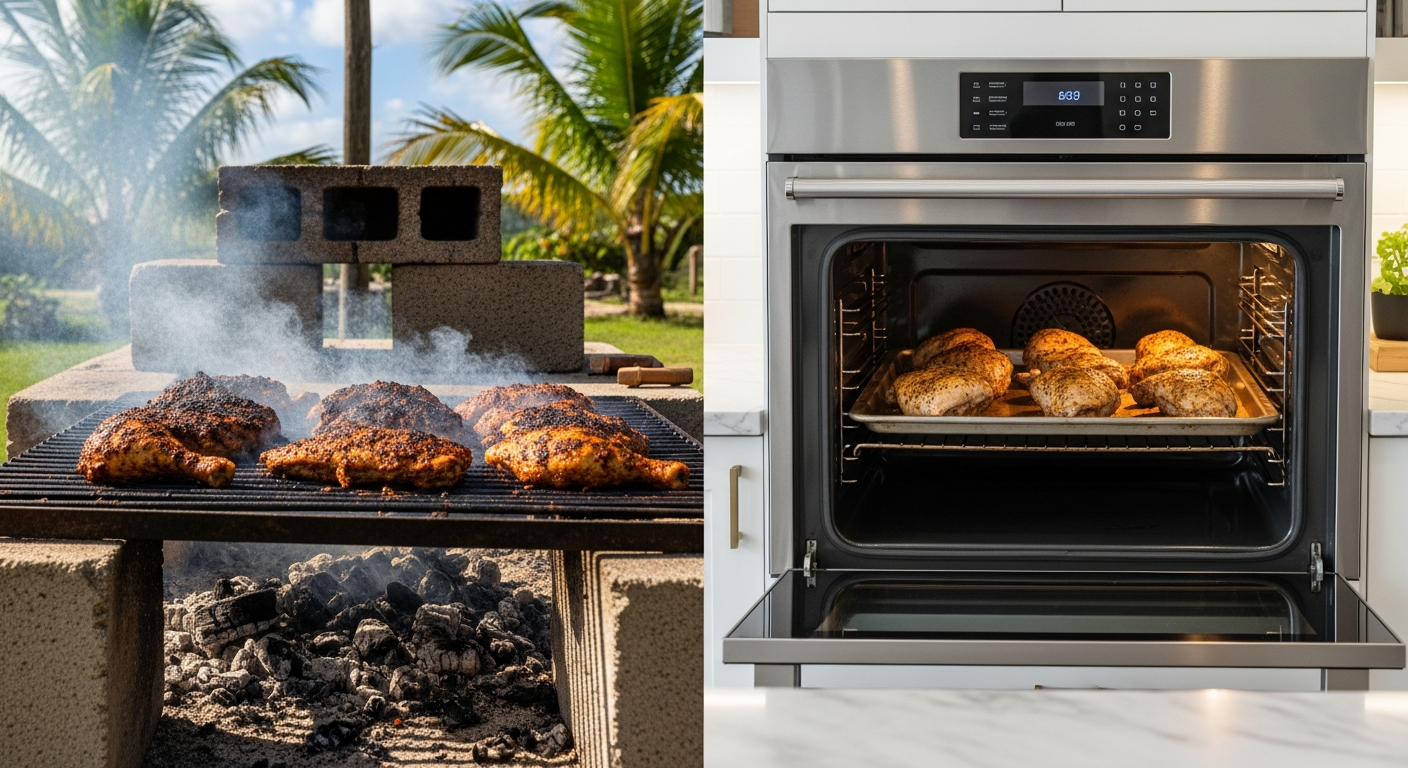
Mild Jerk Marinade
Full Caribbean flavor — without the scotch bonnet heat.
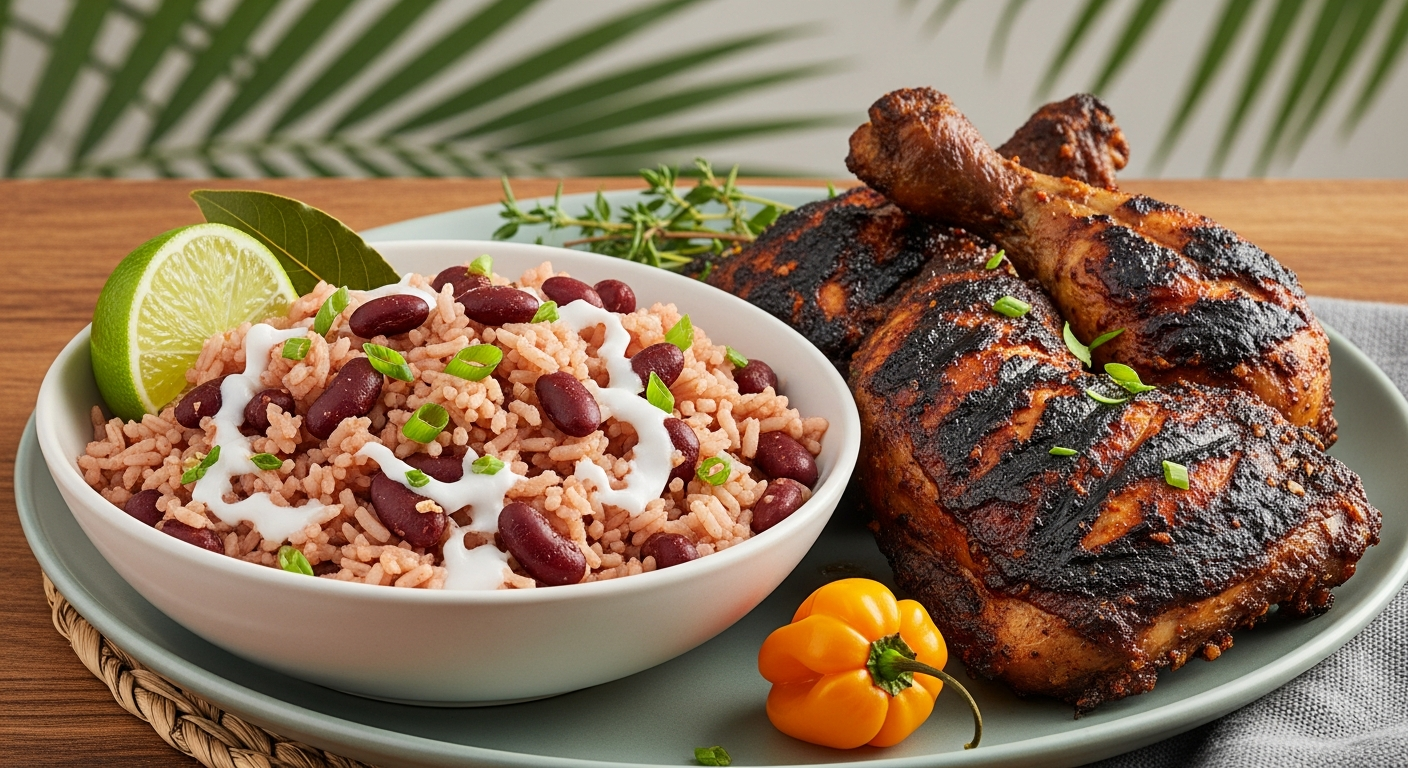
Salads for Jerk Chicken
Caribbean coleslaw, mango avocado, and more.
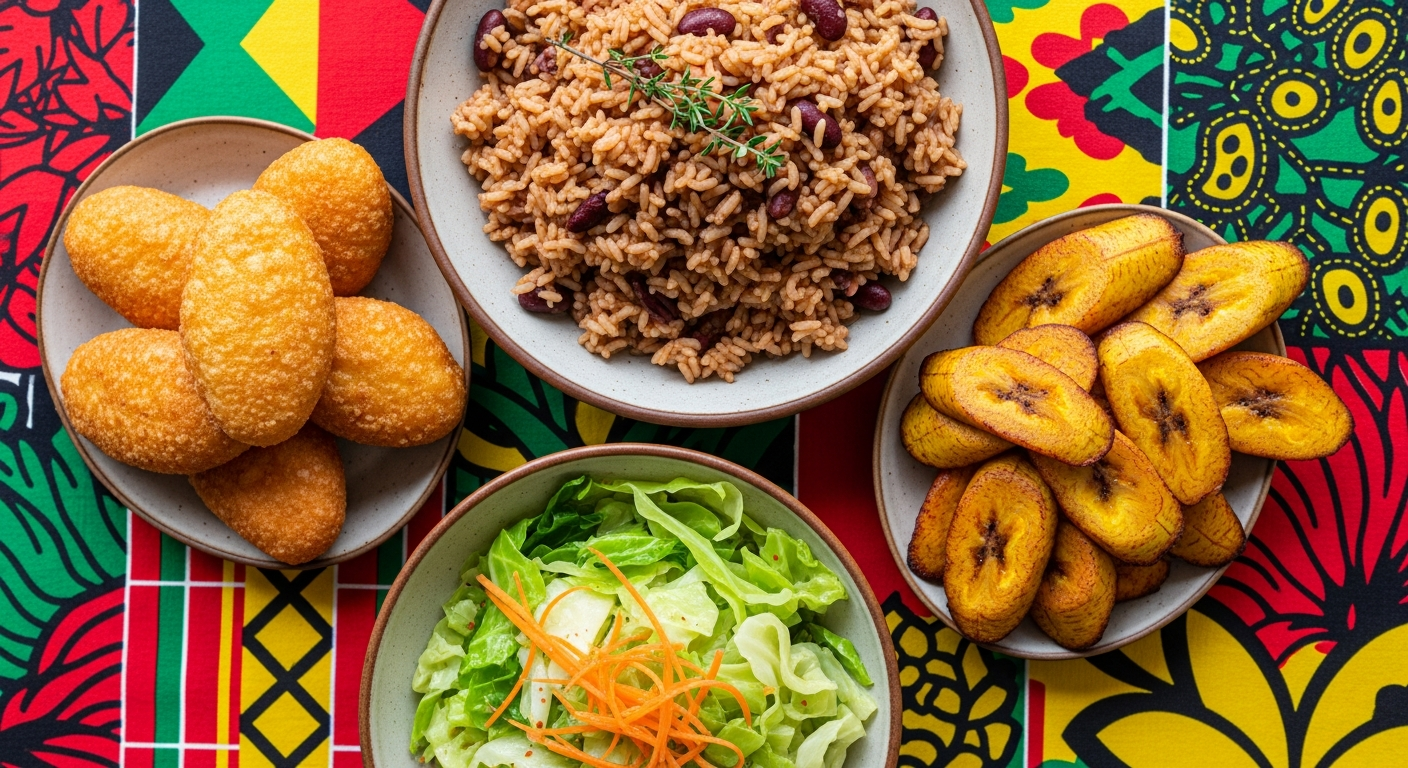
Jamaican Sides
Rice and peas, bammy, festival bread — the full spread.
Free Newsletter
Get Authentic Jerk Recipes Delivered
Authentic Jamaican recipes, cooking tips, and new guides delivered to your inbox. No spam — unsubscribe any time.
Join 2,400+ jerk cooking enthusiasts. Unsubscribe anytime.
Explore Jerk Cooking by Topic
Jerk Recipes
Master the art of jerk cooking with our collection of authentic Caribbean recipes.
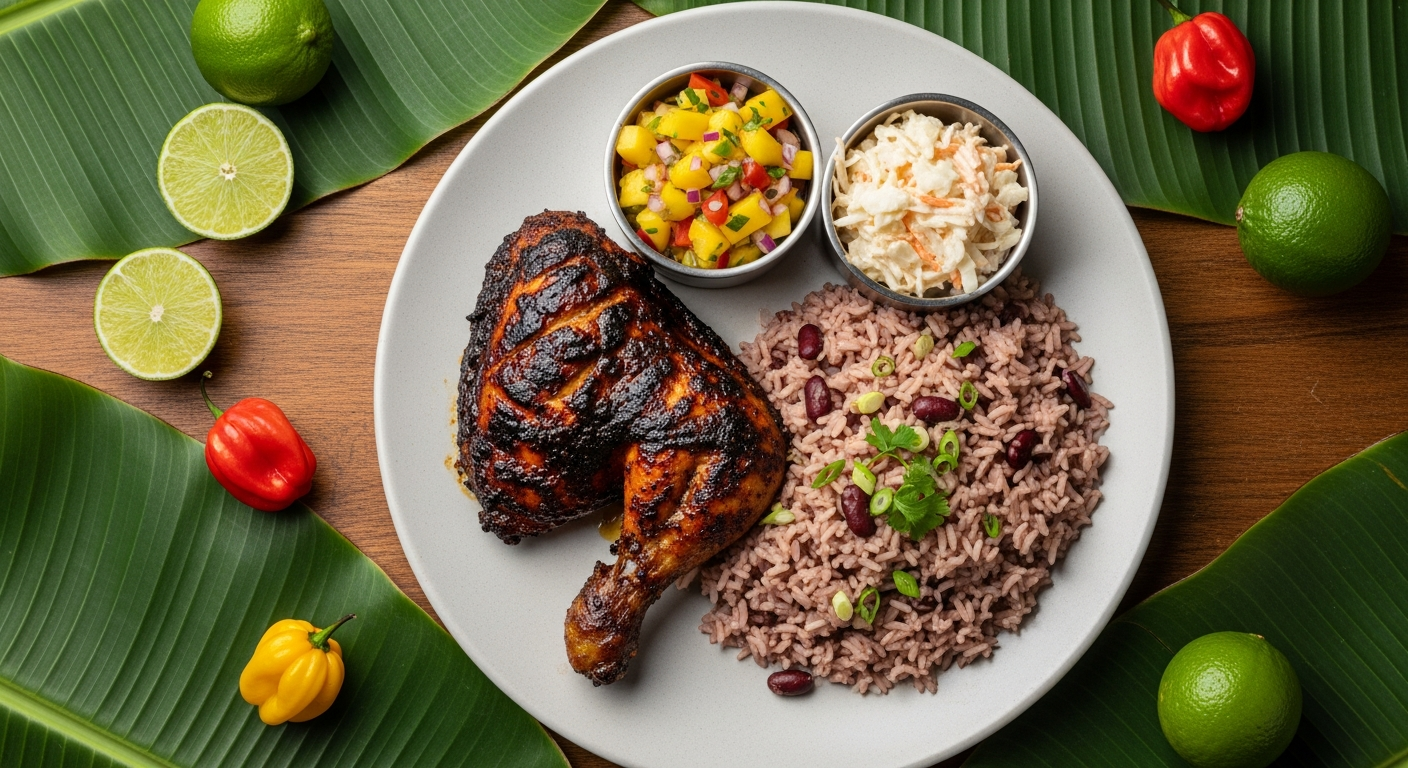
Jamaican Jerk Chicken Recipe Guide
Follow this complete Jamaican jerk chicken recipe guide for authentic, restaurant-quality results right in your own kitchen or backyard.
Jerk Marinade Without Scotch Bonnet – Mild Authentic Flavor Guide
Love jerk flavor but can't handle the heat? This guide shows you how to make a full-flavored jerk marinade without scotch bonnet peppers that still tastes authentically Caribbean.
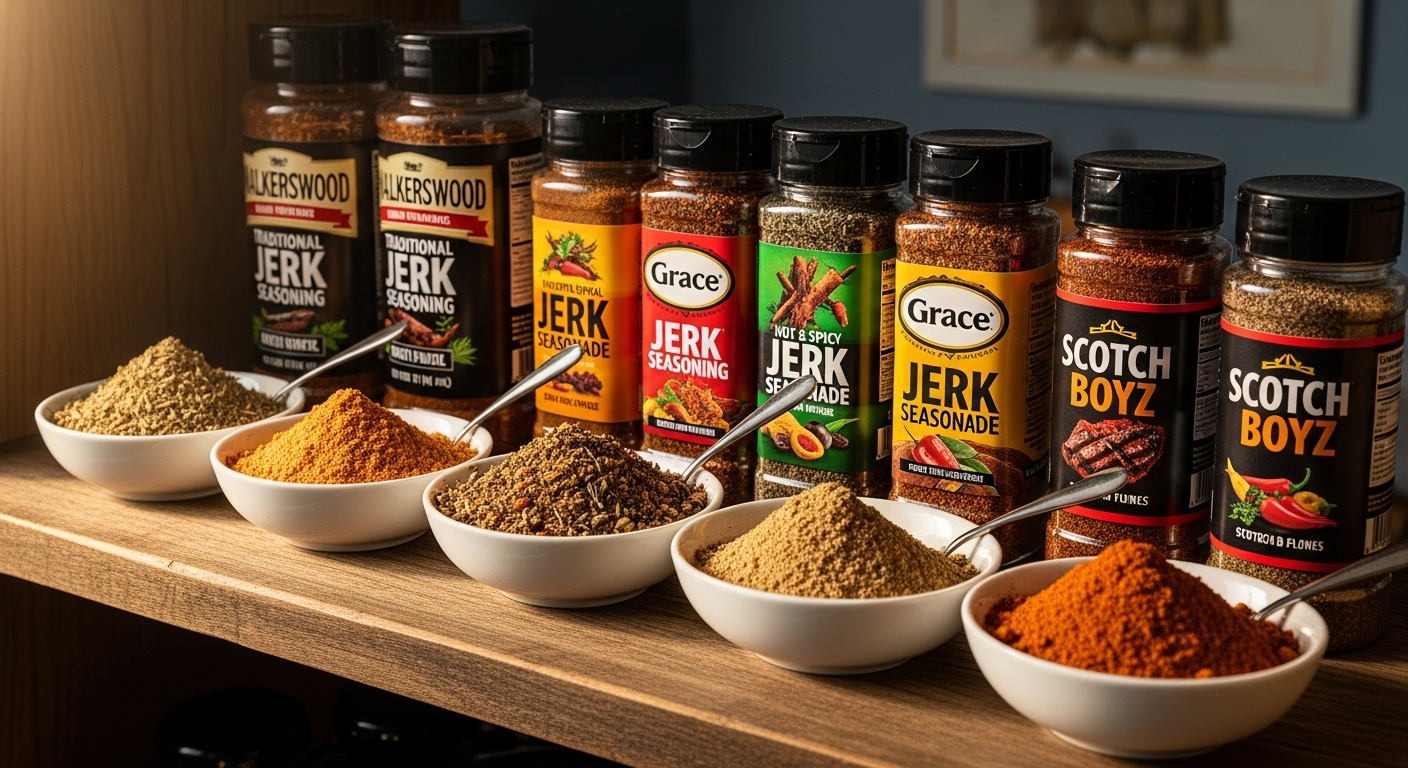
Best Jerk Seasoning Brands Reviewed
Find the best jerk seasoning brands with our detailed reviews covering flavor profiles, heat levels, ingredients, and value. Full comparison table included.
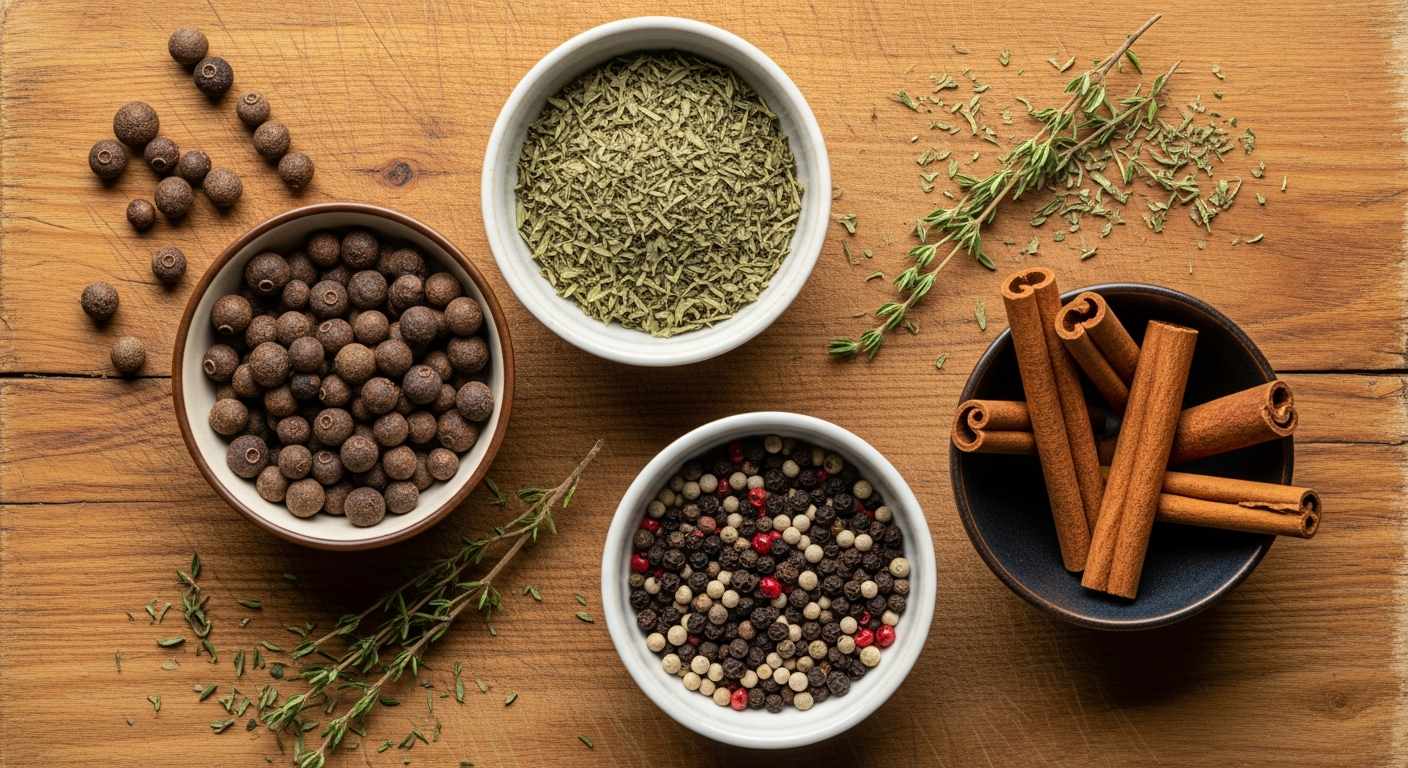
Homemade Jerk Spice Blend Recipe
Create your own authentic jerk spice blend at home with the perfect balance of heat, warmth, and aromatic depth.
Marinades
Perfect your jerk flavor with our collection of marinades, glazes, rubs, and sauces.
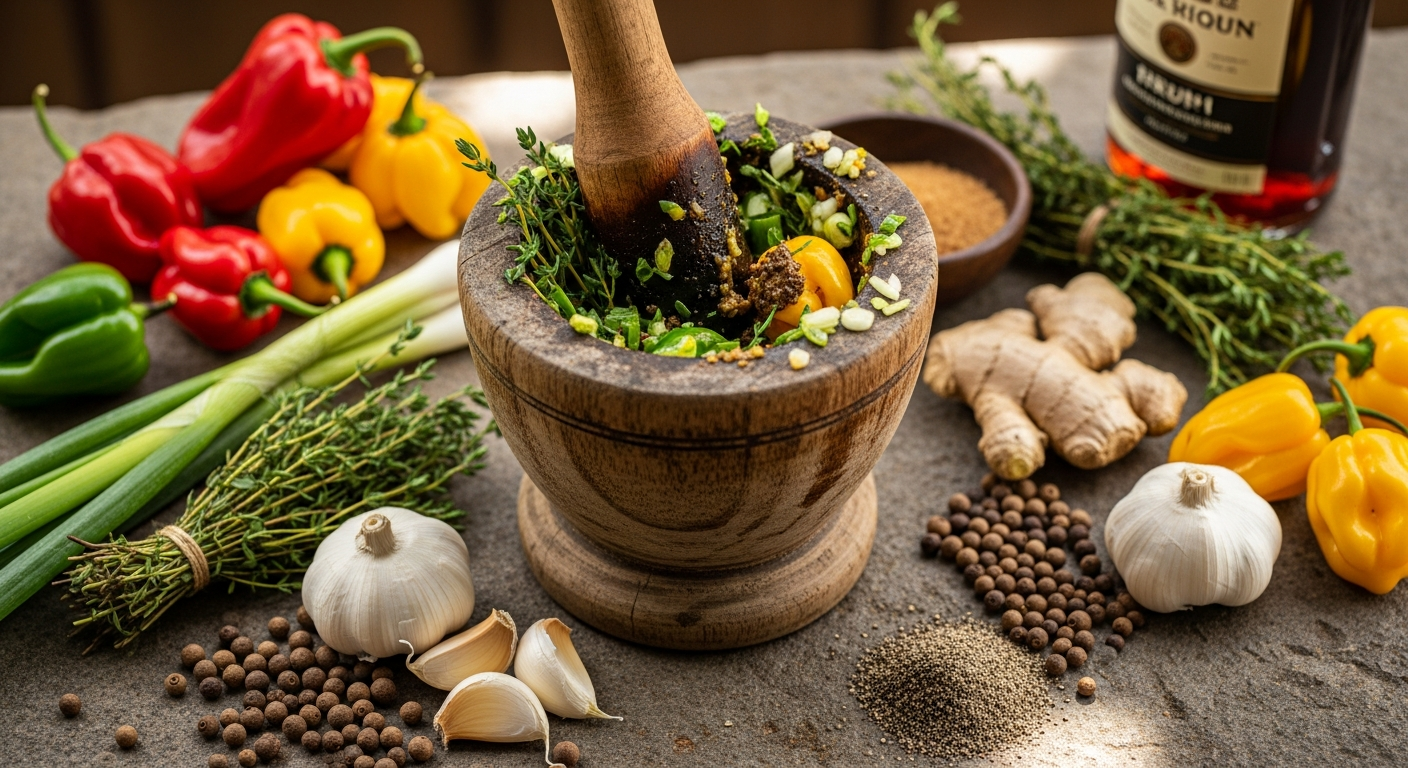
Authentic Jamaican Jerk Marinade: The Complete Guide
The definitive guide to building an authentic Jamaican jerk marinade from scratch, with traditional ingredients, proper ratios, regional variations, and expert techniques.
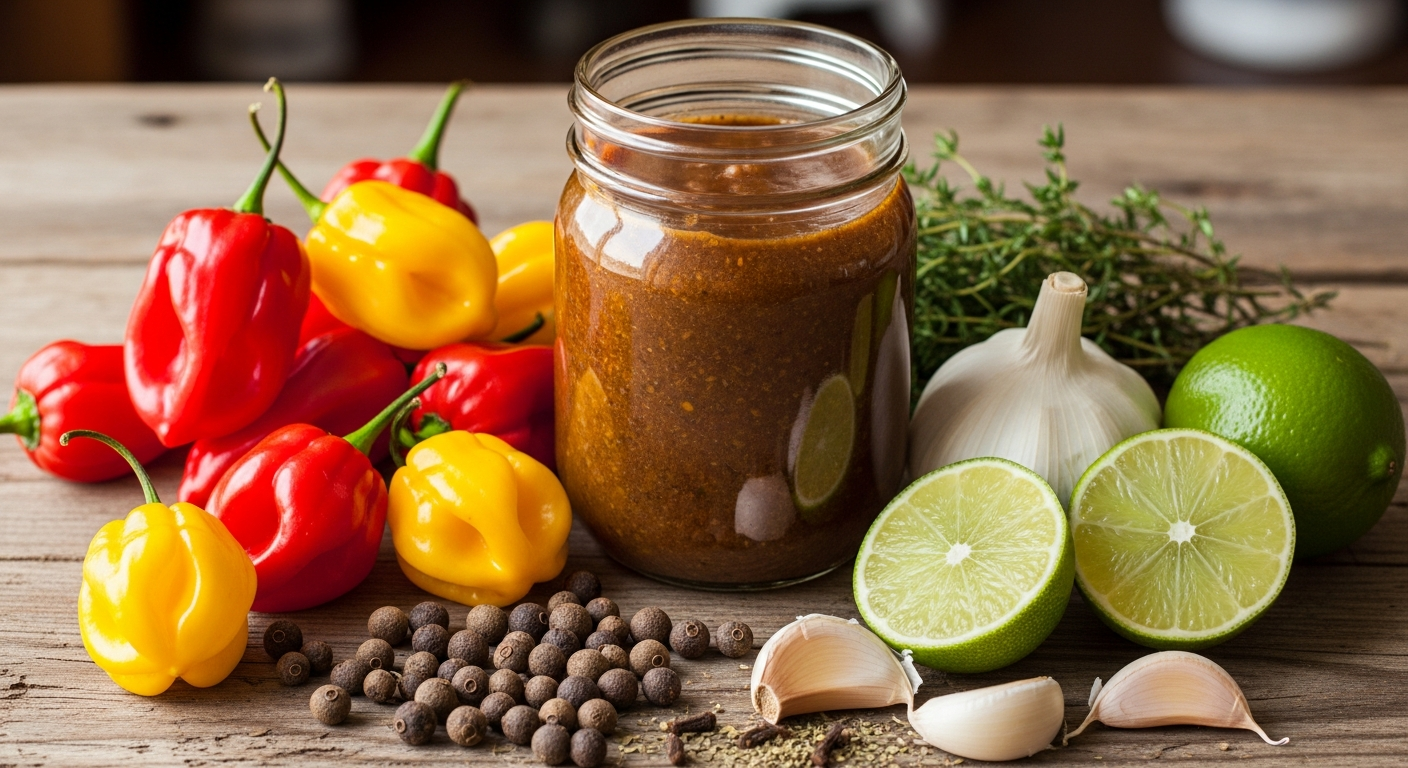
Your Complete Homemade Jamaican Jerk Marinade Guide
Everything you need to make authentic Jamaican jerk marinade at home, from sourcing ingredients to blending the perfect paste and storing it for future use.
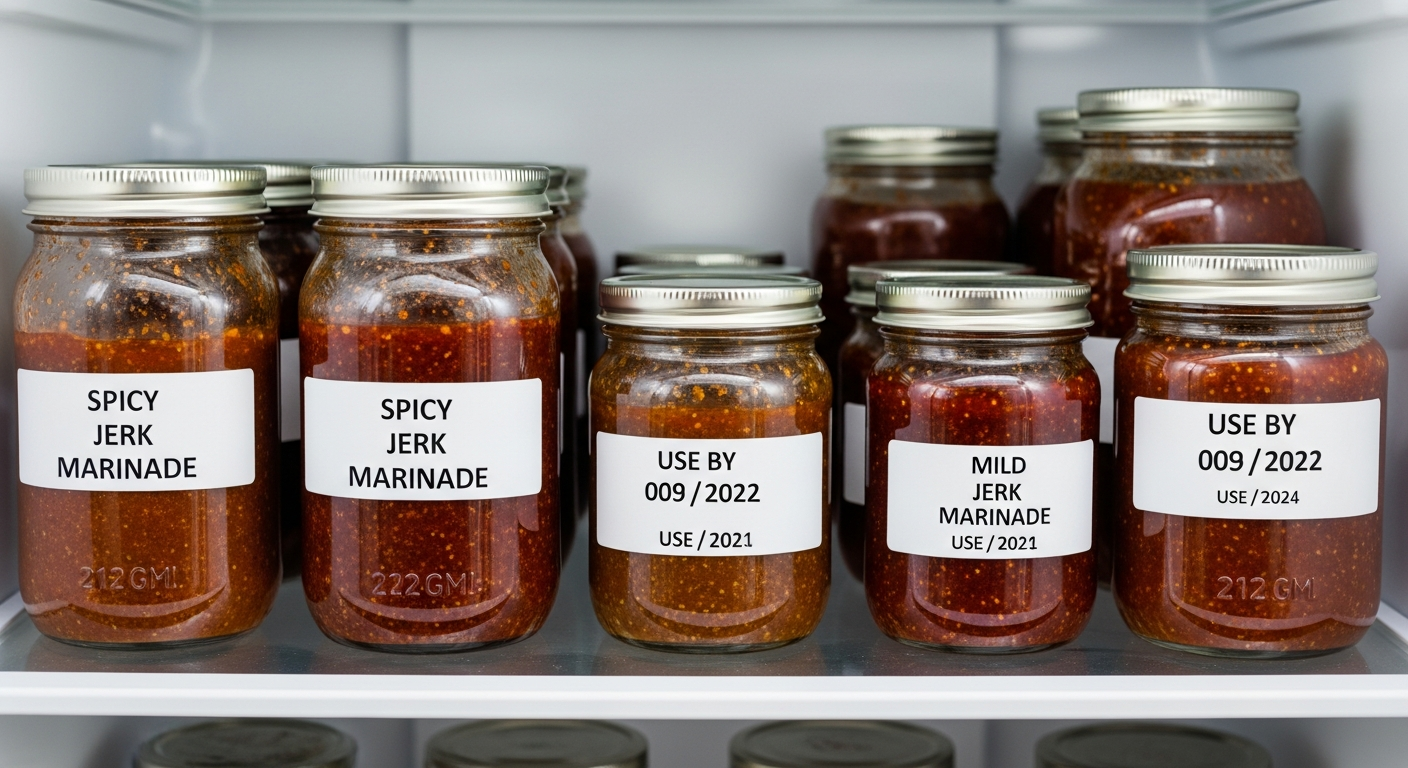
How Long Can Jerk Marinade Last? Storage and Safety Guide
How long can jerk marinade last? This complete guide covers refrigerator and freezer shelf life, food safety rules, and how to batch prep marinade efficiently.
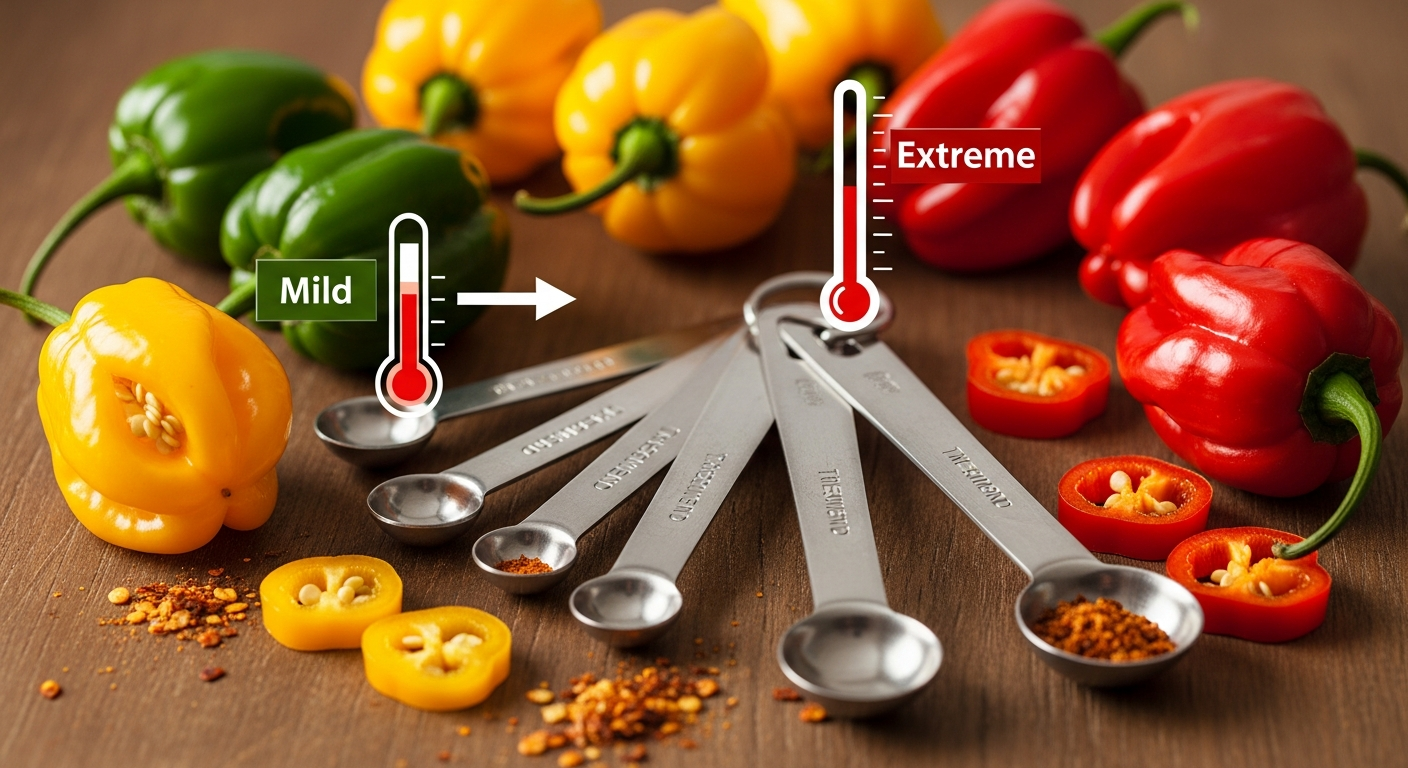
Adjusting Heat in Jerk Marinades: From Mild to Fiery
Master the art of heat control in jerk marinades. From kid-friendly mild to authentic fiery heat, learn to adjust spice without sacrificing flavor.
Pairing Ideas
Complete your jerk meal with the perfect sides, drinks, and accompaniments.
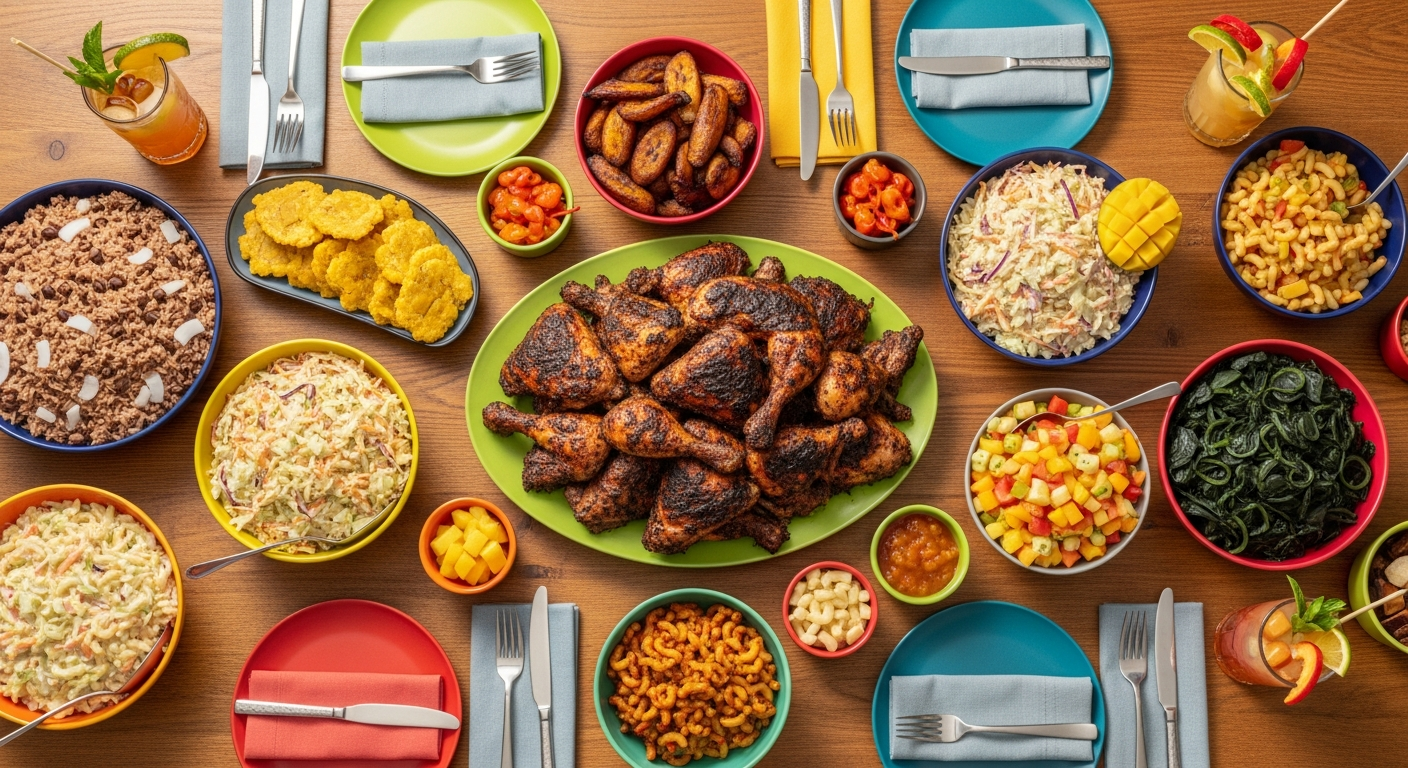
Side Dishes for Jamaican Jerk Chicken: What Sides to Serve
What side goes with jerk chicken? Find good sides for jerk chicken and the best sides to serve with jerk chicken for any occasion.
Jamaican Sides for Jerk Dishes
Build the perfect Caribbean plate with these traditional Jamaican sides that complement jerk dishes beautifully.
What Salad Goes With Jerk Chicken? Fresh Caribbean Pairings
The right salad transforms a jerk chicken meal into a complete Caribbean feast. Discover the best salads — fresh, tropical, and perfectly balanced — to serve alongside jerk.
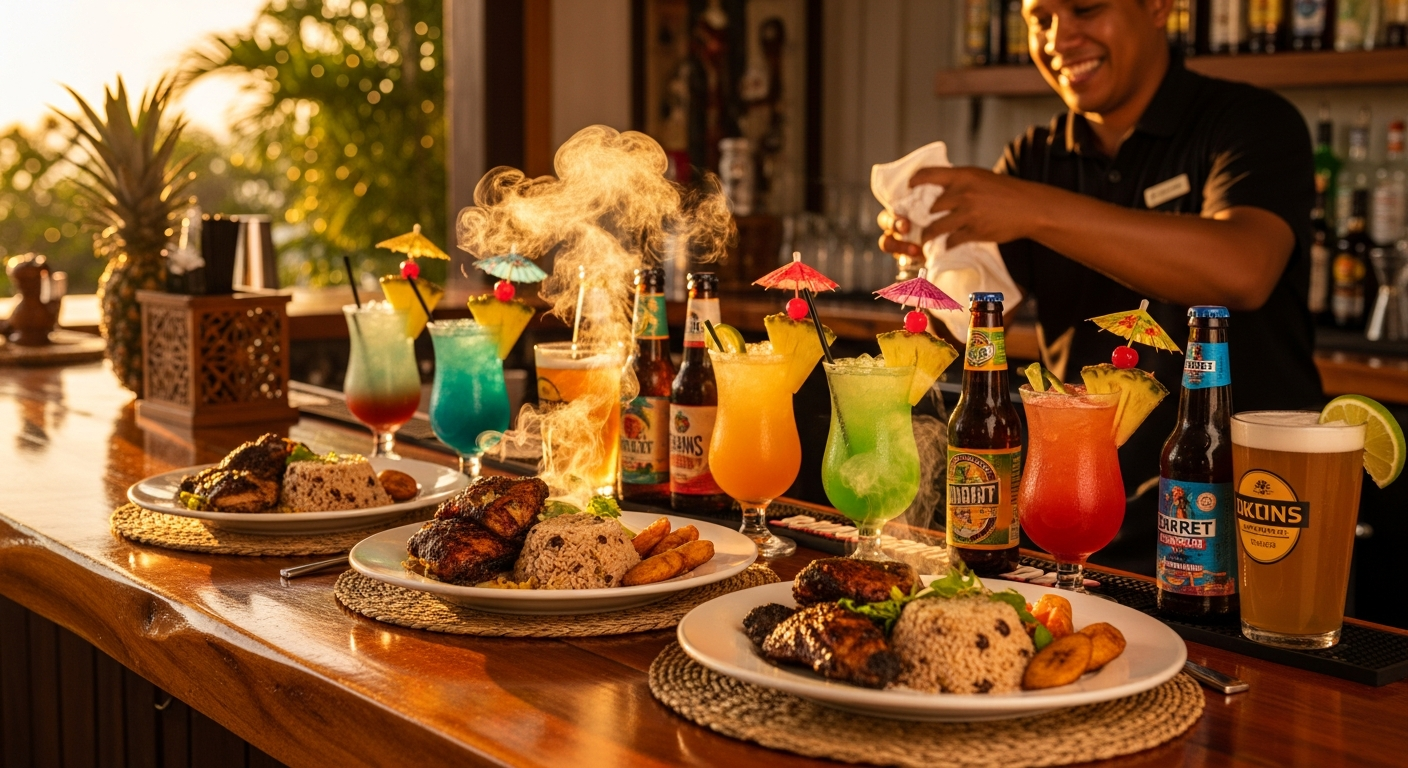
Beer and Cocktail Pairings for Jerk
Find the perfect beer and cocktail pairings to complement the bold, spicy flavors of jerk cooking.
Cooking Techniques
Master the techniques behind authentic jerk cooking, from traditional pits to modern methods.
Jerk Chicken Temperature Guide – Perfect Cooking Doneness
Never serve undercooked or dry jerk chicken again. This complete temperature guide covers safe internal temperatures, grill temps, and doneness techniques for perfect jerk every time.
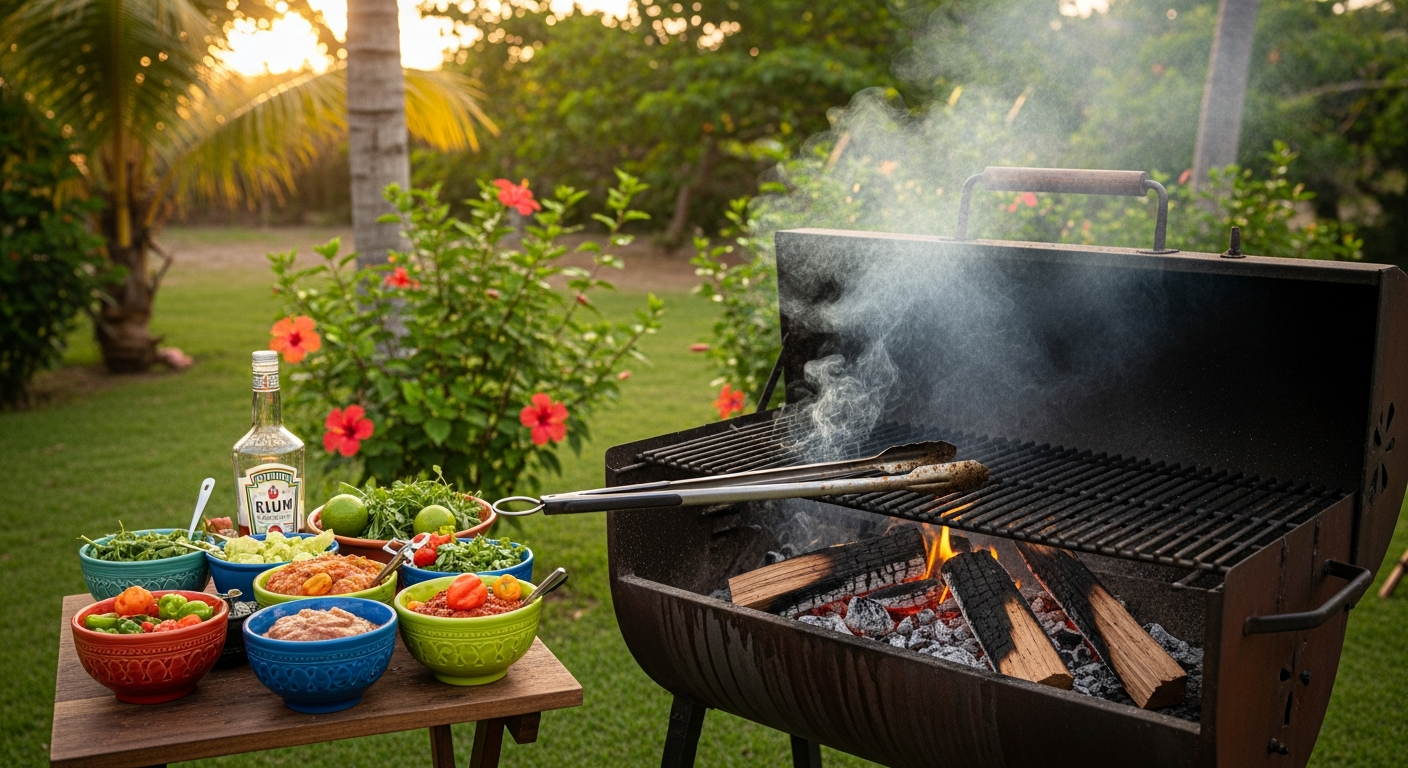
Backyard Jamaican Jerk Cooking Essentials
Transform your backyard into a Caribbean jerk station with the right equipment, fuel, and techniques. Your complete guide to outdoor jerk cooking at home.
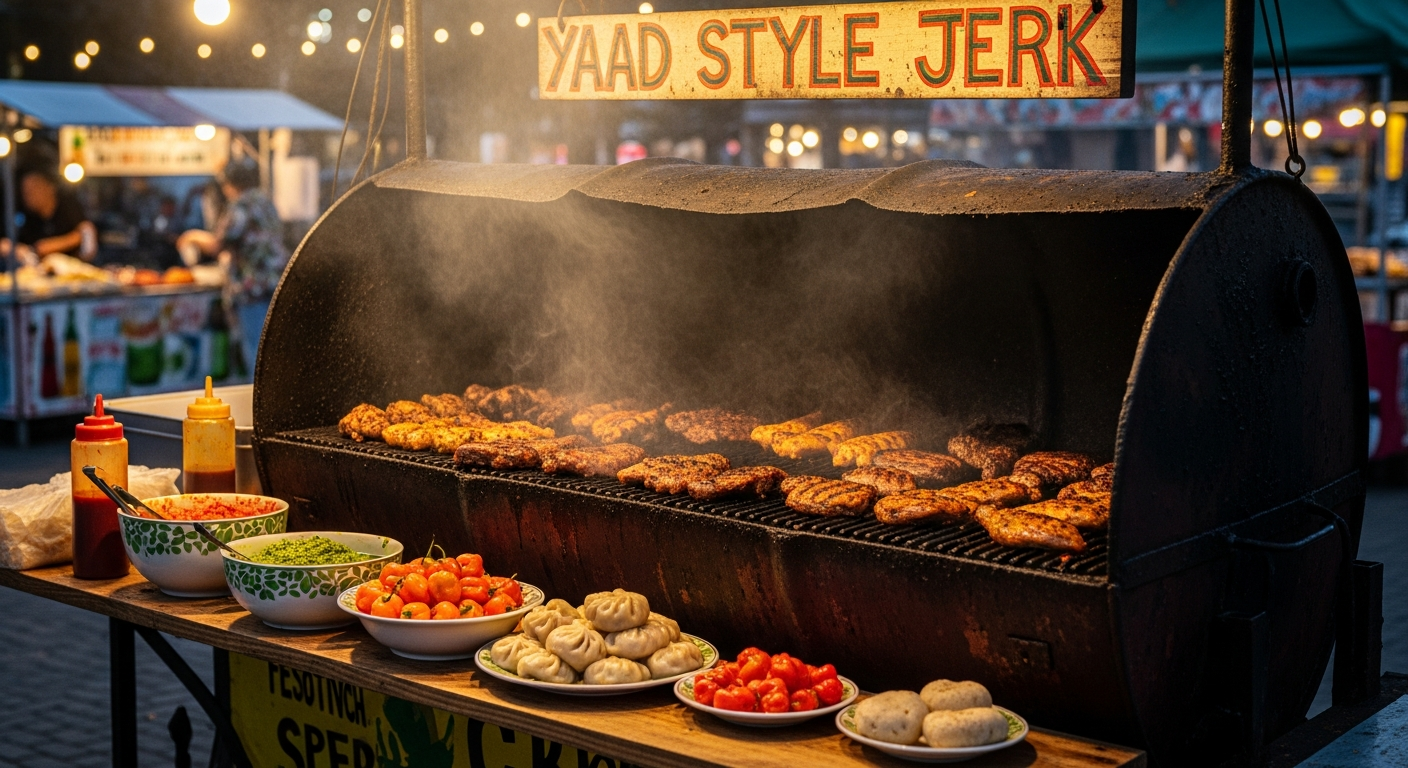
Tips for Traditional Jerk Grilling: Authentic Techniques
Learn the authentic grilling techniques used at Jamaican jerk stands. From fire building to turning and basting, these tips deliver genuine Caribbean results.
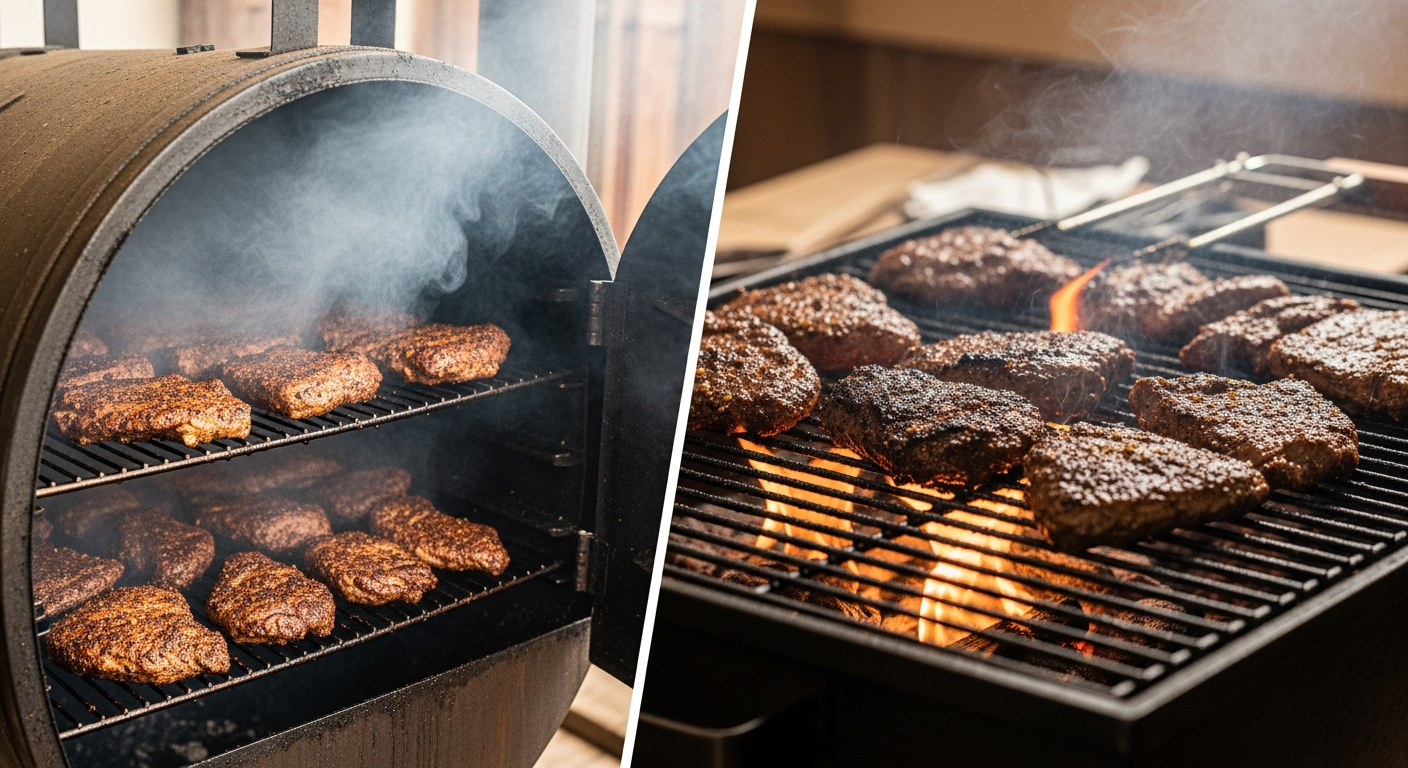
Jerk Meats: Smoking vs Grilling — Which Is Better?
Smoking and grilling produce distinctly different jerk results. Learn the advantages of each method and when to choose one over the other.
Cultural Stories
Discover the rich history, traditions, and stories behind Caribbean jerk culture.
History of Jerk Seasoning – From Maroon Survival Food to Global Icon
From a survival technique used by Jamaica's Maroon warriors to a global culinary phenomenon, the history of jerk seasoning is a story of resilience, ingenuity, and extraordinary flavor.
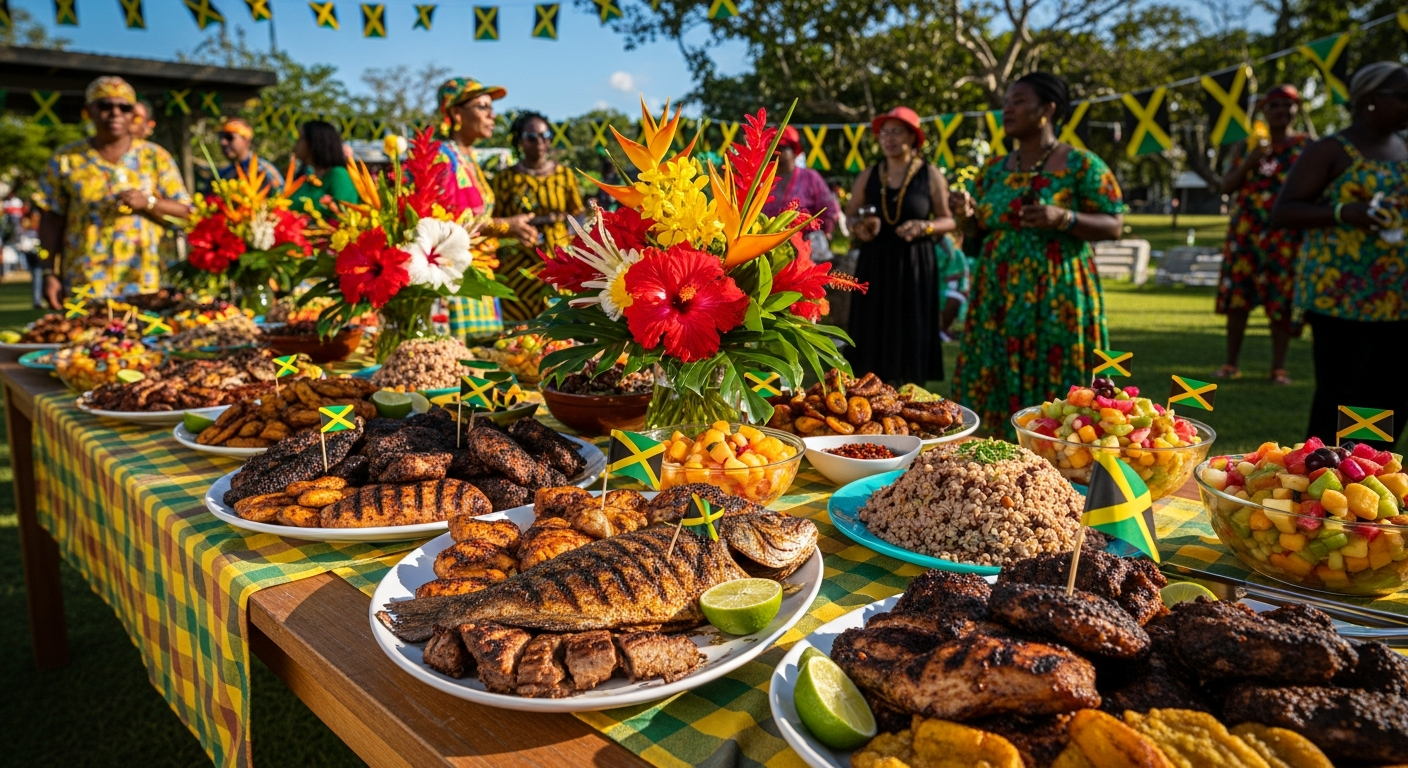
Jamaican Jerk: A Taste of Heritage
Discover the deep cultural roots of Jamaican jerk cooking, from its Maroon origins to its status as a symbol of national pride and resilience.
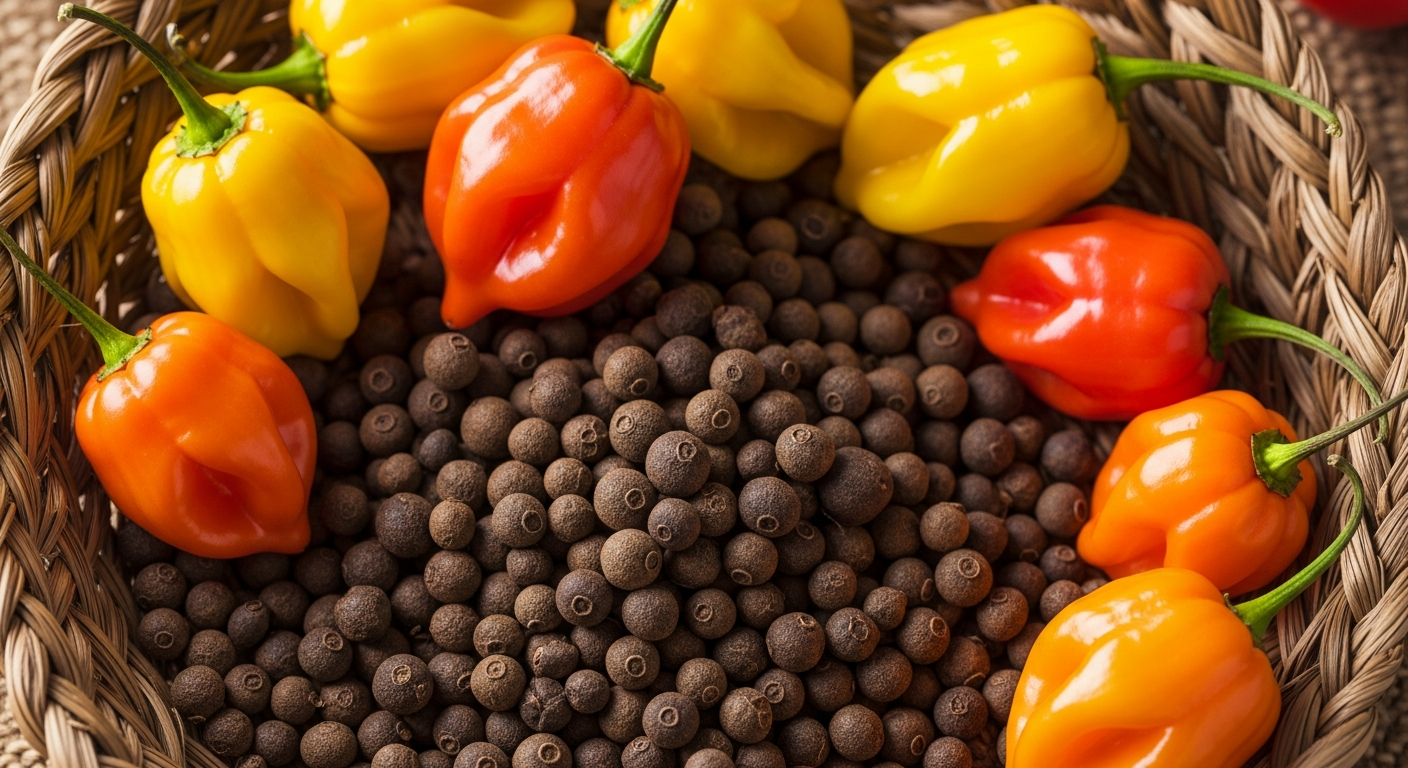
Allspice and Scotch Bonnet in Jerk
Explore how allspice and scotch bonnet peppers define the soul of jerk cooking, from their botanical origins to their irreplaceable roles in creating authentic Caribbean flavor.
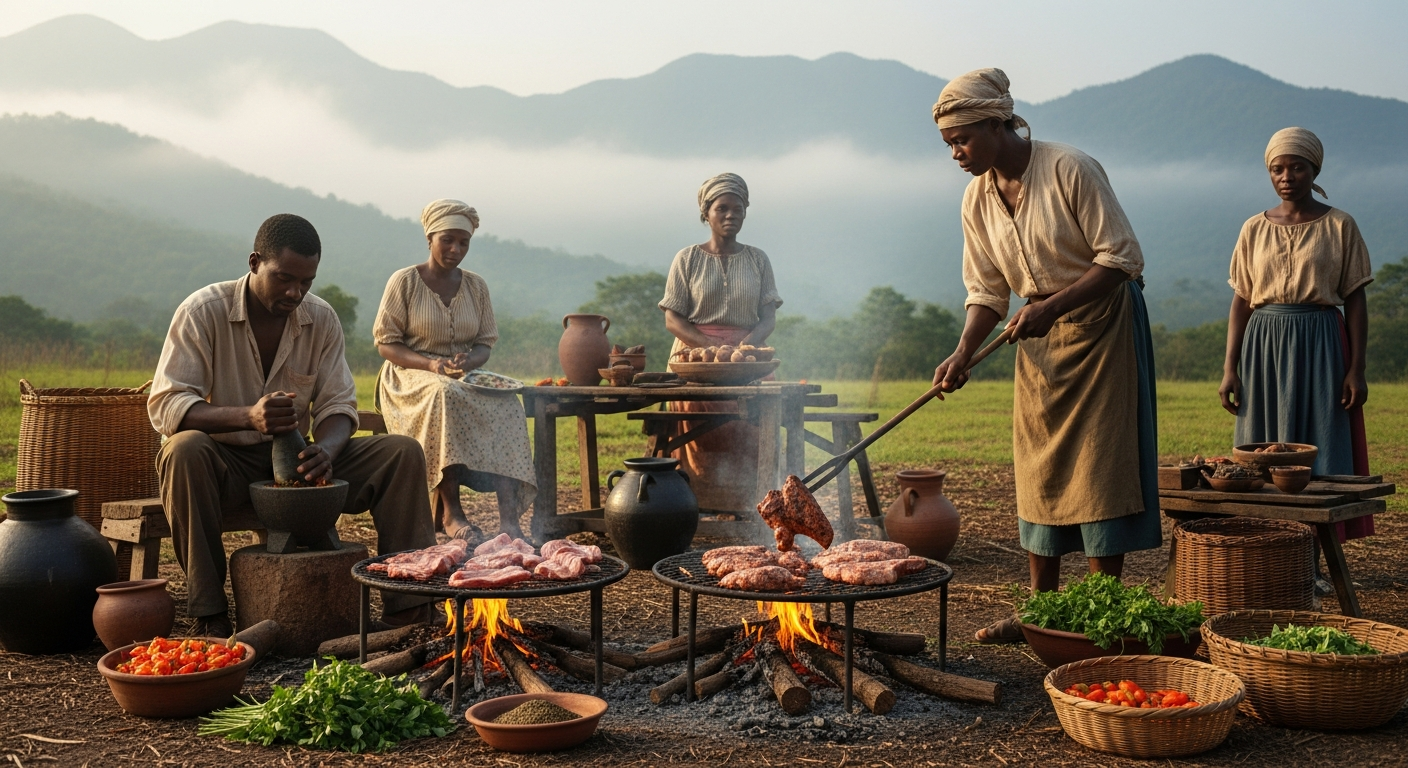
Jerk Cooking: Jamaican Identity and Resistance
Explore how jerk cooking embodies the spirit of Jamaican resistance and identity, from its origins with Maroon freedom fighters to its role as a symbol of cultural pride today.
Recommended Equipment & Ingredients
Independently researched buying guides for authentic jerk cooking — from charcoal grills to pimento wood.
Essential Jerk Cooking Guides
Our highest-value guides for mastering authentic jerk at home — from choosing the right seasoning to perfecting your technique.
Best Jerk Seasoning Brands Reviewed
Find the best jerk seasoning brands with our detailed reviews covering flavor profiles, heat levels, ingredients, and value. Full comparison table included.
Authentic Jamaican Jerk Marinade: The Complete Guide
The definitive guide to building an authentic Jamaican jerk marinade from scratch, with traditional ingredients, proper ratios, regional variations, and expert techniques.
Jamaican Jerk Chicken Recipe Guide
Follow this complete Jamaican jerk chicken recipe guide for authentic, restaurant-quality results right in your own kitchen or backyard.
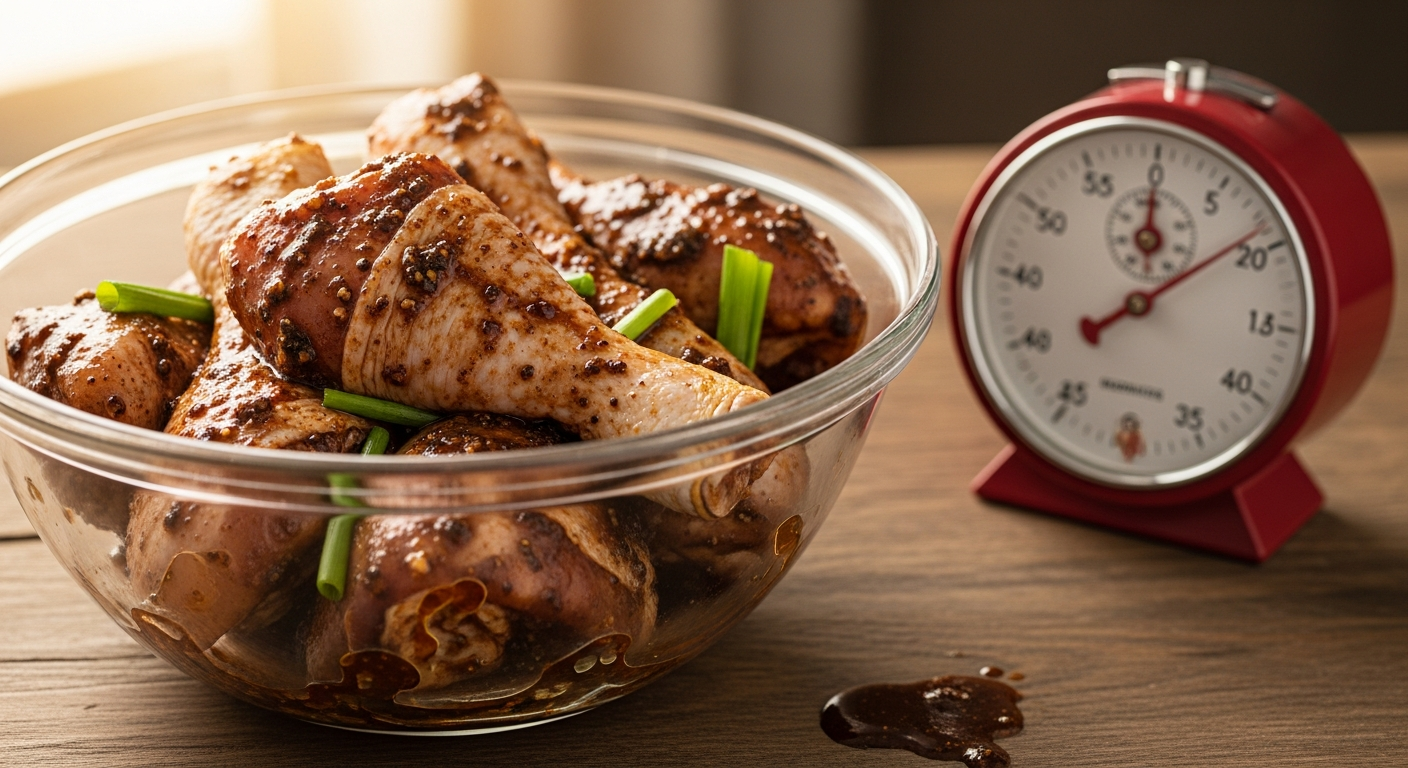
Jerk Marinade Timing for Meat: How Long Is Enough?
Timing is everything when marinating with jerk seasoning. Too little and flavors stay on the surface; too much and textures break down. Here is your complete guide.
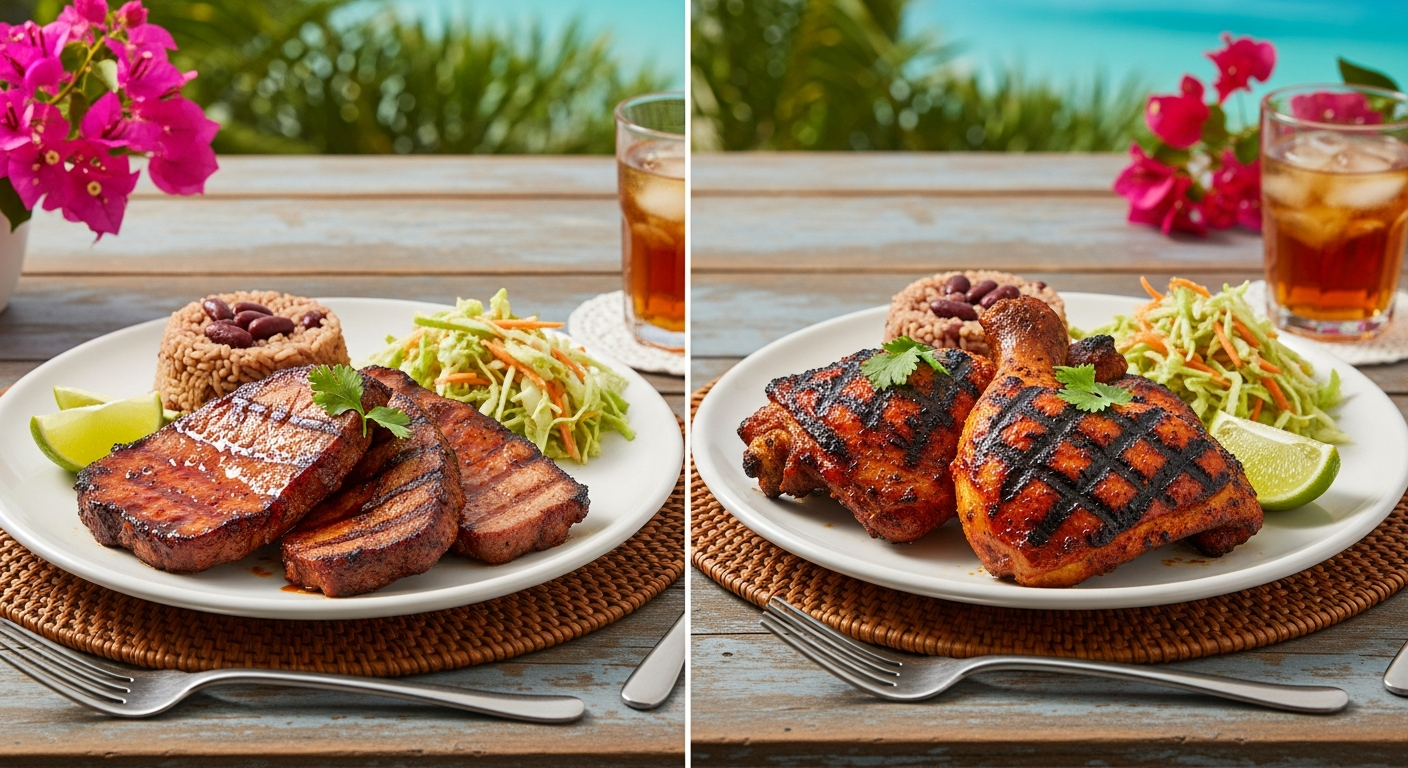
Jerk Pork or Jerk Chicken: Which Is Better?
Explore the great Caribbean debate: jerk pork or jerk chicken? Compare flavors, techniques, history, and find which one you should try first.
Backyard Jamaican Jerk Cooking Essentials
Transform your backyard into a Caribbean jerk station with the right equipment, fuel, and techniques. Your complete guide to outdoor jerk cooking at home.
The Ultimate Jamaican Jerk Marinade Cheat Sheet
Exact ratios for scotch bonnet, allspice, and every key ingredient. Print it, pin it to your kitchen wall, and never guess again.
Free. No spam. Unsubscribe anytime.
Frequently Asked Questions About Jerk Cooking
Everything you need to know about Jamaican jerk — from ingredients and heat levels to cooking methods and side dishes.