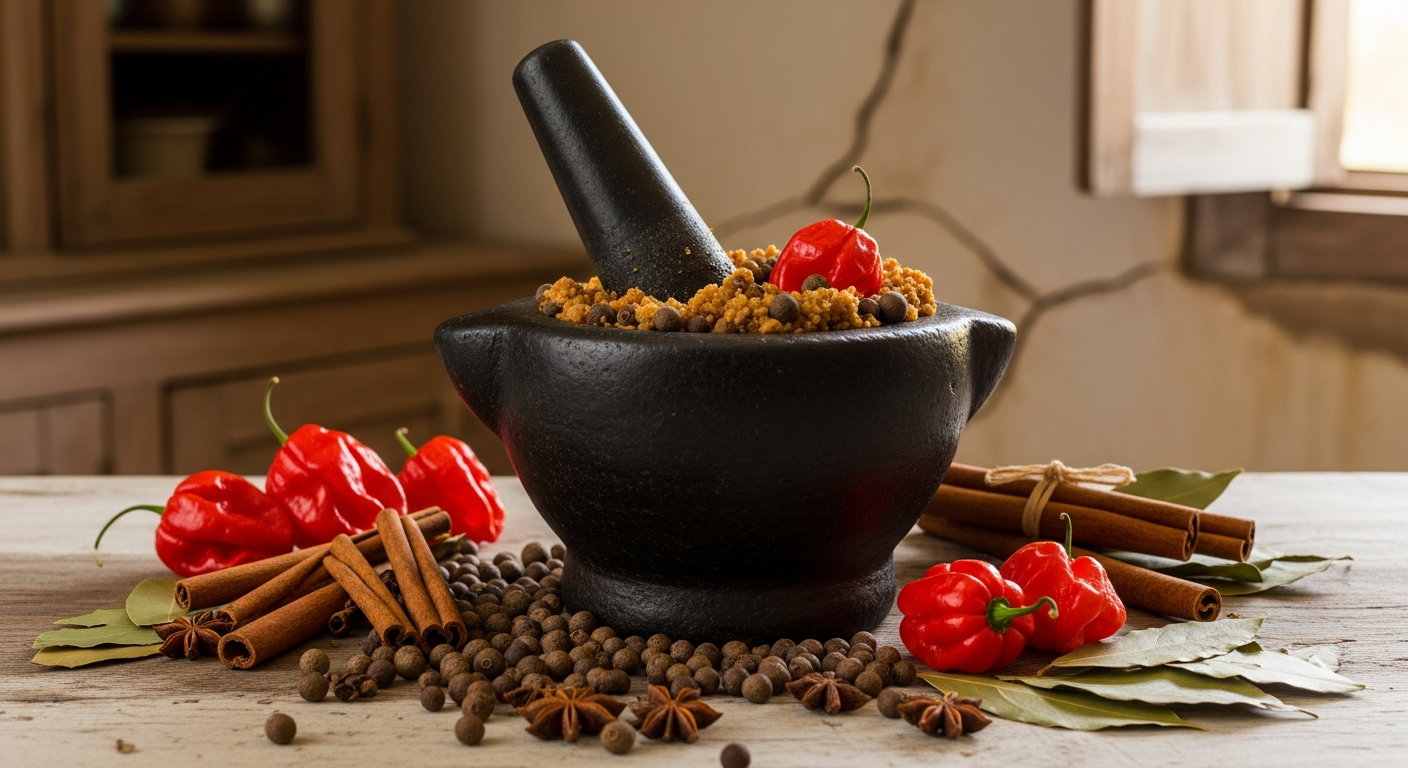
Homemade authentic Jamaican jerk seasoning from scratch delivers a flavor experience that no store-bought seasoning can match. When you toast whole allspice berries and hear them pop, when you grind fresh scotch bonnet peppers and smell the fruity heat rise from the mortar, when you blend everything together and taste the complex result — you understand why Jamaican cooks have been making jerk seasoning this way for three hundred years.
Why Homemade Matters
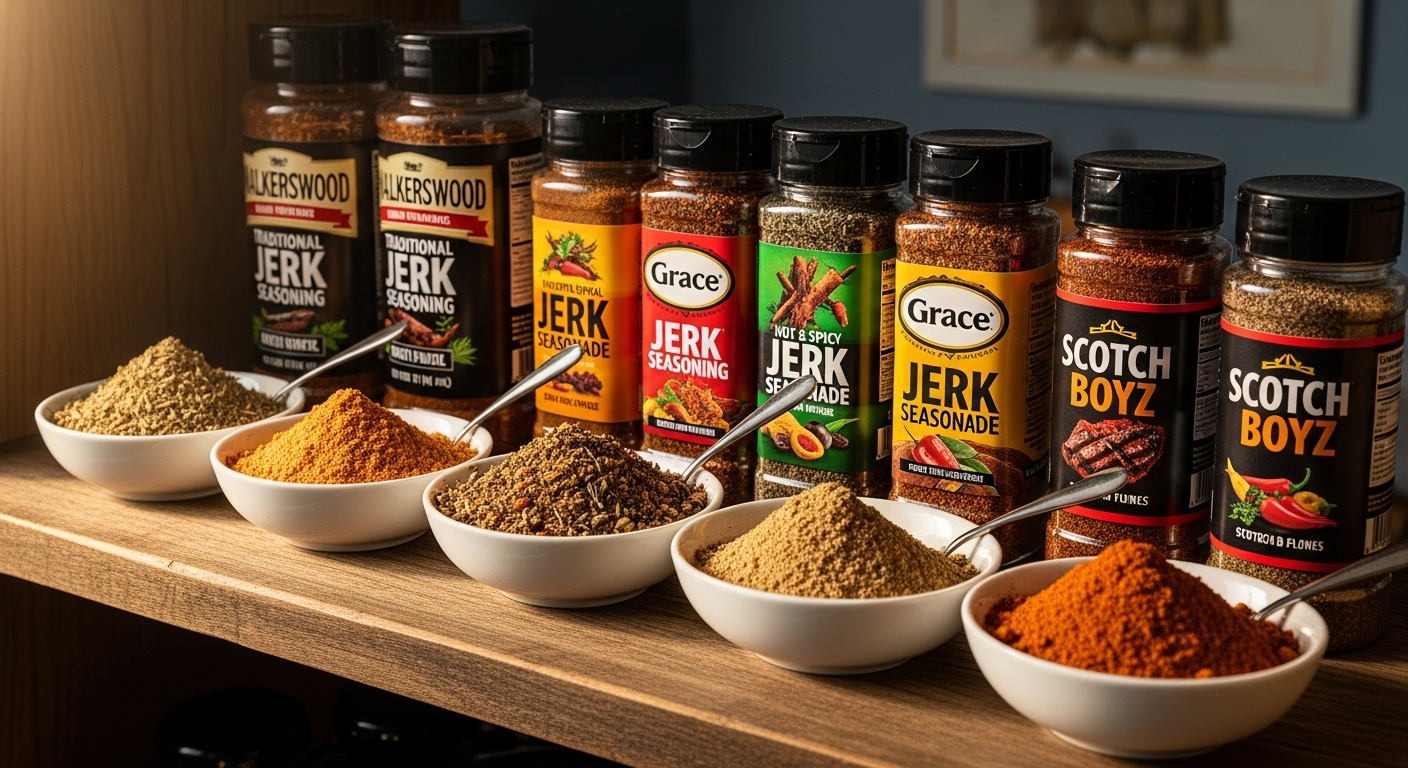
The difference between freshly made jerk seasoning and a jar of pre-made seasoning is comparable to the difference between freshly ground coffee and instant. Pre-ground spices begin losing their aromatic compounds the moment they are processed. By the time a commercial jerk seasoning sits on a warehouse shelf, gets shipped to a store, sits on a retail shelf, and then sits in your pantry, it may have lost sixty to eighty percent of its volatile flavor compounds.
Whole spices, by contrast, retain their essential oils behind a protective outer layer. When you crack an allspice berry between your teeth, you experience the full spectrum of its flavor — warm, sweet, pungent, and complex. That same complexity is available to you when you grind whole berries at home just before making your seasoning.
Essential Ingredients
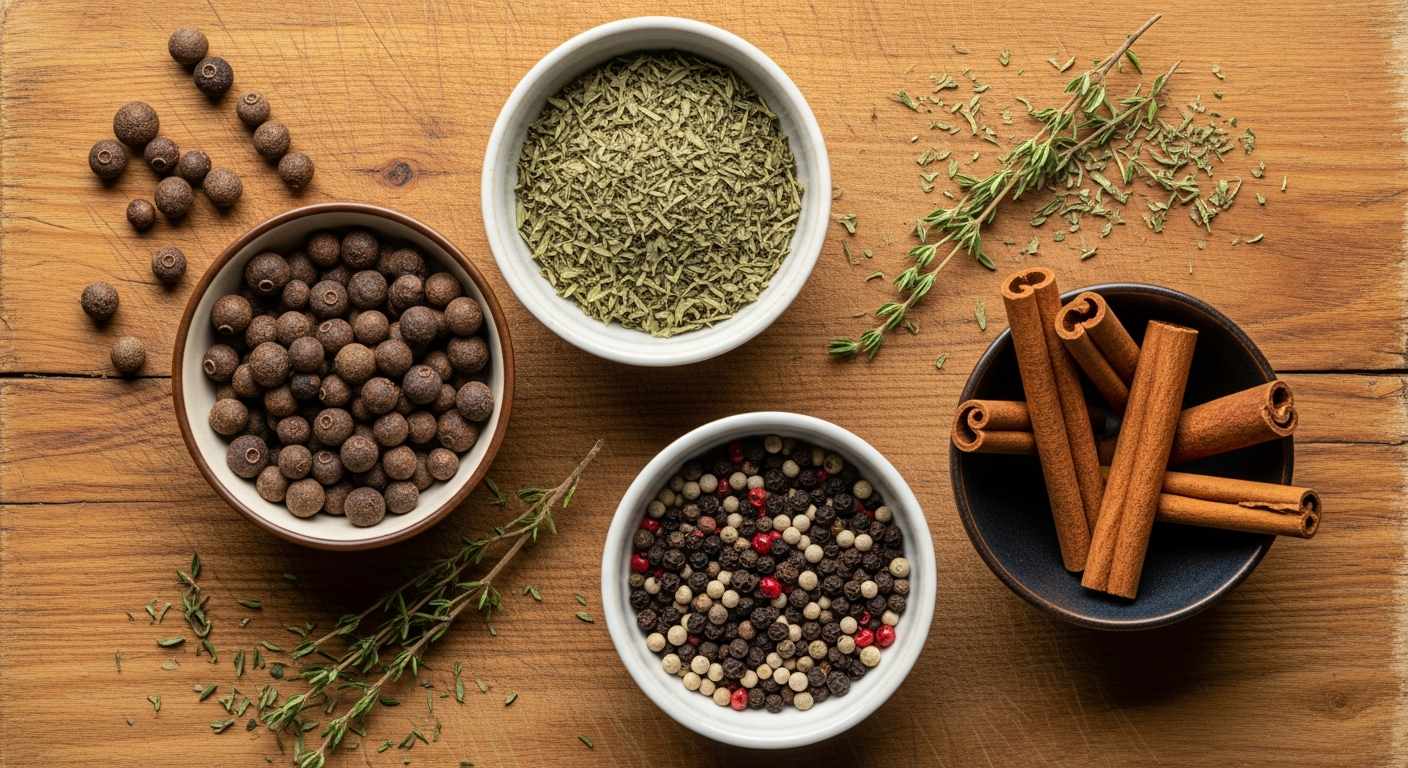
Authentic Jamaican jerk seasoning requires the following whole spices: allspice berries (pimento), black peppercorns, cinnamon stick (preferably true cinnamon or cassia), and whole nutmeg. The dried herb component is thyme — use dried thyme leaves, not ground thyme powder. Additional components include garlic powder, onion powder, brown sugar, sea salt, and cayenne pepper.
For the freshest possible flavor, source your allspice berries from a spice specialist rather than the supermarket spice aisle. Jamaican-origin allspice is considered the finest in the world, and fresh berries should be plump, hard, and intensely aromatic when crushed between your fingers.
Toasting the Whole Spices
Toasting is the first technique that elevates homemade jerk seasoning above the ordinary. Dry-heat toasting activates volatile aromatic compounds in the spices, driving off surface moisture, and creates Maillard reactions that add toasty depth to the flavor profile.
Place the allspice berries, black peppercorns, and broken cinnamon stick pieces in a dry (no oil) skillet over medium heat. Shake the pan constantly — whole spices burn quickly once they reach their activation temperature. You will notice the spices becoming more fragrant after one to two minutes. Some may begin to pop or crackle. The color will darken slightly.
Remove the spices from the skillet after two to three minutes and transfer immediately to a plate to cool. Do not leave them in the hot skillet — they will continue to cook and may burn. The residual heat in the pan is enough to push them from toasted to scorched.
Grate the nutmeg fresh using a microplane or fine grater. Whole nutmeg does not toast well (its high oil content makes it prone to burning), but fresh-grated nutmeg is dramatically more aromatic than pre-ground.
Grinding to Perfection
Once the toasted spices have cooled for five minutes, transfer them to a spice grinder or mortar and pestle. Grind to a medium-fine powder — not so fine that it becomes dusty, but fine enough that there are no large, unground pieces that would create uneven distribution.
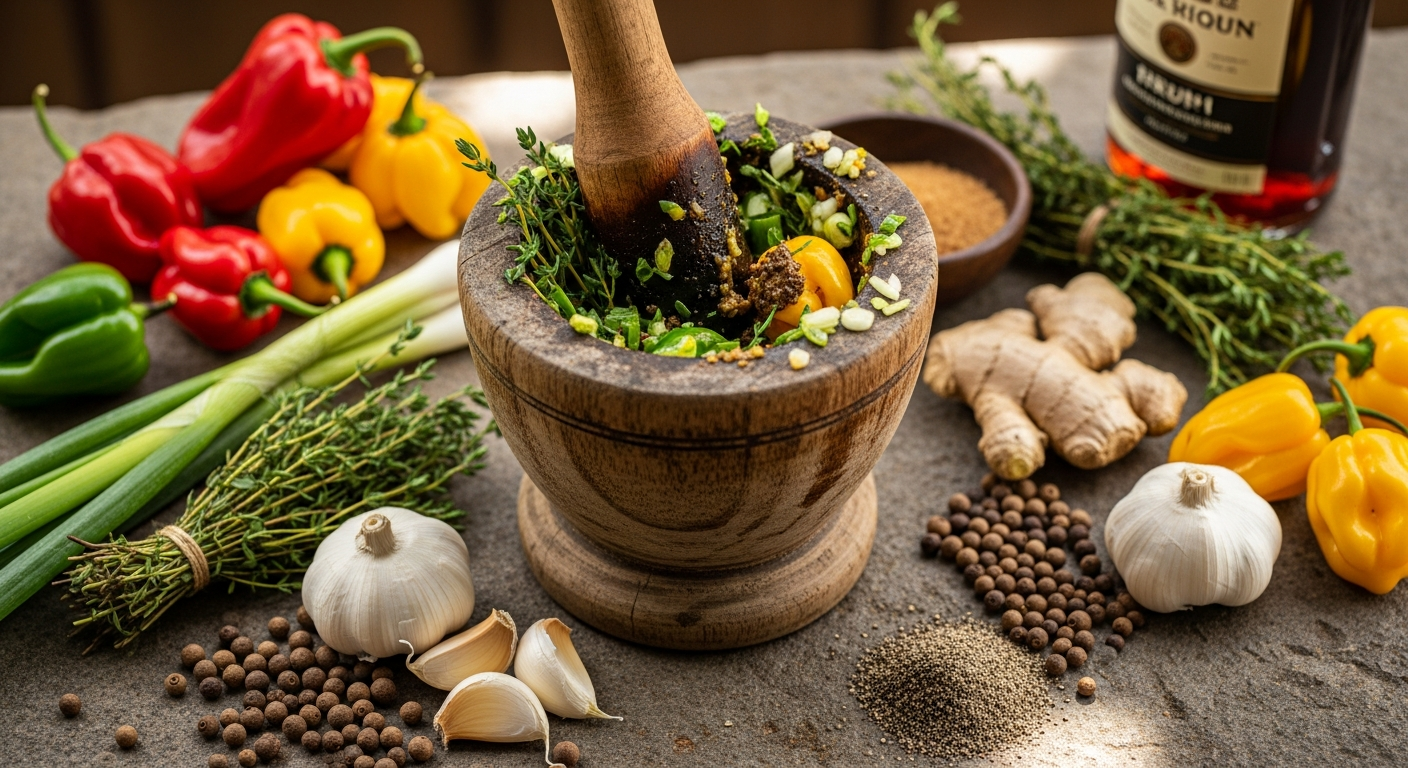
If using a mortar and pestle, start by cracking the allspice berries with firm downward pressure, then transition to a circular grinding motion to reduce them to powder. The peppercorns will crack satisfyingly and release their sharp aroma. The cinnamon pieces need the most work — grind them separately if they resist breaking down with the other spices.
If using an electric spice grinder, pulse in short bursts rather than running continuously. Continuous grinding generates heat that can drive off the very volatile compounds you are trying to preserve. Four to five two-second pulses should reduce toasted spices to the ideal texture.
Blending the Complete Seasoning
Combine the freshly ground spice mixture with the remaining ingredients in these proportions for a batch that seasons approximately four pounds of protein:
Three tablespoons of freshly ground allspice form the base. Add one tablespoon of freshly ground black pepper, one teaspoon of ground cinnamon (from your toasted sticks), half a teaspoon of fresh-grated nutmeg, one tablespoon of dried thyme leaves, one tablespoon of garlic powder, one tablespoon of onion powder, two tablespoons of brown sugar, one tablespoon of sea salt, and one to two teaspoons of cayenne pepper (adjust to your heat preference).
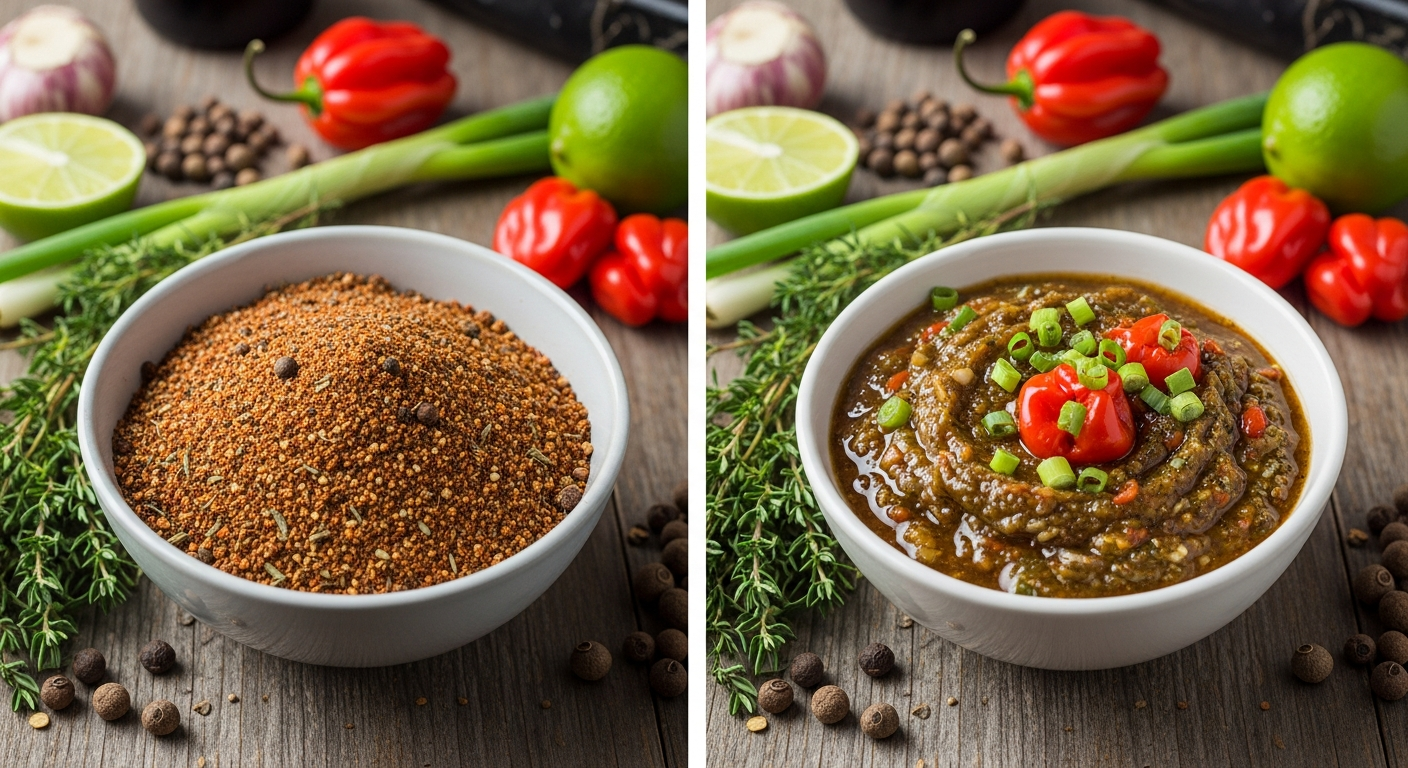
Mix thoroughly in a bowl, using your fingers to break up any clumps of brown sugar or thyme. The finished blend should be a uniform warm brown color with visible flecks of thyme and darker pepper particles throughout.
Testing and Adjusting
Before committing your seasoning to a full batch of meat, test the balance. Sprinkle a small amount on a piece of buttered bread or a cracker and taste. The flavors should be immediately complex — warm allspice upfront, followed by black pepper heat, with cinnamon sweetness and nutmeg depth in the finish. The salt should enhance rather than dominate, and the cayenne should provide a slow-building heat.
If the blend tastes flat, add more freshly toasted allspice. If it is too sweet, reduce the brown sugar next time. If the heat is too aggressive, reduce the cayenne. If it lacks depth, check whether your cinnamon is fresh — stale cinnamon contributes almost nothing and is a common weak link.
Converting to Wet Marinade
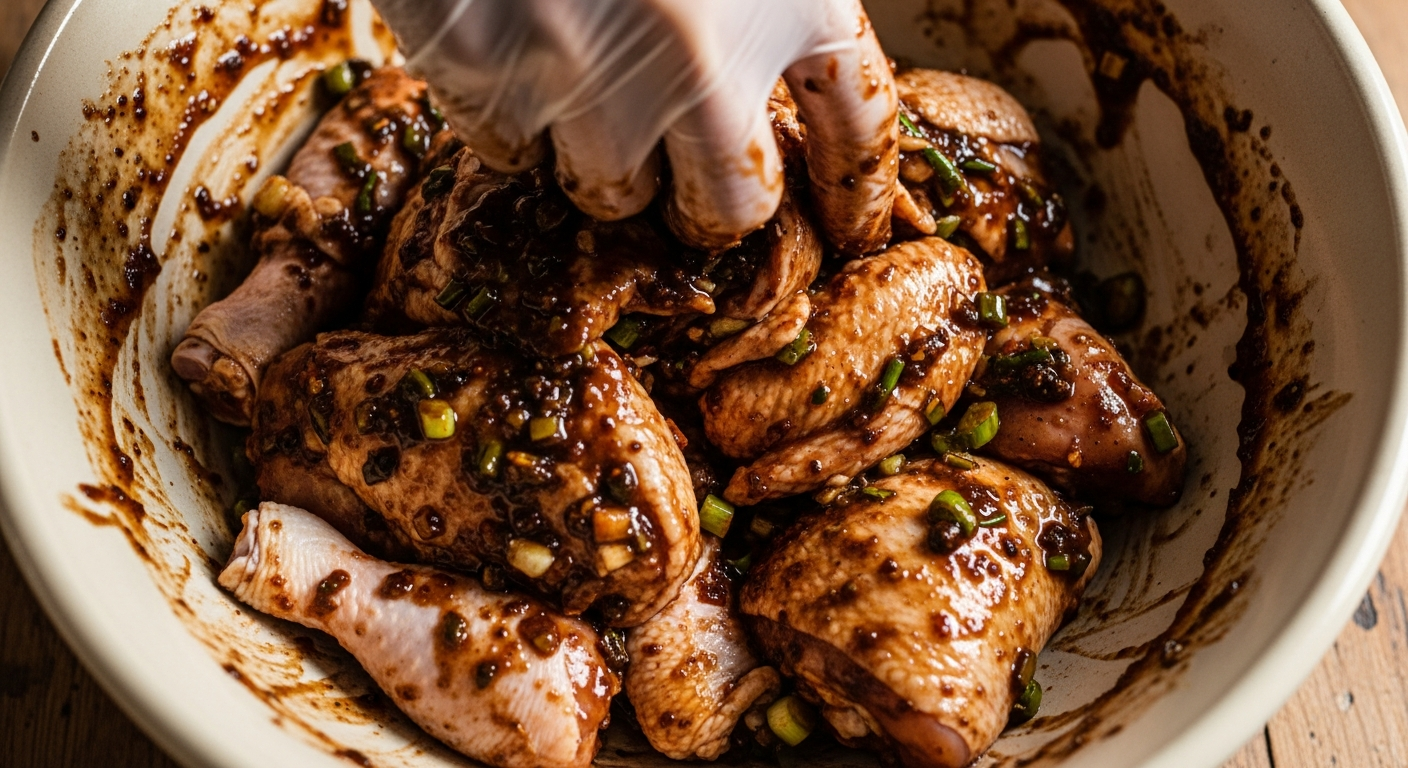
This dry seasoning becomes a wet jerk marinade with the addition of fresh ingredients. Add two to four fresh scotch bonnet peppers, six to eight fresh scallions, six cloves of fresh garlic, a two-inch piece of fresh ginger, the juice of two limes, half a cup of soy sauce, and two tablespoons of vegetable oil. Blend everything in a food processor until you achieve a thick, slightly textured paste.
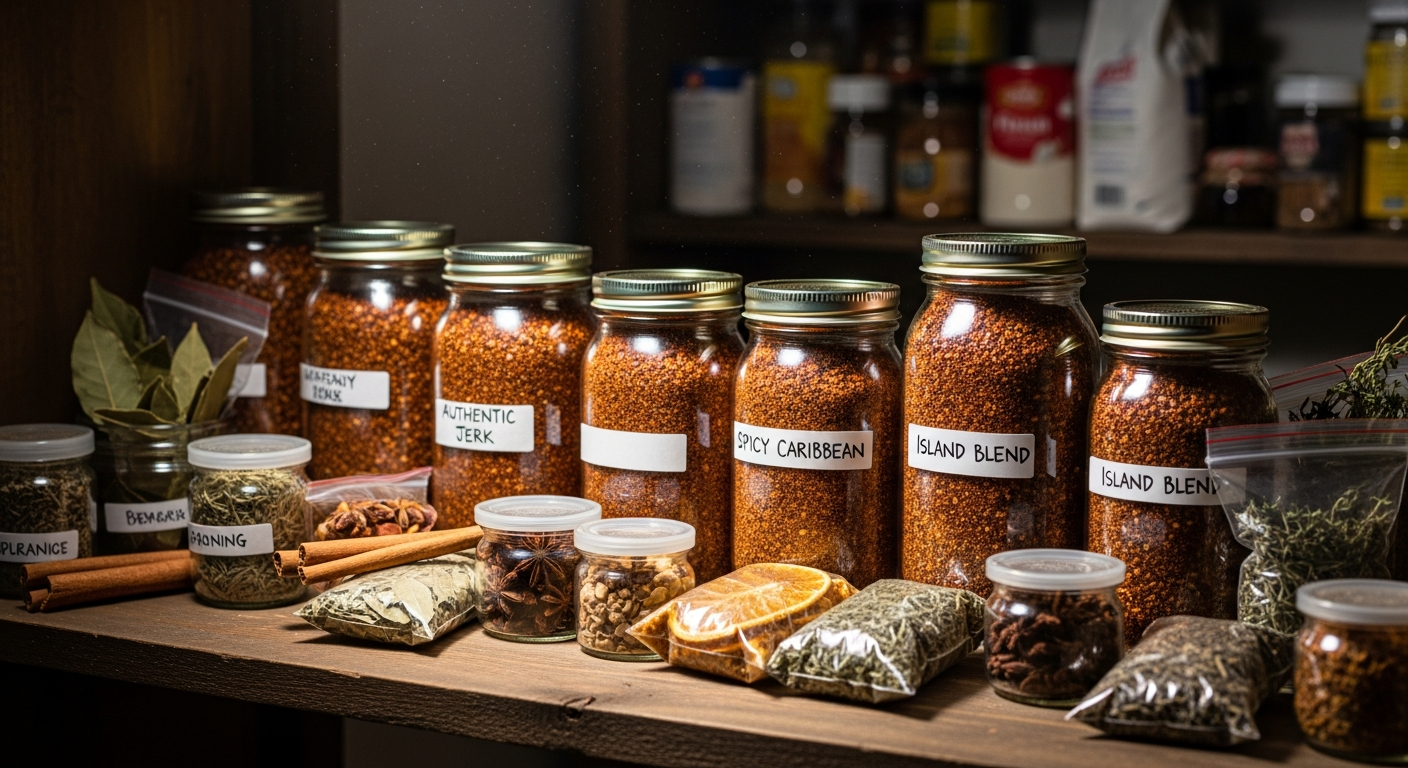
The dry seasoning stores for up to six months in an airtight, opaque container. The wet marinade stores for five to seven days refrigerated or three months frozen. Making the dry blend in advance and converting to wet marinade at the point of use gives you the best combination of convenience and freshness.
Using the Seasoning
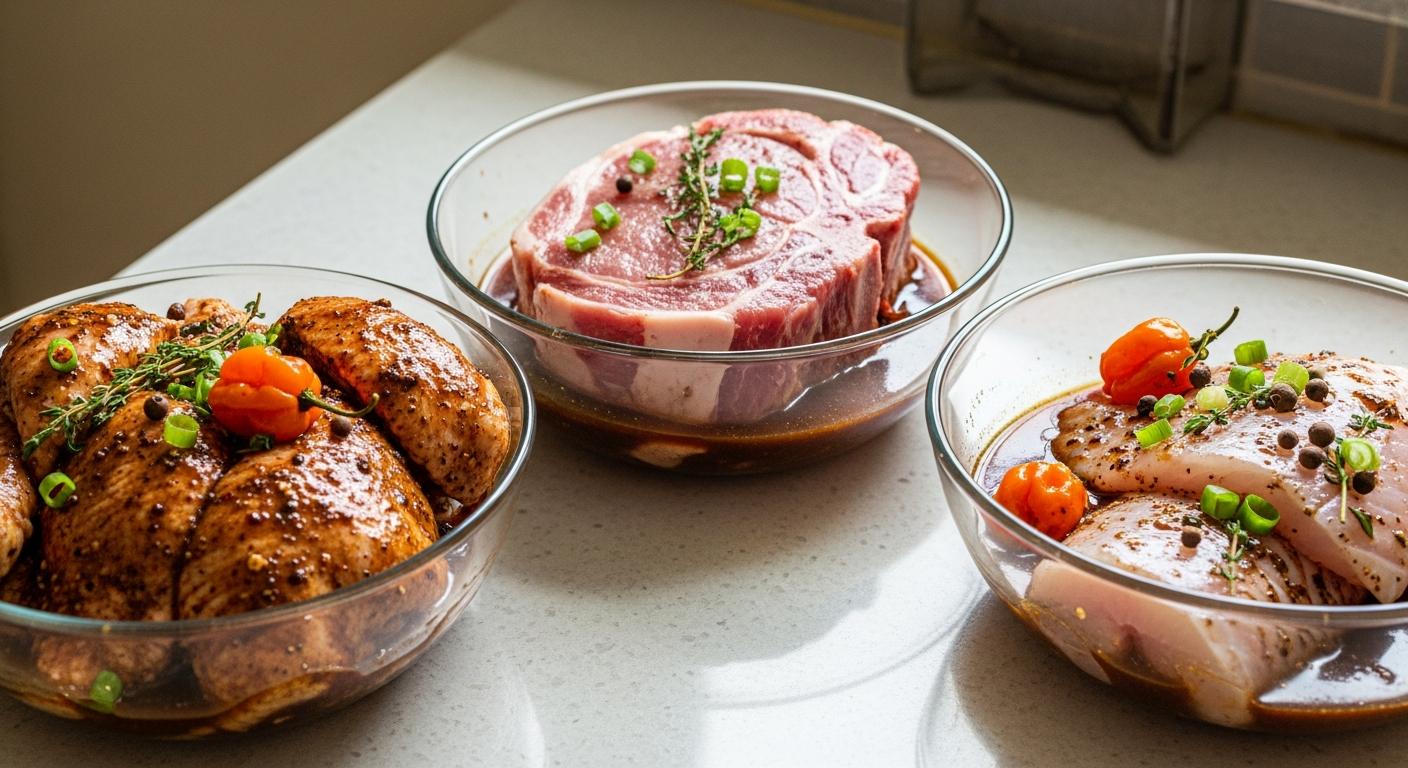
As a dry rub, apply one tablespoon per pound of meat, pressing firmly into the surface. For chicken, score the meat deeply first and work the rub into the cuts. For pork, rub generously over all surfaces, paying particular attention to the fat cap.
As a seasoning for other dishes, jerk seasoning is remarkably versatile. Add it to soups, stews, roasted vegetables, popcorn, scrambled eggs, or any dish that benefits from warm Caribbean spice. Start with half a teaspoon per serving and adjust upward.