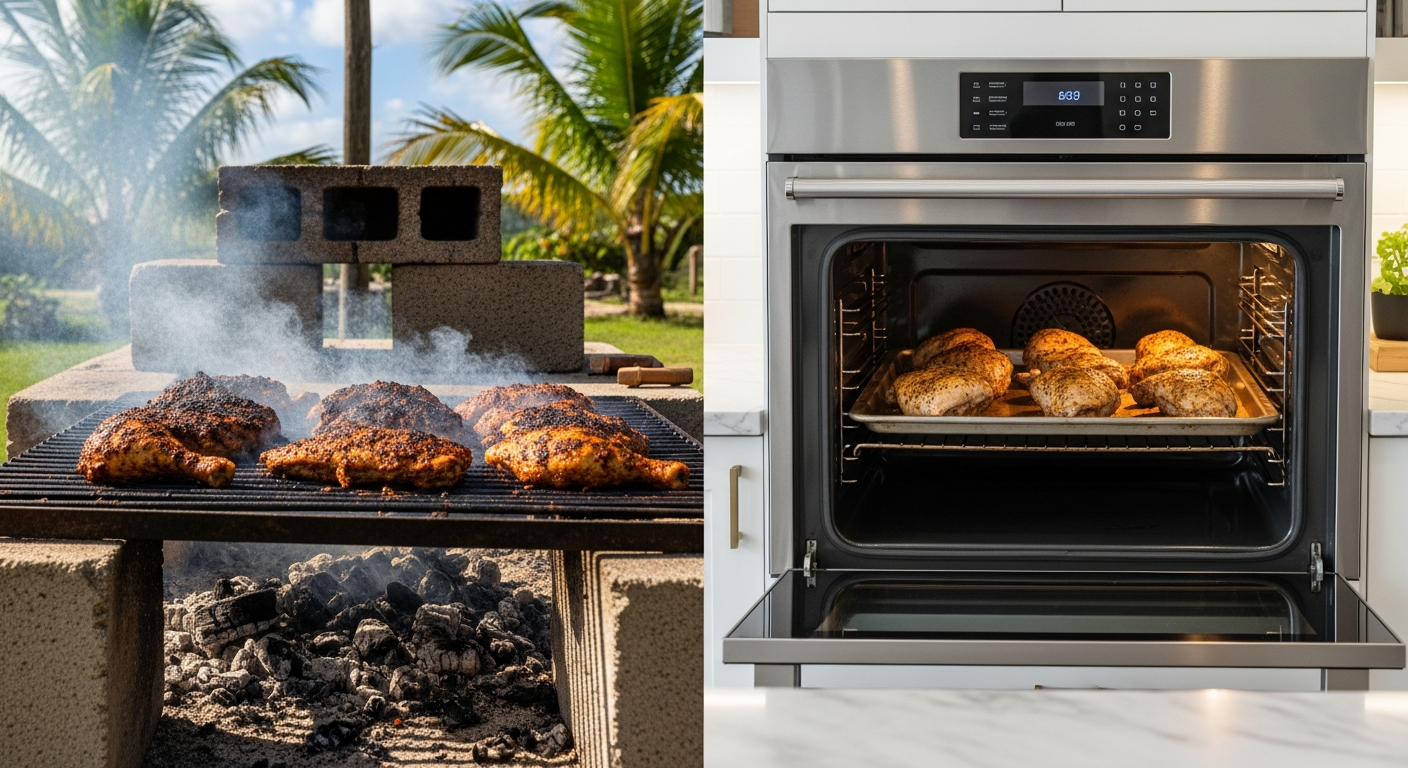
Jerk meats smoking vs grilling is a debate that has divided Caribbean cooking enthusiasts for decades. Both methods produce excellent jerk, but they do so through fundamentally different mechanisms, yielding different textures, flavors, and eating experiences. Understanding the strengths and limitations of each approach will help you choose the right method for every cooking occasion.
The Fundamentals of Each Method
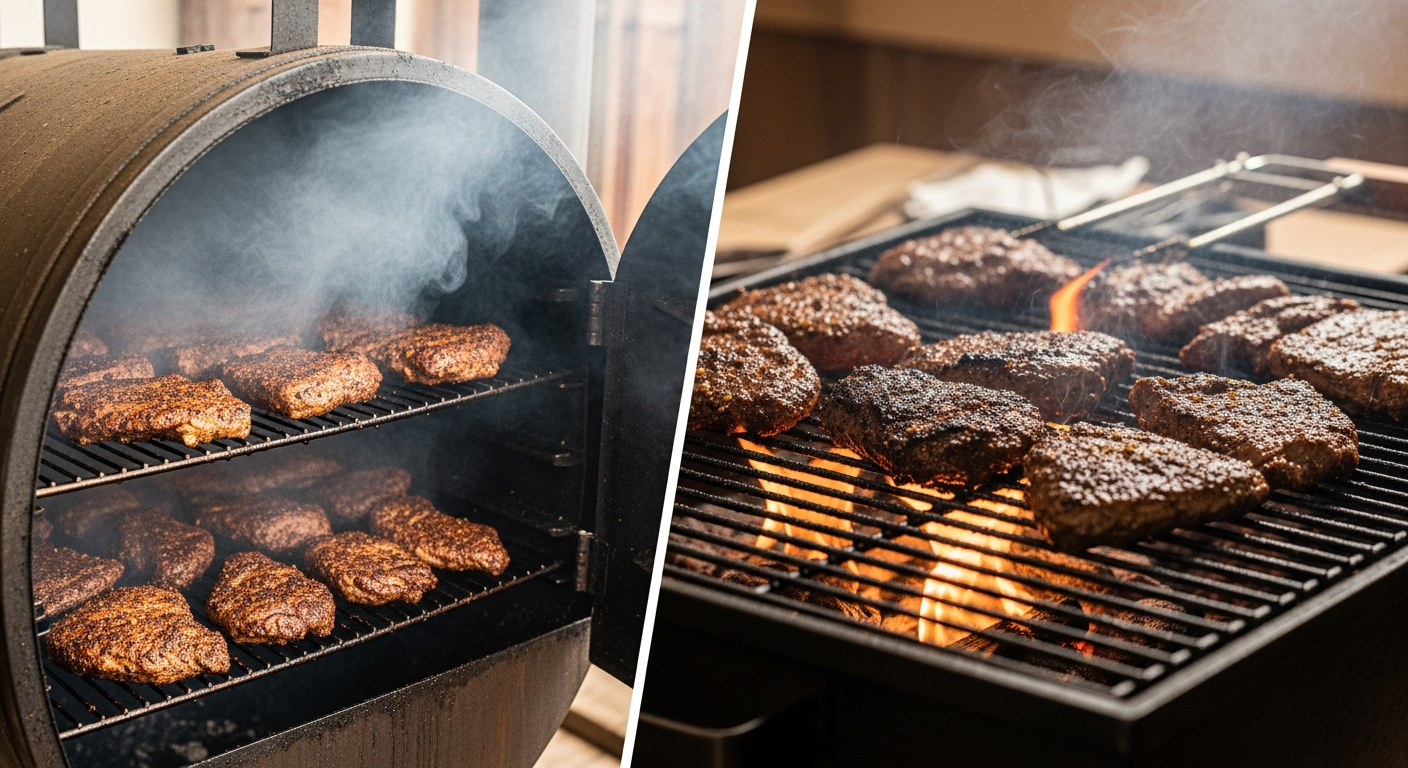
Smoking cooks food with low, indirect heat (two hundred to two hundred seventy-five degrees Fahrenheit) over an extended period (two to eight hours depending on the cut). The primary cooking medium is hot, smoke-infused air that circulates around the meat, slowly breaking down connective tissue while depositing smoke flavor compounds on the surface.
Grilling cooks food with high, direct or indirect heat (three hundred to five hundred degrees Fahrenheit) over a shorter period (fifteen minutes to ninety minutes depending on the cut). The primary cooking mechanisms are radiant heat from coals and conductive heat from the grill grate, supplemented by convection from hot air when the lid is closed.
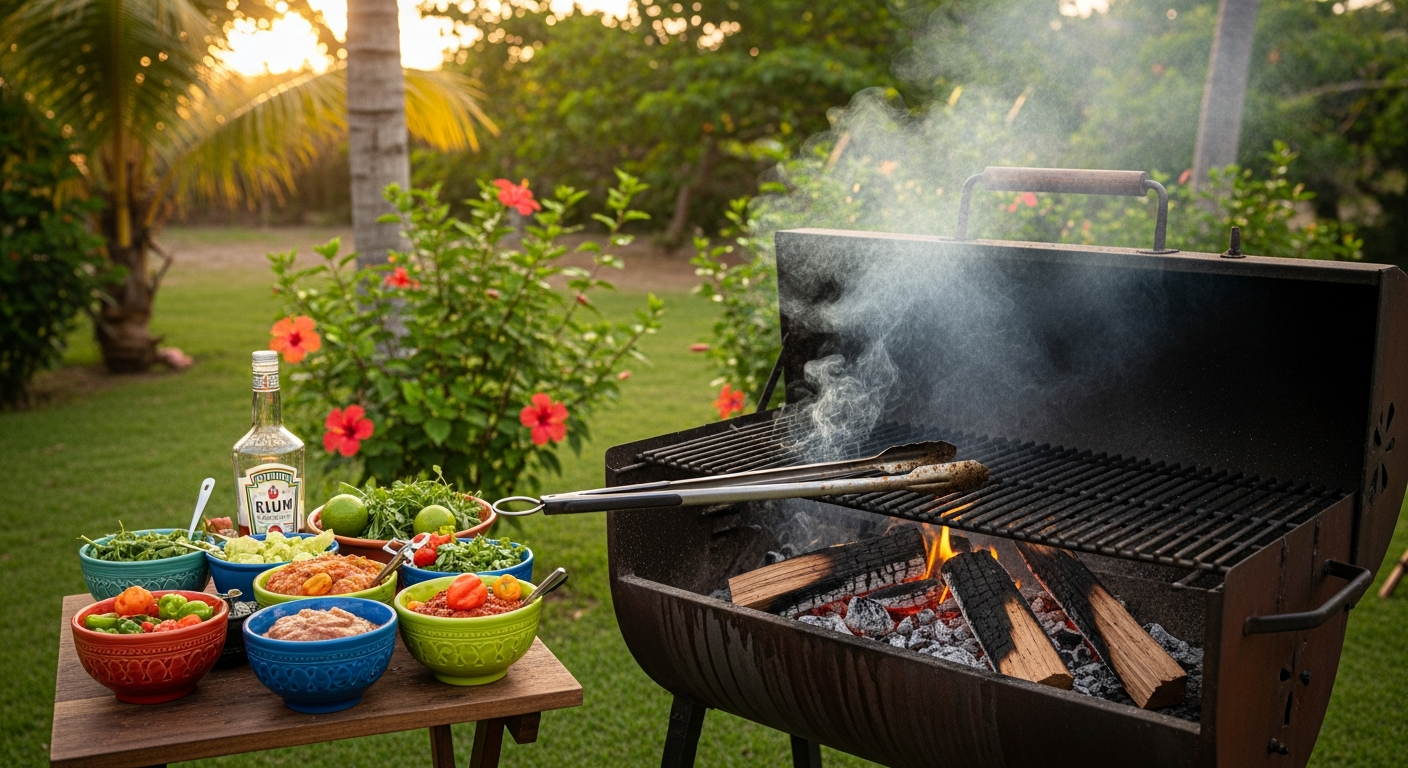
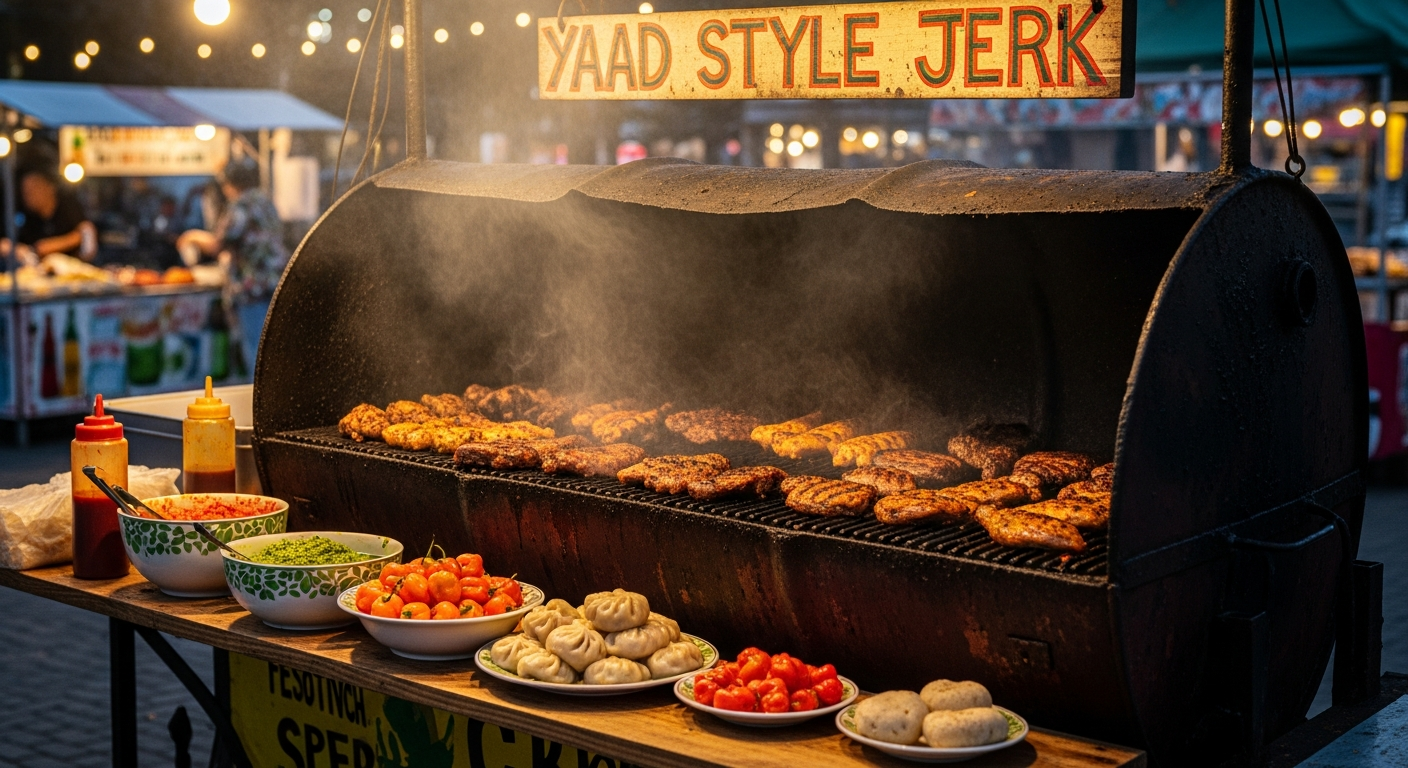
Traditional Jamaican jerk actually falls between these two extremes. Authentic jerk pit cooking uses moderate temperatures (three hundred to three hundred fifty degrees) with heavy pimento wood smoke — hotter than American-style smoking but slower and smokier than typical grilling. Home cooks generally need to choose one approach or the other.
The Case for Smoking Jerk
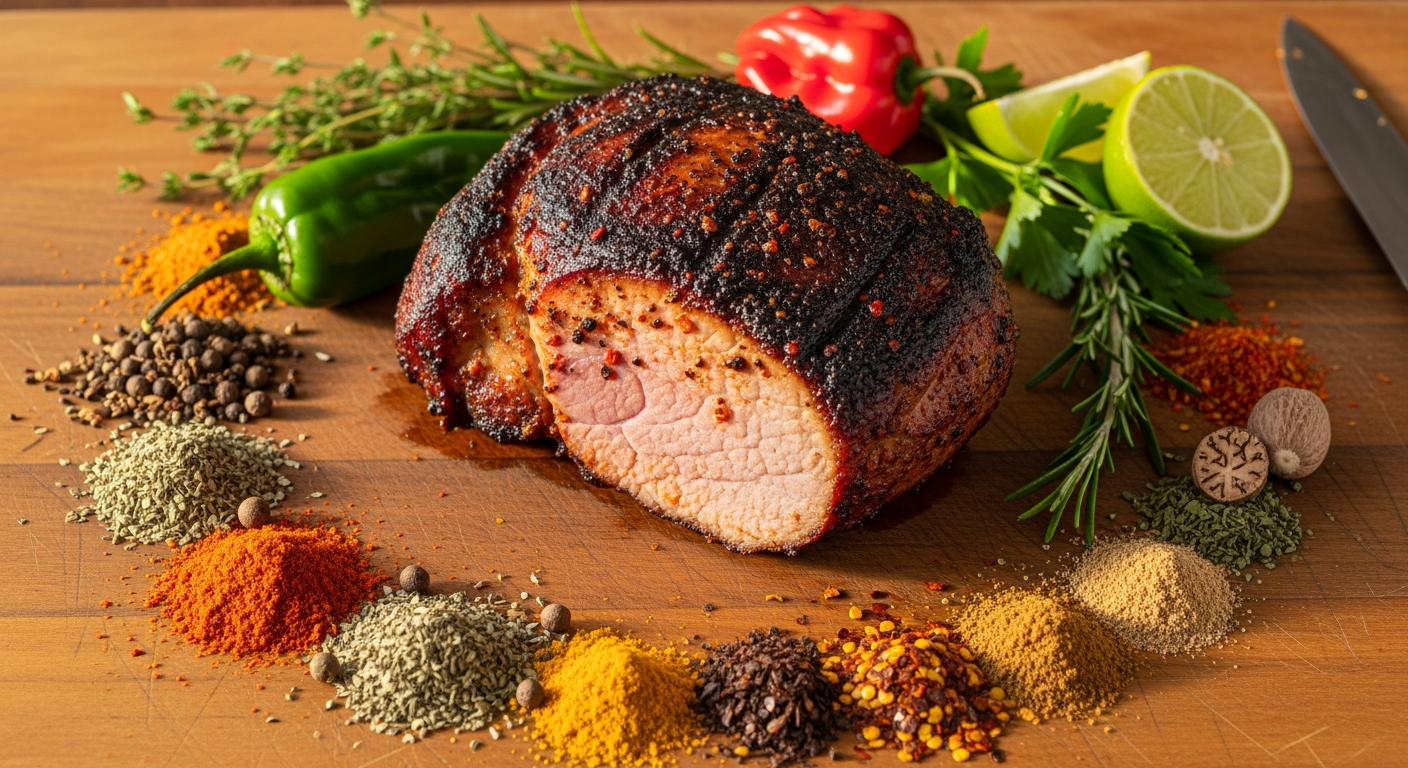
Smoking produces the most complex, deeply flavored jerk. The extended cooking time allows the marinade to interact with the smoke compounds and the meat proteins in ways that shorter cooking cannot achieve. Maillard reactions (the browning that creates savory, complex flavors) occur slowly but thoroughly across the entire surface of the meat.
Smoke flavor is the primary advantage. The organic compounds in wood smoke — phenols, syringol, guaiacol — deposit on the meat surface and penetrate into the outer half-inch during long cooking. With pimento wood, these compounds include the same aromatic chemicals found in allspice berries, creating an extraordinarily harmonious marriage with the jerk marinade.
Texture is the second advantage. Low, slow cooking allows collagen in connective tissue to convert to gelatin gradually, producing meat that is simultaneously tender and moist. This is particularly important for pork shoulder and beef brisket, where collagen content is high. Smoked jerk pork shoulder, properly cooked, will pull apart into tender shreds with minimal effort.
The disadvantage of smoking is time. A smoked jerk chicken takes three to four hours. A smoked pork shoulder takes six to eight hours. This rules out smoking for weeknight dinners and requires significant planning for weekend cooks.
The Case for Grilling Jerk
Grilling produces the most immediately satisfying jerk — the charred, slightly crispy exterior with juicy interior that most people picture when they think of jerk chicken. High heat creates rapid caramelization of the sugars in the marinade, producing a smoky-sweet crust that shatters with each bite.
Speed is grilling's primary advantage. Bone-in chicken pieces grill in sixty to ninety minutes over indirect heat, or even faster over direct heat if you are attentive. Pork chops take twelve minutes. Shrimp take five minutes. For a Tuesday night dinner craving jerk, grilling is the realistic choice.
Char flavor is the second advantage. The intense, localized heat of grilling creates a specific set of Maillard compounds and pyrolysis products that smoking does not produce. These are the flavors associated with char-grilled food — slightly bitter, deeply savory, and intensely aromatic. Combined with the jerk marinade's spice and sweetness, char produces a flavor complexity that is different from but not inferior to smoke.
The disadvantage of grilling is the risk of overcooking. The higher temperatures mean the window between perfectly done and dried-out is narrow, especially for lean proteins like chicken breast and fish. Constant attention and reliable temperature monitoring are essential.
Method Comparison by Protein
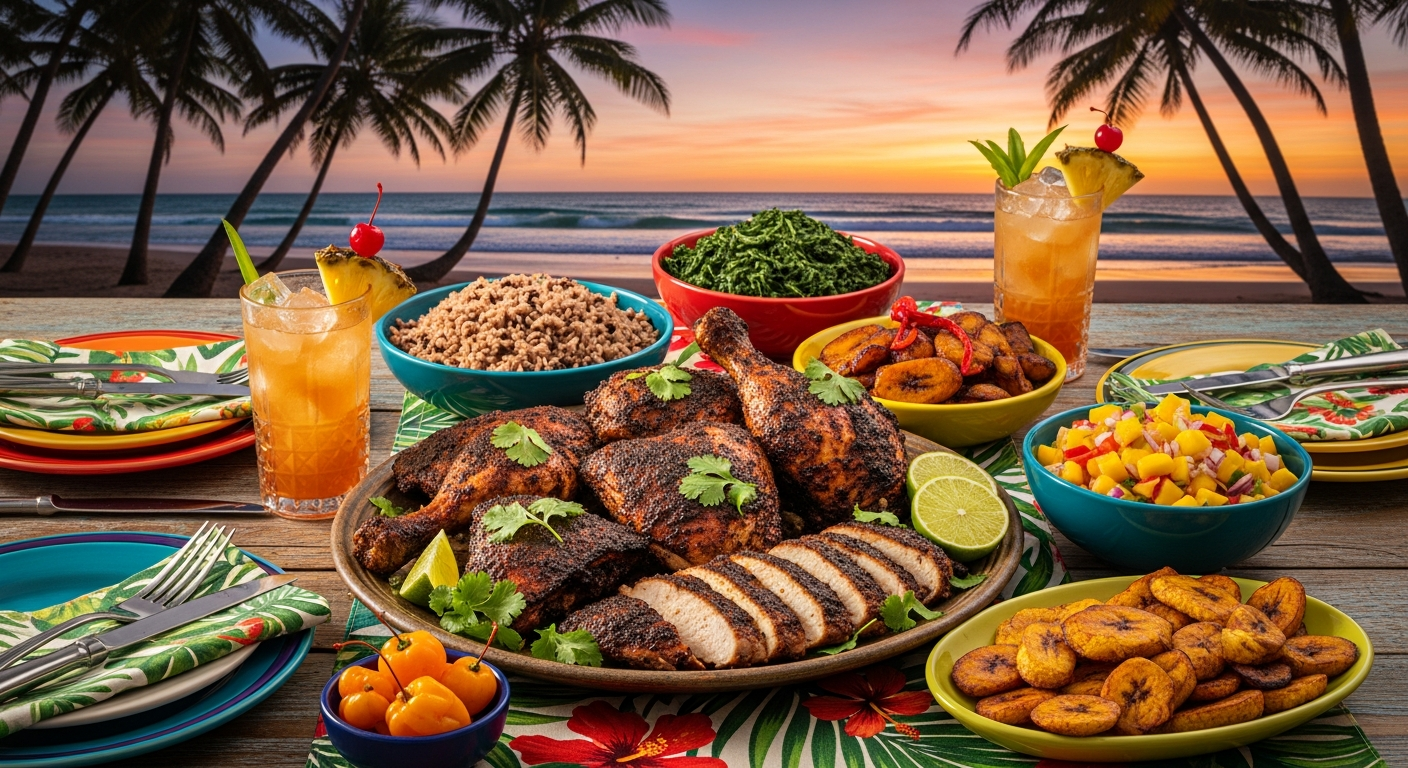
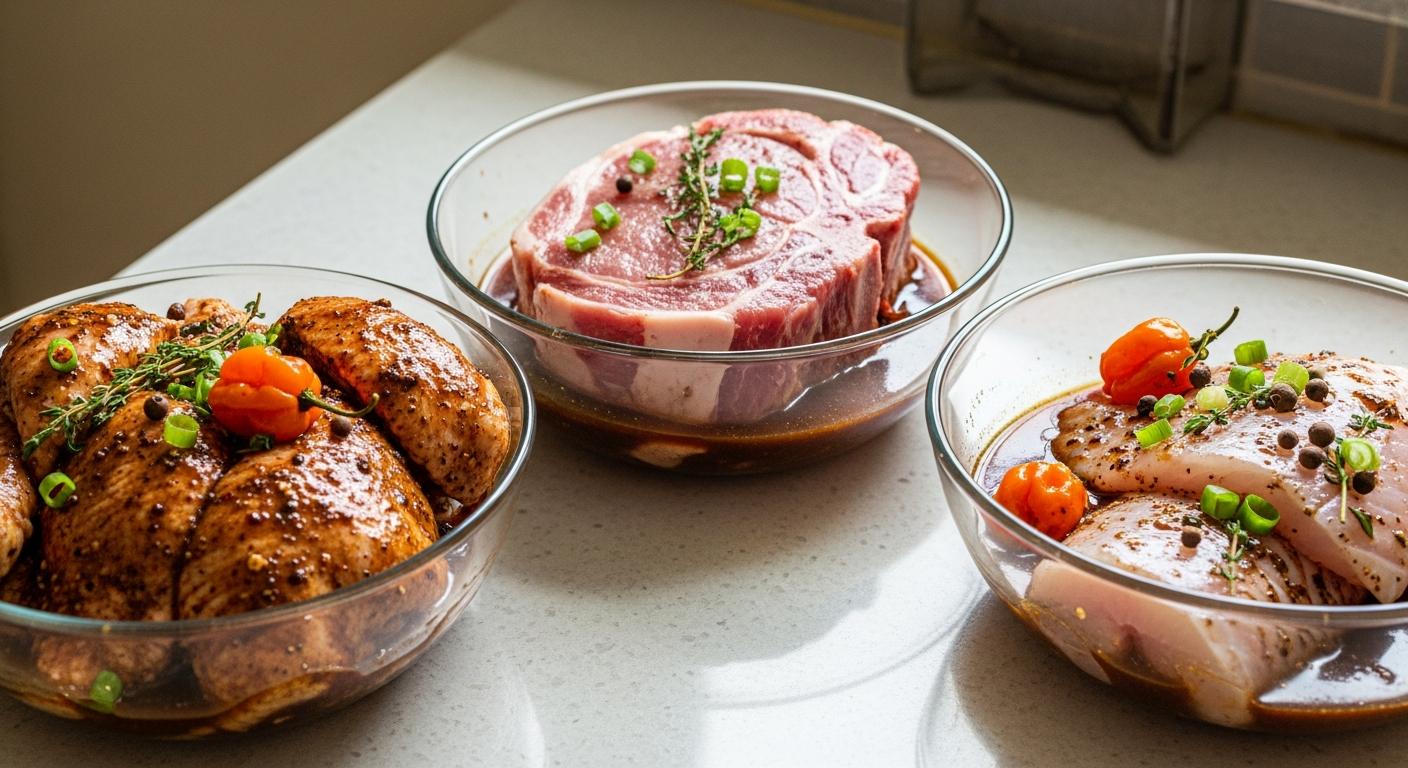
For chicken thighs and drumsticks, both methods produce excellent results. Smoking delivers deeper, more complex flavor with juicier meat. Grilling delivers more dramatic char and crispier skin. If you have the time, smoking wins by a slim margin. For weeknight cooking, grilling is the clear practical choice.
For pork shoulder, smoking is decisively superior. The low, slow cooking is essential for breaking down the extensive connective tissue in this cut. Grilling pork shoulder results in tough, chewy meat regardless of the marinade quality. There is no shortcut — pork shoulder needs time.
For fish and shrimp, grilling is clearly better. The quick, high-heat cooking preserves the delicate texture of seafood while creating a flavorful charred exterior. Smoking fish is possible but requires careful technique to avoid drying it out, and the heavy smoke flavor can overwhelm the natural sweetness of the seafood.
For pork chops and tenderloin, grilling wins. These lean cuts do not have the connective tissue that benefits from slow cooking, and they dry out quickly at low smoking temperatures. High-heat grilling sears the exterior while keeping the interior moist.
The Hybrid Approach
Many experienced jerk cooks use a hybrid method that captures the advantages of both approaches. Start by smoking the meat for one to two hours at two hundred fifty degrees to develop the smoke flavor and begin the collagen breakdown. Then transfer to a hot grill (four hundred degrees) to finish cooking, charring the exterior and creating the characteristic jerk crust.
This hybrid approach is particularly effective for bone-in chicken. Smoke for ninety minutes, then grill over direct heat for five to seven minutes per side to crisp the skin and char the marinade. The result combines the deep smoke penetration of smoking with the textural contrast of grilling — arguably the closest to traditional Jamaican jerk pit results achievable with home equipment.
Another hybrid technique involves grilling the meat first to develop char, then wrapping it in foil and placing it in a low smoker or oven to finish cooking gently. This is especially useful for larger cuts that need extended cooking to become tender but benefit from grill marks and crust development early in the process.