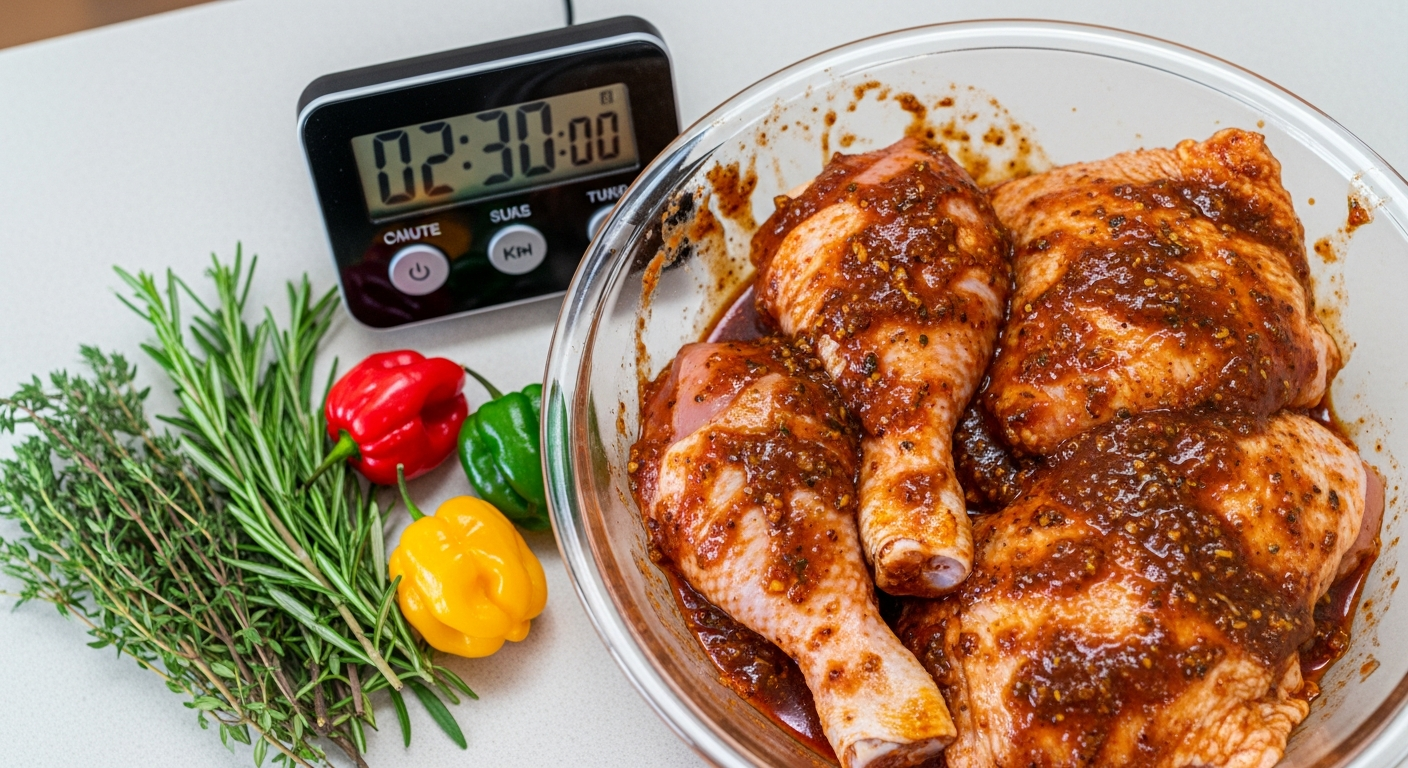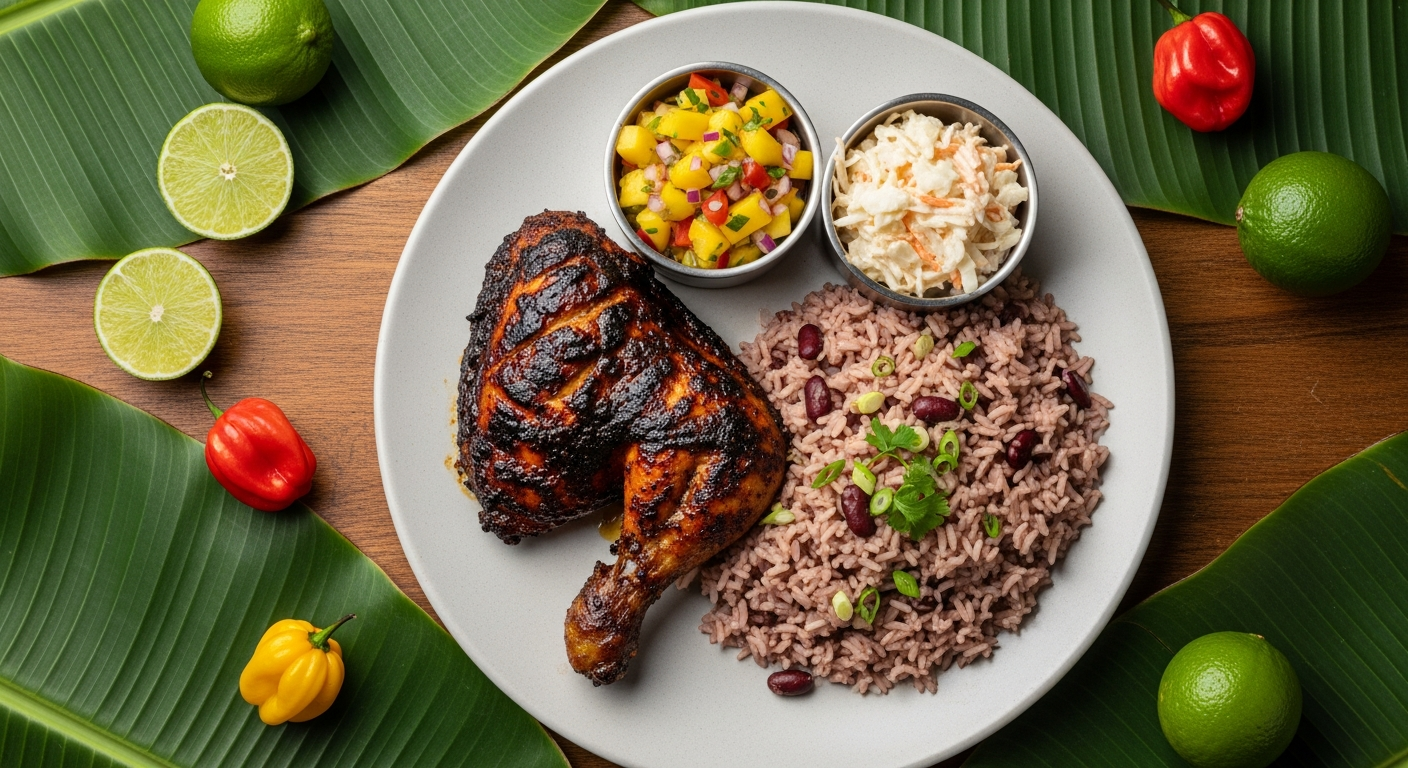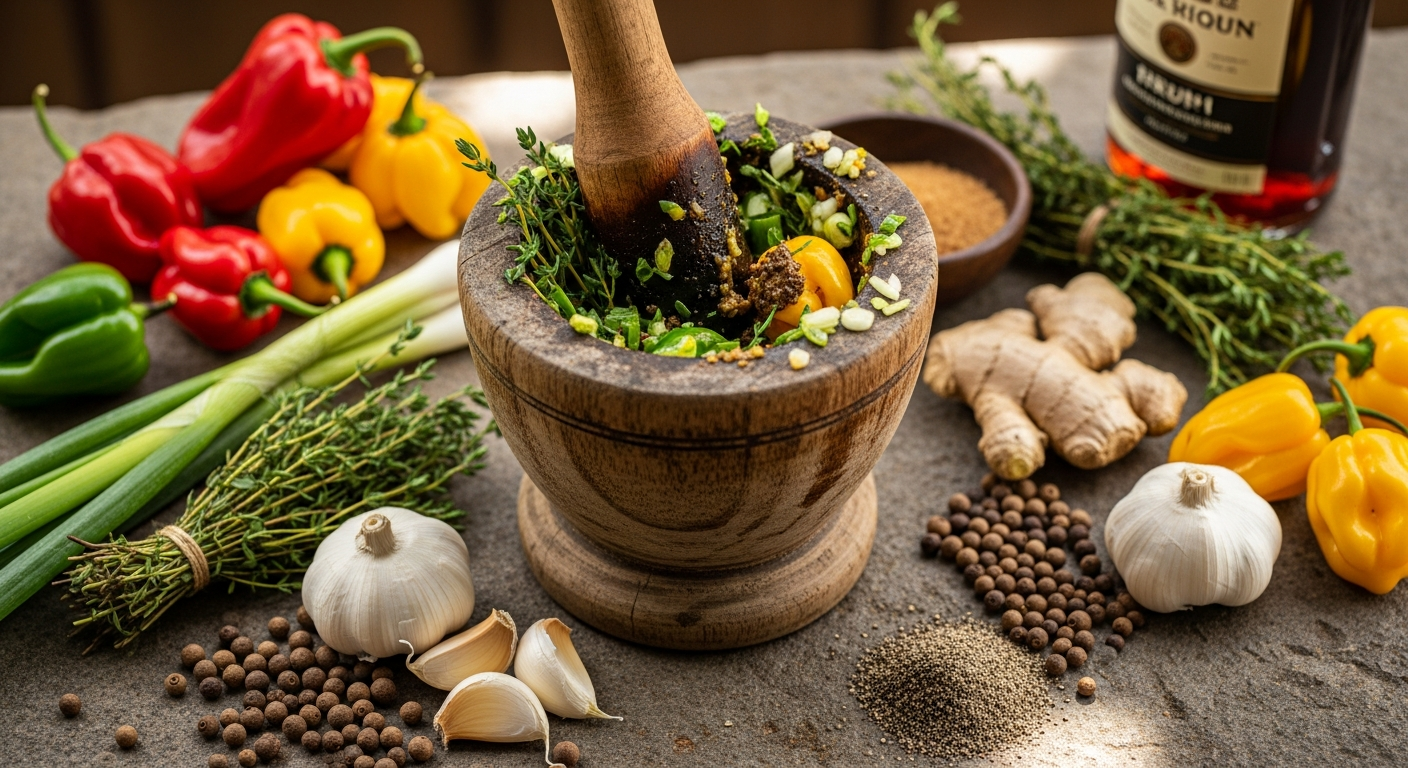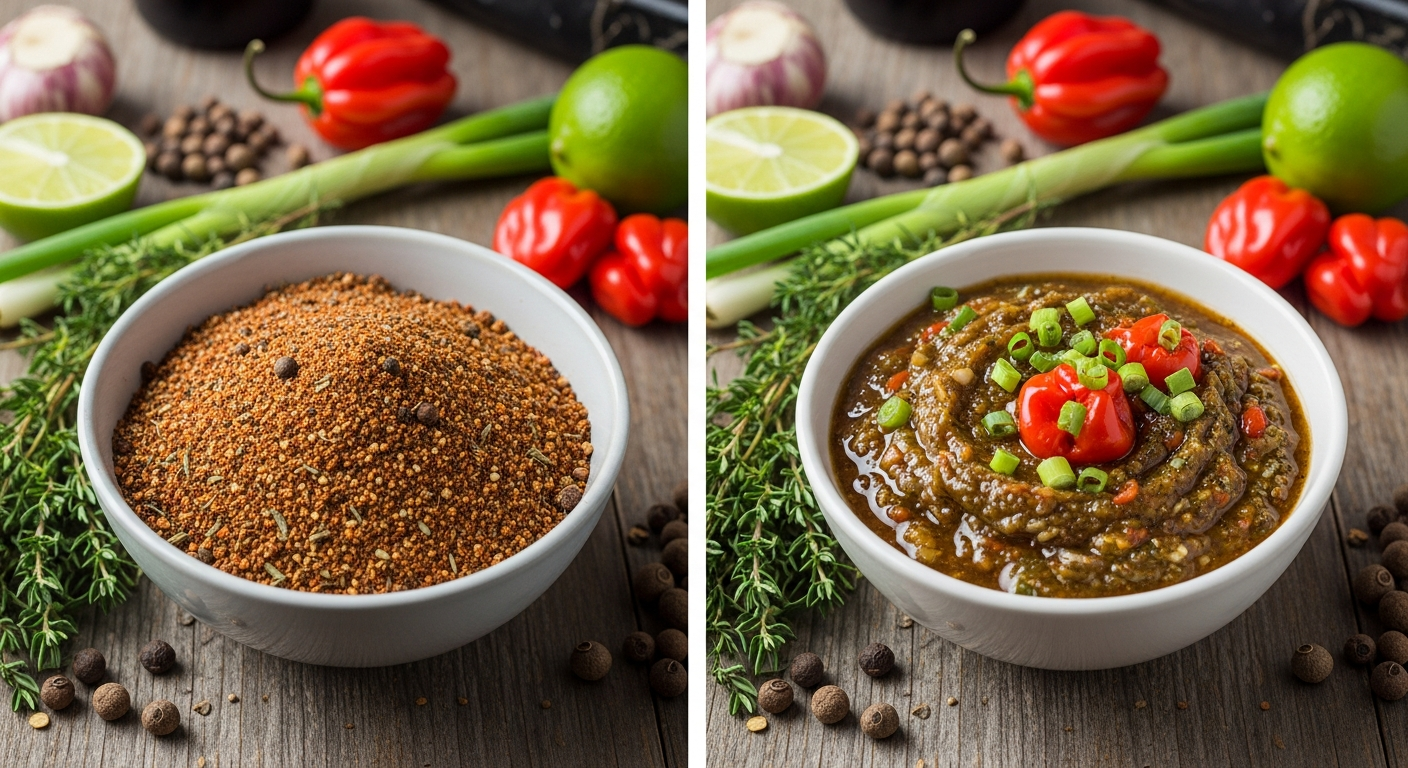
Learning how to marinade jerk chicken for maximum flavor is the single most impactful technique you can master as a Caribbean home cook. The marinade is where the magic begins — without proper application and sufficient time, even the finest jerk paste will produce underwhelming results. With the right technique, ordinary chicken transforms into deeply seasoned, aromatic, fall-off-the-bone perfection.
Step One: Choose the Right Chicken
Flavor maximization starts at the butcher counter. Bone-in, skin-on chicken thighs and drumsticks are the gold standard for jerk. Dark meat has higher fat content, which absorbs and carries fat-soluble flavor compounds more effectively than lean breast meat. The bones add gelatin and moisture during cooking. The skin protects the meat from drying out and crisps into a flavorful shell.
For the most dramatic results, use a whole chicken butterflied (spatchcocked). Remove the backbone with kitchen shears, press the bird flat, and you have a uniform-thickness piece that marinates and cooks evenly. A butterflied chicken exposes maximum surface area to the marinade — both the skin side and the cavity side absorb seasoning.
If you prefer breast meat, choose bone-in, skin-on breasts and accept that the marination time should be shorter (six to twelve hours maximum) to prevent the leaner meat from becoming chalky from acid exposure.
Step Two: Score the Meat
Scoring is the technique that most home cooks skip and that most pit masters consider essential. Cutting deep grooves into the thickest parts of the meat creates channels for the marinade to penetrate beyond the surface, seasoning the interior in a way that surface application alone cannot achieve.
For bone-in thighs, make three parallel diagonal cuts on each side, spacing them about one inch apart and cutting down to the bone. For drumsticks, make two cuts on each side. For whole butterflied chicken, score the thigh and breast areas on both sides.
The depth of the cuts matters — shallow surface scratches are ineffective. Cut at least half an inch deep, reaching the bone where possible. These deep cuts also serve a secondary purpose during cooking: they allow heat to penetrate the thickest parts of the meat, resulting in more even cooking and reducing the risk of raw centers.
Step Three: Apply the Marinade
Application technique is where many cooks lose potential flavor. Simply pouring marinade over the chicken and tossing it in the refrigerator wastes both marinade and opportunity. Instead, treat the application as an active process.
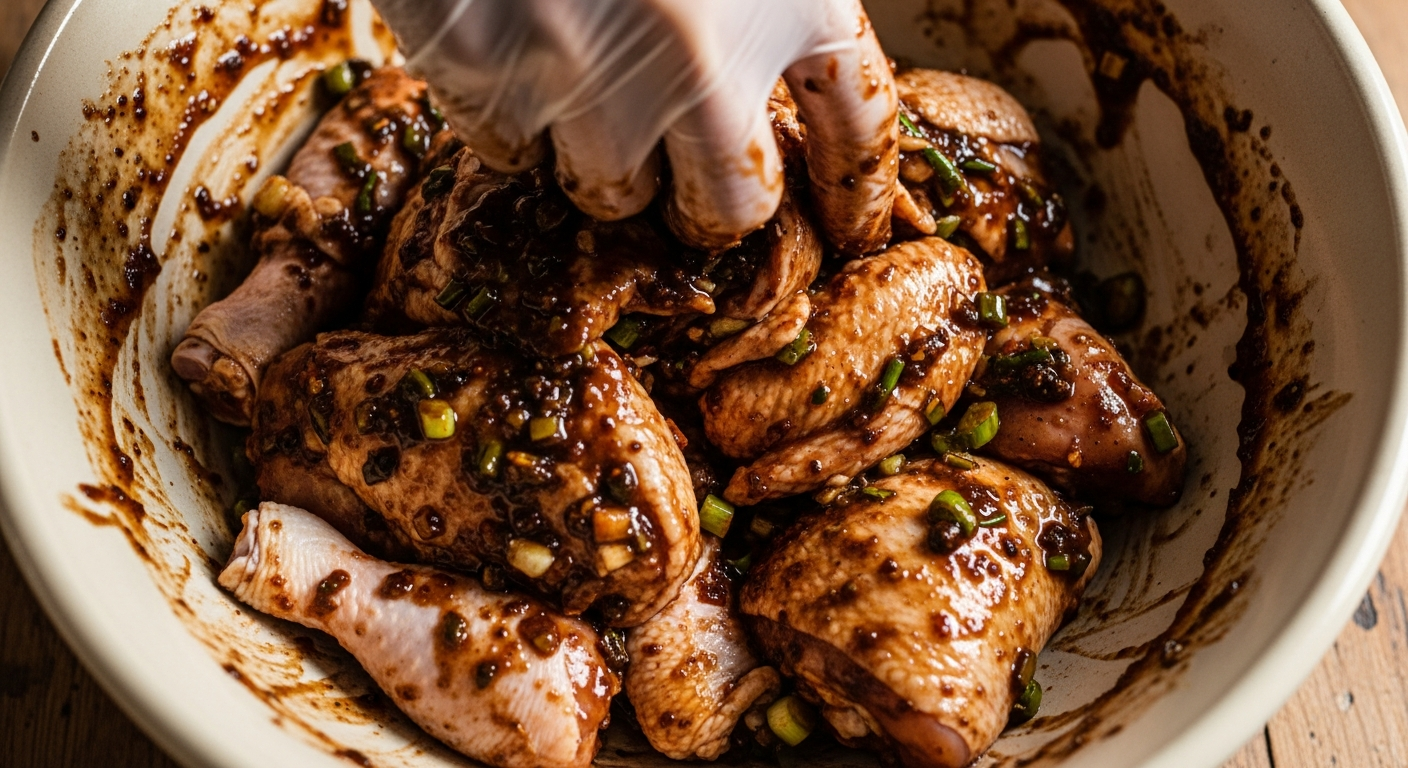
Wear food-safe gloves — the scotch bonnet oils in jerk marinade will burn bare skin for hours. Take each piece of chicken and work the marinade into the scores with your fingers, pressing the paste deep into every cut. Rub marinade under the skin of thighs and breasts where possible — lifting the skin and spreading the paste directly against the flesh puts the seasoning in direct contact with the meat, bypassing the skin barrier.
For a butterflied whole chicken, flip it cavity-side up and spread a generous layer of marinade across the exposed meat. Then flip it skin-side up and rub marinade into the scored portions. The goal is complete, thorough coverage — no bare spots of unseasoned meat.
Step Four: Container and Storage
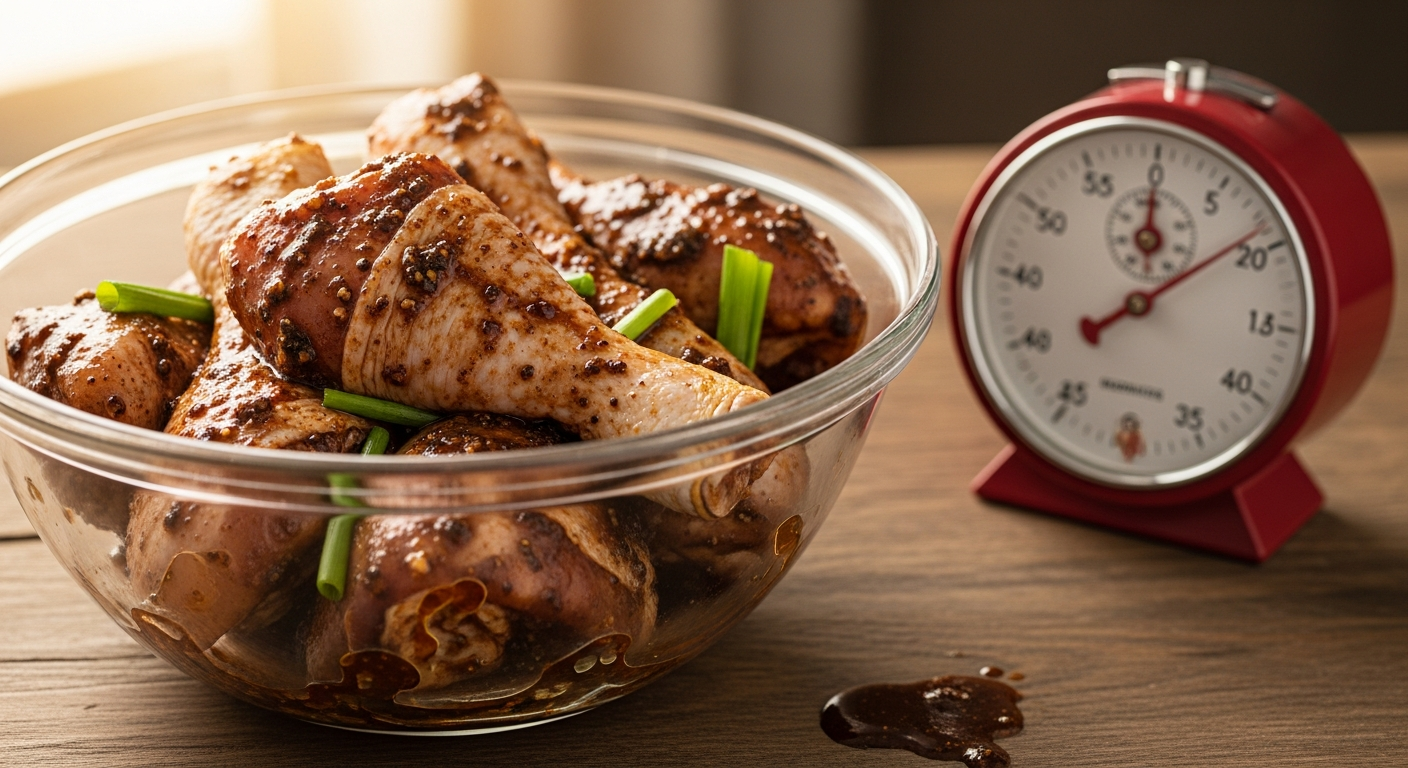
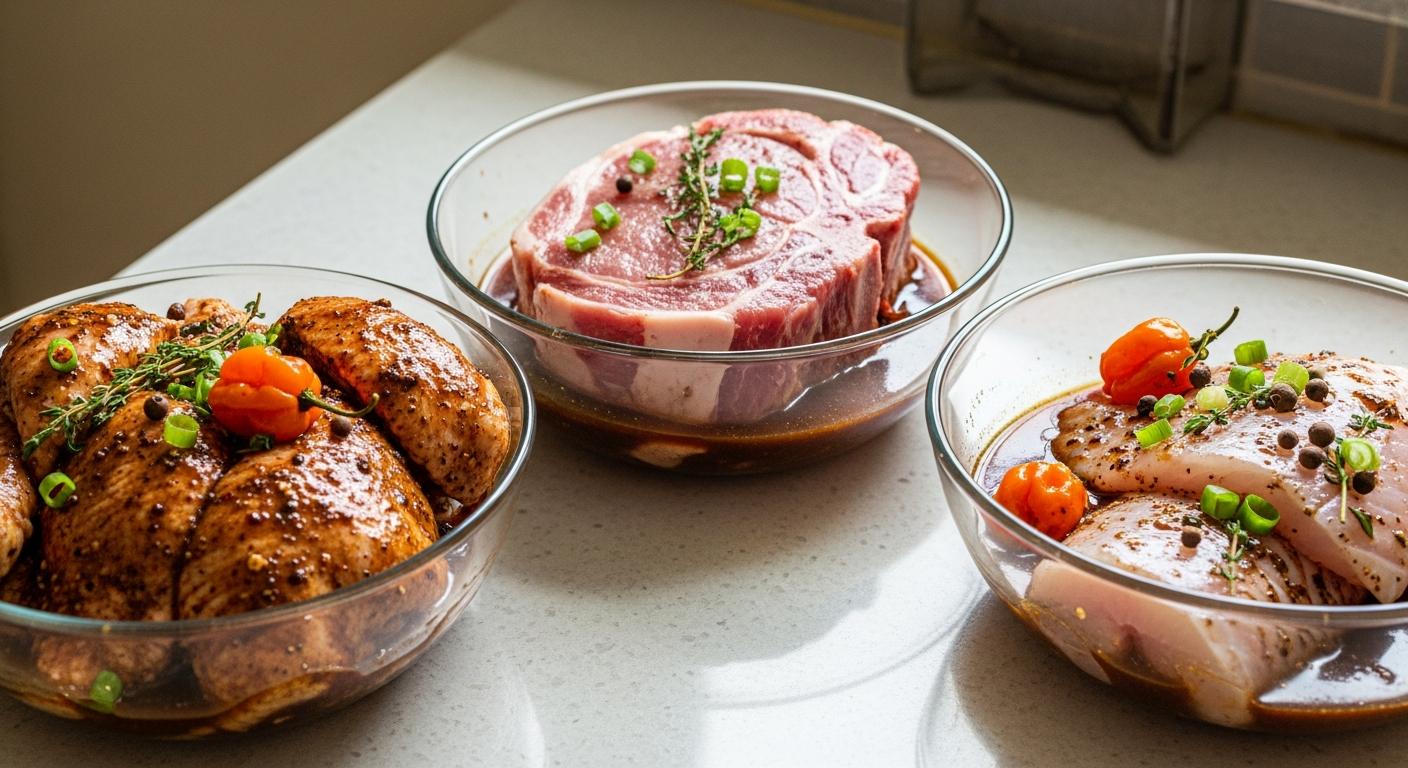
The container you choose for marination affects both the flavor and the safety of your jerk chicken. Glass and ceramic containers are ideal — they do not react with the acidic components of the marinade and do not absorb flavors or stains. Heavy-duty zip-top bags are the most practical option: they allow you to press out excess air, maximizing contact between the marinade and every surface of the meat.
Arrange the chicken in a single layer with marinade distributed evenly. If using a container, turn the pieces halfway through the marination period to ensure even coverage. If using a bag, flip the entire bag over.
Refrigerate at forty degrees Fahrenheit or below. Never marinate at room temperature for more than thirty minutes — the warm, nutrient-rich marinade is an ideal environment for bacterial growth.
Step Five: Timing
The minimum marination time for bone-in chicken pieces is four hours. During this period, the salt begins seasoning the interior, the acid tenderizes the surface, and the fat-soluble aromatics begin penetrating the flesh.
The sweet spot is twelve to twenty-four hours. By twelve hours, the seasoning has reached the center of the thickest pieces. By twenty-four hours, every fiber of the meat carries jerk flavor. The difference between four-hour and twelve-hour marination is immediately apparent in the finished product.
Beyond twenty-four hours, diminishing returns set in and the risk of textural damage from acid increases. The outer quarter-inch of the meat may become mushy or chalky. For bone-in dark meat, this threshold is generous — you can push to thirty-six hours without significant problems. For breast meat, twenty-four hours is the hard maximum.
Step Six: Pre-Cooking Preparation
Thirty minutes before cooking, remove the chicken from the refrigerator. Allowing it to come to room temperature slightly improves cooking evenness — a cold center takes longer to reach safe temperature, which can lead to overcooked exterior by the time the center is done.
Do not wipe off the marinade. The coating of spice paste on the surface is what will caramelize into the characteristic jerk crust during cooking. If some pieces have excess liquid pooling, simply let it drip off — you want a paste coating, not a liquid bath.
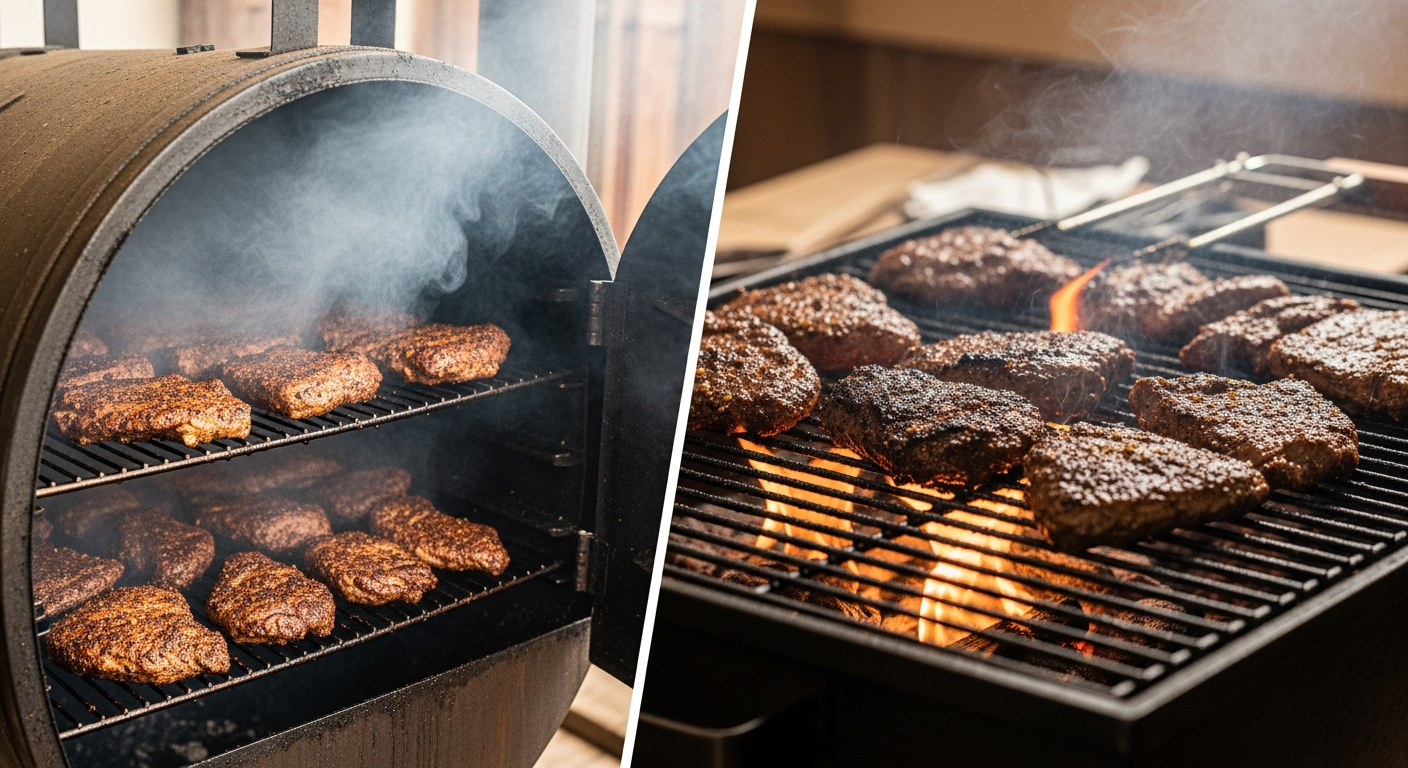
If grilling, oil the grates well and preheat the grill with the lid closed for fifteen minutes before adding the chicken. The initial contact between the cold, marinade-coated chicken and the hot grate is what creates the flavorful sear that locks in the crust.
Flavor-Boosting Advanced Techniques
For competition-level flavor, inject the marinade directly into the thickest parts of the meat using a kitchen injector syringe. Strain the marinade through a fine sieve to remove solids that would clog the needle, then inject into the breast and thigh meat at multiple points. This ensures the deepest possible seasoning, reaching areas that surface marination cannot.
Another advanced technique is the double marinade — apply a concentrated salt and allspice rub twelve hours before cooking, then add the full wet marinade for the final four to six hours. The pre-salting seasons the interior while the wet marinade provides the fresh herb and pepper flavors for the surface.