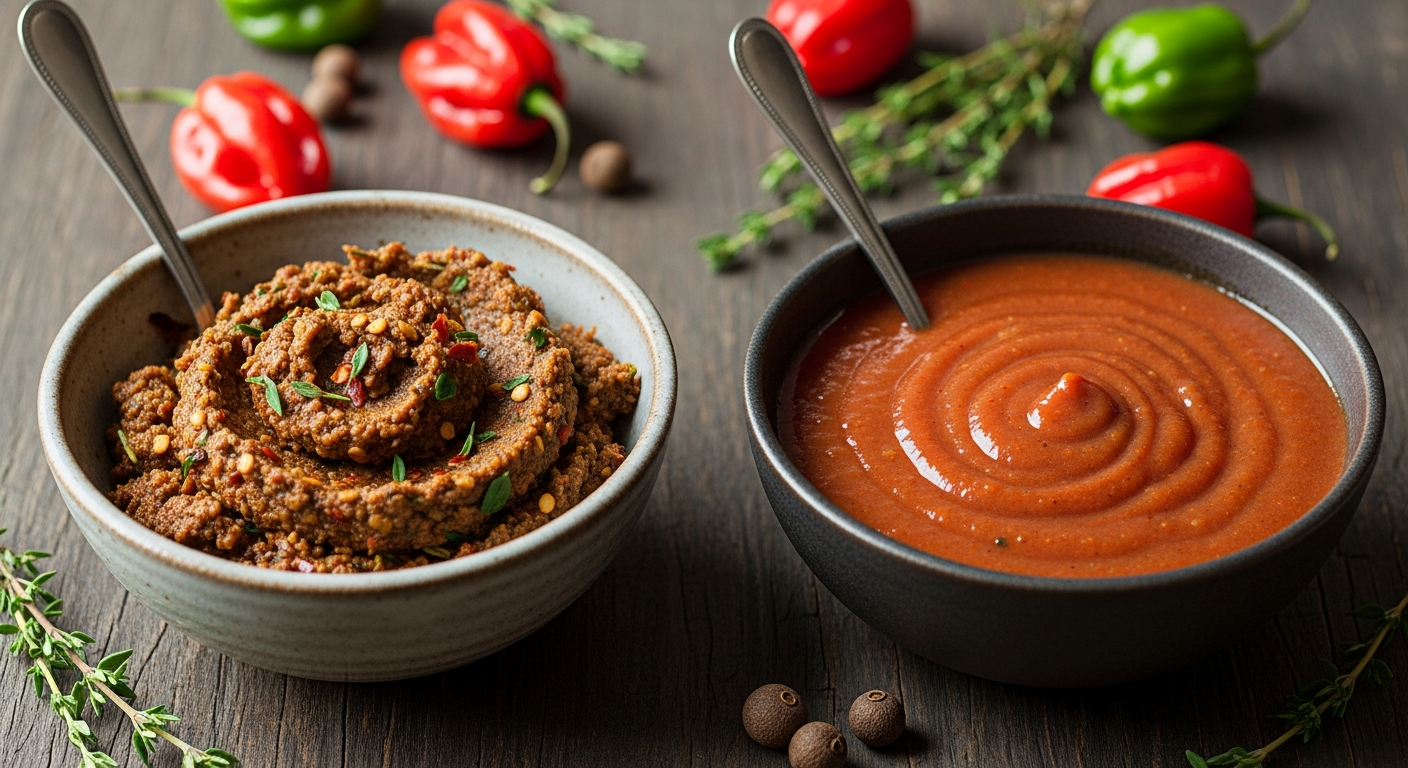
Dry rub or wet marinade for jerk is a choice that every Caribbean cook faces, and the answer depends on what you are cooking, how much time you have, and what flavor profile you are after. Both methods deliver authentic jerk flavor, but they do so through different mechanisms and produce distinctly different results on the plate.
How Dry Rubs Work
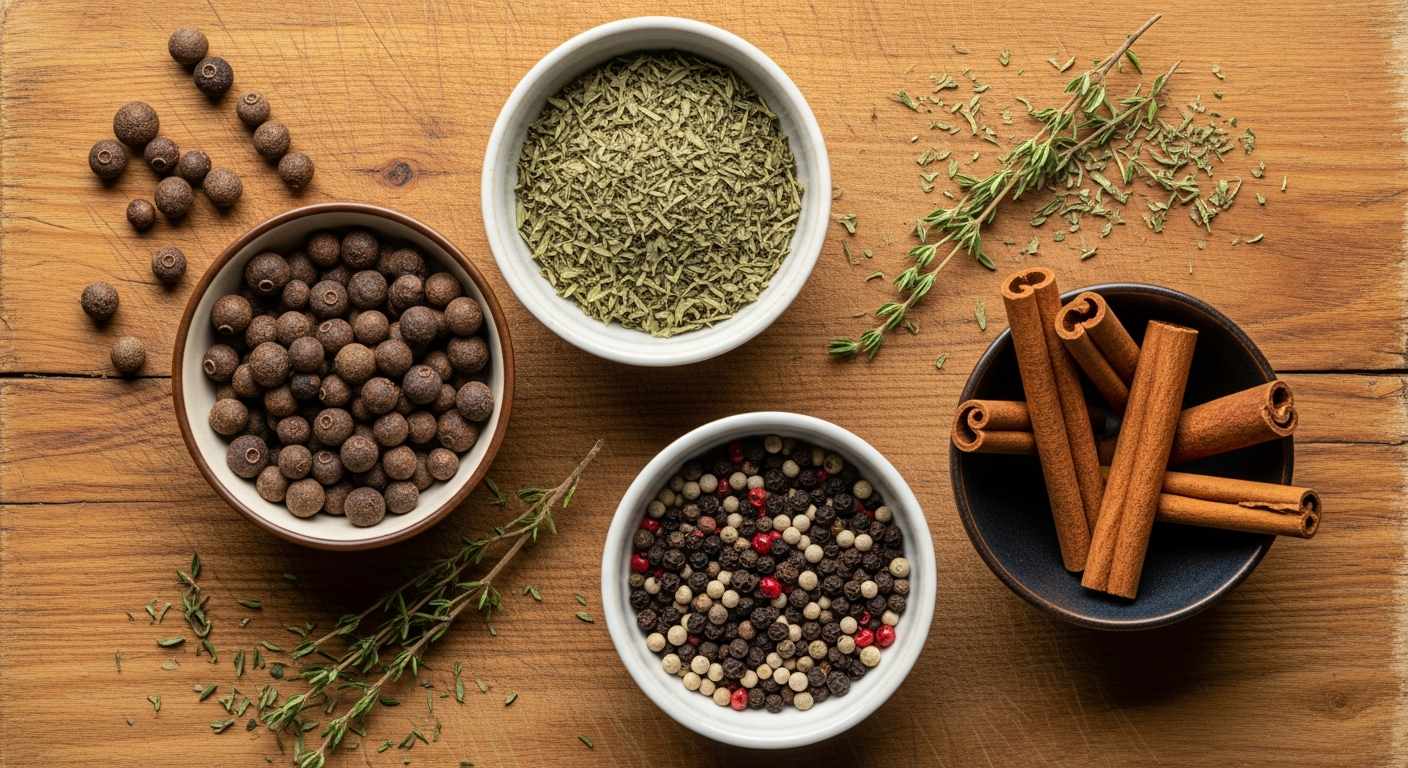
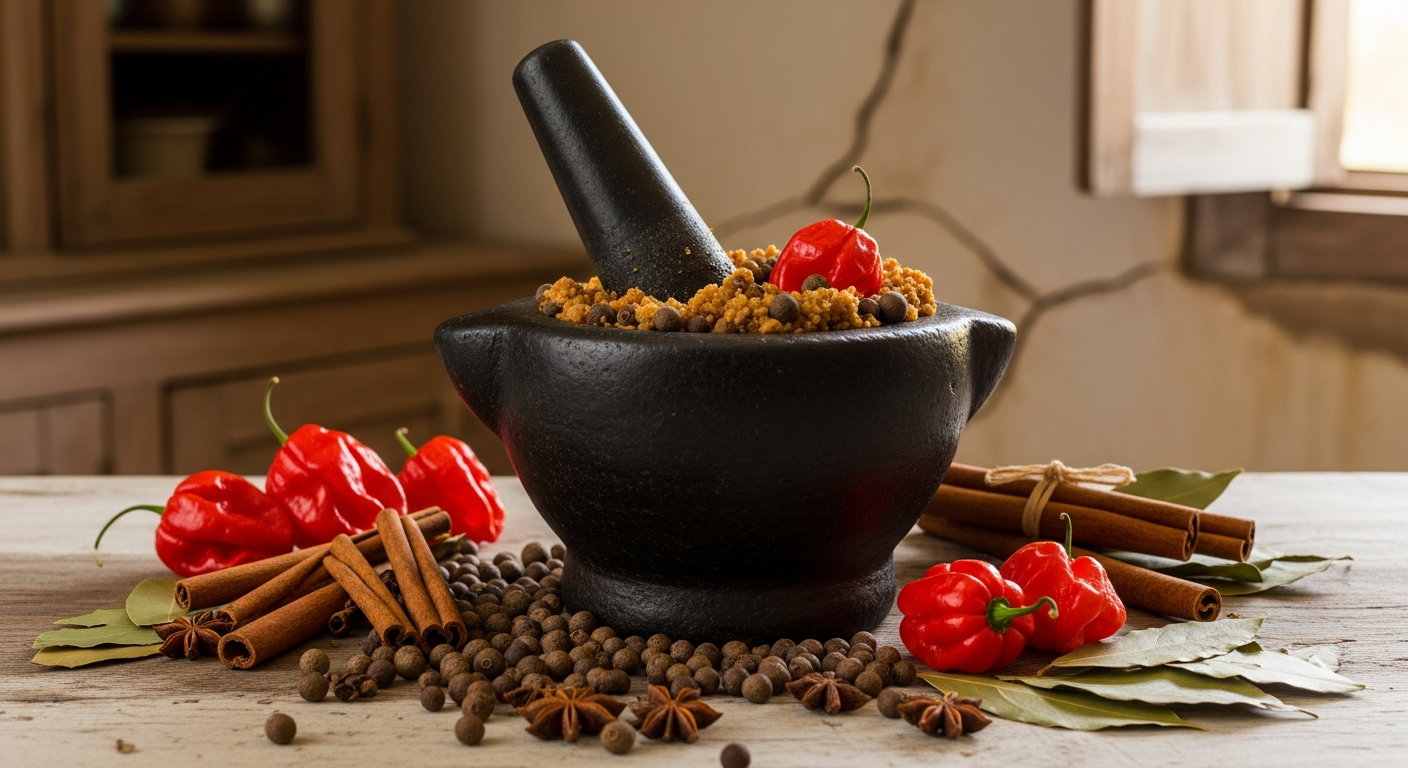
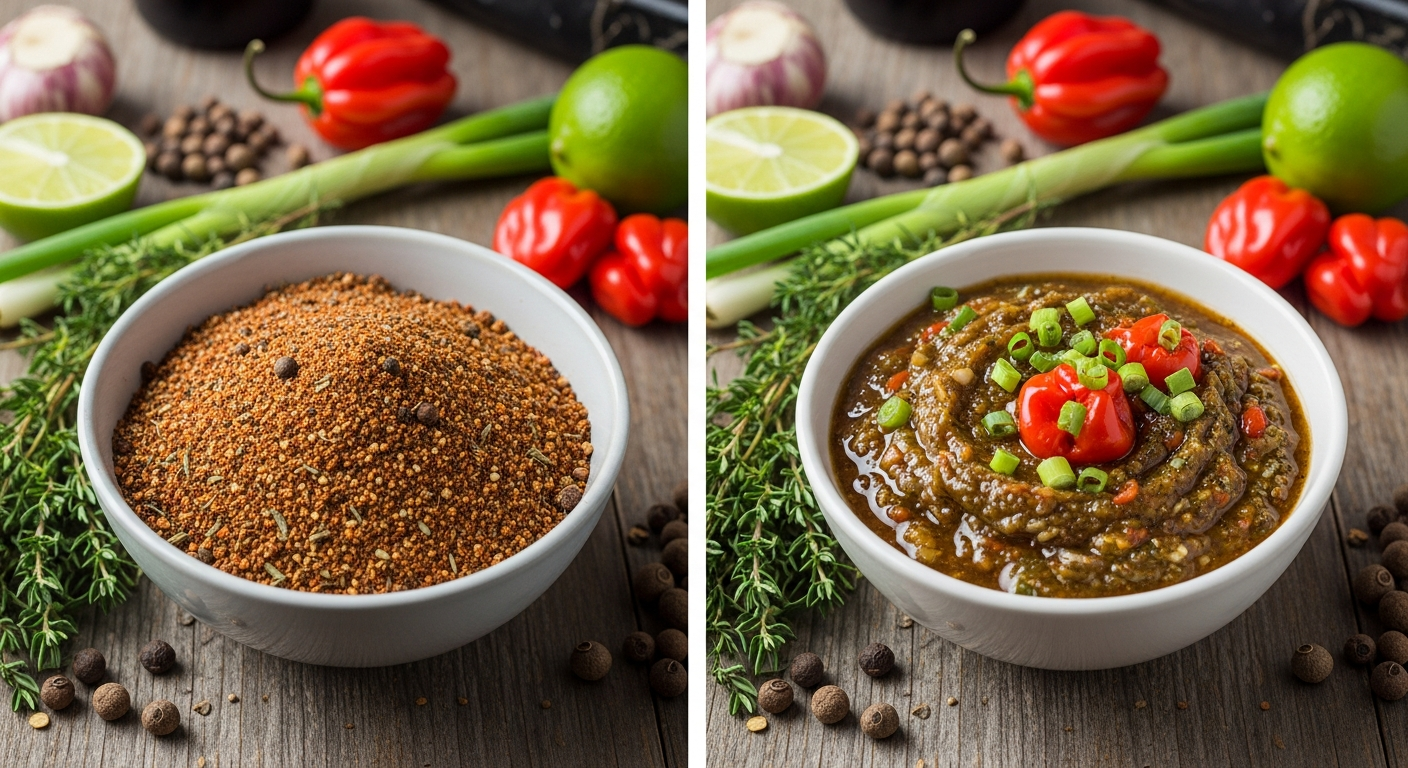
A jerk dry rub is a blend of ground dried spices — allspice, black pepper, cayenne, garlic powder, onion powder, dried thyme, brown sugar, salt, cinnamon, and nutmeg — applied directly to the surface of the protein. Without liquid ingredients, the rub relies on the meat's own moisture and the oils released by the spices to adhere to the surface and begin the flavoring process.
When applied to meat, the salt in the dry rub draws moisture from the surface through osmosis. This moisture dissolves the salt and sugar, creating a concentrated liquid layer that then gets reabsorbed into the meat, carrying dissolved spice compounds with it. This process takes at least two hours to begin and reaches its full effect after eight to twelve hours.
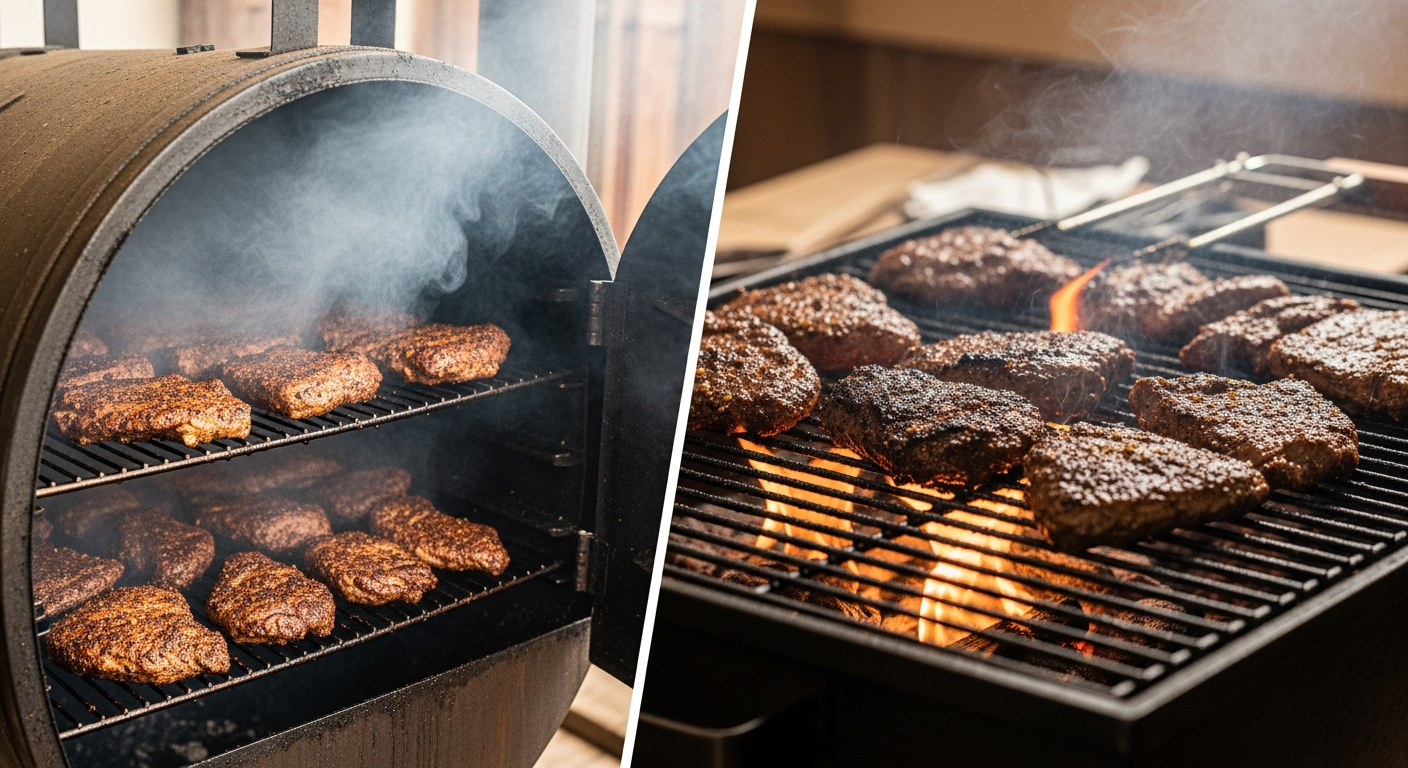
The result is a concentrated, intense flavor on the surface of the meat that forms a distinctive crust during cooking. The dry surface promotes better browning and caramelization — the Maillard reaction requires a dry surface to occur efficiently, so dry-rubbed jerk develops a crispier, more deeply browned exterior than wet-marinated jerk.
How Wet Marinades Work
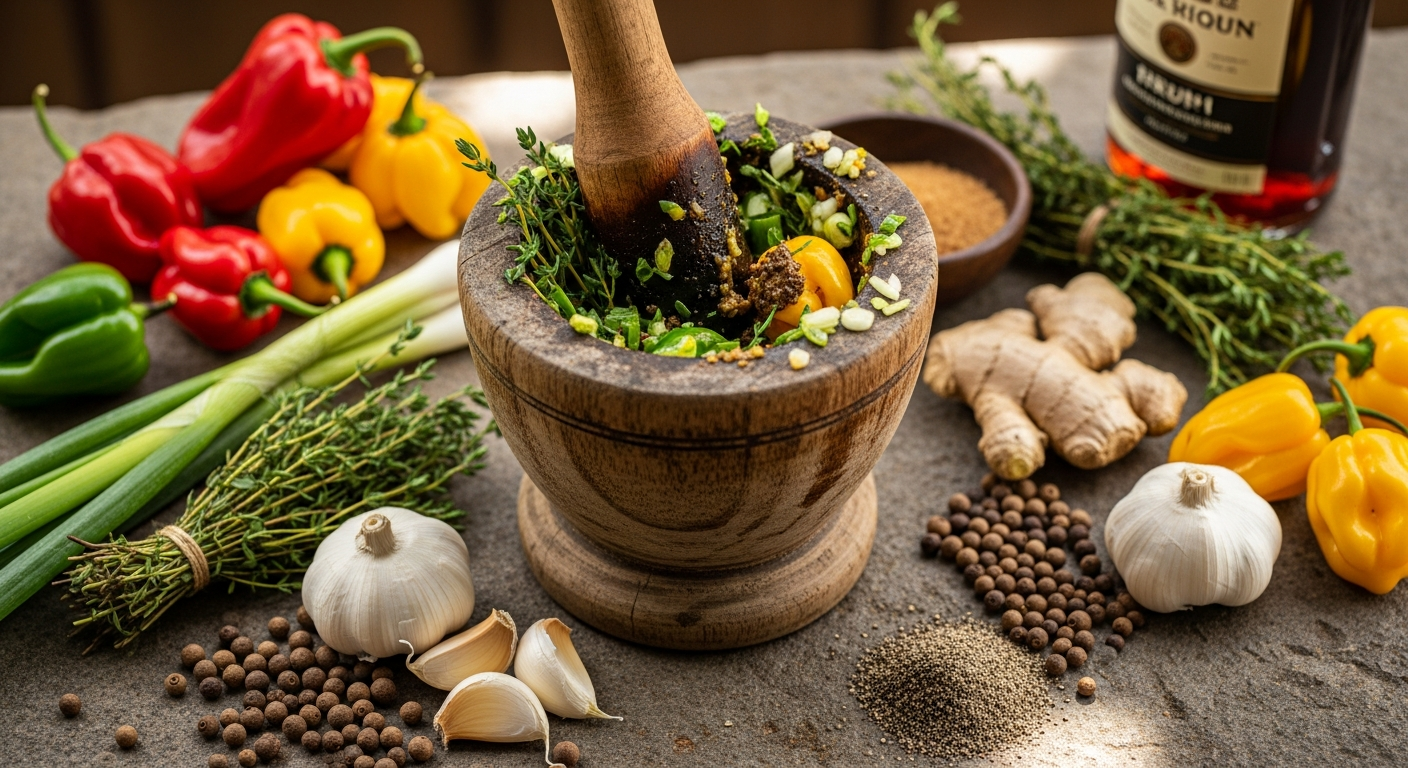
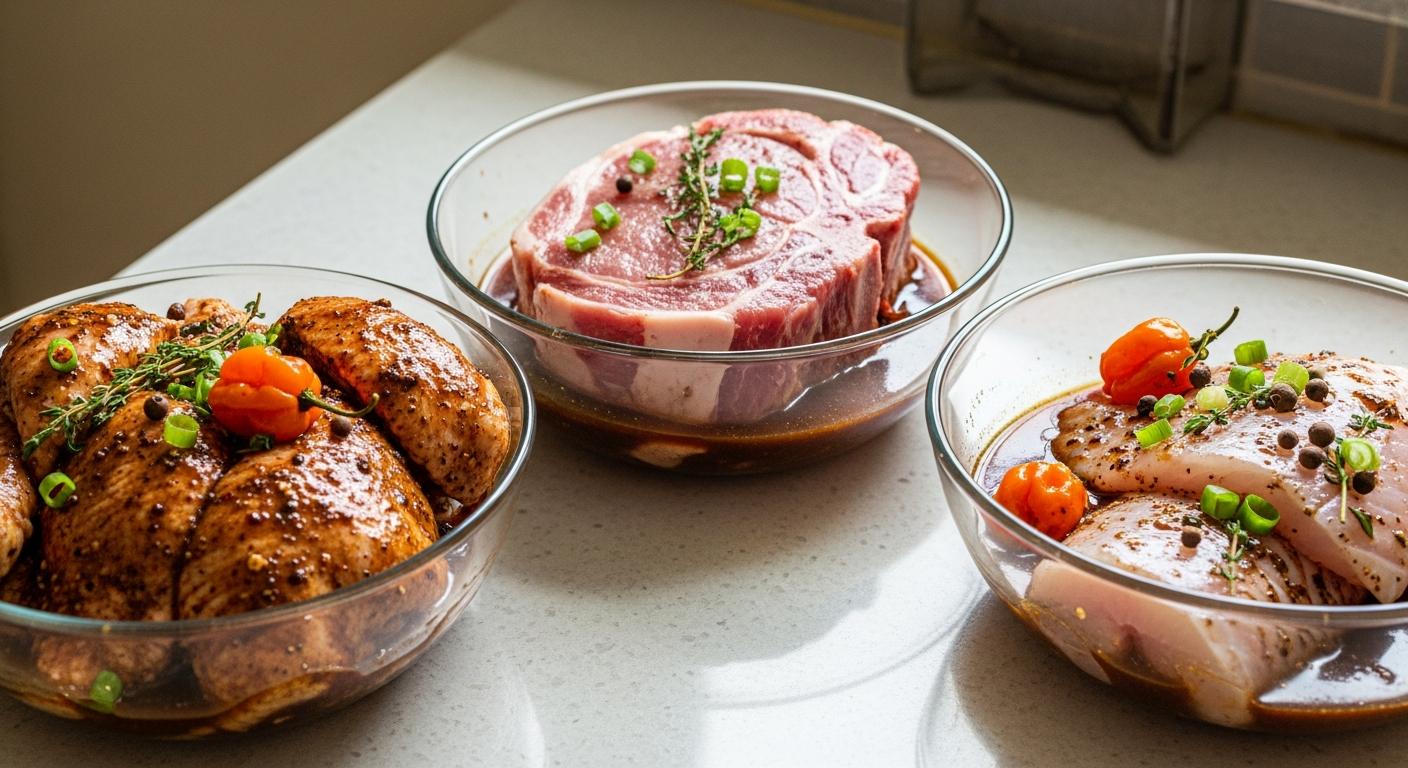
A jerk wet marinade is a paste or liquid made from fresh ingredients — scotch bonnet peppers, fresh thyme, scallions, garlic, ginger — blended with liquid components like soy sauce, lime juice, vinegar, and oil. The paste is applied to scored meat and allowed to penetrate over hours of refrigerated marination.
Wet marinades work through multiple mechanisms simultaneously. The acid (lime juice, vinegar) denatures surface proteins, tenderizing the outer layer and creating pathways for flavor penetration. The oil carries fat-soluble flavor compounds (particularly from allspice and scotch bonnet) into the meat. The salt (from soy sauce) seasons the interior through osmosis, similar to a dry rub but with the additional vehicle of liquid.
The result is a more evenly distributed flavor that penetrates deeper into the meat. The surface stays wetter during cooking, which means less browning but more steam — producing a juicier final product with a softer, more lacquered exterior.
When to Choose Dry Rub
Choose a dry rub when time is limited. While a wet marinade needs a minimum of four hours, a dry rub begins working immediately and produces good results with as little as thirty minutes of contact time. For weeknight jerk chicken, a dry rub applied while the grill preheats is a legitimate and delicious shortcut.
Choose a dry rub when you want maximum crust. The dry surface produced by a rub creates ideal conditions for caramelization and the Maillard reaction. If you love the crispy, deeply charred exterior of jerk chicken — that crunchy bark that shatters when you bite through it — a dry rub is your best path.
Choose a dry rub for high-heat, quick-cooking proteins. Jerk shrimp, pork chops, and steak benefit from the intense surface flavor of a dry rub applied just before cooking. The short cooking time means a wet marinade would not have time to penetrate meaningfully, while a dry rub delivers maximum flavor exactly where it matters — on the seared exterior.
When to Choose Wet Marinade
Choose a wet marinade when you have time. The deeper flavor penetration of a wet marinade rewards patience — a twenty-four-hour marination produces meat that is seasoned to the bone, with jerk flavor in every bite rather than concentrated on the surface.
Choose a wet marinade for large, thick cuts. Pork shoulder, whole chicken, and bone-in leg of lamb benefit from the tenderizing action and deep penetration of a wet marinade. These cuts cook for long periods, during which the moisture in the marinade keeps the surface from drying out.
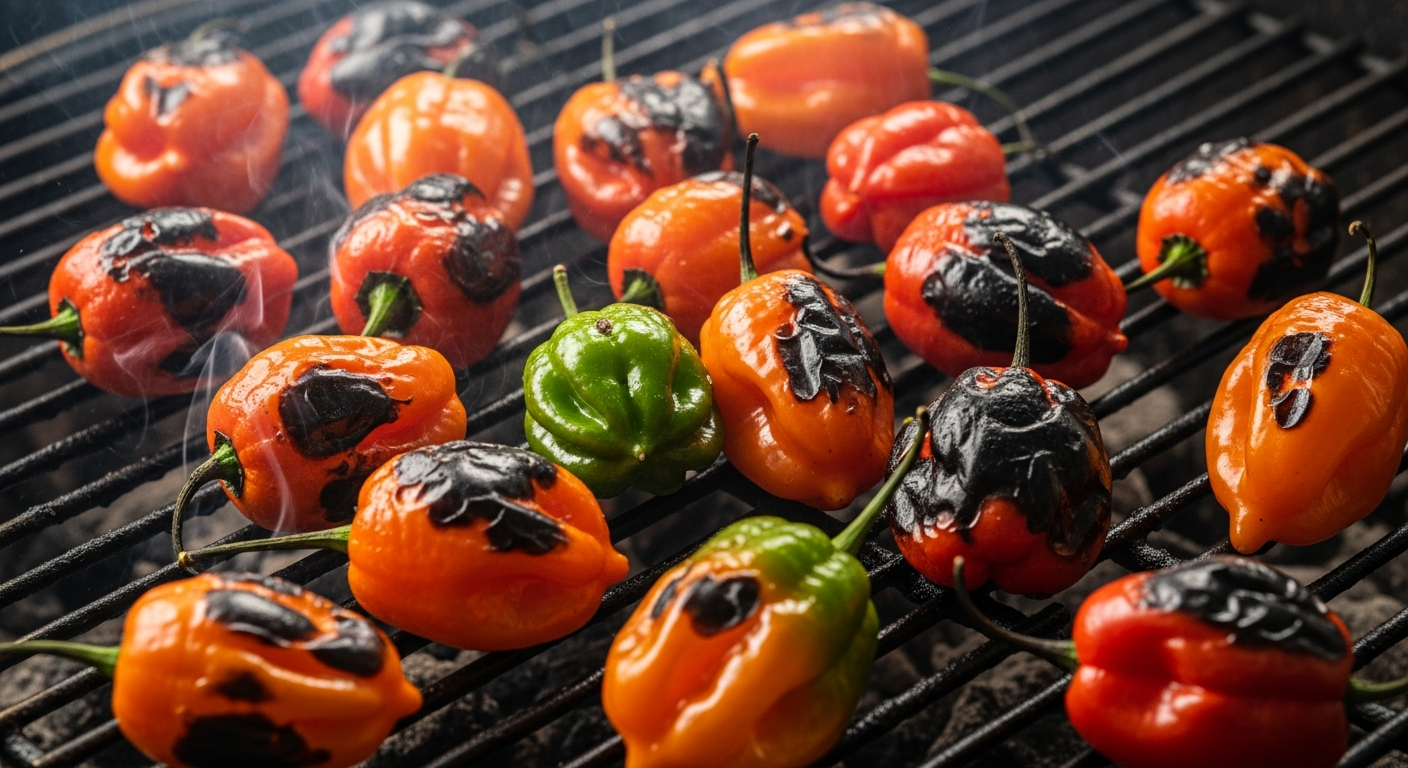
Choose a wet marinade when you want the fresh ingredient flavors that define authentic jerk. The fruity heat of fresh scotch bonnet, the bright herbaceousness of fresh thyme, and the sharp aromatics of fresh garlic and ginger are best delivered through a wet preparation. Dried versions of these ingredients, used in a dry rub, are respectable substitutes but lack the vibrancy of the fresh originals.
Making the Best Dry Rub
For the best jerk dry rub, toast your whole spices before grinding. Place allspice berries, black peppercorns, and cinnamon stick pieces in a dry skillet over medium heat for two to three minutes, shaking frequently, until fragrant. Grind immediately in a spice grinder.
Combine the freshly ground spices with garlic powder, onion powder, dried thyme, brown sugar, salt, cayenne, and ground nutmeg. The ratio that works best is one part heat (cayenne) to two parts warm spice (allspice, cinnamon, nutmeg) to three parts base (garlic, onion, salt) to one part sweet (brown sugar). Store in an airtight container.
Apply generously — use about one tablespoon of rub per pound of protein. Press the rub firmly into the meat, ensuring it adheres to every surface. For the deepest flavor, apply the rub twelve to twenty-four hours ahead and refrigerate uncovered — the air circulation further dries the surface for better browning.
Making the Best Wet Marinade
For the best wet jerk marinade, use a food processor rather than a blender. The food processor allows you to pulse to the ideal texture — coarse enough to have visible flecks of herb and spice, smooth enough to coat the meat evenly. A blender tends to over-process into a completely smooth puree.
The ideal consistency is like a thick pesto — spreadable but not pourable. If the marinade is too thick, add oil in small increments. If it is too thin, add more scallions or a tablespoon of allspice berries, which absorb liquid as they are ground.
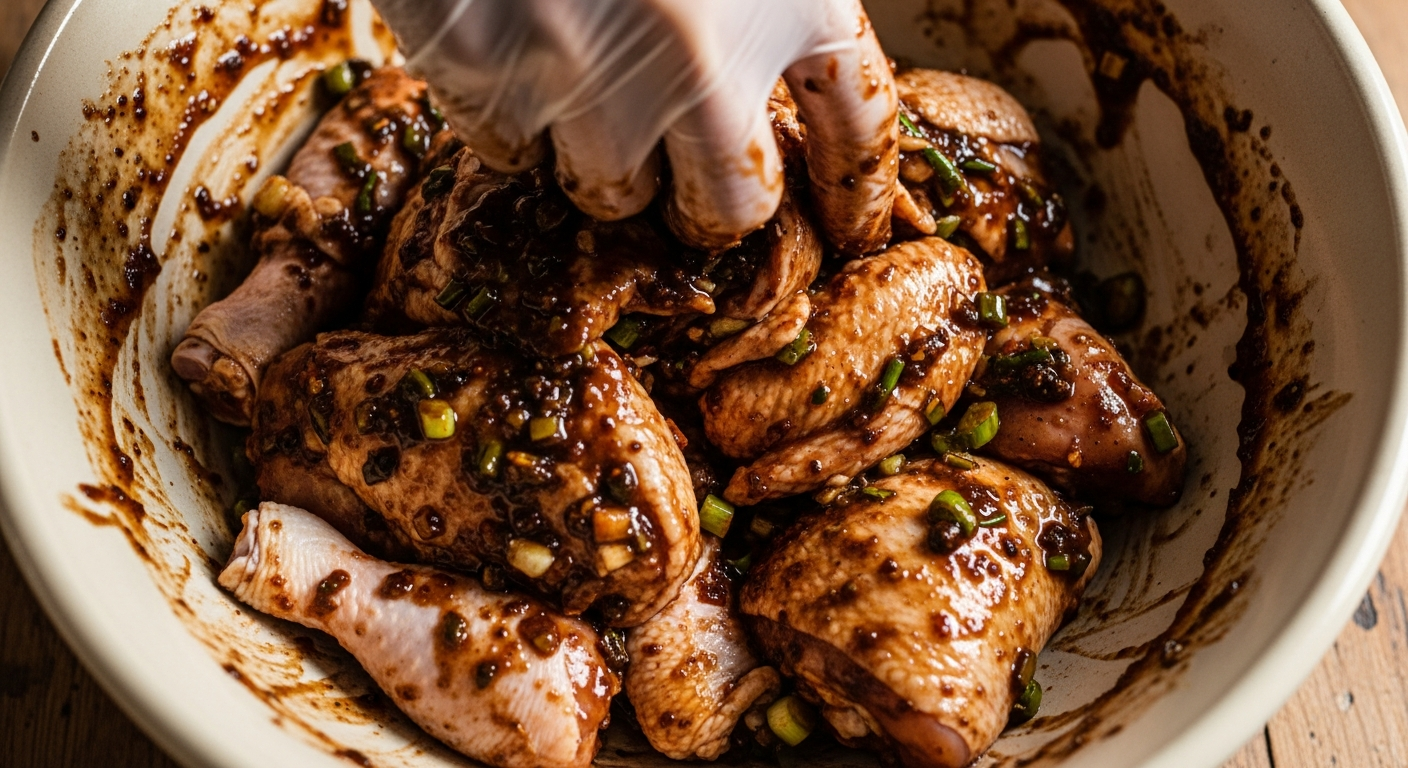
Apply the marinade to scored meat, working it into every cut and crevice. Place the protein in a glass container or zip-top bag, ensuring every piece is coated. Marinate in the refrigerator, turning the bag or stirring the container once during the marination period to redistribute.
The Best of Both Worlds
Some cooks use both methods in sequence. Apply a dry rub to the meat twelve hours before cooking, then add a thin coat of wet marinade two hours before. The dry rub seasons the interior through long contact, while the wet marinade adds fresh ingredient flavors and surface moisture just before cooking.
This dual approach produces jerk with the deep seasoning of a long marination and the fresh, vibrant flavors of a just-applied marinade. It is more work than either method alone but produces what many consider the ultimate jerk result.