Marinades
Perfect your jerk flavor with our collection of marinades, glazes, rubs, and sauces.
The marinade is the soul of jerk cooking. Without it, you simply have grilled meat. With it, you have a dish that carries centuries of Caribbean culinary tradition in every bite. Understanding how to build, balance, and apply a jerk marinade is the single most important skill you can develop as a jerk cook.
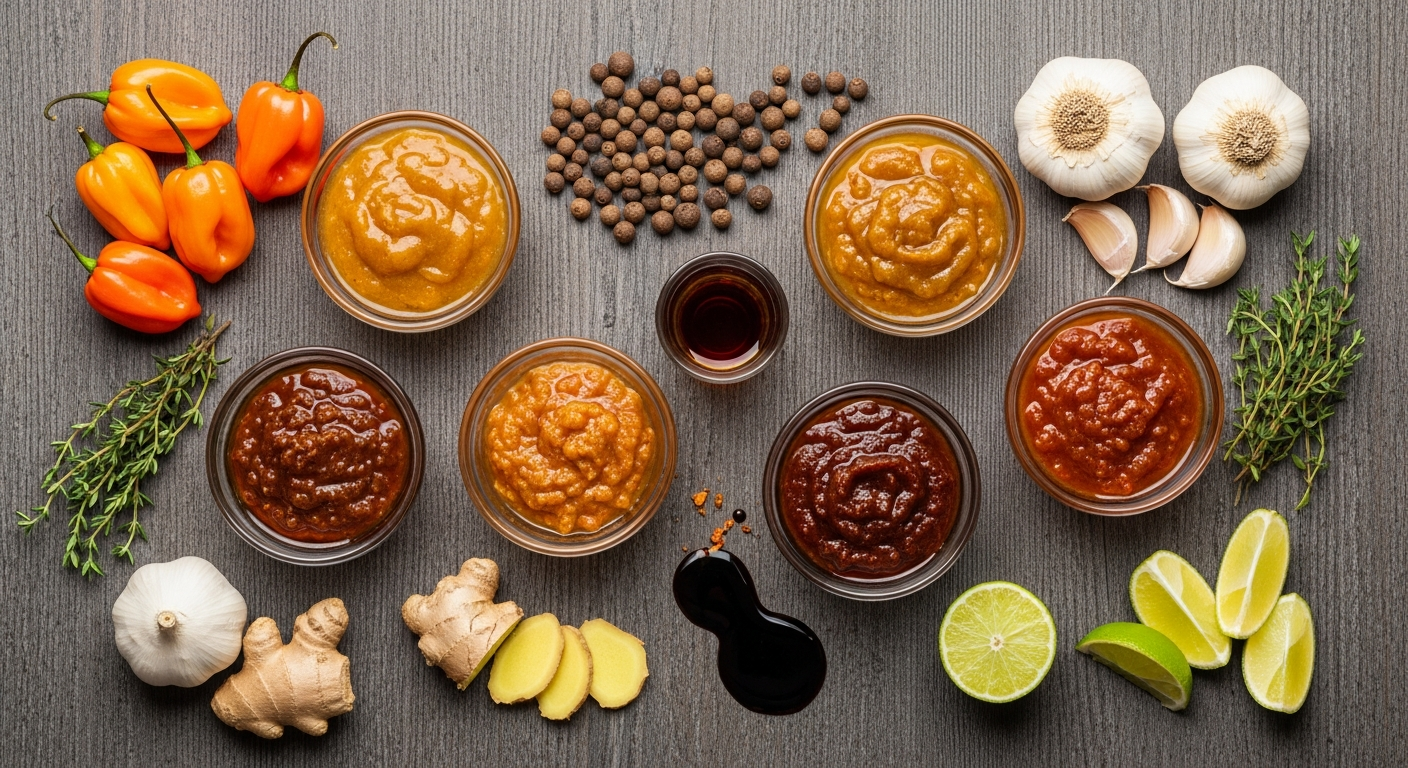
At its core, a traditional jerk marinade combines scotch bonnet peppers for heat, allspice berries for warmth, fresh thyme for herbaceous depth, and a mix of aromatics including garlic, ginger, and scallions. But the art lies in the proportions and the additions that each cook brings to their own version.
In this section, we explore the full spectrum of jerk flavoring techniques. From the classic wet marinade that has been passed down through generations of Jamaican families to modern variations like pineapple jerk glaze, dry rub blends for quick weeknight cooking, and concentrated scotch bonnet pepper sauces that can be added to any dish.
The chemistry of marination matters. Acidic ingredients like lime juice and vinegar help break down protein fibers, allowing the spice blend to penetrate deeper. Oil-based components carry fat-soluble flavor compounds into the meat. Sugar elements caramelize during cooking, creating that signature char. Understanding these principles will help you adjust any marinade to your preferences.
We also cover the practical side: how long to marinate different proteins, the best containers and techniques for even coverage, whether to score the meat before marinating, and how to handle the marinade safely during cooking. Each recipe includes storage instructions so you can batch-prepare marinades and have them ready whenever the craving strikes.
All Marinades Articles (11)
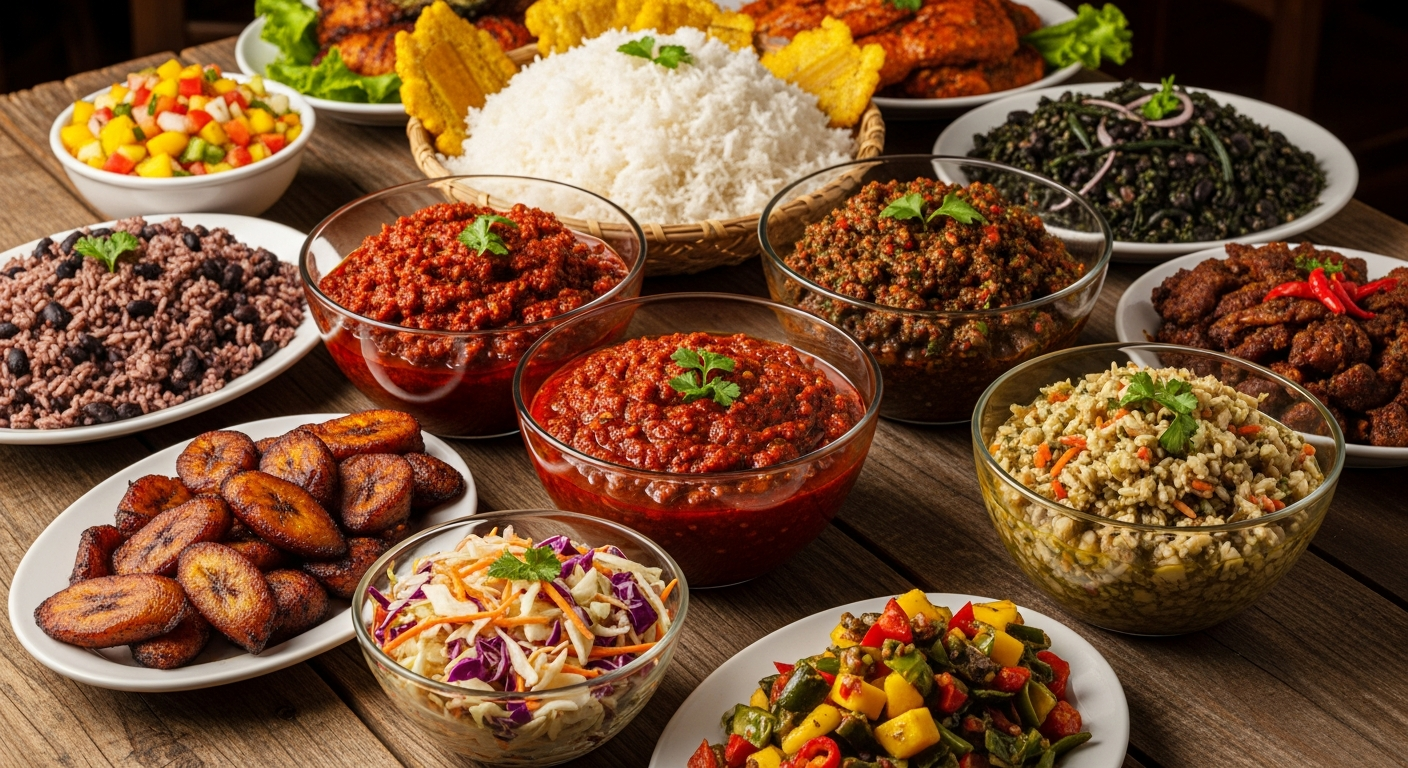
Jerk Marinades That Pair Perfectly with Caribbean Sides
The right jerk marinade transforms not just your protein but your entire Caribbean meal. Learn which marinades pair best with traditional sides.
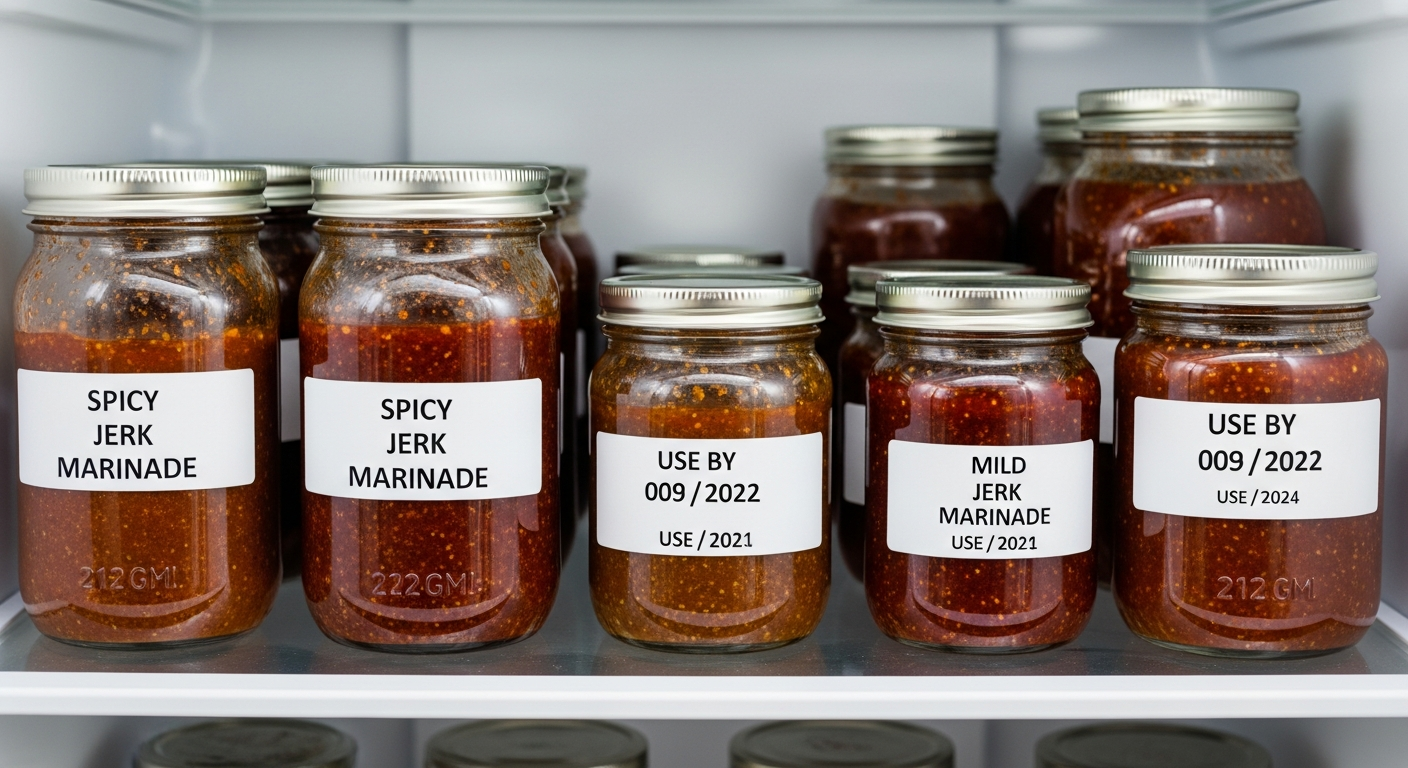
Storing Jerk Marinade Safely: A Complete Guide
Proper storage ensures your jerk marinade stays fresh and safe. Learn refrigeration, freezing, and batch prep techniques for maximum shelf life.
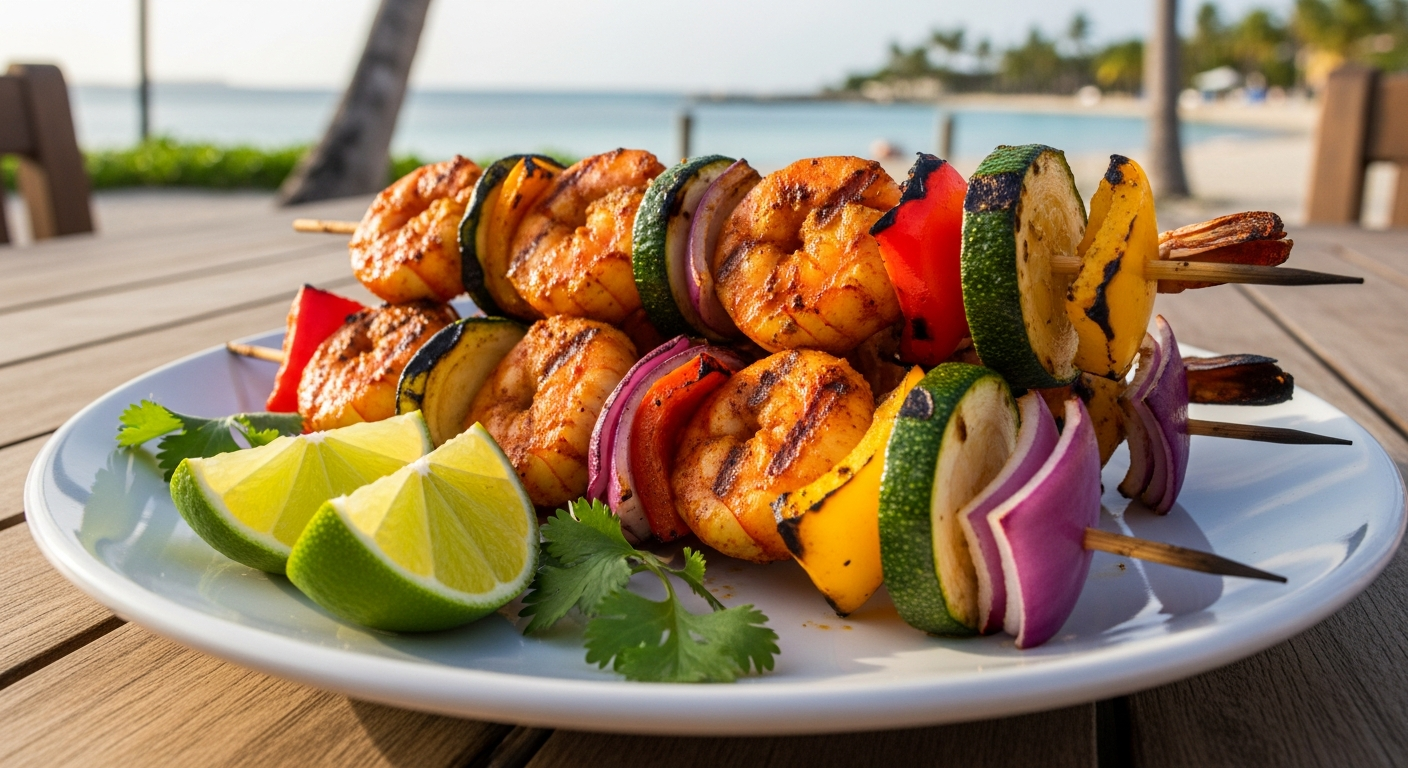
Jerk Marinade for Veggies and Seafood: A Flavorful Guide
Jerk marinade is not just for chicken. Learn how to adapt traditional jerk flavors for seafood and vegetables with the right timing and technique.
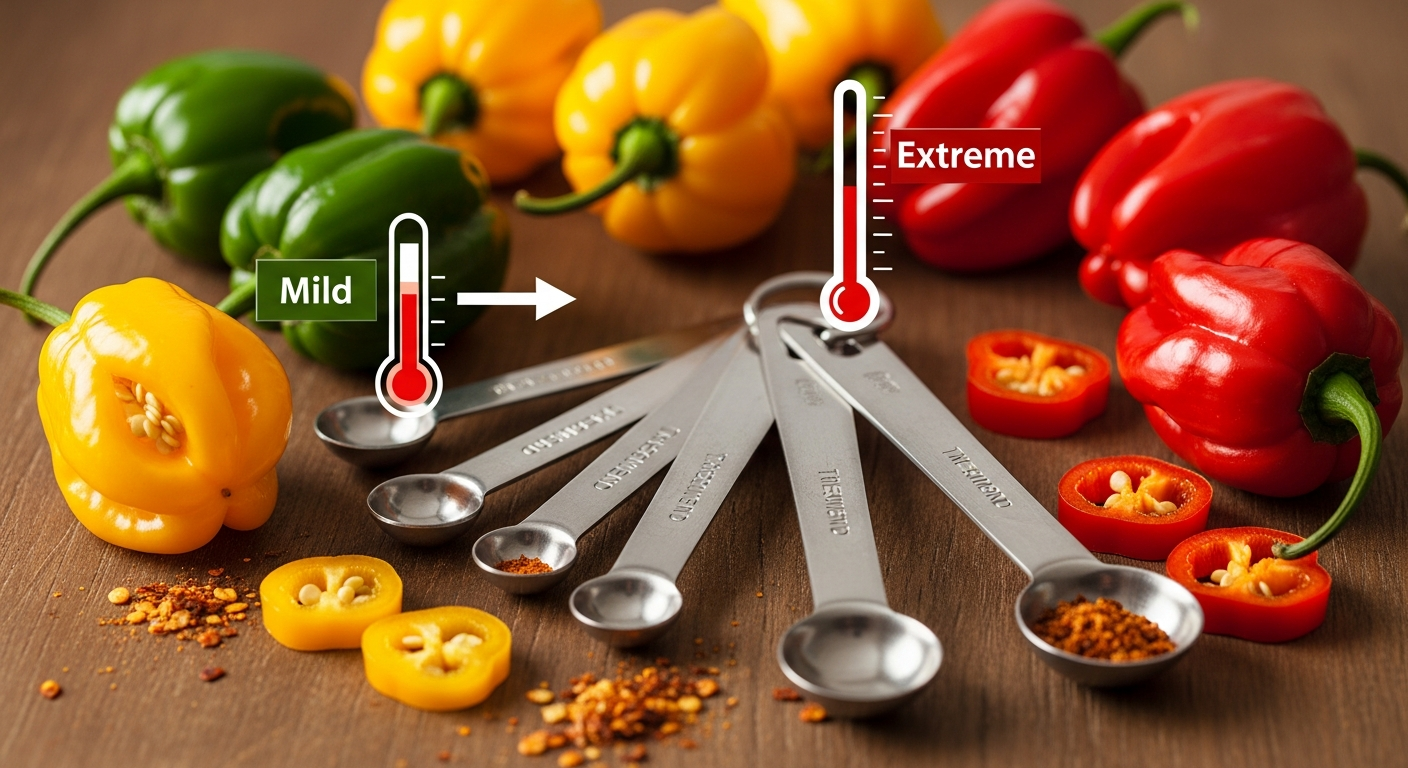
Adjusting Heat in Jerk Marinades: From Mild to Fiery
Master the art of heat control in jerk marinades. From kid-friendly mild to authentic fiery heat, learn to adjust spice without sacrificing flavor.
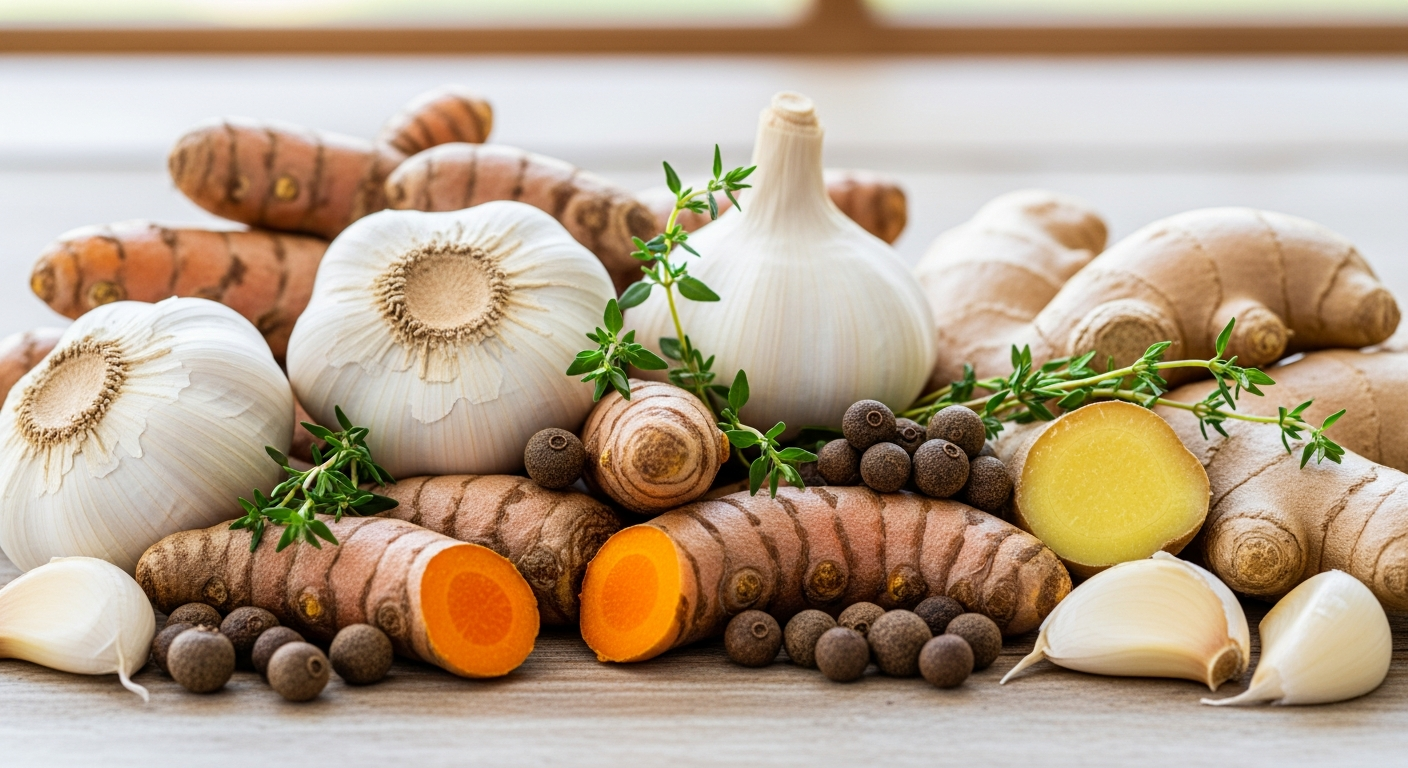
Jamaican Jerk Marinades: Health Benefits and Nutritional Insights
Jerk marinades are not just delicious — their core ingredients carry impressive health benefits, from anti-inflammatory allspice to metabolism-boosting capsaicin.
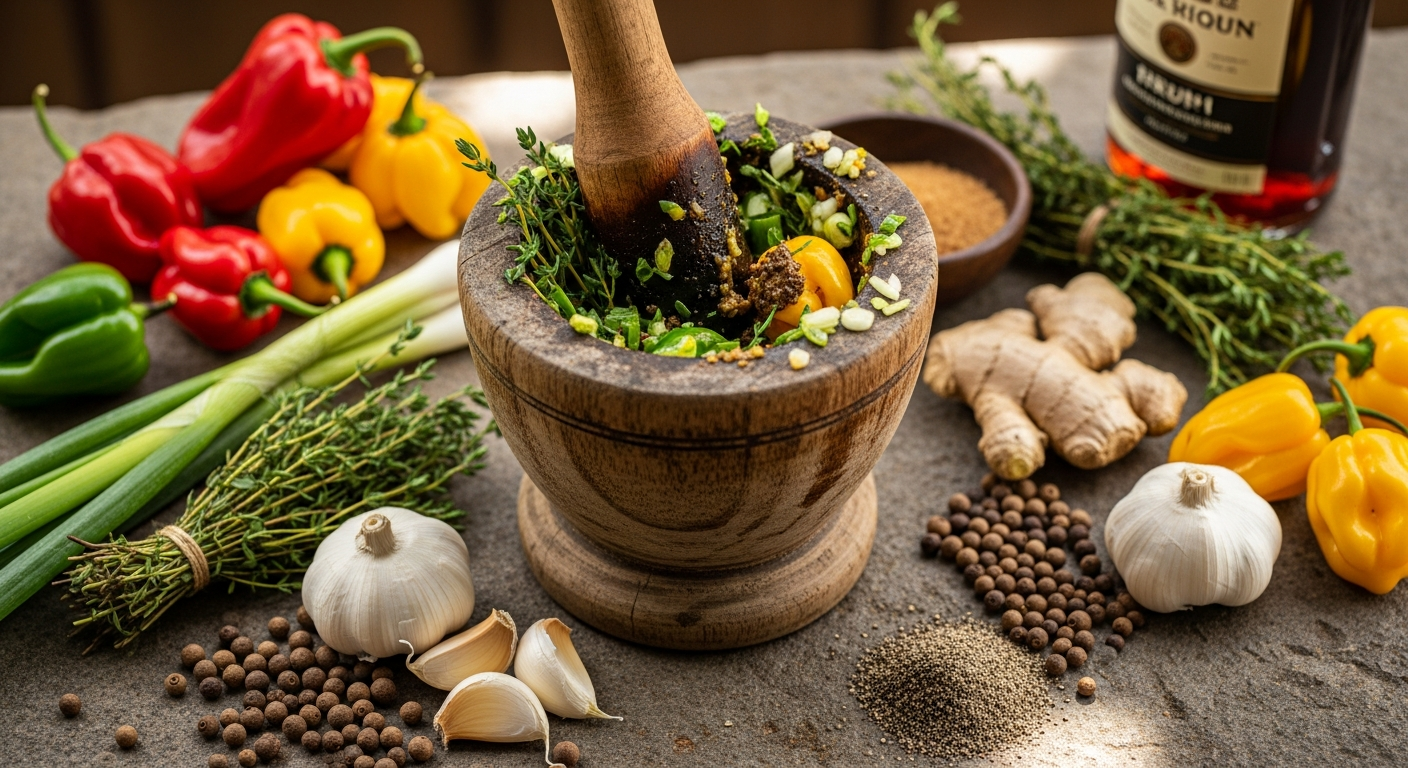
Authentic Jamaican Jerk Marinade: The Complete Guide
The definitive guide to building an authentic Jamaican jerk marinade from scratch, with traditional ingredients, proper ratios, regional variations, and expert techniques.
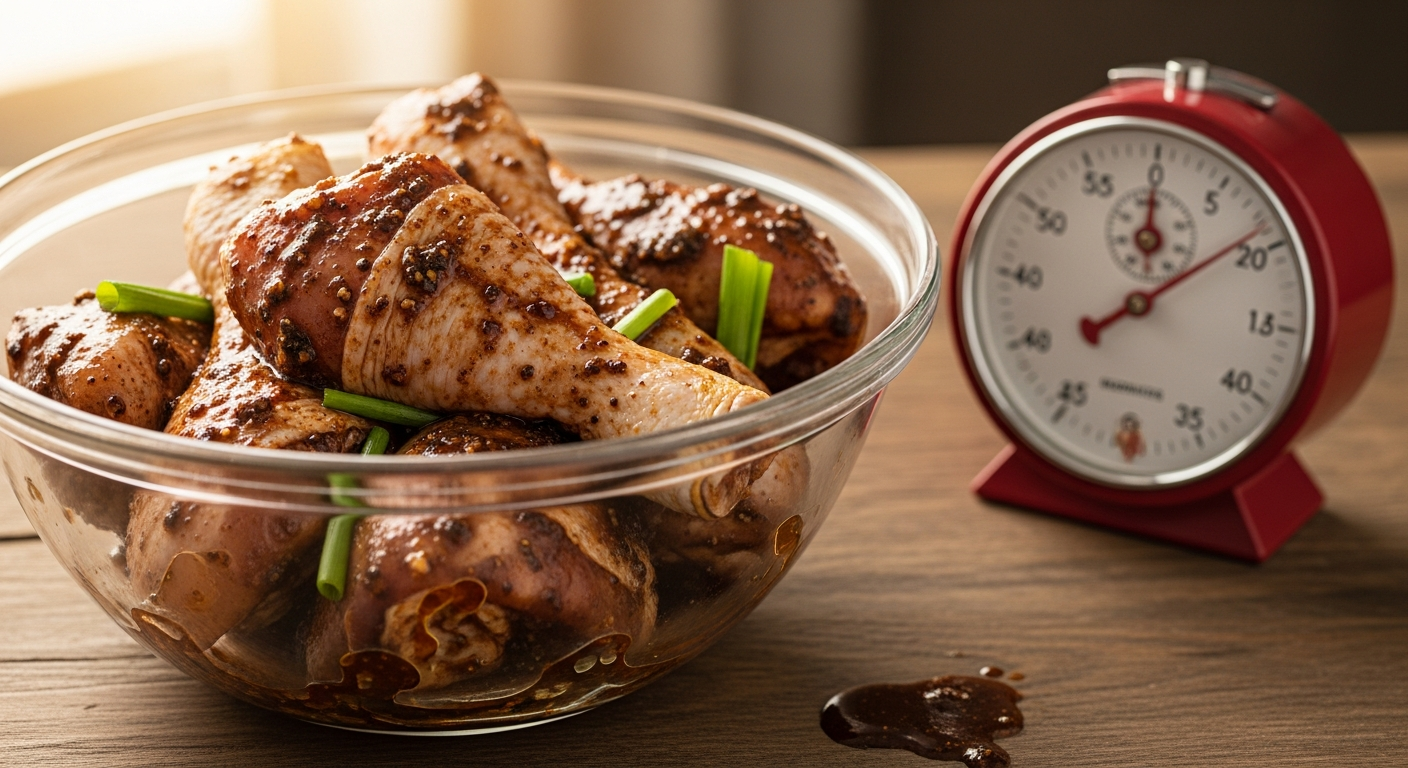
Jerk Marinade Timing for Meat: How Long Is Enough?
Timing is everything when marinating with jerk seasoning. Too little and flavors stay on the surface; too much and textures break down. Here is your complete guide.
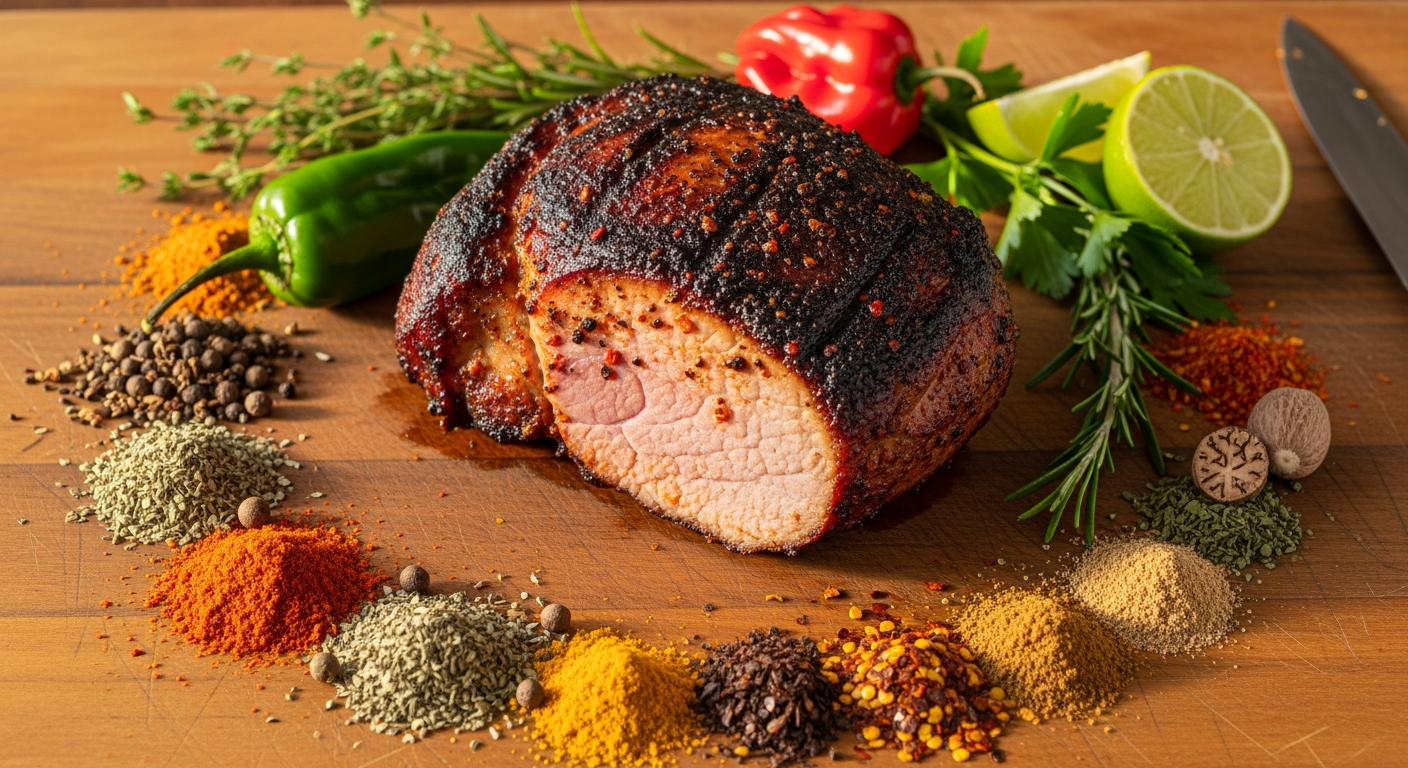
Jerk Marinades for Pork: Tips for Perfect Results
Pork and jerk seasoning are a match made in Caribbean heaven. Learn which cuts work best, how to adapt your marinade, and tips for perfect jerk pork.
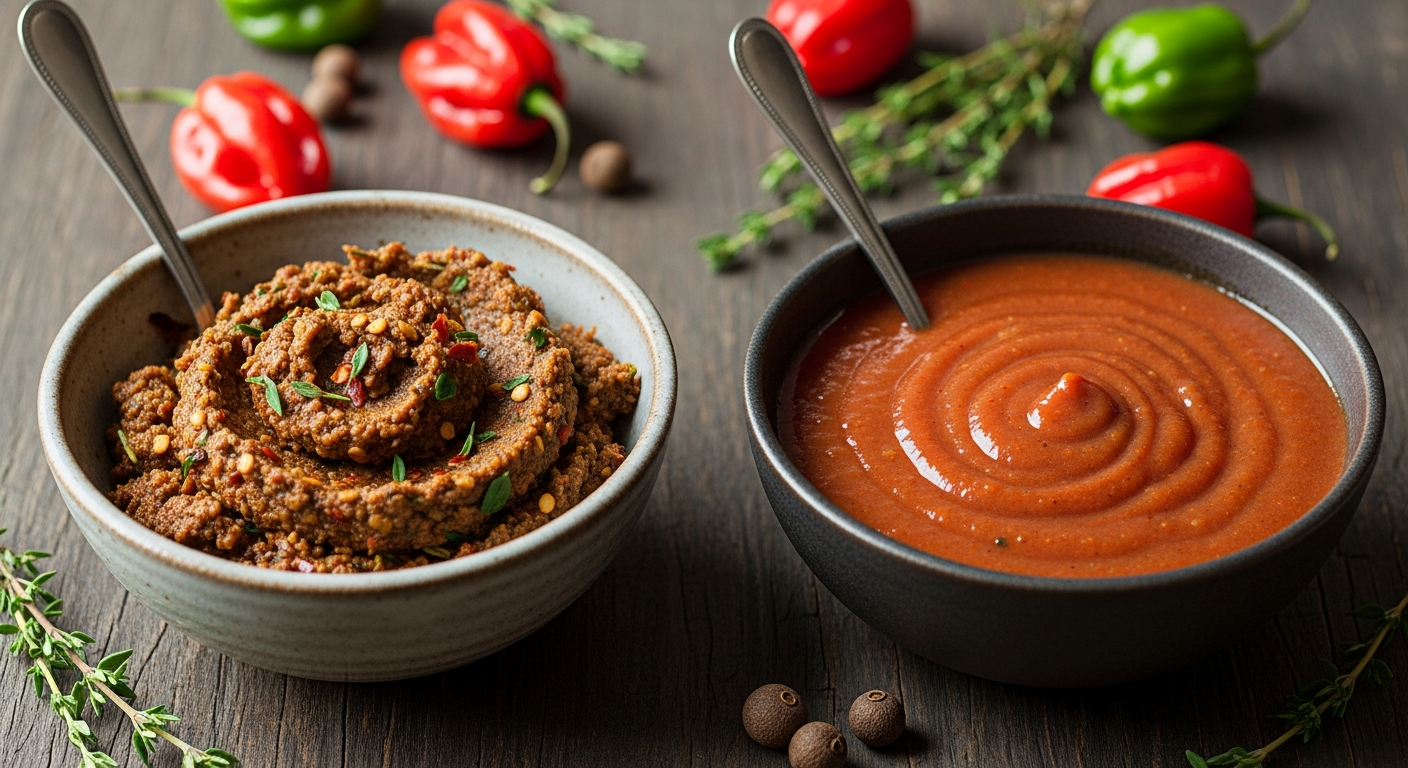
Jerk Chicken Marinades: Traditional vs Modern Approaches
Traditional jerk marinades and modern interpretations each have their strengths. Explore how the classic recipe has evolved and when each approach shines.
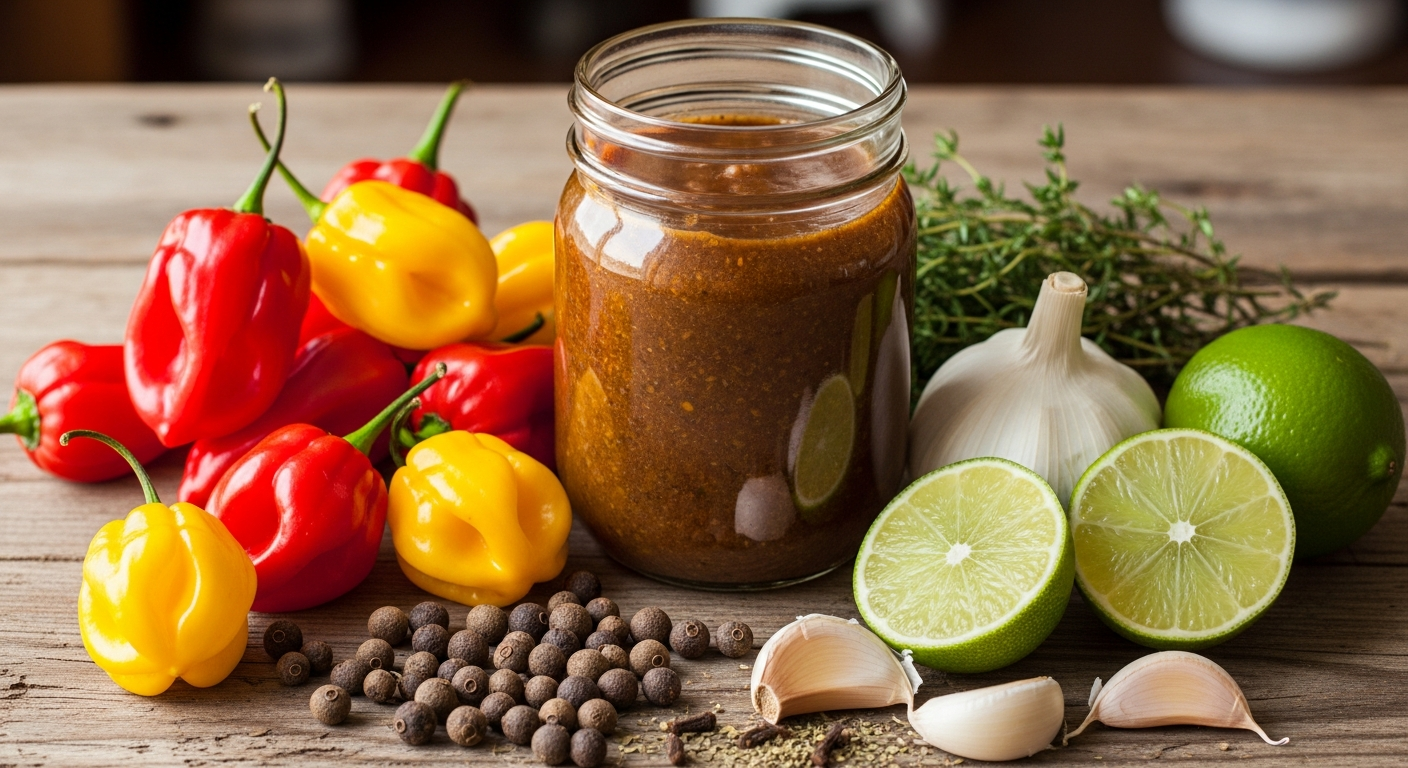
Your Complete Homemade Jamaican Jerk Marinade Guide
Everything you need to make authentic Jamaican jerk marinade at home, from sourcing ingredients to blending the perfect paste and storing it for future use.
How Long Can Jerk Marinade Last? Storage and Safety Guide
How long can jerk marinade last? This complete guide covers refrigerator and freezer shelf life, food safety rules, and how to batch prep marinade efficiently.