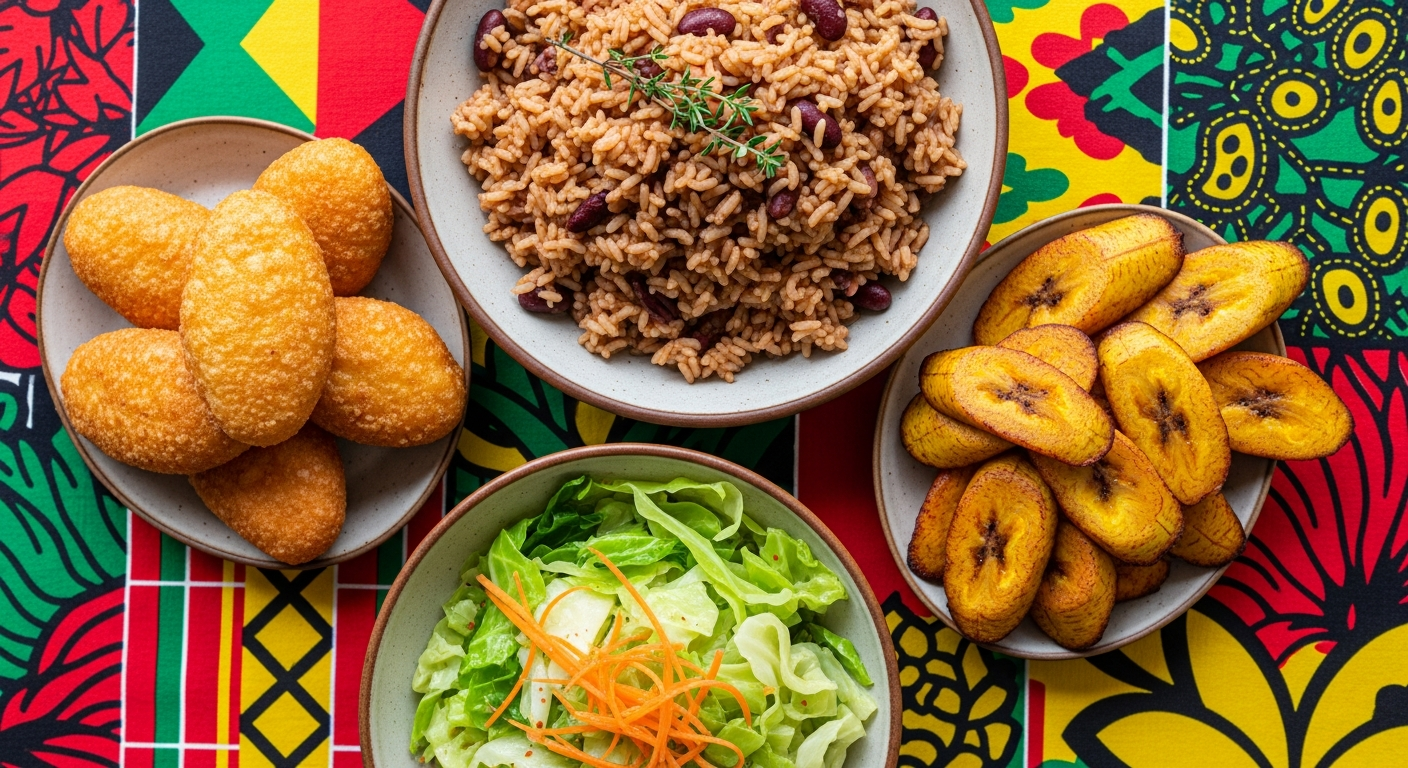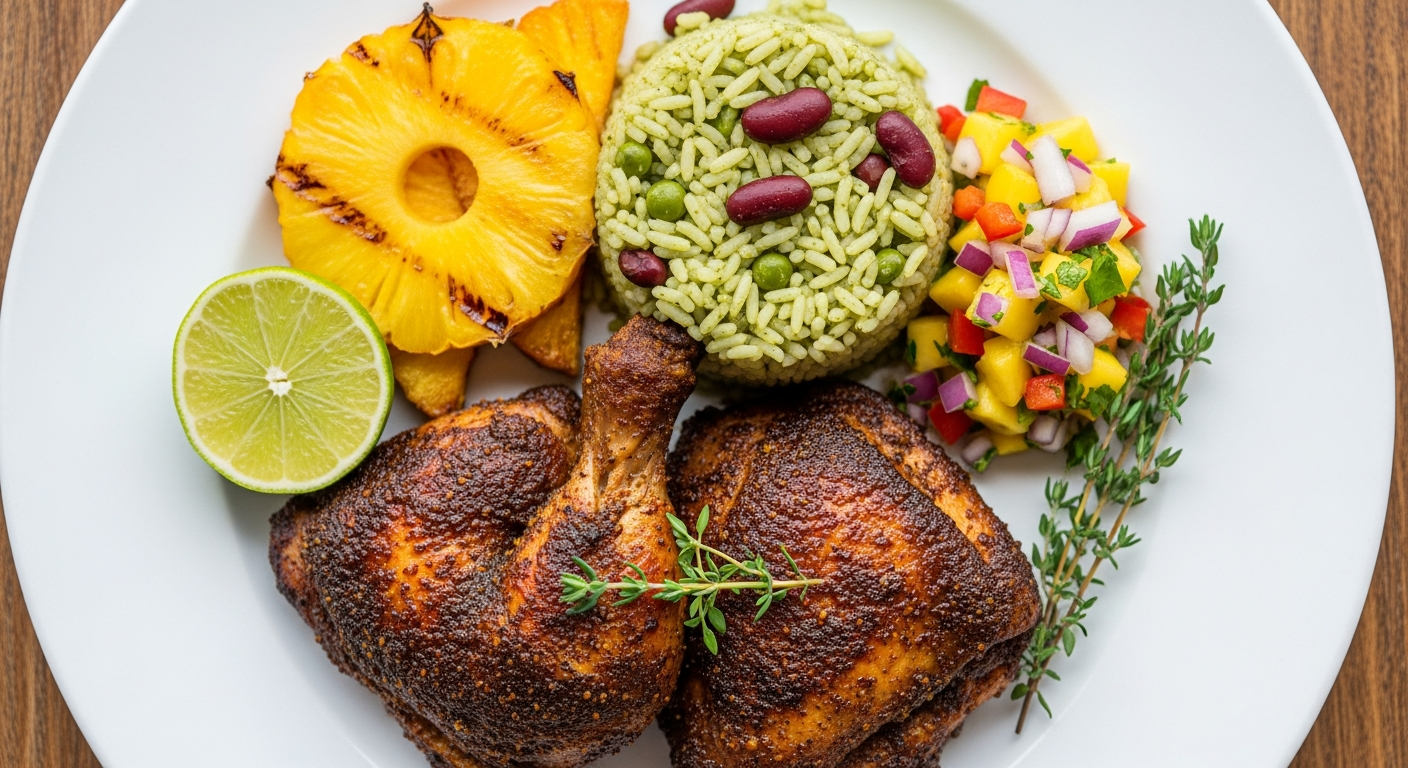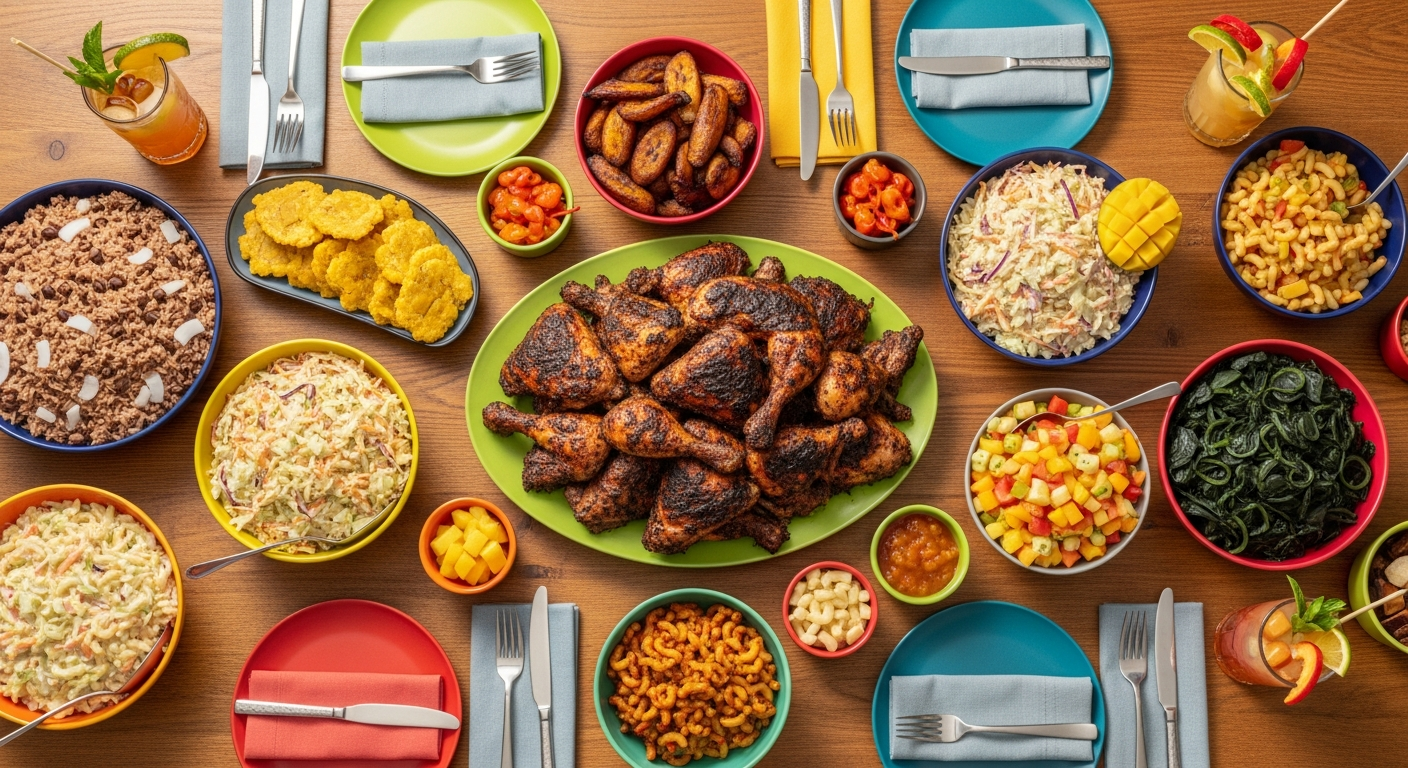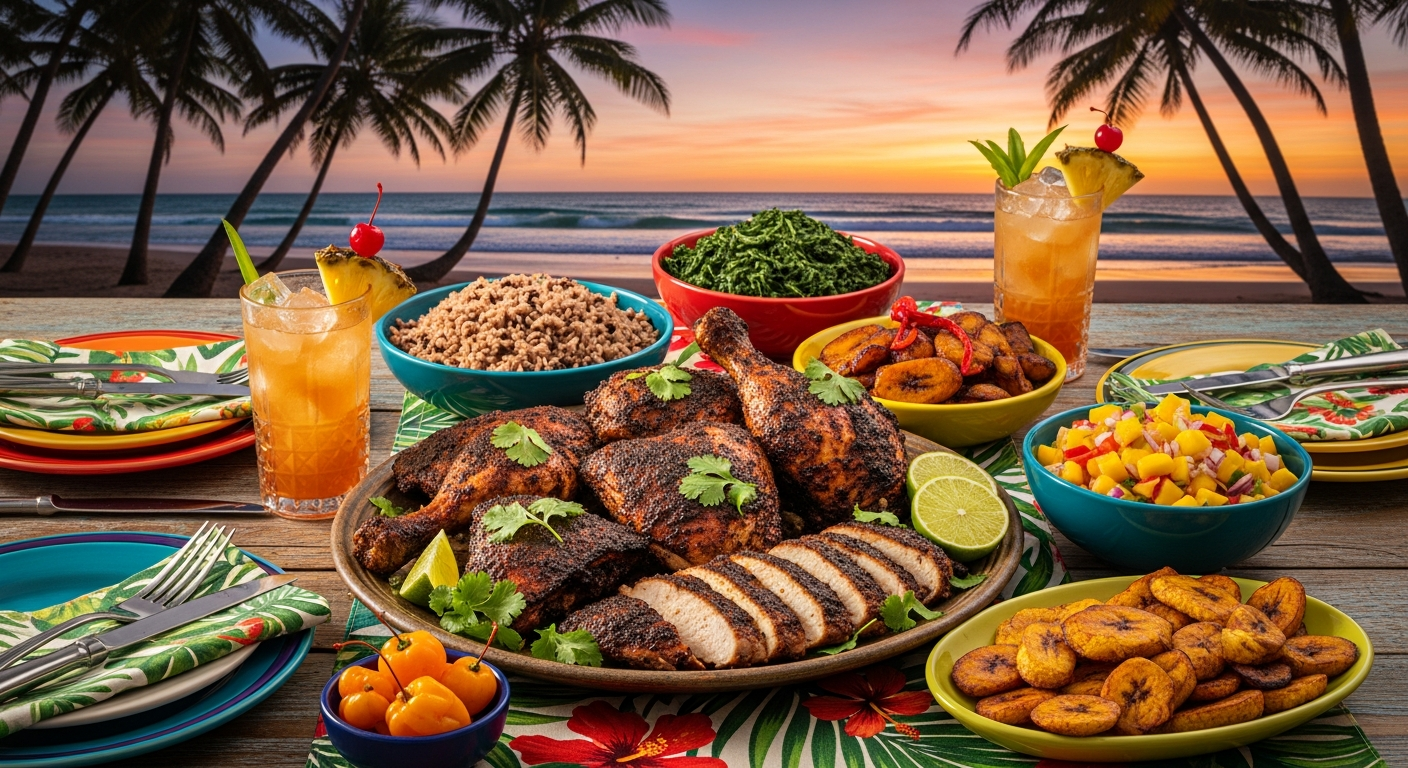
Jerk dishes with Caribbean food side dishes require a coordinated cooking approach that treats the entire meal as a unified production rather than a series of separate dishes. The art of putting a complete Caribbean plate together — jerk protein hot off the grill alongside perfectly timed rice and peas, golden festival bread, and crisp coleslaw — is a skill that separates competent cooks from exceptional ones.
Cooking Caribbean Food Side Dishes: Planning Your Timeline
The single most important technique for cooking jerk dishes with Caribbean food side dishes is working backward from your serving time. Every element on the plate has a different preparation time, cooking time, and resting requirement. Getting them all to land at the same moment requires planning.
Start with the longest-lead items and work backward. Jerk chicken needs to come off the grill sixty to ninety minutes before serving time, plus fifteen to twenty minutes of resting. Rice and peas takes forty-five minutes of active cooking. Festival bread needs fresh frying ten to fifteen minutes before serving. Coleslaw should be dressed thirty minutes ahead. Plantains take seven to eight minutes of frying.
For a seven o'clock dinner, your timeline might look like this: start the grill at five o'clock, place chicken at five-fifteen, begin rice and peas at five-forty-five, prepare coleslaw at six-fifteen, pull chicken at six-thirty, rest chicken until six-fifty, fry festival bread and plantains at six-forty-five, and plate everything at seven.
Grill Management for Multiple Items
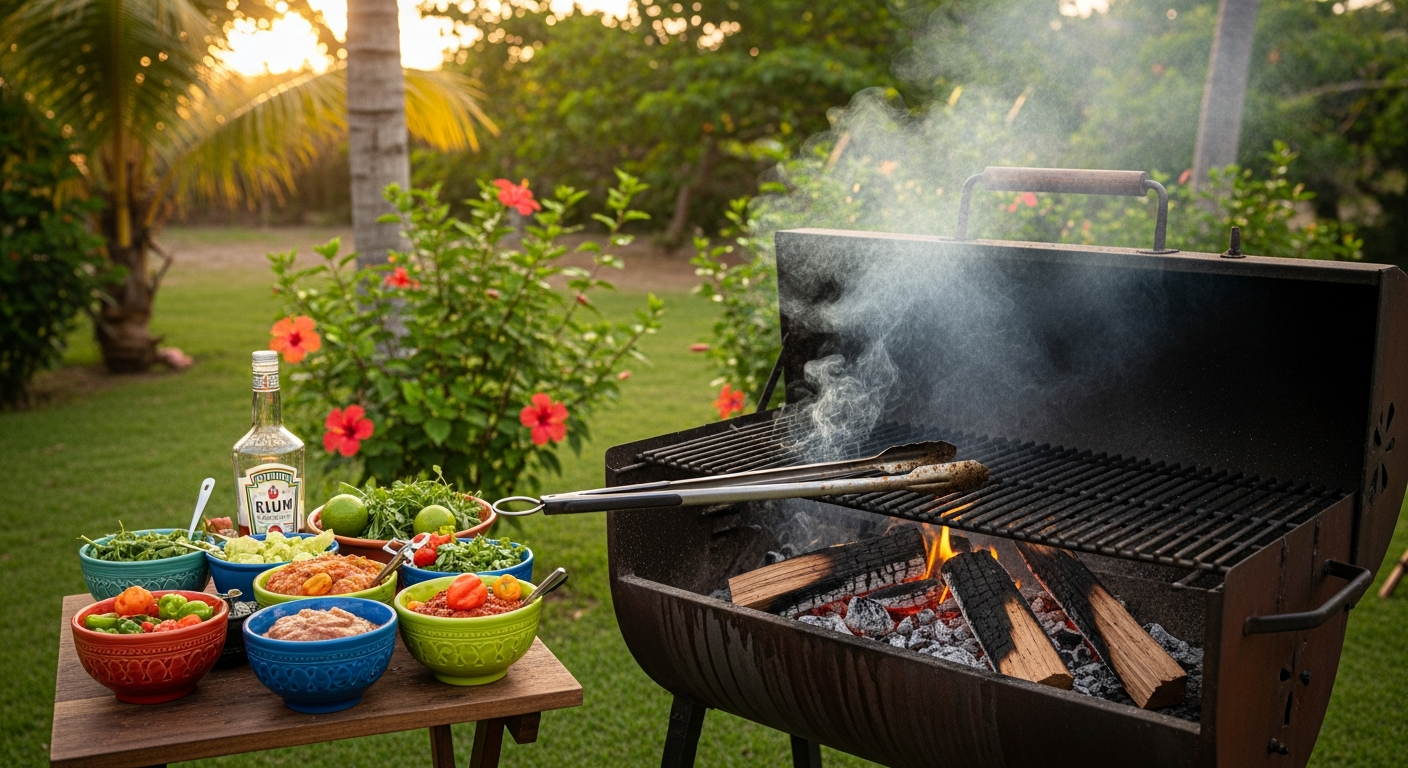
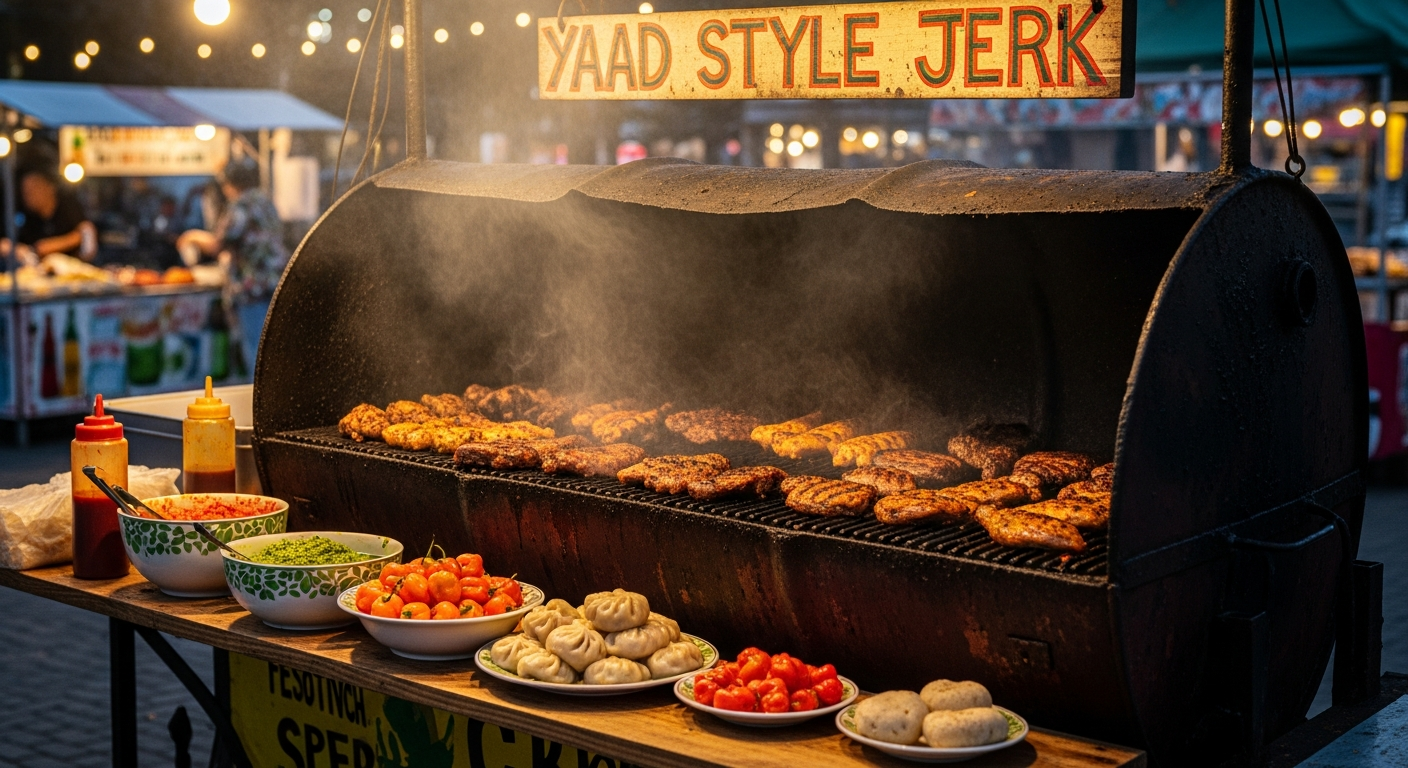
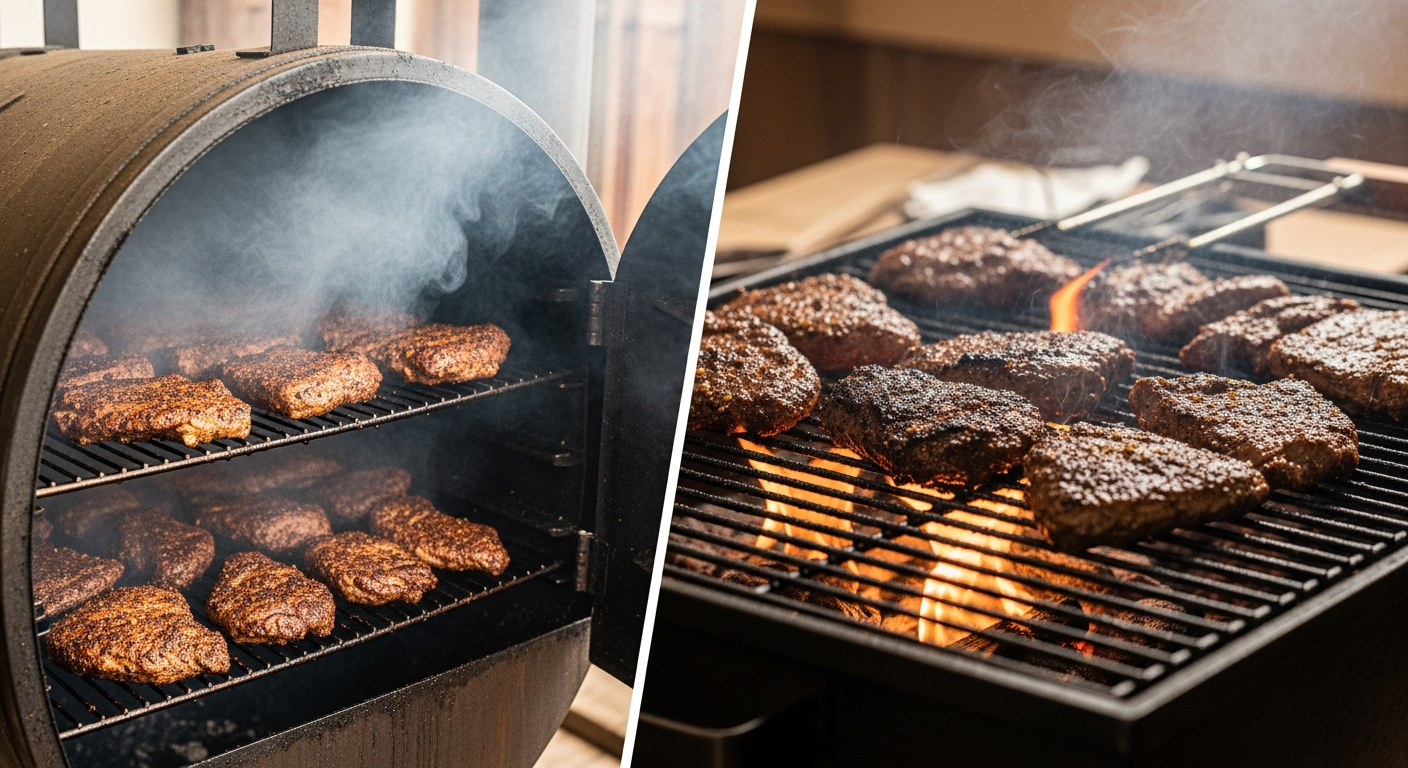
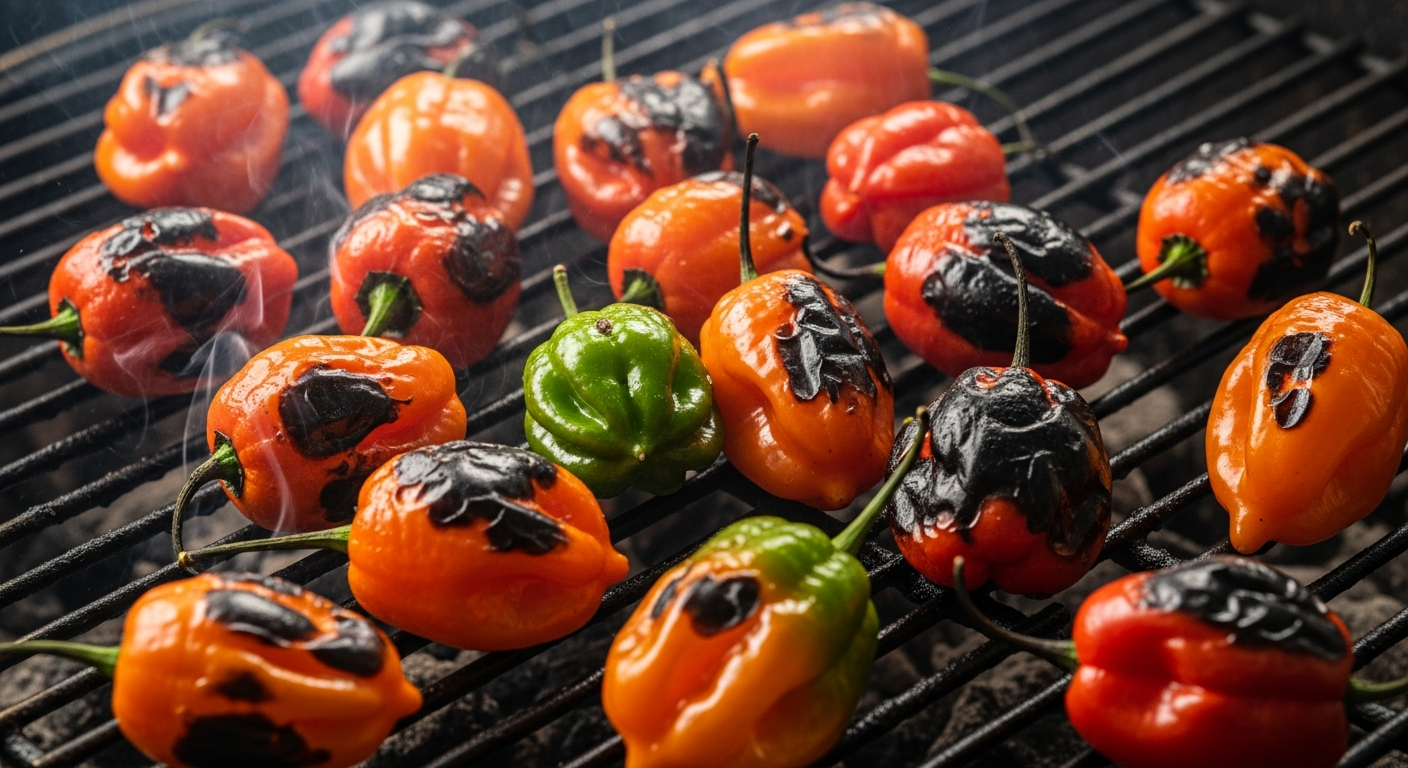
When cooking jerk dishes with sides on the grill, zone management is essential. Set up your grill with a hot zone for searing and a cooler zone for indirect cooking. The jerk chicken occupies the indirect zone for most of its cooking time, while the hot zone handles vegetables, corn, and quick-cooking items.
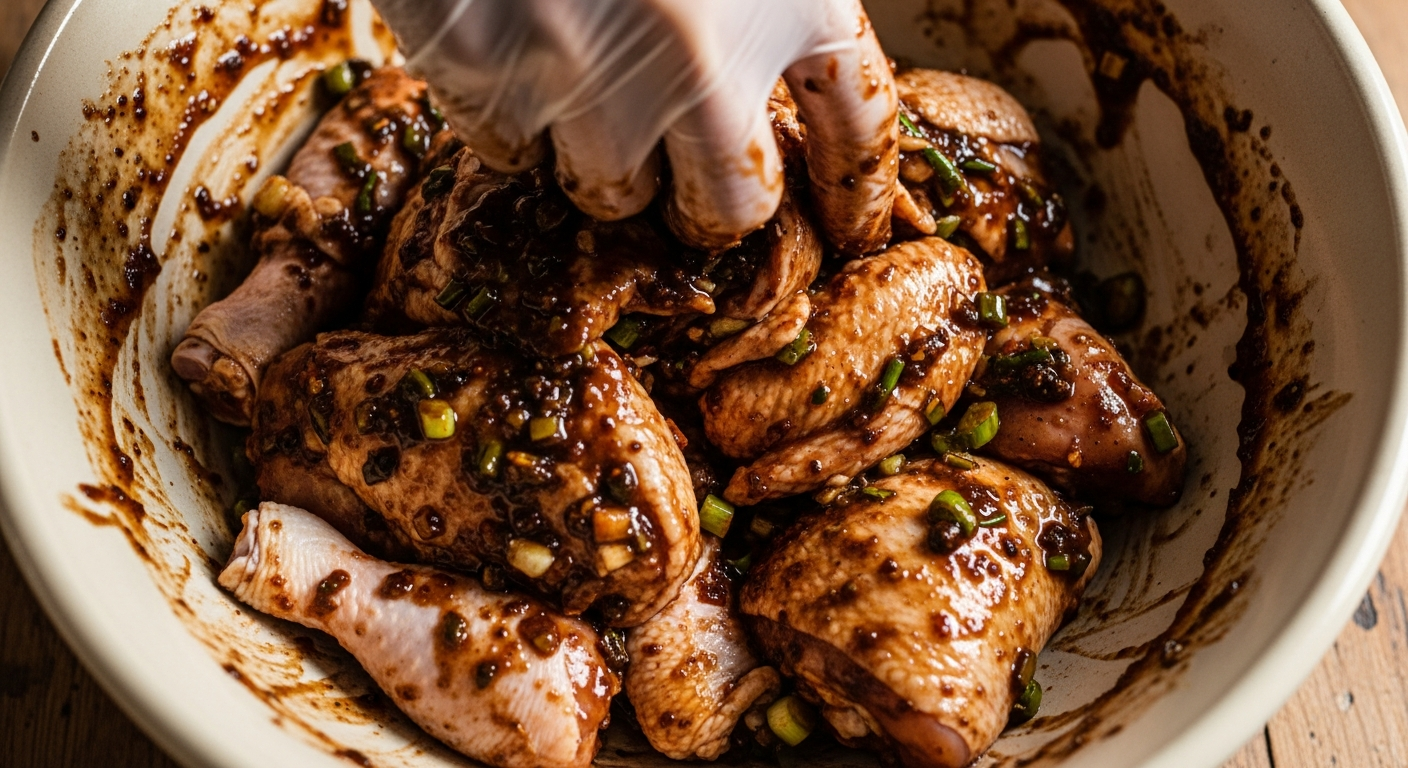
Place your jerk chicken over indirect heat at three hundred to three hundred twenty-five degrees Fahrenheit. Turn every fifteen minutes and baste with reserved marinade during the first half of cooking. During the last thirty minutes of the chicken's cook time, add corn on the cob, bell pepper halves, and sweet potato slices to the hot zone — these sides benefit from direct grill heat and are ready in fifteen to twenty minutes.
The key to successful grill management is understanding that your grill is a multi-zone oven, not a single cooking surface. Use the cooler edges for items that need gentle heat, the center for moderate cooking, and directly over coals for high-heat searing and charring.
Indoor Techniques for Complete Jerk Meals
Not every jerk meal happens outdoors. For indoor cooking, the oven and stovetop work together to produce a complete Caribbean meal. Roast jerk chicken at four hundred degrees for forty-five minutes, then broil for five minutes to develop the characteristic char. While the chicken roasts, cook rice and peas on the stovetop.
A cast-iron skillet is invaluable for indoor jerk cooking. Sear marinated chicken thighs skin-side down for five minutes over high heat to develop a crust, then transfer the skillet to the oven to finish cooking. The same skillet, wiped clean, can then fry festival bread and plantains while the chicken rests.
Balancing Temperatures and Textures
The ideal Caribbean plate presents a range of temperatures and textures. The jerk chicken should be hot with a crispy exterior and juicy interior. The rice and peas should be warm and fluffy. The coleslaw should be cool and crunchy. The festival bread should be hot and crispy on the outside, soft inside. The plantains should be warm, caramelized, and slightly chewy.
Achieving this variety requires strategic use of your kitchen equipment. Keep cooked items warm in a low oven (two hundred degrees) while finishing other components. Rest the jerk protein tented with foil — it will stay warm for twenty minutes easily. Fry items last, just before plating, so they arrive at the table at peak crispness.
Cooking Rice and Peas: The Foundation
Rice and peas is the cornerstone of any Caribbean meal, and its preparation is a technique worth mastering. Begin by simmering kidney beans (or canned beans, drained and rinsed) with coconut milk, garlic, thyme, and a whole scotch bonnet pepper — uncut, so it infuses flavor without releasing excessive heat. Once the liquid is aromatic, add long-grain rice, bring to a boil, then reduce to the lowest possible heat and cover tightly.
The critical technique is resisting the urge to lift the lid during cooking. Steam is doing the work, and every time you peek, you release steam and extend the cooking time. After twenty minutes, remove from heat and let the pot sit, still covered, for five minutes. Then fluff with a fork, remove the thyme sprigs and whole scotch bonnet, and serve.
Side Dish Techniques That Elevate the Plate
Festival bread — the slightly sweet fried dumplings traditional to Jamaican cuisine — requires a specific technique to achieve the ideal texture. The dough should be mixed until just combined (overworking develops gluten and makes the bread tough), rolled into elongated torpedo shapes, and fried in oil at three hundred fifty degrees Fahrenheit until golden brown. Drain on paper towels and serve immediately.
Fried ripe plantains should be sliced on a diagonal, half an inch thick. The oil should be at three hundred seventy-five degrees — too cool and the plantains absorb excess oil; too hot and the exterior burns before the interior softens. Fry for two to three minutes per side until deep golden with caramelized edges.
Caribbean coleslaw should be dressed with lime juice, a touch of sugar, salt, and a splash of vinegar. Let it sit for exactly thirty minutes before serving — this softens the cabbage slightly while keeping its crunch. Dress too early and it becomes limp; dress too late and the flavors do not meld.
Scaling for Larger Gatherings
When cooking jerk for a crowd, the techniques change slightly. For groups larger than eight, consider using a whole butterflied chicken rather than individual pieces — it cooks more evenly and is easier to manage on a crowded grill. Scale rice and peas by using a larger pot but maintain the same liquid-to-rice ratio.
For festival bread, prepare the dough in advance and keep it covered at room temperature. Fry in batches of four to six, keeping finished pieces warm in a low oven. The same batch approach works for plantains.