Tips for traditional jerk grilling go beyond basic outdoor cooking advice — they represent a body of knowledge developed over centuries at Jamaican jerk stands, passed from pit master to apprentice through observation and practice rather than written instruction. These techniques are what separate a good grilled chicken with jerk seasoning from authentic, soul-satisfying jerk that transports you to Boston Bay with every bite.
Building the Right Fire
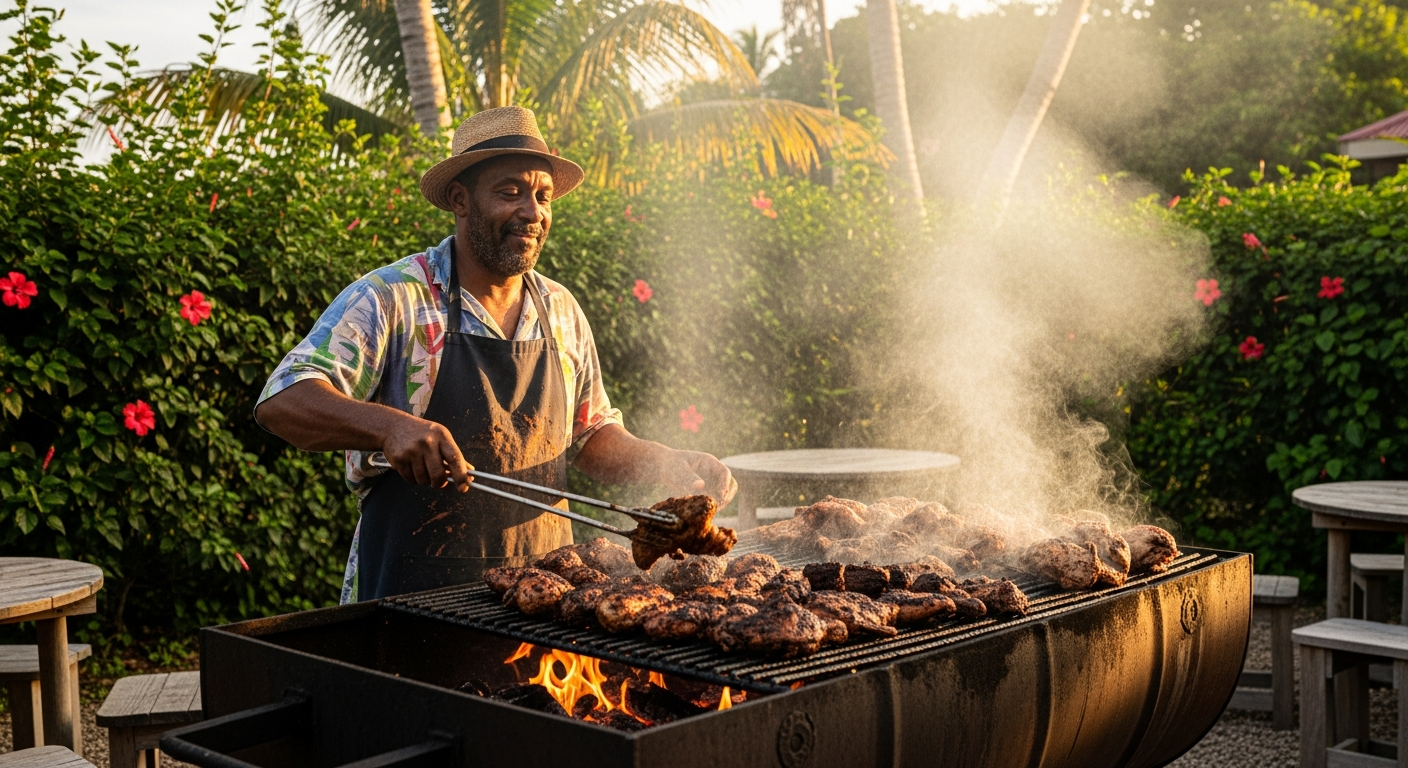
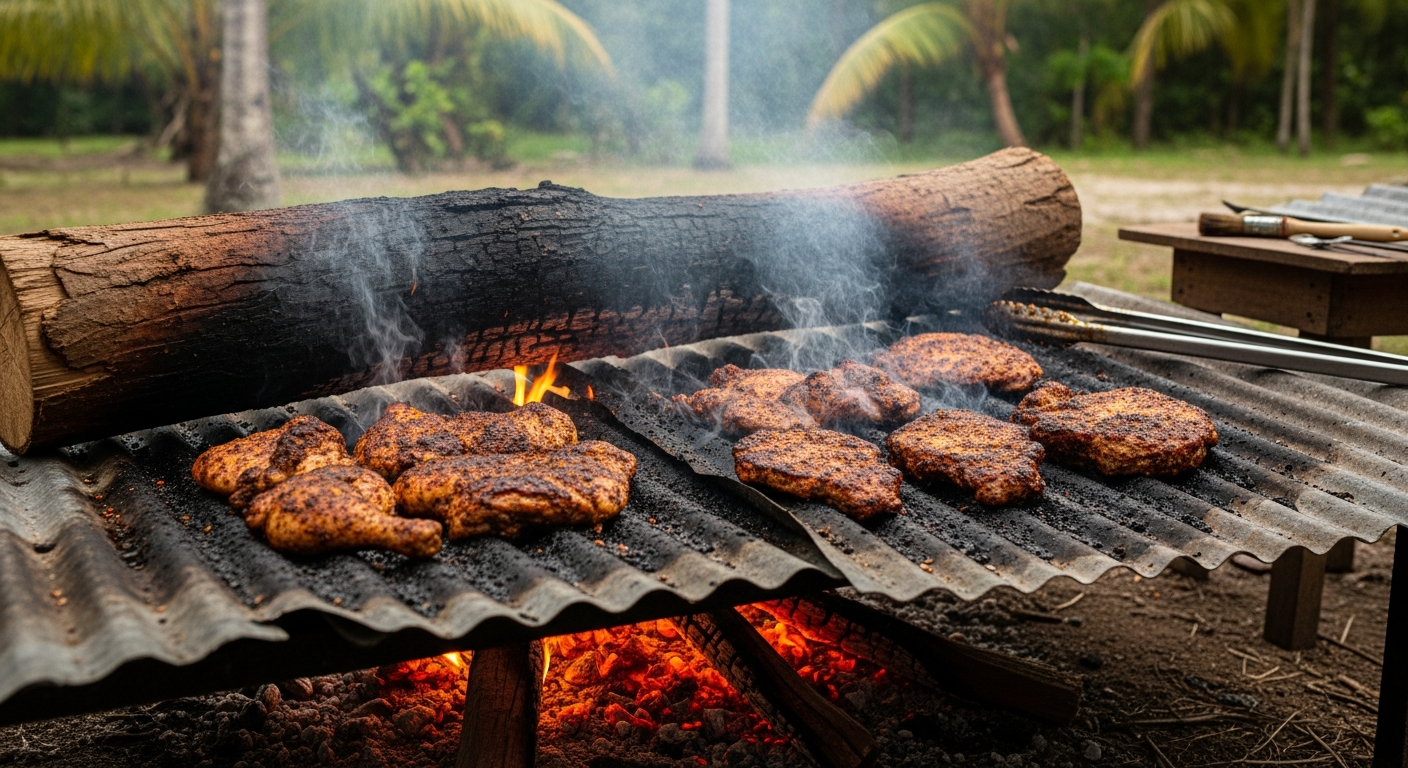
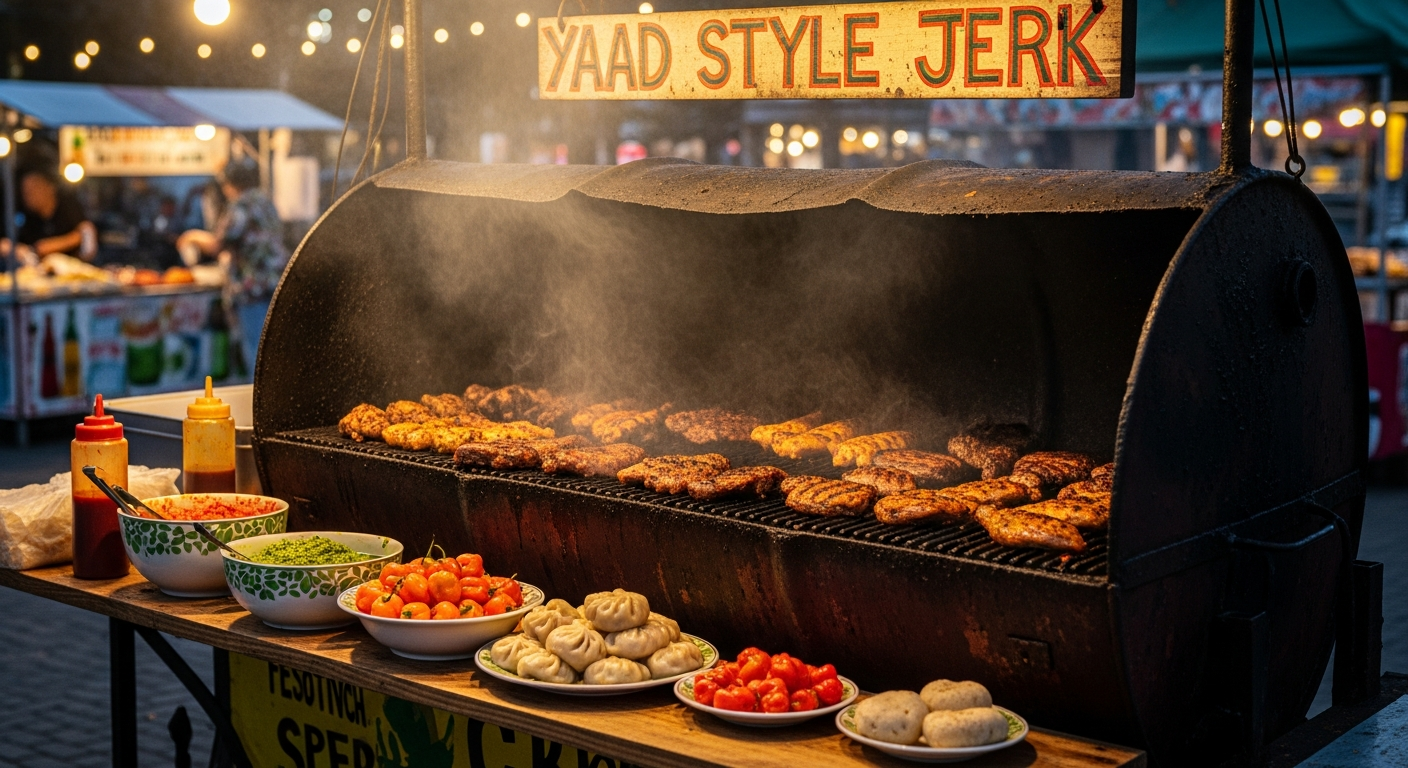
Traditional jerk grilling begins with the fire itself. In Jamaica, the fuel is pimento (allspice) wood — green branches that smolder rather than burn, producing a sweet, aromatic smoke that infuses the meat with an unmistakable flavor. The fire is built in a pit or on a drum grill, and the goal is moderate, sustained heat rather than blazing intensity.
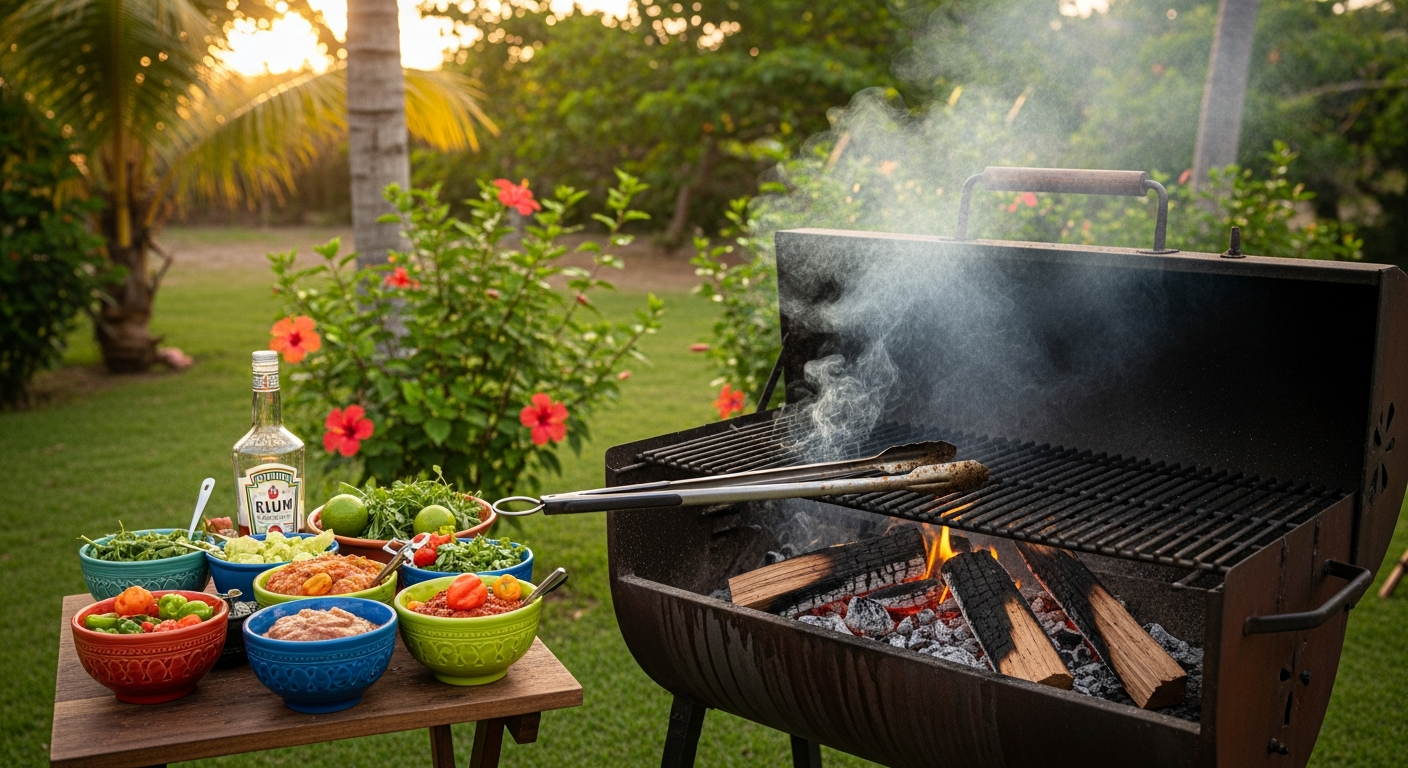
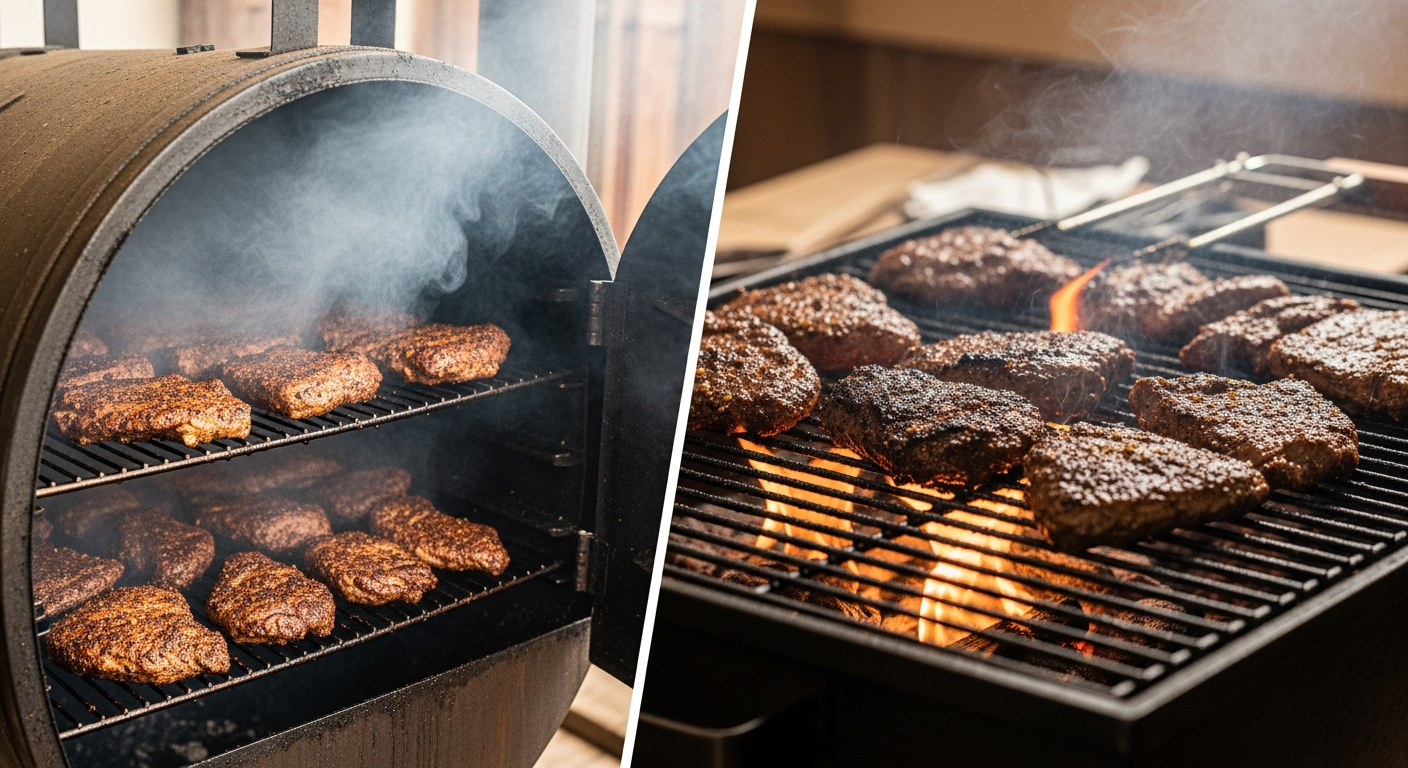
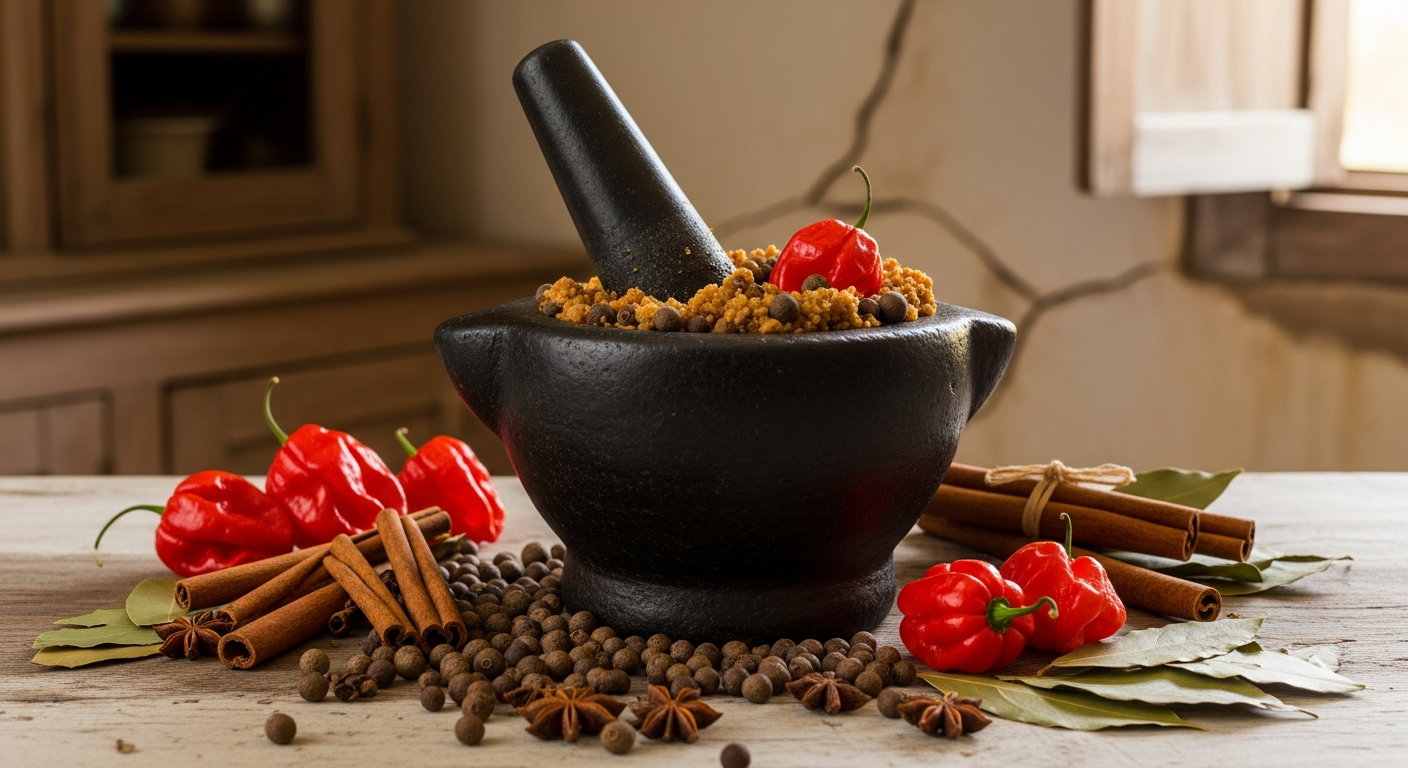
If you do not have access to pimento wood, build your fire with natural lump charcoal as the primary heat source and add pimento wood chips or a combination of apple wood and allspice berries for smoke flavor. Light the charcoal in a chimney starter and spread it evenly across one half of the grill — this creates a hot zone for searing and a cooler zone for indirect cooking.
The fire should be ready when the coals are covered with a light gray ash and you can hold your hand six inches above the grate for three to four seconds before the heat forces you to pull away. This indicates a medium-high temperature of about three hundred fifty degrees — slightly hotter than pure indirect cooking, which is authentic to traditional jerk.
Preparing the Meat
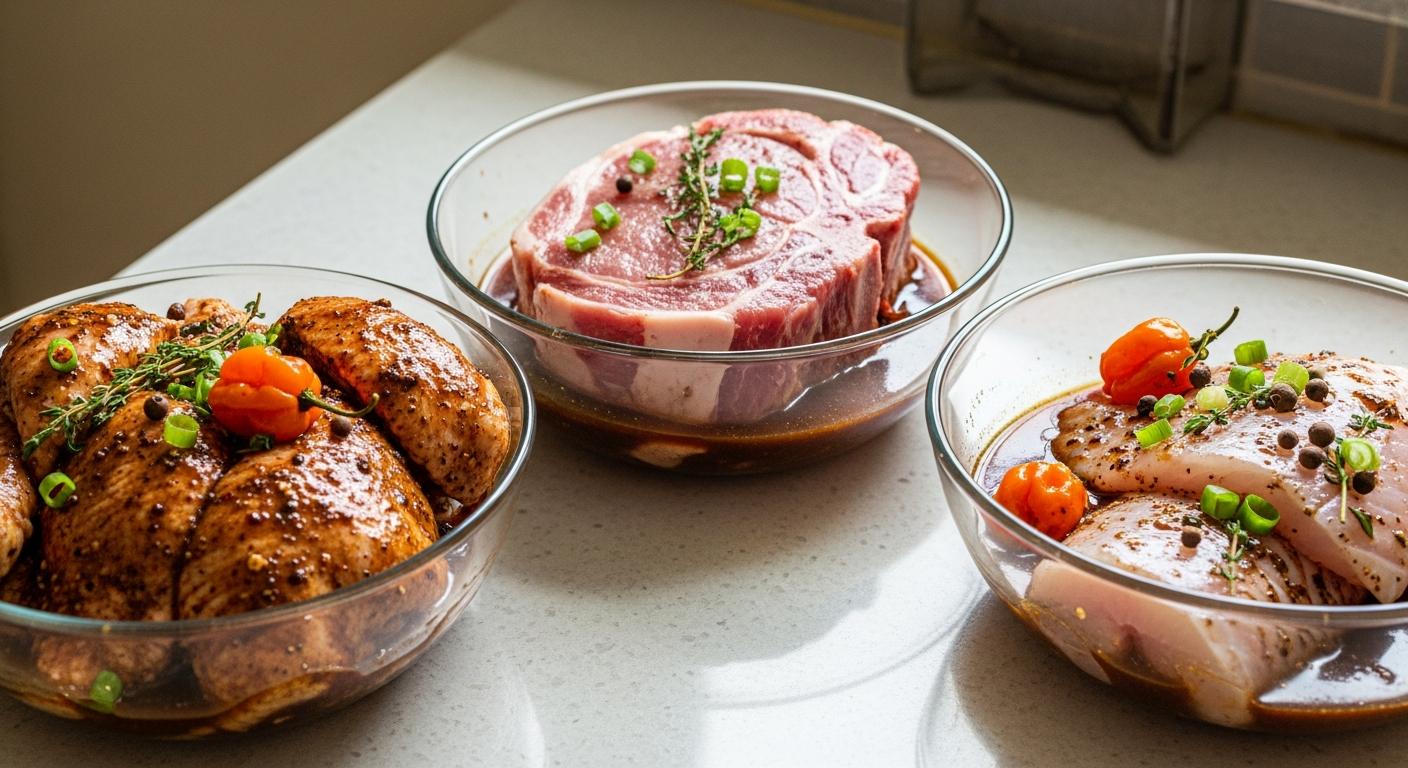
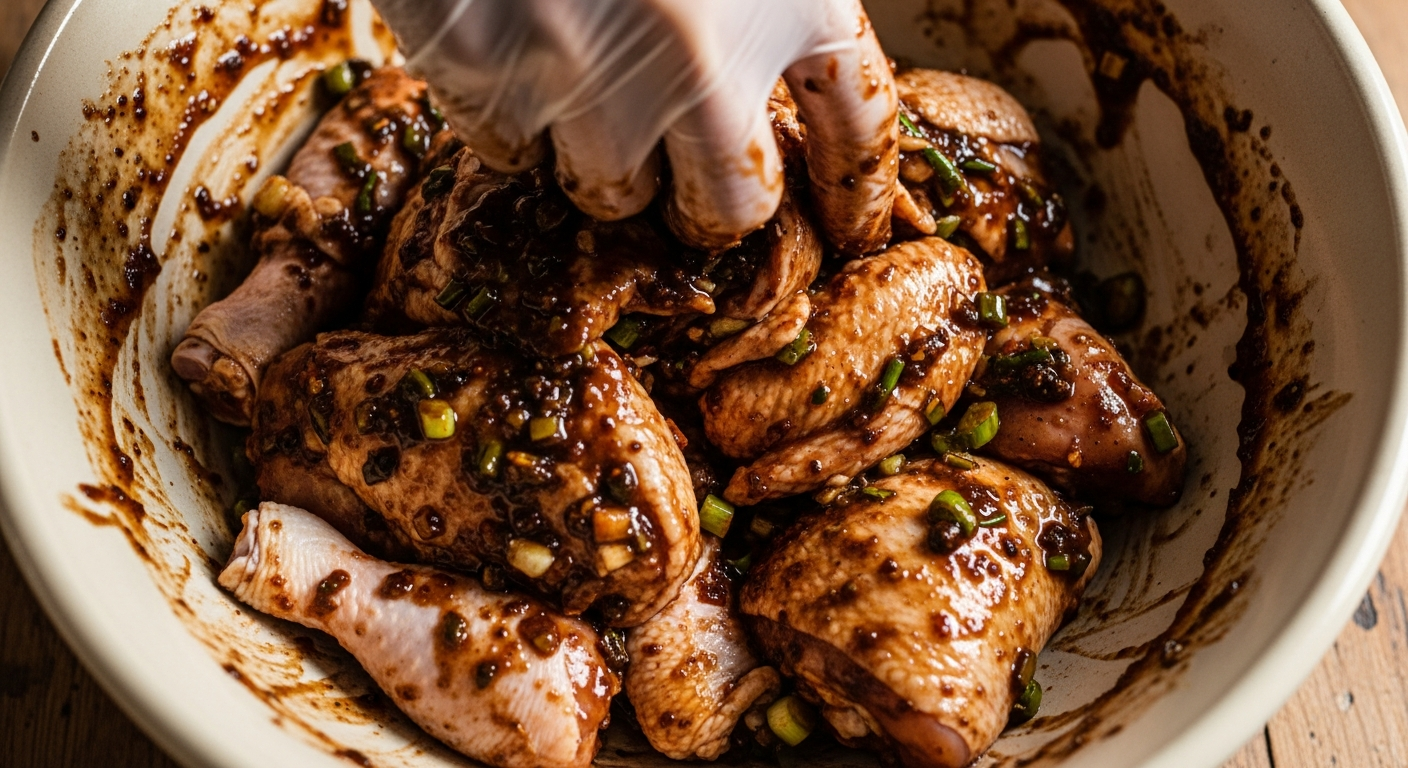
Traditional jerk pit masters prepare chicken by butterflying whole birds — splitting them along the backbone and pressing them flat. This creates a uniform thickness that cooks evenly over the fire and exposes maximum surface area to the smoke. The butterflied bird is then scored deeply on both sides and rubbed generously with jerk marinade that has been applied twelve to twenty-four hours before grilling.
For individual pieces, the scoring technique is essential. Cut three to four diagonal slashes on each side of bone-in chicken pieces, reaching down to the bone. These cuts are not just for show — they allow the marinade to reach the deepest parts of the meat and create channels for the smoke to penetrate during cooking.
Traditional pit masters also practice a technique called dry-brining before applying the wet marinade. They rub the scored meat with salt and allspice and let it sit for one to two hours. This draws moisture from the surface, which then reabsorbs, carrying the salt and spice deeper into the flesh. The wet marinade is then applied on top of this pre-seasoned foundation.
The Turning and Basting Rhythm
At a traditional jerk stand, the pit master turns the chicken every twelve to fifteen minutes with a practiced flip that keeps the meat from sticking or tearing. The rhythm of turning is important — too frequent and the surface never develops a proper crust; too infrequent and one side dries out while the other steams.
Basting happens in coordination with turning. Each time the meat is flipped, the newly exposed surface is brushed with a thin layer of reserved marinade mixed with a little oil. This builds up layers of flavor on the surface, each one caramelizing and adding depth to the crust. Stop basting during the final twenty minutes of cooking to allow the last layer to set into a dry, slightly tacky finish rather than a wet, saucy one.
The traditional basting tool is a bundle of fresh thyme sprigs tied together at the stem end, used as a brush. This adds an extra whisper of thyme aroma to each basting and is a characteristically Caribbean touch that no silicone brush can replicate.
Managing Flare-Ups
Fat and marinade dripping onto hot coals cause flare-ups — sudden bursts of flame that can char the exterior of the meat unevenly. Traditional pit masters manage flare-ups in several ways.
The first and most common technique is simply moving the meat. When a flare-up occurs, shift the affected pieces to a cooler part of the grill until the flame subsides. This takes seconds and prevents any damage.
The second technique is the water spritz — a spray bottle filled with a mixture of water and vinegar directed at the base of the flare-up. The water quenches the flame while the vinegar adds a touch of acid that enhances the crust. Use this sparingly — excessive water creates steam that can wash flavor off the meat and cool the coals.
The third technique, used by experienced pit masters, is managing the fire proactively. By positioning a drip pan of water beneath the meat, most fat drippings are caught before they hit the coals. This dramatically reduces flare-up frequency.
The Final Char
Traditional jerk has a characteristic finish — a dark, almost black exterior that looks burnt but is actually deeply caramelized and intensely flavorful. Achieving this without actually burning the meat is the mark of an experienced jerk griller.
In the final five to ten minutes of cooking, move the chicken from the indirect zone to directly over the hottest coals. Watch it constantly, turning every sixty to ninety seconds. The sugar in the marinade will caramelize rapidly, darkening from golden to amber to a deep mahogany. Pull the meat when it reaches a color between dark brown and black — if actual black carbon appears, you have gone too far.
The texture of the finished crust should be slightly tacky to the touch — neither wet nor completely dry. When you bite into it, it should offer a slight resistance before giving way to the juicy, tender, smoky meat beneath. This contrast between the spicy, crunchy exterior and the moist, deeply flavored interior is the hallmark of great jerk chicken.
Resting and Serving
Traditional jerk is rarely served immediately off the grill. At jerk stands, the cooked chicken rests on a cutting board for ten to fifteen minutes while the juices redistribute. It is then chopped — not sliced — using a heavy cleaver that cuts through bone and meat in decisive strokes.
The chopping technique is part of the experience. Each piece includes a mix of bone, meat, crust, and interior — ensuring every portion delivers the full spectrum of textures and flavors. The chopped pieces are piled onto a sheet of wax paper or a foil-lined plate, drizzled with any collected juices, and served with hard dough bread, festival, or rice and peas.