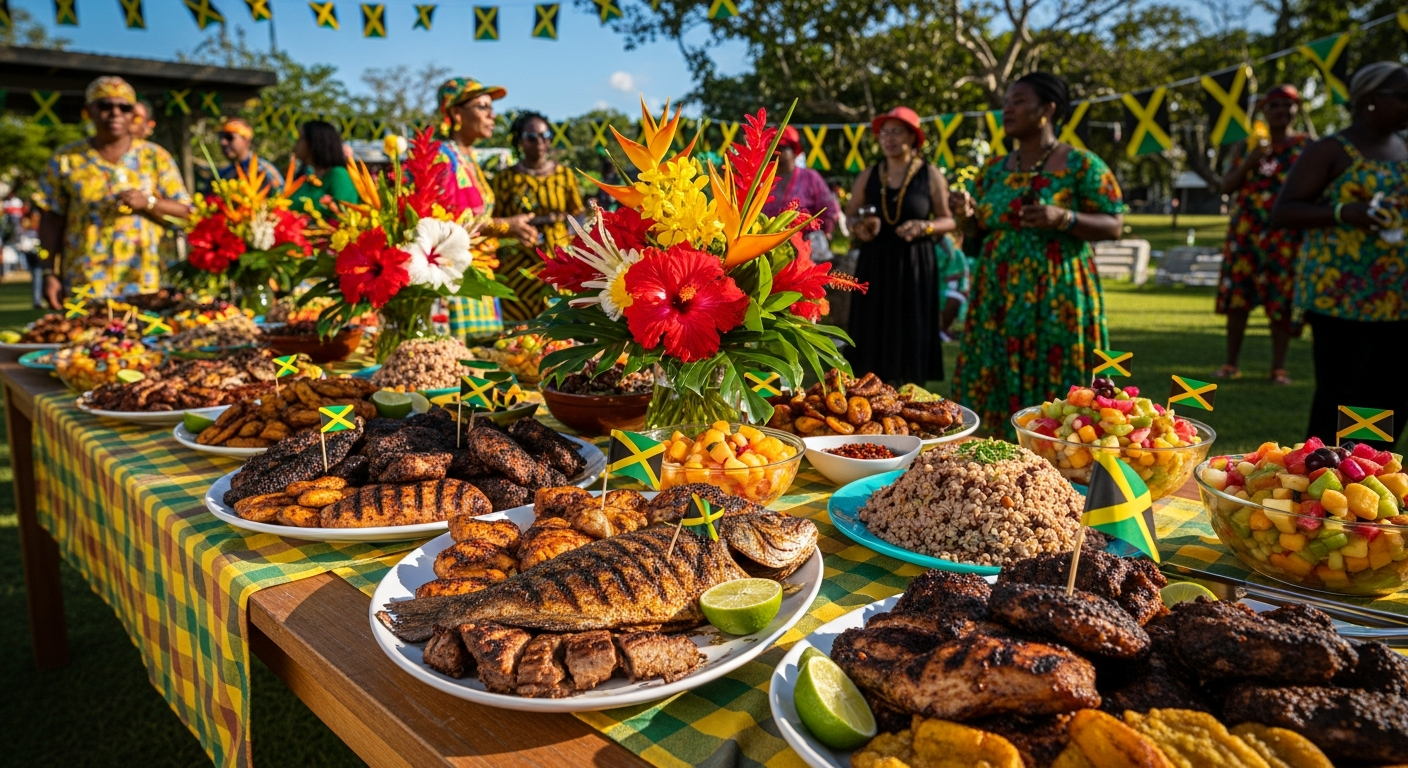
The Roots of Jamaican Jerk Heritage
Jamaican jerk is far more than a cooking method or a flavor profile. It is a taste of heritage, a direct connection to the struggles, triumphs, and creativity of the Jamaican people across centuries of history. Every bite of properly prepared jerk chicken or pork carries the essence of a tradition that was born in the mountains, refined through generations of oral knowledge, and elevated to one of the most celebrated culinary traditions on the planet.
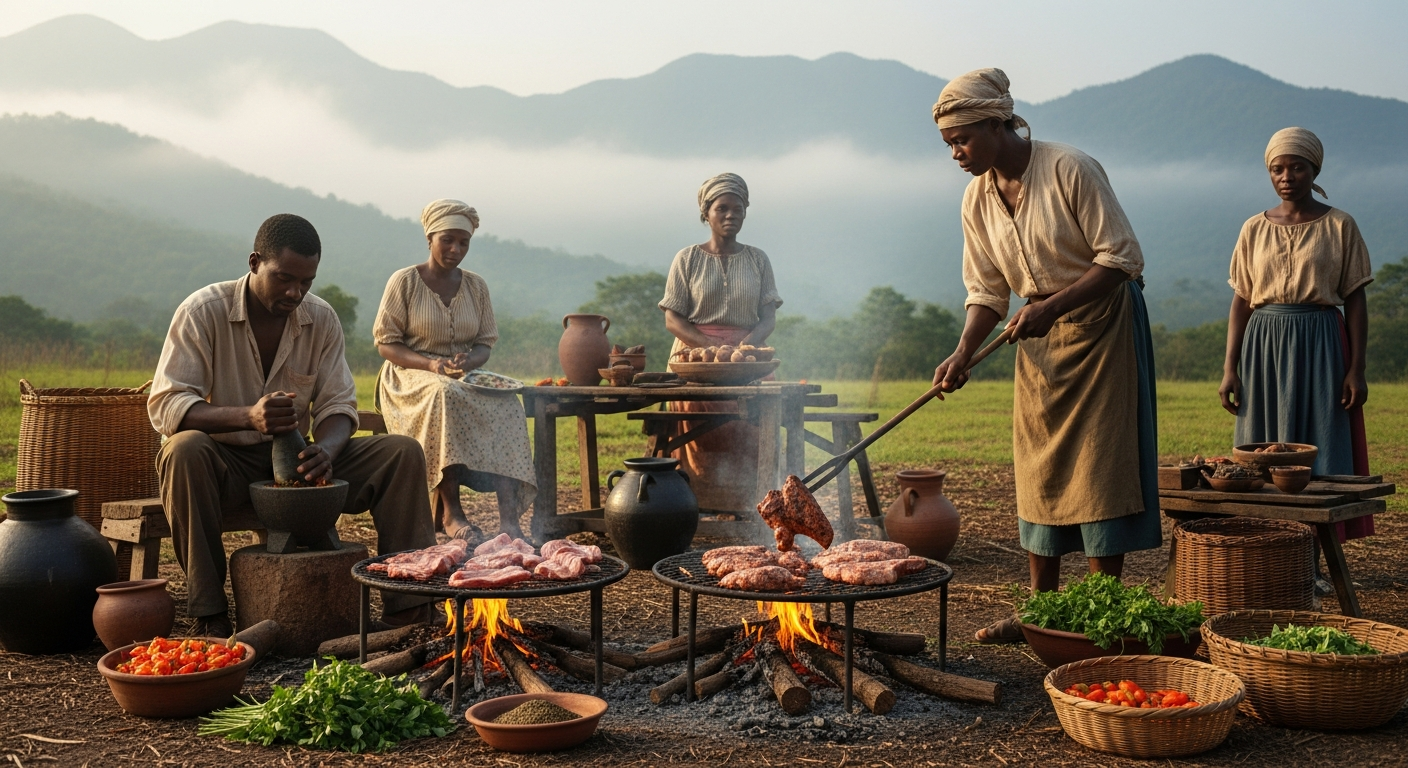
To understand Jamaican jerk as a taste of heritage, you must first understand the people who created it. The Maroons, escaped enslaved Africans who established independent communities in the remote interior of Jamaica during the 17th and 18th centuries, are widely credited with developing jerk cooking as we know it today. Living in the rugged Blue Mountains and John Crow Mountains, they combined African cooking traditions with the ingredients available in their new environment, creating something entirely unique.
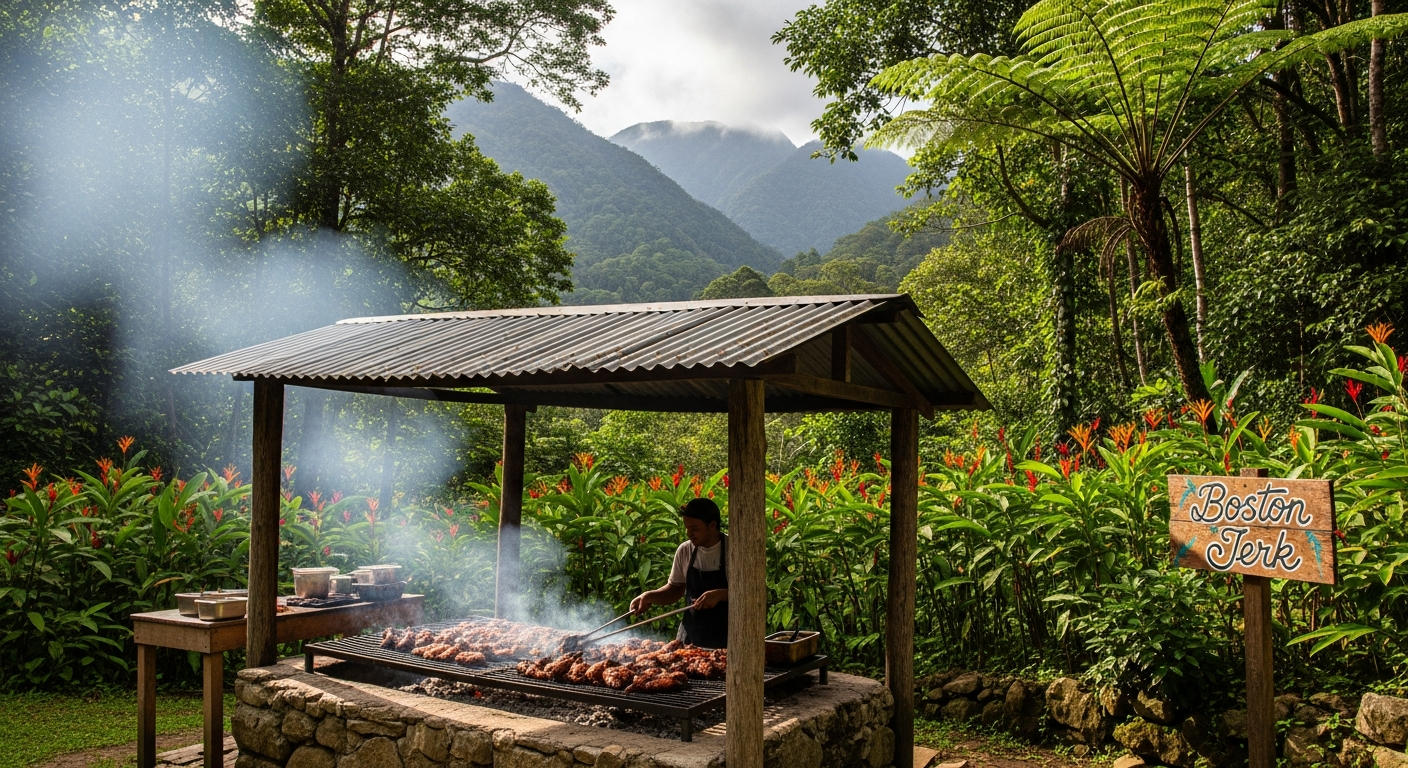
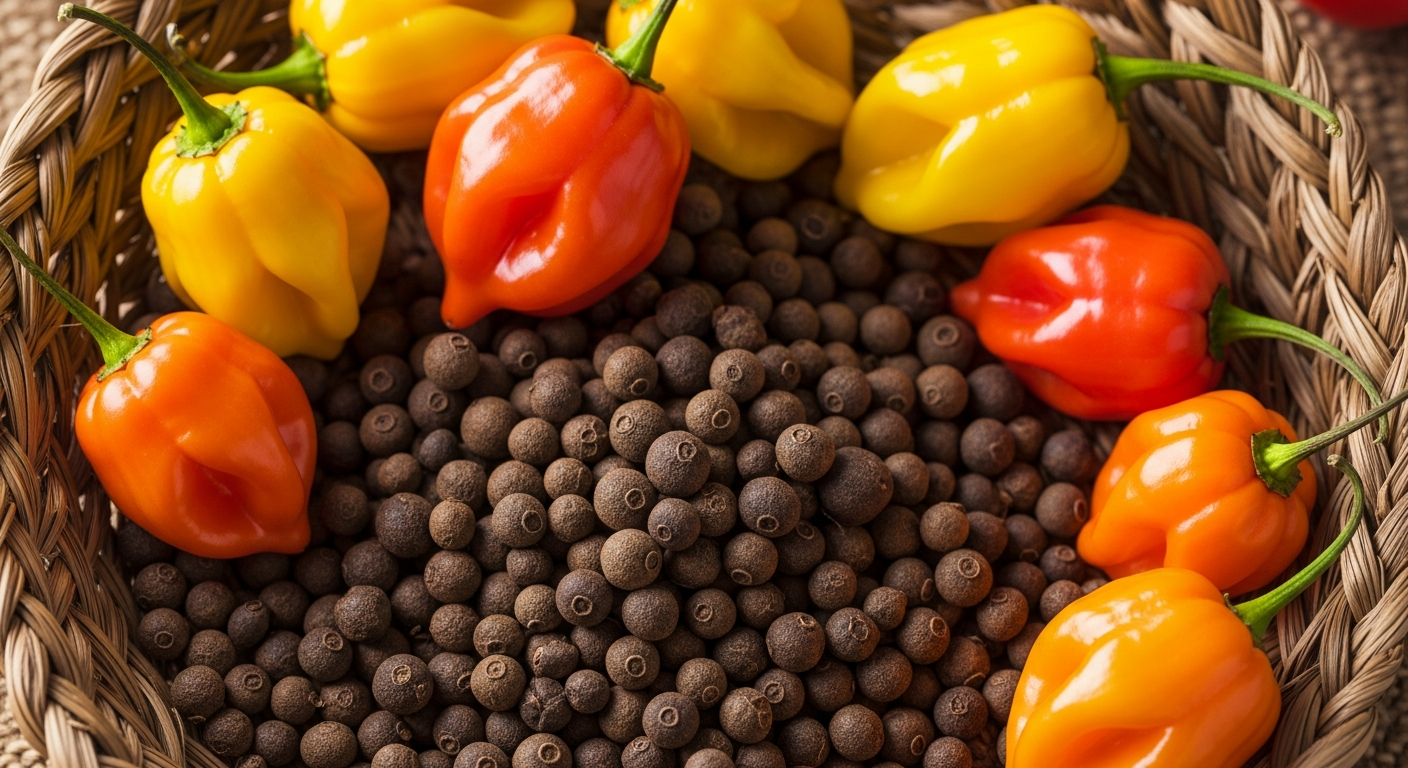
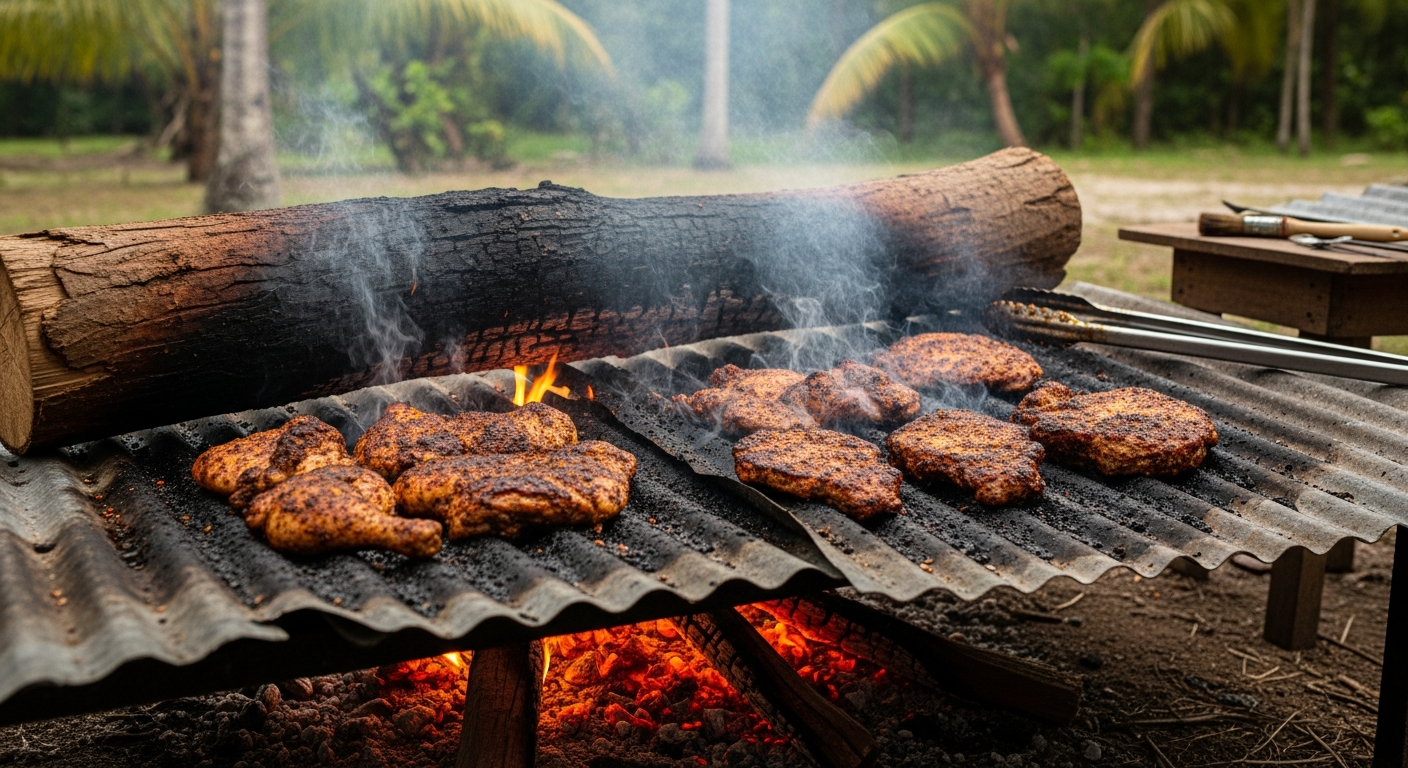
The Maroons discovered that the pimento tree, which grows abundantly in the Jamaican hills, produced wood that burned with a sweet, aromatic smoke perfect for preserving and flavoring meat. They combined this smoking technique with a seasoning paste made from scotch bonnet peppers, allspice berries, wild herbs, and other local ingredients. The result was a method that preserved wild boar and other game while infusing it with an unmistakable flavor.
How Jerk Became Jamaica's National Flavor
For centuries, jerk cooking remained a localized practice, concentrated in the eastern parishes of Jamaica where the Maroon communities were strongest. Portland Parish, and particularly the coastal village of Boston Bay, became the epicenter of jerk culture. Here, roadside vendors began selling jerk pork and chicken to travelers, establishing a commercial tradition that continues to this day.
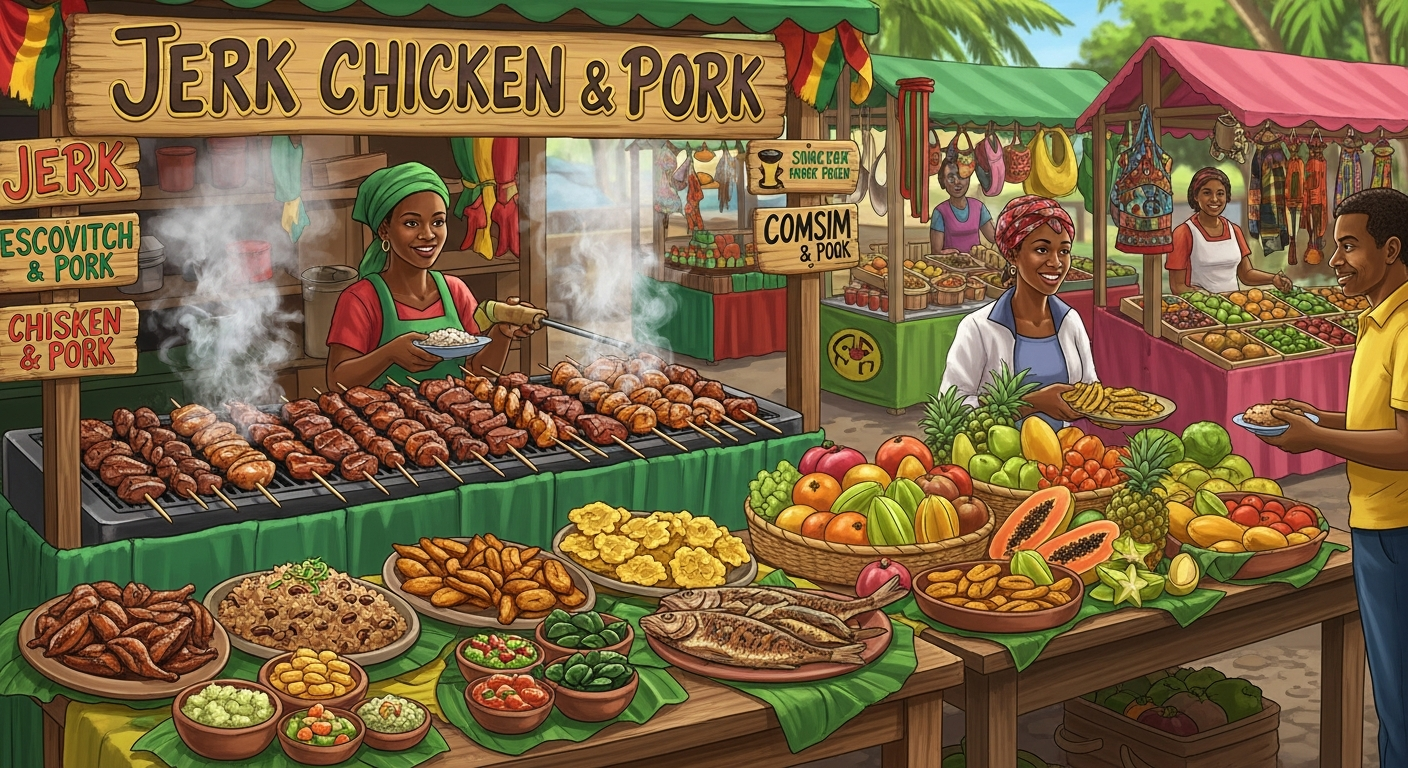
The transformation of jerk from a regional specialty to Jamaica's national flavor happened gradually throughout the 20th century. As Jamaicans migrated from rural areas to Kingston and other urban centers, they brought their food traditions with them. Jerk stands began appearing in cities across the island, each one a small outpost of culinary heritage. By the 1960s and 1970s, jerk had become inseparable from Jamaican identity, as recognizable as reggae music and Blue Mountain coffee.
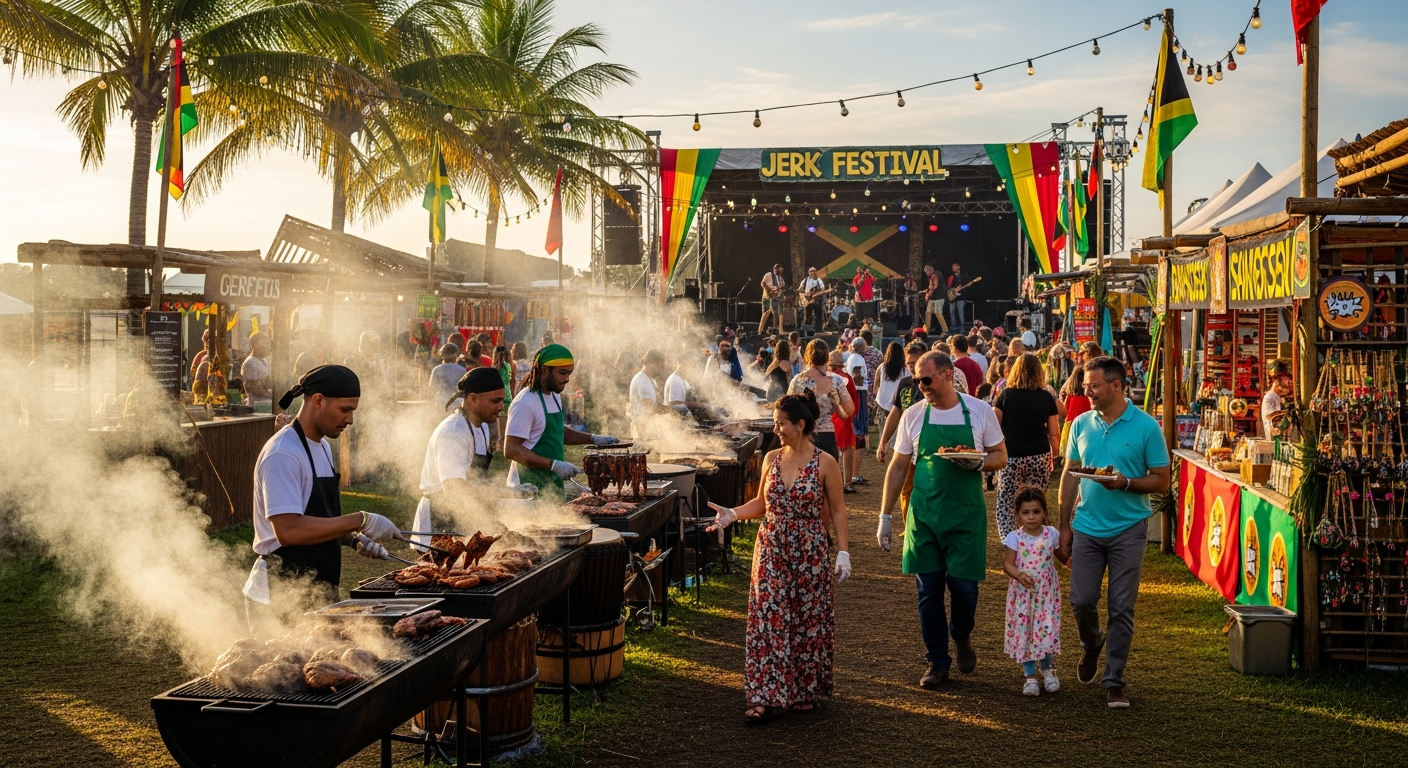
The Jamaican diaspora played an equally important role in spreading jerk culture worldwide. As Jamaicans emigrated to the United Kingdom, the United States, Canada, and beyond, they established restaurants, food trucks, and market stalls that introduced jerk flavors to international audiences. Today, jerk seasoning is available in supermarkets around the world, a testament to the global reach of this Jamaican heritage.
The Spiritual and Social Dimensions of Jerk
In Jamaica, cooking and eating jerk is a communal experience with deep social significance. A jerk pit is not just a place to buy food; it is a gathering spot, a community center, and a place where stories are shared and relationships are maintained. The slow cooking process encourages conversation and connection, making jerk an inherently social food.
Many Jamaican families have their own jerk recipes that have been passed down through generations, with each cook adding their personal touch while maintaining the essential character of the tradition. These family recipes are treasured cultural artifacts, as valuable in their way as any physical heirloom. The act of teaching a child to prepare jerk seasoning or tend a jerk pit is an act of cultural transmission, ensuring that the heritage survives.
There is also a spiritual dimension to jerk cooking that is often overlooked. The Maroons maintained strong connections to African spiritual traditions, and the preparation of food was considered a sacred act. While these overt spiritual connections have faded in modern practice, the reverence and care with which many Jamaican cooks approach jerk preparation echoes these deeper traditions.
Preserving Authenticity in a Global World
As jerk has gone global, questions of authenticity have become increasingly important. Commercial jerk seasonings often bear little resemblance to the traditional preparations, substituting cheaper ingredients for the real thing. Mass-produced jerk chicken in international chain restaurants may carry the name but lack the soul of authentic Jamaican jerk.
This tension between popularization and preservation is not unique to jerk cooking, but it is felt keenly in Jamaica, where jerk represents national identity and cultural heritage. Organizations like the Jamaica Cultural Development Commission and individual pit masters across the island work to maintain traditional techniques and educate new generations about the importance of authentic preparation.
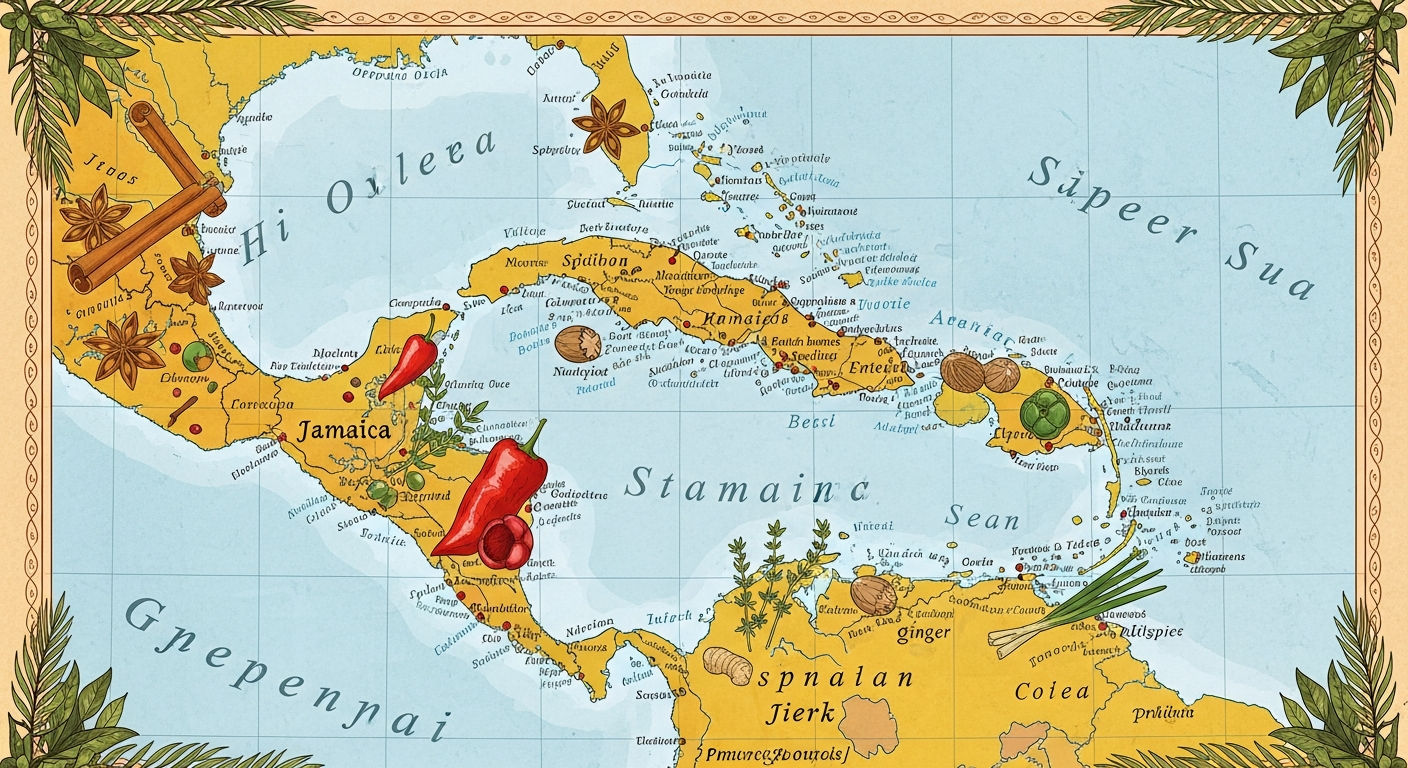
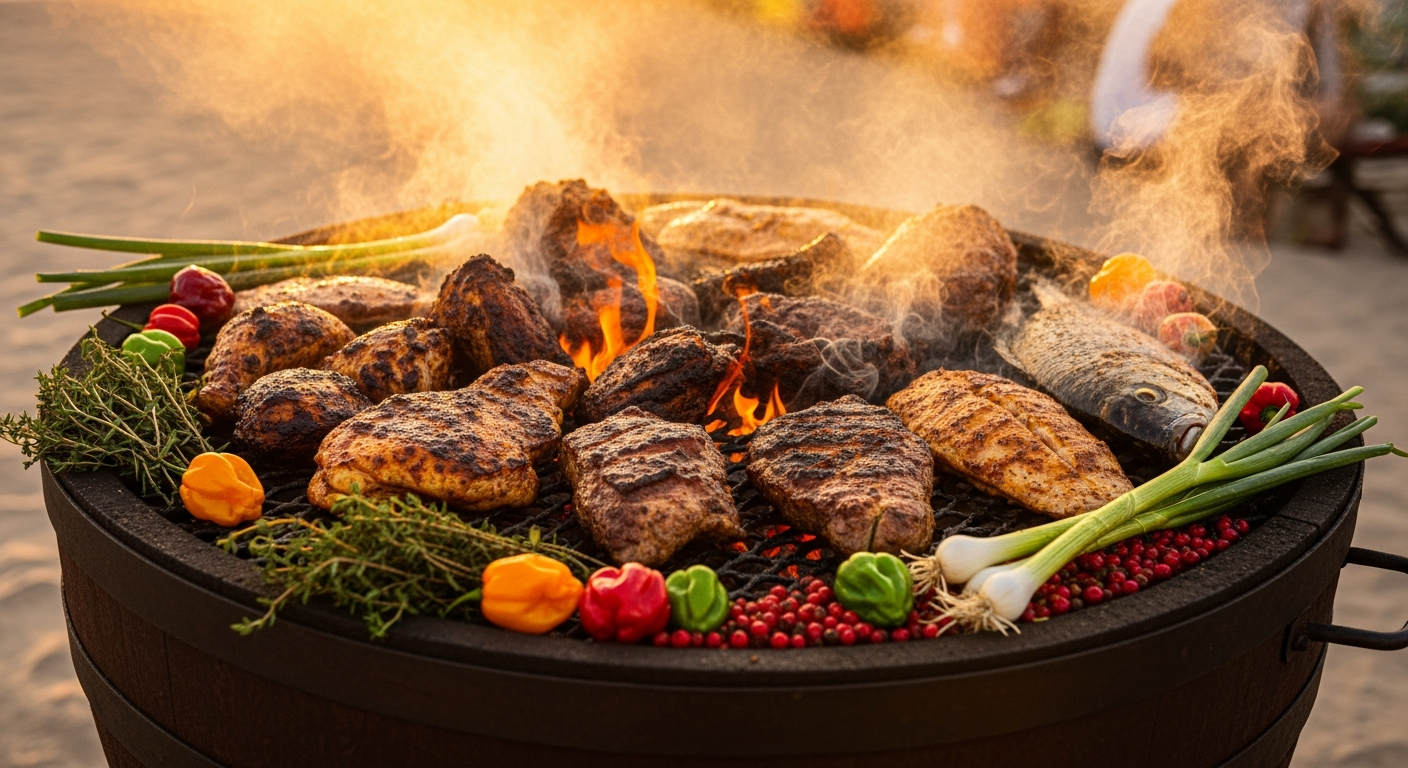
The key elements that define authentic jerk remain the same as they were centuries ago: scotch bonnet peppers for heat, allspice for warmth and depth, fresh thyme and other aromatics for complexity, and wood smoke for that characteristic aroma. When these elements come together in the hands of a skilled cook, the result is not just a meal but a taste of heritage, a connection across time to the Maroons who created this remarkable tradition.
Jerk Heritage in the Modern Kitchen
Bringing jerk heritage into the modern kitchen requires understanding and respect for the tradition. This does not mean you must cook over pimento wood in an outdoor pit, though that experience is incomparable. It means understanding why each ingredient is there, what role it plays in the overall flavor, and how the cooking technique contributes to the final result.
Modern cooks can honor jerk heritage by sourcing quality ingredients, taking the time to prepare marinades from scratch rather than relying on bottled sauces, and learning the techniques that make the difference between good and great jerk. It also means understanding the cultural context, recognizing that this food carries the history of a people and treating it with appropriate respect.
Whether you are Jamaican by birth or simply a lover of great food, approaching jerk as a taste of heritage rather than just another recipe will transform your cooking and deepen your appreciation for one of the world's great culinary traditions.