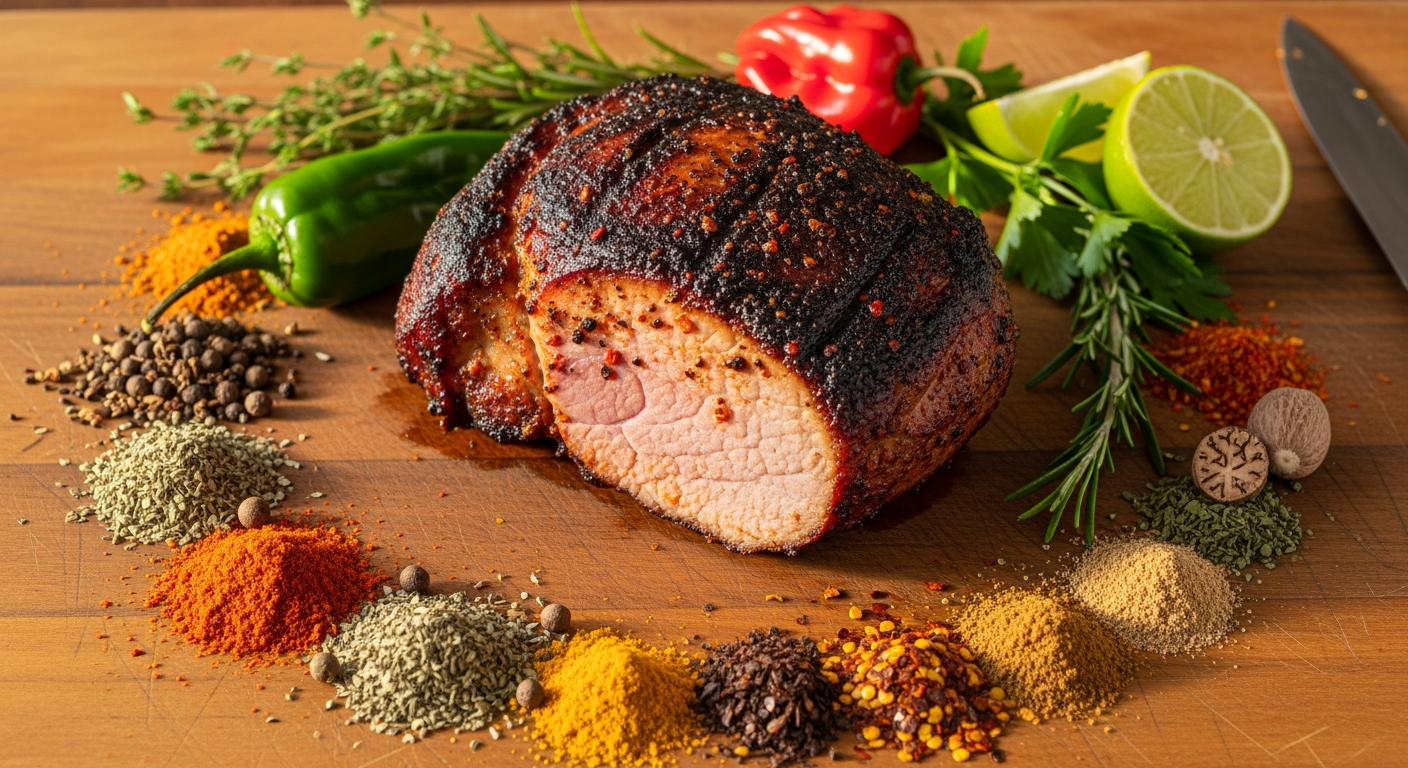
Adjusting heat in jerk marinades is one of the most common challenges home cooks face when attempting authentic Caribbean cooking. Traditional jerk is undeniably spicy — scotch bonnet peppers, the backbone of jerk heat, register between one hundred thousand and three hundred fifty thousand Scoville heat units. But jerk is not simply about heat. It is about a complex interplay of spice, sweetness, aromatics, and smoke. Understanding how to adjust the heat while preserving this balance is the key to making jerk accessible to every palate.
Understanding Where Jerk Heat Comes From
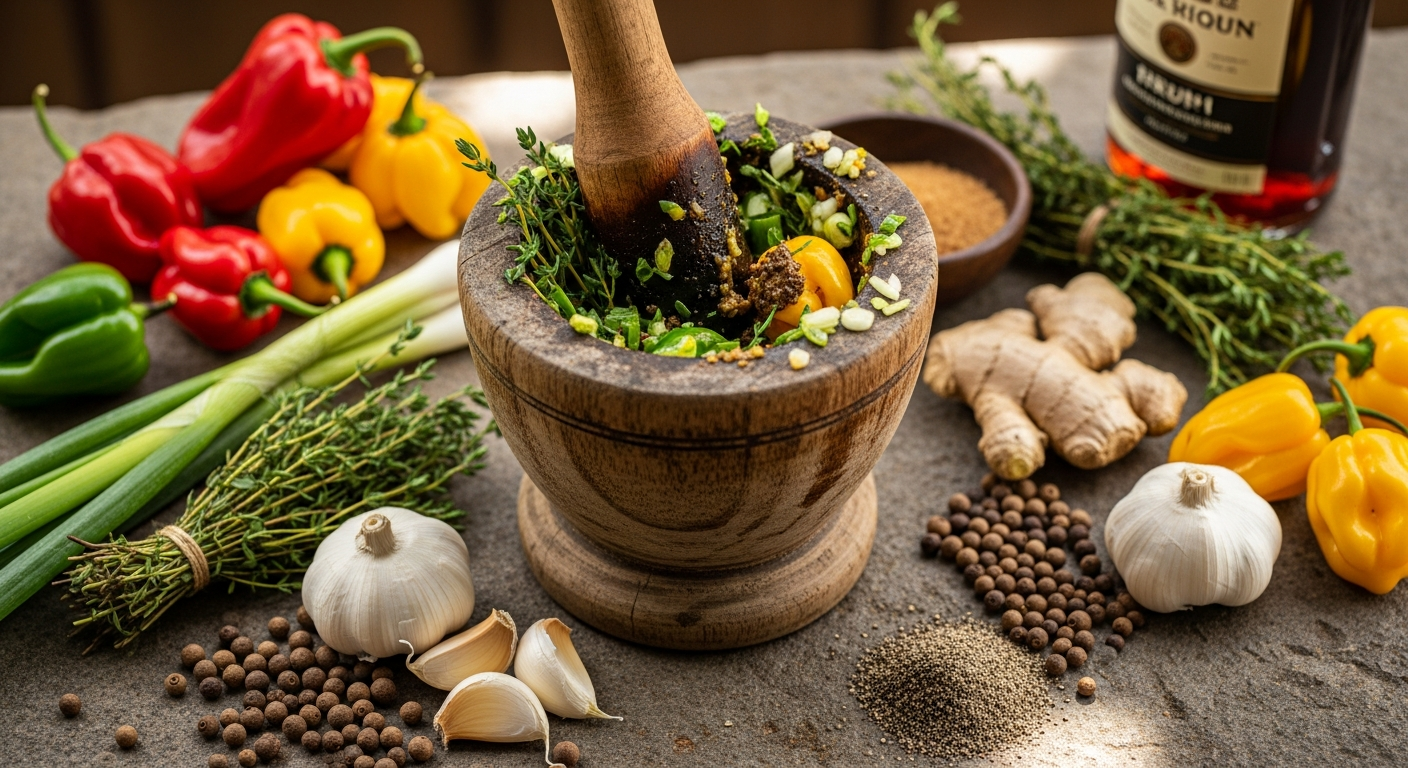
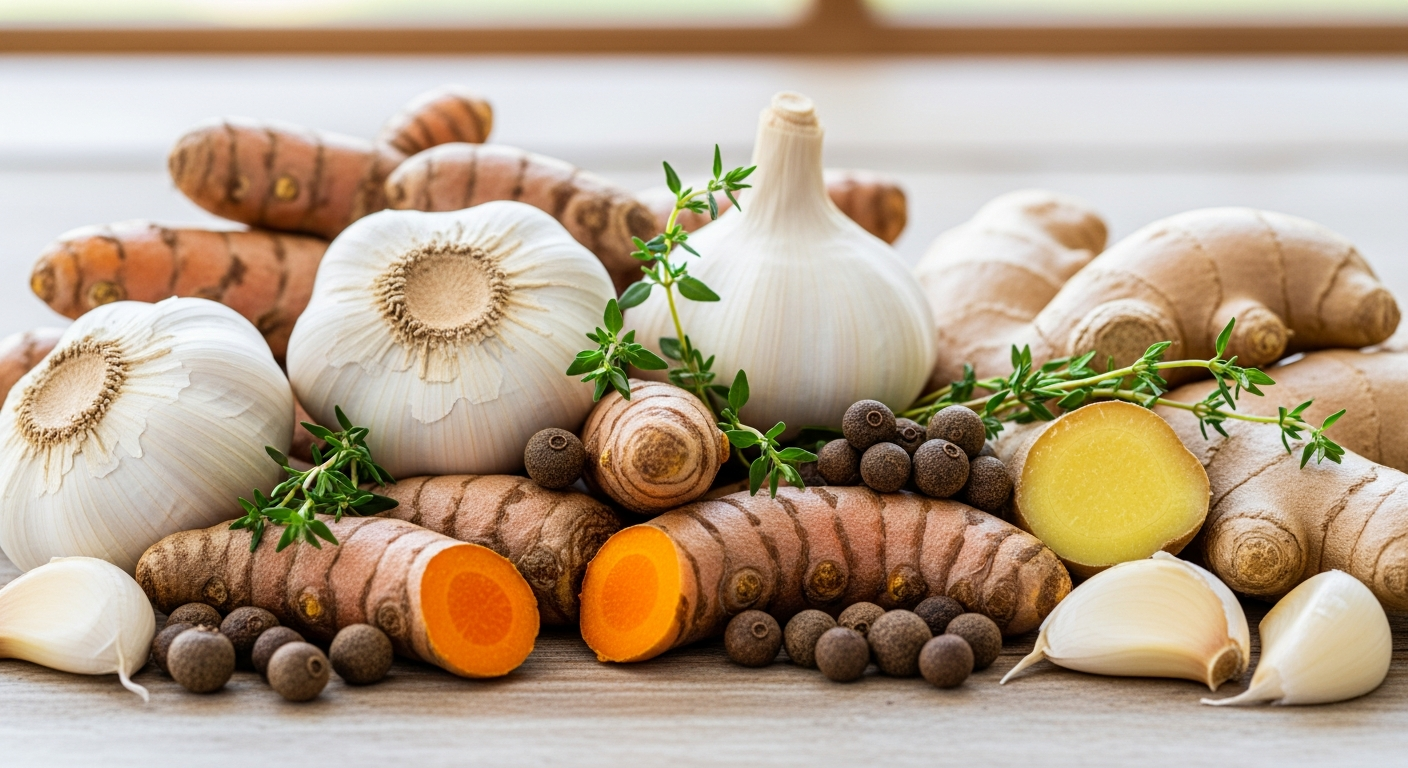
Before you can adjust the heat, you need to understand its source. In a jerk marinade, capsaicin from scotch bonnet peppers provides the primary heat. But the perception of spiciness is also influenced by several other factors: the amount of allspice, which creates a warming sensation; the ginger, which adds a sharp, tongue-tingling heat; and black pepper, which contributes a gentle background burn.
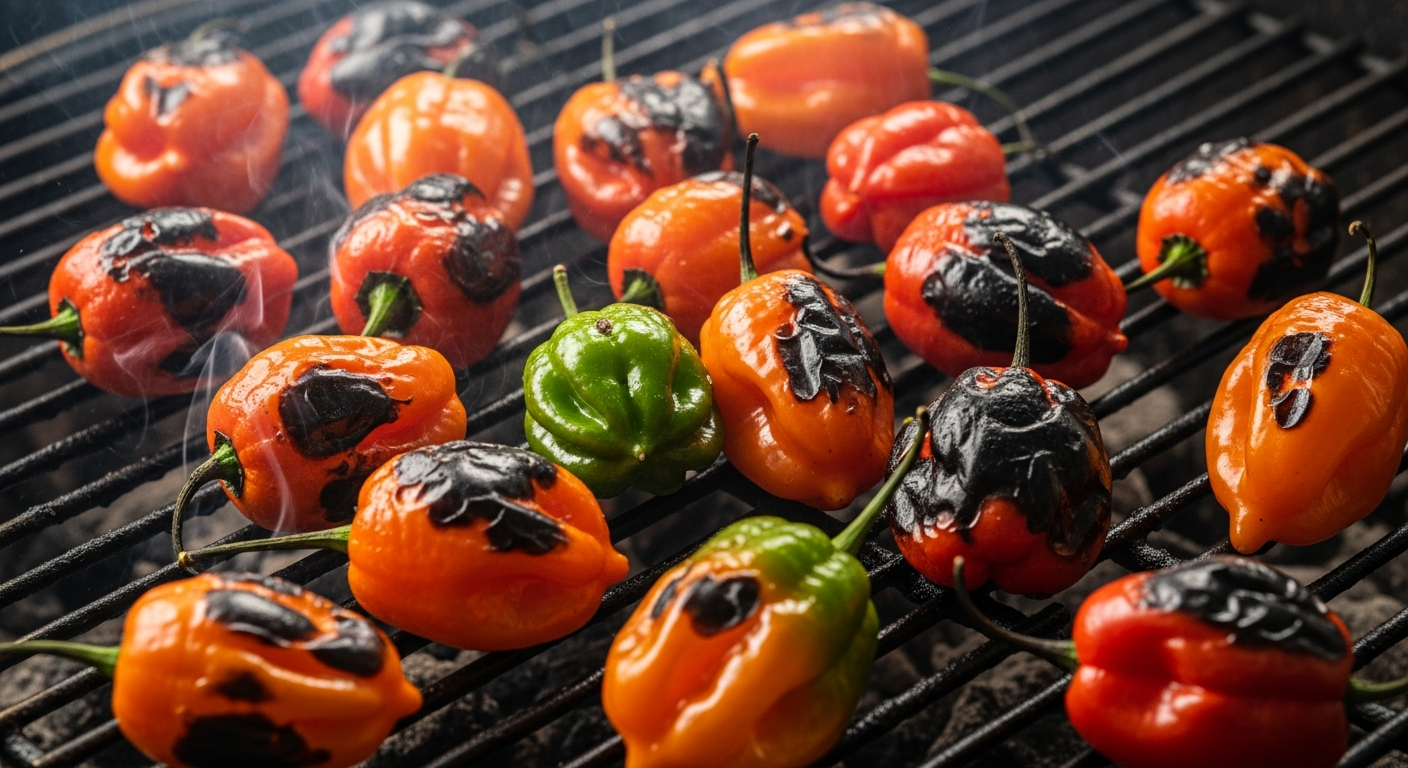
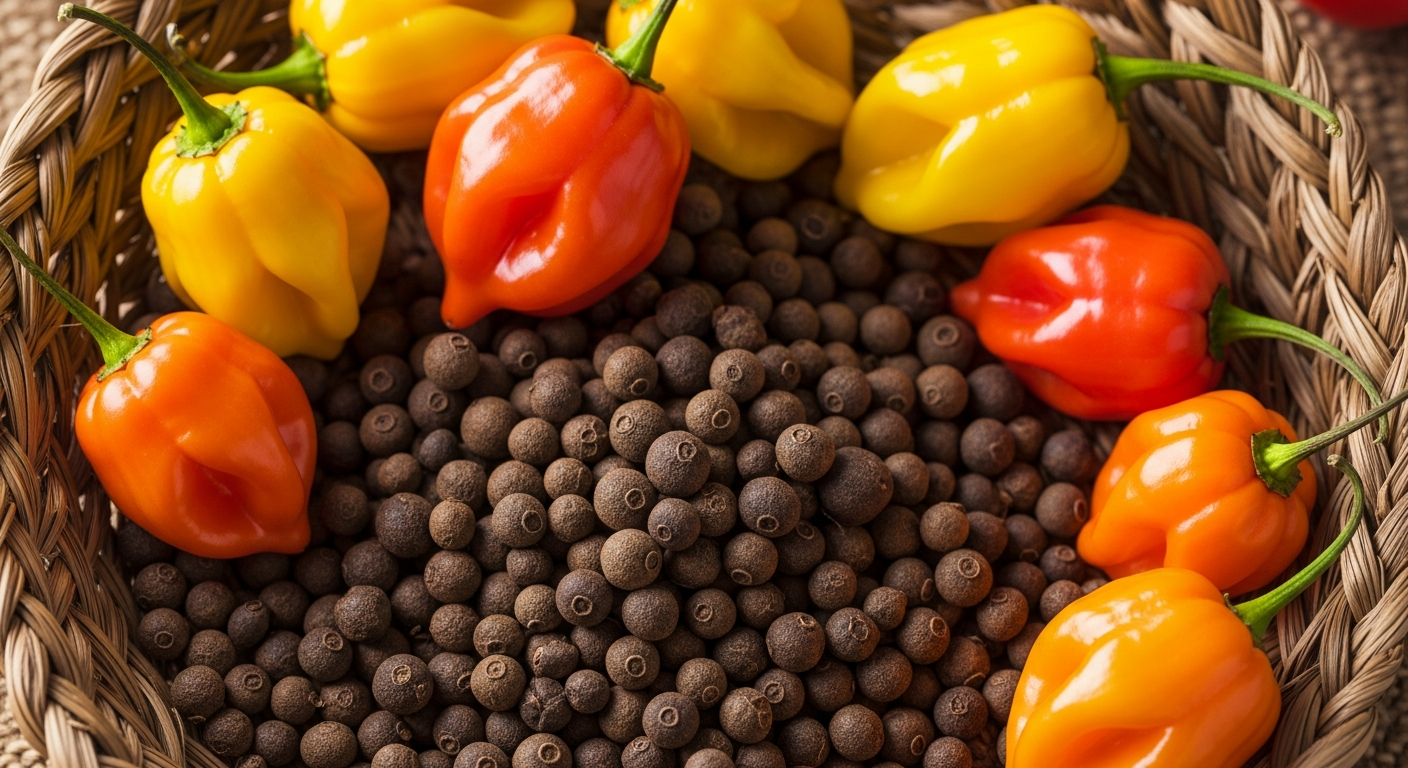
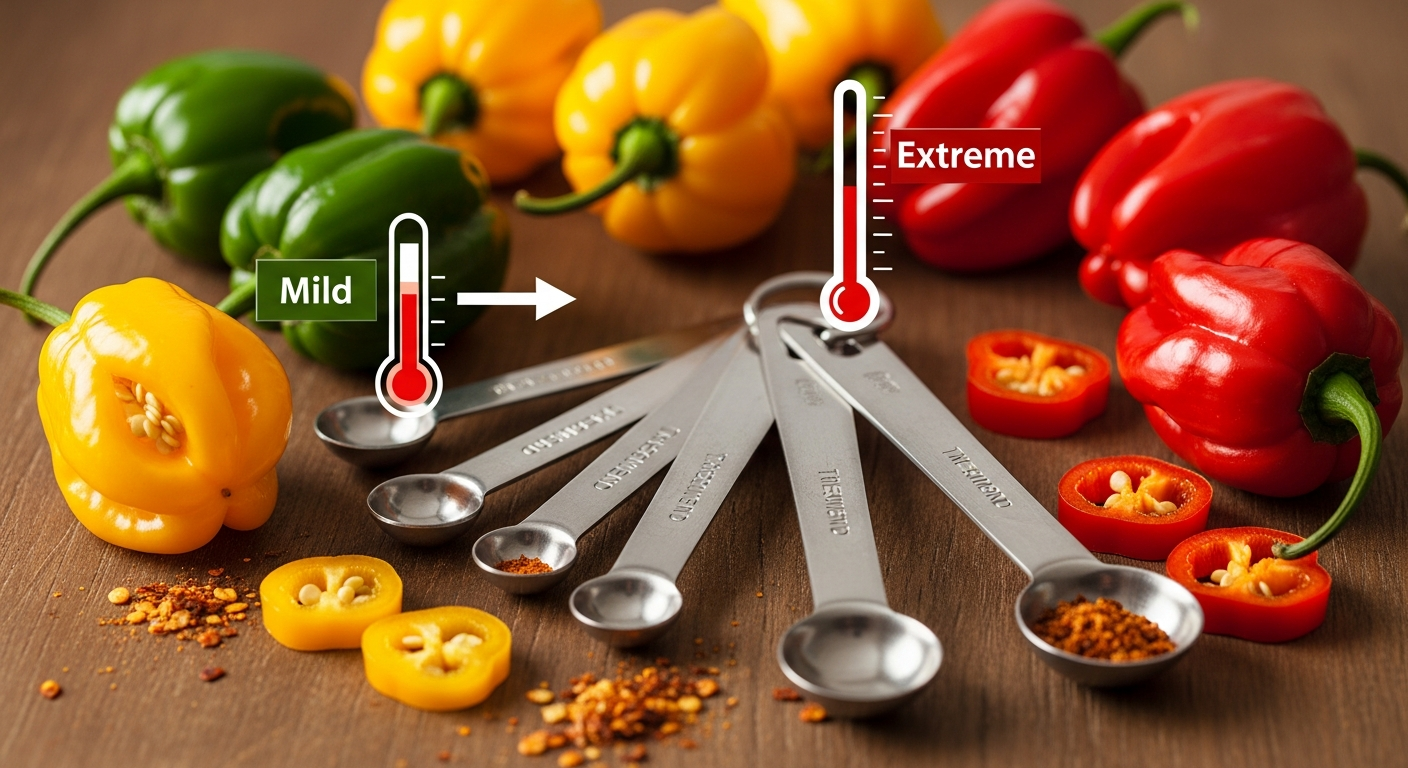
Scotch bonnet peppers contain most of their capsaicin in the seeds and the white pithy membranes inside the pepper. The flesh itself is actually fruity and aromatic, with a sweetness reminiscent of tropical fruit. This means you have a powerful tool for heat adjustment without removing the pepper entirely — simply controlling how much of the seeds and membrane you include.
Making Jerk Marinades Milder
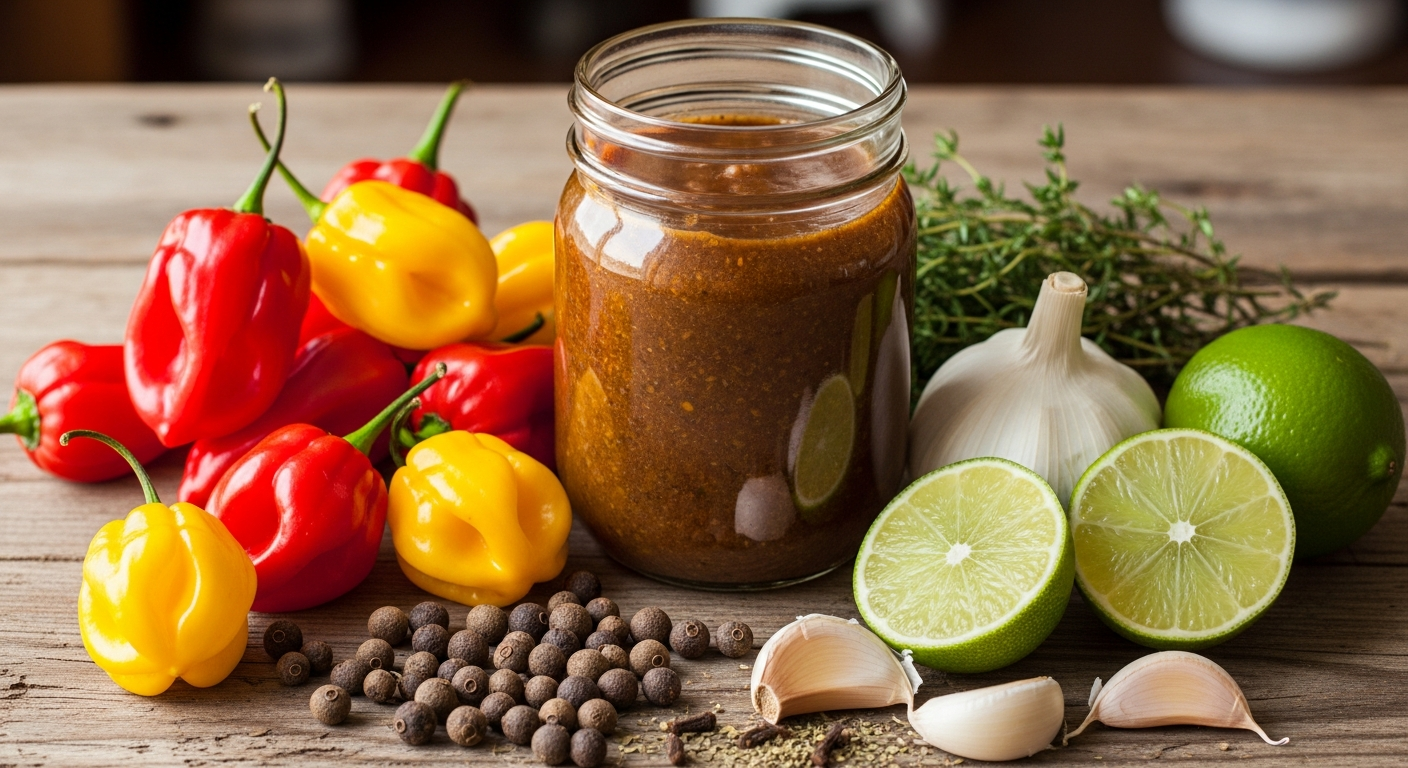
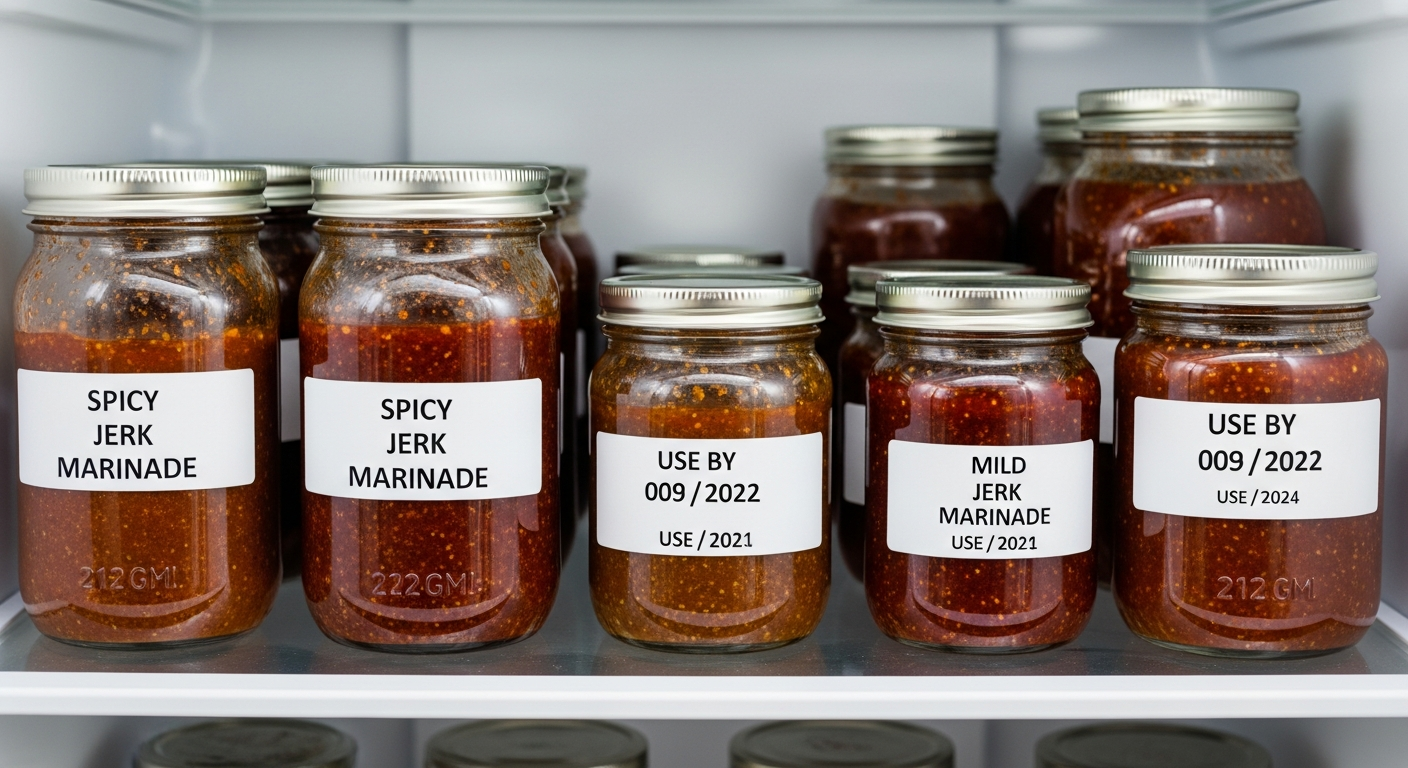
The simplest approach to reducing heat is to reduce the number of scotch bonnet peppers. A traditional marinade for two pounds of chicken might call for three to four peppers. For mild jerk, use just one pepper with the seeds and membranes removed. This preserves the fruity, aromatic character of the scotch bonnet while reducing the heat to a manageable level.
For an even milder version, substitute half of the scotch bonnet with habanero peppers, which have a similar fruity flavor profile but slightly lower heat. Or use a single habanero in place of multiple scotch bonnets. The difference in flavor is subtle but present — purists will notice, but most diners will simply enjoy the accessible heat level.
For a kid-friendly jerk marinade, replace the scotch bonnet entirely with two to three jalapeno peppers with seeds removed. Jalapenos provide a green, vegetal heat that is much milder — around two thousand to eight thousand Scoville units — while still giving the marinade a recognizable pepper character. Add a tablespoon of sweet paprika to compensate for the lost color and warmth.
Making Jerk Marinades Hotter
For those who crave genuine Caribbean fire, there are several ways to increase the heat beyond the standard recipe. First, increase the number of scotch bonnets — five to six peppers per two pounds of protein will produce a marinade that registers as seriously hot even to experienced spice lovers. Include all seeds and membranes.
Second, consider adding a small amount of Caribbean hot pepper sauce or Scotch bonnet paste in addition to the fresh peppers. These concentrated forms deliver pure capsaicin without adding excess liquid that might dilute other flavors.
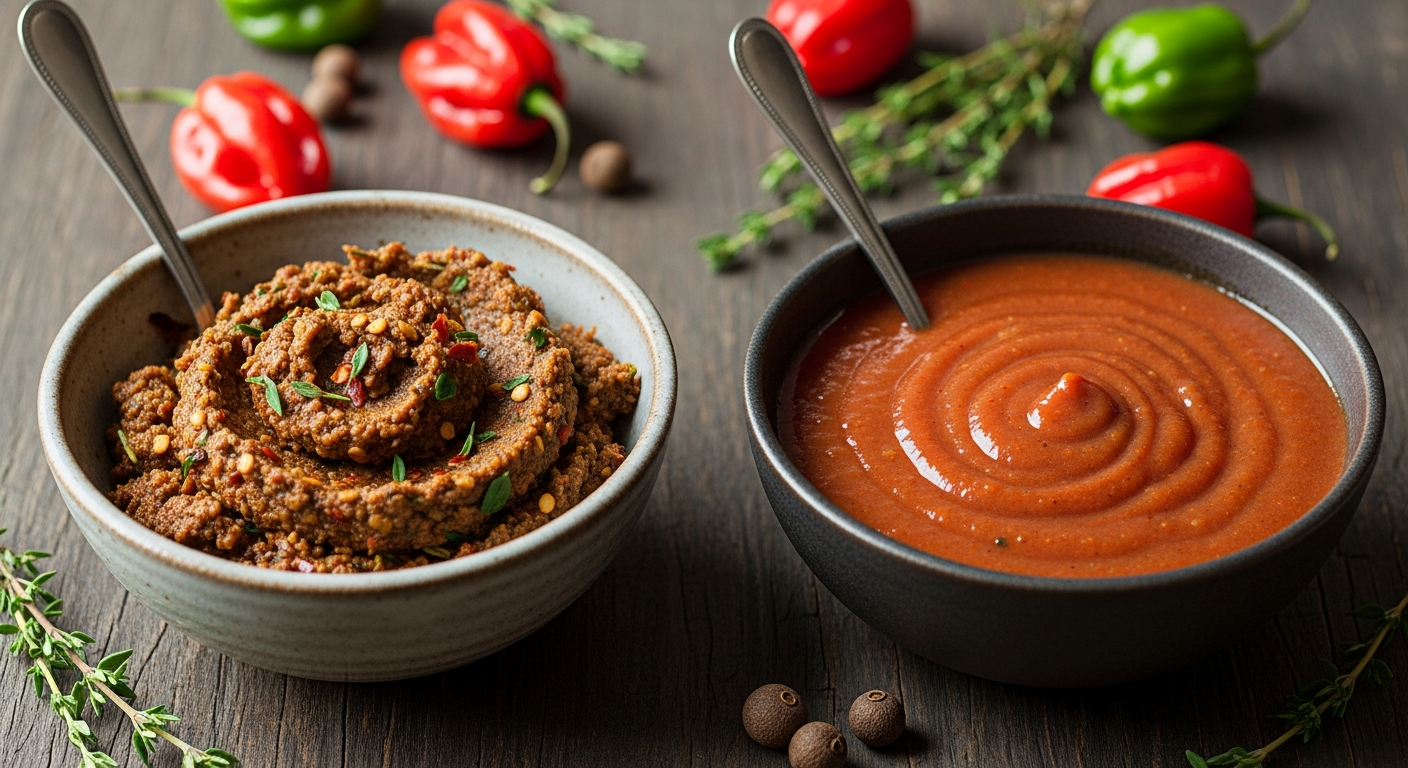
Third, try adding the jerk-specific technique of pepper infusion. Blend one or two extra scotch bonnets into oil and let it steep for twenty-four hours, then use this infused oil as the fat component of your marinade. The oil carries capsaicin molecules more effectively than water-based ingredients, resulting in a deeper, more persistent burn.
Balancing Heat with Sweetness
One of the most important principles in adjusting jerk heat is the relationship between spice and sweetness. Brown sugar, honey, and molasses are traditional sweeteners in jerk marinades, and they do more than add flavor — they create a counterpoint to the capsaicin that makes heat more enjoyable and complex rather than simply painful.
When you increase the heat in your marinade, increase the sweetener proportionally. A tablespoon of brown sugar per additional scotch bonnet is a good starting ratio. The sweetness does not mask the heat — it provides a flavor anchor that gives your palate something to grab onto between waves of spice.
Conversely, when reducing heat, you can also reduce the sweetener slightly. A mild jerk marinade with too much sugar will taste more like a sweet barbecue sauce than authentic jerk. The goal is always balance — heat, sweet, aromatic, and savory in harmony.
The Role of Dairy and Fat in Heat Perception
If you have made your jerk marinade and find it too spicy at the table, dairy and fat are your rescue tools. Capsaicin is fat-soluble, meaning it dissolves in oil and dairy but not in water. This is why drinking water when your mouth is burning from jerk chicken does nothing — the capsaicin simply redistributes rather than washing away.
Serve very hot jerk with a side of cool coconut cream, a raita-style yogurt sauce, or a simple sour cream dip. These dairy-based accompaniments bind to the capsaicin molecules and carry them away from your taste receptors, providing genuine relief. A tall glass of milk or a coconut milk-based smoothie serves the same purpose as a beverage.
Heat Adjustment Without Pepper Changes
You can also fine-tune heat perception through other marinade components without touching the peppers. Increasing the acid (lime juice, vinegar) creates a sharper, more immediately noticeable heat that peaks quickly and fades. Increasing the soy sauce adds salt, which enhances overall flavor intensity but can make the same level of capsaicin feel hotter because your senses are more engaged.
Adding more allspice creates a warming sensation that amplifies the perception of heat even without additional capsaicin. Conversely, increasing fresh thyme and scallions adds herbaceous, cooling notes that can make the same amount of pepper feel less aggressive.
Testing and Adjusting
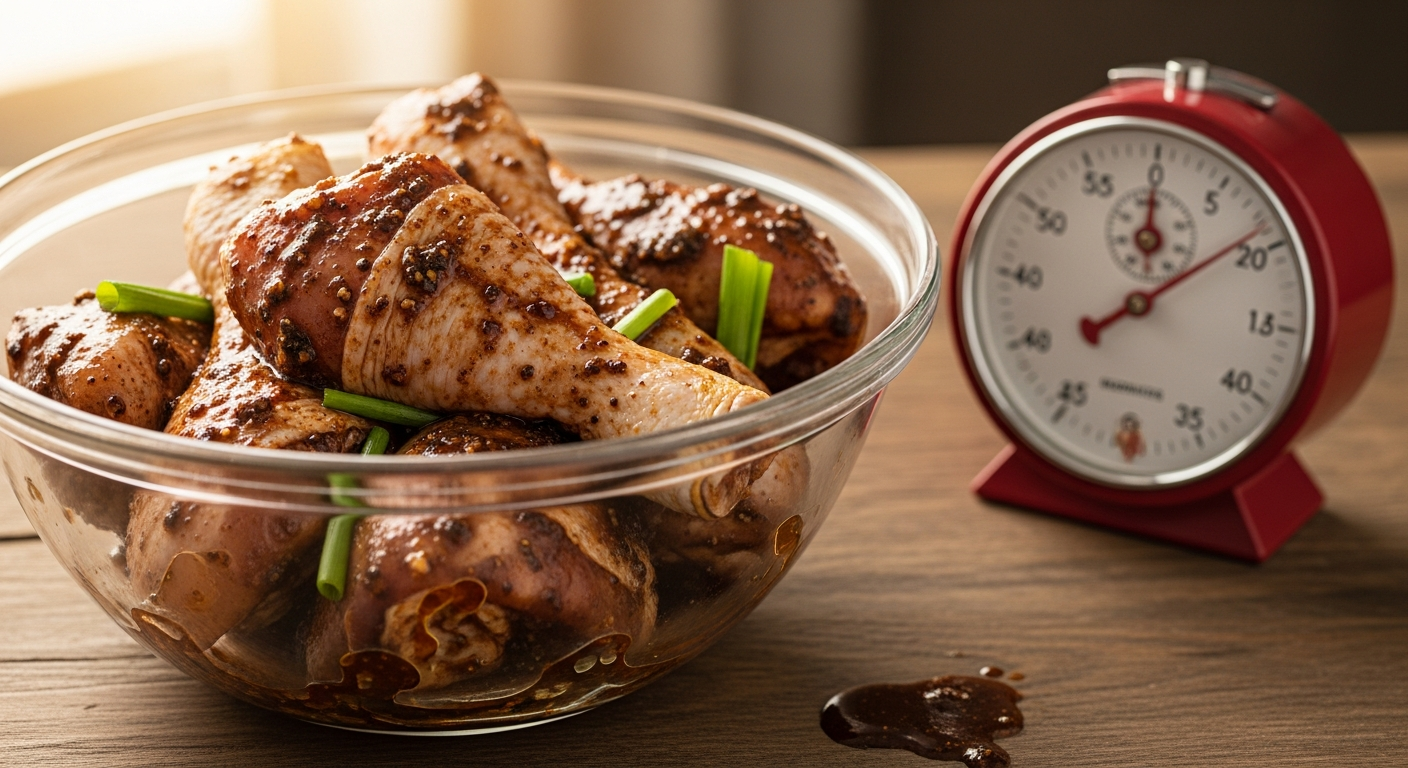
The golden rule of heat adjustment is to test your marinade before committing to your protein. Take a small amount on a spoon, dip a piece of bread or cracker into it, and taste. Wait thirty seconds — capsaicin heat builds gradually and often peaks well after the initial taste.
If the marinade is too hot, add more oil, brown sugar, and a squeeze of lime to mellow it. If it is too mild, blend in additional scotch bonnet or add a few drops of Caribbean hot sauce. Remember that the heat will mellow slightly during cooking as some capsaicin breaks down at high temperatures, so your marinade can be slightly hotter than your desired final product.