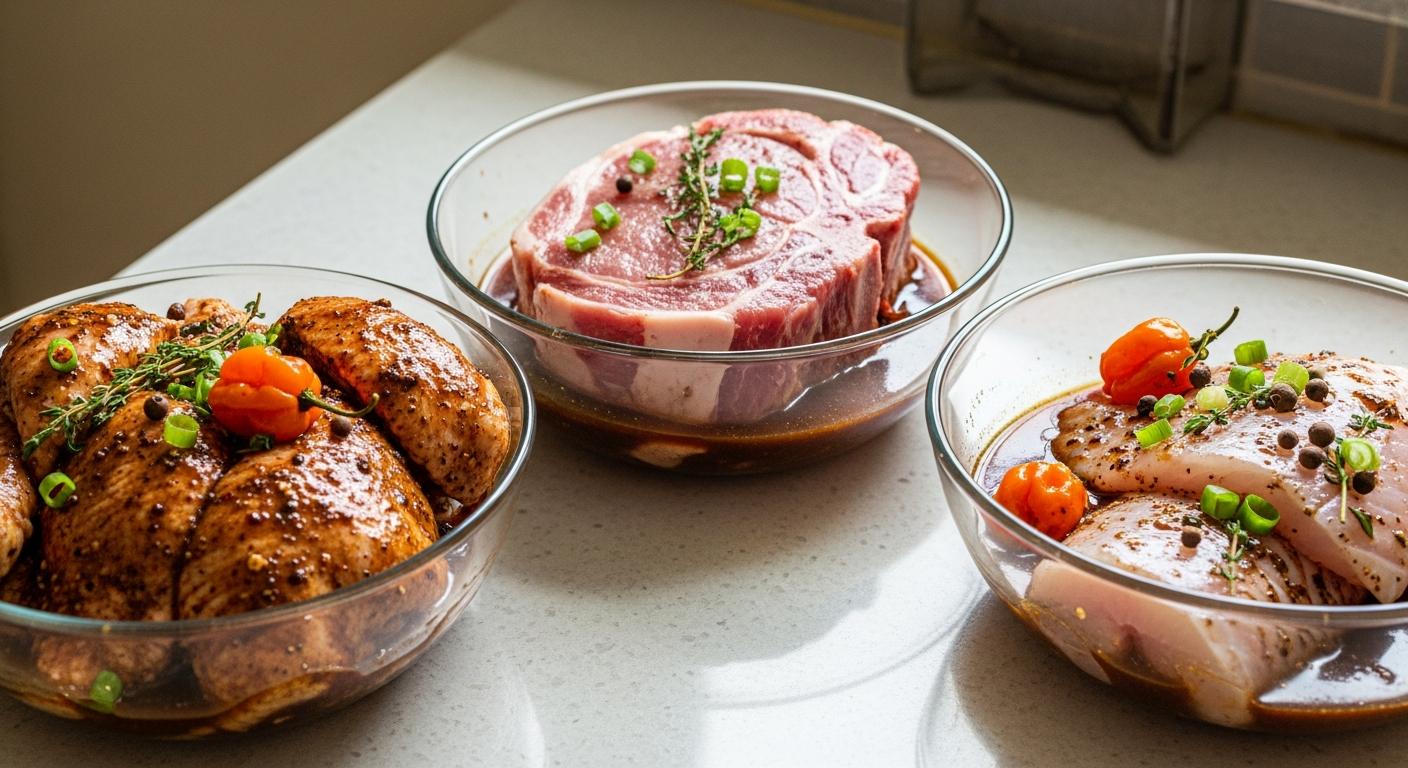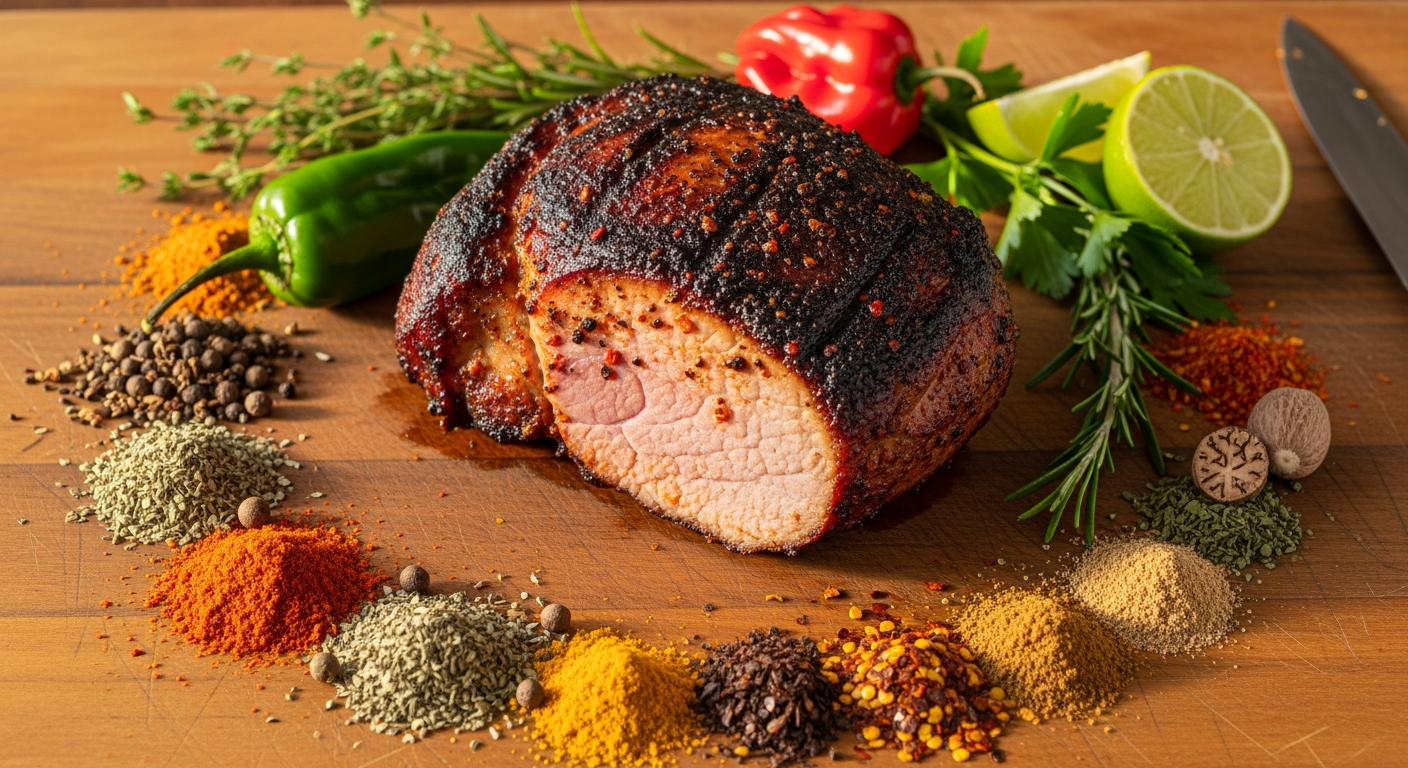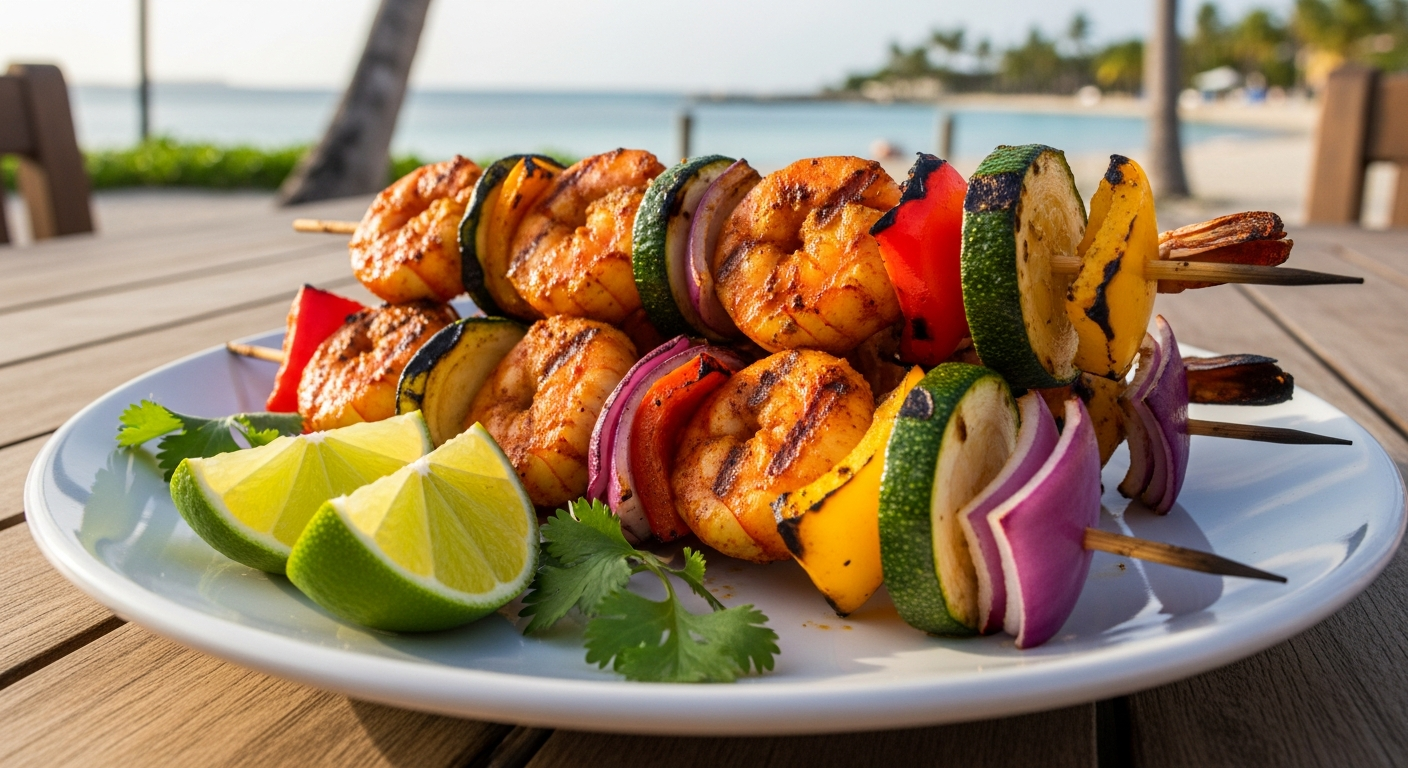
Jerk marinade for veggies and seafood opens up a world of lighter, faster Caribbean cooking that retains all the bold, complex flavors that make jerk cooking so beloved. While chicken and pork are the traditional jerk proteins, the marinade's aromatic blend of scotch bonnet peppers, allspice, and fresh herbs works brilliantly on everything from shrimp to portobello mushrooms — you just need to adjust your approach.
Why Seafood and Vegetables Need a Different Approach
The fundamental challenge with using jerk marinade on seafood and vegetables is timing. Chicken can marinate for twenty-four hours because its dense muscle fiber and connective tissue slowly absorb the flavors without breaking down. Seafood and most vegetables are far more delicate. The acid in a traditional jerk marinade — lime juice and vinegar — will begin to cook seafood proteins through denaturation in as little as thirty minutes, turning firm shrimp into mushy, overprocessed textures.
Vegetables present the opposite problem. Many vegetables have waxy or fibrous surfaces that resist marinade penetration, meaning longer marination times do not necessarily translate to more flavor. Instead, the marinade needs to be applied strategically — used as a coating rather than a soaking liquid.
Adapting the Marinade for Seafood
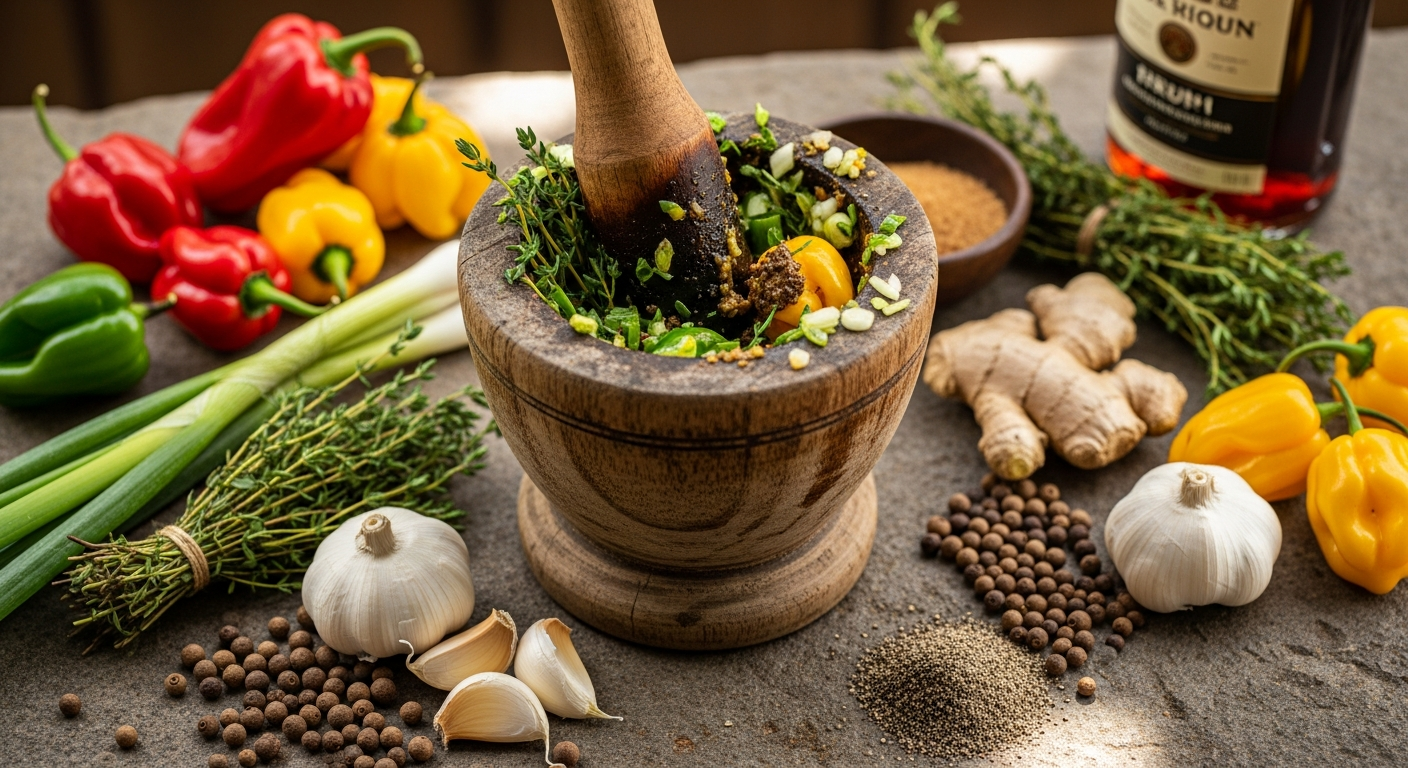
For seafood, reduce the acid content of your jerk marinade by half. Replace the lost volume with coconut milk or oil, which carry flavor into the protein without the tenderizing acid. Keep the scotch bonnet, allspice, thyme, garlic, ginger, and scallions in their standard proportions — the aromatic components are what deliver the jerk character, and they work beautifully with seafood.
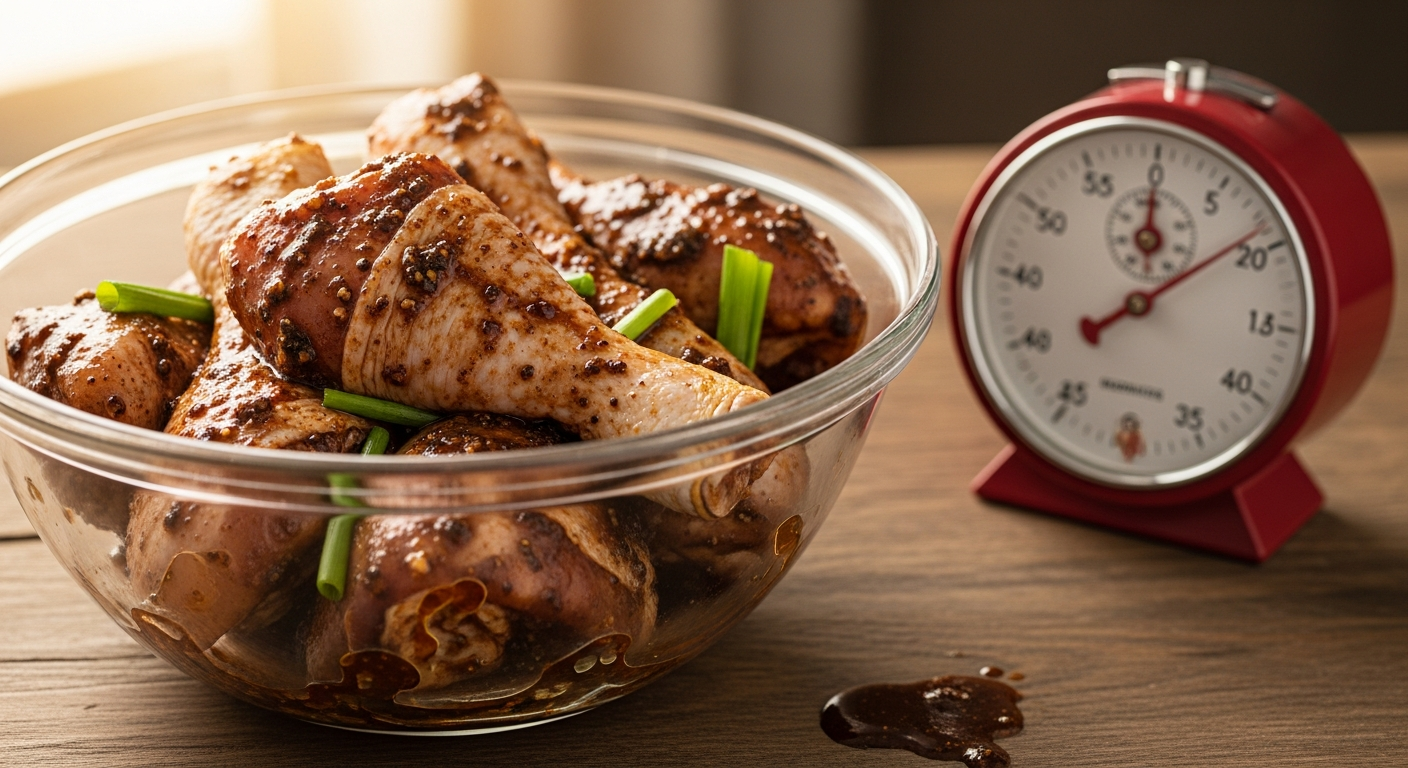
Shrimp should marinate for no more than thirty minutes. Large shrimp, shell-on, can handle up to forty-five minutes. Toss them in the marinade, refrigerate, and cook immediately when the timer goes off. Grilling over high heat is ideal — the sugars in the marinade caramelize quickly, creating a charred exterior while the interior remains tender and juicy.
Fish fillets need even less time. Fifteen to twenty minutes is sufficient for thin fillets like snapper or tilapia. Thicker fish like mahi-mahi or swordfish can handle up to thirty minutes. Apply the marinade to both sides of the fillet, let it rest in the refrigerator, then grill, broil, or pan-sear over high heat.
Whole fish is a traditional Caribbean preparation that works wonderfully with jerk marinade. Score the sides deeply — three to four diagonal slashes on each side — and rub the marinade into the cuts and cavity. A whole red snapper marinated for one to two hours and grilled over medium heat is one of the finest expressions of Caribbean seafood cookery.
Jerk-Marinated Vegetables
For vegetables, the approach depends entirely on the vegetable in question. Dense, starchy vegetables like sweet potatoes, breadfruit, and corn on the cob can handle longer marination — up to two hours — because their cellular structure resists acid breakdown. These vegetables benefit from being parboiled before marinating, which opens their pores to absorb more flavor.
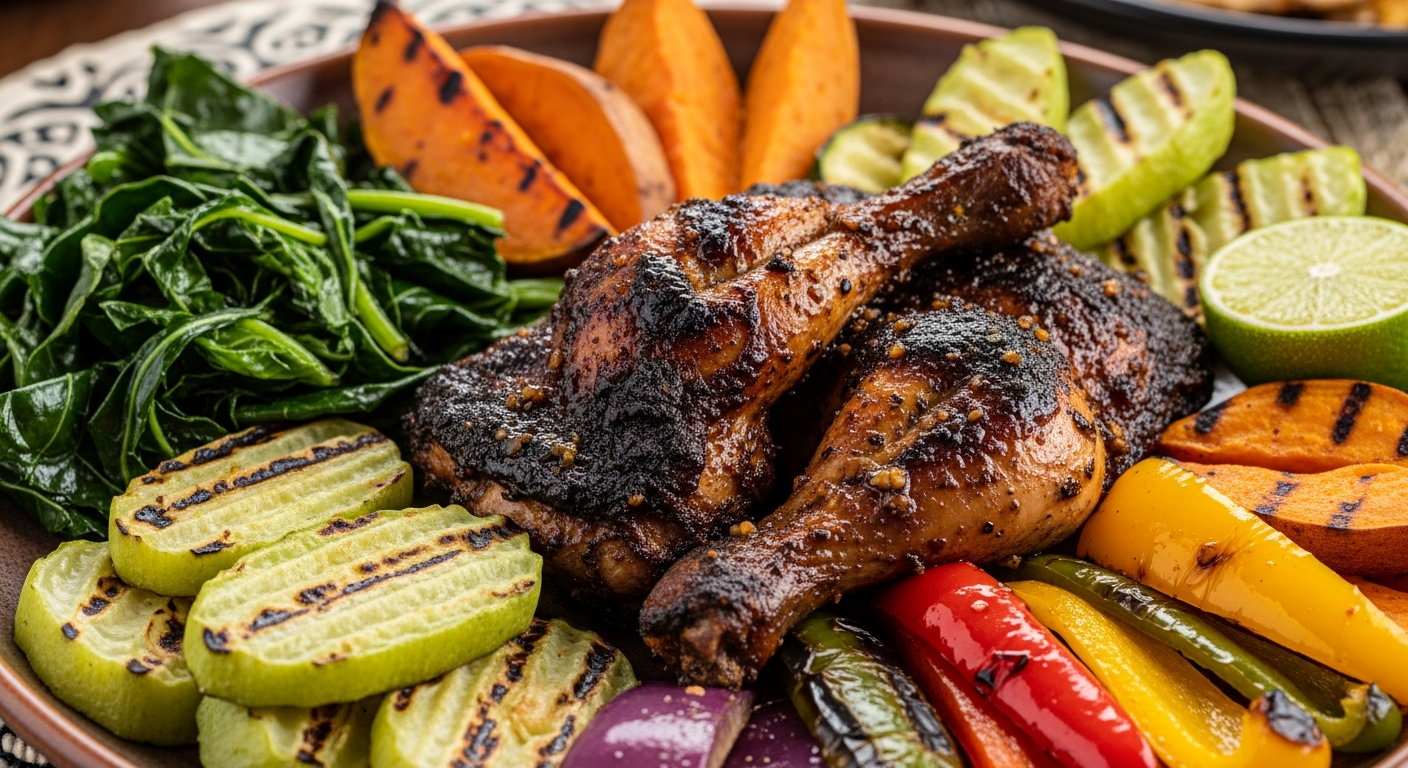
Firm vegetables like bell peppers, zucchini, and eggplant do well with thirty to sixty minutes of marination. Cut them into large, grill-friendly pieces — halves or thick slices rather than small dice — to maximize the surface area exposed to heat while maintaining structural integrity during cooking.
Delicate vegetables like tomatoes, leafy greens, and mushrooms should be treated with the jerk marinade as a dressing rather than a soaking marinade. Toss them with a tablespoon or two of marinade just before cooking or serving. Portobello mushroom caps are particularly excellent — brush both sides with marinade, let them sit for fifteen minutes, then grill until tender.
Creating a Lighter Jerk Marinade
For a lighter marinade specifically designed for vegetables and seafood, try this approach. Start with a base of olive oil rather than vegetable oil — it adds a fruity depth that complements the lighter proteins and vegetables. Reduce the soy sauce by half and eliminate the browning sauce entirely. Use lime zest in addition to lime juice for intense citrus aroma without excess acid.
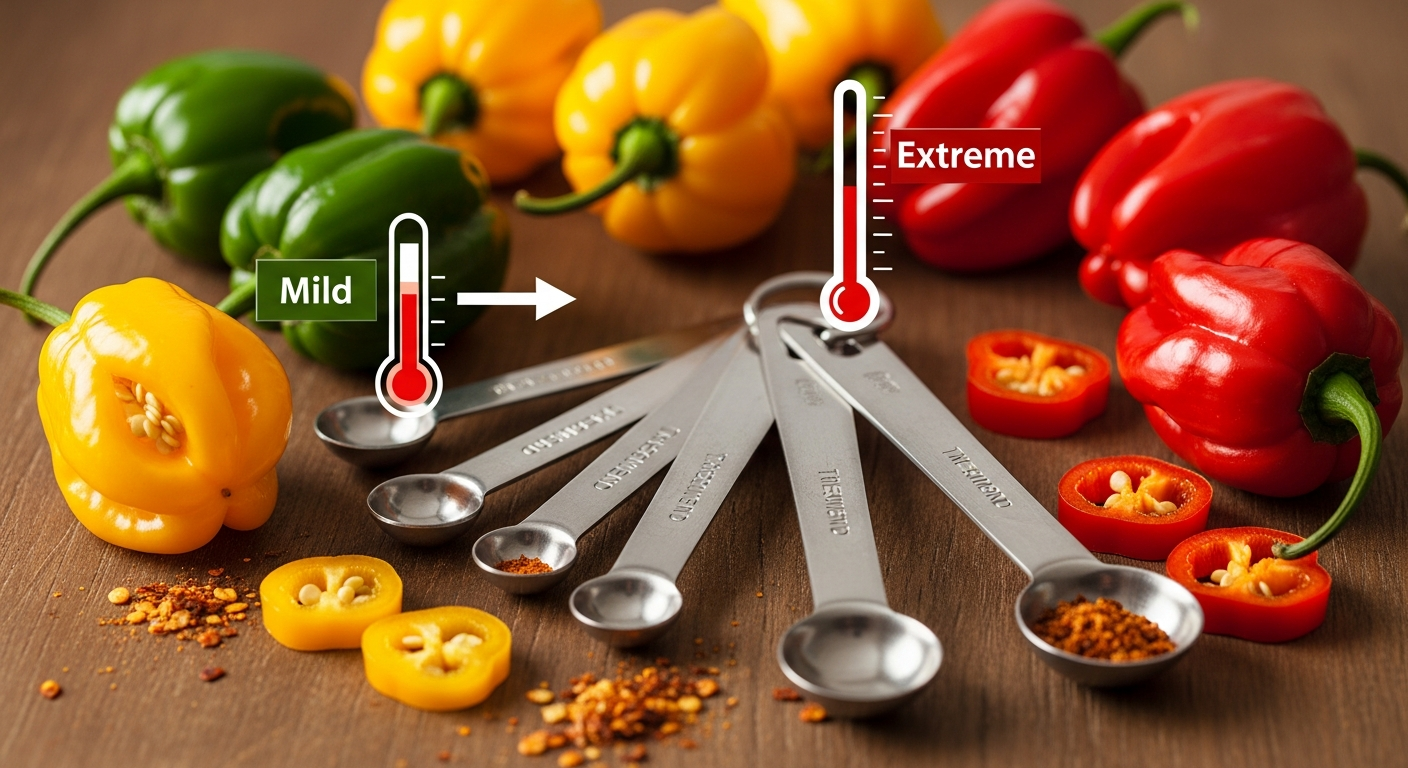
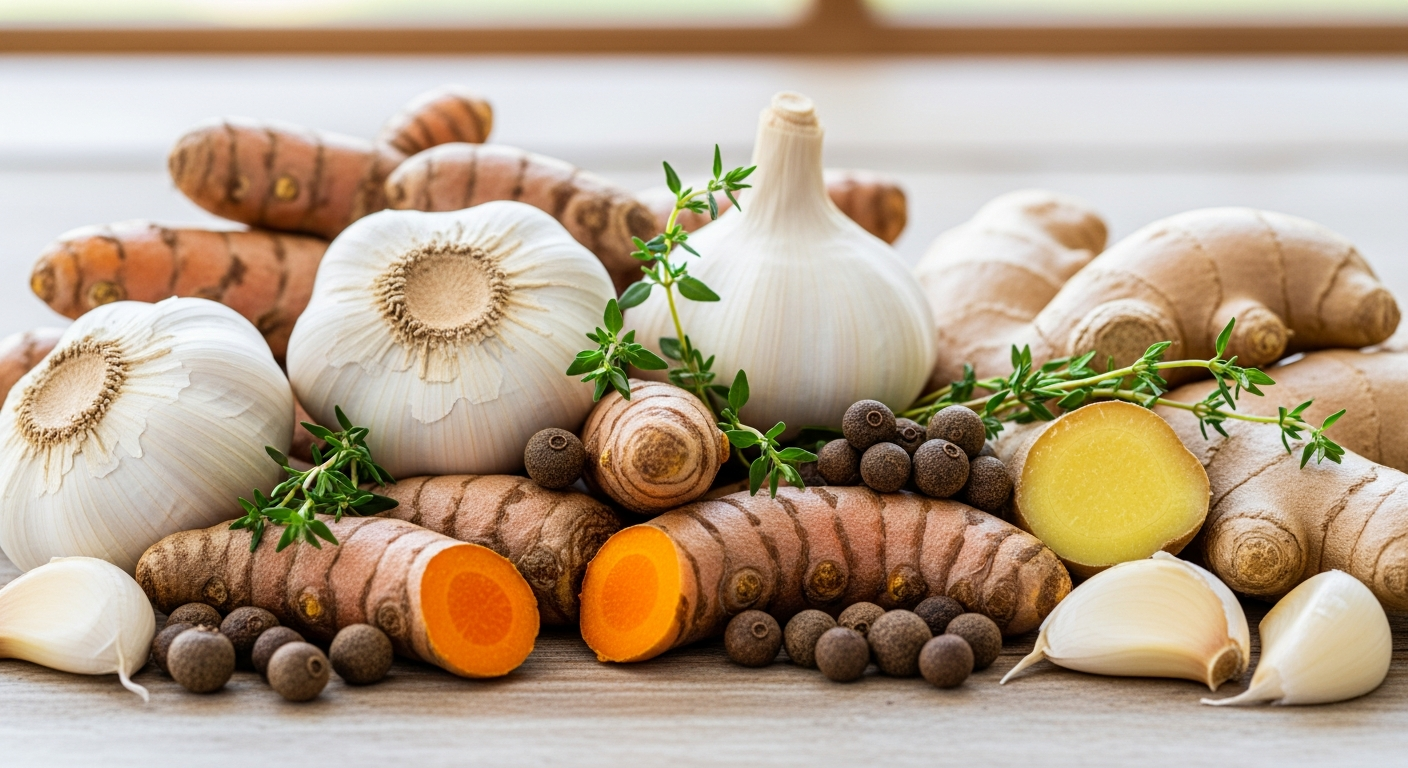
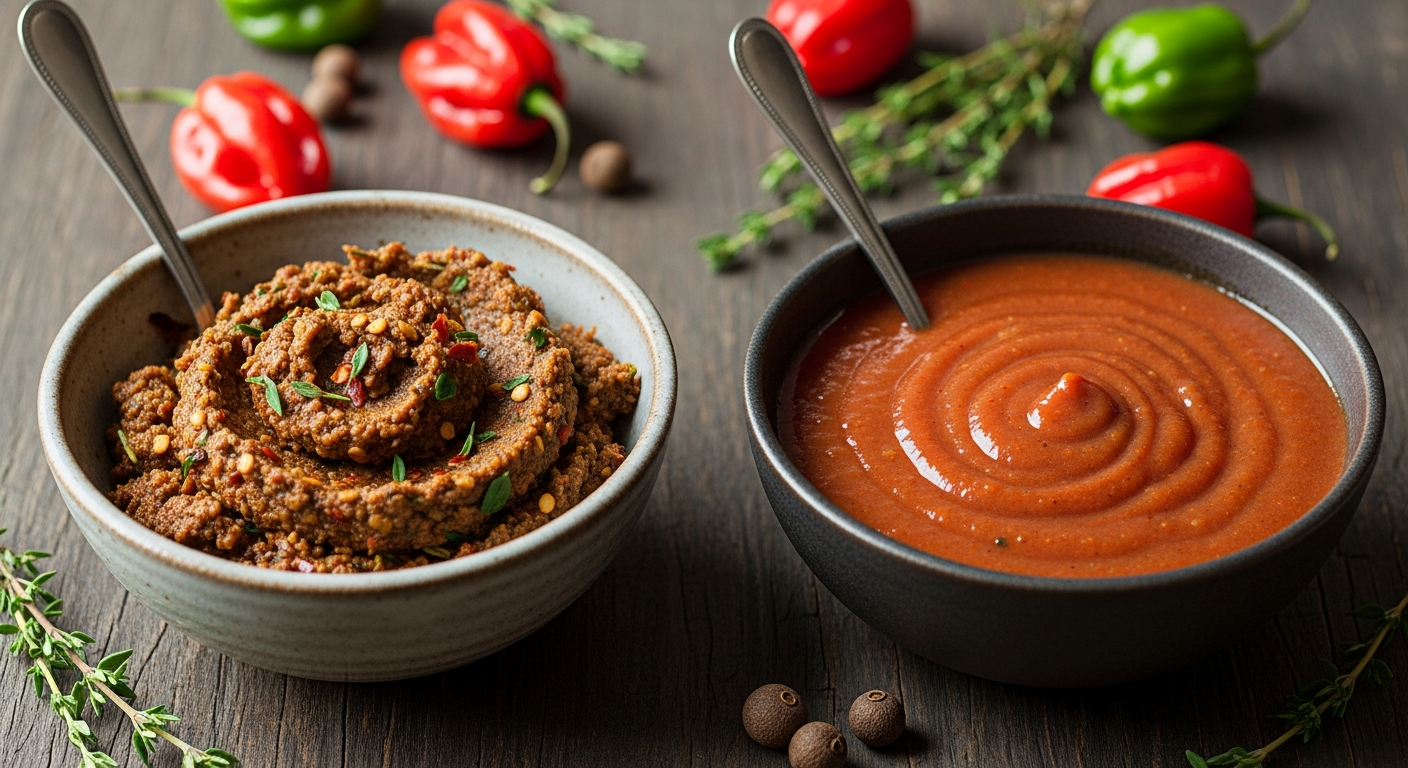
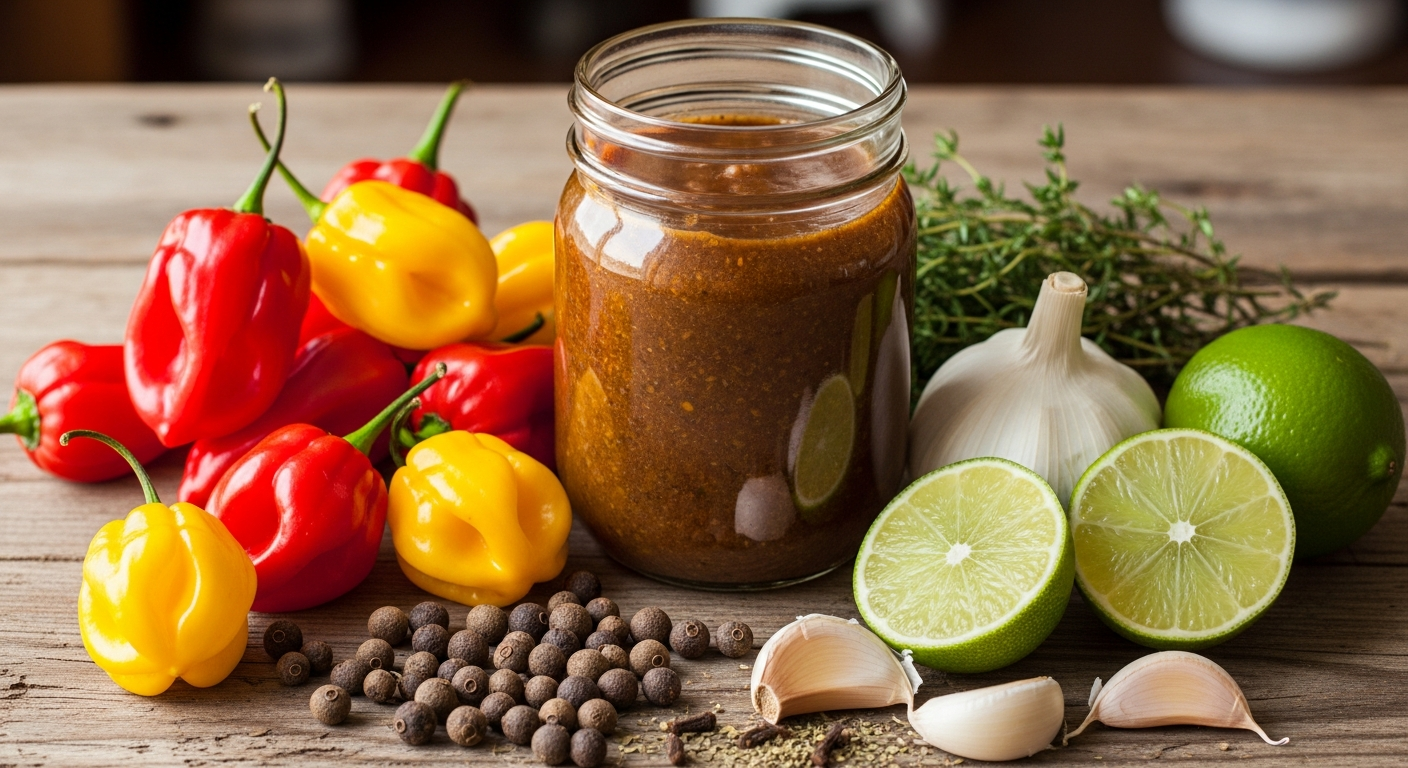
Blend one to two scotch bonnet peppers (seeded for milder heat) with six cloves of garlic, a thumb of ginger, four scallions, a bunch of fresh thyme, two tablespoons of ground allspice, the juice and zest of two limes, a quarter cup of olive oil, and a tablespoon of soy sauce. This creates a vibrant, herbaceous paste that clings to vegetables and seafood beautifully without overwhelming their natural flavors.
Grilling Techniques for Jerk Seafood and Vegetables
High heat is essential when grilling jerk-marinated seafood and vegetables. The sugars in the marinade need intense heat to caramelize rather than burn, creating that signature charred-sweet crust. Preheat your grill to at least four hundred degrees Fahrenheit, oil the grates well, and cook quickly.
For shrimp, two to three minutes per side over direct heat is sufficient. For fish fillets, three to four minutes per side, resisting the urge to move them until a crust has formed. For vegetables, five to seven minutes per side for dense items, two to three minutes for softer vegetables.
Skewering is your friend for both seafood and vegetables. Jerk shrimp skewers with alternating pieces of bell pepper, pineapple, and red onion are a crowd-pleasing presentation that allows even cooking. Soak wooden skewers for thirty minutes before grilling, or use metal skewers for repeated use.
Serving and Finishing
Jerk seafood and vegetables benefit enormously from a finishing touch at the plate. A squeeze of fresh lime juice brightens every element. A drizzle of the reserved fresh marinade adds concentrated flavor. A sprinkle of chopped fresh herbs — cilantro, additional scallion, or flat-leaf parsley — provides a fresh, green contrast to the charred, spicy main components.
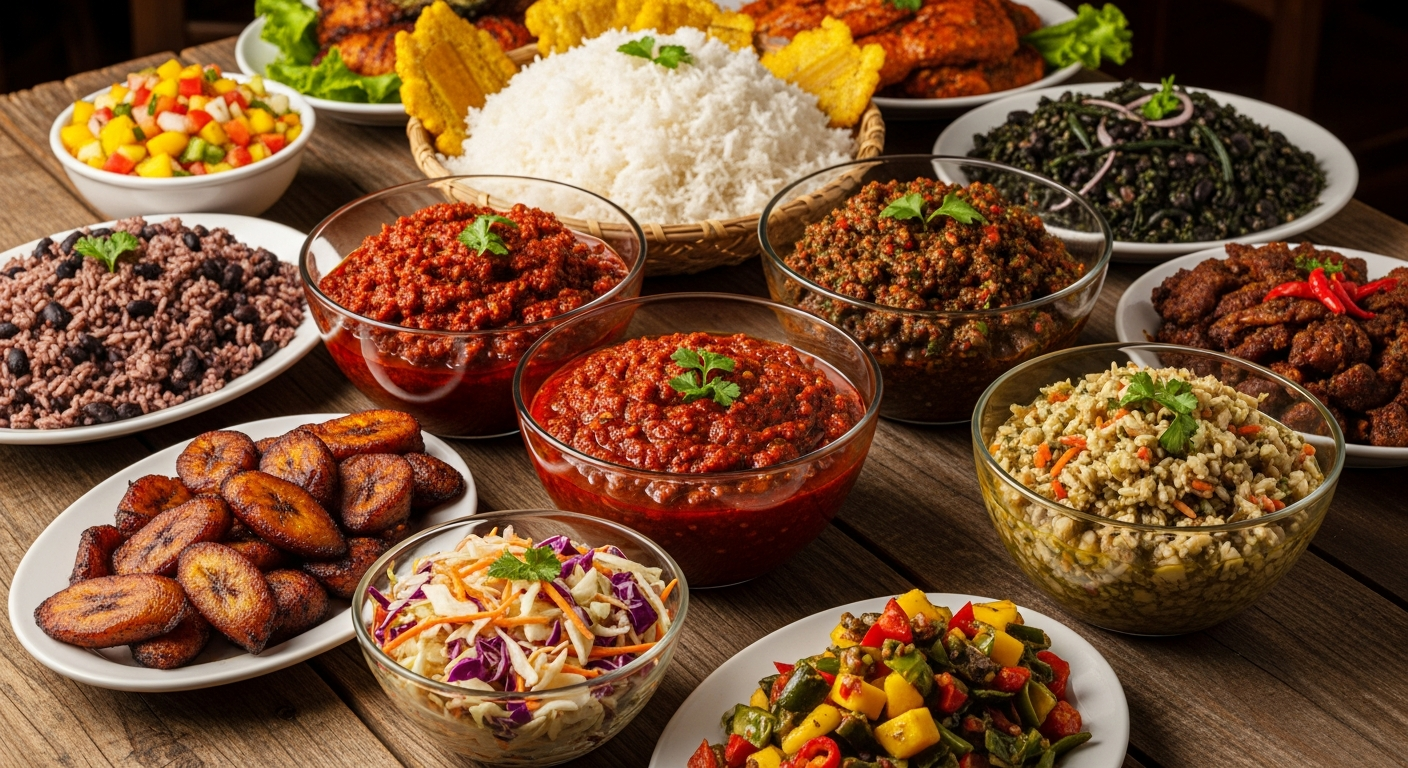
Serve jerk seafood over coconut rice for a complete meal, or alongside a simple green salad dressed with lime vinaigrette. Jerk vegetables make an excellent taco filling — pile them into warm corn tortillas with avocado crema and pickled red onion for a Caribbean-meets-Mexican fusion that works incredibly well.