Your complete homemade Jamaican jerk marinade guide starts here. Making jerk marinade from scratch is one of the most rewarding cooking projects you can undertake — and one of the most impactful. Store-bought jerk sauces are convenient, but they cannot match the vibrant, multi-layered complexity of freshly made marinade built from whole allspice berries, fresh scotch bonnets, and real thyme. The difference is immediate and dramatic: like comparing fresh-squeezed lime juice to the bottled version from concentrate.
Sourcing Your Ingredients
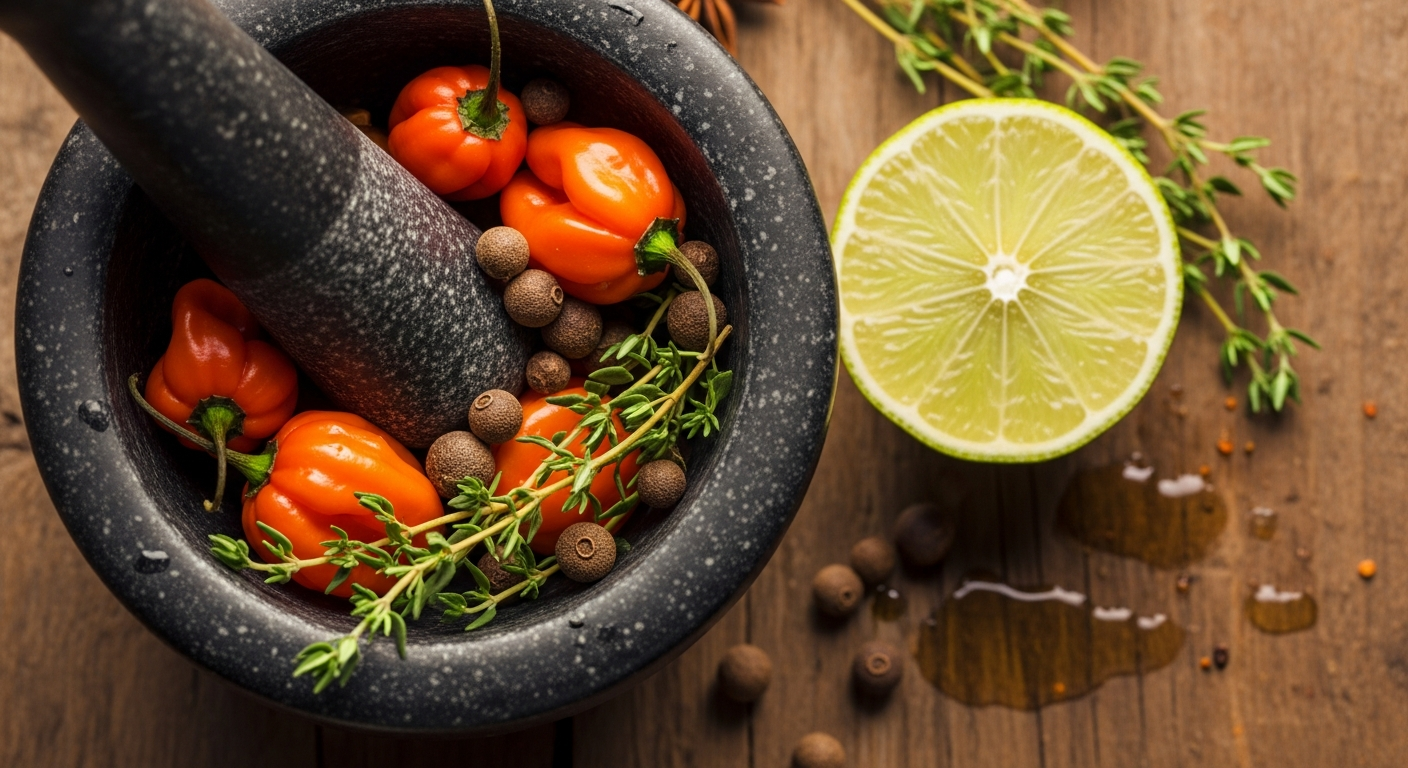
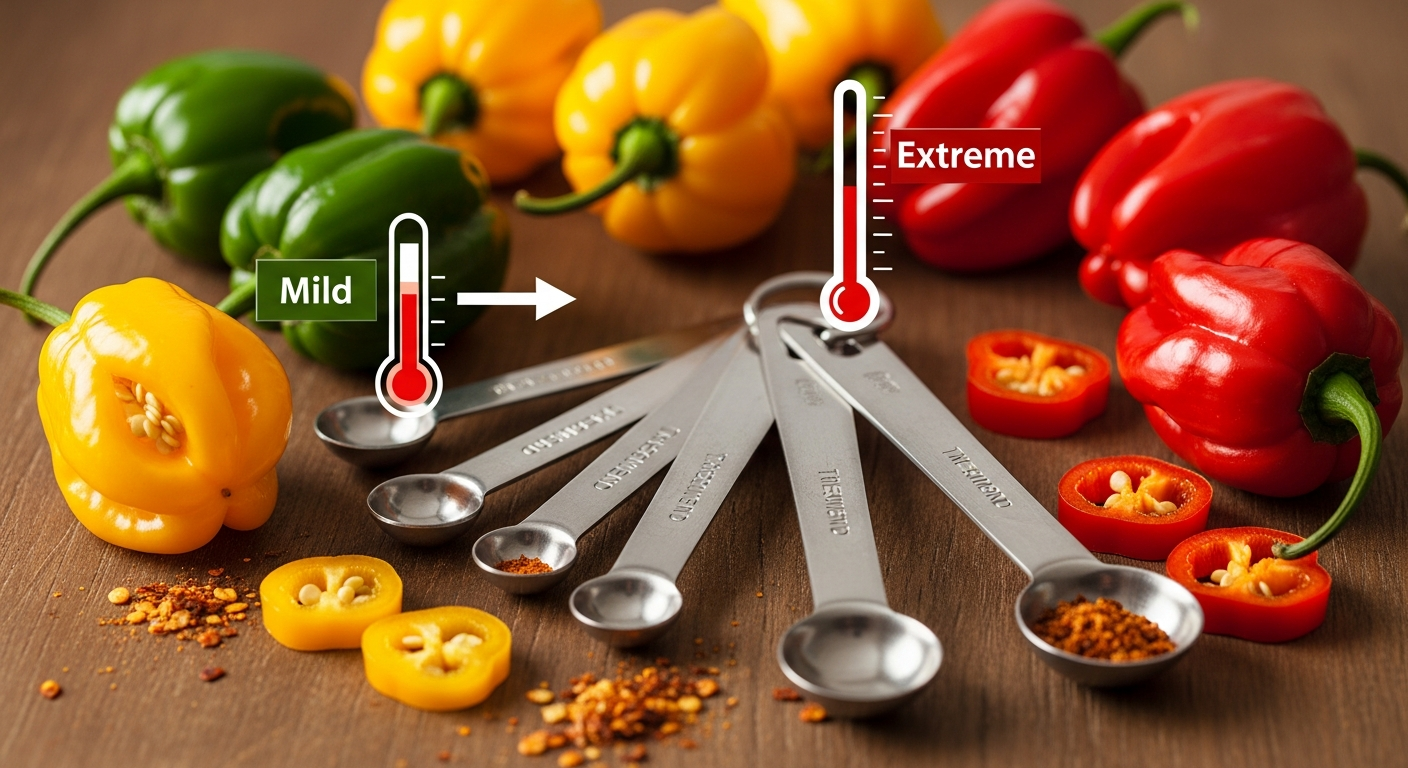
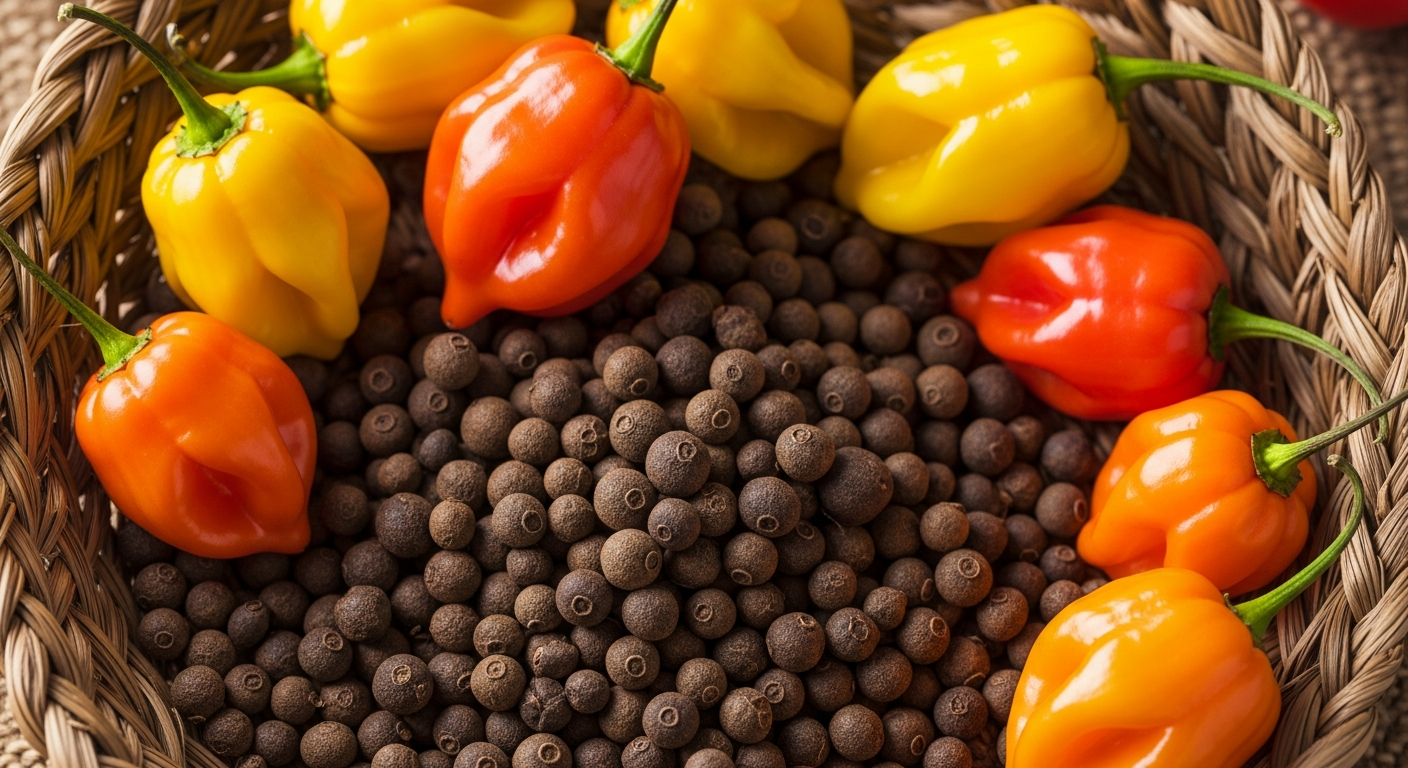
The quality of your homemade jerk marinade depends entirely on ingredient quality. Scotch bonnet peppers are increasingly available at mainstream grocery stores in areas with Caribbean communities — look for them near the jalapeños and habaneros. Choose peppers that are firm, glossy, and heavy for their size. Wrinkled or soft peppers are past their prime. If scotch bonnets are unavailable, habanero peppers are the closest substitute with similar fruity heat, though they lack some of the scotch bonnet's floral tropical notes.
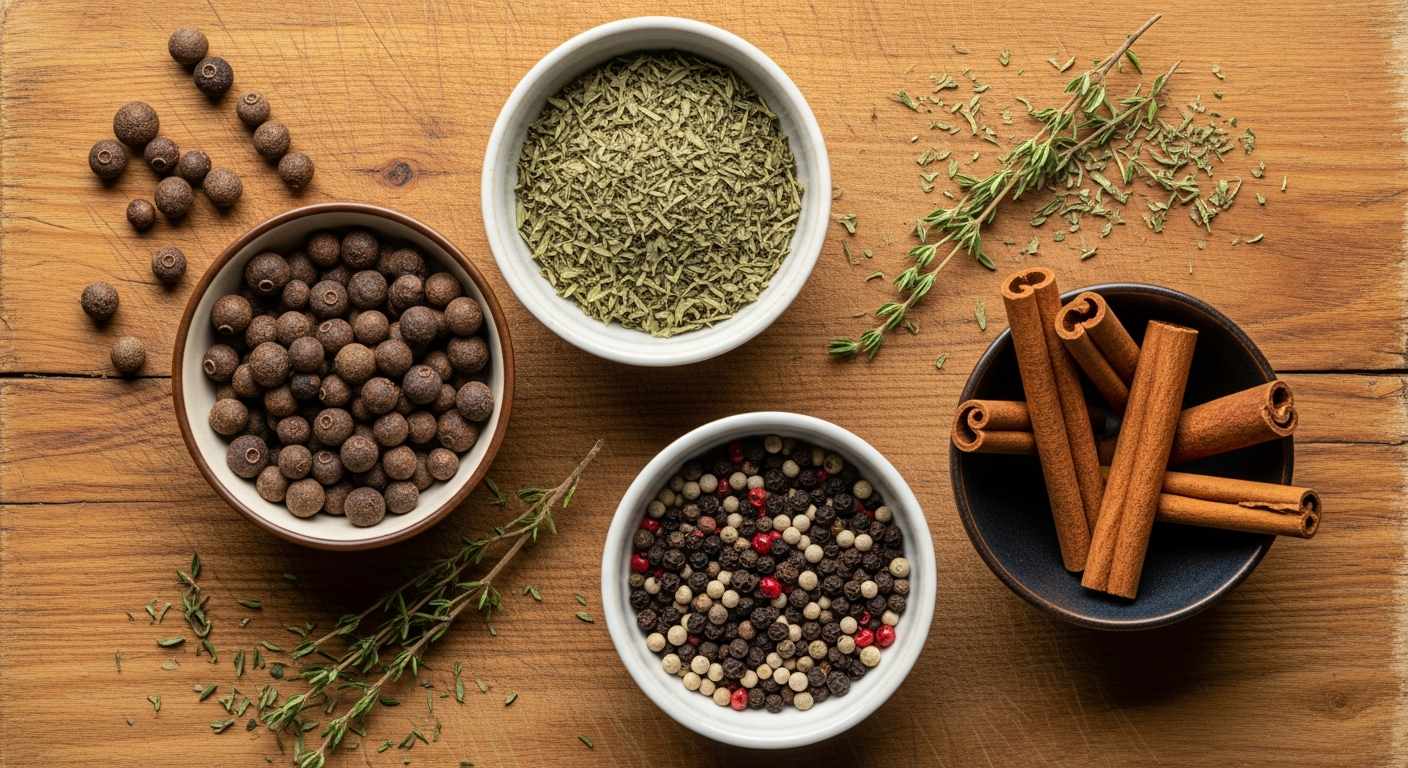
Allspice berries can be found in the spice aisle of most supermarkets. Always choose whole berries over pre-ground — whole berries retain peak flavor for years, while ground allspice loses more than half its potency within three months of grinding. For the finest quality, Caribbean grocery stores and specialty spice vendors carry Jamaican allspice, considered the world's best.
Fresh thyme is available year-round at most grocery stores — look for bunches with green, fragrant leaves and avoid any with brown or wilted stems. Fresh ginger should be firm and smooth. Fresh garlic heads should feel solid with no green sprouts, which indicate aging and developing bitterness. Use both white and green parts of scallions for the fullest flavor.
The Complete Homemade Jerk Marinade Recipe
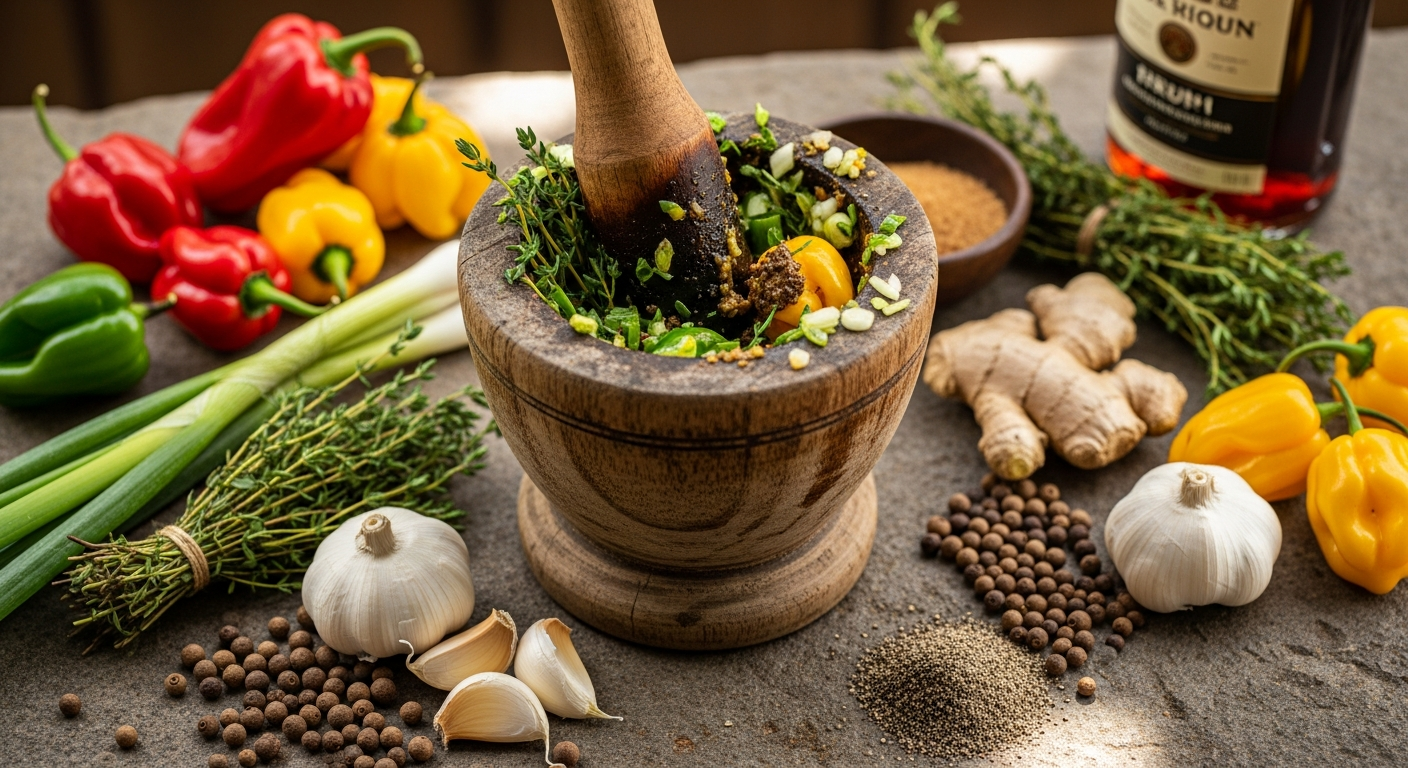
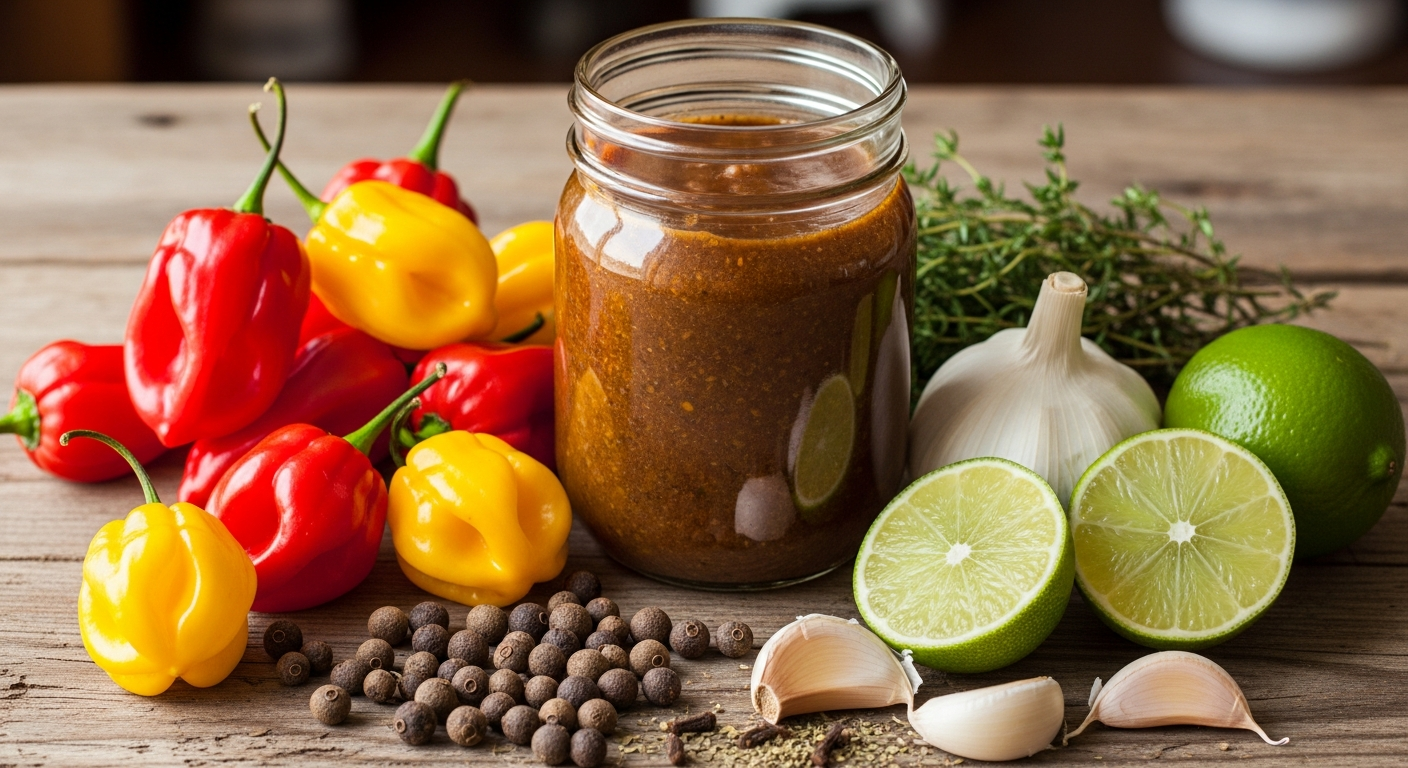
This recipe produces enough marinade for three to four pounds of protein — approximately one full batch for a family meal. Gather: 4 scotch bonnet peppers, 8 scallions, 8 garlic cloves, a 2-inch piece of fresh ginger, 12 fresh thyme sprigs, 2 tablespoons whole allspice berries, ½ cup soy sauce, juice of 2 limes, 3 tablespoons brown sugar, 2 tablespoons vegetable oil, 1 tablespoon white vinegar, 1 teaspoon black pepper, ½ teaspoon cinnamon, and ¼ teaspoon nutmeg.
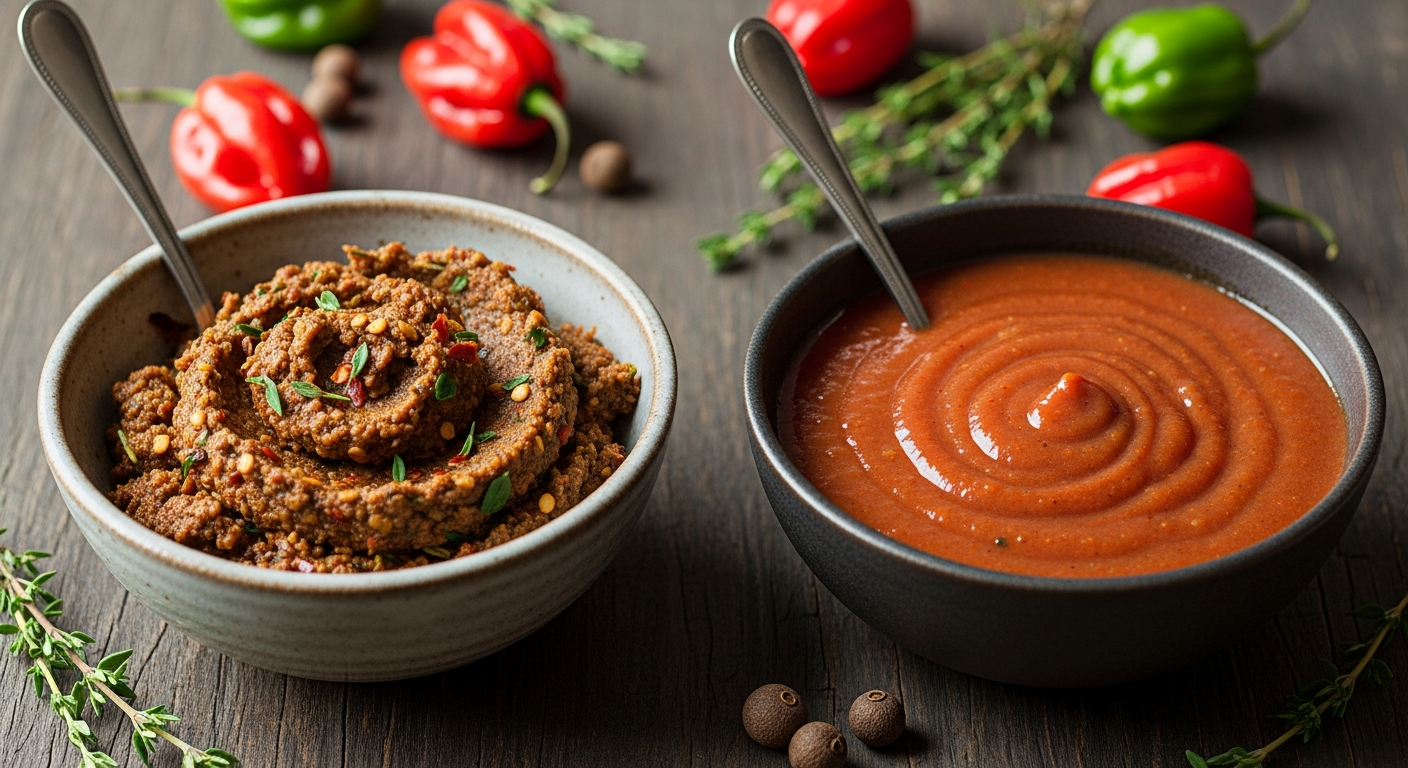
Start by dry-toasting the allspice berries in a small skillet over medium heat for two to three minutes, shaking the pan frequently until you smell the aromatic oils releasing. Transfer to a mortar and pestle or spice grinder and crush to a coarse powder. This single step dramatically intensifies allspice flavor — it is the most impactful improvement you can make over any commercial product.
Rough-chop the scallions, garlic, and ginger. Halve the scotch bonnets — keep seeds and membranes for full authentic heat, or remove for a milder result. Strip thyme leaves from stems. Place everything in a food processor or blender. Pulse first to break down larger pieces, then blend 30-45 seconds until you have a thick, slightly textured paste. Scrape down sides and blend again briefly. Taste carefully — dip a piece of bread rather than tasting directly. Adjust heat, sweetness, acidity, or salt to your preference.
Application and Marination
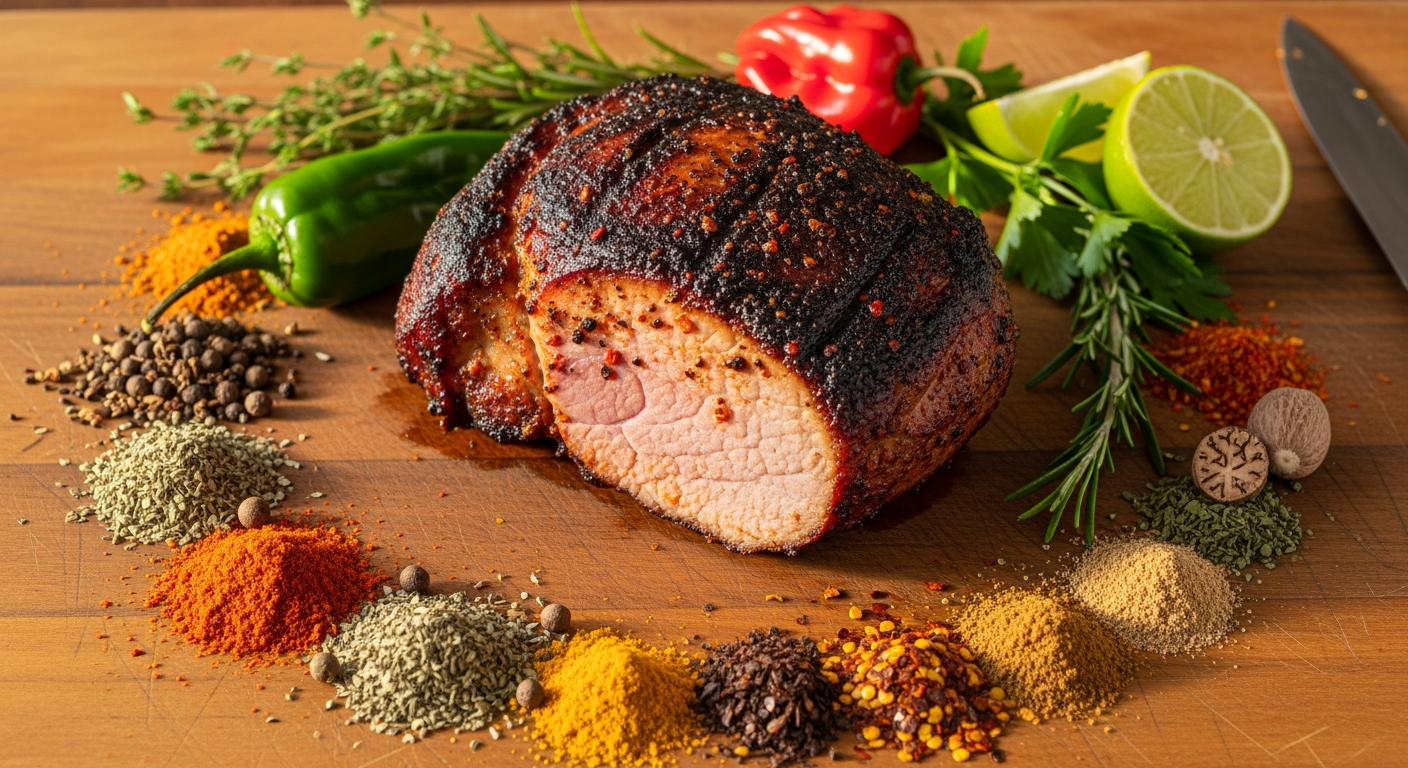
Proper application is as important as the recipe itself. For chicken, score the meat deeply — three to four diagonal cuts on each side of bone-in pieces, cutting almost to the bone. For pork, make crosshatch cuts through the fat cap. Always wear food-safe gloves when handling the marinade — scotch bonnet oils burn bare skin for hours.
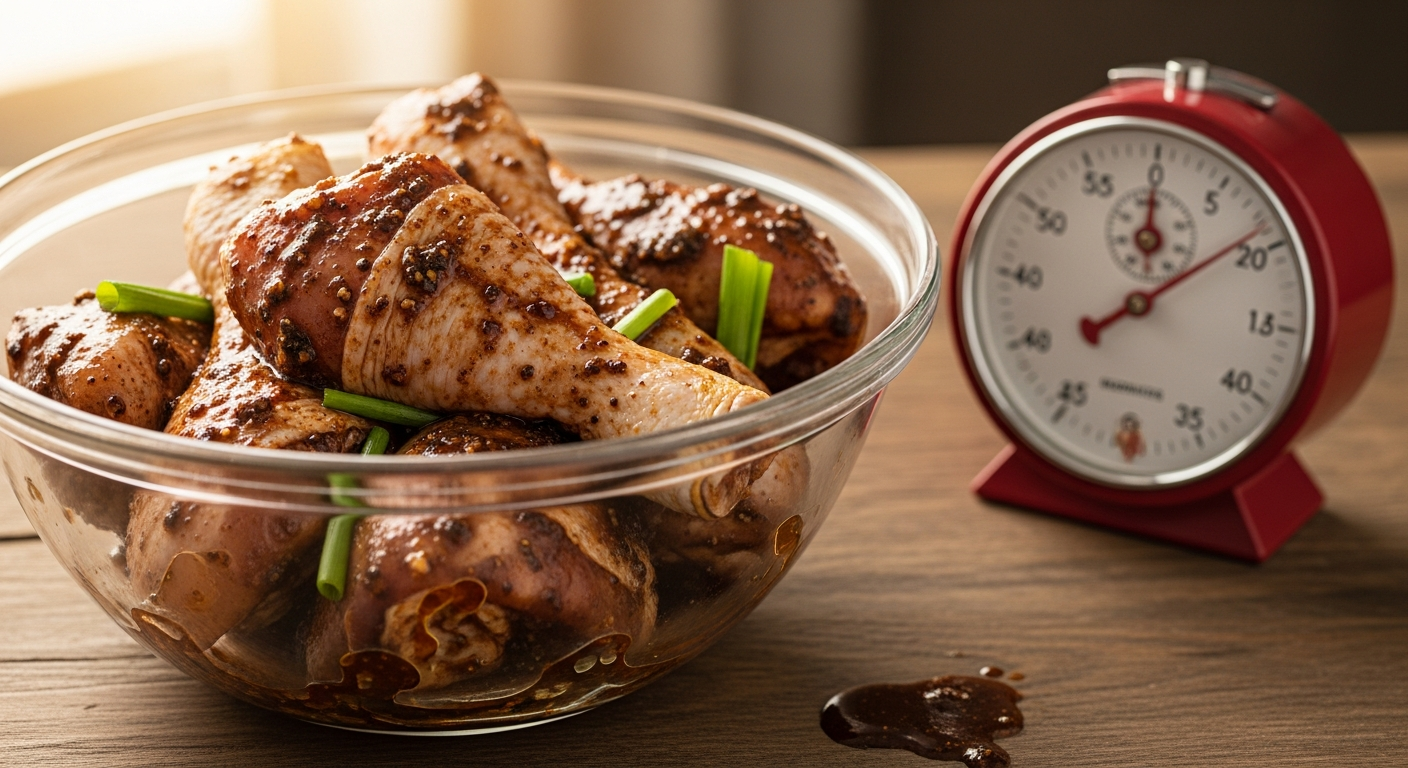
Apply the marinade generously, working it into every cut and crevice with gloved fingers rather than simply coating the surface. Place the marinated protein in a glass or ceramic container (never aluminum) or heavy-duty zip-top bag, ensuring every piece is thoroughly coated. Refrigerate for a minimum of four hours for chicken, eight hours for pork shoulder, and just 30-60 minutes for seafood.
The optimal marination time for chicken is overnight — twelve to twenty-four hours — which allows the deepest flavor penetration as the lime juice and vinegar slowly tenderize the outer layers while fat-soluble allspice and scotch bonnet compounds work deeper into the protein structure. This patience is what distinguishes truly memorable jerk from merely good jerk.
Variations and Customizations
Once you have mastered the base recipe, variations open up a world of Caribbean flavor exploration. For warmth and depth, add a quarter cup of dark rum. For a soy-free version, substitute coconut aminos. For sour complexity, blend in one tablespoon of tamarind paste — this works particularly well with pork. For body and sweetness, add two tablespoons of tomato paste. For deep color and savory umami, add one tablespoon of Jamaican browning sauce.
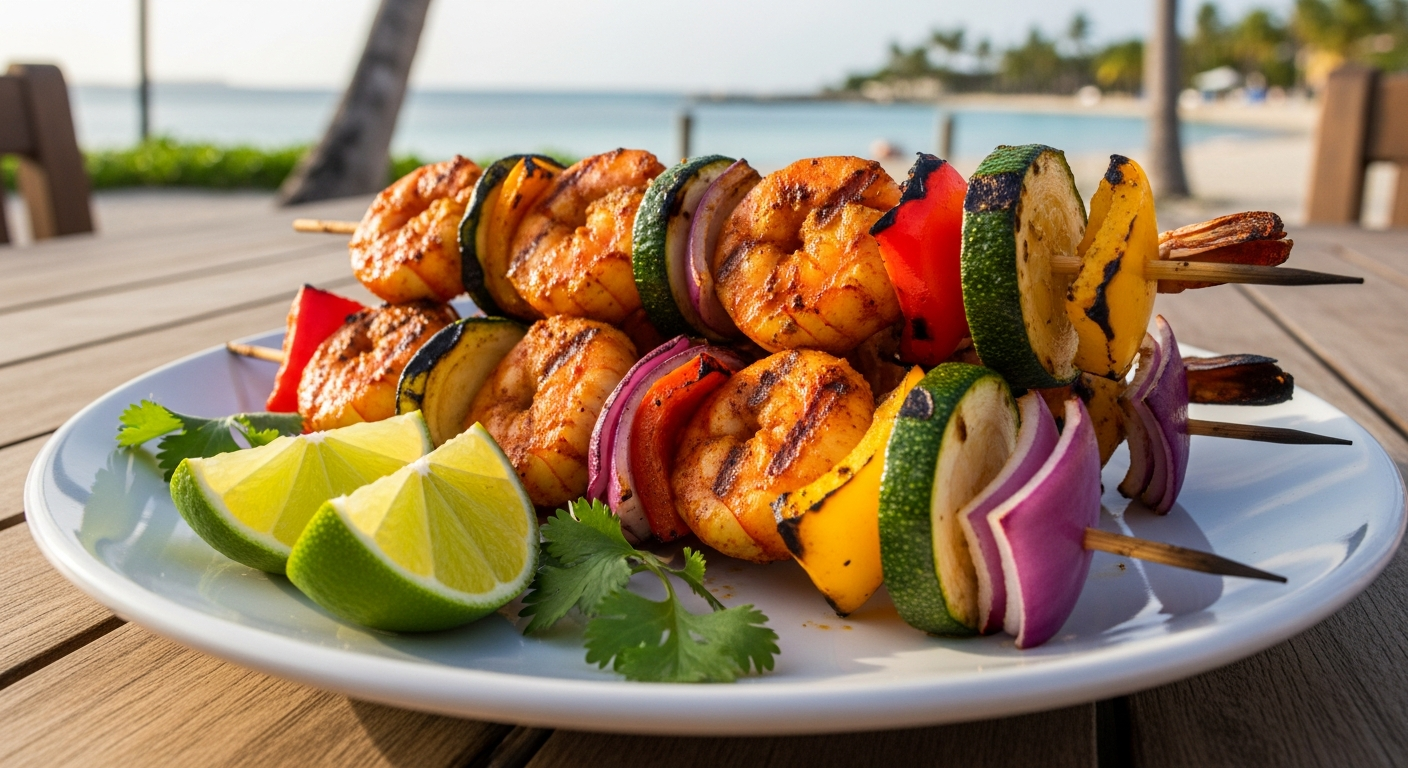
For a smoky version without pimento wood access, add two teaspoons of smoked paprika and a quarter teaspoon of liquid smoke. For a citrus-forward seafood marinade, increase lime juice to four limes, add the zest of two limes, and reduce soy sauce by half. This lighter version clings to shrimp and fish beautifully without overpowering their delicate flavors.
For a mild family-friendly version, replace the scotch bonnets with one jalapeño and one red bell pepper. You will retain the allspice character and Caribbean flavor profile while keeping heat accessible for children and heat-sensitive guests. The color will be slightly less vibrant but the depth of flavor remains impressive.
Homemade vs. Commercial Jerk Marinade Comparison
| Marinade Type | Flavor Depth | Heat Control | Prep Time | Best For |
|---|---|---|---|---|
| Homemade (this recipe) | Exceptional | Full control | 15-20 min | All proteins, special occasions |
| Walkerswood Paste | Very Good | Fixed (hot or mild) | 0 min | Weeknight cooking |
| Grace Jerk Paste | Good | Mild or hot options | 0 min | Quick marinades |
| McCormick Dry Blend | Basic | Limited | 5 min with additions | Entry level, emergencies |
| Homemade Concentrated Base | Exceptional | Full control | 20 min (batch) | Meal prep, frequent cooks |
Storage and Batch Preparation
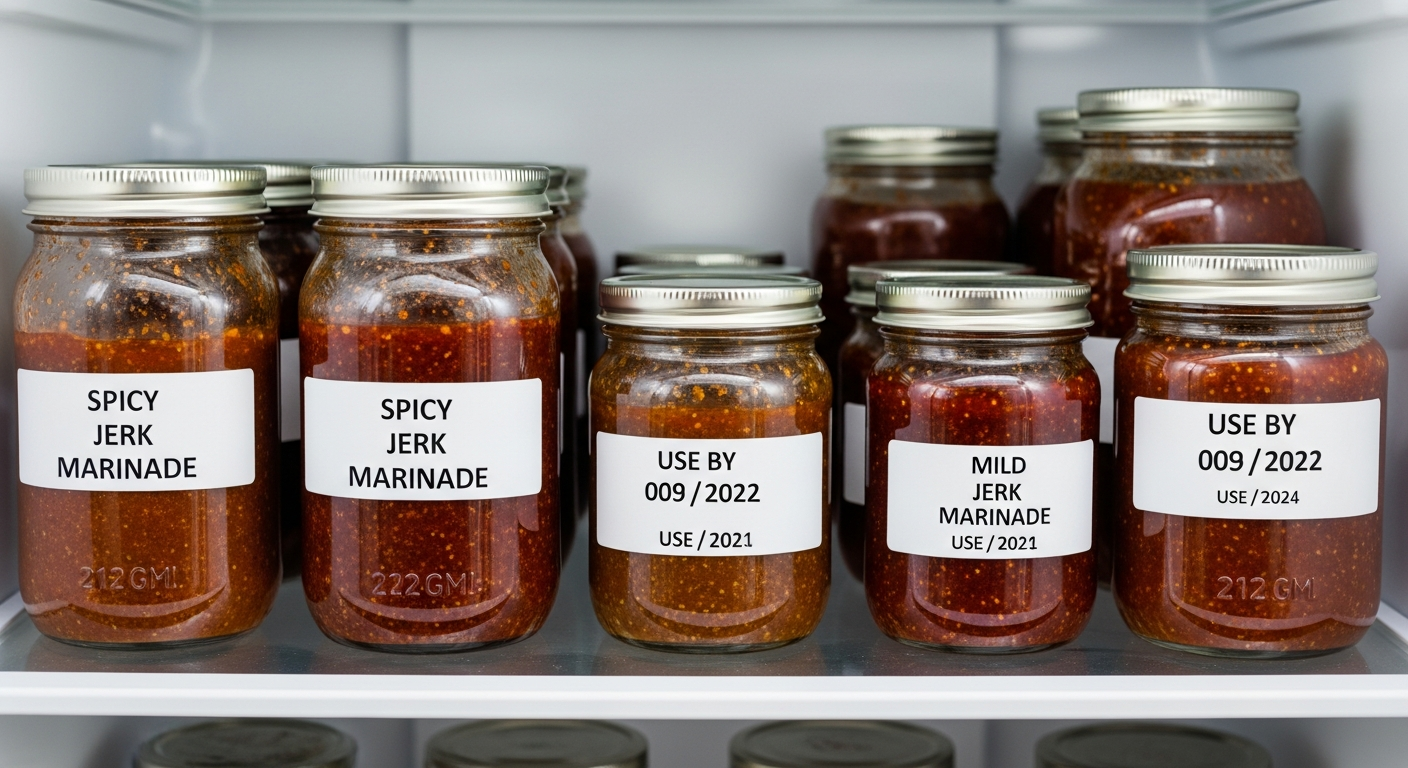
Fresh marinade keeps in the refrigerator for five to seven days in an airtight glass container. For longer storage, pour into ice cube trays and freeze — each cube equals roughly two tablespoons, making it easy to thaw exactly what you need for a quick weeknight marinade without defrosting an entire batch.
For the most efficient batch preparation, make a concentrated base by doubling the spice and aromatics while reducing liquid ingredients by half. This concentrated paste stores for up to two weeks refrigerated or six months frozen. When ready to use, thin it with fresh lime juice, soy sauce, and oil to your preferred consistency.
Always label every container with the date. The powerful aroma of jerk marinade can mask early signs of spoilage, and dating your batches removes all guesswork. At peak quality, the marinade will be vibrant green-brown in color with a bold, complex aroma. Any off smells or slimy texture are signs to discard and start fresh.