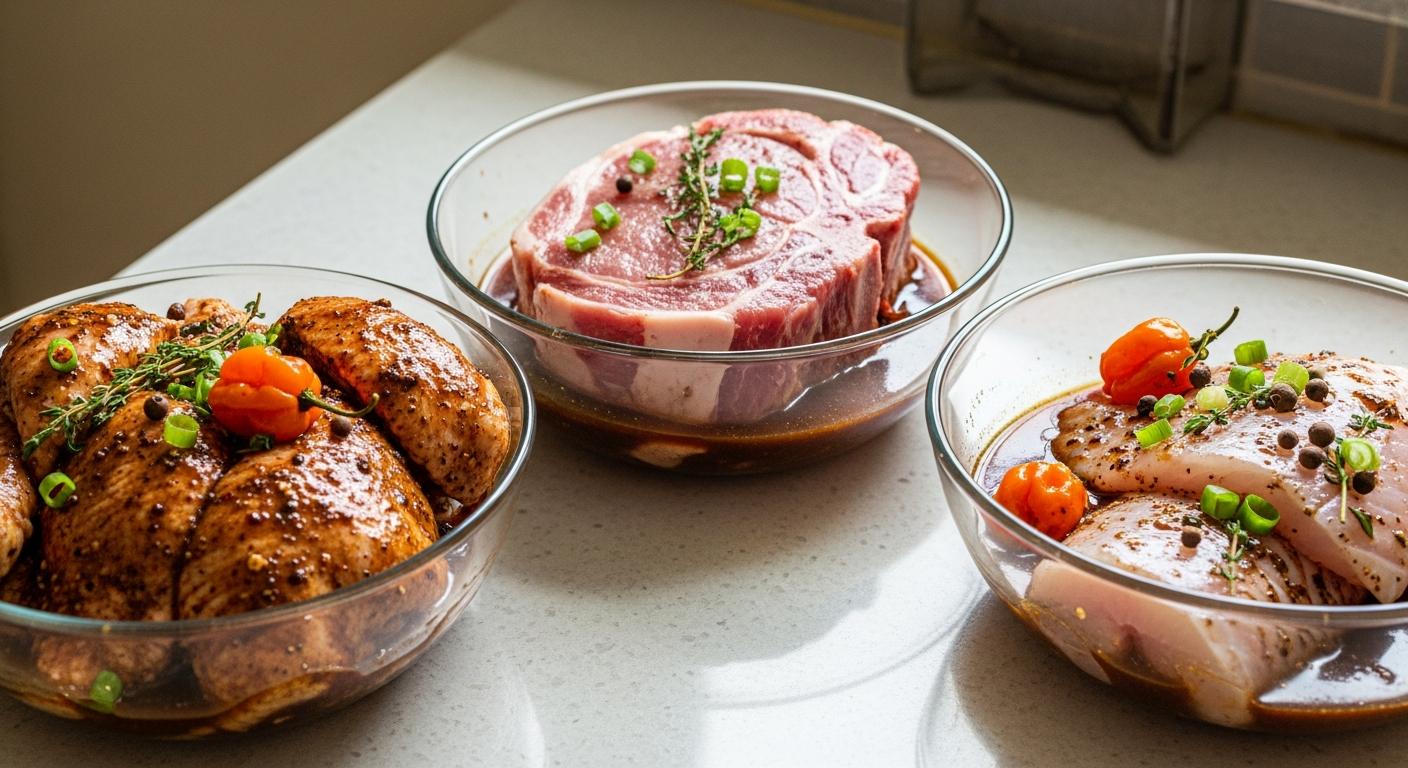
Jerk marinade timing for meat is one of the most frequently asked questions in Caribbean cooking, and for good reason. The difference between properly marinated jerk chicken and under- or over-marinated meat is dramatic. Too little time and the complex flavors of scotch bonnet, allspice, and thyme remain on the surface, creating a disconnect between the flavorful exterior and bland interior. Too much time and the acids in the marinade break down protein fibers excessively, producing mushy, chalky textures that no amount of perfect grilling can fix.
The Science Behind Marination Timing
Understanding why timing matters requires a basic grasp of what happens when meat meets marinade. The process involves three mechanisms occurring simultaneously: acid penetration, salt diffusion, and flavor absorption.
Acid from lime juice and vinegar denatures surface proteins, effectively beginning to cook the outer layers of the meat. This is the same process that turns raw fish into ceviche. In controlled amounts, this denaturation tenderizes the meat. In excess, it creates a mushy, unappetizing texture.
Salt from soy sauce penetrates deep into the meat through osmosis, seasoning the interior and helping to retain moisture during cooking. Salt penetration is slower than acid damage, which is why longer marination times generally improve internal seasoning even as the surface becomes more vulnerable.
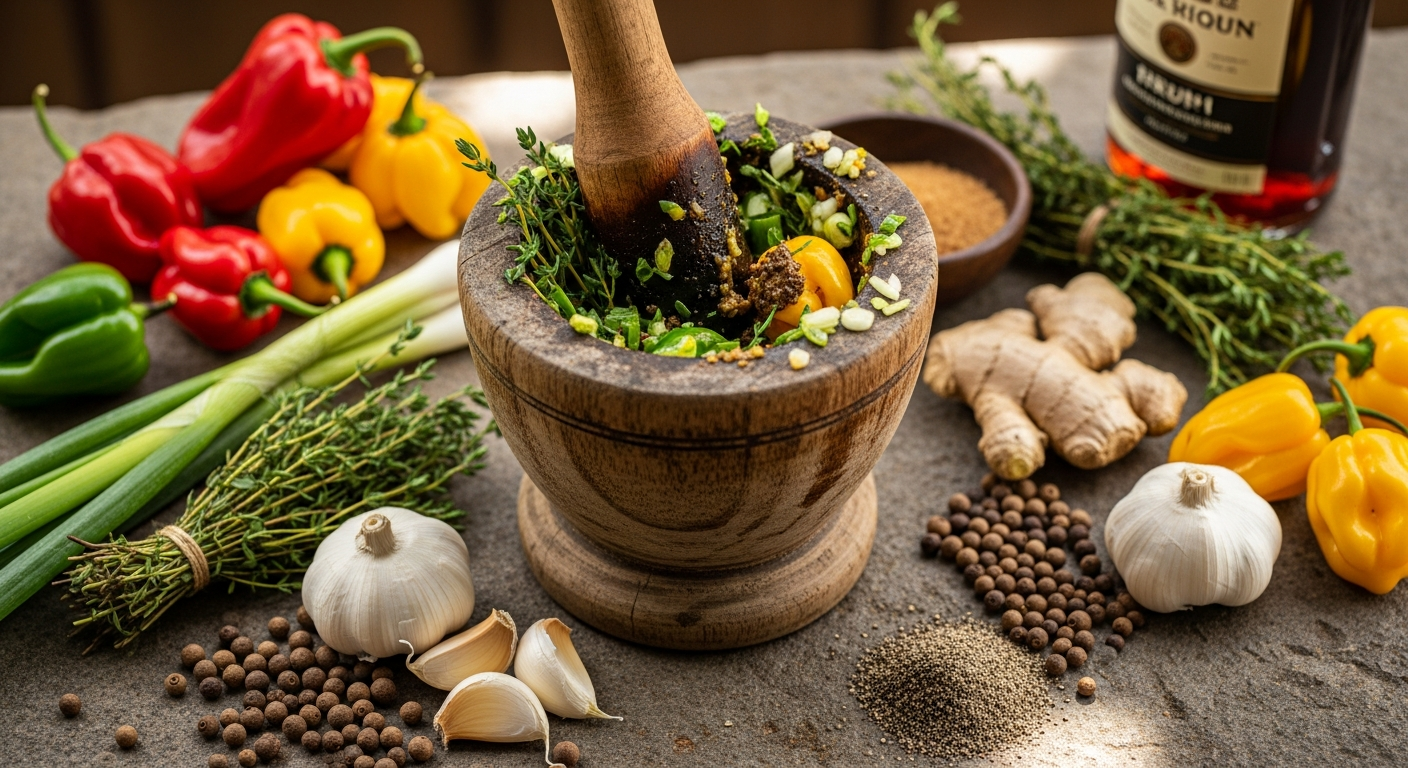
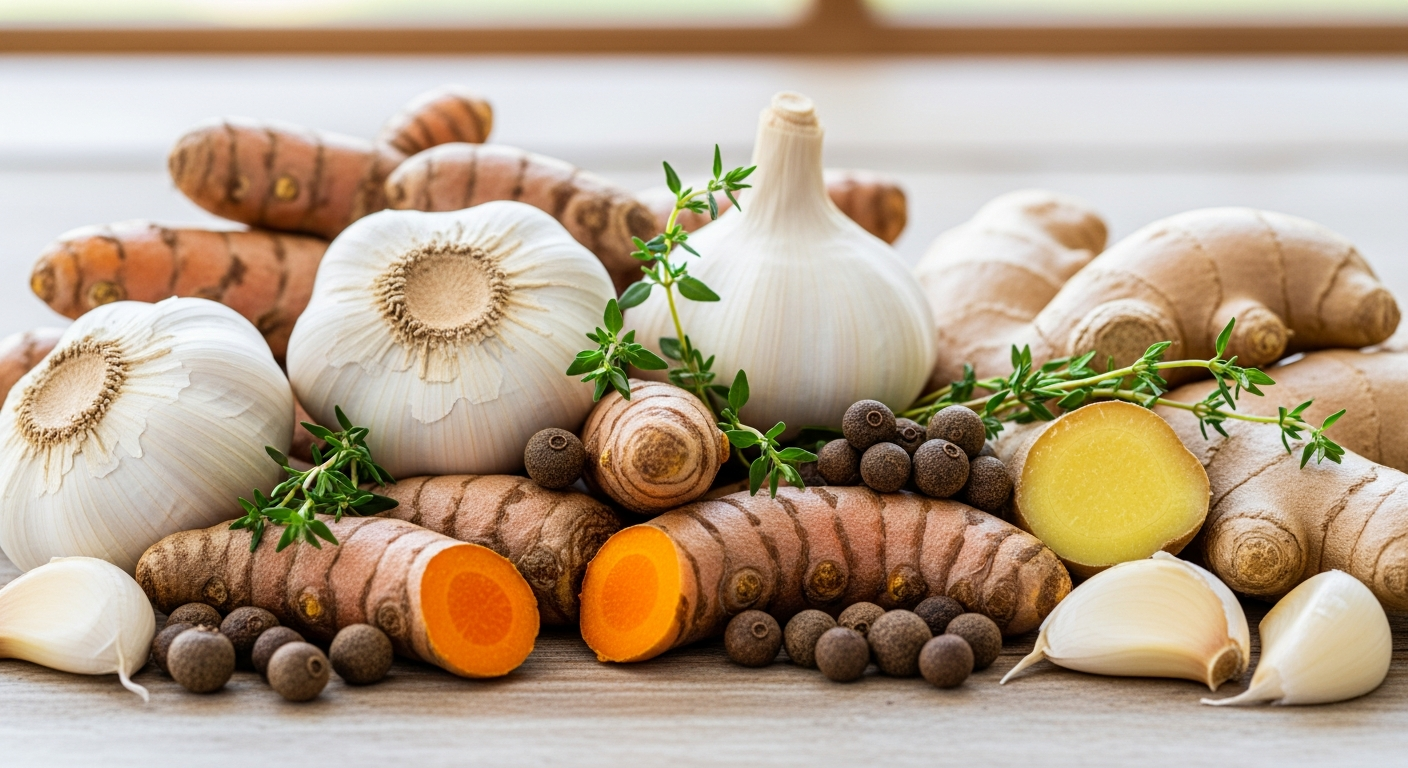
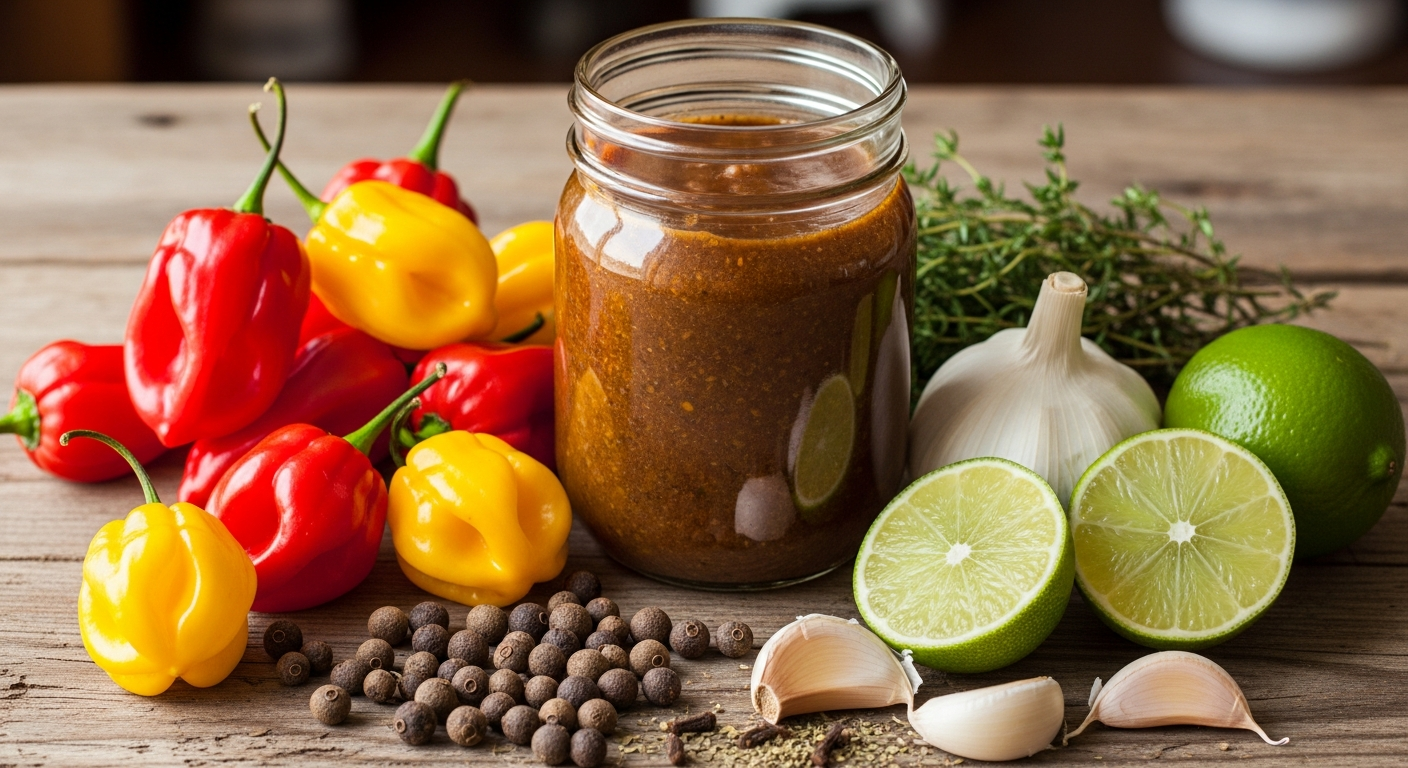
The aromatic compounds in allspice, thyme, garlic, and ginger are absorbed primarily by the fat within the meat. This is a slower process that depends on temperature — slightly warmer meat absorbs flavors faster, which is why some Caribbean cooks let meat sit at room temperature for thirty minutes before refrigerating the marinating batch.
Chicken: The Four-Hour Minimum
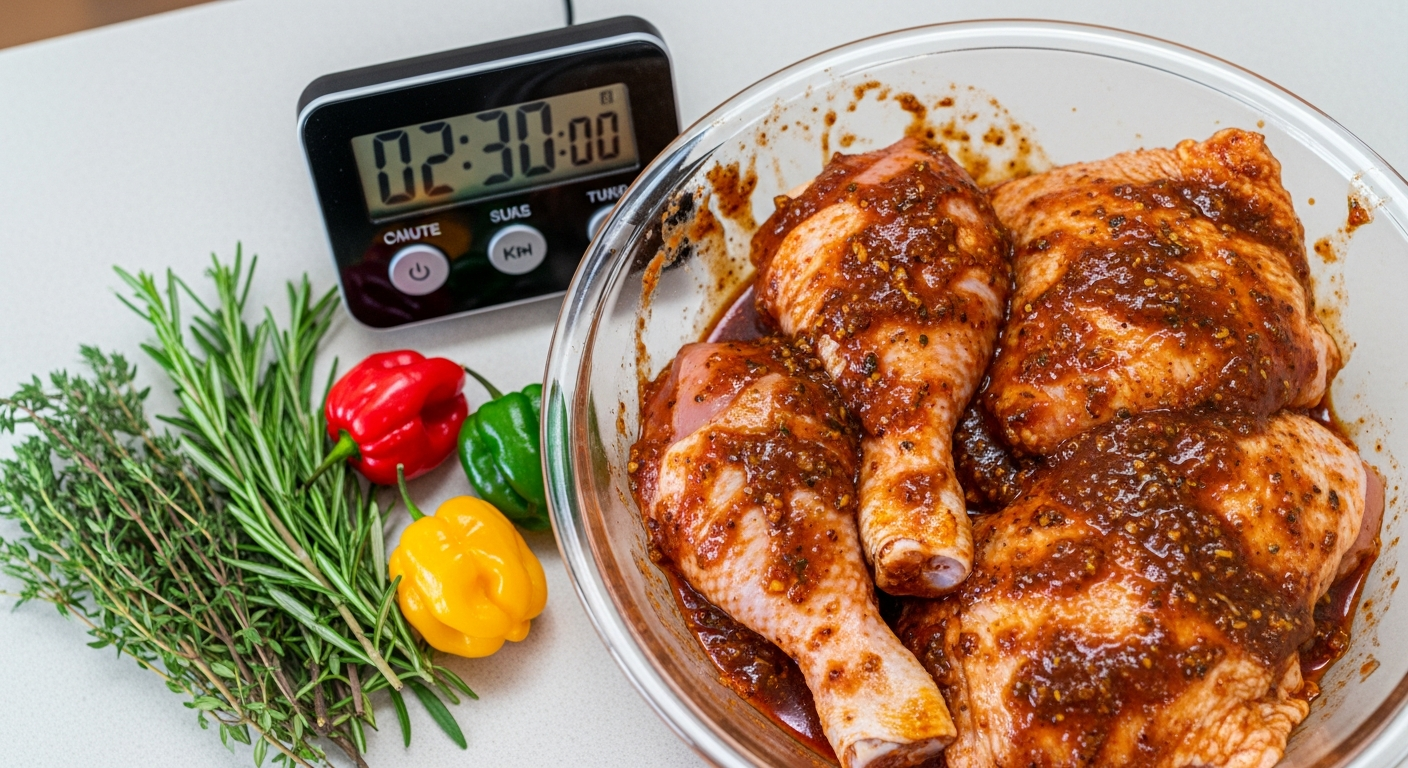
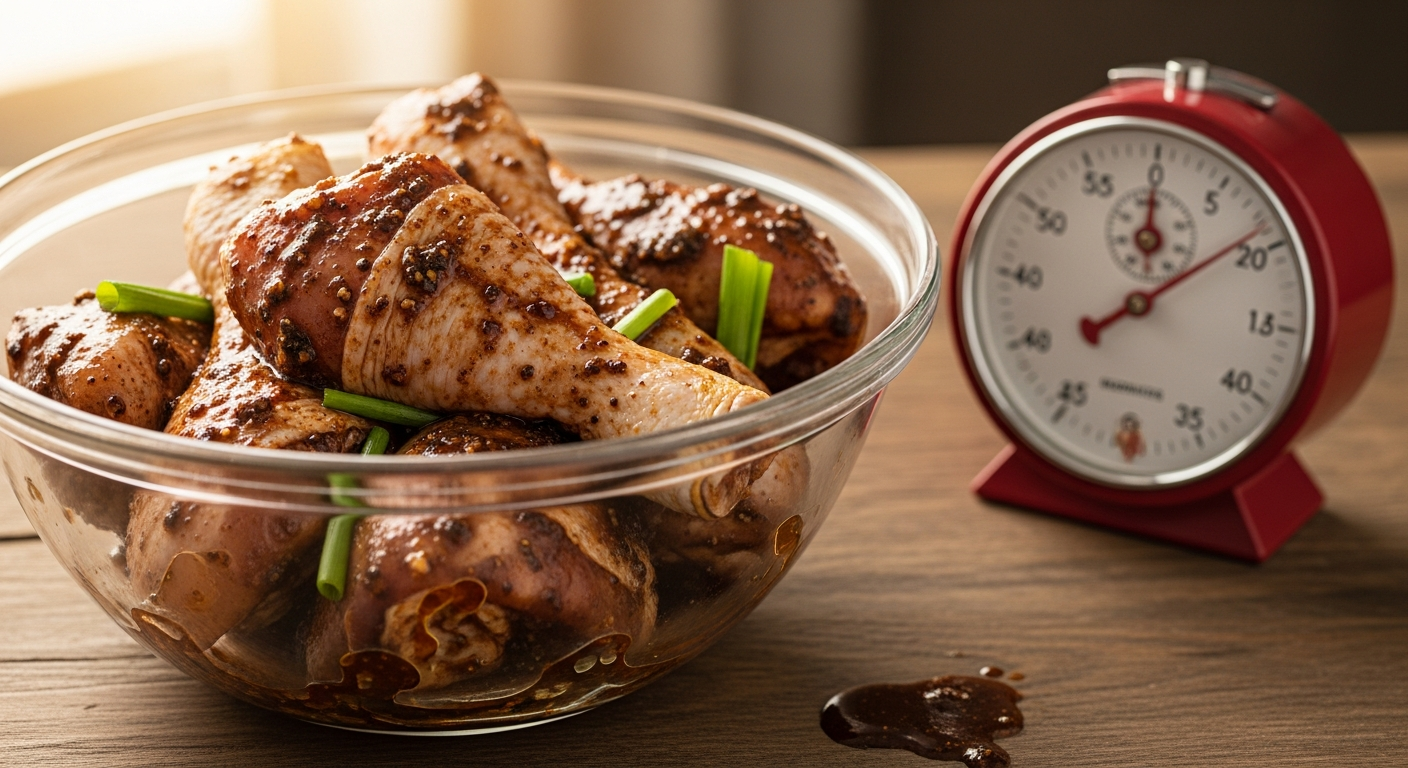
Chicken is the most traditional jerk protein, and it rewards patient marination. The absolute minimum for bone-in chicken pieces is four hours. This provides enough time for the salt to begin seasoning the interior and for the surface acids to tenderize the outer quarter-inch of the meat.
The optimal window for bone-in chicken thighs and drumsticks is twelve to twenty-four hours. During this extended marination, the flavors penetrate deep enough that every bite carries the full jerk flavor profile. The acid tenderization is controlled by the fat content of dark meat, which acts as a buffer.
Boneless, skinless chicken breast needs less time — six to twelve hours maximum. Breast meat has less fat to protect against acid breakdown, and its thinner profile allows faster flavor penetration. Beyond twelve hours, breast meat begins to develop a chalky texture on the surface while the interior remains properly seasoned.
Whole butterflied chicken benefits from the longest marination — twenty-four hours is ideal. Score the thick portions of the thighs and breast deeply, rub marinade into every cut, and place the chicken skin-side down in a large container. The skin protects the surface from excessive acid exposure while the deep scores allow internal seasoning.
Pork: The Patient Protein
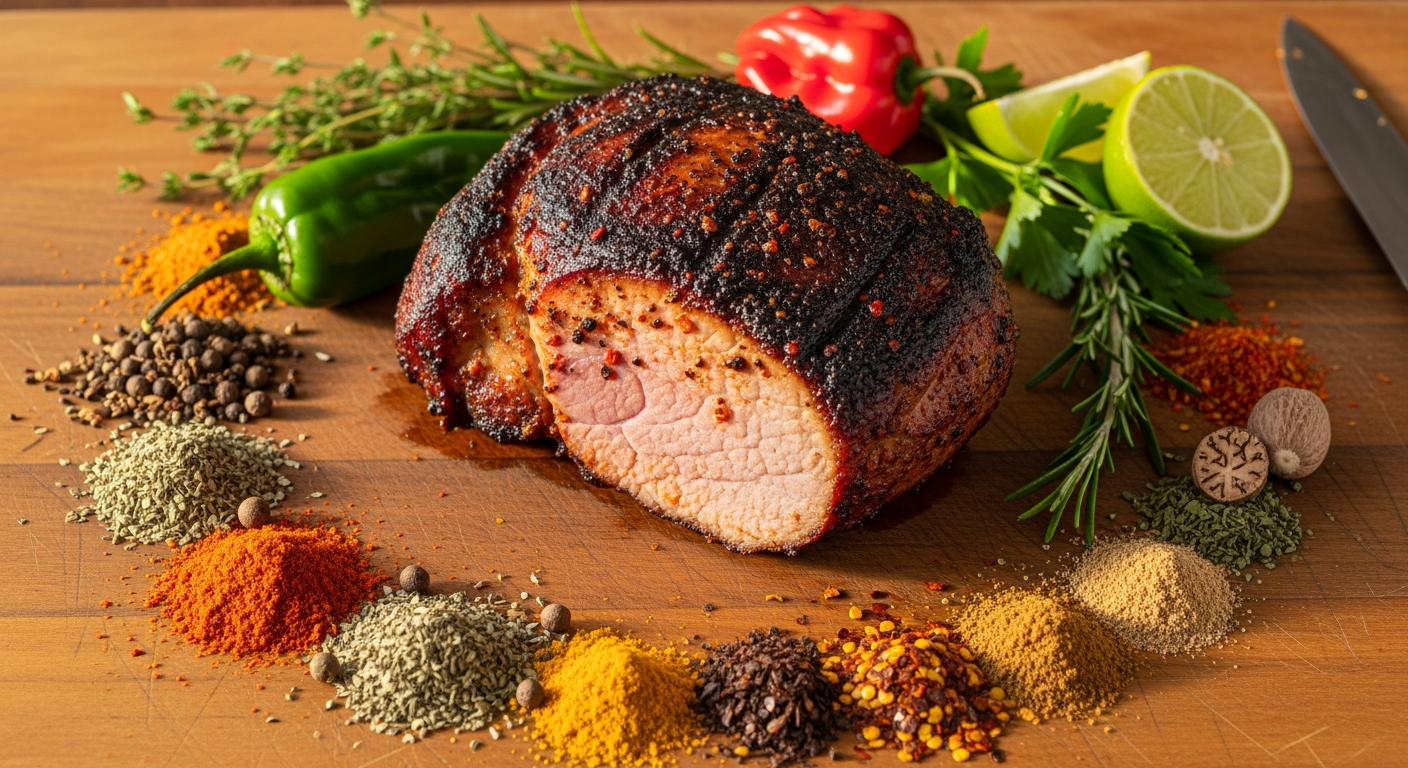
Pork shoulder — the second most traditional jerk protein — has the ideal characteristics for long marination. Its abundant fat marbling and connective tissue are resistant to acid damage, meaning it can safely marinate for up to forty-eight hours without textural problems.
For pork shoulder destined for low-and-slow cooking, marinate for twenty-four to forty-eight hours. The long exposure allows the jerk flavors to penetrate deep into the dense muscle tissue, and the subsequent long cooking time further develops and melds the flavors.
Pork chops and tenderloin, being leaner cuts, need less time. Four to eight hours for bone-in chops, two to six hours for tenderloin. Pork tenderloin is particularly sensitive to acid — its lean, fine-grained muscle becomes rubbery and dry if over-marinated.
Ribs fall between shoulder and chops in terms of ideal timing. St. Louis-style spare ribs benefit from twelve to twenty-four hours of marination. Baby back ribs, being leaner, do well with eight to twelve hours.
Seafood: The Delicate Balance
Seafood requires the most careful attention to marination timing. The delicate proteins in fish and shellfish denature much faster than meat proteins, meaning the window between properly marinated and over-marinated is narrow.
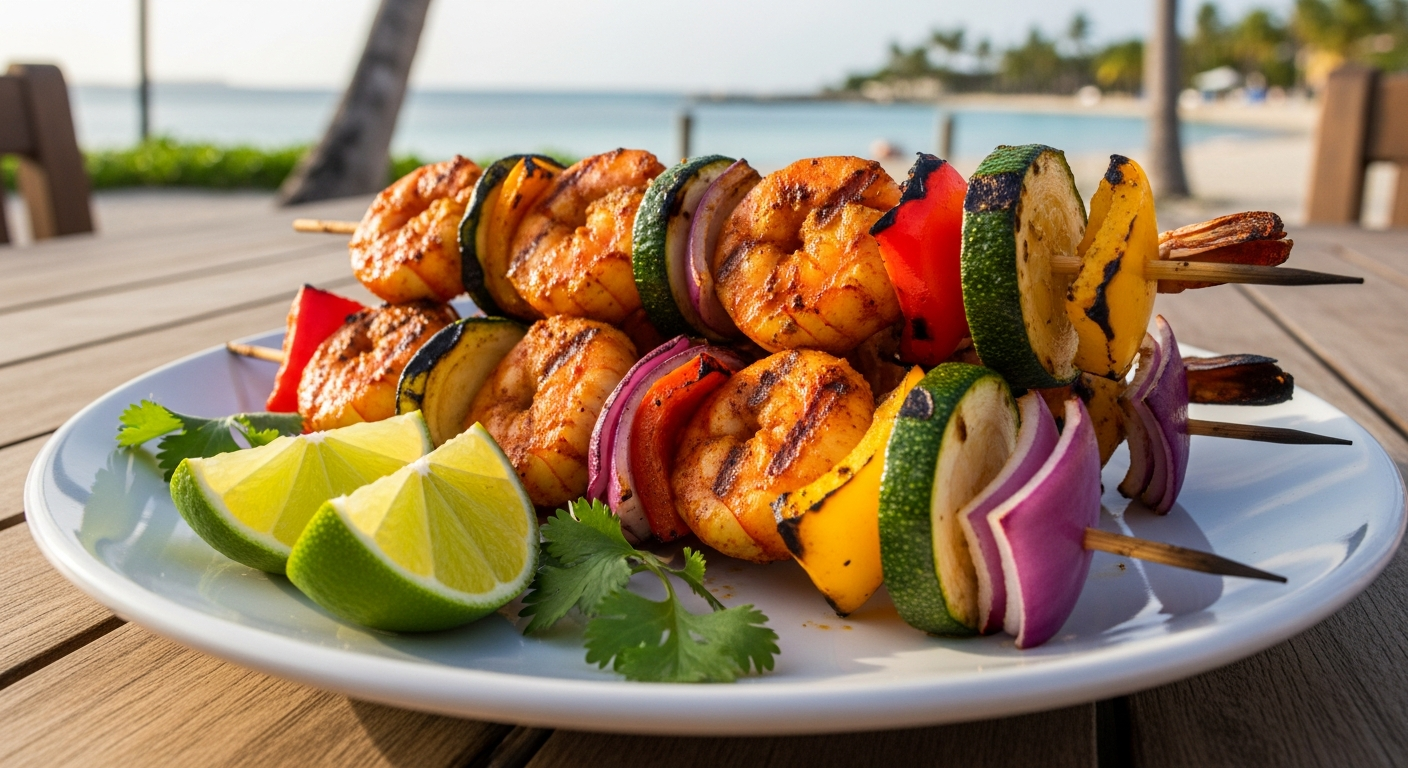
Shrimp should marinate for twenty to thirty minutes. Large shrimp can handle forty-five minutes. Beyond this, the acid begins to make the shrimp tough and rubbery rather than tender and plump. If you need to hold marinated shrimp longer than thirty minutes before cooking, reduce the acid in the marinade by half.
Firm fish fillets — mahi-mahi, swordfish, snapper — can marinate for thirty to sixty minutes. Thinner fillets like tilapia and sole need only fifteen to twenty minutes. Whole fish with deep scores can handle one to two hours.
Lobster tail and crab legs need only fifteen to twenty minutes. These shellfish absorb flavors rapidly through their porous shells, and their delicate texture is easily damaged by acid.
Beef and Lamb: Adapting Jerk for Red Meat
While not traditional Caribbean proteins, beef and lamb take beautifully to jerk marinades. Steaks (ribeye, strip, skirt) benefit from two to six hours of marination — enough time for the flavor to penetrate without the acid overwhelming the beefy character.
Beef brisket or chuck roast can marinate for twenty-four to forty-eight hours, similar to pork shoulder. The dense muscle fiber and heavy marbling protect against acid damage while the extended time allows deep flavor penetration.
Lamb chops do well with four to eight hours. Leg of lamb, like other large cuts, benefits from overnight marination — twelve to twenty-four hours — with deep scoring to allow penetration into the thickest portions.
Tofu and Plant-Based Proteins
Extra-firm tofu should be pressed to remove excess water, then marinated for two to four hours. Tofu's porous structure absorbs marinade rapidly, and unlike meat, there are no proteins to denature — so the timing consideration is purely about flavor absorption.
Tempeh can marinate for four to eight hours. Its denser, nuttier structure benefits from longer exposure. Seitan behaves similarly to chicken breast and does well with four to six hours.
Temperature and Timing
Always marinate in the refrigerator — never at room temperature for more than thirty minutes. Bacteria multiply rapidly in the temperature danger zone between forty and one hundred forty degrees Fahrenheit, and the nutrient-rich marinade provides an ideal growth medium.
If you need to speed up marination, there are safe techniques. Scoring the meat more deeply creates shorter pathways for flavor penetration. Injecting marinade directly into thick cuts using a kitchen syringe reduces effective marination time by roughly half. And using a vacuum-sealed bag, even without a vacuum sealer — simply submerging a zip-top bag in water to push out air before sealing — increases the marinade-to-surface contact and can reduce marination time by about thirty percent.