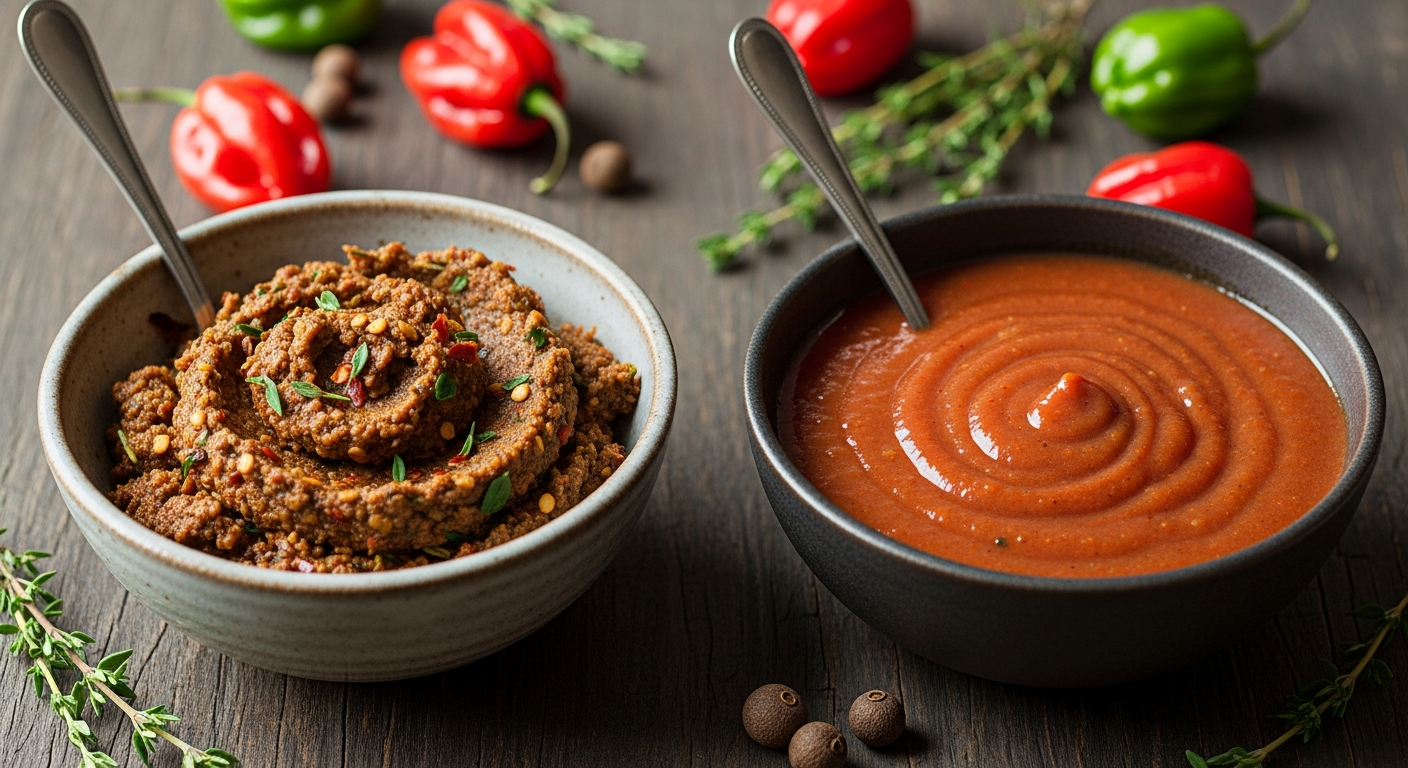
Jerk chicken marinades traditional vs modern represents one of the most spirited debates in Caribbean cooking. On one side stand the traditionalists, who insist that authentic jerk can only be made using techniques and ingredients that have remained unchanged for generations. On the other stand the modernists, who embrace new ingredients, tools, and approaches that make jerk more accessible and sometimes more complex. Both sides produce exceptional food, and understanding each approach will make you a better jerk cook regardless of which camp you ultimately favor.
The Traditional Approach
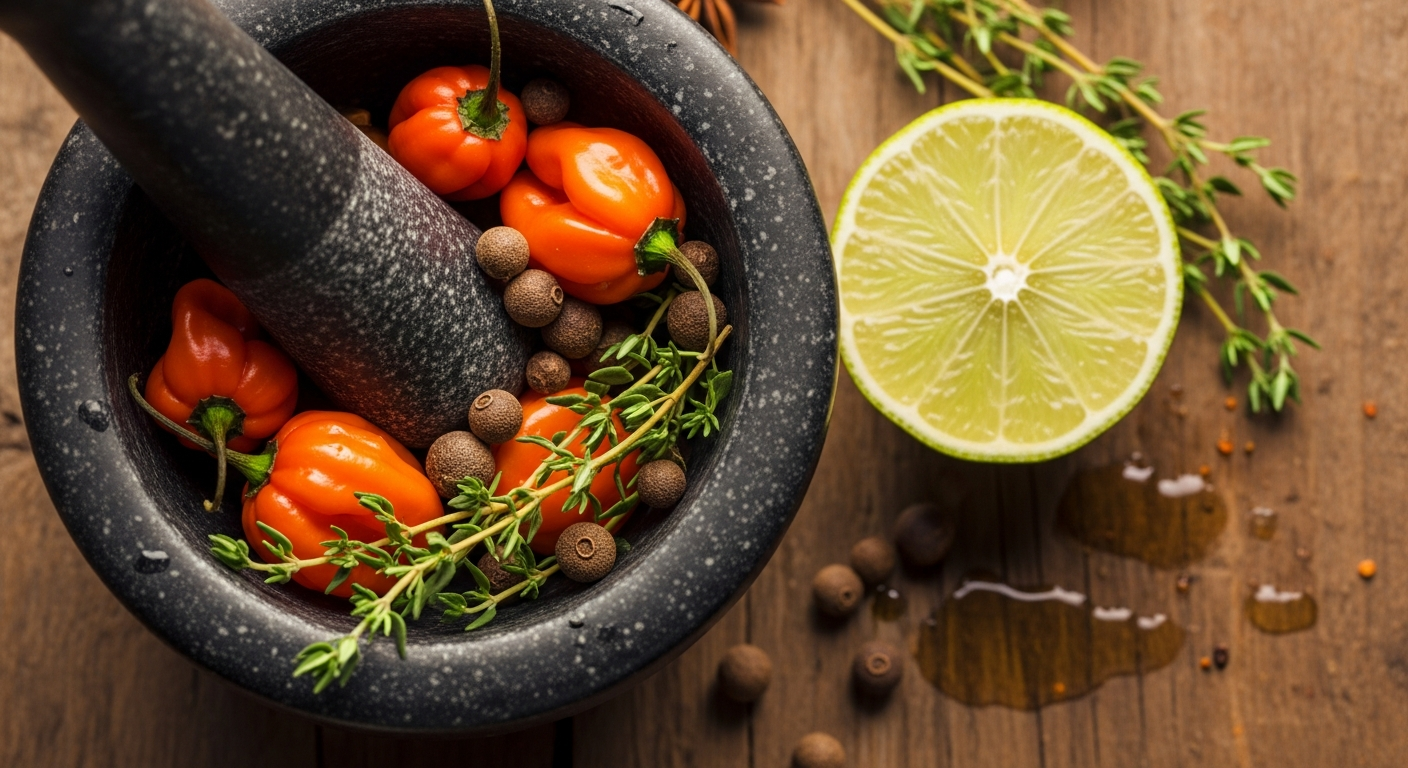
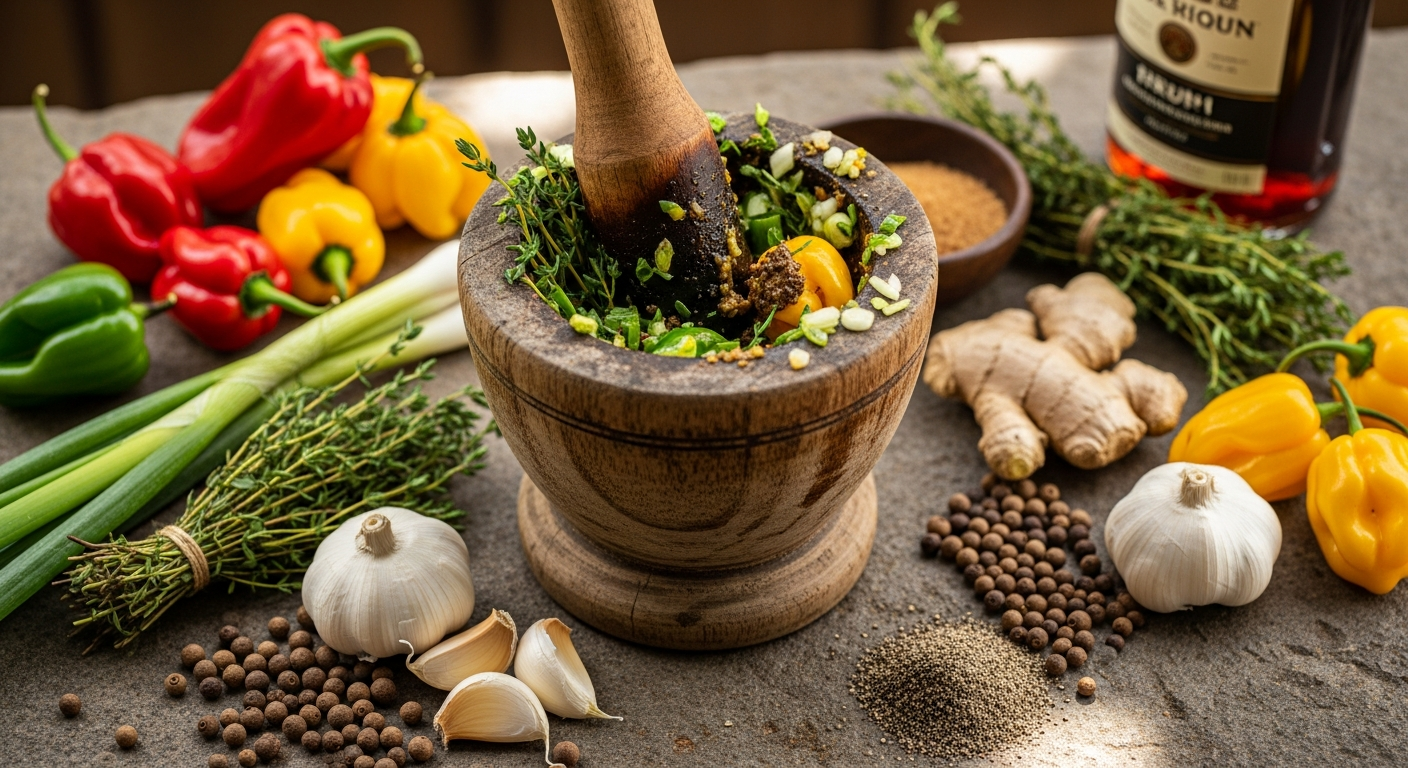
Traditional jerk marinades begin with a mortar and pestle. Before food processors and blenders existed, every jerk marinade in Jamaica was prepared by hand-grinding the ingredients into a coarse paste. This method produces a textured marinade with irregular particle sizes — large pieces of allspice alongside finely ground scotch bonnet, visible chunks of garlic next to smooth ginger paste.
This texture matters more than most people realize. Irregular particle sizes create uneven flavor distribution on the meat's surface, meaning every bite is slightly different from the last. Some bites deliver a concentrated hit of allspice. Others lead with the fruity burn of scotch bonnet. This variety within consistency is a hallmark of traditional jerk that machine-processed marinades struggle to replicate.
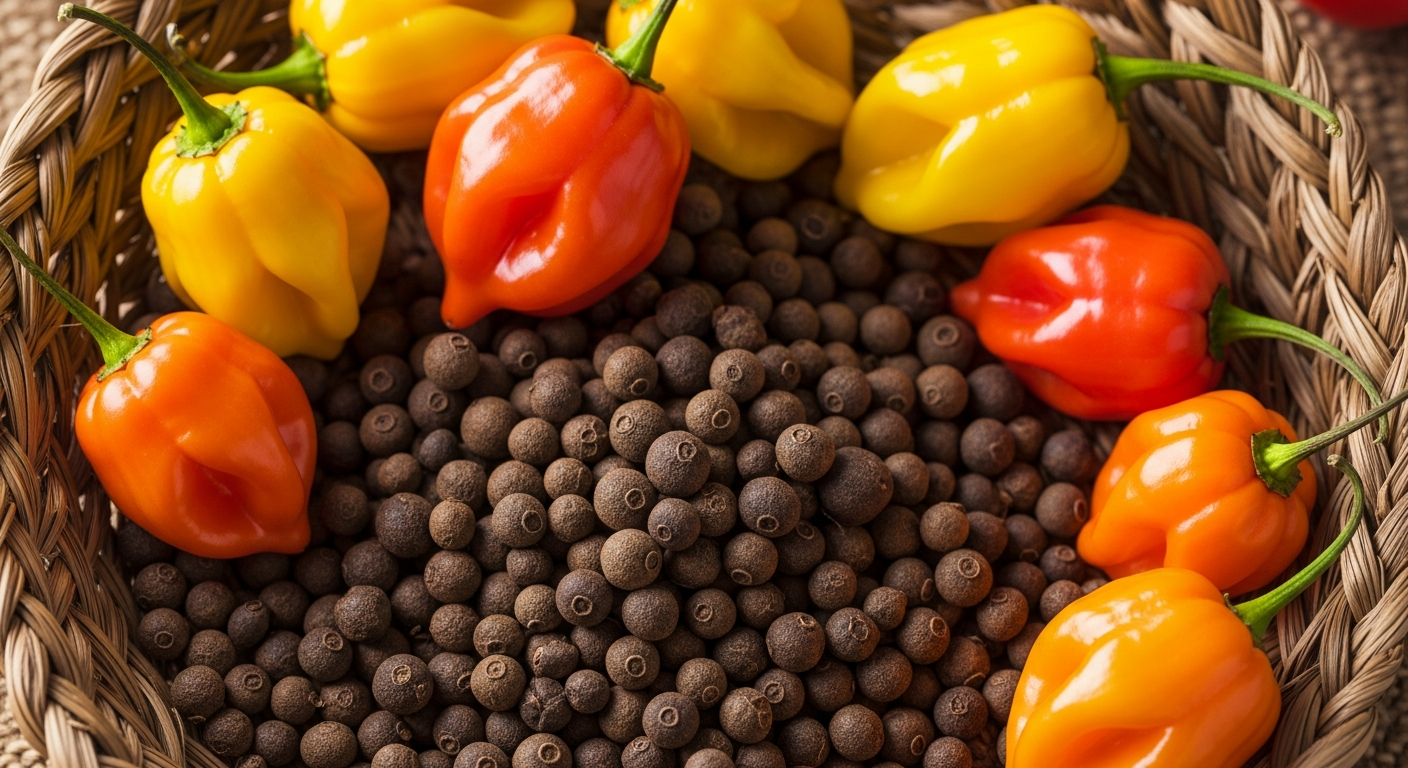
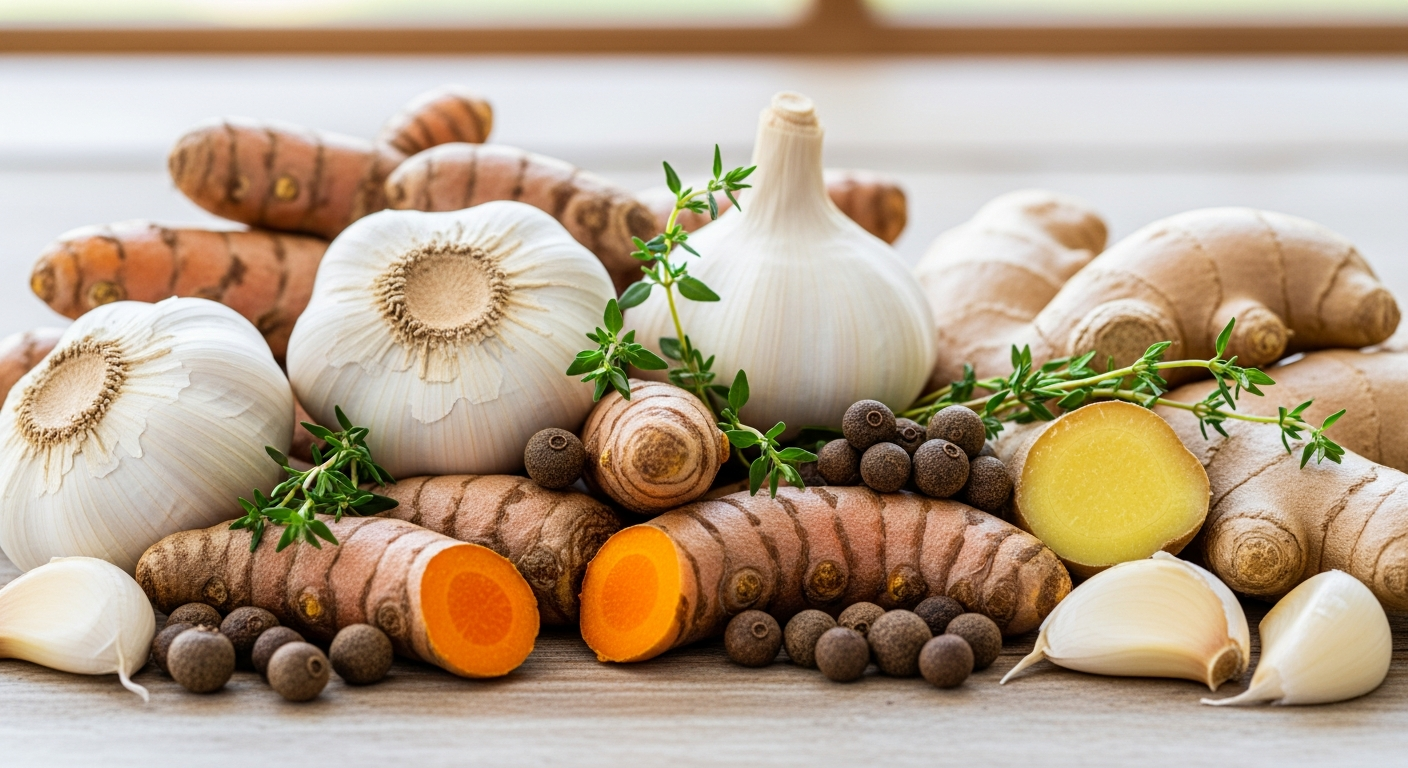
The traditional ingredient list is remarkably short: scotch bonnet peppers, allspice berries (always whole, never pre-ground), fresh thyme, scallions, garlic, and salt. That is it. No soy sauce, no brown sugar, no lime juice, no ginger. These additions are all relatively modern introductions that have become so ubiquitous they are now often mistaken for traditional ingredients.
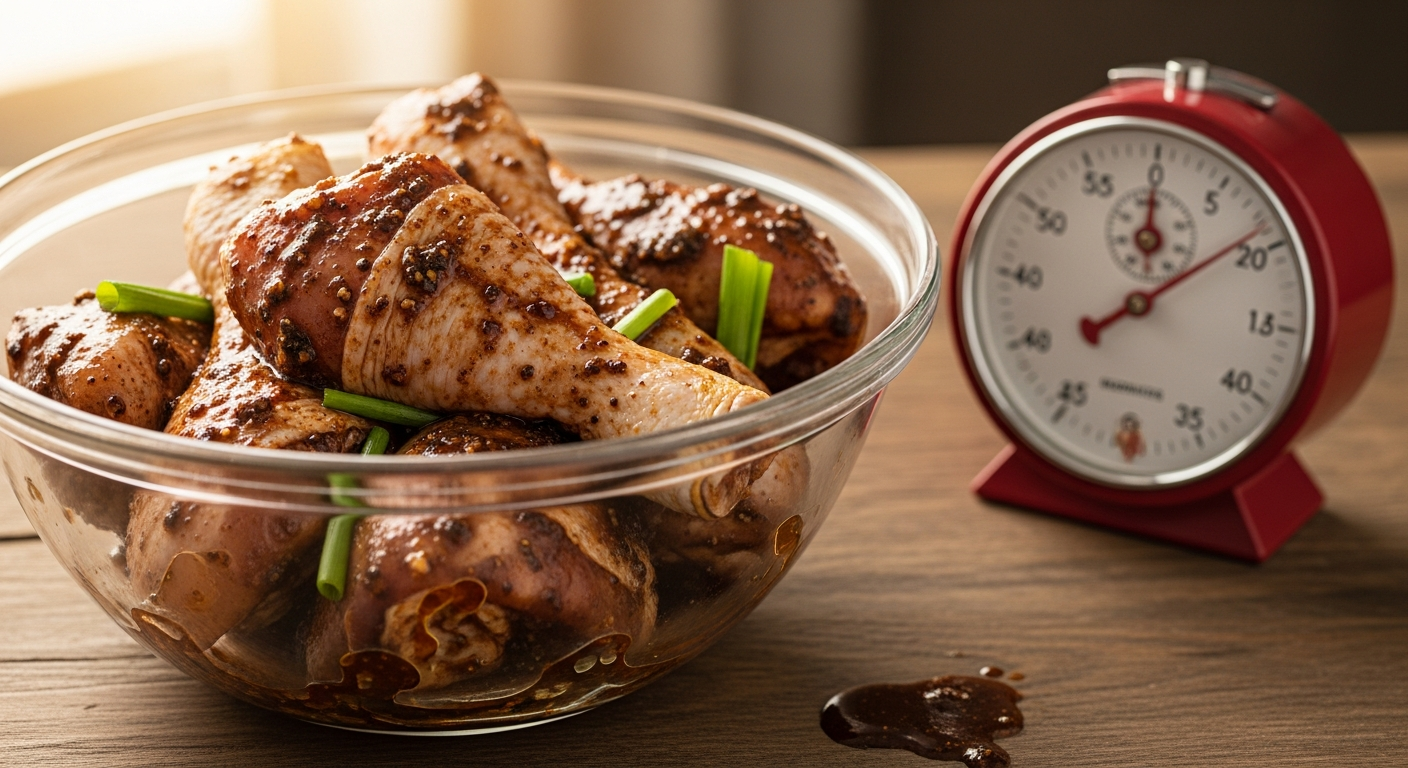
The original sweetness in jerk came from the allspice itself and from the caramelization of the meat's natural sugars during slow cooking over pimento wood. The original salt came from sea salt or the meat's own juices concentrated during smoking. The original acid came from natural fermentation — the marinade sitting on the meat for extended periods in the tropical heat, developing tang and complexity through microbial activity.
The Modern Approach
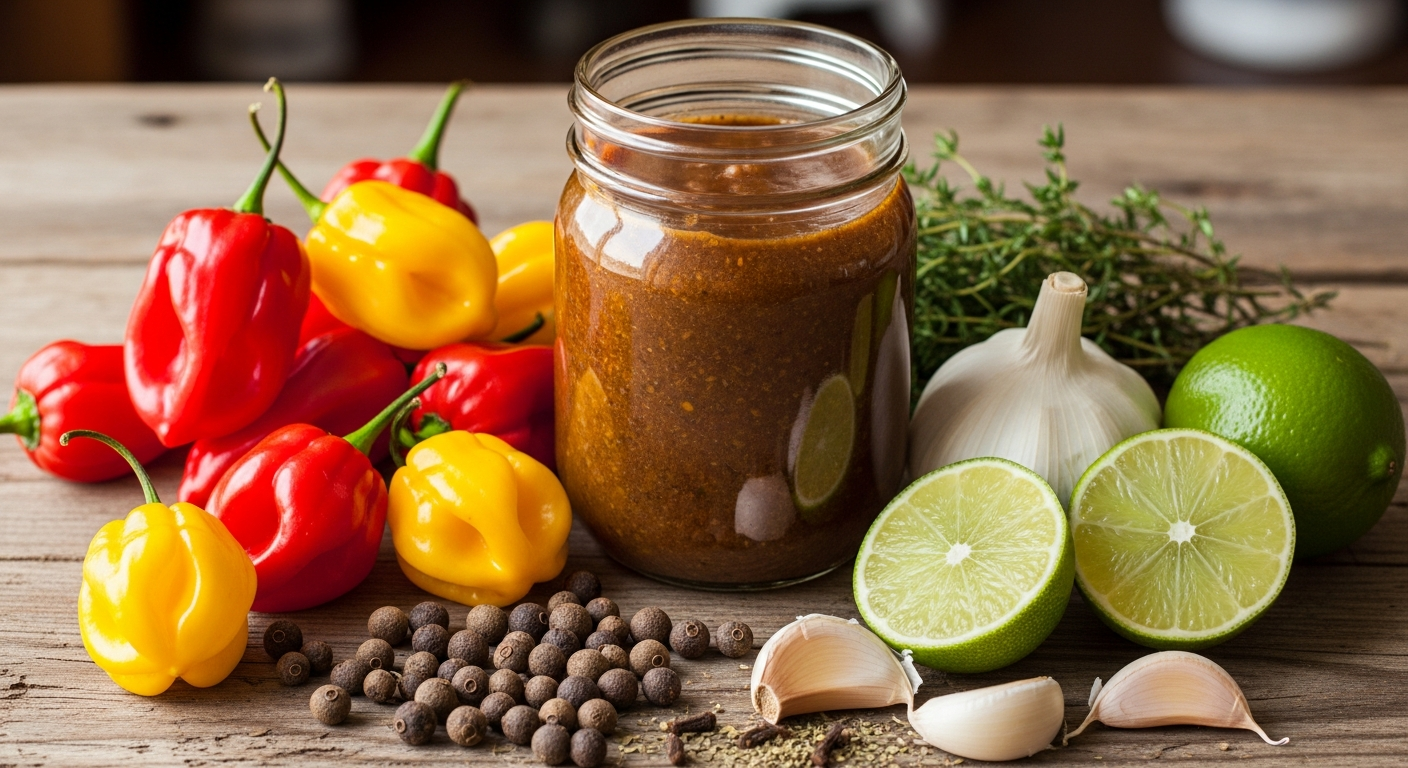
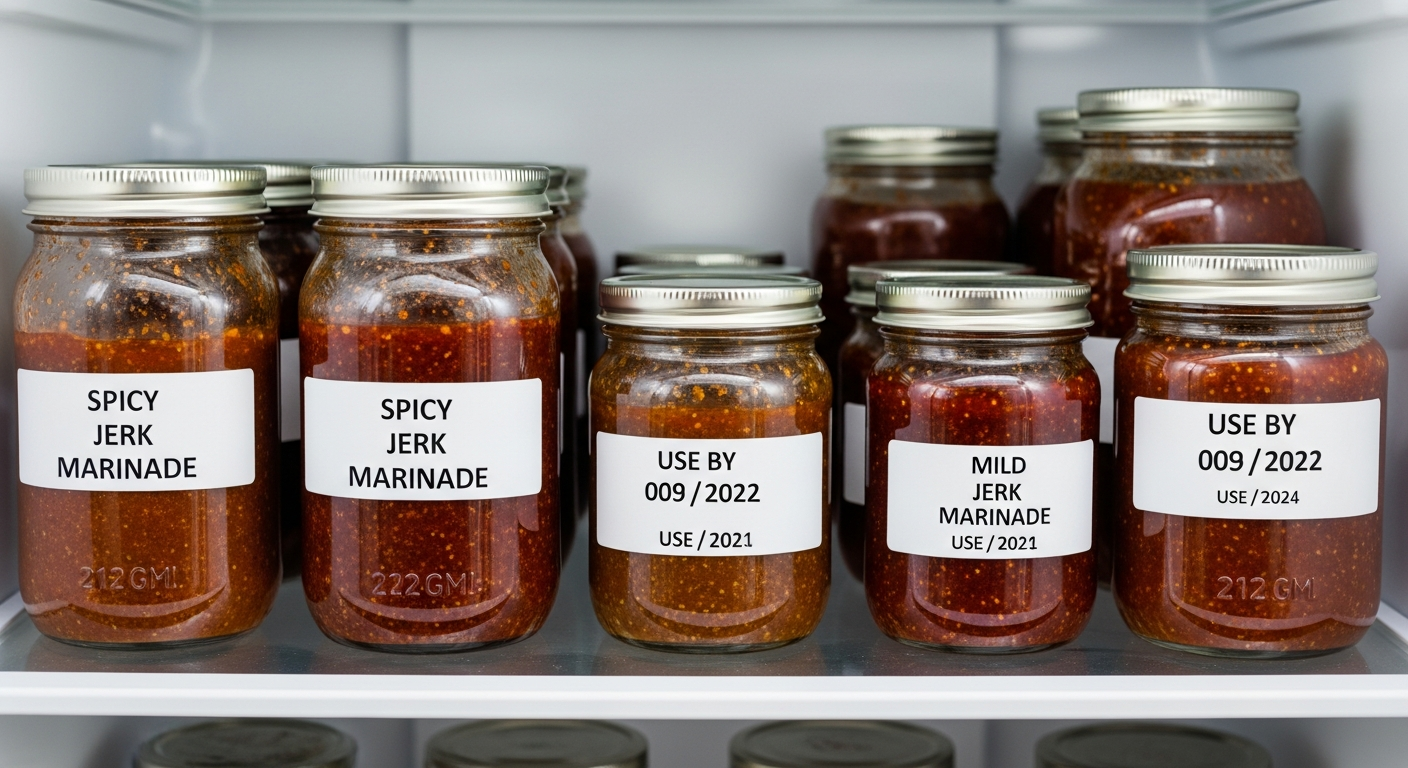
Modern jerk marinades are built in a blender or food processor, producing a smooth, homogeneous paste that distributes evenly across the meat. This consistency ensures reliable results — every portion of the protein receives the same concentration of flavor, which is particularly important for commercial operations and home cooks who want predictable outcomes.
The modern ingredient list is substantially longer than the traditional one. Soy sauce (introduced to Jamaican cuisine through Chinese immigrant communities) adds umami depth and consistent saltiness. Brown sugar provides readily available sweetness for caramelization. Lime juice offers controlled acidity for tenderization. Ginger adds a sharp, warm dimension. Browning sauce (a Jamaican pantry staple since the mid-twentieth century) contributes deep color and savory complexity.
Some modern variations push further: mango or pineapple juice for tropical sweetness, rum for warmth and depth, coconut milk for richness, coffee for bitter complexity, or even Asian fish sauce for additional umami. Each addition moves the marinade further from its traditional roots while potentially creating something new and delicious.
Preparation Method Differences
Beyond ingredients, the preparation methods differ significantly. Traditional preparation involves pounding the ingredients to a paste in a large wooden mortar, a process that can take fifteen to twenty minutes of vigorous work. This physical labor was once communal — families would prepare jerk marinade together, with different members responsible for different stages of the pounding.
Modern preparation takes sixty seconds in a food processor. The convenience is undeniable, and for weeknight cooking, it makes jerk accessible to people who would never spend twenty minutes with a mortar and pestle. However, something is lost in the speed — the gradual release of essential oils during slow pounding produces aromatic qualities that rapid blade-chopping does not fully replicate.
A middle-ground approach that many experienced cooks favor is to toast and hand-grind the whole allspice berries, then add them to the food processor along with the other ingredients pulsed to a coarse consistency rather than a smooth puree. This preserves some of the textural benefits of traditional preparation while saving significant time.
Flavor Profile Comparison
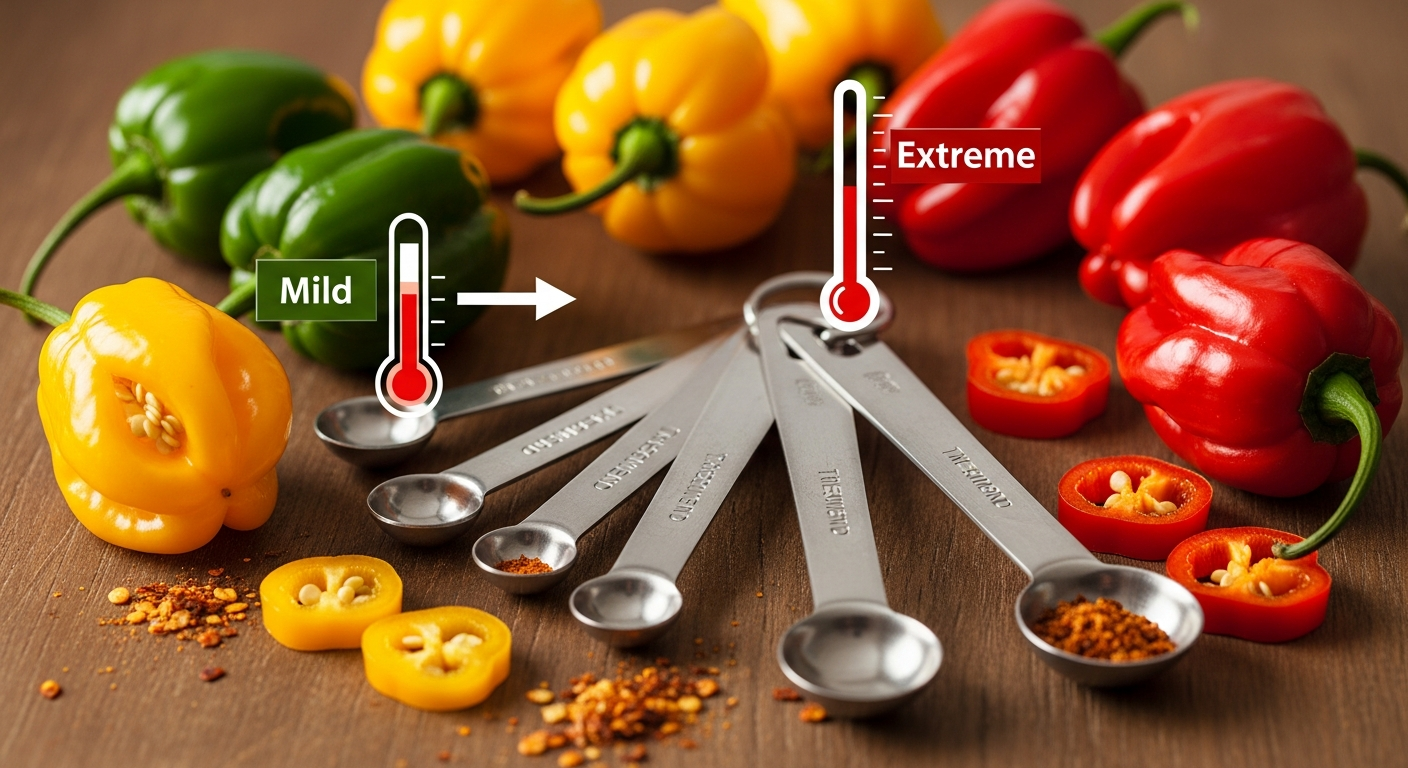
Traditional jerk marinade produces a more aggressive, concentrated flavor. Without soy sauce, sugar, and acid to buffer the spices, the scotch bonnet and allspice dominate unapologetically. The heat is more immediate and direct. The aromatic complexity comes primarily from the allspice, which in traditional preparations is used in larger quantities than most modern recipes call for.
Modern jerk marinade produces a more balanced, layered flavor. The soy sauce adds savory depth, the sugar enables better caramelization, the lime juice brightens the overall profile, and the ginger adds a warm sharpness that complements the scotch bonnet. It is more approachable for palates unaccustomed to traditional Caribbean heat levels.
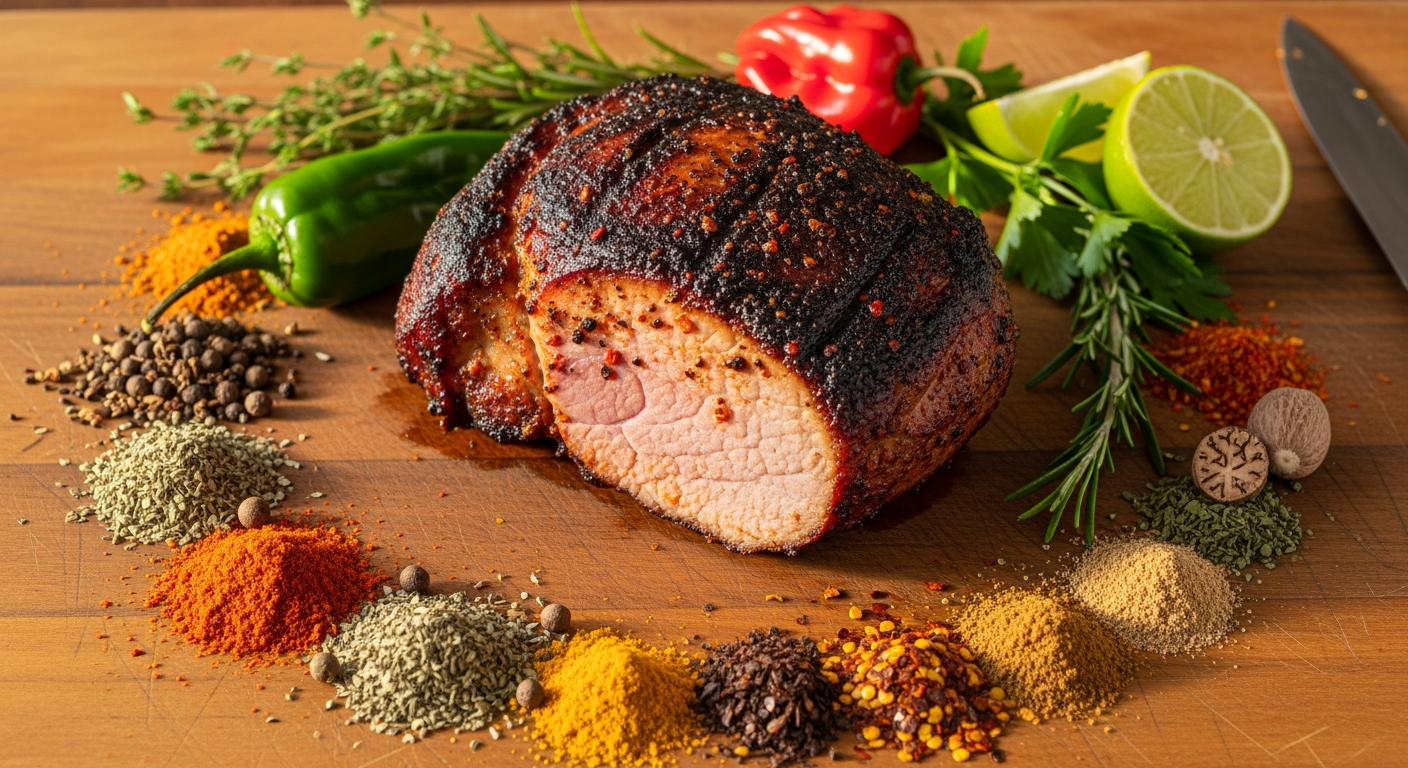
Neither approach is objectively better — they are different expressions of the same culinary tradition. Traditional marinades excel when cooking over pimento wood, where the smoke provides the sweetness, depth, and complexity that the simpler marinade intentionally omits. Modern marinades are better suited to gas grills, ovens, and other cooking methods where smoke flavor is absent or minimal.
When to Choose Each Approach
Choose traditional when you have access to pimento wood or a good smoker, when you want maximum heat and spice intensity, when you are cooking for experienced Caribbean food lovers, or when you want to connect with the cultural roots of jerk cooking.
Choose modern when cooking on a gas grill or in an oven, when serving guests with varying heat tolerance, when you want predictable results for a large gathering, or when convenience is a priority without sacrificing quality.
The wisest approach is to master both. Understanding traditional technique gives you an appreciation for the roots of jerk cooking and an instinct for the flavor balance that defines authentic Caribbean cuisine. Understanding modern variations gives you flexibility, accessibility, and the ability to adapt jerk to different cooking situations and palates.