Best Cut for Jerk Pork: A Complete Comparison Guide
Not all pork cuts respond to jerk marinade the same way. Shoulder is the definitive jerk cut for slow cooking; ribs are ideal for smoking; chops are the fastest weeknight option; tenderloin is the most elegant. This guide compares every major cut on fat content, marinade penetration, cook time, and the jerk result you can expect.
Cut Comparison Overview
Choosing the right pork cut for jerk cooking determines the cooking method, marinating time, and the type of result — whether that's pulled, sliced, or individual portions. Here is how the major cuts compare:
| Cut | Fat Level | Marinade Time | Cook Time | Best For |
|---|---|---|---|---|
| Shoulder (Boston Butt) | Very High | 24–48 hours | 6–10 hours | Pulled pork, feeding crowds |
| Spare Ribs | High | 12–24 hours | 4–6 hours | Smoked ribs, parties |
| Baby Back Ribs | Medium | 8–12 hours | 3–4 hours | Weekends, smaller groups |
| Bone-In Rib Chop | Medium | 4–12 hours | 10–14 minutes | Weeknights, quick grilling |
| Tenderloin | Very Low | 2–6 hours | 20–25 minutes | Elegant dinners, small portions |
| Pork Belly | Extreme | 12–24 hours | 3–4 hours | Restaurant-style, appetizers |
Pork Shoulder — The Traditional Choice
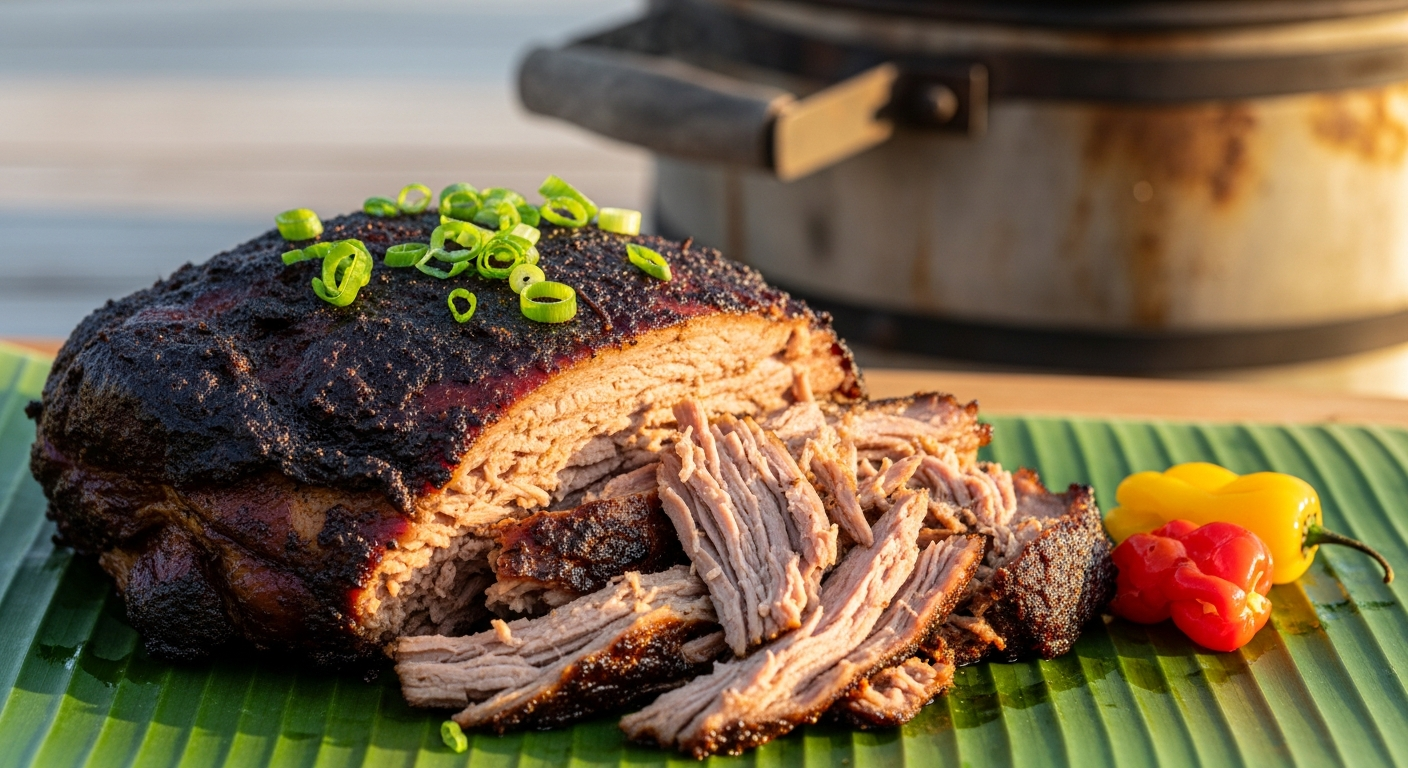
Pork shoulder is the historically correct and practically superior choice for full-scale jerk pork. The Maroons who invented jerk cooking were cooking wild boar — the shoulder of a wild pig is equivalent to pork shoulder in fat content and muscle density. The high collagen content requires long cooking times but rewards patience with extraordinary moisture and flavor. Read the full jerk pork shoulder guide for technique details.
Ribs — The Crowd-Pleaser
Pork ribs are the most visually dramatic jerk pork presentation and the most party-friendly — individual ribs are easy to serve and eat without cutlery. They require a smoker or low indirect grill setup and 3–6 hours of cooking time. The surface area of a full rack absorbs significant marinade, and the fat between and around the bones renders beautifully during smoking. Read the jerk ribs guide for the complete technique.
Chops — The Weeknight Winner
Bone-in pork chops are the fastest jerk pork cut — marinate at breakfast, grill at dinner. Their thinness means the marinade penetrates fully within 4–6 hours, and they cook in under 15 minutes over high direct heat. They are the best choice when time is limited. Read the jerk pork chops guide for detailed technique.
Tenderloin — The Elegant Option
Pork tenderloin is the lean, sophisticated jerk cut — minimal fat, fast cooking, elegant sliced presentation. It requires precise temperature management (145°F) and benefits from a sear-and-roast method. Read the jerk pork tenderloin guide for full technique details.
The Verdict
For the most authentic, deeply flavored jerk pork: shoulder, slow-cooked or smoked. For the fastest weeknight result: bone-in rib chop. For a crowd: spare ribs. For elegant presentation: tenderloin. All of these are covered by the complete jerk pork guide. The marinade is the same regardless of cut — only the timing, temperature, and technique change.
Frequently Asked Questions
Frequently Asked Questions
What is the best cut of pork for jerk cooking?
Can I use pork loin for jerk instead of shoulder?
How do different pork cuts respond to jerk marinade?
Is pork belly good for jerk cooking?
Can I mix different pork cuts when cooking jerk for a group?
Free Newsletter
Get Authentic Jerk Recipes Delivered
Authentic Jamaican recipes, cooking tips, and new guides delivered to your inbox. No spam — unsubscribe any time.
No spam. Unsubscribe anytime.
Complete Guide
Jamaican Jerk Pork: Complete Guide
Everything you need to know about this topic in one comprehensive guide.
Read the complete guide →Continue Learning
Authority Guides
Related Topics
Recipes & Techniques
Written by
Jerk Cuisine Specialist
Marcus Thompson has spent over a decade studying Jamaican culinary traditions, from the jerk pits of Boston Bay to home kitchens across the Caribbean diaspora.
View full bio