Understanding the ingredients in Jamaican jerk cooking is understanding why jerk tastes the way it does. Every ingredient in a jerk marinade plays a specific role — and substituting or omitting the wrong one produces a dish that tastes Caribbean-adjacent but not authentically Jamaican jerk.
This guide covers every ingredient used in traditional jerk cooking: what it is, why it's there, how much to use, what happens if you skip it, the best substitutes, where to source it, and how to store it. This is the reference to bookmark before you blend your next batch of marinade.
⚡ Quick Facts — Jerk Ingredients
🇯🇲 Why This Guide Matters
Most jerk recipes list ingredients without explaining the role of each one. This creates cooks who can follow a recipe but can't troubleshoot when something tastes wrong — or adapt when an ingredient is unavailable. This guide explains the why behind each ingredient, which gives you the knowledge to adjust with confidence rather than guessing.
The Two Non-Negotiables
Before anything else, understand that jerk cooking has exactly two ingredients that cannot be substituted without fundamentally changing what you're making:
- Scotch bonnet peppers — the heat source with a fruity, tropical aromatic quality that no other pepper replicates
- Allspice (pimento berries) — a single spice that simultaneously resembles cloves, cinnamon, and black pepper, and serves as the aromatic backbone of every jerk preparation
Every other ingredient in jerk cooking is important but flexible. Regional and family variations exist for everything else. But if you don't have scotch bonnet and allspice, you don't have jerk — you have something else.
Scotch Bonnet Peppers
What It Is
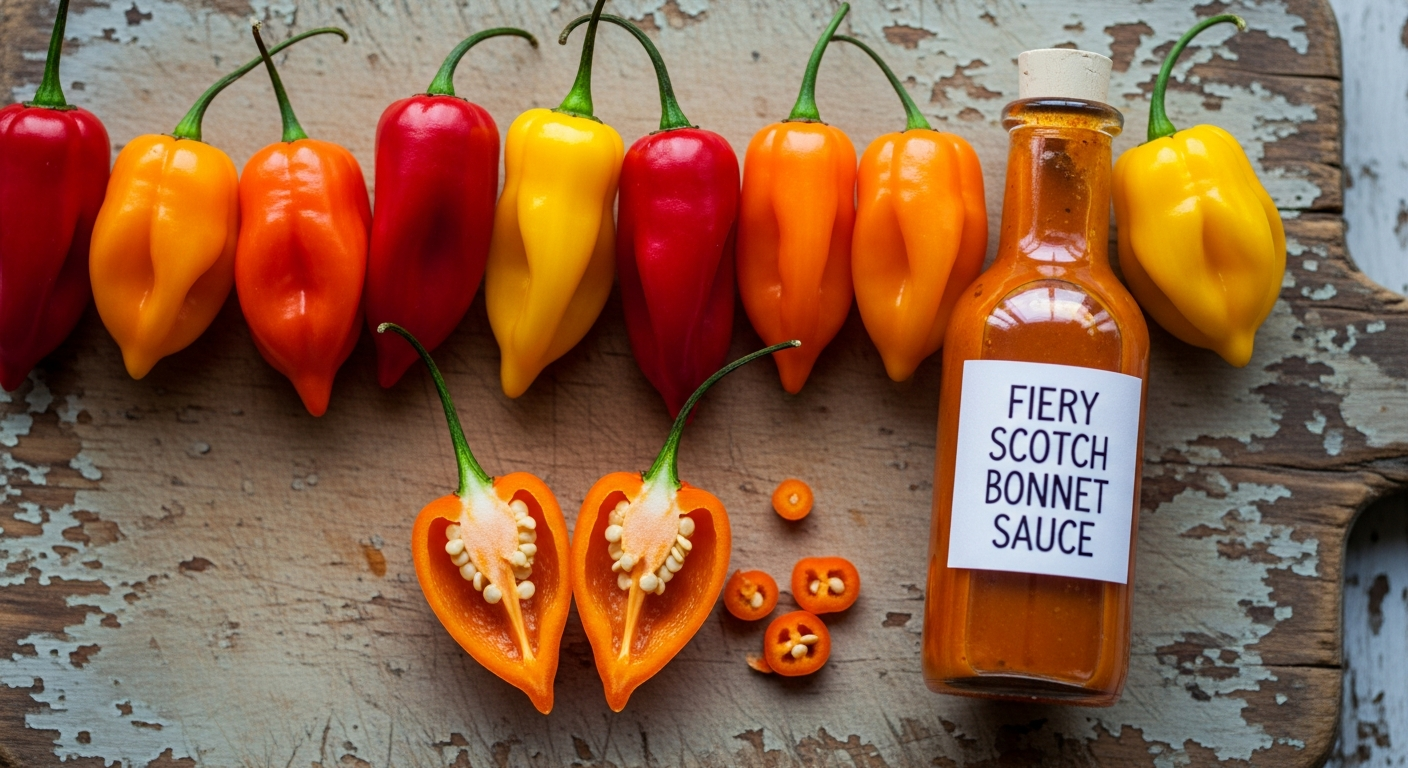
Scotch bonnet (Capsicum chinense) is a variety of habanero-type pepper native to the Caribbean. Named for its resemblance to a tam o'shanter hat, it is the defining hot pepper of Jamaican, Trinidadian, and broader Caribbean cuisine. The heat level ranges 100,000–350,000 Scoville units — roughly 10–40 times hotter than a jalapeño.
Why It's in Jerk
Scotch bonnet doesn't just provide heat — it provides a distinctive fruity, floral, tropical aroma (often described as apricot, cherry, or mango) that is intrinsic to the jerk flavor profile. This aromatic quality is absent from other hot peppers of similar heat. You cannot replicate it with cayenne, jalapeño, or generic "hot sauce." The flavor of jerk chicken is, in large part, the flavor of scotch bonnet meeting allspice.
How Much to Use
| Heat Level | Scotch Bonnets | Notes |
|---|---|---|
| Mild | 1 (seeded and deveined) | Fruity flavor without significant heat |
| Medium | 2 (seeded) | Noticeable but manageable heat |
| Hot | 3 (whole) | Authentic Jamaican heat level |
| Very Hot | 4+ (whole) | For experienced heat lovers only |
Best Substitutes
- Habanero (best) — same heat range, similar fruity aromatics, 1:1 ratio
- Ají dulce + smoked paprika — Caribbean sweet pepper with paprika for color/mild heat; keeps fruity flavor without heat
- Red Fresno — less fruity, similar heat; acceptable but flavor is less complex
- Jalapeño — much milder, completely different flavor profile; last resort only
Related guides: jerk marinade without scotch bonnet, making jerk chicken without scotch bonnet, and allspice and scotch bonnet in jerk cooking.
Where to Buy
- Caribbean/West Indian grocery stores (most reliable; buy in bulk and freeze)
- Specialty produce sections of larger supermarkets
- Online: Amazon Fresh, Melissa's Produce, various Caribbean food retailers
- Farmers markets in areas with Caribbean communities
Storage
Fresh: 1–2 weeks at room temperature, 2–3 weeks refrigerated. Frozen: up to 6 months (freeze whole; they blend fine from frozen). Pickled: indefinitely refrigerated (reduced fresh flavor).
Allspice (Pimento Berries)
What It Is
Allspice (Pimenta dioica) is a berry from a tree native to the Greater Antilles and Central America. Jamaica is the world's primary producer. The name comes from its flavor — which simultaneously recalls cloves, cinnamon, nutmeg, and black pepper. In Jamaica, allspice is called "pimento" (not to be confused with pimiento, a mild red pepper).
Why It's in Jerk
Allspice is the aromatic backbone of jerk. It provides the warm, complex spice quality that makes jerk taste like jerk — none of the individual components of its flavor alone would achieve the same result. The pimento trees of Jamaica were used to make the traditional pit fires, so the spice permeated the meat from both the wood smoke and the marinade simultaneously.
Ground vs Whole
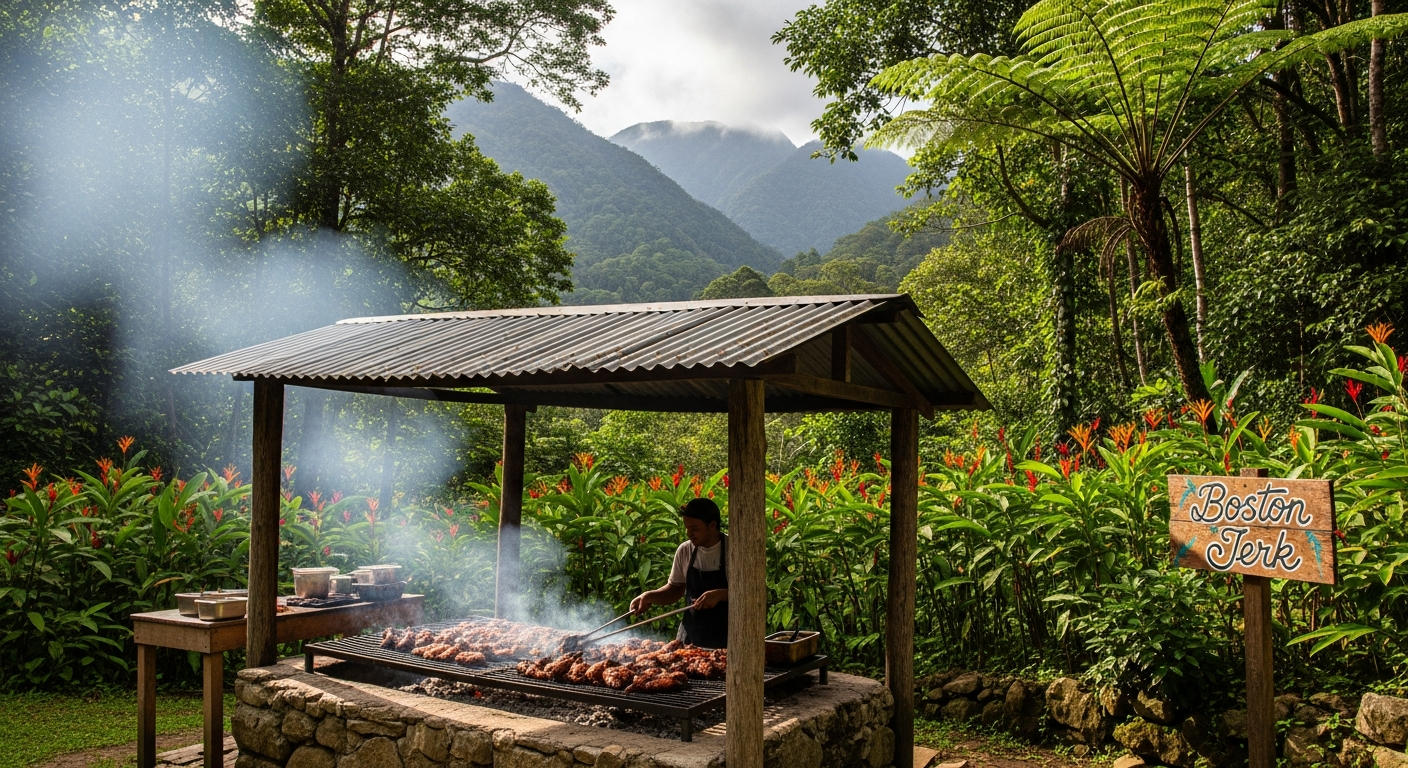
For maximum flavor, grind whole allspice berries fresh in a spice grinder or mortar and pestle. Pre-ground allspice loses most of its aromatic oils within 6 months of opening. Freshly ground delivers 3–4x the aromatic intensity. If using pre-ground, use 1.5x the recipe quantity.
How Much to Use
Standard ratio: 1½ teaspoons ground allspice per batch of marinade (for 3–4 lbs of meat). Maximum 2 teaspoons — excessive allspice becomes astringent and can overwhelm the other flavors.
Best Substitutes
Equal parts ground cloves + ground cinnamon + ground black pepper (one-third each) approximates allspice but imperfectly. This substitute delivers the individual components but not the unified "pimento" quality. Always try to source actual allspice first — it's available in every major grocery store's spice aisle.
Fresh Thyme
What It Is
Thyme is a Mediterranean herb, but the variety traditionally used in Jamaican cooking is Caribbean thyme (Coleus amboinicus, also called Cuban oregano or broad-leaf thyme) — a different plant from common garden thyme, with broader leaves and a more pungent, lemony character. Regular garden thyme (Thymus vulgaris) is an acceptable substitute.
Why It's in Jerk
Thyme provides an herbal brightness that bridges the heat (scotch bonnet) and the warm spice (allspice). It lifts the marinade aromatics and prevents the flavor from becoming heavy or one-dimensional. Fresh thyme is strongly preferred over dried — the volatile aromatic oils in fresh thyme are lost with drying.
How Much to Use
1 teaspoon fresh thyme leaves (stripped from stem) per marinade batch, or ½ teaspoon dried thyme. If using Caribbean thyme (broad-leaf), reduce by one-third — it's more potent.
Substitutes
Dried thyme substitutes adequately (use half the amount). Fresh marjoram or fresh oregano provide a different but acceptable herbal note. Rosemary is too aggressive and should be avoided.
Scallions (Green Onions)
What They Are
Scallions (green onions) are immature alliums used extensively in Jamaican and broader Caribbean cooking. The entire plant — white base and green tops — is used in jerk marinade.
Why They're in Jerk
Scallions provide a sharp, grassy, onion flavor without the harsh sulfur compounds of mature onions. They blend smoothly into the marinade paste without leaving large pieces that would burn on the grill. In Jamaica, scallions (locally grown and more pungent than the North American variety) form the aromatic base of nearly every savory dish.
How Much to Use
6 whole scallions (roughly 1 cup chopped) per marinade batch. Use the full plant — white and green parts both contribute flavor.
Substitutes
White onion or yellow onion are suboptimal — harsher flavor, stronger sulfur note, and they can dominate the marinade. If scallions are unavailable, use half the quantity of red onion plus a handful of fresh chives for the grassy green note. Do not substitute shallots — the flavor profile is wrong.
Garlic and Ginger
Garlic
Role: Depth, savory backbone, umami support
Amount: 4–6 large cloves per batch. Use fresh only — pre-minced garlic in jars contains preservatives that affect flavor.
Substitute: 1 teaspoon garlic powder per 2 cloves (reduced flavor); no perfect substitute for fresh
Ginger
Role: Warmth, brightness, complexity
Amount: 1-inch piece of fresh ginger (roughly 1 tablespoon grated)
Substitute: ½ teaspoon ground ginger per 1 inch fresh (reduced freshness); galangal is an excellent substitute with a more floral, piney character
Brown Sugar and Browning Sauce
Brown Sugar
Role: Balances heat and acid; promotes caramelization and char on the grill; provides the characteristic dark crust
Amount: 2 tablespoons per batch
Substitutes: Dark molasses (1 tbsp), honey (2 tbsp), or coconut sugar (2 tbsp) — each slightly changes the flavor profile but all work
Browning Sauce
What it is: A Jamaican kitchen staple — thick, dark caramel-colored sauce made from burnt sugar, vegetable extracts, and spices. Brands: Grace Browning, Kitchen Bouquet, Gravy Master.
Role: Deepens color (the characteristic mahogany of authentic jerk), adds a subtle molasses-like depth
Amount: 1 teaspoon per batch (a little goes a long way)
Substitutes: 1 teaspoon dark molasses OR 1 additional teaspoon brown sugar; the color won't be as deep but flavor is maintained
Related: what is jerk seasoning made of, allspice and scotch bonnet in jerk cooking.
Soy Sauce and Citrus
Soy Sauce
Role: Umami depth, salt, and a rich fermented note that anchors the marinade's savory character
Amount: 3 tablespoons per batch
Substitutes: Coconut aminos (slightly sweeter, soy-free); tamari (gluten-free option with similar depth); Worcestershire sauce (thinner, more complex but works); fish sauce (2 tbsp — strong umami, reduces the need for added salt)
Citrus Juice
Role: Acid that tenderizes protein; brightness that lifts the heavy spice notes; provides the "marinade" in jerk marinade (without acid, it's a paste, not a marinade)
Type: Lime is traditional (2 limes per batch). Some recipes use Seville orange, a bitter Caribbean orange, for a more complex acid profile.
Substitutes: Lemon juice (brighter, less tropical), apple cider vinegar (more pungent), white vinegar (neutral acid; use 1 tbsp instead of 2 limes)
Cinnamon, Nutmeg, and Black Pepper
These three supporting spices round out the complexity of jerk flavor without being individually identifiable in the finished dish.
- Ground cinnamon — ½ teaspoon per batch. Warm sweetness that softens the heat and bridges the scotch bonnet and allspice. Ceylon cinnamon (softer, more floral) is preferable to Cassia cinnamon (sharper).
- Ground nutmeg — ¼ teaspoon per batch. Subtle warmth and complexity. Freshly grated from a whole nutmeg is noticeably better than pre-ground.
- Black pepper — 1 teaspoon per batch. Secondary pepper note distinct from the scotch bonnet heat. Do not omit — it supports the allspice complexity.
Pimento Wood
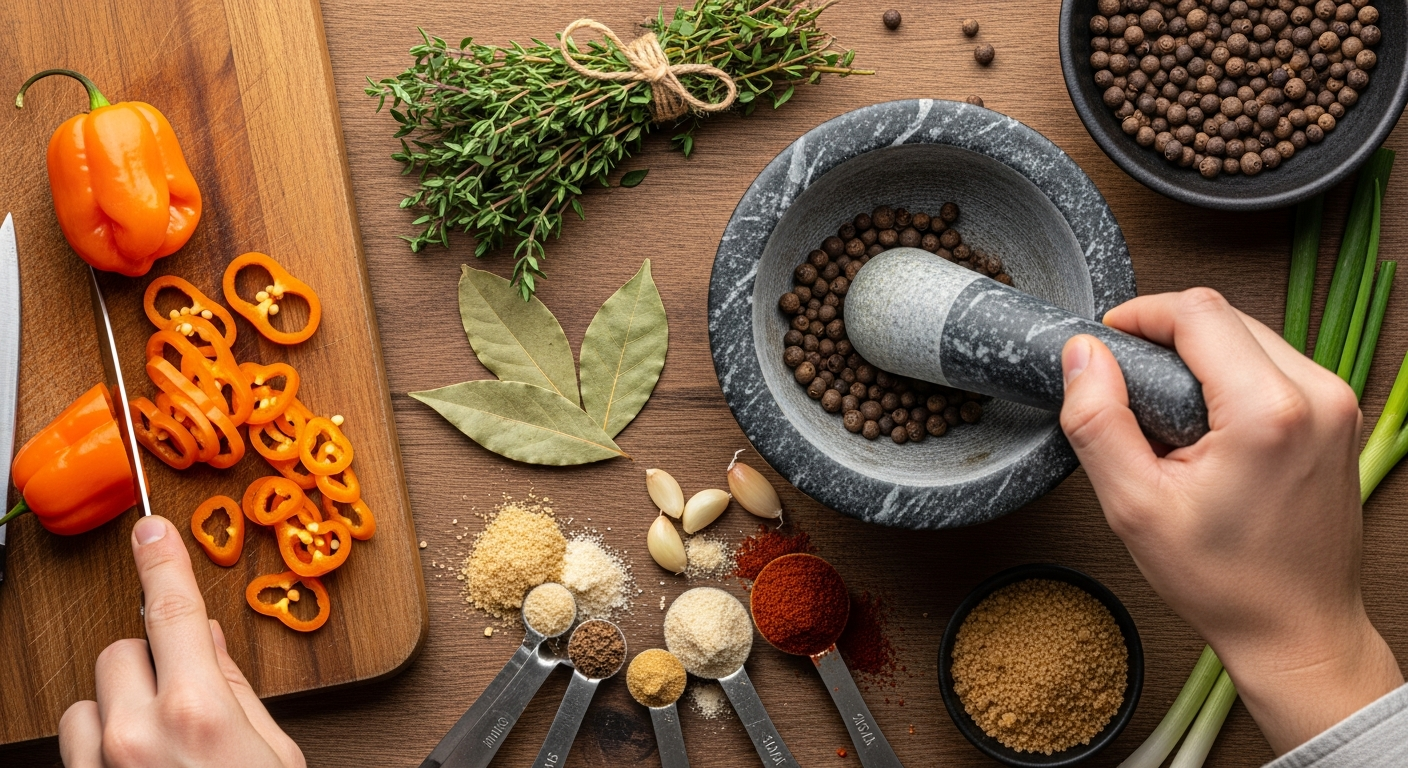
Pimento wood — the wood of the allspice tree (Pimenta dioica) — is used in traditional Jamaican jerk pits to fuel the cooking fire. The wood imparts a subtle spiced smoke during cooking that adds another dimension of allspice flavor from the outside of the meat while the marinade works from the inside.
Where to Source
Pimento wood is extremely difficult to source outside Jamaica. It is not commercially available in mainstream US or UK markets. Options:
- Online specialty retailers (search "pimento wood chips" or "allspice wood chips")
- Caribbean food importers
- Sometimes available at Jamaican community festivals and events
Best Substitutes for Pimento Wood Smoke
- Cherry wood chips — complementary fruity note that doesn't fight the allspice
- Apple wood chips — mild, slightly sweet smoke
- Extra ground allspice in the marinade + liquid smoke (½ tsp) added to the marinade
Related: Jamaican jerk pit cooking techniques, smoking vs grilling jerk meats.
Substitutions Guide
| Ingredient | Best Substitute | Ratio | Flavor Impact |
|---|---|---|---|
| Scotch bonnet | Habanero | 1:1 | Minimal — closest heat and flavor profile |
| Allspice | Cloves + cinnamon + black pepper (equal parts) | ½ tsp blend per 1 tsp allspice | Moderate — loses the unified "pimento" quality |
| Fresh thyme | Dried thyme | ½ tsp dried per 1 tsp fresh | Mild — loses fresh aromatic brightness |
| Scallions | Red onion + chives | ¼ onion + handful chives per 6 scallions | Moderate — harsher flavor |
| Soy sauce | Coconut aminos | 1:1 | Minimal — slightly sweeter |
| Lime juice | Lemon juice | 1:1 | Mild — less tropical, brighter |
| Brown sugar | Honey | 1:1 | Minimal — slightly floral sweetness |
| Browning sauce | Dark molasses | 1:1 | Mild — similar caramel depth and color |
Where to Buy Jerk Ingredients
Caribbean Grocery Stores
The single best source for all jerk ingredients. You'll find fresh scotch bonnets, Jamaican thyme, browning sauce, authentic jerk paste, pimento berries, and often pimento wood chips. Search for "West Indian grocery," "Caribbean market," or "Jamaican food store" near you.
Mainstream Supermarkets
Allspice, garlic, ginger, scallions, brown sugar, soy sauce, lime, thyme, cinnamon, nutmeg, and black pepper are all available in any major grocery store. Scotch bonnets are increasingly available in the specialty produce section or international foods aisle.
Online
For hard-to-find items: Amazon (Walkerswood, Grace Browning, pimento berries), Melissa's Produce (fresh scotch bonnets shipped), specialty Caribbean food websites (pimento wood chips, authentic imported brands).
Storage
| Ingredient | Room Temperature | Refrigerator | Freezer |
|---|---|---|---|
| Scotch bonnets (fresh) | 1–2 weeks | 2–3 weeks | 6 months (whole) |
| Allspice berries (whole) | 12 months (airtight) | — | — |
| Ground allspice | 6 months (airtight) | — | — |
| Fresh thyme | 2–3 days | 1–2 weeks | 3 months (frozen in oil) |
| Scallions | 3–5 days | 1–2 weeks | 3 months (chopped) |
| Jerk paste (commercial, opened) | — | 3–6 months | — |
| Homemade jerk marinade | — | 2 weeks (glass jar) | 3 months (ice cube trays) |
Full storage guide: storing jerk marinade safely and storing homemade jerk seasoning.
Related Ingredient and Recipe Guides
- Complete Jerk Marinade Recipe
- Authentic Jamaican Jerk Marinade Guide
- Homemade Jerk Spice Blend Recipe
- Homemade Authentic Jamaican Jerk Seasoning
- What Is Jerk Seasoning Made Of?
- Jerk Marinade for Vegetables and Seafood
- Jerk Marinade Without Scotch Bonnet
- Dry Rub or Wet Marinade?
- Allspice and Scotch Bonnet in Jerk
- Complete Jerk Sauce Guide
Common Mistakes With Jerk Ingredients
- Substituting jalapeño for scotch bonnet. Jalapeño has neither the heat level nor the fruity aromatic character of scotch bonnet. It produces a completely different, generic hot flavor. Use habanero as the correct substitute.
- Using pre-ground allspice instead of whole berries. Pre-ground allspice loses aromatic potency within months of grinding. Whole allspice berries ground fresh in a spice grinder deliver 3–4x the aromatic intensity. The difference in the finished dish is significant.
- Skipping browning sauce or molasses. The deep, mahogany color of authentic jerk comes partly from caramelized sugar and browning sauce. Without it, the chicken looks pale and underseasoned before it's even cooked.
- Using only garlic powder instead of fresh garlic. Fresh garlic and ginger are blended raw into jerk marinade, creating complex fresh-sharp aromatics. Dried powder substitutes produce a flatter, less vibrant marinade.
- Over-marinating with high-acid marinade. Citrus juice in the marinade begins to chemically denature proteins if left too long (especially for shrimp or fish). For chicken: 24–48 hours maximum. For shrimp: 30 minutes maximum.
🍴 Chef's Tip — Fresh vs Dried Makes the Most Difference
For the single biggest upgrade to your jerk marinade: buy whole allspice berries and grind them fresh in a spice or coffee grinder just before blending. The volatile oils that carry the warm spice aromas dissipate rapidly after grinding — fresh-ground allspice smells dramatically more complex than the same spice pre-packaged. This one change noticeably improves the finished dish.
Continue Learning: Jerk Ingredients Deep Dives
See It In Action
Ultimate Jerk Chicken Guide
How these ingredients combine in the full jerk chicken process.
Application
Complete Jerk Sauce Guide
How these same ingredients build a finishing sauce.
Why These Ingredients
History of Jamaican Jerk
The Maroon origins that explain why scotch bonnet and allspice are non-negotiable.
Next Step
Jerk Cooking Methods Guide
Every way to cook your marinated jerk — from charcoal pit to air fryer.