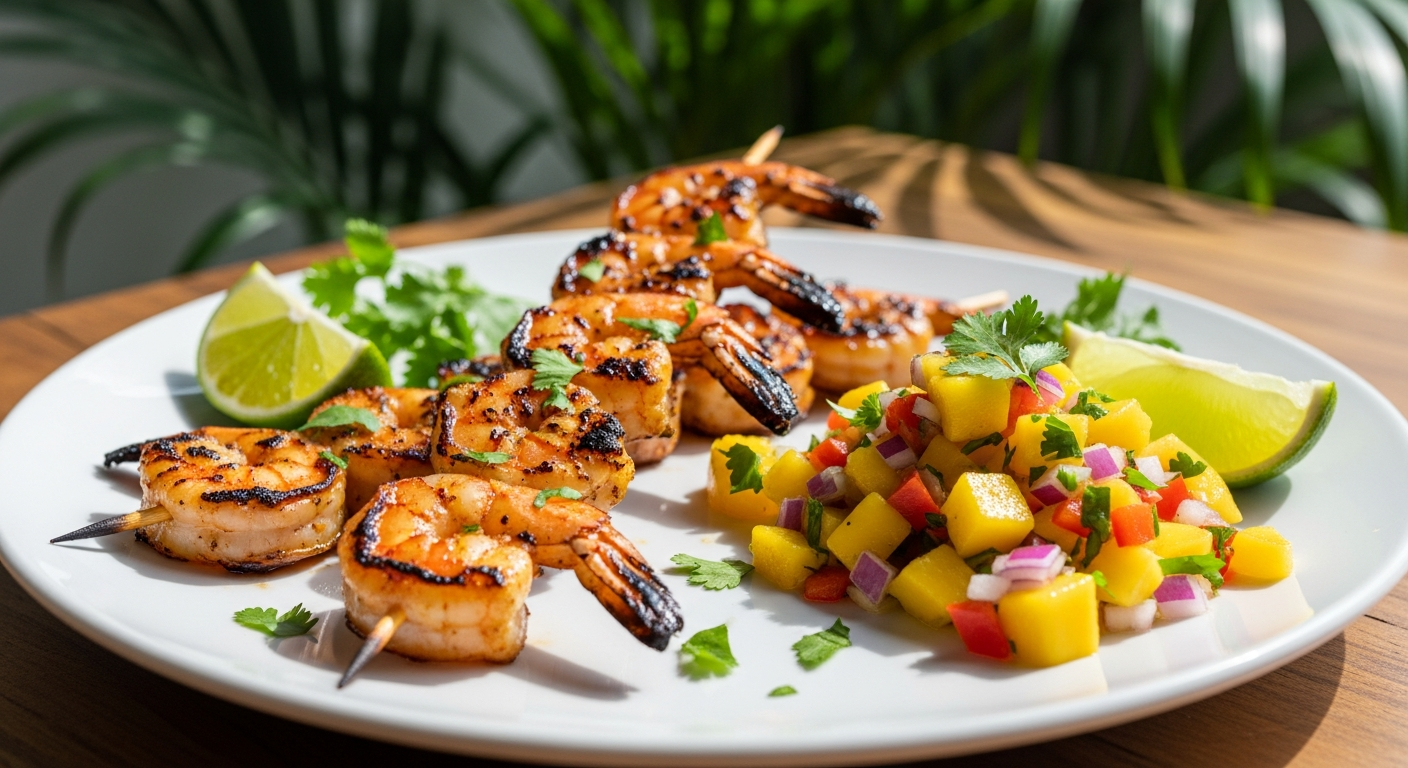
Jerk is widely understood as a chicken and pork tradition. What is less widely known is that seafood has always been part of Caribbean jerk cooking — particularly in coastal communities where fish, shrimp, and lobster are the most available proteins.
The combination of jerk's aromatic spice profile — fruity scotch bonnet, warm allspice, fresh thyme and scallion — with the natural sweetness and delicacy of seafood produces some of the most impressive results in Caribbean cooking. Jerk shrimp takes 20 minutes from marinade to plate. Jerk lobster is one of the most impressive preparations you can serve. Jerk snapper whole-grilled is the kind of dish that stops conversation at the table.
This guide covers every major seafood protein for jerk cooking, with specific marinating times, techniques, temperatures, and tips for each one.
⚡ Quick Facts — Jerk Seafood
🇯🇲 Why This Guide Matters
Jerk seafood is one of the most rewarding — and most easily ruined — applications of jerk cooking. Over-marinating shrimp produces rubber. High direct heat splits fish fillets. The rules that apply to chicken marinating actively harm seafood. This guide explains why the adjustments are necessary and exactly how to apply them so you get the extraordinary result that properly executed jerk seafood delivers.
Why Jerk Works on Seafood
Several elements of the jerk flavor profile are almost purpose-built for seafood:
- Scotch bonnet's fruity quality — the tropical fruit character (mango, apricot, cherry notes) of scotch bonnet complements the natural sweetness of shrimp, lobster, and snapper in a way that generic hot peppers do not
- Allspice's warmth — the warm, complex spice note provides depth that makes seafood more substantial and satisfying without heaviness
- Citrus in the marinade — lime juice brightens seafood flavors and tenderizes slightly; the acid also enhances the umami in fish
- Quick cooking affinity — the high heat of grilling that caramelizes jerk marinade also cooks most seafood perfectly in a short window
The critical difference from land protein: seafood must be marinated for a much shorter time, and cooked for a much shorter time. The rules change significantly.
Jerk Shrimp
Difficulty: Easy | Marinate: 15–30 min | Cook time: 4–6 min | Done at: Pink and curled, 120°F internal
Why Shrimp Works
Shrimp's natural sweetness is one of the best complements to scotch bonnet heat. The combination is immediate, intense, and deeply satisfying — the heat hits, then the sweet shrimp follows. Jerk shrimp is also one of the fastest preparations in Caribbean cooking: 20 minutes from marinade to plate.
Marinade Adaptation
Use the standard jerk marinade but thin it slightly (add 1 extra tablespoon of oil). Use 1–2 scotch bonnets for most people (not 3–4 — the shrimp won't buffer the heat the way chicken does). Marinate for maximum 30 minutes at room temperature or in the refrigerator — the lime juice begins to denature shrimp protein quickly.
Cooking
Skewers (best for grill): Thread on flat metal skewers through the top and bottom of each shrimp (preventing spinning). Grill over direct high heat 2–3 minutes per side until pink throughout and lightly charred.
Pan-sear (fastest): Heat a cast iron pan until very hot (near smoking). Add 1 tsp oil. Add shrimp in a single layer. 90 seconds per side maximum. They continue cooking off heat — remove before they look done to you.
Result
Jerk shrimp with the char of a grill and the full marinade flavor is exceptional. Serve immediately — shrimp continue cooking after removal from heat. Excellent over coconut rice, in tacos with mango slaw, or as an appetizer with jerk dipping sauce.
Related: jerk marinade for vegetables and seafood.
Jerk Salmon
Difficulty: Easy | Marinate: 30–45 min | Cook time: 12–15 min | Done at: 125–130°F (medium), 145°F (well done)
Why Salmon Works
Salmon's high fat content makes it exceptionally forgiving with jerk marinade — the fat buffers the scotch bonnet heat, prevents drying out, and carries the aromatic compounds deep into the flesh. The result is one of the richest, most complex jerk preparations available. The natural richness of Atlantic or king salmon needs the scotch bonnet's fruity punch to balance it.
Marinade Adaptation
Reduce soy sauce to 2 tablespoons (salmon is more salt-sensitive than chicken). Use 2 scotch bonnets for medium heat. Add 1 tablespoon orange juice for brightness. Marinate skin-side down (the skin protects the flesh from acid softening).
Cooking Methods
Cedar plank (best): Soak a cedar plank in water for 1 hour. Preheat grill to medium-high (350°F). Place salmon skin-side down on the plank, marinade on top. Cook on closed grill 12–15 minutes. The plank prevents sticking and adds cedar smoke. No flipping required.
Pan + oven: Sear skin-side down in a hot, lightly oiled oven-safe skillet, 3–4 minutes until skin is crispy. Flip once, transfer skillet to 400°F oven for 6–8 minutes. The crispy skin holds the fillet together and remains the most flavorful bite.
Air fryer: 400°F, 8–10 minutes. One of the easiest indoor methods.
Jerk Red Snapper
Difficulty: Moderate | Marinate: 30–45 min (fillet), up to 1 hour (whole) | Cook time: 10–15 min (fillet), 20–30 min (whole)
Why Snapper Works
Red snapper is the most traditional jerk fish in Jamaica — it is widely available in Jamaican markets, frequently served at coastal jerk stalls, and has a flavor profile (mild, slightly sweet, firm white flesh) that takes jerk seasoning beautifully. The firm texture holds up to grill cooking without falling apart.
Whole Snapper
Cooking whole is the most dramatic and flavorful presentation. Score the fish 3–4 times on each side, cutting down to the spine. Pack marinade into each cut, into the cavity, and over the surface. Marinate 1 hour maximum. Grill over medium-direct heat in a fish grill basket, 8–10 minutes per side. The skin chars beautifully, and eating the fish off the bone at the table is an experience in itself.
Fillets
Skin-on fillets hold together best. Cook skin-side down exclusively on a well-oiled grill grate — 6–8 minutes for a 1-inch fillet without flipping. The skin becomes crispy and keeps the fillet intact. Flip only if necessary (use a wide spatula).
Jerk Lobster
Difficulty: Moderate | Marinate: 15–20 min (jerk butter applied) | Cook time: 8–12 min | Done at: Meat opaque, 140°F internal
Why Lobster Works
Lobster's extraordinary sweetness makes it one of the best possible complements to scotch bonnet heat — the contrast is dramatic and delicious. Jerk lobster is a special-occasion preparation that is remarkably easy to execute despite its impressive appearance.
Jerk Butter Method
Rather than a wet marinade for lobster, use jerk butter: blend 2 tablespoons of jerk paste into 4 tablespoons of room-temperature butter. Halve the lobster lengthwise with a sharp knife or cleaver. Brush the cut surfaces generously with jerk butter.
Grill cut-side down on a hot, lightly oiled grate for 4–5 minutes until the shell turns red and the meat is opaque and lightly charred. Flip, brush again with jerk butter, cook 2–3 more minutes. Serve immediately — hot lobster with jerk butter is spectacular.
For whole lobster: Boil until just cooked (5–8 minutes), split, brush with jerk butter, and finish on the grill for 2–3 minutes cut-side down. The grill crust on pre-cooked lobster is slightly safer for those nervous about timing raw lobster.
Jerk Scallops
Difficulty: Moderate (timing critical) | Marinate: 10–15 min only | Cook time: 3–4 min total | Done at: Opaque outside with still-translucent center, 120°F internal
Why Scallops Work
Scallops have a sweet, buttery, mild flavor that jerk's fruity scotch bonnet notes complement beautifully. The challenge is timing — scallops overcook in seconds. The jerk marinade needs to be very brief (10–15 minutes) and the cooking must be fast and hot.
Cooking
Pat scallops completely dry before cooking — moisture prevents the caramelized sear that makes jerk scallops extraordinary. Heat a cast iron skillet until it begins to smoke. Add 1 tsp neutral oil plus 1 tsp butter. Add scallops in a single layer without touching. Do not move them. 90 seconds per side. They should develop a deep golden crust on each face.
Scallops are done when the outside is deeply golden-brown and slightly firm to the touch; the interior should remain slightly translucent at 120°F. They carry over to doneness on the plate.
Jerk Mahi-Mahi
Difficulty: Easy | Marinate: 20–30 min | Cook time: 8–10 min | Done at: 137°F, opaque and flaking
Why Mahi-Mahi Works
Mahi-mahi (dorado) is firm enough to handle grill cooking without falling apart, has a mild, slightly sweet flavor that jerk enhances rather than overwhelms, and cooks quickly. It is one of the most reliable jerk fish outside of Jamaica — widely available, consistent quality, and holds together on the grill.
Cooking
Grill over direct medium-high heat. Oil the grate generously. Place fillets and don't move them for 4–5 minutes until they release naturally from the grate (they'll stick if you try to flip too early). Flip once. 3–4 more minutes until 137°F internal and opaque throughout. Serve immediately over coconut rice with mango slaw.
Jerk Swordfish
Difficulty: Easy | Marinate: 20–30 min | Cook time: 8–10 min | Done at: 145°F, opaque and firm
Why Swordfish Works
Swordfish is the most "steak-like" of any fish — dense, firm, meaty texture that handles high-heat grill cooking and heavy spicing extremely well. It is one of the few fish that can withstand the full 3–4 scotch bonnet jerk marinade without being overwhelmed. Jerk swordfish on the grill, carved into steaks, is a remarkable main course.
Cooking
1-inch swordfish steaks: grill over direct high heat, 4–5 minutes per side. Swordfish does not fall apart like delicate fish, so confident grill handling is possible. The char from high heat caramelizes the jerk marinade into a crust on the dense flesh. Internal temp: 145°F. Do not overcook — swordfish becomes very dry above 150°F.
Jerk Marinade for Seafood — Adapting the Recipe
The core jerk marinade works for all seafood with these consistent modifications:
| Adjustment | Change | Why |
|---|---|---|
| Scotch bonnet quantity | Reduce to 1–2 (vs 3–4 for chicken) | Seafood has less fat to buffer heat; also less texture to "hide" the burn |
| Oil amount | Increase by 1 tbsp | Prevents seafood from sticking to the grill |
| Soy sauce | Reduce by 1 tbsp | Seafood is more salt-sensitive than chicken or pork |
| Brown sugar | Increase by 1 tsp | Enhances caramelization that delicate seafood benefits from |
| Marinade time | 15–45 min maximum | Citrus acid will begin chemically cooking seafood protein beyond 45 min |
Related: jerk marinade for vegetables and seafood, jerk marinades for chicken, pork, and fish.
Cooking Methods for Jerk Seafood
| Seafood | Best Method | Time | Key Tip |
|---|---|---|---|
| Shrimp | Skewers on grill, pan-sear | 4–6 min total | Pull when just pink — carryover finishes cooking |
| Salmon | Cedar plank, pan + oven | 12–15 min | Skin-side down only; no flipping needed on plank |
| Snapper (whole) | Grill basket | 18–25 min | Score deeply; grill basket prevents sticking |
| Lobster | Grill (cut-side down) | 8–12 min | Jerk butter; grill cut-side first |
| Scallops | Cast iron dry-sear | 3 min total | Completely dry before searing; very hot pan |
| Mahi-mahi | Direct grill, pan | 8–10 min | Don't move until it releases naturally |
| Swordfish | Direct grill | 8–10 min | High heat; confident flipping; do not overcook |
Food Safety for Jerk Seafood
Seafood requires specific food safety awareness beyond what meat cooking typically involves:
- Never reuse marinade — marinade that touched raw seafood contains bacteria and must be discarded. Make extra to reserve for basting and table sauce before it contacts raw protein.
- Shrimp — must reach an internal temp of 120°F (shrimp curls into a C shape when done; a tight O = overcooked). Frozen raw shrimp is often safer for jerk than "fresh" (which may have been thawed and refrozen).
- Scallops — use dry-packed scallops (not wet-packed, which contain sodium tripolyphosphate and excess water that prevents proper searing). Reach 120°F internal; slightly translucent center is acceptable and preferred.
- Lobster — purchase live or freshly killed. Never cook a dead lobster that wasn't recently alive — they decompose rapidly and are dangerous.
- Fish doneness — FDA recommends 145°F internal. Japanese sushi-grade fish can be served at lower temperatures (125–130°F for salmon). For non-sushi-grade fish, 145°F is the safe target.
- Cross-contamination — do not place cooked seafood back on a surface or plate that held raw marinated seafood. Use separate platters for raw and cooked.
Serving Jerk Seafood
Jerk seafood pairs best with sides that provide cooling contrast and tropical brightness:
- Mango avocado salsa — particularly excellent with jerk fish; the sweet mango and creamy avocado are perfect foils to scotch bonnet
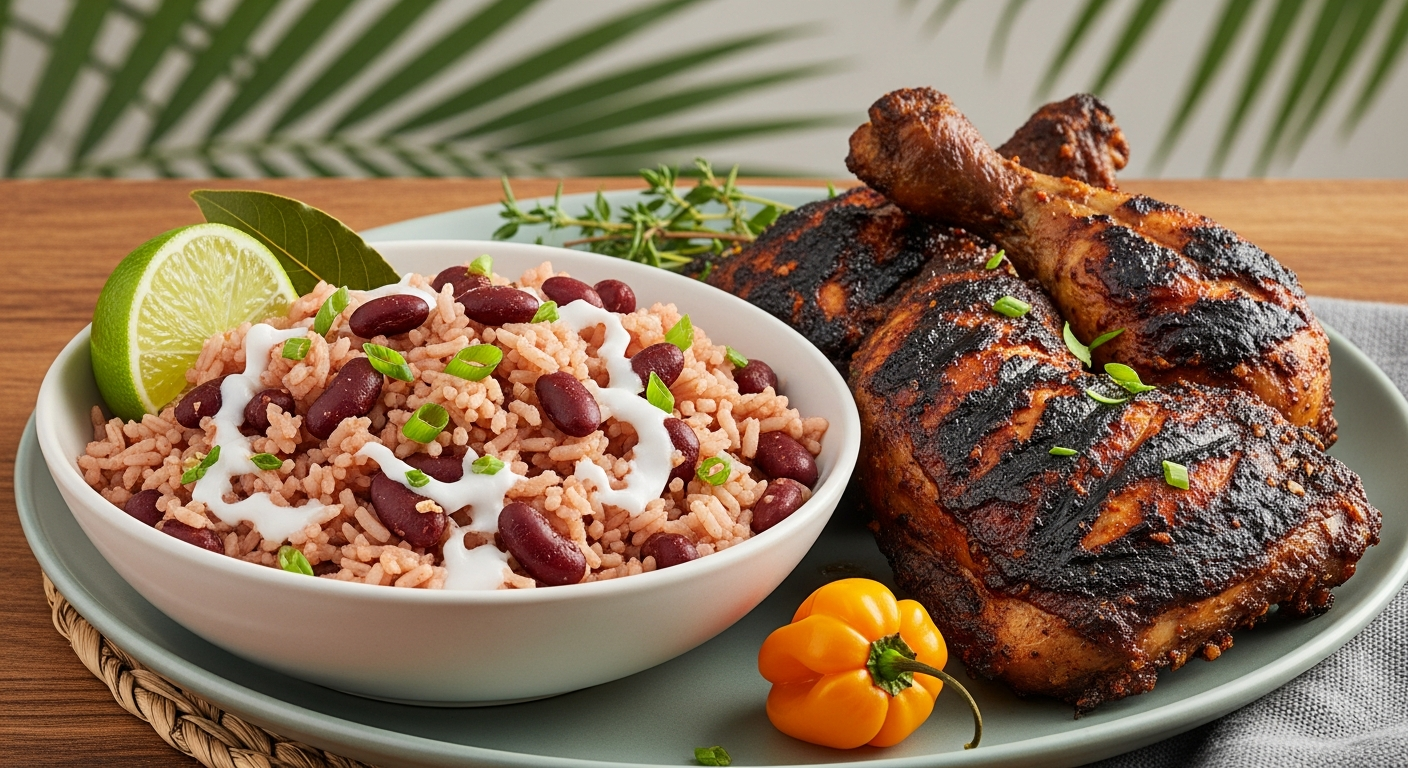
- Coconut rice — the coconut milk tempers the heat and ties the Caribbean flavors together
- Pineapple coleslaw — fresh pineapple in a vinegar-based slaw is extraordinary with jerk shrimp and fish
- Cucumber mint salad — the most cooling option; lime juice, fresh mint, and cucumber
- Fried sweet plantain — the sweet starch works as well with jerk seafood as with jerk chicken
Related: complete jerk side dishes guide, what salad goes with jerk, refreshing drinks for jerk dishes.
Related Guides on JerkPit.com
- The Complete Jerk Marinade Recipe
- Jerk Marinade for Vegetables and Seafood
- Jerk Marinades for Chicken, Pork, and Fish
- Jerk Pork Guide
- Ultimate Jerk Chicken Guide
- Jerk Cooking Methods Guide
- Essential Jerk Ingredients Guide
- Complete Jerk Side Dishes Guide
- Adjusting Heat in Jerk Marinades
- What Salad Goes With Jerk?
Common Mistakes With Jerk Seafood
- Over-marinating shrimp. The acid in jerk marinade chemically cooks shrimp proteins. More than 30–45 minutes produces mushy, rubbery shrimp that no amount of cooking heat will fix. Set a timer and honor it.
- Cooking fish over screaming hot direct heat without a basket. Direct high heat on grill grates causes fish to stick aggressively. Attempting to flip too early tears the fish apart. Use a fish basket, cedar plank, or foil packet.
- Using the same marinade for seafood as for raw chicken without adjustment. The scotch bonnet quantity that suits chicken (3–4 peppers) overwhelms delicate fish. Start with 1–2 scotch bonnets for fish and scale to preference.
- Cooking scallops in a wet pan. Scallops need a very hot, very dry pan surface to sear. Any moisture (wet scallops, wet pan, too much oil) causes them to steam rather than sear — producing grey, rubbery rather than golden, sweet scallops. Pat completely dry. Get the pan smoking hot. Use minimal oil.
- Marinating delicate fish for the same time as shrimp. Fish fillets and fish steaks have different structures. Thin, delicate fillets (tilapia, sole) need 15–20 minutes maximum. Thick steaks (swordfish, tuna, salmon) can handle 30–45 minutes. Always err on the shorter side for seafood.
🛡️ Food Safety — Never Reuse Seafood Marinade
Any marinade that has been in contact with raw seafood must be either discarded or boiled vigorously for 3+ minutes before use as a basting sauce. Raw seafood can harbor Vibrio bacteria and Salmonella. Always reserve a separate portion of fresh marinade before applying to raw seafood if you want to baste during cooking or serve as a condiment at the table.
Continue Learning: Jerk Seafood Deep Dives
The Classic
Ultimate Jerk Chicken Guide
The protein most people start with — see how the principles translate to seafood.
The Foundation
Essential Jerk Ingredients Guide
Why scotch bonnet's fruit character makes it uniquely suited for seafood.
Complete the Plate
Complete Jerk Side Dishes Guide
Coconut rice, mango salsa, and pineapple slaw — the best sides for jerk seafood.
All Methods
Jerk Cooking Methods Guide
Every cooking method — including the best options for fish without a grill.