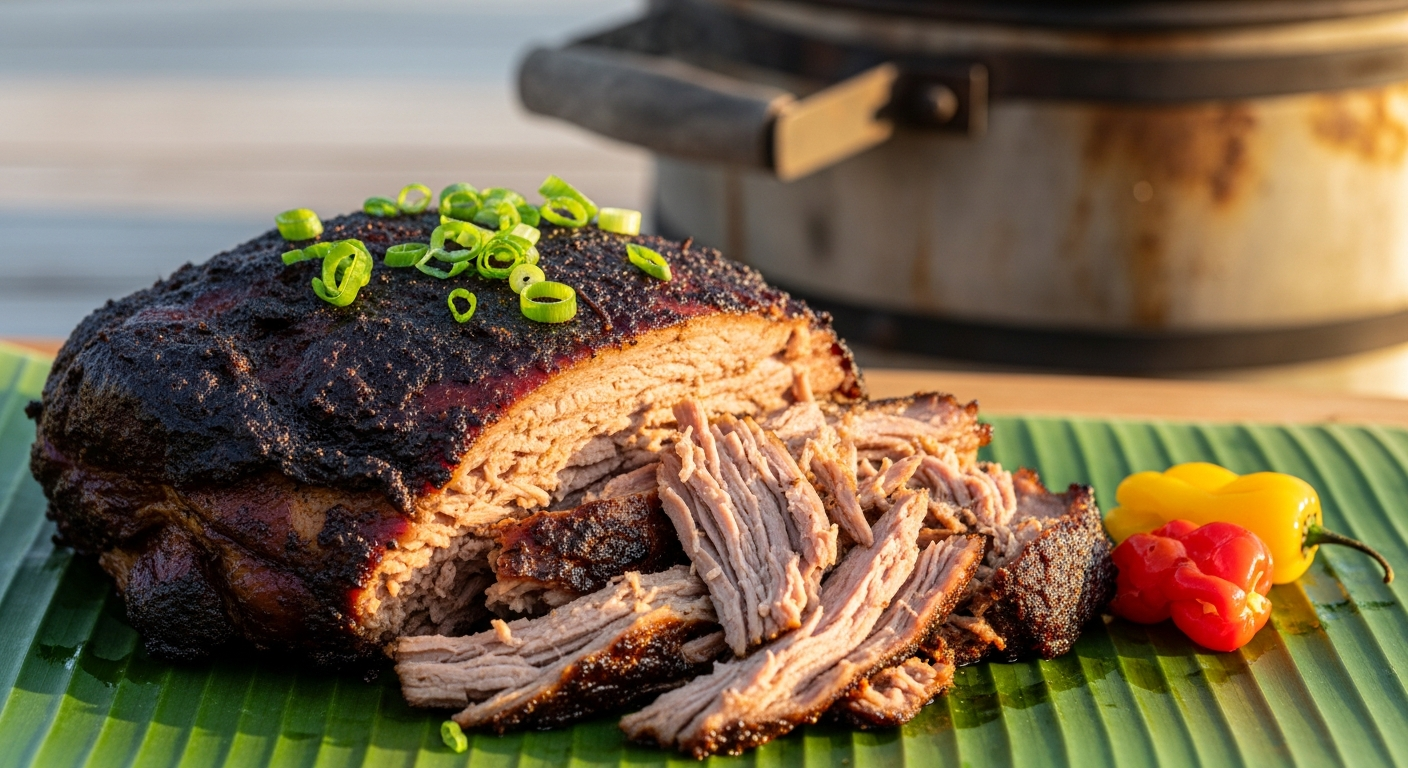
Jerk Ribs: Jamaican Jerk Spice Meets American Low-and-Slow
Jerk ribs are where Jamaican marinade tradition meets low-and-slow barbecue technique. Spare ribs or baby backs marinated in scotch bonnet jerk paste, smoked over pimento wood at 225–250°F, and finished with a jerk glaze produce a bark unlike anything in mainstream BBQ — spicy, herbal, and deeply aromatic.
Spare Ribs vs Baby Backs for Jerk
Two rib cuts dominate jerk cooking: spare ribs (St. Louis cut) and baby back ribs. Spare ribs come from the belly side — they're larger, fattier, and take longer to cook (4–6 hours at 225°F). The higher fat content makes them especially suited to jerk cooking because the rendered fat carries the marinade flavors throughout the rack as it cooks, basting the meat from the inside. Baby backs come from the loin — smaller, leaner, and faster cooking (3–4 hours). They're more popular for home grilling because of the shorter cook time, but require more attention to avoid drying.
For the most authentic Jamaican result, use spare ribs — they have the fat structure and cook time to develop the deep smoky char associated with traditional jerk. The St. Louis trim (spare ribs with the sternum cartilage and skirt removed) produces a uniform rectangular rack that cooks more evenly than an untrimmed spare rib. Ask your butcher for St. Louis trimmed spare ribs if the store doesn't carry them pre-trimmed.
Preparation and Membrane Removal
Remove the silverskin membrane from the bone side of the rack before marinating. The membrane is a tough, papery layer that prevents marinade penetration from the bottom of the rack and creates a chewy, inedible texture in the finished rib. Slide a butter knife under the membrane at one end of the rack, then grab with a paper towel (for grip) and peel off in one piece. Once the membrane is removed, score the meat side with shallow cuts between the bones to allow marinade penetration into the thicker meaty sections.
Jerk Marinade for Ribs
Ribs have significant surface area that benefits from generous marinade coverage. For a full rack of spare ribs: 5–6 scotch bonnets, 10 allspice berries (toasted and ground), 6 garlic cloves, 4 green onions, 2 tablespoons fresh thyme, 2 tablespoons soy sauce, 2 tablespoons dark rum, 1 tablespoon brown sugar, juice of 2 limes, 1 teaspoon cinnamon, ½ teaspoon nutmeg, salt and black pepper. Blitz to a paste, then apply to every surface of the rack including the bone side. Wrap tightly in plastic wrap and refrigerate 12–24 hours.
A dry jerk rub can be used as a supplement or alternative: apply dry rub over the wet marinade 30 minutes before cooking for an additional layer of bark-forming spice. See our guide to the best jerk seasonings for commercial dry rub options if making from scratch isn't possible.
Smoking Jerk Ribs
Set the smoker to 225–250°F. Add pimento wood for authentic Jamaican flavor — see the pimento wood buying guide for sourcing. If pimento wood is unavailable, apple wood or cherry wood produces a similar sweet, mild smoke without overpowering the scotch bonnet and allspice in the marinade. Avoid hickory and mesquite — their intensity competes with rather than complements the jerk spice profile.
Place racks bone-side-down on the smoker. Smoke baby backs 3–4 hours, spare ribs 4–6 hours. At the 2-hour mark, begin misting the racks with a mixture of apple juice and rum every 30–45 minutes to prevent the surface from drying and to build up moisture layers that contribute to bark formation. The rib bark is done when it is deeply colored (mahogany-black), slightly crisp to the touch, and the meat has pulled back 1/4–1/2 inch from the ends of the bones.
The "bend test" for spare ribs: pick up the rack with tongs at one end. If the rack bends 45–90 degrees and the surface cracks slightly, the ribs are done. If it bends less than 45 degrees, continue cooking 20–30 more minutes. The right smoker makes this process nearly hands-free.
Jerk Glaze Finish
In the final 20 minutes of cooking, brush the racks with a thinned jerk cooking sauce glaze (3 parts jerk sauce to 1 part honey or brown sugar, loosened with 2 tablespoons apple juice). Apply 2–3 thin coats, allowing each coat to set before applying the next. This builds a lacquered, sticky bark layer that is characteristic of festival-style Jamaican jerk ribs. The sugar in the glaze caramelizes at the grill surface, producing additional depth beyond the dry spice bark. Let the glazed ribs rest 10 minutes before cutting between the bones to serve.
Frequently Asked Questions
Frequently Asked Questions
Do jerk ribs need to be wrapped during smoking?
What temperature should jerk ribs be cooked to?
Can I make jerk ribs in the oven?
How many ribs per person for jerk ribs?
What is the difference between jerk ribs and BBQ ribs?
Editorial Selection
Recommended Products
Offset Smoker or Pellet Grill
Best InvestmentBest for: Spare ribs, long cooks
Maintains 225–250°F for the 4–6 hours spare ribs require.
Why we recommend it: Jerk ribs need sustained low heat with smoke — a kettle grill requires too much attention to maintain consistent temperature for 4+ hours.
Affiliate link coming soonPimento Wood
Best for: All jerk smoking
The authentic Jamaican smoking wood for jerk ribs.
Why we recommend it: No other wood produces the allspice-forward aromatic smoke character that defines Jamaican jerk from Boston Bay stalls.
Affiliate link coming soonEditorial note: These are independent recommendations based on quality and usefulness for jerk cooking. We may earn a small commission if you purchase through our links — at no extra cost to you. See our affiliate disclosure for full details.
Free Newsletter
Get Authentic Jerk Recipes Delivered
Authentic Jamaican recipes, cooking tips, and new guides delivered to your inbox. No spam — unsubscribe any time.
No spam. Unsubscribe anytime.
Complete Guide
Jamaican Jerk Pork: Complete Guide
Everything you need to know about this topic in one comprehensive guide.
Read the complete guide →Continue Learning
Authority Guides
Related Topics
Recipes & Techniques
Buying Guides
Written by
Jerk Cuisine Specialist
Marcus Thompson has spent over a decade studying Jamaican culinary traditions, from the jerk pits of Boston Bay to home kitchens across the Caribbean diaspora.
View full bio