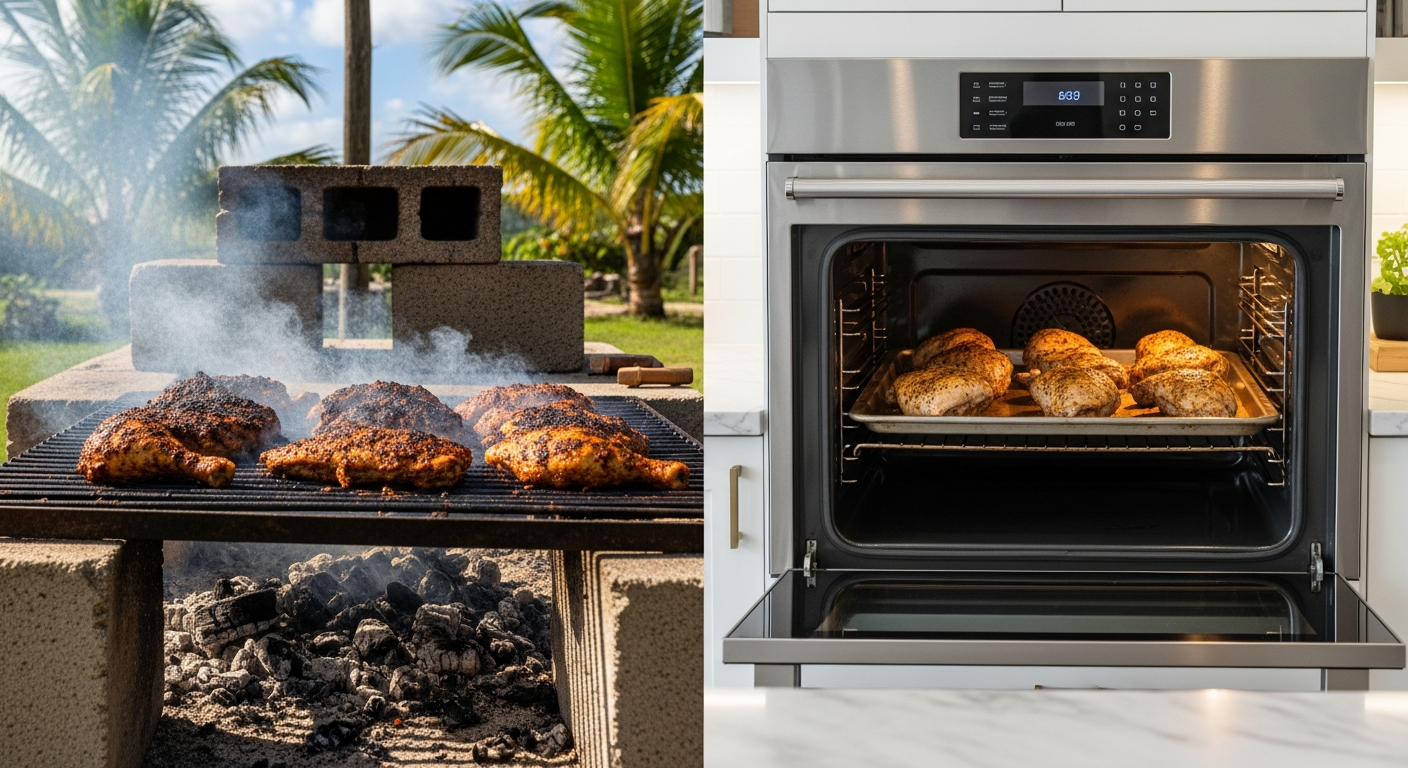
Jerk sauce is one of the most misunderstood terms in Caribbean cooking. Ask ten different people what jerk sauce is, and you'll get ten different answers — because it genuinely refers to several distinct products that share the same flavor foundation but serve completely different purposes in the kitchen.
This guide untangles all of it. You'll learn the difference between jerk paste, jerk cooking sauce, and jerk dipping sauce; when to use each; how to make all three from scratch; and which store-bought options are worth your money. By the end, you'll understand not just what jerk sauce is, but how to use it on everything from chicken to vegetables to pizza.
⚡ Quick Facts — Jerk Sauce
🇯🇲 Why This Guide Matters
The term "jerk sauce" is used interchangeably for three genuinely different products — and using the wrong one at the wrong time is the single most common mistake home cooks make with jerk cooking. A wet marinade applied as a table sauce tastes raw and sharp. A dipping sauce used as a marinade produces underseasoned meat. This guide gives you the precision to use each type correctly — and make all three from scratch in under 15 minutes.
What Is Jerk Sauce?
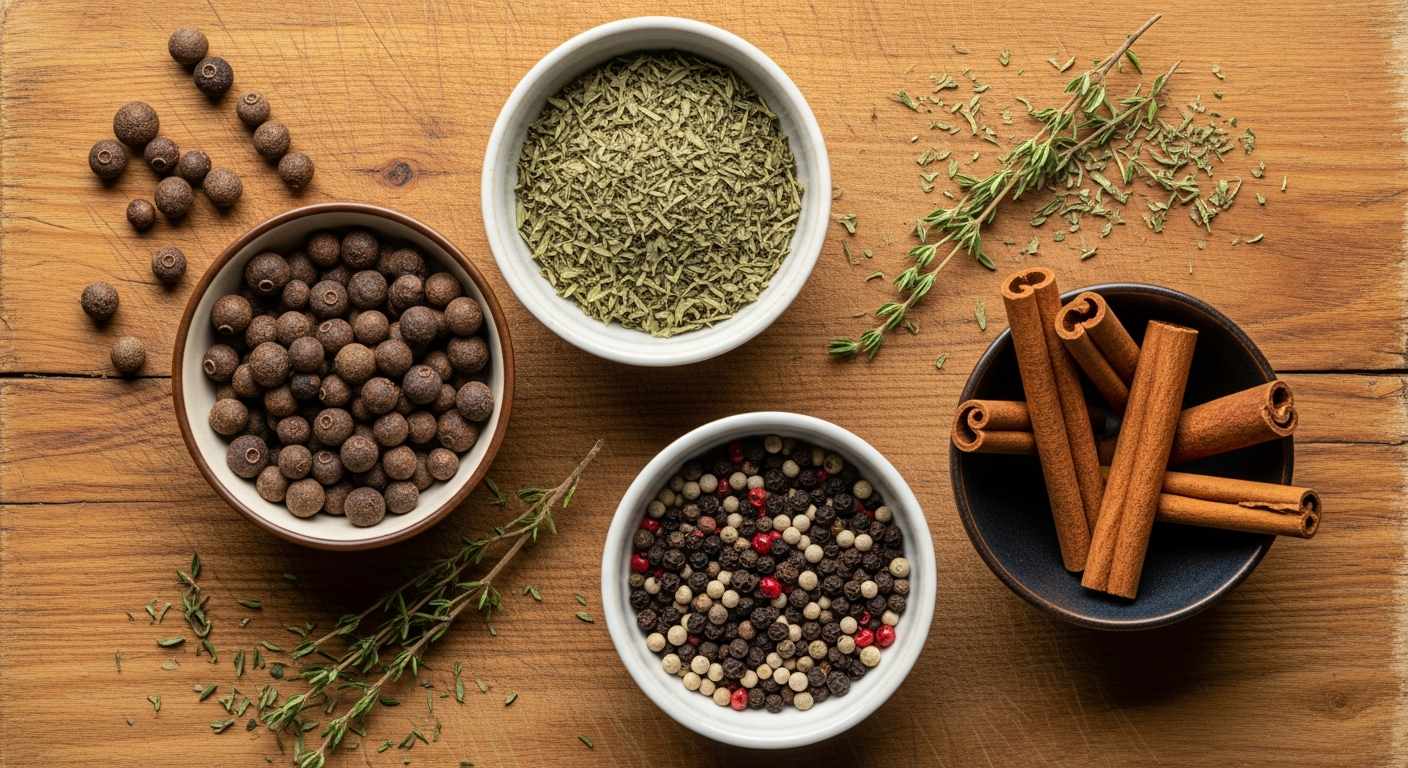
In its broadest sense, "jerk sauce" refers to any sauce that delivers the jerk flavor profile — the specific combination of scotch bonnet pepper and allspice (pimento) that defines Jamaican jerk cooking, typically combined with scallions, thyme, garlic, ginger, citrus, and spices.
But in practice, "jerk sauce" describes several distinct products:
- Jerk wet paste / marinade — thick, concentrated, used to coat and marinate raw meat
- Jerk cooking sauce — thinner, baste during cooking, sometimes added to braises and stews
- Jerk dipping sauce — thinner still, served at the table alongside cooked meat
- Jerk BBQ sauce — a hybrid of jerk flavors and American BBQ sauce style, usually sweeter and tomato-based
The confusion is compounded by commercial products that label themselves "jerk sauce" without being clear about which type they are. This guide covers all four. For a full breakdown of what sets jerk apart from other Caribbean sauces, read our article on what is jerk sauce and the complete Jamaican jerk sauce guide.
Wet Marinade vs Cooking Sauce vs Dipping Sauce
Understanding which type you need before you start cooking is the single most important thing to get right. Using the wrong format for the wrong purpose produces mediocre results.
Jerk Wet Paste / Marinade
Consistency: Thick paste or pourable liquid
Purpose: Applied to raw meat, marinate 4–24 hours before cooking
Key characteristic: Contains oil (for fat-soluble flavor penetration), acid (citrus/vinegar for tenderizing), and enough concentration to flavor meat from the inside out
Use on: Chicken, pork, fish, shrimp, vegetables, tofu
This is the traditional form. Authentic Jamaican jerk pit cooking uses wet paste pressed into scored meat, sometimes days in advance. Commercial products like Walkerswood Traditional Jerk Seasoning are of this type — thick enough to coat, designed to marinate.
Jerk Cooking Sauce
Consistency: Medium — pourable but not watery
Purpose: Basted onto meat during the last 10–15 minutes of cooking; added to braises, soups, stews
Key characteristic: Often slightly sweeter than marinade (sugar caramelizes without burning at moderate cooking temperatures); may contain tomato for body
Use on: Grilling, slow cooker dishes, jerk chicken stews, jerk rice dishes
A cooking sauce applied too early burns because of its sugar content. Reserve it for the final stage of cooking to add a lacquered, caramelized finish.
Jerk Dipping Sauce
Consistency: Thin to medium
Purpose: Table condiment served alongside cooked jerk meat
Key characteristic: Usually brighter, more acidic, and less oil-heavy than marinade; often includes honey or tamarind for complexity
Use on: Dipping cooked chicken, drizzling over festival bread, as a sandwich spread
Boston Bay jerk stalls typically provide a simple scotch bonnet-vinegar dipping sauce alongside the chicken. At home, a quality jerk dipping sauce takes 5 minutes to make and elevates any jerk meal.
| Type | Consistency | When to Use | Key Ingredients |
|---|---|---|---|
| Wet paste/marinade | Thick paste | Before cooking (4–24 hr) | Scotch bonnet, allspice, oil, citrus |
| Cooking sauce | Medium liquid | Last 10–15 min of cooking | Jerk paste + honey/tomato |
| Dipping sauce | Thin liquid | At the table | Scotch bonnet, vinegar, honey, citrus |
| Jerk BBQ sauce | Medium liquid | Basting or table | Tomato base + jerk spices |
Homemade Jerk Sauce Recipes
All three types of jerk sauce are straightforward to make at home, and the homemade versions are categorically better than commercial products for freshness and heat control.
Classic Jerk Wet Paste (Marinade)
This is the foundational recipe — the same formula used in our complete jerk marinade guide. Blend the following:
- 3–4 scotch bonnet peppers (seeded for mild, whole for traditional heat)
- 6 scallions (green onions), roughly chopped
- 4 cloves garlic
- 1-inch fresh ginger
- 1½ tsp ground allspice
- 1 tsp fresh thyme
- ½ tsp each: cinnamon, black pepper
- ¼ tsp nutmeg
- 3 tbsp soy sauce
- 2 tbsp neutral oil
- Juice of 2 limes
- 2 tbsp brown sugar
Blend until smooth. Makes enough for 4 lbs of meat. Keeps 2 weeks refrigerated. Full step-by-step: authentic Jamaican jerk marinade guide.
Quick Jerk Dipping Sauce (5 minutes)
- 1–2 scotch bonnets (or habanero), finely minced or blended
- 3 tbsp white vinegar or apple cider vinegar
- 1 tbsp honey or brown sugar
- 1 tbsp lime juice
- 1 tsp allspice
- ¼ tsp thyme
- Pinch of salt
Whisk or blend together. Serve immediately or refrigerate up to 1 week. The vinegar acid brightens the scotch bonnet flavor while the honey tempers the heat — the exact balance used in Boston Bay-style table sauces.
Jerk Cooking Sauce (for basting and braises)
Start with 3 tablespoons of the wet paste above, then add:
- ¼ cup ketchup or tomato paste (adds body and sweetness)
- 2 tbsp honey
- 2 tbsp soy sauce
- ¼ cup orange juice
- 1 tbsp Worcestershire sauce
Whisk together. Use to baste meat in the last 15 minutes of grilling, or as the liquid base for slow-cooker jerk chicken. This is also excellent as a glaze on wings finishing under the broiler.
For more sauce variations, see our Jamaican jerk sauce complete guide, how to use jerk sauce guide, and jerk chicken dipping sauce guide.
Store-Bought Jerk Sauce — The Best Options
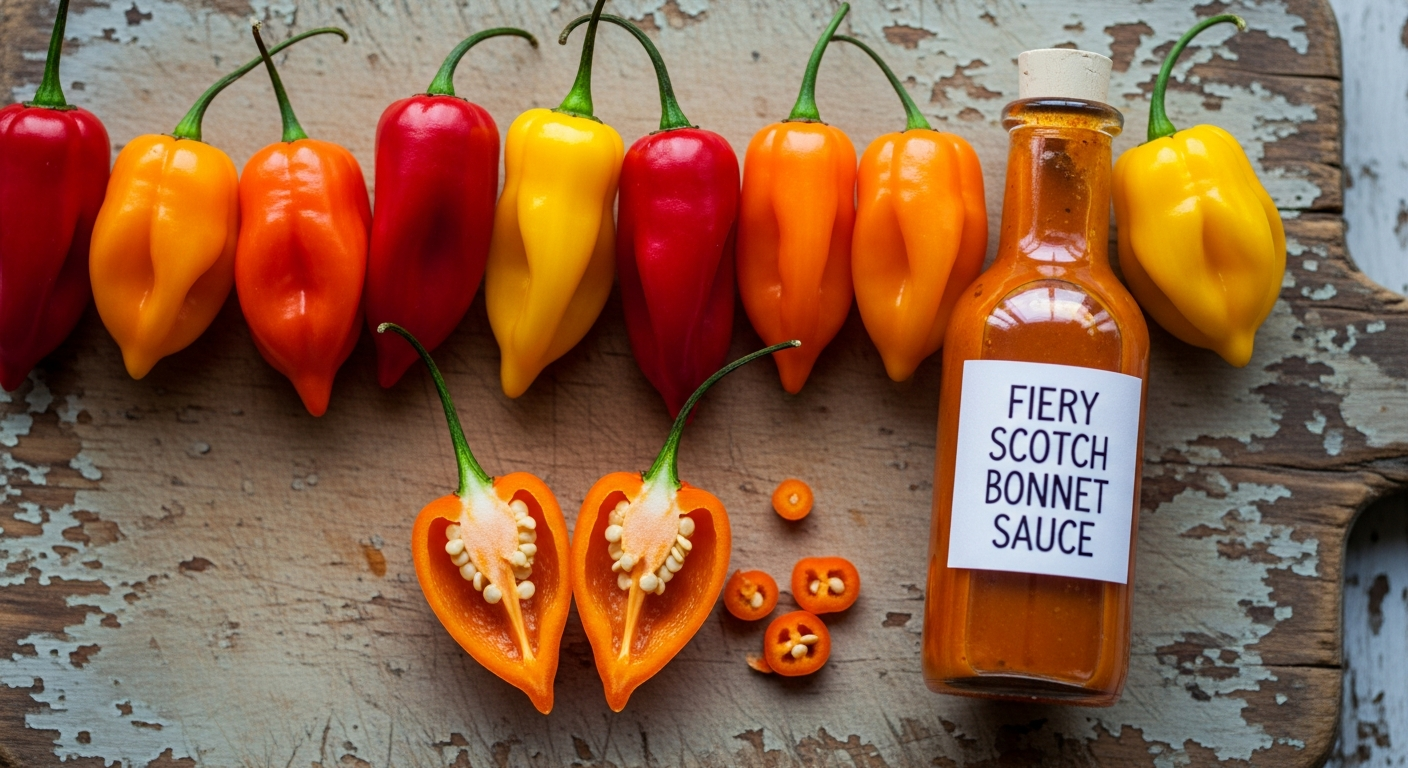
Commercial jerk sauces range from genuinely excellent to barely-jerk. The key differentiators are scotch bonnet pepper presence, allspice quality, and whether the product is made in Jamaica or formulated elsewhere.
Best Wet Paste / Marinade
- Walkerswood Traditional Jerk Seasoning — The benchmark. Made in Jamaica with scotch bonnet and pimento. Thick paste format. Slightly salty, intensely flavored. Dilute with oil and citrus for spreading.
- Grace Jerk Seasoning — Widely available, genuine Jamaican product. Milder than Walkerswood. Good everyday option.
- Eaton's Jerk Seasoning — Another authentic Jamaican brand, less common internationally but excellent.
Best Dipping / Table Sauces
- Scotch Bonnet Hot Pepper Sauce — Vinegar-forward, pure scotch bonnet heat. Not technically "jerk" but authentic Caribbean heat.
- Grace Jamaican Style Jerk BBQ Sauce — Sweeter, more accessible. Good gateway product but not traditional jerk flavor.
Full brand-by-brand breakdown: best jerk seasoning guide, detailed brand reviews, and best store-bought jerk seasoning. Also: best jerk sauce to buy in 2026 and where to buy jerk chicken sauce.
Jerk Cooking Sauce: Uses and Methods
A jerk cooking sauce (the basting/braising format) unlocks applications beyond straightforward grilled chicken. Here is how to use it across different cooking methods:
Grilling
Brush cooking sauce onto chicken, pork, or fish during the last 10–15 minutes of cooking. The sugars caramelize and create a lacquered, sticky exterior. Apply in two coats — flip, apply, cook 5 minutes, flip again, apply, cook 5 more minutes.
Slow Cooker
Add ½ cup of jerk cooking sauce to the slow cooker with chicken thighs and ¼ cup chicken broth. Cook on low 6–7 hours. Shred the chicken into the sauce. Outstanding for sandwiches, rice bowls, and tacos. Full recipe: slow cooker jerk chicken.
Jerk Fried Rice
Add 2 tablespoons of jerk cooking sauce to day-old rice during stir-frying. Toss with diced peppers, scallions, and a scrambled egg. The jerk sauce flavors every grain without the full marinating process required for meat.
Jerk Wings
Toss cooked (baked or air-fried) wings in warm jerk cooking sauce immediately out of the oven. The sauce adheres to the crispy skin and rehydrates into a sticky glaze. Much quicker than marinating.
Jerk Dipping Sauce
A good jerk dipping sauce is an underused element in home jerk cooking. At Boston Bay, it's always there — a small cup of scotch bonnet-vinegar sauce that you dip each piece into before eating. It adds brightness and an extra hit of heat at the table without the marinade intensity.
Classic Boston Bay Style
This is as simple as it gets: equal parts white vinegar and water, 2–3 minced scotch bonnets, salt to taste. That's it. Served at room temperature in a small cup. The acid and heat together cut through the richness of the jerk-spiced meat perfectly.
Honey-Lime Jerk Dipping Sauce
For a sweeter, more balanced table sauce: 2 tbsp honey, 2 tbsp lime juice, 1 tbsp soy sauce, 1 tsp jerk paste, 1 tsp allspice. Whisk and serve. Works equally well as a salad dressing or drizzle over grilled vegetables.
Coconut-Jerk Dipping Sauce
2 tbsp coconut cream, 1 tbsp jerk paste, 1 tsp lime juice, pinch of salt. Creamy, tropical, excellent with grilled shrimp or jerk fish. The coconut tempers the scotch bonnet heat while maintaining the allspice backbone.
More dipping ideas: marinades and sauces for jerk dishes.
How to Use Jerk Sauce (Every Application)
Jerk sauce's complex sweet-spicy-herbal profile makes it more versatile than most cooks realize. Beyond the obvious applications:
As a Marinade
Score the protein deeply, apply generously, refrigerate 4–24 hours. Works on chicken, pork, beef, firm fish, shrimp, tofu, tempeh, and vegetables. See timing chart in our jerk marinade guide.
As a Stir-Fry Sauce
2 tablespoons of jerk paste diluted with 3 tablespoons of soy sauce and 1 tablespoon of sesame oil becomes a remarkable stir-fry sauce. Toss with noodles, rice, or vegetables for a quick jerk-Asian fusion bowl.
As a Pizza Sauce
Replace tomato sauce with thinned jerk paste (1 tbsp paste + 2 tbsp olive oil) on pizza dough. Top with mozzarella, red onion, pineapple, and cilantro. The scotch bonnet heat and allspice flavor work surprisingly well against the dairy richness of mozzarella.
In Eggs
½ teaspoon of jerk paste stirred into scrambled eggs before cooking. The eggs take on the full jerk aromatics — excellent with rice and beans for a Caribbean breakfast.
As a Burger Condiment
Mix 1 tablespoon jerk paste into 4 oz of mayonnaise. Spread on burger buns. Completely transforms a standard burger into a Caribbean-inflected meal.
For a full exploration of jerk sauce applications, read how to use jerk sauce and our complete jerk food guide.
Jerk Sauce vs Jerk Marinade vs Jerk Seasoning
These three terms are often used interchangeably, incorrectly. Here is the precise distinction:
| Term | Format | Contains Liquid? | Primary Use | Examples |
|---|---|---|---|---|
| Jerk seasoning | Dry spice blend | No | Dry rub, spice base | Homemade spice mix, dry commercial blends |
| Jerk marinade | Wet paste/liquid | Yes (oil + acid) | Pre-cooking flavor penetration | Homemade blend, Walkerswood paste |
| Jerk sauce | Liquid (various thickness) | Yes | Cooking, basting, dipping | Jerk BBQ sauce, dipping sauce, cooking sauce |
A jerk marinade IS a type of jerk sauce. But not all jerk sauces are marinades. For the full breakdown: jerk seasoning vs jerk marinade, jerk marinade vs jerk sauce, and what is jerk seasoning made of.
Storing and Shelf Life
Homemade Jerk Sauce
- Refrigerator: Up to 2 weeks in a sealed glass jar (marinade/paste format)
- Freezer: Up to 3 months in ice cube trays, then zip-lock bags
- Cooked dipping sauce: 5–7 days refrigerated
Commercial Jerk Sauce
- Unopened: Follow label — typically 12–18 months
- Opened, refrigerated: 3–6 months
- After it's been used to coat raw meat: Discard any remainder that touched raw protein
For complete storage guidance: storing jerk marinade safely and how long does jerk marinade last.
All Jerk Sauce Guides on JerkPit.com
- The Complete Jerk Marinade Recipe
- Authentic Jamaican Jerk Marinade Guide
- Homemade Jerk Marinade Guide
- Jamaican Jerk Sauce Complete Guide
- What Is Jerk Sauce?
- How to Use Jerk Sauce
- Jerk Chicken Dipping Sauce
- Best Jerk Sauce to Buy
- Where to Buy Jerk Chicken Sauce
- Jerk Marinade vs Jerk Sauce
- Best Jerk Seasoning Brands
- Adjusting Heat in Jerk Marinades
Common Jerk Sauce Mistakes
- Using marinade that touched raw meat as a dipping sauce. This is a serious food safety error. Raw poultry or pork in the marinade introduces pathogens. Always reserve sauce before marinating, or make a fresh batch for the table.
- Blending for too long and heating the motor. High-powered blenders generate heat through friction. Over-blending (more than 60 seconds at high speed) can dull the volatile aromatics in fresh scotch bonnet and thyme. Blend in short bursts.
- Adding too much liquid to the marinade. A proper jerk marinade is a thick paste that coats and adheres to meat. Adding extra water, oil, or citrus juice beyond the recipe creates a thin sauce that runs off during cooking rather than forming a crust.
- Not toasting allspice before grinding. Lightly toasting whole allspice berries in a dry pan for 30–45 seconds before grinding releases and intensifies the volatile oils, producing a more complex, layered spice note in the finished sauce.
- Substituting jerk seasoning powder for fresh jerk paste. Powder-based jerk sauce lacks the fresh green aromatics from scallion, thyme, and ginger that define fresh marinade. Powder can be used as a supplement or for dry rubs, but it doesn't replace the flavour complexity of a properly blended fresh marinade.
🍴 Chef's Tip — Make Two Batches for Every Cook
Always make double the marinade you need. Use one batch to marinate the meat (24+ hours). Use the second batch three ways: (1) baste during the last 15 minutes of cooking for a lacquered crust; (2) heat with a little butter to make a pan sauce or jerk butter; (3) serve as a condiment alongside. This way you never have to worry about cross-contamination from raw meat marinade reaching the table, and you maximize the flavour of a good batch of fresh-blended jerk sauce.
Continue Learning: Jerk Sauce Applications
Primary Application
Ultimate Jerk Chicken Guide
See the sauce in its most important application — the complete jerk chicken process.
Every Ingredient
Essential Jerk Ingredients Guide
Deep dives on each ingredient in the sauce — why each one matters.
Pork Application
Jerk Pork Guide
How jerk sauce marinade works differently on pork shoulder vs chicken.
Seafood Application
Jerk Seafood Guide
The key adjustments for adapting jerk sauce to shrimp, fish, and lobster.