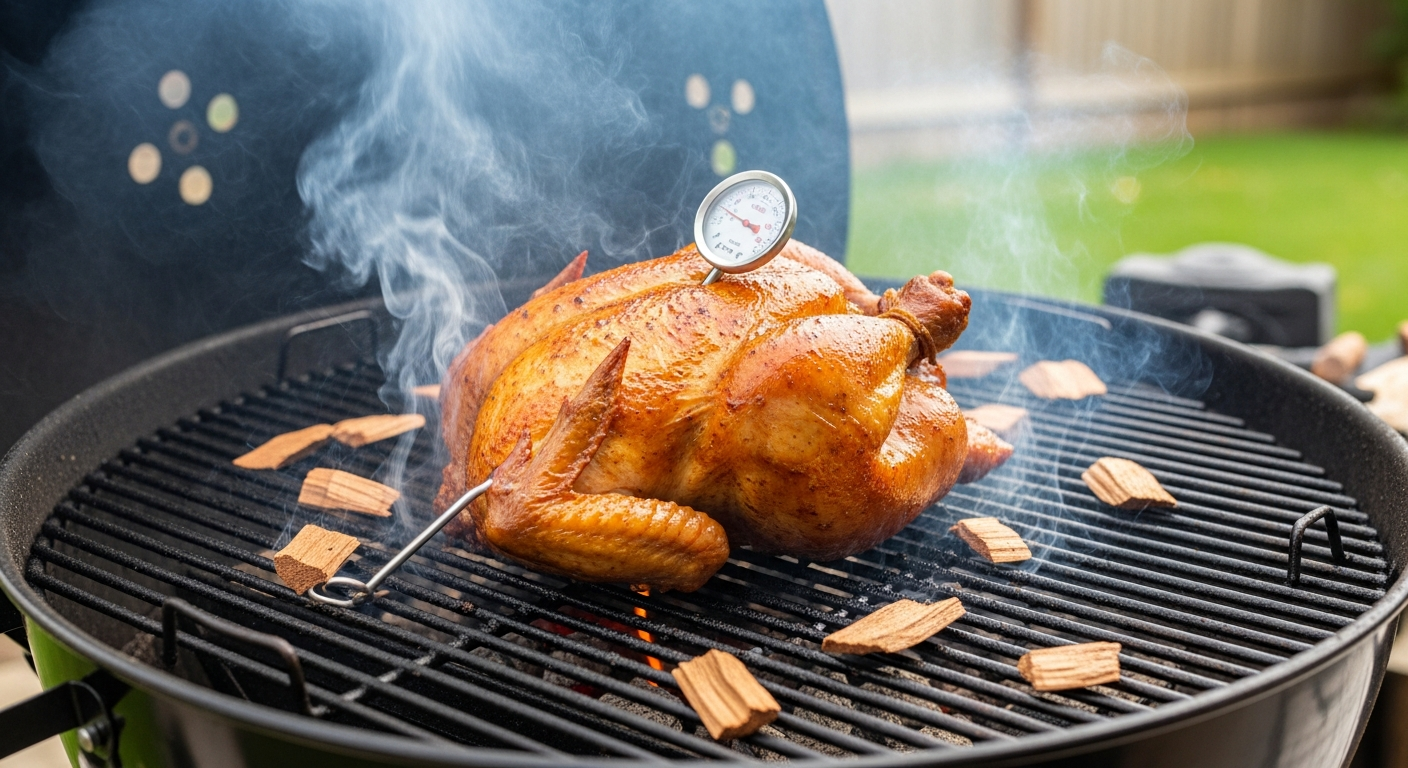
One of the most practical questions in jerk cooking is: what do I use to cook it? The answer depends on your equipment, your timeline, and how authentic you want the result to be. Jerk chicken is remarkably adaptable — the same marinade that works on a Boston Bay charcoal pit also works beautifully in a modern air fryer.
This guide covers every realistic cooking method for jerk chicken (and jerk pork and seafood where applicable): what equipment you need, the exact temperatures and times, the texture and flavor results you should expect, and where to find more detailed guides for each method.
⚡ Quick Facts — Jerk Cooking Methods
🇯🇲 Why This Guide Matters
The cooking method shapes the final result as much as the marinade does. An excellent jerk marinade cooked at the wrong temperature or in the wrong vessel produces dry, burnt, or underseasoned chicken. This guide removes the guesswork — giving you the exact setup for every method, from a traditional charcoal pit to a modern air fryer, with honest assessments of what each delivers.
How Cooking Method Affects Jerk Flavor
The marinade is the flavor foundation — the same regardless of method. But cooking method affects three things:
- Smoke — Only charcoal and smoker methods deliver actual wood smoke. Oven and air fryer produce no smoke. Gas grills with wood chips produce limited smoke.
- Char and crust — Direct-heat methods (grill, grill pan) produce the most caramelized crust. Oven and air fryer can approximate this with high heat and a broiler finish.
- Moisture — Slow cooker and Dutch oven retain the most moisture; air fryer and oven lose more. The marinade's oil helps retain moisture in all methods.
Ranking from most authentic to most convenient:
- Charcoal grill with allspice/cherry wood chips
- Offset smoker
- Pellet smoker
- Gas grill with wood chips
- Indoor grill pan + oven finish
- Oven + broiler finish
- Air fryer
- Slow cooker + broiler finish
- Dutch oven braise
- Sous vide + sear
Charcoal Grill
Authenticity level: ★★★★★
Best for: Bone-in chicken pieces, pork chops, whole spatchcocked chicken
Difficulty: Moderate
Setup
Create a two-zone fire: pile charcoal on one side of the grill, leave the other side empty. Light with a chimney starter (never lighter fluid — it taints the jerk flavor). When coals are ash-gray and glowing (about 20 minutes), spread on one side.
Technique
- Add a handful of allspice berries or wood chips (cherry or apple) to the coals
- Sear chicken skin-side down over direct heat, 3–4 minutes until charred
- Flip, sear 2–3 more minutes
- Move to indirect side, close lid
- Cook at 325–350°F until internal temp reaches 165°F (thighs: 175°F)
- Total time: 35–55 minutes depending on piece size
Result
Charred, caramelized exterior with visible grill marks. Subtle smoke from the charcoal and wood chips. The char on the jerk crust creates a deeply complex, slightly bitter-sweet outer layer against the spiced, moist interior. This is the closest to Boston Bay jerk you can achieve at home.
Detailed guides: jerk chicken on charcoal grill, tips for traditional jerk grilling, grill temperature guide.
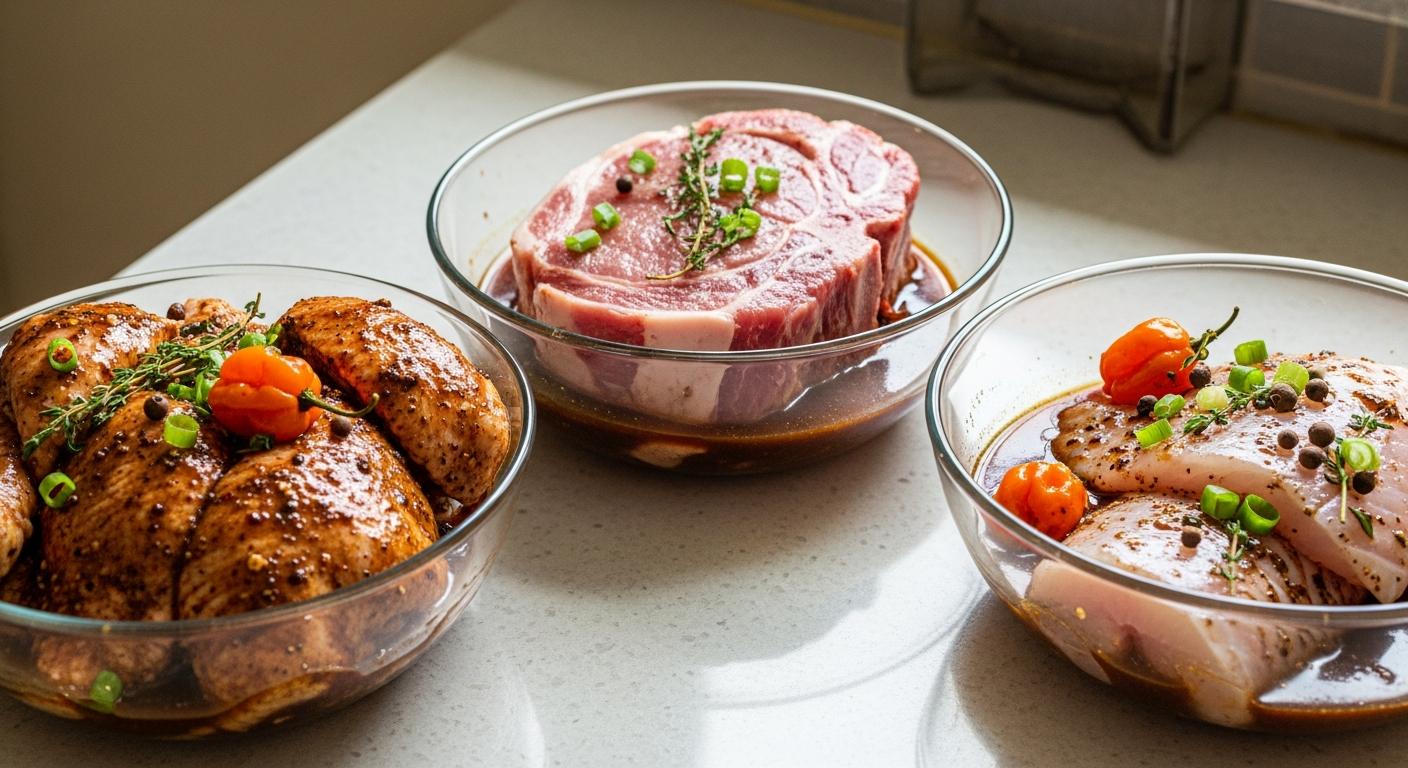
Gas Grill
Authenticity level: ★★★☆☆
Best for: Convenient weeknight cooking; bone-in and boneless pieces
Difficulty: Easy
Setup
Preheat all burners to medium-high for 10 minutes. Turn off the burners on one side. Place a foil pouch of soaked wood chips (allspice berries, cherry, or apple) over a lit burner to generate smoke.
Technique
- Sear chicken skin-side down over direct (lit) burners, 4–5 minutes
- Flip, sear 3–4 minutes more
- Move to indirect side (unlit burners) with lid closed
- Maintain 325–350°F; cook until internal temp hits 165°F (thighs: 175°F)
- Total time: 40–55 minutes
Result
Very good grill marks and crust. Less smoke than charcoal. The jerk flavor from the marinade is fully present; you lose primarily the pimento wood smoke dimension. A perfectly acceptable everyday cooking method.
Detailed guide: jerk chicken on gas grill.
Offset Smoker
Authenticity level: ★★★★★
Best for: Whole chickens, large bone-in pieces, pork shoulder, pork ribs
Difficulty: High — requires fire management skill
Setup
Build a fire in the firebox using hardwood (oak, hickory) with allspice wood chips or a foil pouch of allspice berries. Bring cooking chamber temperature to 250–275°F. Maintain by adding small amounts of fuel every 45–60 minutes.
Technique
- Place marinated chicken in the cooking chamber, away from direct firebox heat
- Cook at 250–275°F
- Bone-in pieces: 1.5–2.5 hours
- Whole spatchcocked chicken: 2.5–3.5 hours
- Pork shoulder: 6–10 hours (to 195–205°F internal)
- Finish with a 5-minute direct sear or broil to caramelize the jerk crust
Result
The deepest, most complex jerk flavor possible from home equipment. A thick smoke ring in the meat, deeply caramelized exterior, and extraordinary moisture retention. This is the aspirational jerk cooking method.
Related: smoking vs grilling jerk meats, backyard jerk cooking essentials.
Pellet Smoker
Authenticity level: ★★★★☆
Best for: Set-and-forget whole birds and bone-in pieces; excellent for beginners who want smoke flavor
Difficulty: Easy
Setup and Technique
Set pellet smoker to 250°F using cherry or apple pellets (avoid hickory or mesquite — too aggressive for jerk spice). Place marinated chicken directly on grates. Cook to internal temperature of 165°F (thighs: 175°F). Raise temperature to 400°F for the last 10 minutes to crisp the skin, or finish under the broiler.
Result
Excellent smoke penetration with less babysitting than an offset smoker. The digital temperature control makes hitting exact temps easy. Pellet smoke is lighter and cleaner than charcoal or wood fire — some describe it as "cleaner" jerk, others miss the intensity of charcoal. Either way, the result is outstanding.
Oven
Authenticity level: ★★★☆☆
Best for: Year-round cooking; large batches; bone-in and boneless pieces
Difficulty: Easy
Technique
- Preheat oven to 400°F (205°C)
- Line baking sheet with foil; place wire rack inside
- Arrange chicken skin-side up, not touching
- Roast 35–45 minutes (bone-in thighs) or 22–28 minutes (boneless breast)
- Internal temp: 165°F minimum (thighs: 175°F preferred)
- Broil on high for 3–5 minutes to char the exterior
Result
Full marinade flavor, good crust with the broiler step, excellent moisture (wire rack prevents steaming). No smoke. The result is deeply flavorful jerk chicken that is genuinely excellent — many home cooks prefer the oven for its predictability.
Related: oven jerk chicken recipe, baking jerk chicken for beginners, can you bake jerk chicken?, pit vs oven comparison.
Air Fryer
Authenticity level: ★★☆☆☆
Best for: Quick weeknight meals; crispiest indoor skin; bone-in pieces and wings
Difficulty: Easy
Technique
- Preheat air fryer to 380°F
- Pat excess marinade off pieces (reduces spattering and smoke alarm triggering)
- Cook skin-side down 12 minutes, flip, cook 10–12 more minutes
- Verify 165°F internal (thighs: 175°F); add 3–4 minutes if needed
- Do not crowd — cook in batches
Result
Exceptionally crispy skin — often the crispiest of any indoor method. Full marinade flavor. No smoke. The air fryer's high-speed hot air creates real crunch on the jerk crust that rivals a grill for texture, even without caramelization. Excellent for weeknights when you want restaurant-quality texture fast.
Detailed recipe: air fryer jerk chicken recipe, how to get crispy jerk chicken skin.
Slow Cooker
Authenticity level: ★★☆☆☆
Best for: Hands-off cooking; meal prep; shredded jerk chicken for sandwiches, rice bowls, tacos
Difficulty: Very Easy
Technique
- Place marinated chicken in slow cooker
- Add ½ cup jerk cooking sauce and ¼ cup chicken broth
- Cook on LOW 6–7 hours or HIGH 3–4 hours
- Optional: transfer to baking sheet and broil 3–5 minutes to add crust
Result
Extremely moist, fall-off-the-bone tender. The jerk marinade deeply permeates the meat. No crust unless you finish under the broiler. Not the texture of traditional jerk (which has a dry, almost charred exterior) but the flavor is excellent. Outstanding shredded and served in rice bowls with coconut rice, fried plantain, and coleslaw.
Detailed recipe: slow cooker jerk chicken.
Sous Vide
Authenticity level: ★☆☆☆☆
Best for: Perfect, consistent doneness every time; meal prep; restaurant-style precision
Difficulty: Easy (if you own equipment), but requires an immersion circulator
Technique
- Coat chicken with jerk marinade as normal
- Seal in vacuum bags (or zip-lock with water displacement method)
- Cook in water bath at 145°F for 2–4 hours (bone-in) or 1.5 hours (boneless)
- Remove, pat dry, sear in a very hot cast iron pan or on grill for 2–3 minutes per side
Result
Perfectly cooked interior with zero risk of over-cooking. The marinade is fully absorbed during the long bath. The exterior sear creates a quick caramelized crust. The result is technically perfect chicken that lacks the authentic jerk character (smoky, slightly charred) but achieves flawless texture. Best suited for boneless breast, which is notoriously difficult to keep moist by other methods.
Indoor Grill or Grill Pan
Authenticity level: ★★★☆☆
Best for: Apartment cooking; boneless pieces and wings
Difficulty: Moderate
Technique
- Preheat cast iron grill pan over medium-high heat for 5 minutes until extremely hot
- Add 1 tsp neutral oil to prevent sticking
- Sear chicken skin-side down, 5–6 minutes undisturbed
- Flip, sear 4–5 minutes
- Transfer pan to 375°F oven to finish: 15–20 minutes for bone-in, 8–10 for boneless
- Verify temperature and rest 5 minutes
Result
Excellent grill marks and crust from the cast iron. No smoke. The oven finish ensures even cooking and prevents burning of the sugar in the marinade. Note: cooking jerk on an indoor grill pan will produce significant smoke — ensure good ventilation and a working range hood.
Related: jerk chicken without a grill.
Dutch Oven or Braising
Authenticity level: ★★☆☆☆
Best for: Jerk chicken stews, rice-based dishes; cold-weather comfort cooking
Difficulty: Easy to moderate
Technique
- Heat Dutch oven over medium-high; brown marinated chicken pieces skin-side down, 4–5 minutes
- Flip, brown 3 minutes
- Add aromatics: diced onion, garlic, thyme, scotch bonnet
- Add ½ cup chicken broth, ½ cup jerk cooking sauce, and 1 can diced tomatoes (optional)
- Bring to simmer, cover, cook on low heat or in 325°F oven for 1–1.5 hours
- Remove lid for last 20 minutes to reduce and concentrate the sauce
Result
Deep, braised jerk flavor. The sauce absorbs all the marinade aromatics and becomes extraordinary — thick, spiced, slightly sweet. The chicken falls off the bone. Not "grilled jerk" but a deeply authentic Jamaican stew style. Excellent over rice and peas.
Method Comparison Chart
| Method | Smoke | Crust | Moisture | Time | Difficulty | Best For |
|---|---|---|---|---|---|---|
| Charcoal grill | ★★★★★ | ★★★★★ | ★★★☆☆ | 40–55 min | Moderate | Authenticity |
| Offset smoker | ★★★★★ | ★★★★☆ | ★★★★★ | 1.5–10 hrs | High | Deep smoke flavor |
| Pellet smoker | ★★★★☆ | ★★★★☆ | ★★★★★ | 1.5–3 hrs | Easy | Hands-off smoking |
| Gas grill | ★★★☆☆ | ★★★★☆ | ★★★☆☆ | 40–55 min | Easy | Convenience |
| Oven + broiler | None | ★★★☆☆ | ★★★★☆ | 40–50 min | Easy | Year-round, large batches |
| Air fryer | None | ★★★★★ | ★★★☆☆ | 22–26 min | Very Easy | Crispiest skin, speed |
| Slow cooker | None | None* | ★★★★★ | 6–7 hrs | Very Easy | Meal prep, shredded |
| Indoor grill pan | None | ★★★★☆ | ★★★☆☆ | 30–40 min | Moderate | No outdoor space |
| Dutch oven | None | ★★☆☆☆ | ★★★★★ | 1.5–2 hrs | Easy | Jerk stews |
| Sous vide + sear | None | ★★★★☆ | ★★★★★ | 2–4 hrs + 5 min | Easy* | Boneless precision |
*Slow cooker crust: finish under broiler for 3–5 minutes. *Sous vide: easy if you have equipment.
All Cooking Technique Guides on JerkPit.com
- Jerk Chicken on Charcoal Grill
- Jerk Chicken on Gas Grill
- Air Fryer Jerk Chicken Recipe
- Slow Cooker Jerk Chicken
- Oven Jerk Chicken Recipe
- Baking Jerk Chicken for Beginners
- Jerk Chicken Without a Grill
- Smoking vs Grilling Jerk Meats
- Jerk Chicken Temperature Guide
- Grill Temperature for Jerk Chicken
- When Is Jerk Chicken Done?
- Mastering Heat in Jerk Cooking
- How to Get Crispy Jerk Chicken Skin
- Tips for Traditional Jerk Grilling
- Backyard Jerk Cooking Essentials
- Dry Rub or Wet Marinade?
- Pit vs Oven Comparison
Common Mistakes in Jerk Cooking Methods
- Cooking over direct high heat the whole time. The brown sugar in jerk marinade burns at temperatures above 450°F. Sustained direct high heat produces blackened, bitter chicken on the outside while the inside is undercooked. Always use indirect heat for most of the cook, finishing directly for 5 minutes only.
- Not using a meat thermometer. The dark marinade stains chicken meat, making color unreliable as a doneness indicator. The only accurate method is an instant-read thermometer. Pull thighs at 175–180°F for best texture.
- Skipping the rest period. Jerk chicken needs 5–10 minutes of rest after cooking before cutting. Cutting immediately causes juice loss, resulting in dry meat despite perfect cooking.
- Adding wood chips without soaking first. Dry wood chips flame up and burn rather than smoldering and producing sustained smoke. Soak wood chips in water for 30 minutes, drain, and wrap in foil with holes poked through before adding to the grill.
- Using lighter fluid on charcoal. Lighter fluid imparts a chemical flavor that is particularly noticeable against the delicate allspice and scotch bonnet aromatics. Always use a chimney starter for clean charcoal ignition.
🍴 Chef's Tip — The Two-Zone Setup Is Everything
For all grill-based jerk cooking, always use a two-zone setup: all the coals or lit burners on one side, nothing on the other. Cook chicken on the cool side for 40–50 minutes with the lid closed, then move directly over the heat for 5 minutes per side to develop the char and caramelization. This single technique is the difference between burnt-outside/raw-inside jerk and perfectly cooked, deeply flavored jerk chicken every time.
Continue Learning: Cooking Methods Deep Dives
The Full Picture
Ultimate Jerk Chicken Guide
All methods in context — history, marinade, serving, storage.
Before You Cook
Essential Jerk Ingredients Guide
The ingredients that need to be in your marinade before any method works.
Other Proteins
Jerk Pork Guide
How cooking method adjustments differ for pork shoulder vs chicken.
Quick Cooking
Jerk Seafood Guide
Jerk shrimp in 20 minutes, jerk fish in under 10 — seafood method guide.