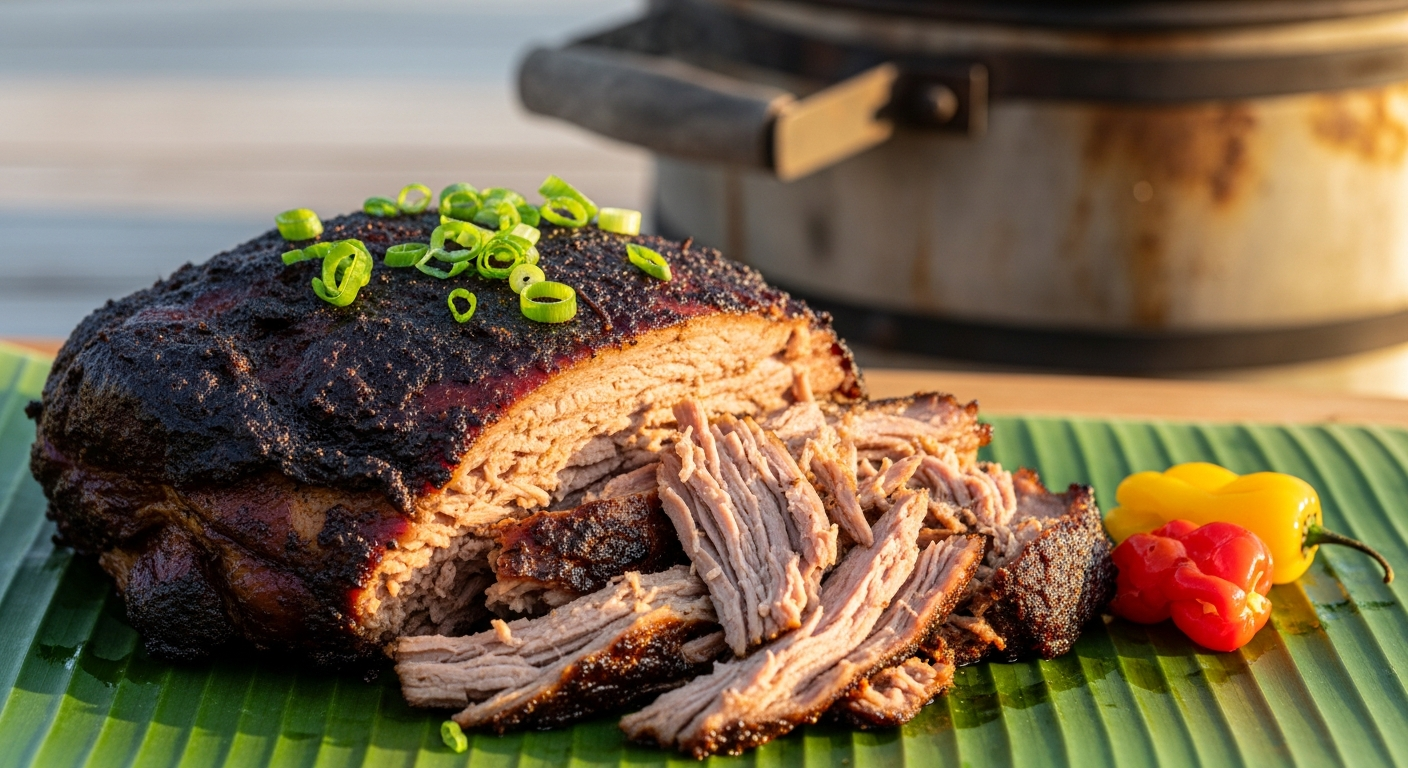
How Long to Marinate Pork in Jerk Marinade: The Complete Guide
Jerk pork marinating times vary dramatically by cut — shoulder needs 24–48 hours, chops 4–12 hours, and tenderloin only 2–6 hours. Over-marinating risks acid-induced texture changes. This complete guide gives optimal windows and minimum times for every pork cut used in jerk cooking.
Why Pork Benefits from Longer Marinating Than Chicken
Pork's denser muscle fiber and higher fat content compared to chicken means jerk marinade penetrates more slowly. Where jerk marinade can reach 1/4–1/2 inch into chicken thigh meat in 8 hours, it may only penetrate the outer 1/8 inch of pork shoulder in the same time. The fat content of pork shoulder also requires more time for the marinade's oil-soluble flavor compounds to be absorbed into the fat layer. Longer marinating is not just about flavor intensity — it is about flavor distribution throughout the cut. The full technique is in the jerk pork guide and the cooking methods guide.
Marinating Time Guide by Cut
| Cut | Minimum | Ideal | Maximum |
|---|---|---|---|
| Pork Shoulder | 12 hours | 24–48 hours | 72 hours |
| Spare Ribs | 8 hours | 12–24 hours | 48 hours |
| Baby Back Ribs | 6 hours | 8–24 hours | 36 hours |
| Bone-In Pork Chops (1") | 2 hours | 4–12 hours | 24 hours |
| Pork Tenderloin | 1 hour | 2–6 hours | 12 hours |
| Pork Belly | 8 hours | 12–24 hours | 48 hours |
Scoring Before Marinating
For all pork cuts, scoring dramatically improves marinade penetration. Use a sharp knife to cut into the meat (not just the surface) at 1.5–2 inch intervals. For pork shoulder: cut to the bone where possible, 2 inches deep into the meat. For ribs: score between the bones through the meat down to the bone surface. For chops: 3–4 shallow cuts across the surface plus cuts around the bone if bone-in. The scored channels fill with marinade and allow penetration into the interior layers that would otherwise be unreachable during the marinating period. See the shoulder guide and ribs guide for scoring technique details.
Injection for Large Cuts
For pork shoulder over 4 lbs, surface marinating and scoring alone cannot fully season the geometric center of the cut. Marinade injection using a needle injector is the solution — dilute the jerk paste with 2 tablespoons apple juice or pineapple juice and inject at multiple points throughout the shoulder. The result is internal flavor distribution that surface marinating cannot achieve. See the pork shoulder guide for full injection technique. The marinating time table above assumes injection for shoulder cuts over 4 lbs — without injection, extend the minimum marinating time by 12 hours for large cuts.
Refrigerating During Marinating
All pork must marinate in the refrigerator — not at room temperature. The USDA recommends refrigerating marinating meat at all times. Room temperature marinating allows the outer layers of pork to enter the bacterial danger zone (40–140°F) while the interior remains cool — creating conditions for foodborne illness. The low temperature of refrigerator marinating slows bacterial growth while still allowing the marinade chemistry to work (more slowly, which is part of why pork needs longer marinating windows than the room-temperature-marinating approach might suggest).
Frequently Asked Questions
Frequently Asked Questions
Can I marinate pork in jerk marinade for 3 days?
What is the minimum marinating time for jerk pork?
Should I rinse jerk marinade off pork before cooking?
Can I freeze pork in jerk marinade?
Does marinating pork longer than the ideal window hurt it?
Editorial Selection
Recommended Products
Marinade Injector
Essential for Large CutsBest for: Large pork shoulder
Essential for jerk pork shoulder over 4 lbs — gets marinade to the center of the cut.
Why we recommend it: Surface marinating can't reach the center of a 6-lb shoulder. Injection is the only way to season the interior.
Affiliate link coming soonEditorial note: These are independent recommendations based on quality and usefulness for jerk cooking. We may earn a small commission if you purchase through our links — at no extra cost to you. See our affiliate disclosure for full details.
Free Newsletter
Get Authentic Jerk Recipes Delivered
Authentic Jamaican recipes, cooking tips, and new guides delivered to your inbox. No spam — unsubscribe any time.
No spam. Unsubscribe anytime.
Complete Guide
Jamaican Jerk Pork: Complete Guide
Everything you need to know about this topic in one comprehensive guide.
Read the complete guide →Continue Learning
Authority Guides
Related Topics
Recipes & Techniques
Buying Guides
Written by
Jerk Cuisine Specialist
Marcus Thompson has spent over a decade studying Jamaican culinary traditions, from the jerk pits of Boston Bay to home kitchens across the Caribbean diaspora.
View full bio