The Traditional Art of Jamaican Jerk Pit Cooking
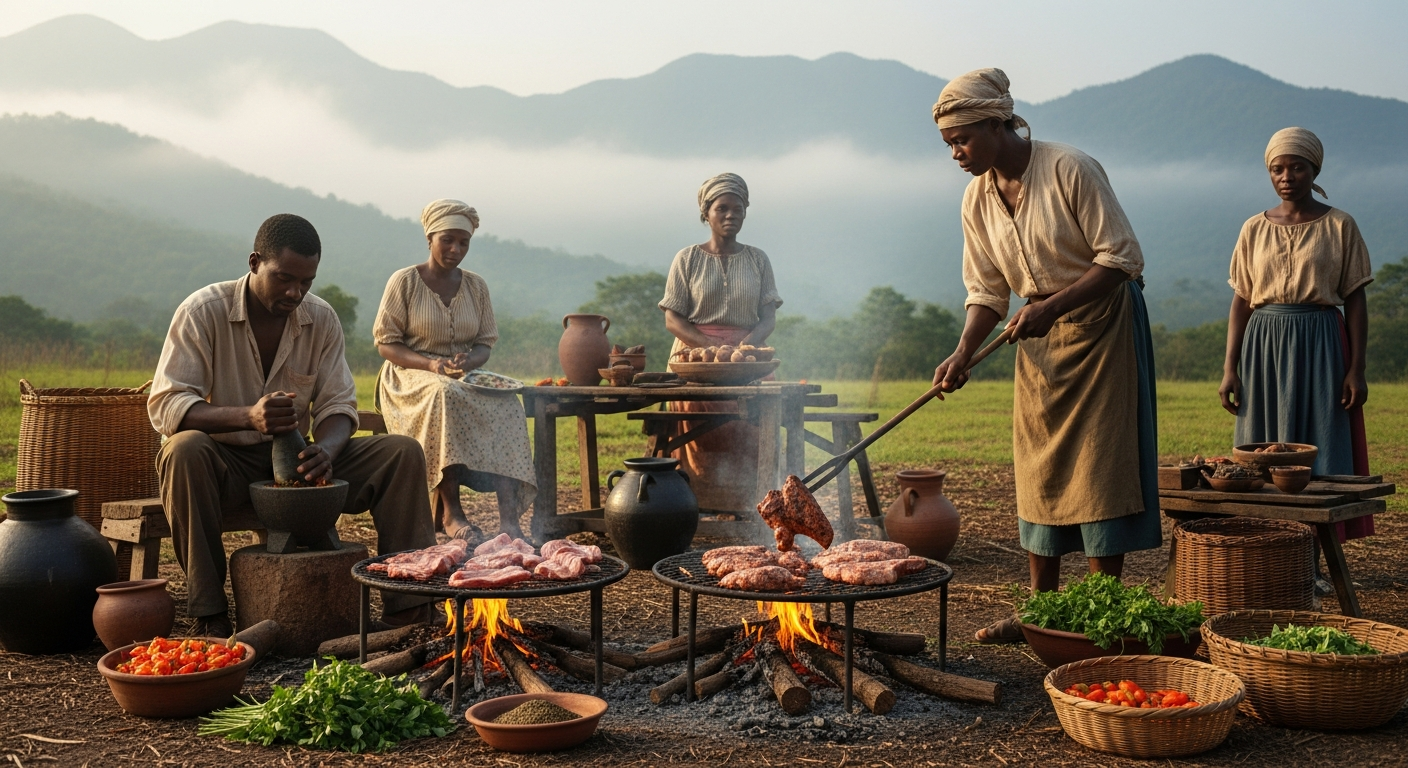
Jamaican jerk pit cooking techniques represent one of the oldest continuously practiced culinary traditions in the Americas. These techniques, developed by the Maroons in Jamaica's remote mountain communities, have been passed down through oral tradition and hands-on apprenticeship for over three centuries. Understanding these methods is essential for anyone who wants to appreciate the cultural depth behind every plate of authentic jerk.
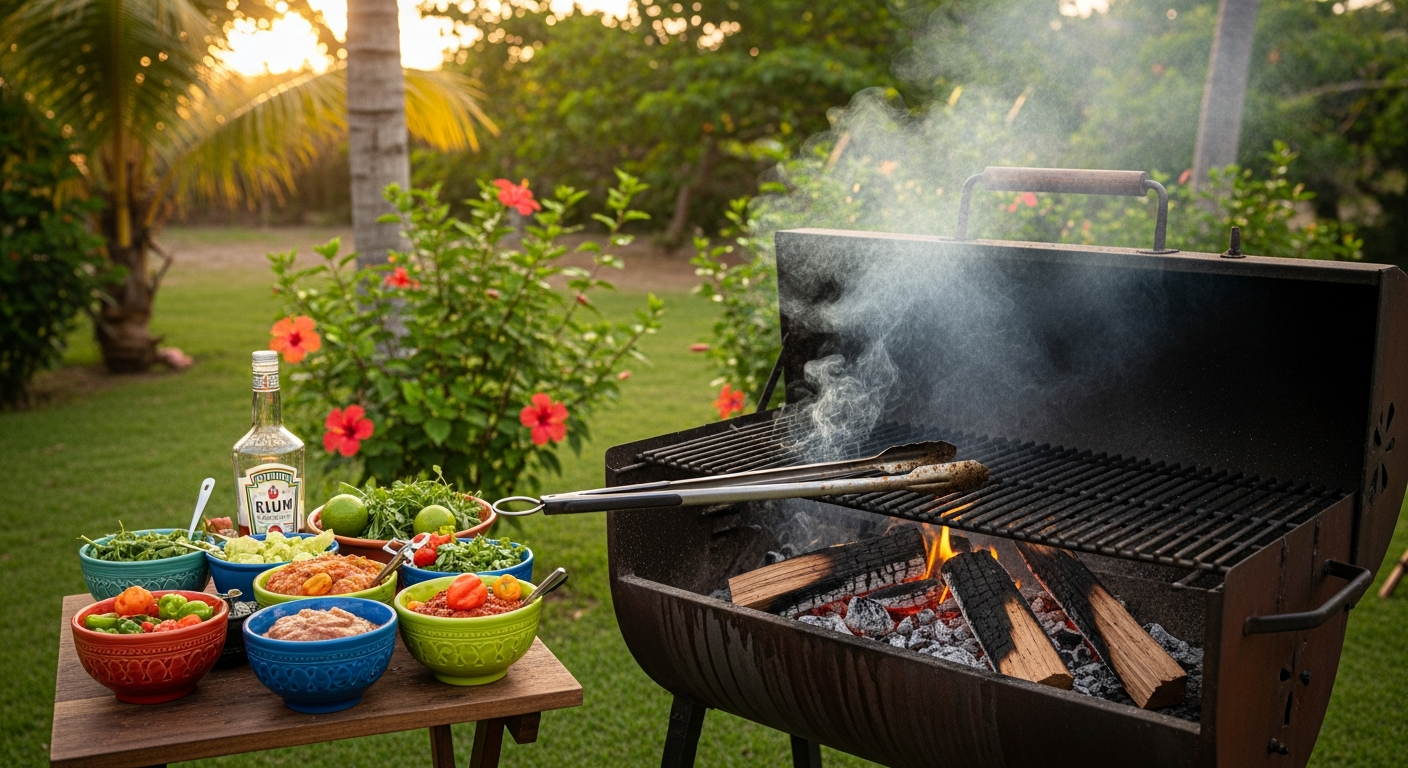
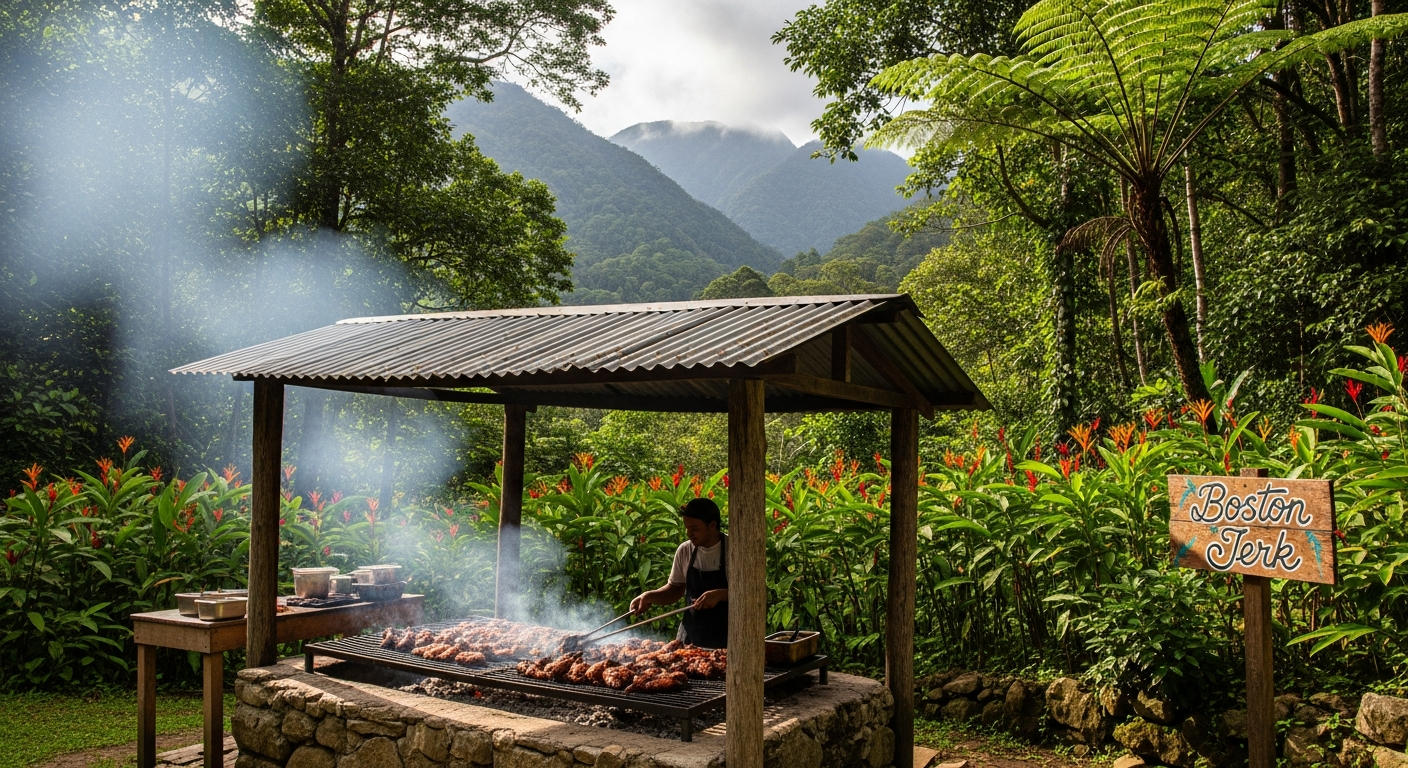
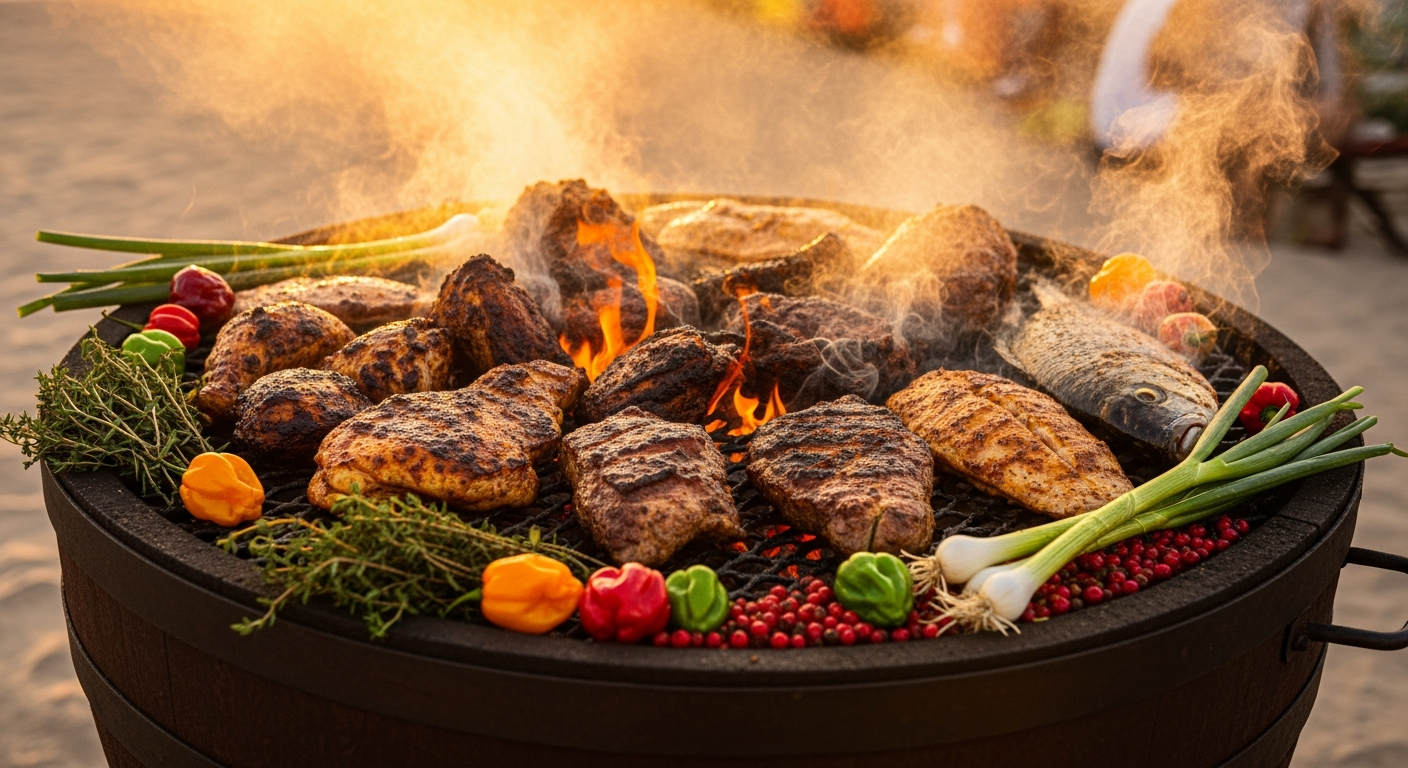
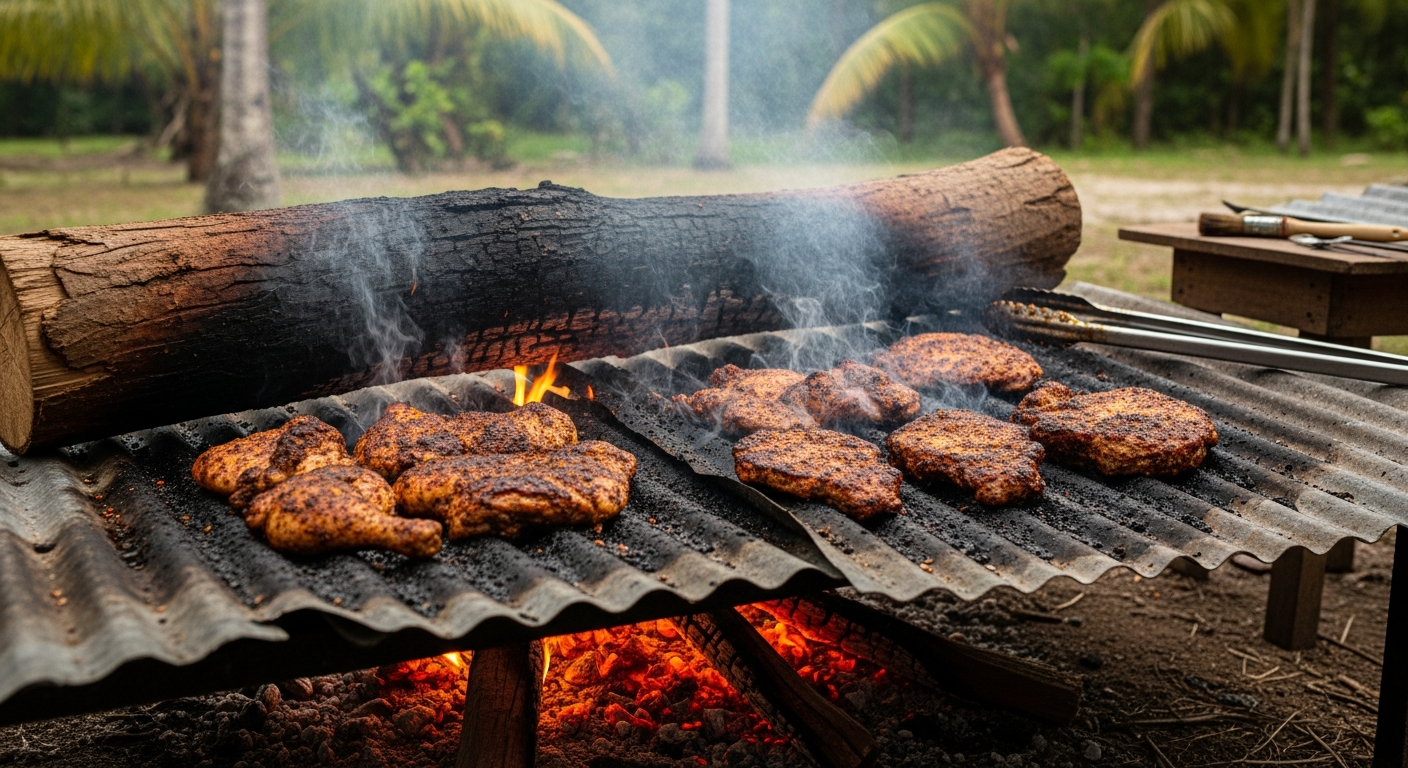
The traditional jerk pit is deceptively simple in its construction but remarkably sophisticated in its function. At its most basic, it consists of a depression in the ground or a raised platform made from rocks, concrete blocks, or repurposed metal drums. The cooking surface is a steel grate or sheet of zinc, and the fuel is green pimento wood. But within this simple framework, pit masters apply a wealth of knowledge about fire management, smoke production, and heat distribution that takes years to master.
What sets jerk pit cooking apart from other barbecue traditions around the world is the integral relationship between the fuel and the flavor. In American barbecue, the wood is chosen to complement the meat. In Jamaican jerk, the pimento wood is as important to the final flavor as the marinade itself. Without it, you may have grilled chicken with jerk seasoning, but you do not have true jerk.
Selecting and Preparing Pimento Wood
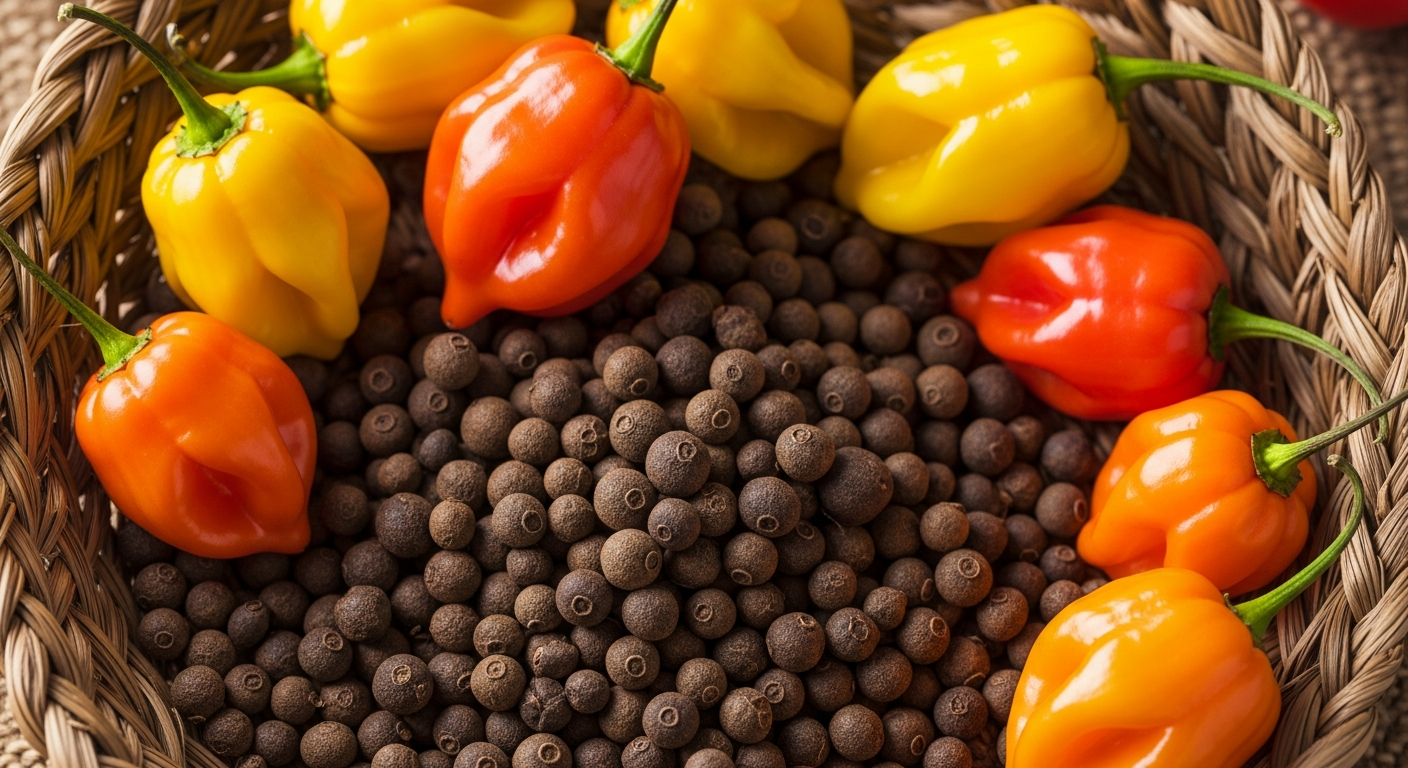
The foundation of authentic jerk pit cooking is pimento wood, harvested from the allspice tree (Pimenta dioica) that grows abundantly throughout Jamaica. The selection and preparation of this wood is the first critical technique that aspiring pit masters must learn.
Traditional pit masters prefer green pimento wood — freshly cut branches that still contain moisture and essential oils. Green wood smolders rather than burns with open flame, producing the thick, aromatic smoke that is essential to jerk flavor. The oils in the green wood vaporize slowly, infusing the meat with a sweet, complex smokiness that no other wood can replicate.
The branches are typically cut to lengths of two to three feet and split if they are thick. Smaller branches and leaves are also used, often placed directly on top of the meat as a smoking cover. The leaves of the pimento tree contain concentrated essential oils and produce an intensely aromatic smoke when heated.
Preparing the wood also involves understanding sustainability. Responsible pit masters harvest pimento wood selectively, taking branches rather than felling entire trees, allowing the trees to regenerate. This sustainable approach has helped maintain Jamaica's pimento tree population despite centuries of use for jerk cooking.
Building and Managing the Fire
Fire management is perhaps the most critical skill in jerk pit cooking. The goal is to maintain a consistent temperature of approximately 300 to 325 degrees Fahrenheit at the grate level, producing steady smoke without excessive flame. This requires constant attention and adjustment throughout the cooking process.
Traditional pit masters build their fires using a combination of charcoal for consistent base heat and pimento wood for smoke and flavor. The charcoal is arranged in a bed across the bottom of the pit, lit, and allowed to ash over until it produces even heat. The pimento wood is then added on top, where it smolders and smokes without catching fire.
Managing airflow is essential. Too much air causes the pimento wood to flame up, producing excessive heat and bitter smoke. Too little air smothers the fire and reduces smoke production. Pit masters control airflow by adjusting the placement of the wood, opening or closing vents in drum-style pits, and sometimes using sheets of zinc or banana leaves to regulate the draft.
The fire must be tended continuously throughout the cooking process, which can last anywhere from one to three hours depending on the size and type of meat being cooked. Pit masters add fresh pimento wood at regular intervals to maintain smoke production and adjust the charcoal bed to manage temperature. This constant attention is one reason why jerk pit cooking remains a labor-intensive craft that resists industrialization.
Meat Preparation and Marinade Application
Before the meat reaches the pit, it must be properly prepared. The traditional technique begins with scoring — making deep diagonal cuts into the thickest parts of the meat. For chicken, this means cutting through to the bone at regular intervals. For pork, deep slashes are made across the surface of the meat. These cuts serve multiple purposes: they allow the marinade to penetrate deeply, help the meat cook more evenly, and create more surface area for the smoky crust to develop.
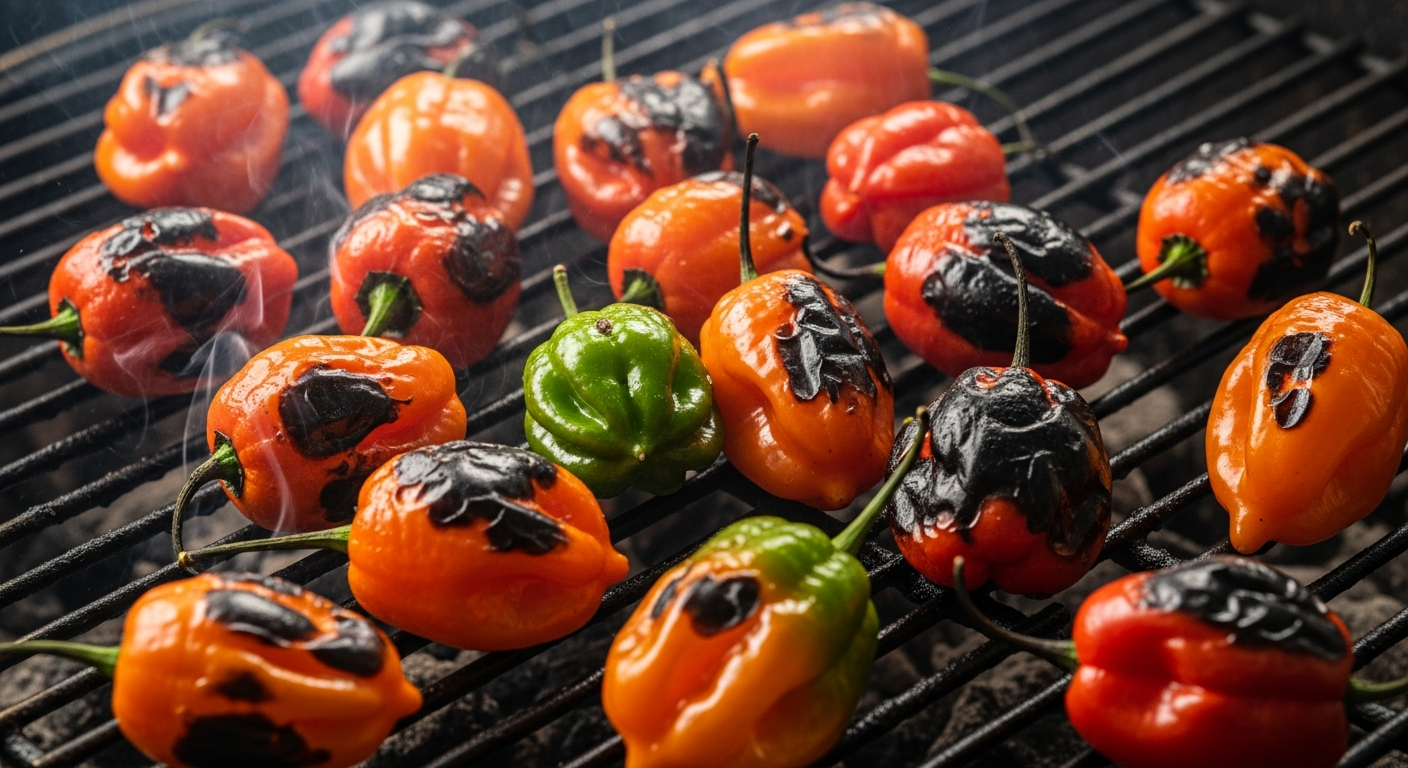
The marinade is applied generously, worked into every cut and crevice by hand. Traditional pit masters often wear gloves when handling scotch bonnet-laden marinades, as the capsaicin can cause intense burning on bare skin. The meat is then allowed to marinate for a minimum of four hours, though overnight marination is preferred for the deepest flavor penetration.
Some pit masters also practice injection marinating, using a large syringe to inject marinade directly into the center of thick cuts of meat. This technique ensures that the interior of the meat is as flavorful as the exterior, a particular concern with large pieces of pork or whole chickens.
The Cooking Process
Once the fire is established and the meat is prepared, the cooking process begins. The meat is placed on the grate over the smoldering pimento wood, typically starting with the skin side down for chicken or the fat cap down for pork. The initial placement is critical for developing the characteristic jerk crust.
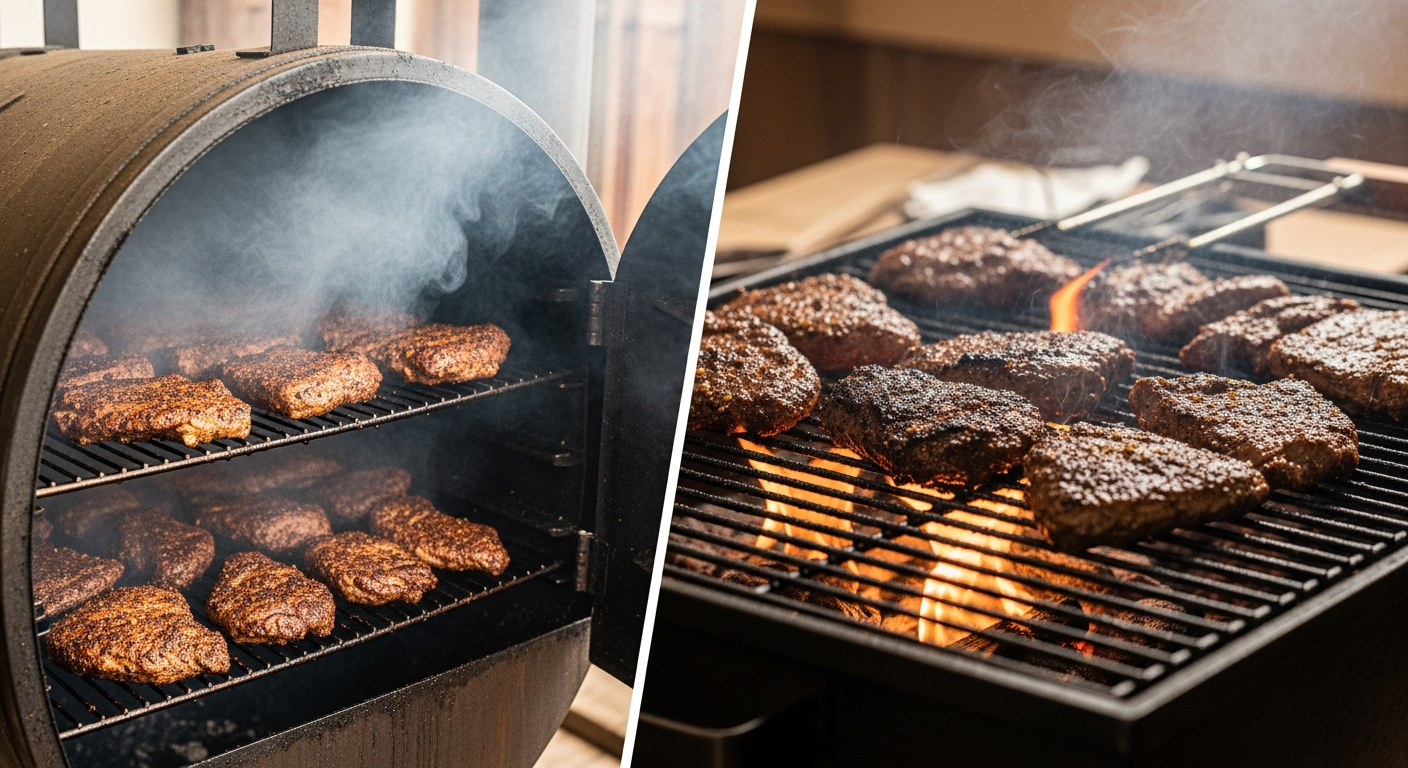
Traditional technique calls for cooking with the pit covered. In many traditional setups, sheets of corrugated zinc or additional pimento branches are placed over the meat, creating an enclosed cooking environment that traps smoke and maintains consistent temperature. This covering technique is what gives jerk its distinctive smoky depth, as the meat is essentially bathed in pimento smoke throughout the cooking process.
Turning the meat is done carefully and at specific intervals, typically every 15 to 20 minutes. Each turn exposes a new surface to the direct heat and smoke while allowing the previously cooked surface to rest. The pit master watches for visual cues — the color of the crust, the way the fat renders, the firmness of the meat when pressed — to determine when to turn and when the meat is done.
The final stage of cooking often involves a brief period of higher heat. Some pit masters move the meat closer to the coals or increase airflow to create a final burst of caramelization. This technique creates the dark, slightly charred exterior that is the hallmark of great jerk, while the interior remains moist and tender from the long, slow cooking process.
Resting and Serving
The importance of resting the meat after cooking is well understood by experienced pit masters, even if it is often overlooked by home cooks. After removing the meat from the pit, it should rest for at least 10 minutes. During this time, the juices redistribute throughout the meat, and the residual heat continues to cook the interior slightly, bringing everything to a uniform doneness.
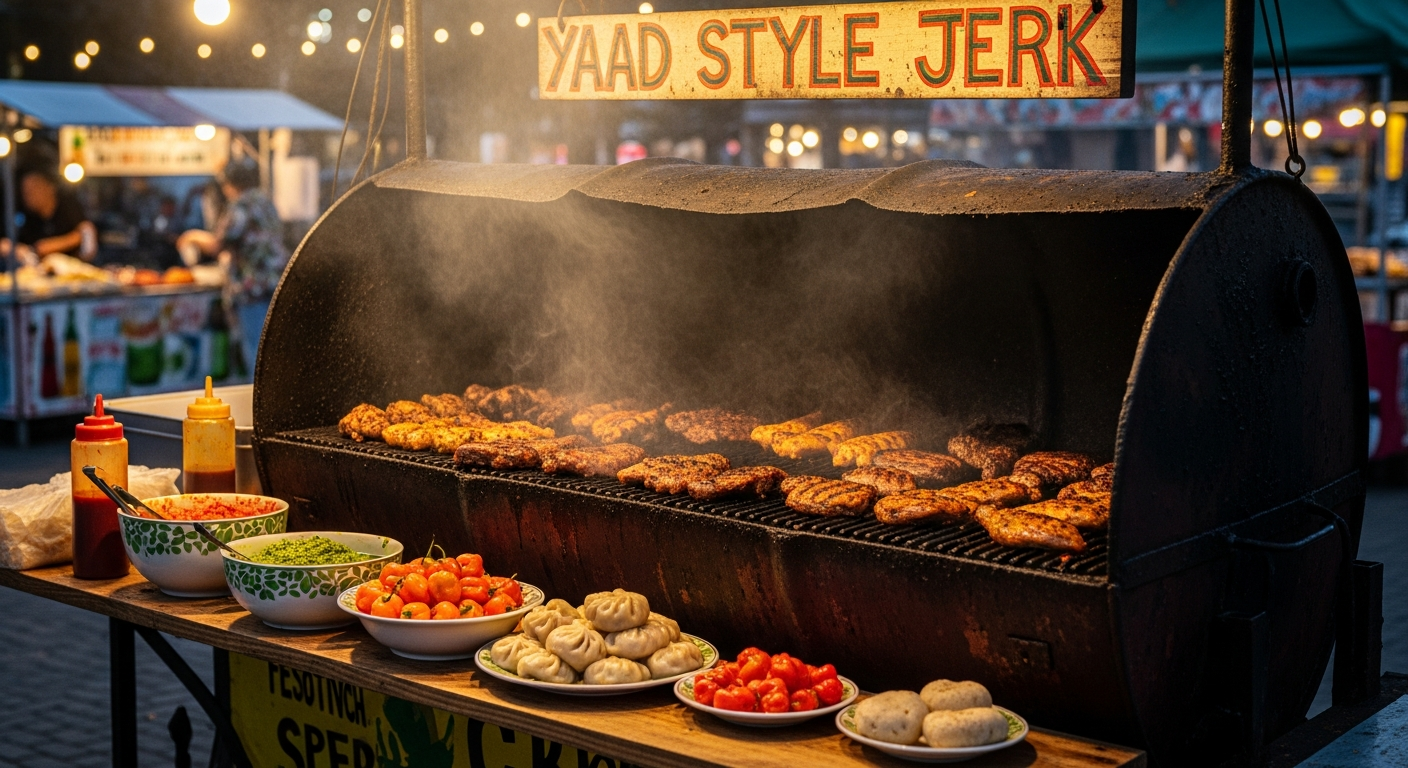
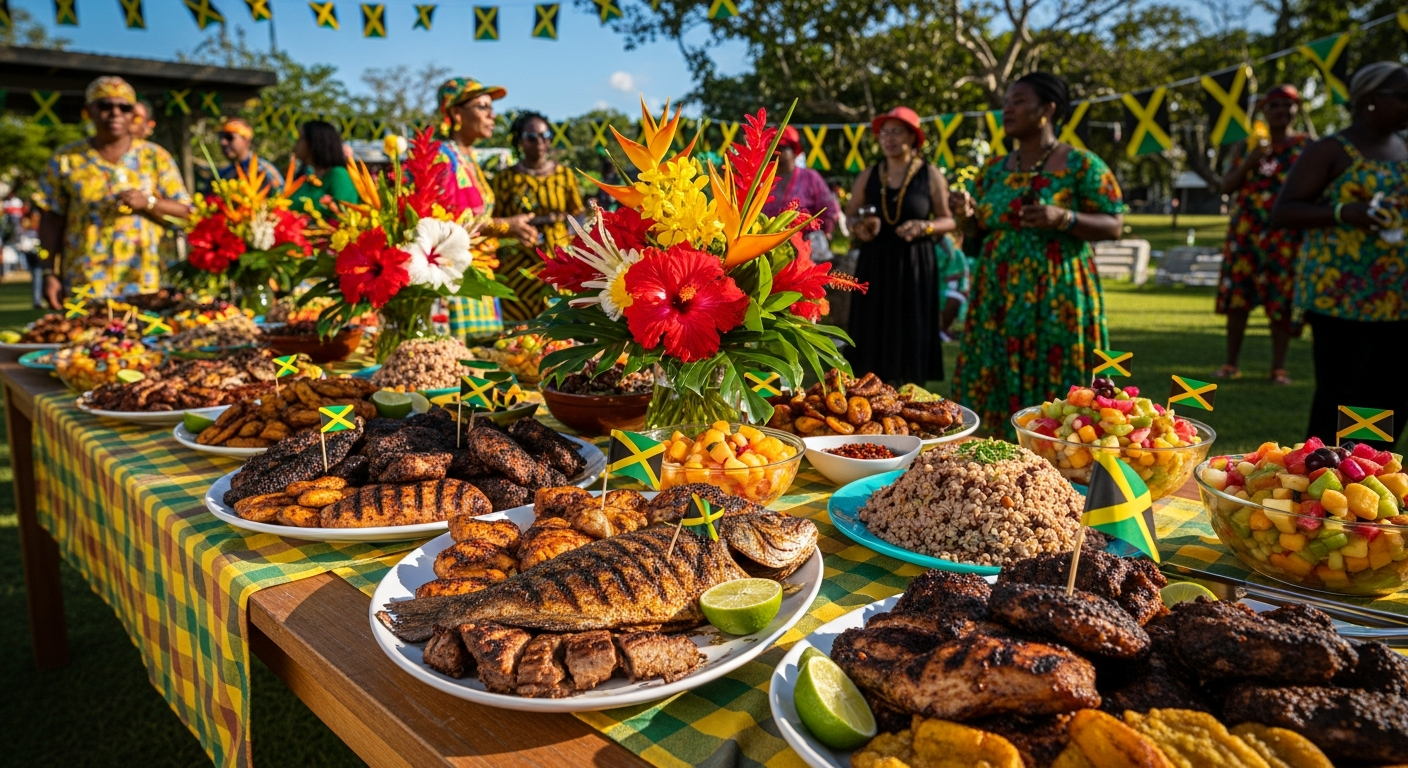
Traditional serving involves chopping the jerk on a thick wooden board, a technique that is both practical and theatrical. The pit master uses a heavy cleaver to cut the meat into pieces, and the chopping sound is as much a part of the jerk pit experience as the smell of the smoke. The meat is typically served on a piece of foil or butcher paper, accompanied by hard dough bread, festival, or bammy and a splash of extra pepper sauce for those who want additional heat.
These jerk pit cooking techniques, refined over centuries and passed from pit master to apprentice, represent a living culinary heritage that continues to evolve while maintaining its essential character. Learning and practicing these techniques is not just a cooking exercise but a way of connecting with one of the most important food traditions in the Caribbean.