The Jerk Pit Master Secrets Behind Authentic Jamaican Flavor
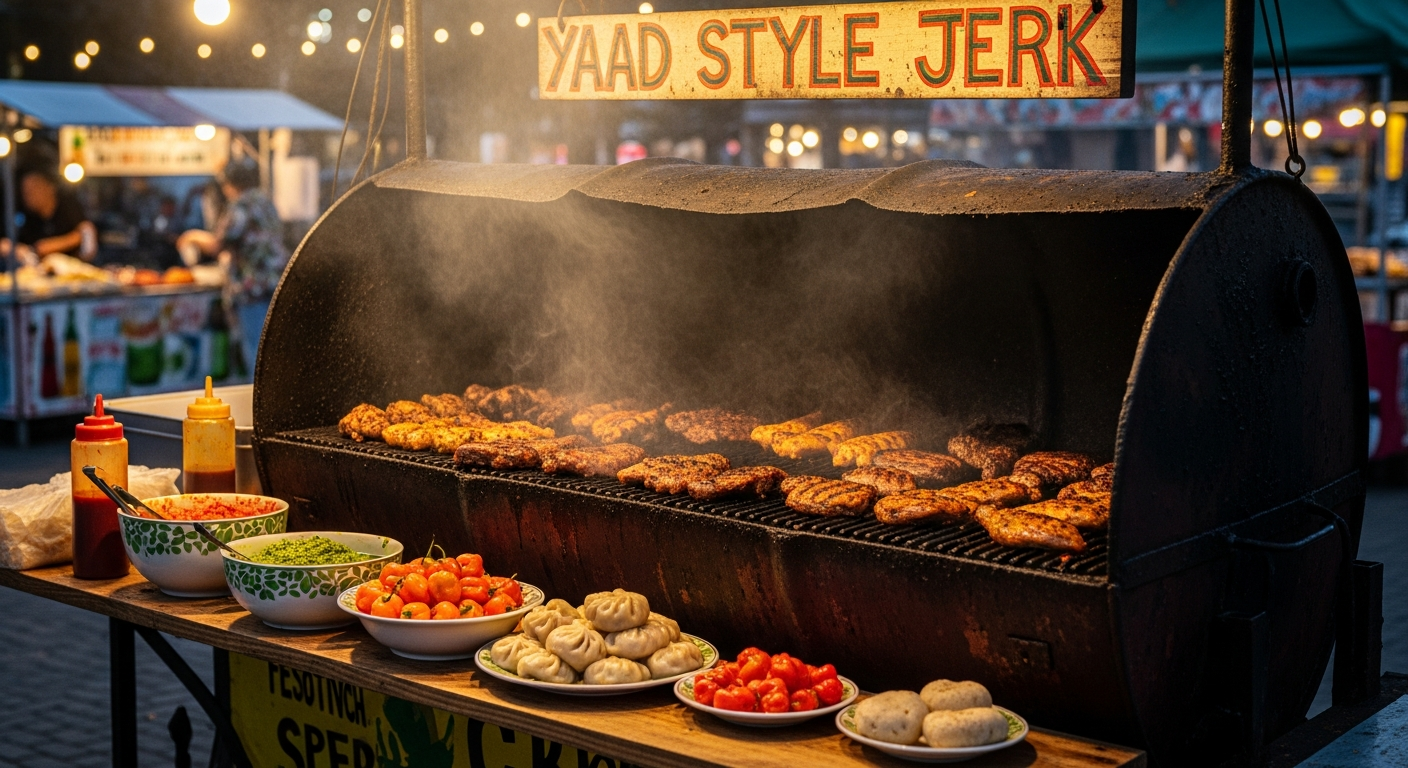
Jerk pit master secrets have been passed down through generations of Jamaican cooks, handed from parent to child in the smoky haze of roadside jerk stands and backyard pits across the island. These are not techniques you find in cookbooks or television shows. They are the hard-won knowledge of men and women who have spent decades perfecting the art of jerk cooking, learning to read fire, smoke, and seasoning with an intuition that borders on instinct.
Understanding these jerk pit master secrets is the difference between producing a passable grilled chicken with some spice on it and creating the kind of deeply flavored, perfectly smoked, intensely aromatic jerk that stops people in their tracks. Whether you are a weekend griller looking to elevate your game or an aspiring pit master ready to commit to the craft, the knowledge in this guide will transform your approach to jerk cooking.
Secret One: The Fire Is Everything
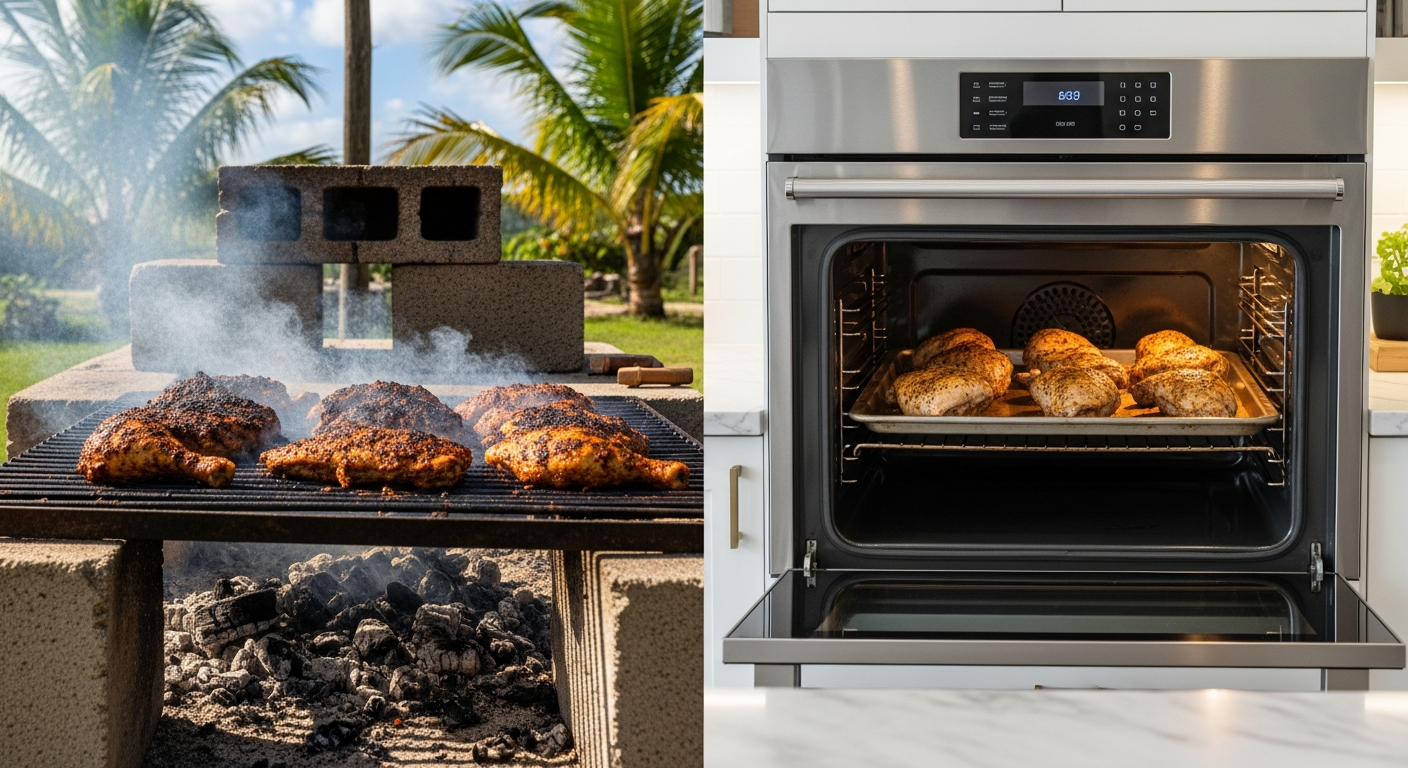
The most fundamental jerk pit master secret is that the fire matters more than the seasoning. Experienced pit masters spend years learning to build and manage their cooking fires before they ever adjust a marinade recipe. The fire determines everything: the intensity of the smoke, the speed of the cook, the quality of the crust, and the tenderness of the meat.
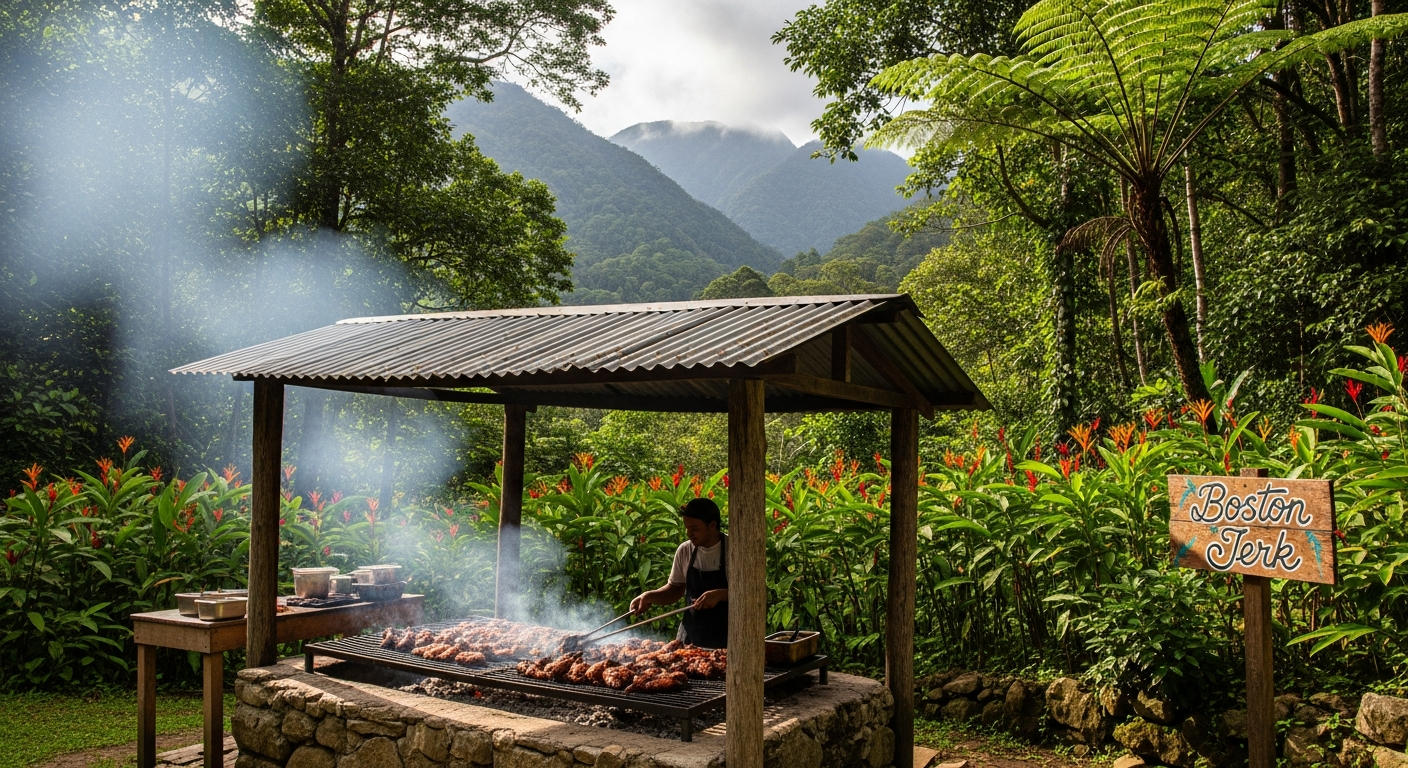
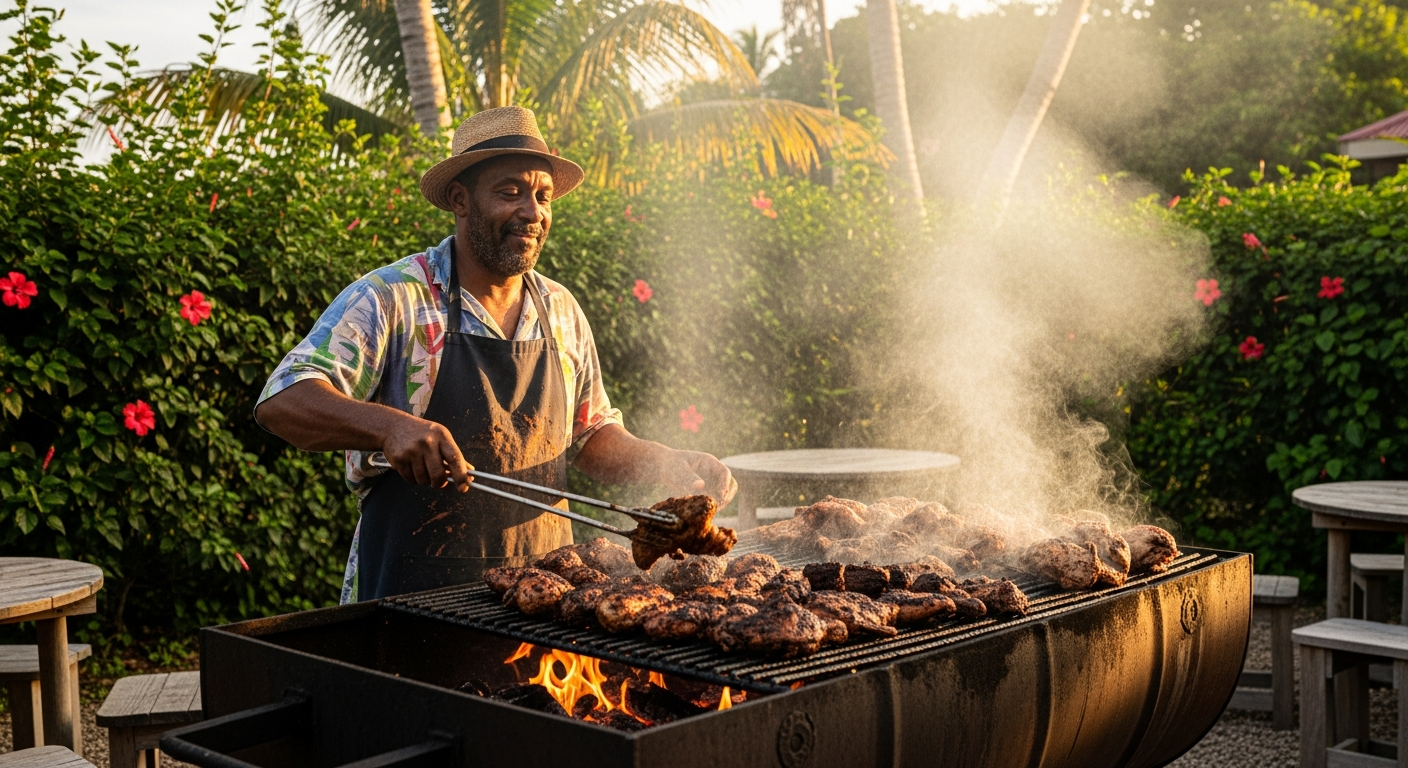
Traditional jerk pits use green pimento wood, which is the wood of the allspice tree native to Jamaica. This wood burns slowly and produces a sweet, aromatic smoke that is absolutely central to authentic jerk flavor. Pit masters select branches that are still green and slightly damp because dry pimento wood burns too quickly and produces a harsher smoke. The ideal branch is about two to three inches in diameter, freshly cut, with the leaves still attached.
The fire is built in stages. A base of hardwood charcoal provides consistent, long-lasting heat. Green pimento branches are laid over this base, where they smolder rather than burn, producing thick clouds of fragrant smoke. The pit master continuously adjusts the spacing and quantity of these branches throughout the cook, adding more when the smoke thins and removing pieces when the heat climbs too high.
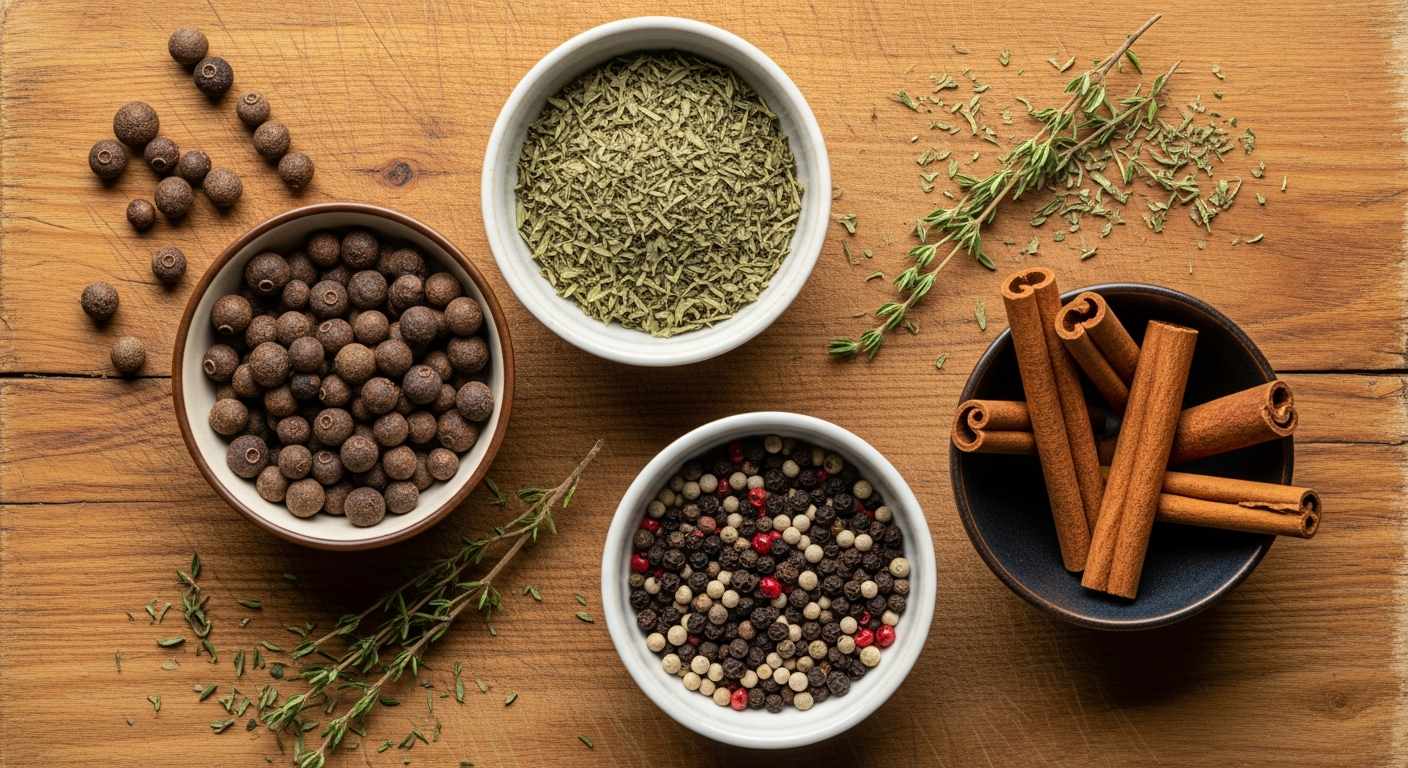
For home cooks without access to pimento wood, the pit master approach translates to using a combination of natural lump charcoal with soaked apple or cherry wood chips, supplemented by whole allspice berries scattered directly onto the coals. While not identical to pimento wood smoke, this combination produces a similar sweet, spicy smoke character.
Secret Two: The Marinade Must Breathe
Most home cooks make the mistake of treating jerk marinade as a paste that sits on the surface of the meat. Pit masters know that the marinade must penetrate deep into the protein, and they use several techniques to ensure this happens.
First, they score the meat deeply. For chicken, this means cutting through the skin and into the flesh at regular intervals, creating channels that allow the marinade to reach the bone. For pork, the scoring goes even deeper, sometimes creating a crosshatch pattern that opens up like a flower during cooking.
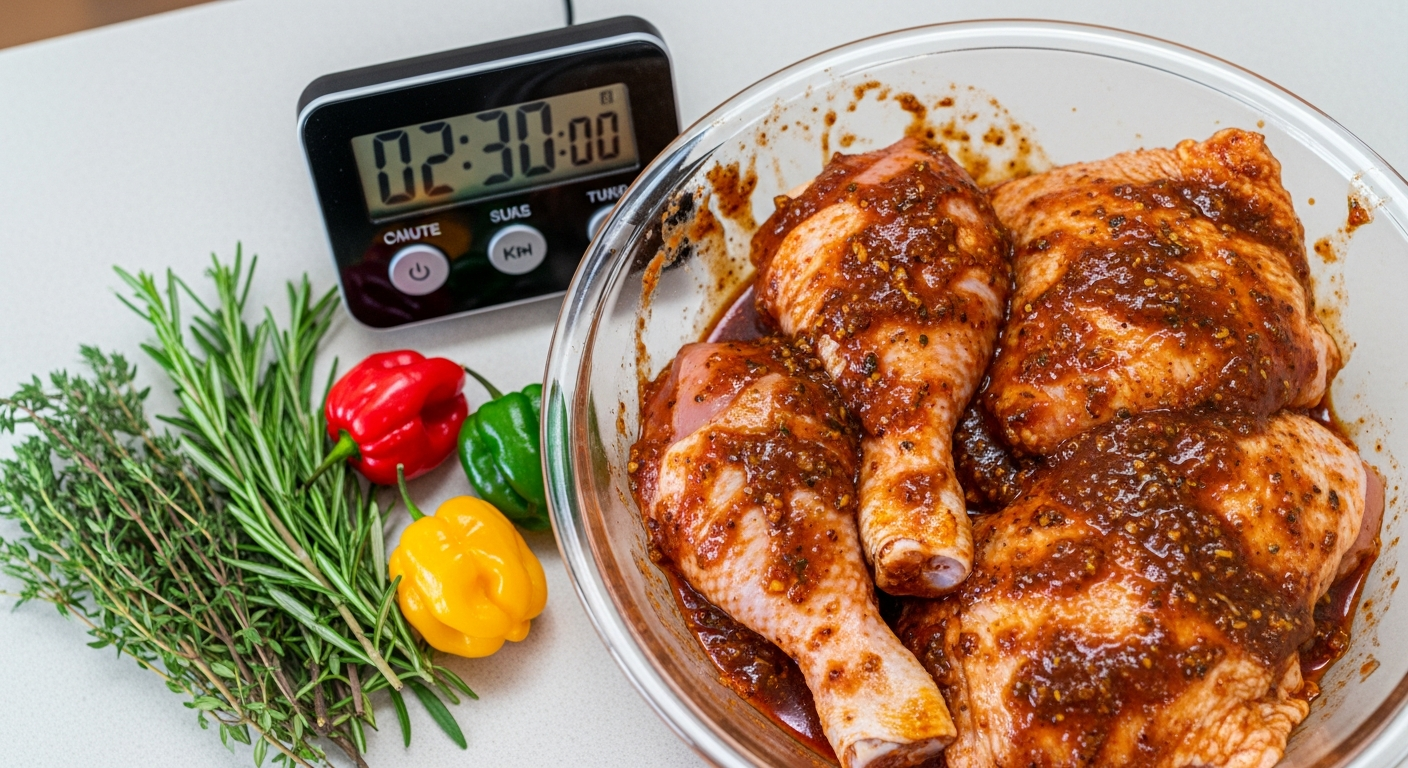
Second, they marinate for much longer than most recipes suggest. While cookbook recipes often call for four to six hours, pit masters typically marinate their meat for twenty-four to forty-eight hours. Some even go as long as seventy-two hours for particularly thick cuts of pork. The extended marination time allows the acid in the lime juice and vinegar to break down the protein fibers, creating pathways for the spice flavors to travel deep into the meat.
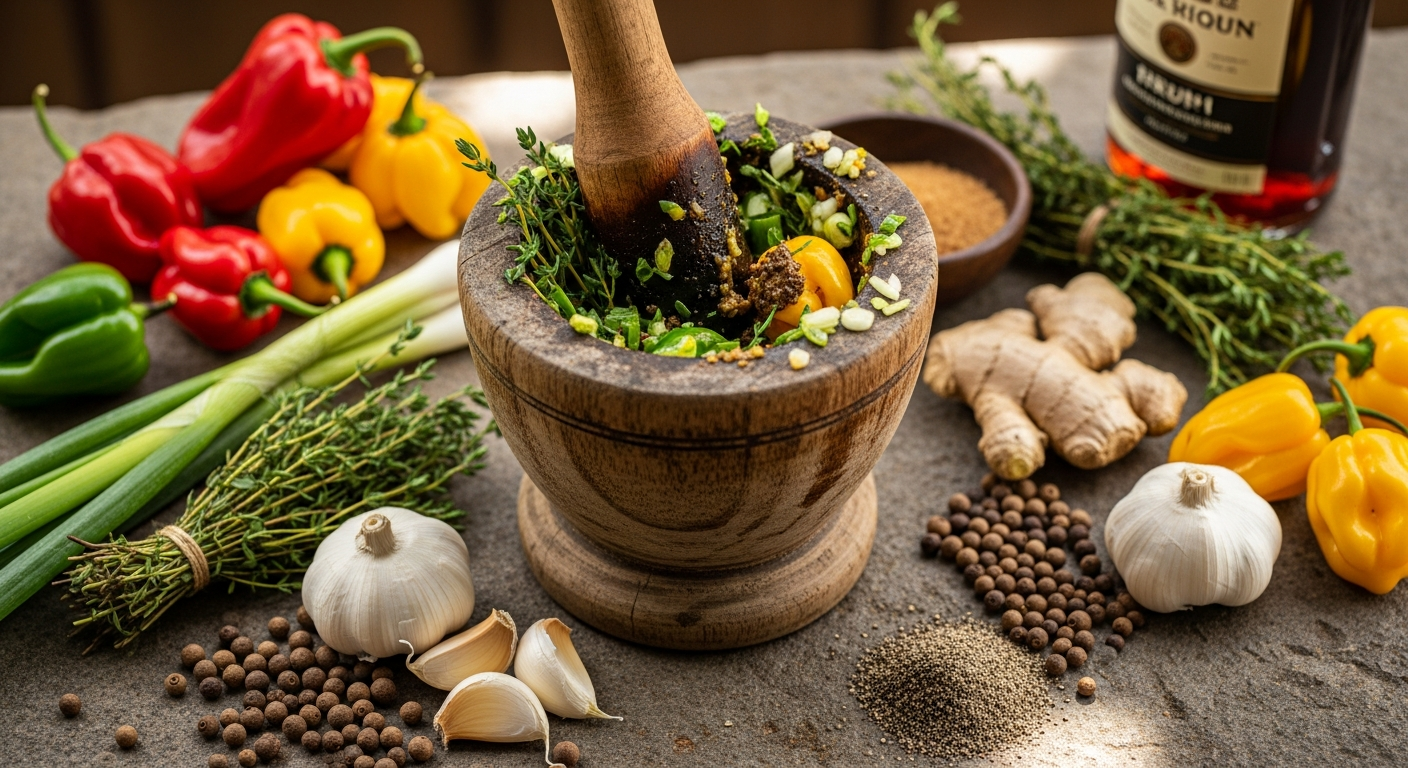
Third, and this is a secret that few share, many pit masters add a small amount of dark rum to their marinade. The alcohol acts as a solvent, extracting and carrying flavor compounds from the spices more efficiently than water or oil alone. It also evaporates during cooking, leaving behind concentrated flavor without any alcoholic taste.
Secret Three: Temperature Zones and Timing
Professional jerk pit masters never cook at a single temperature. They create multiple heat zones in their pits and move the meat through these zones at specific stages of the cooking process. This technique ensures that each piece of meat receives the right amount of heat at the right time.
The process typically follows three stages. The first stage is a moderate-heat zone at around 275 to 300 degrees Fahrenheit where the meat absorbs smoke and begins to cook through slowly. This stage lasts about forty-five minutes to an hour and is responsible for the deep smoky flavor that penetrates the meat.
The second stage moves the meat to a slightly hotter zone, around 325 to 350 degrees, where the exterior begins to caramelize and the sugars in the marinade start to form the characteristic jerk crust. This stage lasts about thirty to forty-five minutes and requires careful attention to prevent burning.
The final stage is a brief blast of high heat, either by moving the meat directly over the hottest coals or by opening the vents to increase airflow. This stage lasts only five to ten minutes and creates the final charred, crispy exterior that contrasts with the tender, juicy interior.
Secret Four: The Basting Technique
Pit masters do not simply put the meat on the grill and walk away. Throughout the cooking process, they baste the meat with a mixture of reserved marinade, melted butter, and a splash of vinegar. This basting serves multiple purposes: it keeps the surface moist so the smoke can adhere, it builds up layers of flavor with each application, and it helps control the temperature of the meat surface to prevent burning.
The basting mixture is applied with a brush made from fresh thyme branches tied together, which adds yet another layer of herbal flavor to the finished dish. This is applied every fifteen to twenty minutes throughout the cook, and the frequency increases during the final high-heat stage to prevent the crust from becoming too dark.
Secret Five: The Rest Is Sacred
Perhaps the most overlooked pit master secret is the resting period after cooking. When meat comes off the grill, the juices inside are under pressure from the heat. Cutting into the meat immediately releases these juices onto the cutting board instead of keeping them inside the meat where they belong.
Pit masters rest their jerk chicken for a minimum of ten minutes, loosely tented with foil. Pork shoulder or leg rests for thirty minutes or more. During this time, the internal temperature continues to rise slightly, the juices redistribute throughout the meat, and the flavors from the marinade and smoke meld together into a cohesive whole.
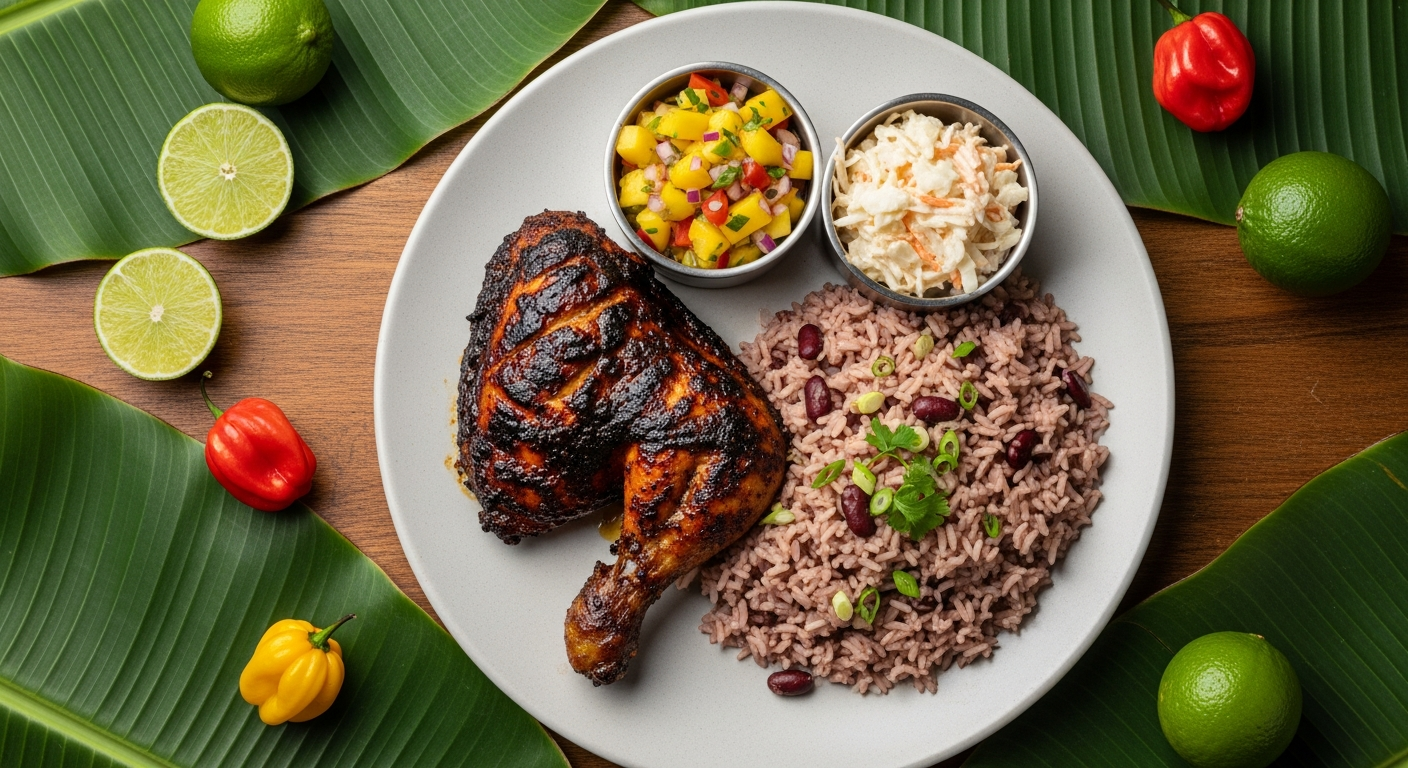
Some pit masters take resting a step further by wrapping the meat in banana leaves during the rest period. The banana leaves trap steam and create a micro-environment that keeps the meat incredibly moist while adding a subtle, slightly sweet vegetal flavor to the exterior.
Secret Six: Building Flavor in Layers
The final secret that separates a pit master from a backyard cook is the understanding that great jerk flavor is built in layers, not applied all at once. The marinade provides the first layer. The smoke provides the second. The basting provides the third. The resting period allows these layers to meld into a harmonious whole.
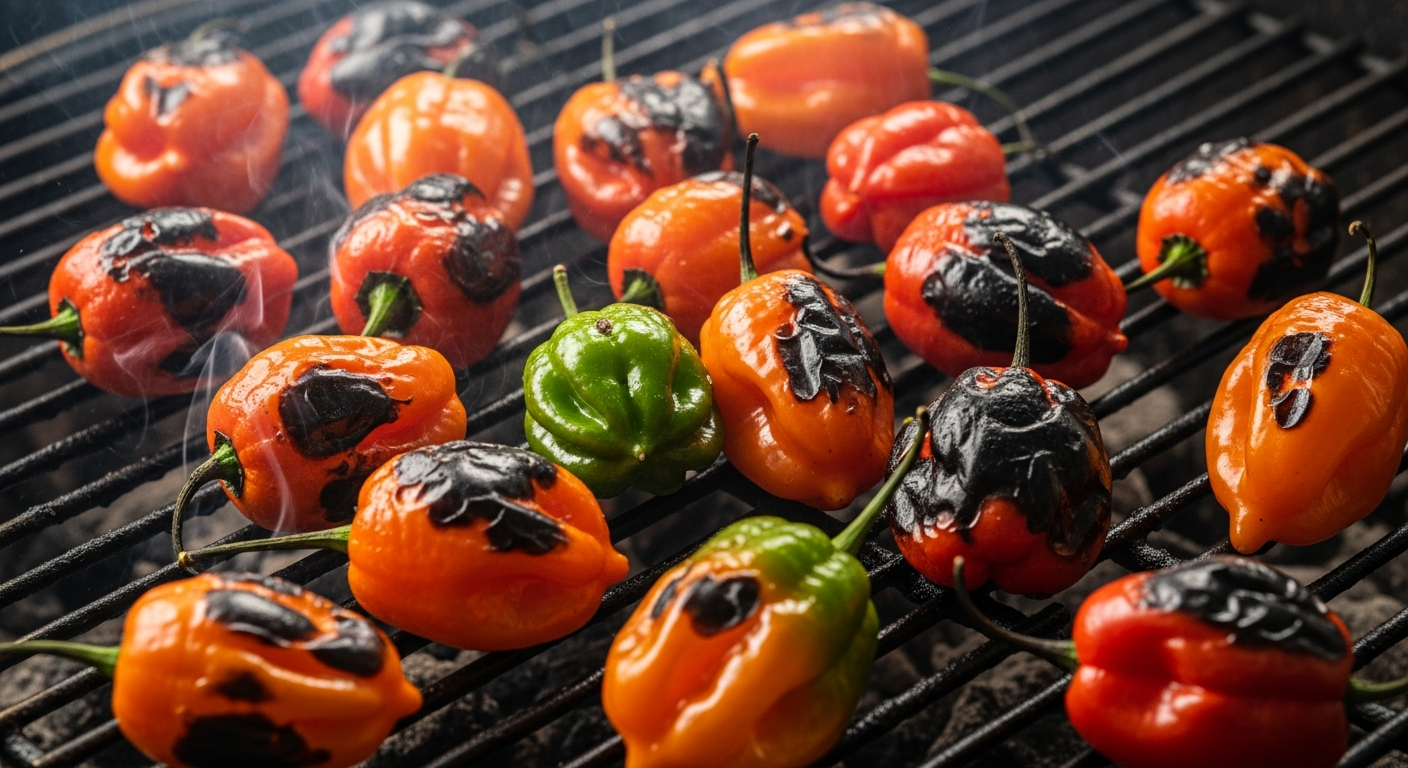
Each layer contributes something different. The marinade delivers the heat from scotch bonnets, the warmth from allspice, and the freshness from thyme and scallions. The smoke adds complexity and depth. The basting adds richness and helps create the textural contrast between the crispy exterior and tender interior. No single element can carry the dish on its own, but together they create something greater than the sum of their parts.
Understanding this layered approach is what ultimately separates pit master jerk from home-cooked jerk. It requires patience, attention, and a willingness to spend hours tending a fire and basting meat. But the results speak for themselves in every smoky, spicy, deeply satisfying bite.