Jerk Cooking Pit vs Oven: Which Method Produces Better Results?
The debate over jerk cooking pit vs oven is one that divides Caribbean food enthusiasts into passionate camps. Purists insist that authentic jerk can only be produced over a wood-fired pit, arguing that the smoke and the primal connection to open flame are inseparable from the jerk experience. Pragmatists counter that excellent jerk can be made in any well-equipped kitchen, and that the marinade, not the cooking method, is the true soul of the dish.
The truth, as with most culinary debates, lies somewhere in the middle. Both jerk cooking pit and oven methods have distinct advantages and limitations, and understanding these differences will help you choose the right approach for your specific situation, equipment, and desired outcome. Whether you are cooking for a backyard party or a weeknight dinner, there is a method that will deliver delicious jerk chicken to your table.
The Case for Pit Cooking: Tradition, Smoke, and Flavor
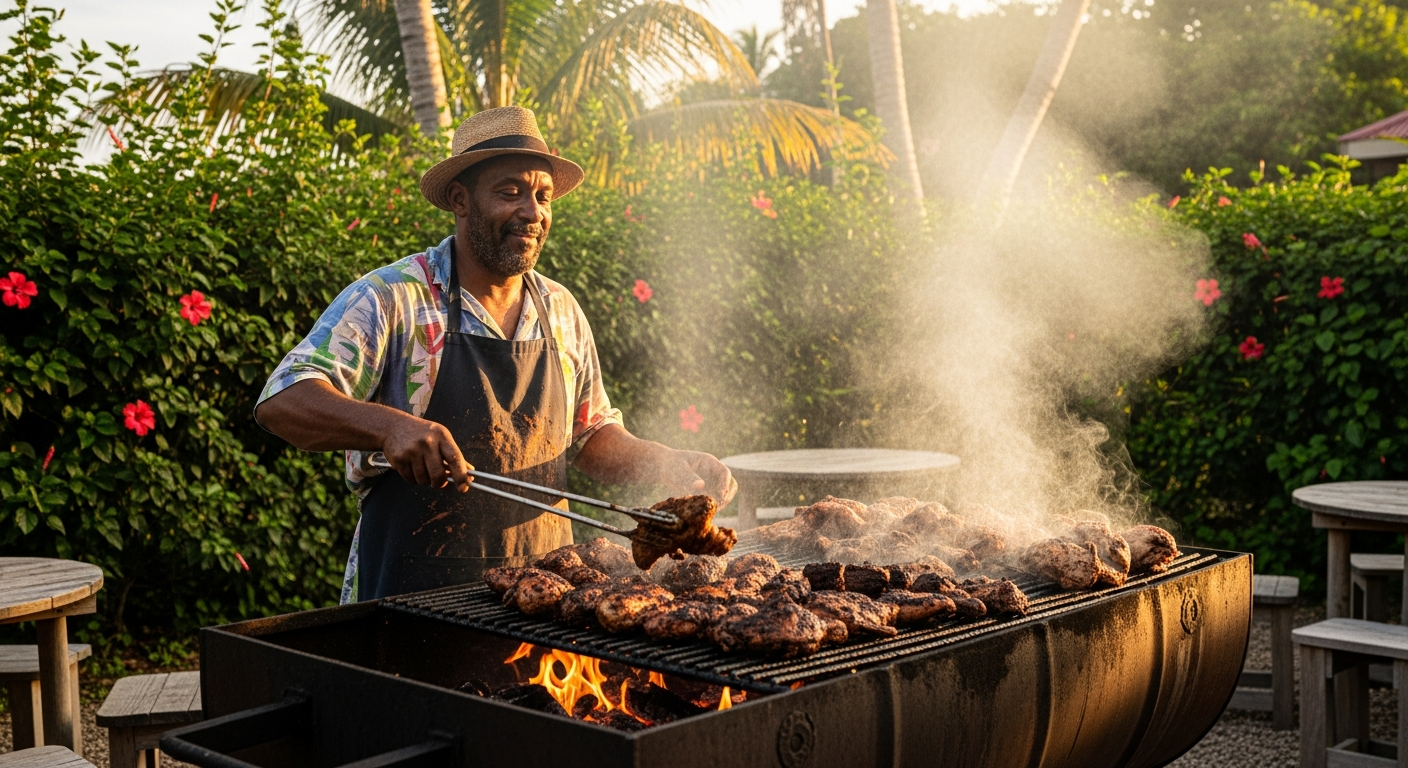
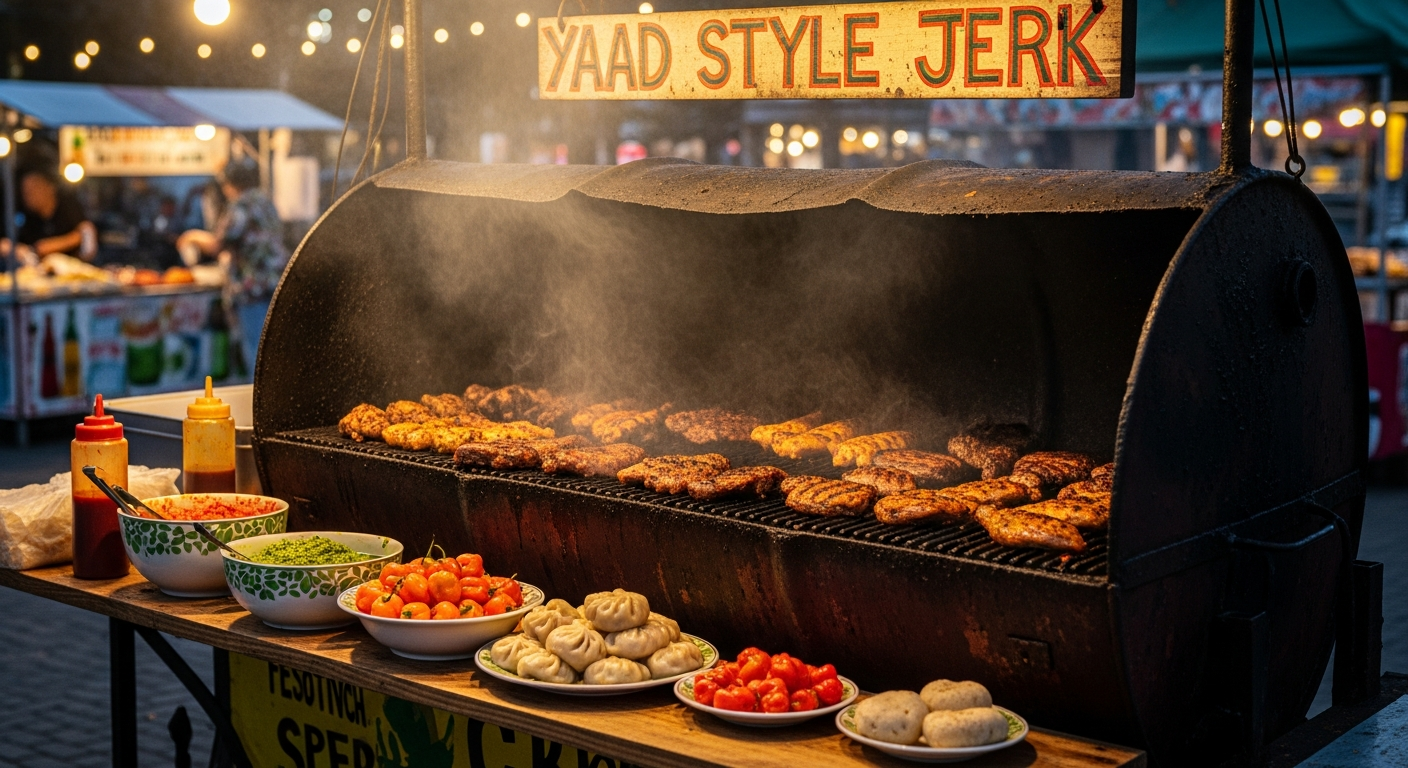
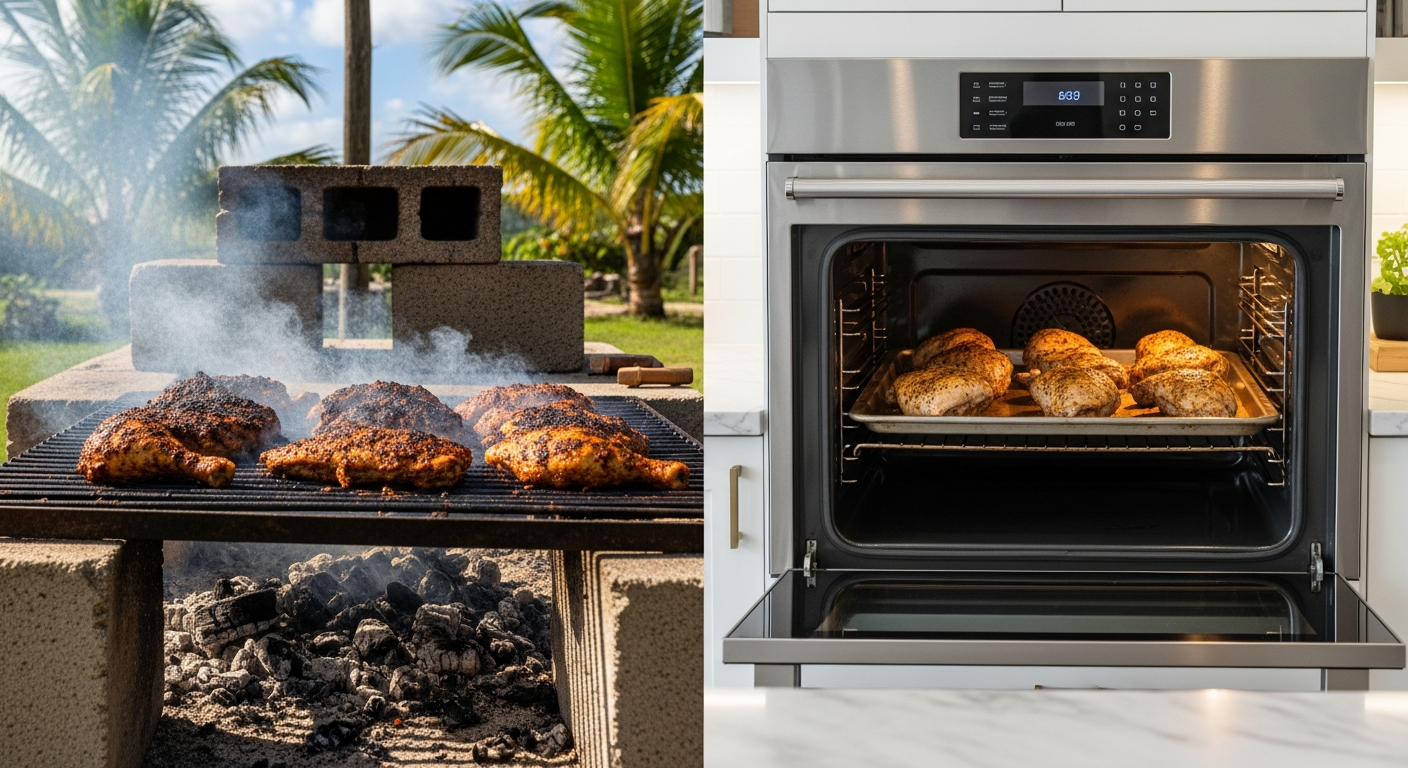
Traditional jerk pit cooking is the method that created the dish and defined its character. The Maroon people of Jamaica developed this technique using green pimento wood from the allspice tree, and the fundamental approach has remained largely unchanged for centuries. Understanding what makes pit cooking special requires examining the three elements it brings to the table that no other method can fully replicate: live fire, wood smoke, and radiant heat.
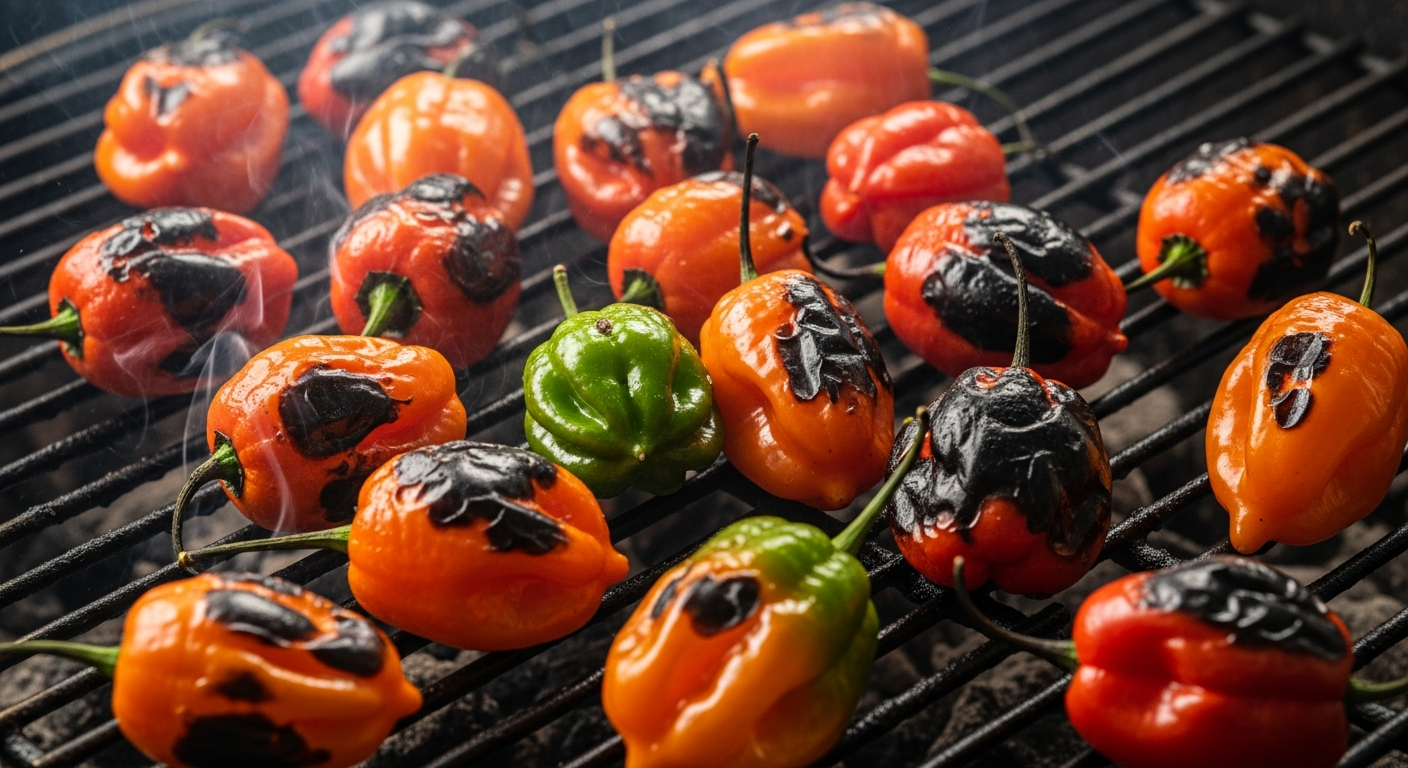
Live fire creates an unpredictable, dynamic cooking environment that produces complex flavors. As fat and marinade drip from the meat onto the hot coals, they vaporize and rise back up, coating the meat with compounds that add depth and character. This process, sometimes called the flavor cycle, is unique to open-fire cooking and cannot be replicated in an enclosed oven.
Wood smoke is the most significant flavor contributor that pit cooking offers. Pimento wood smoke contains hundreds of aromatic compounds that interact with the proteins and fats on the surface of the meat, creating the distinctive smoky-sweet-spicy crust that defines authentic jerk. The smoke also acts as a preservative, which was its original purpose when the Maroons developed the technique as a way to keep meat edible in the tropical heat.
Radiant heat from burning coals cooks the meat differently than the convective heat of an oven. Radiant heat creates more intense surface browning and caramelization, producing a thicker, more flavorful crust while keeping the interior moist. This is why pit-cooked jerk has that characteristic contrast between the darkly charred, almost crispy exterior and the tender, juicy interior.
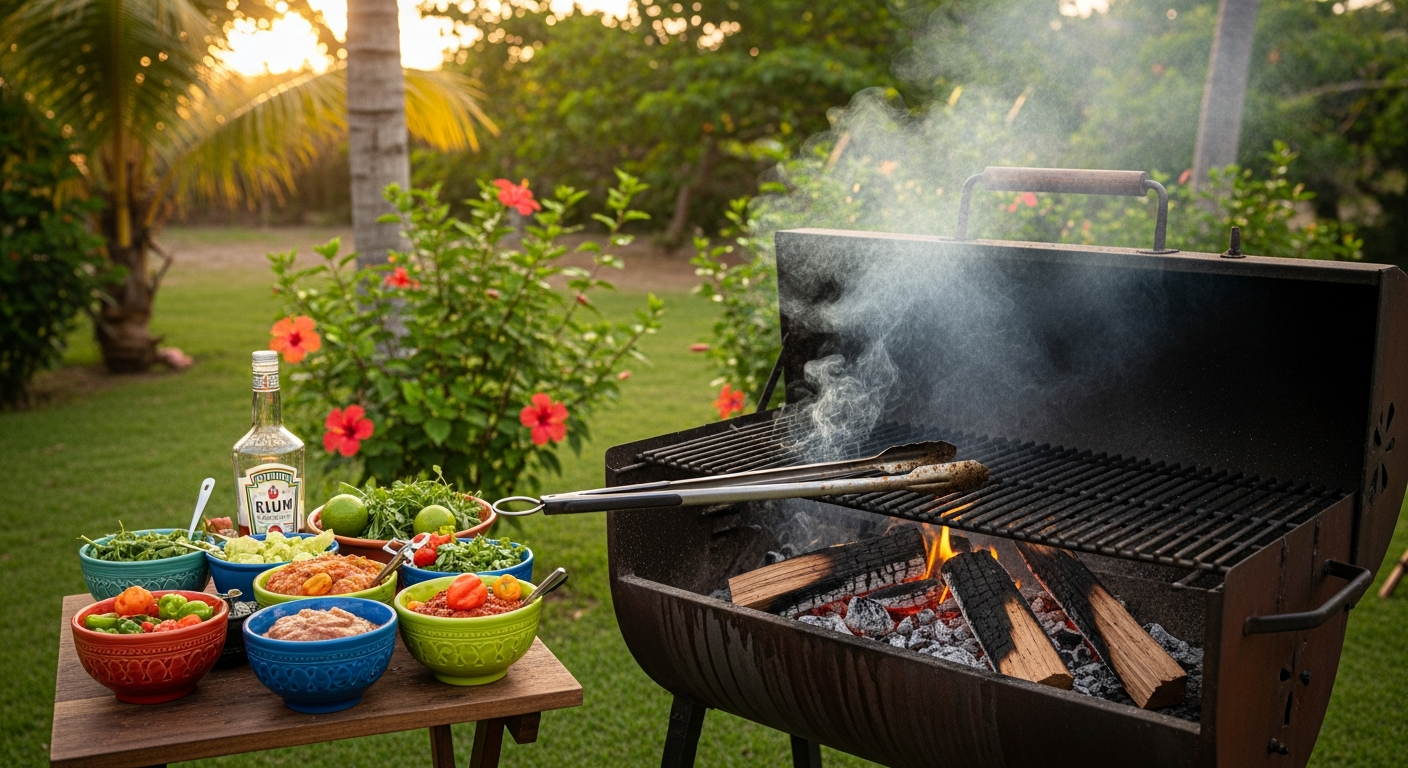
The practical requirements for pit cooking include outdoor space, a suitable grill or pit, charcoal, smoking wood, and significantly more time and attention than oven cooking. A proper pit cook takes two to three hours from fire-lighting to finished dish, plus preparation time. Weather is also a factor, as rain, wind, and extreme cold can all affect the cooking process.
The Case for Oven Cooking: Convenience, Control, and Consistency
Oven cooking offers advantages that make it the practical choice for many home cooks, particularly those in apartments, those cooking on weeknights, or those who live in climates where outdoor cooking is not always feasible. While an oven cannot replicate the smoky character of pit cooking, it excels in areas where pit cooking falls short.
Temperature control is the oven's greatest advantage. Modern ovens maintain precise, consistent temperatures throughout the cooking process, eliminating the constant monitoring and adjustment that pit cooking requires. You set the temperature, set a timer, and can focus on preparing side dishes or entertaining guests instead of tending a fire.
Consistency is another significant benefit. An oven produces the same results every time, assuming you use the same temperature, timing, and technique. There is no wind shifting the heat, no flare-ups from dripping fat, no variation in charcoal quality. For cooks who want reliable, reproducible results, the oven is hard to beat.
Convenience extends beyond just the cooking process. Oven cooking requires no special equipment beyond a standard kitchen oven and a baking sheet or roasting pan. There is no charcoal to buy, no fire to build, no ash to clean up. The entire process from marinated chicken to finished dish can happen in sixty to ninety minutes with minimal hands-on time.
The oven method works best when you roast at a moderate temperature, around 375 degrees Fahrenheit, for about forty-five minutes, then finish under the broiler for five to seven minutes to create a charred, caramelized crust. This two-stage approach mimics the low-and-slow followed by high-heat technique used in pit cooking, producing the best possible results from an oven.
Flavor Comparison: What You Gain and What You Lose
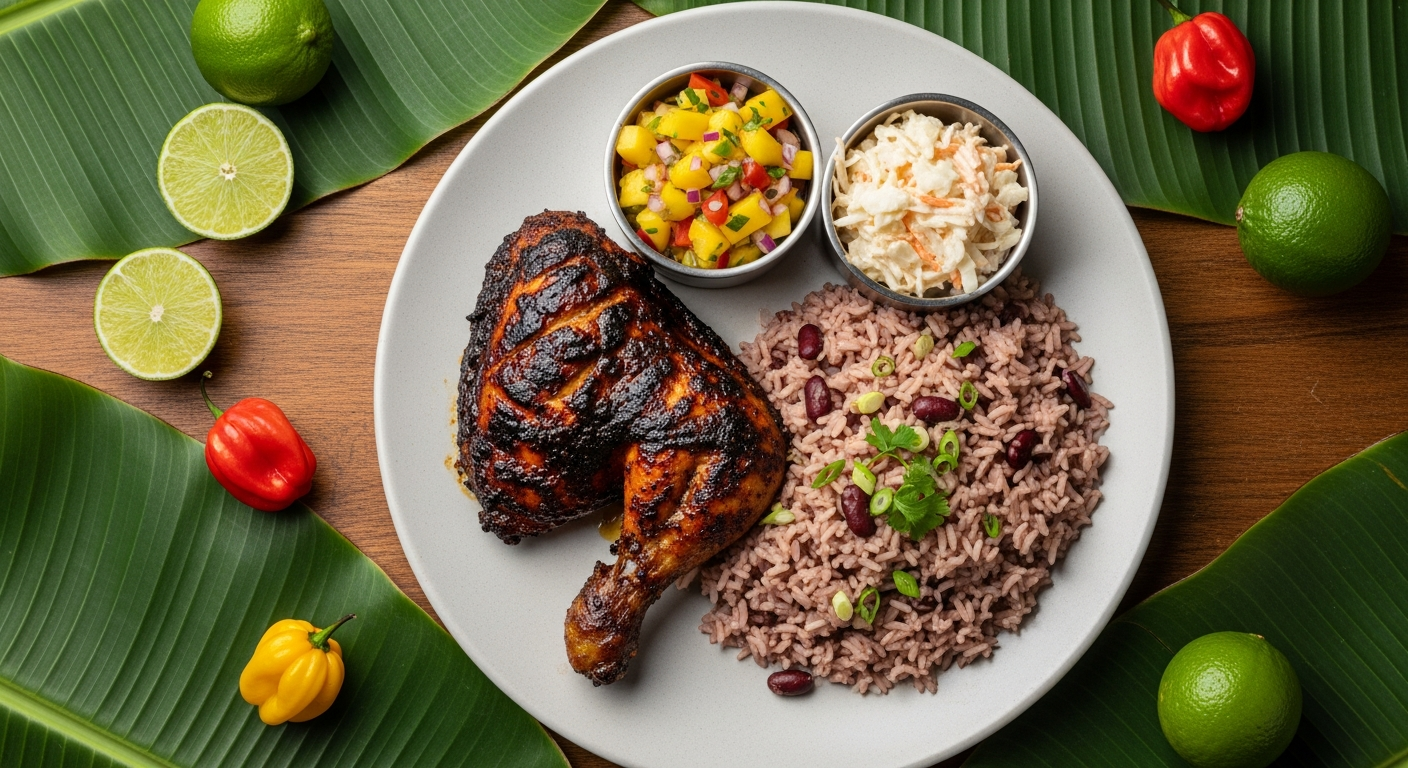
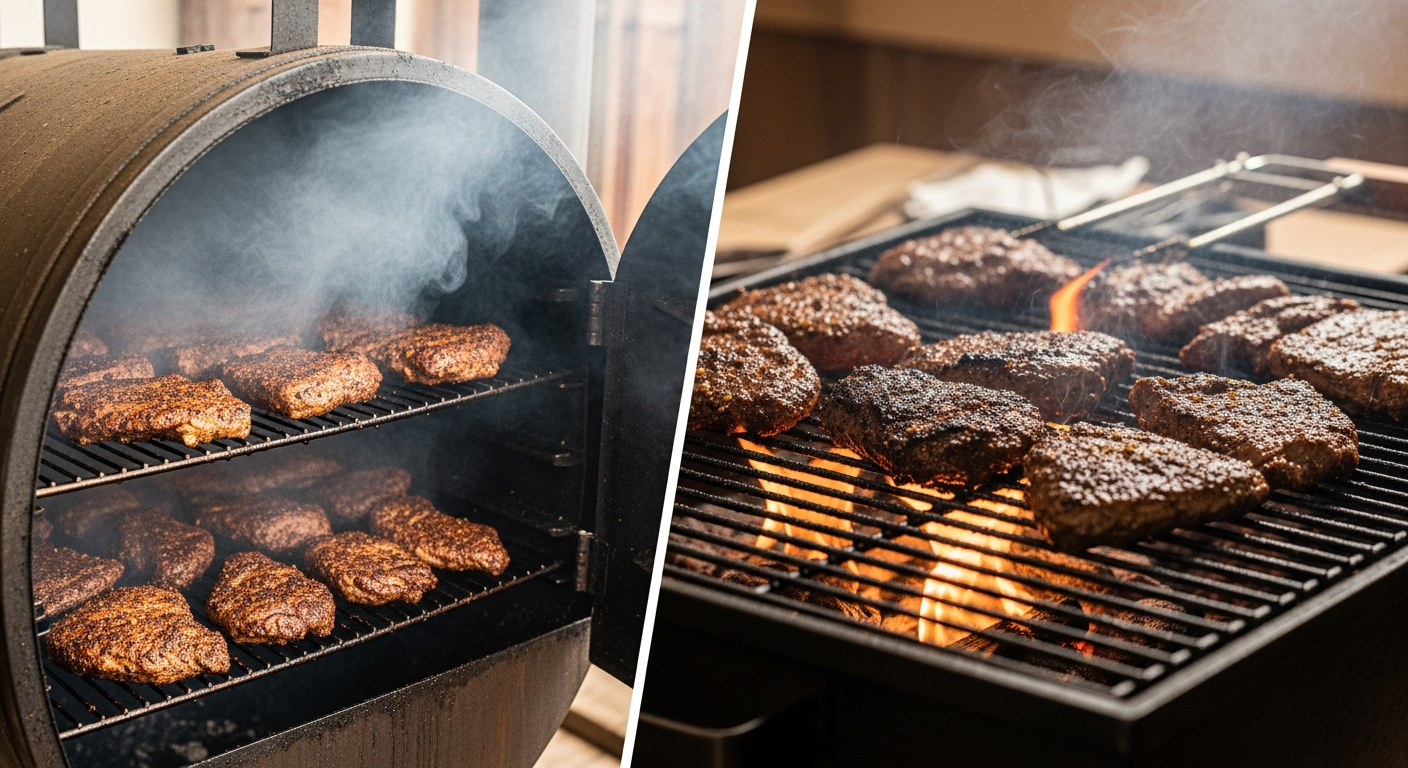
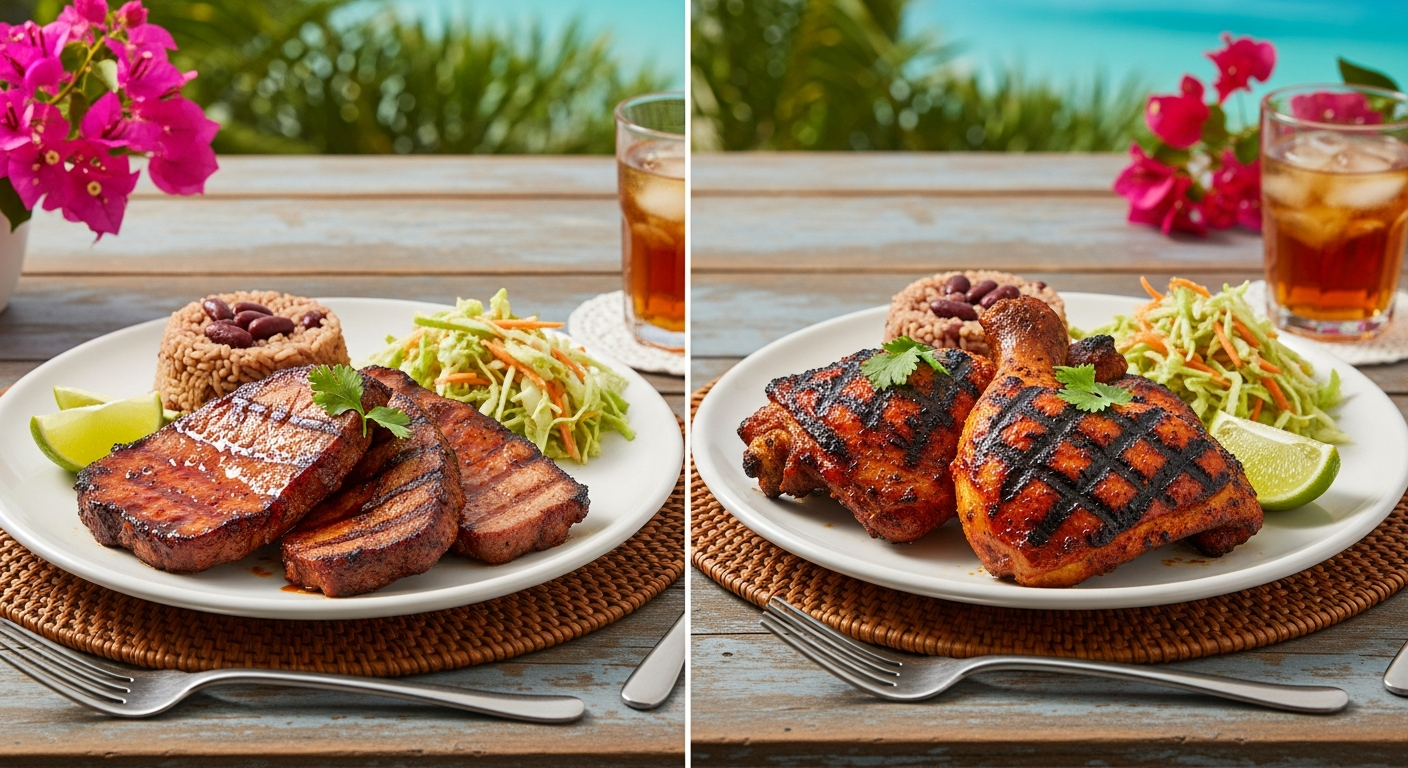
The flavor difference between pit-cooked and oven-cooked jerk is real, but it may not be as dramatic as purists claim. In blind taste tests conducted by food researchers, tasters consistently identified pit-cooked jerk as having more complex, smoky, and intense flavors. However, oven-cooked jerk with a high-quality marinade was rated as delicious in its own right, with many tasters preferring its more refined, less rustic flavor profile.
What pit cooking adds that the oven cannot is the smoky dimension. This single element accounts for most of the perceived flavor difference between the two methods. The marinade, the spices, the meat quality, and the cooking temperature all contribute equally regardless of the method used. Only the smoke is unique to pit cooking.
What oven cooking adds that the pit cannot is consistency in the caramelization of the marinade. The even, enclosed heat of an oven creates a more uniform crust across the entire surface of the meat, whereas pit cooking tends to create more variation, with some spots more charred and others less developed. Whether you prefer uniform or varied crusting is a matter of personal preference.
Hybrid Approaches: Getting the Best of Both Worlds
Many experienced jerk cooks have developed hybrid approaches that combine the advantages of both methods. The most popular is to start the chicken in the oven to cook it through evenly, then finish it on a hot charcoal grill with smoking wood for the last fifteen to twenty minutes. This approach provides the convenience and consistency of oven cooking with the smoky, charred finish of pit cooking.
Another hybrid technique involves using a stovetop smoker or smoking gun to add smoke flavor to oven-cooked jerk. After roasting the chicken in the oven, place the pieces in a covered container and introduce cold smoke from the smoking device for ten to fifteen minutes. The smoke adheres to the warm, moist surface of the chicken, adding a noticeable smoky character without requiring a full outdoor pit setup.
Liquid smoke is a controversial but effective shortcut. Adding a few drops of natural liquid smoke to the jerk marinade introduces smoky flavor compounds that would otherwise require actual wood combustion. High-quality liquid smoke, made by condensing actual wood smoke, contains many of the same compounds as traditional smoking. Use it sparingly, as too much creates an artificial, acrid taste.
Choosing the Right Method for Your Situation
The best jerk cooking method is the one that fits your circumstances, equipment, and goals. If you have outdoor space, a quality grill, and the time to tend a fire for two to three hours, pit cooking will produce the most authentic results. If you are cooking on a weeknight, in an apartment, or in inclement weather, the oven produces excellent jerk with minimal effort.
For entertaining and special occasions, pit cooking is hard to beat. The process of tending the fire, the aroma of smoking pimento wood, and the drama of pulling perfectly cooked chicken from the grill all contribute to an experience that goes beyond just the food. Guests are invariably drawn to the pit, creating a natural gathering point that enhances any party.
For everyday cooking and meal preparation, the oven is the practical choice. Its consistency and convenience make it easy to incorporate jerk chicken into your regular meal rotation without the effort and time commitment of pit cooking. A batch of oven-roasted jerk chicken can be prepared on a Sunday afternoon and used in meals throughout the week.
For the best flavor without the full commitment of pit cooking, consider the hybrid approach of oven roasting followed by a quick finish on a hot grill. This takes about twenty minutes longer than pure oven cooking but adds a significant upgrade in flavor and presentation that many cooks find well worth the additional effort.
Ultimately, both methods produce delicious jerk chicken when combined with a high-quality marinade and proper technique. The marinade is the foundation of jerk flavor, and a great marinade will deliver satisfying results regardless of whether it meets fire in a traditional pit or the controlled heat of a kitchen oven. Do not let the absence of a pit prevent you from making jerk at home. The oven is a perfectly valid tool, and excellent jerk chicken can be on your table any night of the week.