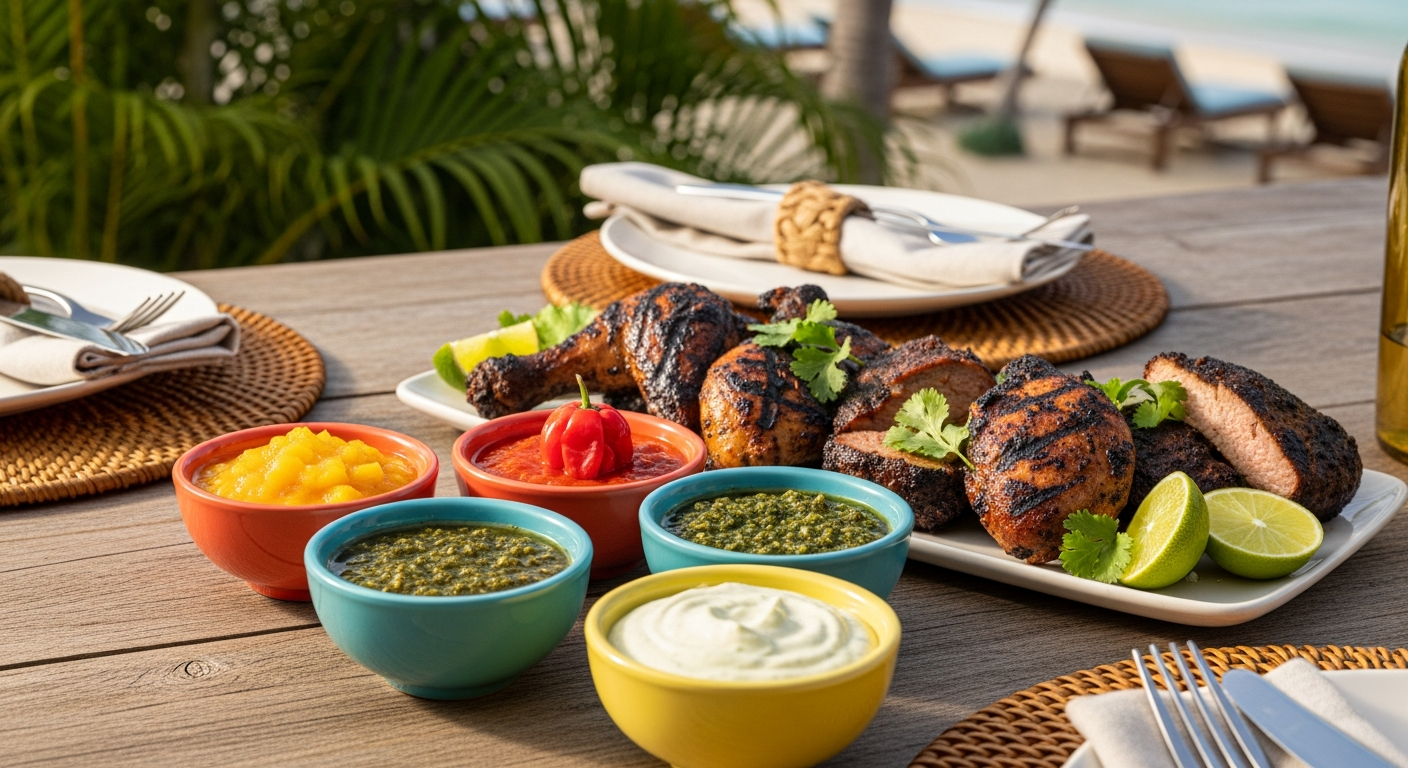
Marinades and sauces for jerk dishes form the flavor backbone of Caribbean cuisine. While the jerk marinade itself is the starting point, the finishing sauces, dipping condiments, and table sauces you serve alongside your jerk can multiply the flavor dimensions of any meal. Understanding the range of options available — from traditional scotch bonnet pepper sauce to modern fusion glazes — allows you to customize and elevate every jerk dish you prepare.
The Foundation: Understanding Jerk Marinades
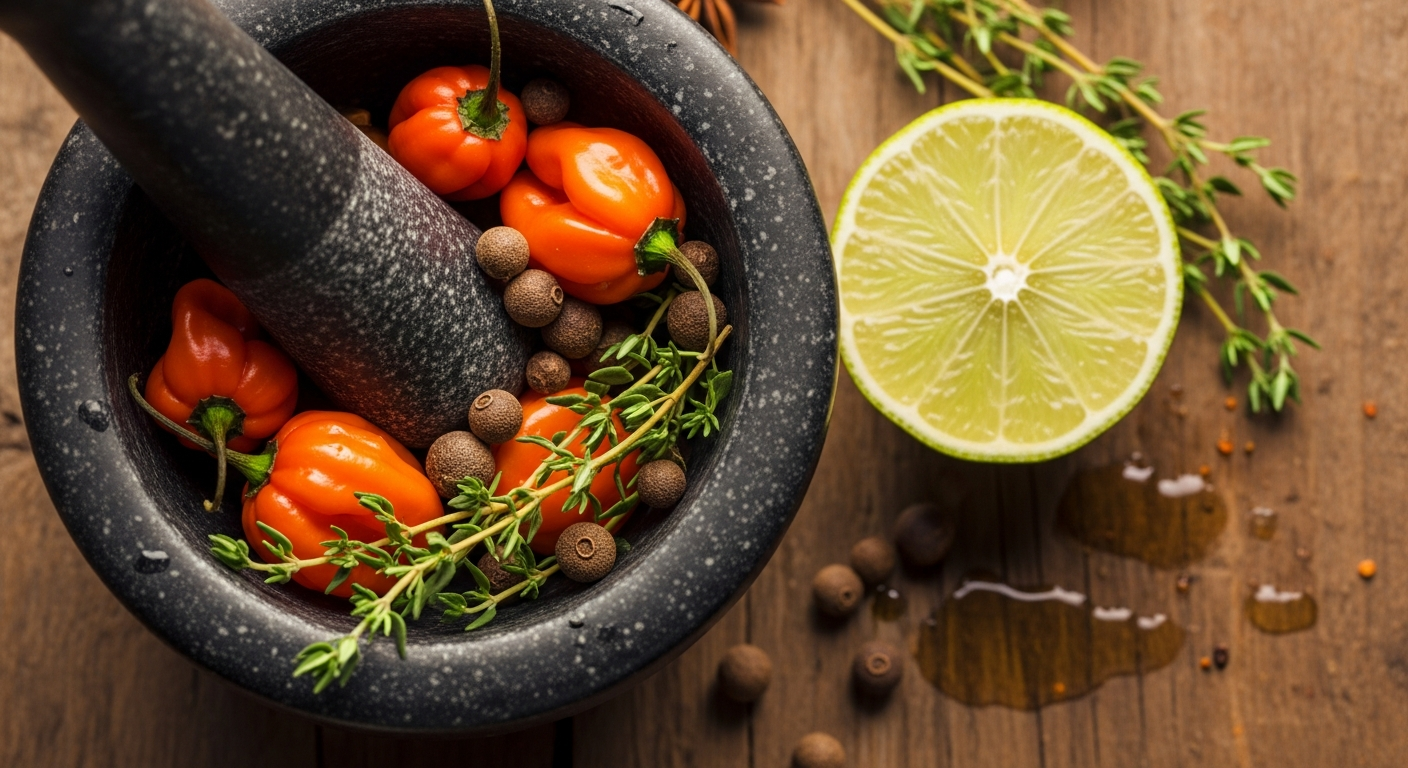
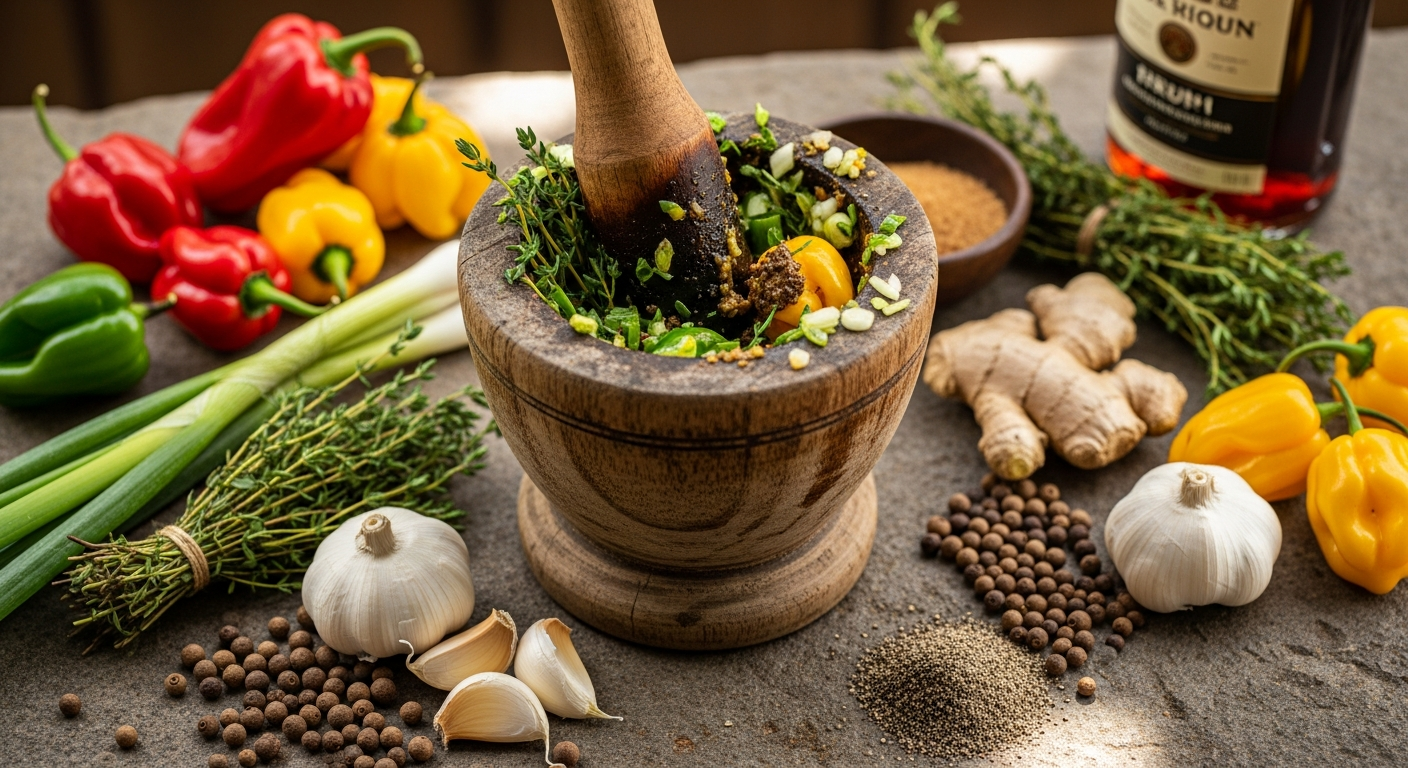
Before exploring finishing sauces, it helps to understand the marinades that form the base of jerk flavor. A traditional jerk marinade combines scotch bonnet peppers for heat, allspice berries for warmth, fresh thyme for herbal depth, scallions for sharp allium flavor, garlic and ginger for aromatic punch, soy sauce for umami, brown sugar for sweetness, lime juice for acidity, and oil for carrying fat-soluble flavors into the meat.
This combination creates a marinade that works on multiple levels simultaneously. The acid and enzymes in the lime and garlic begin breaking down protein fibers, allowing the other flavors to penetrate deeper. The oil carries allspice and thyme compounds into the meat. The sugar caramelizes during cooking, creating the signature dark crust. Each ingredient has a specific role in the final result.
The best jerk marinades are blended until completely smooth, which ensures even distribution of all flavors. Chunky marinades leave some areas more seasoned than others, resulting in inconsistent flavor across the meat. A smooth, pourable consistency also makes it easier to ensure complete coverage.
Traditional Scotch Bonnet Pepper Sauce
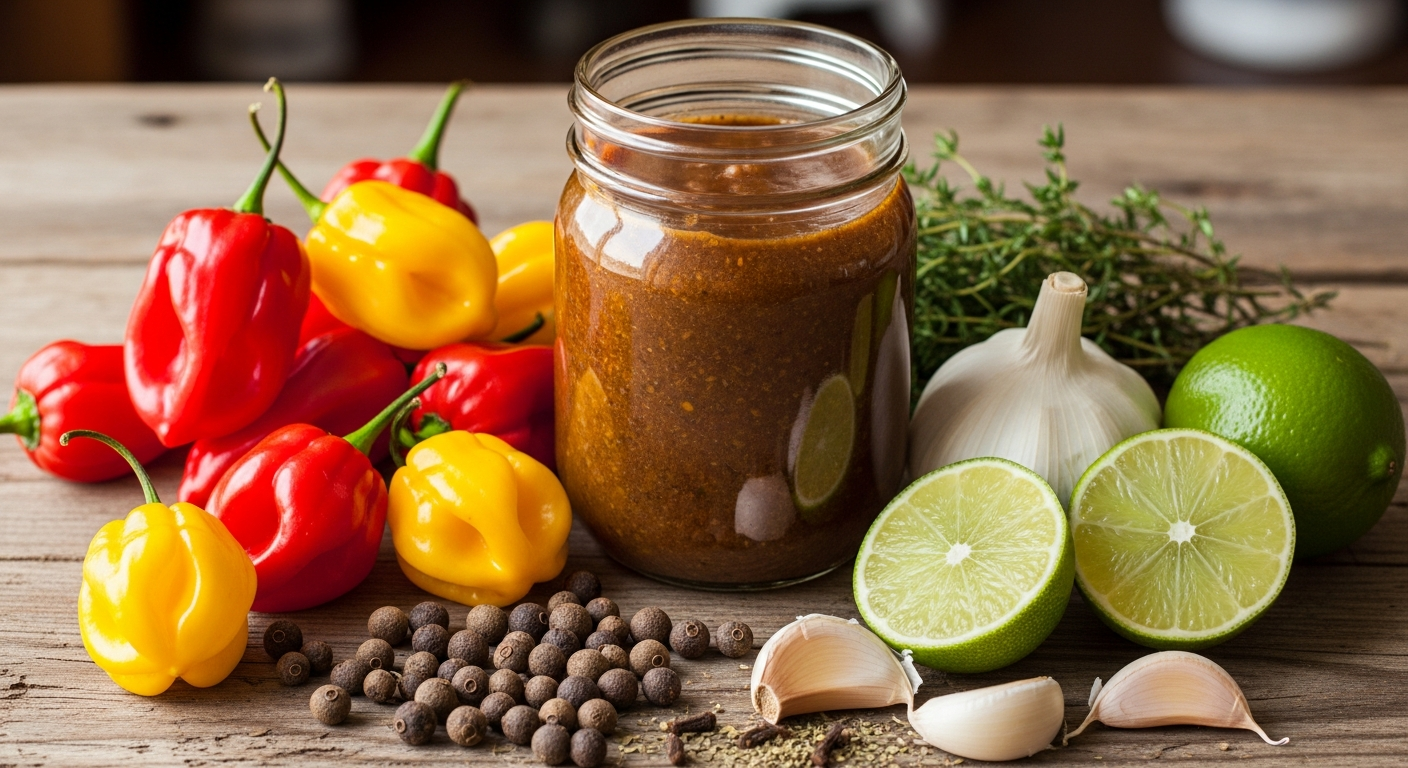
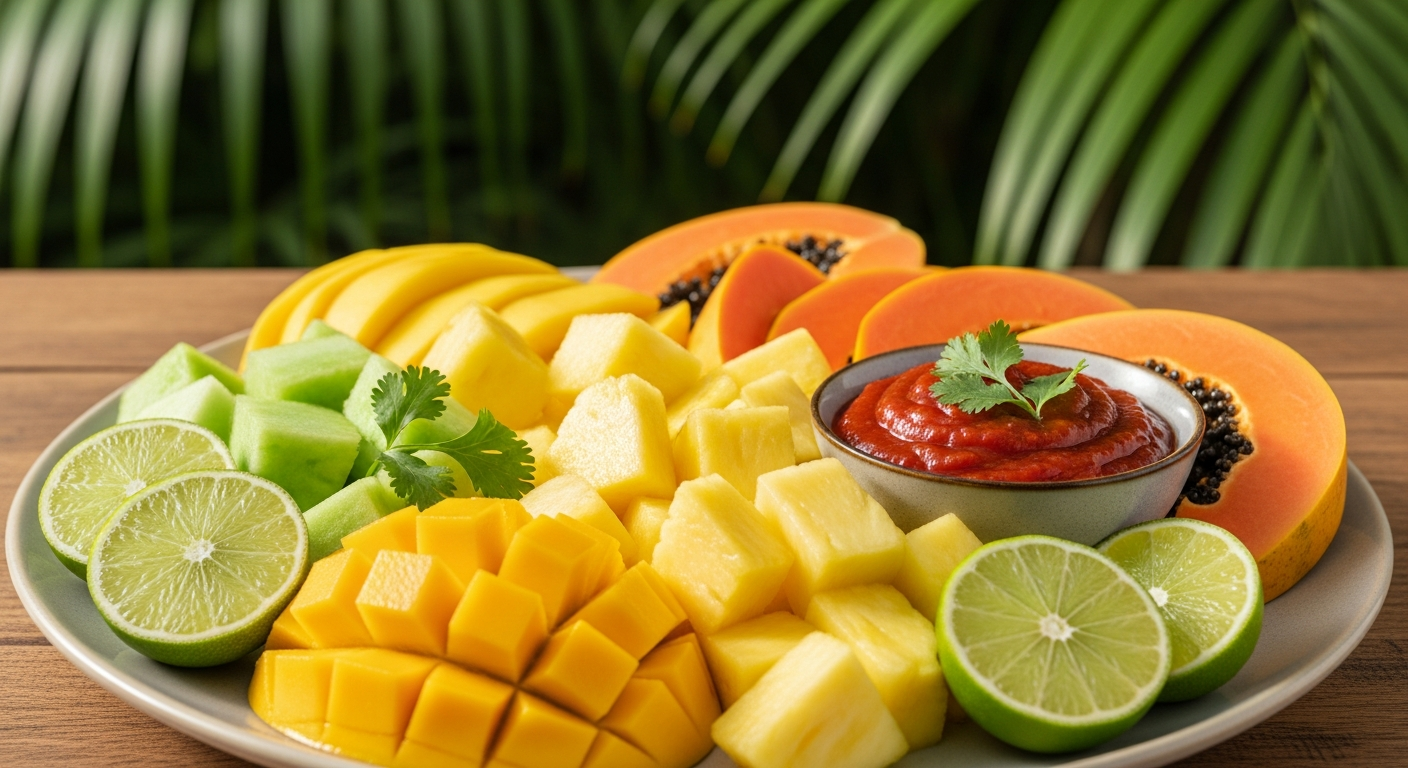
Scotch bonnet pepper sauce is the quintessential table condiment for jerk food. Unlike the complex jerk marinade, a good pepper sauce is relatively simple: scotch bonnet peppers, vinegar, salt, garlic, and sometimes mango or papaya for sweetness. The result is a thin, fiery sauce that adds a concentrated blast of heat to any bite that needs it.
Making pepper sauce at home is straightforward. Blend six to eight scotch bonnet peppers (seeds and all for maximum heat, or seeded for milder sauce) with half a cup of white vinegar, two cloves of garlic, a teaspoon of salt, and a tablespoon of sugar. Some cooks add a small piece of carrot or mango for body and sweetness. Bring the mixture to a boil, simmer for ten minutes, then bottle. It keeps for weeks in the refrigerator and months in sterilized jars.
The beauty of homemade pepper sauce is the ability to customize. Add mango for a fruity version. Add mustard for a sharper, more pungent sauce. Add extra garlic and vinegar for a more acidic, tangy profile. Each variation brings something different to the jerk experience, and serious jerk cooks often have multiple pepper sauce varieties in their refrigerator at any given time.
Mango Chutney: Sweet Heat in a Spoon
Mango chutney bridges the gap between condiment and side dish. This cooked preparation combines ripe mango with vinegar, sugar, ginger, garlic, scotch bonnet pepper, and warm spices like cinnamon and cloves. The result is a thick, jam-like condiment with complex layers of sweet, sour, spicy, and aromatic flavors.
To make a quick mango chutney, dice two ripe mangoes and combine in a saucepan with half a cup of cider vinegar, a quarter cup of brown sugar, a tablespoon of grated ginger, two cloves of minced garlic, one minced scotch bonnet pepper, a pinch of cinnamon, and salt to taste. Cook over medium-low heat for twenty to thirty minutes until thick and glossy. Cool and store in jars.
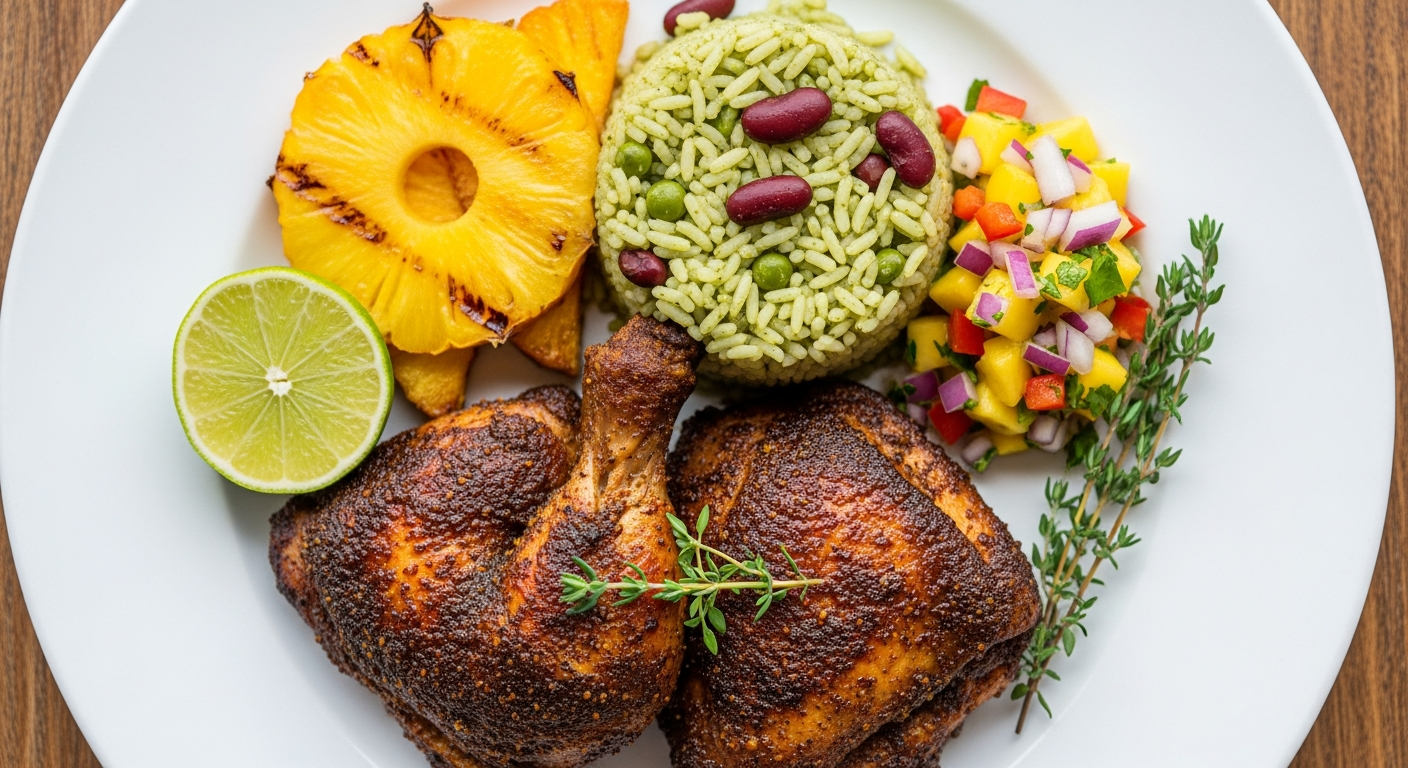
Mango chutney is incredibly versatile alongside jerk. Use it as a dipping sauce for jerk skewers. Spread it on hard dough bread before topping with sliced jerk pork. Spoon it over rice alongside jerk chicken. Mix a tablespoon into cream cheese for a quick, flavorful spread. The sweet-heat profile of the chutney amplifies the similar sweet-heat notes in jerk seasoning, creating a harmonious amplification of flavors.
Jerk Barbecue Sauce: The Fusion Classic
Jerk barbecue sauce marries Caribbean jerk flavors with the thick, sweet, tangy profile of American barbecue sauce. It is a fusion that works remarkably well because both traditions share a love of smoke, sweetness, and bold seasoning. A good jerk barbecue sauce can be used as a glaze during the last minutes of grilling or as a finishing sauce at the table.
Start with a base of ketchup or tomato paste, add brown sugar, apple cider vinegar, soy sauce, jerk seasoning paste, scotch bonnet pepper, allspice, thyme, garlic, and ginger. Simmer for fifteen to twenty minutes until the flavors meld and the sauce reaches your desired thickness. The ketchup provides body and familiar sweetness, while the jerk components bring Caribbean heat and complexity.
This sauce is particularly good on jerk ribs and jerk pork, where the thicker consistency clings to the meat and creates a lacquered finish during grilling. Brush it on during the final five minutes of cooking — any earlier and the sugars will burn.
Tamarind Dipping Sauce
Tamarind is widely used in Caribbean, Indian, and Southeast Asian cuisines, and its sour, slightly sweet, deeply complex flavor makes it an outstanding companion for jerk. Tamarind dipping sauce combines tamarind paste with brown sugar, garlic, scotch bonnet, lime juice, and a splash of water to thin it to dipping consistency.
The sourness of tamarind cuts through the richness of grilled jerk meat in a way that is distinct from citrus or vinegar. It has an almost date-like depth that adds an umami-adjacent quality to the sauce. Tamarind sauce pairs especially well with jerk shrimp and jerk fish, where its complex acidity highlights the delicate flavors of the seafood without overwhelming them.
Coconut-Lime Drizzle
For a lighter, creamier condiment, a coconut-lime drizzle provides a soothing counterpoint to fiery jerk. Combine coconut cream with lime juice, a pinch of salt, minced garlic, and finely chopped cilantro. The consistency should be thin enough to drizzle but thick enough to coat the back of a spoon.
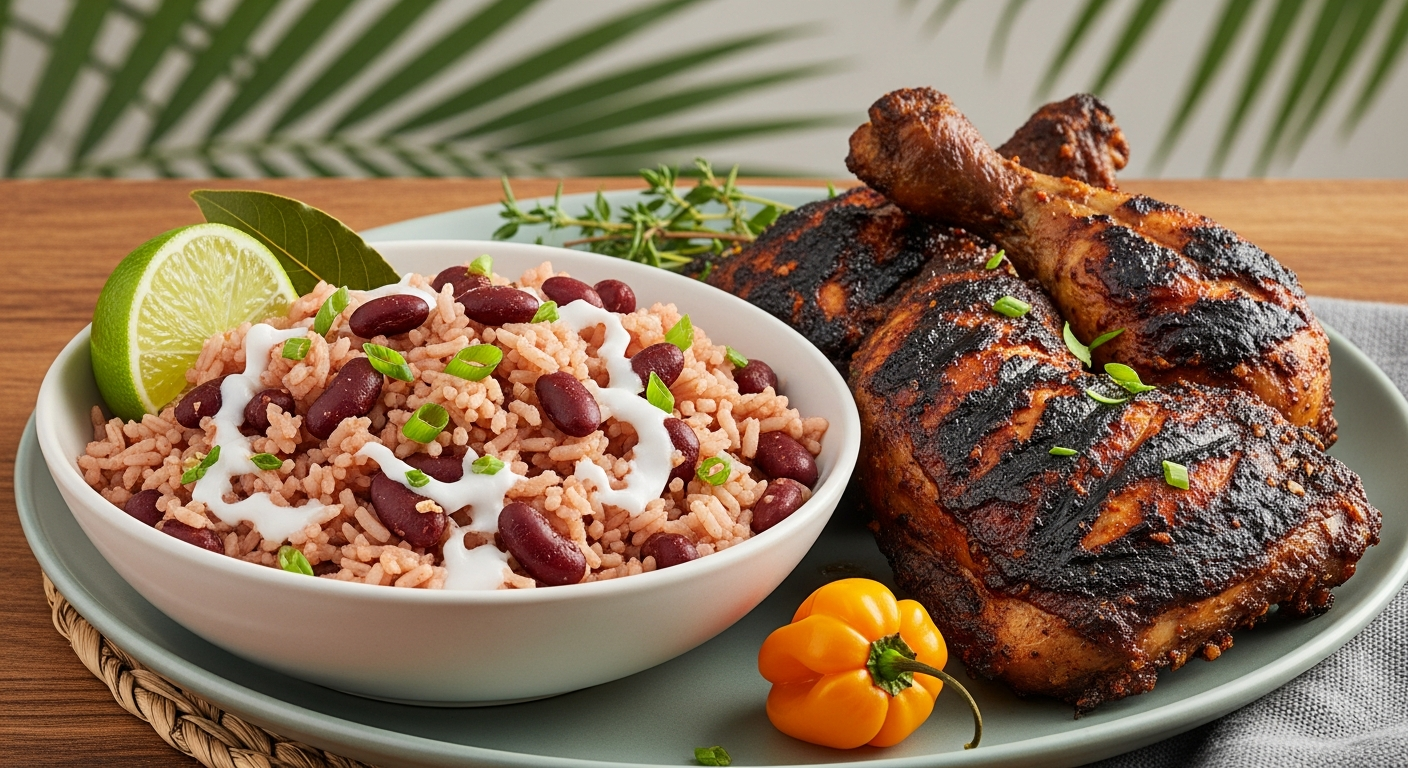
This sauce works beautifully over jerk bowls — rice topped with jerk chicken, pickled onions, avocado, and a generous drizzle of coconut-lime sauce. The creaminess of the coconut tames the jerk heat, while the lime brightness keeps everything from feeling too heavy. It is a modern, restaurant-style approach that elevates home-cooked jerk into something special.
Pikliz: The Haitian Heat
While not traditionally Jamaican, Haitian pikliz has become a beloved accompaniment for jerk throughout the Caribbean diaspora. This spicy pickled vegetable relish combines shredded cabbage, carrots, bell peppers, and scotch bonnet peppers in a vinegar brine with lime juice, thyme, and cloves. The result is crunchy, acidic, and fiery — the ultimate palate cleanser between bites of rich, smoky jerk meat.
Pikliz requires no cooking and improves with time, making it a perfect make-ahead condiment. Pack shredded vegetables into a jar, cover with vinegar brine, and refrigerate for at least 24 hours before serving. It keeps for weeks and becomes more flavorful as the vegetables marinate. A forkful of pikliz alongside every bite of jerk chicken is a revelation if you have never tried the combination.
Building a Sauce Station
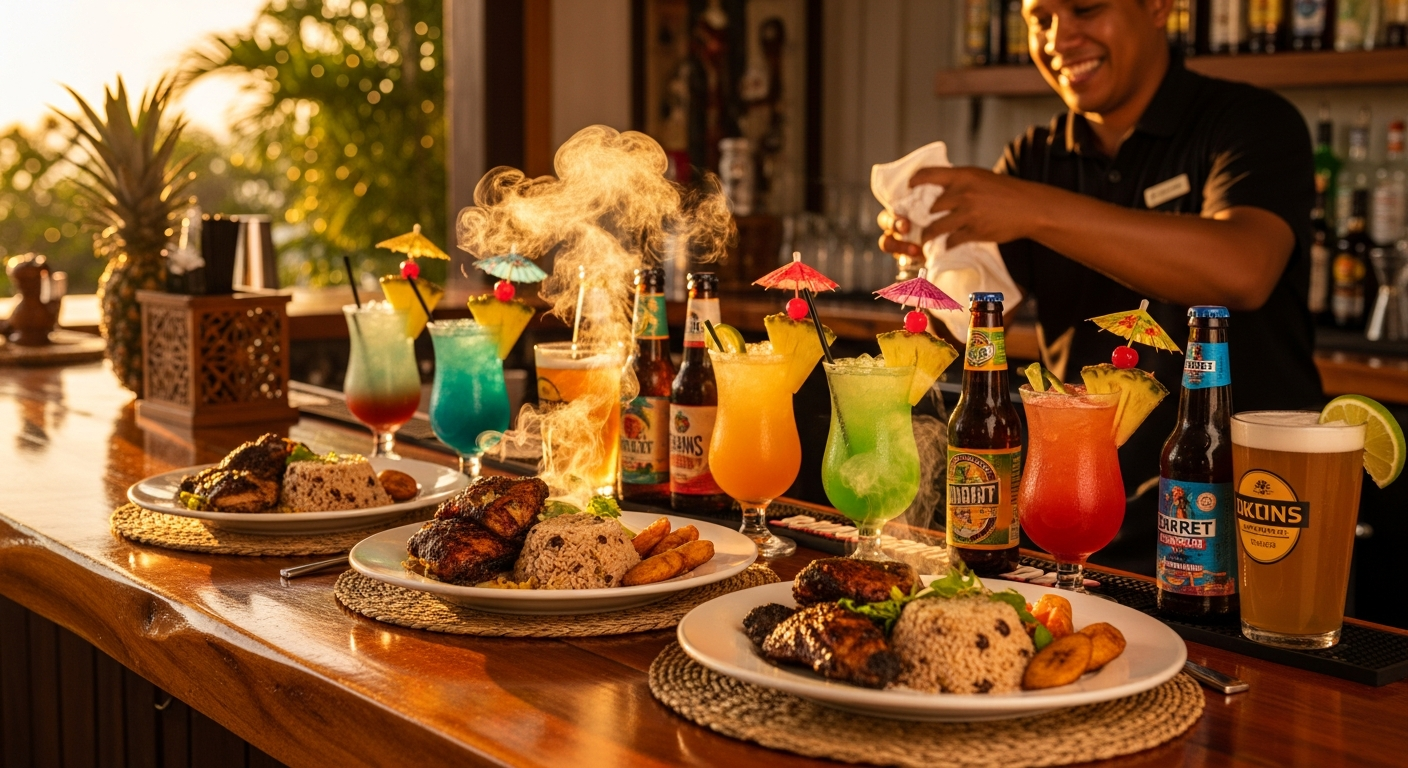
For jerk cookouts and dinner parties, consider setting up a sauce station alongside your grilled meats. Offer three to four different sauces representing different flavor profiles: a traditional pepper sauce for heat seekers, mango chutney for sweetness lovers, a jerk barbecue sauce for those who want familiarity, and a coconut-lime drizzle for those seeking cooling relief.
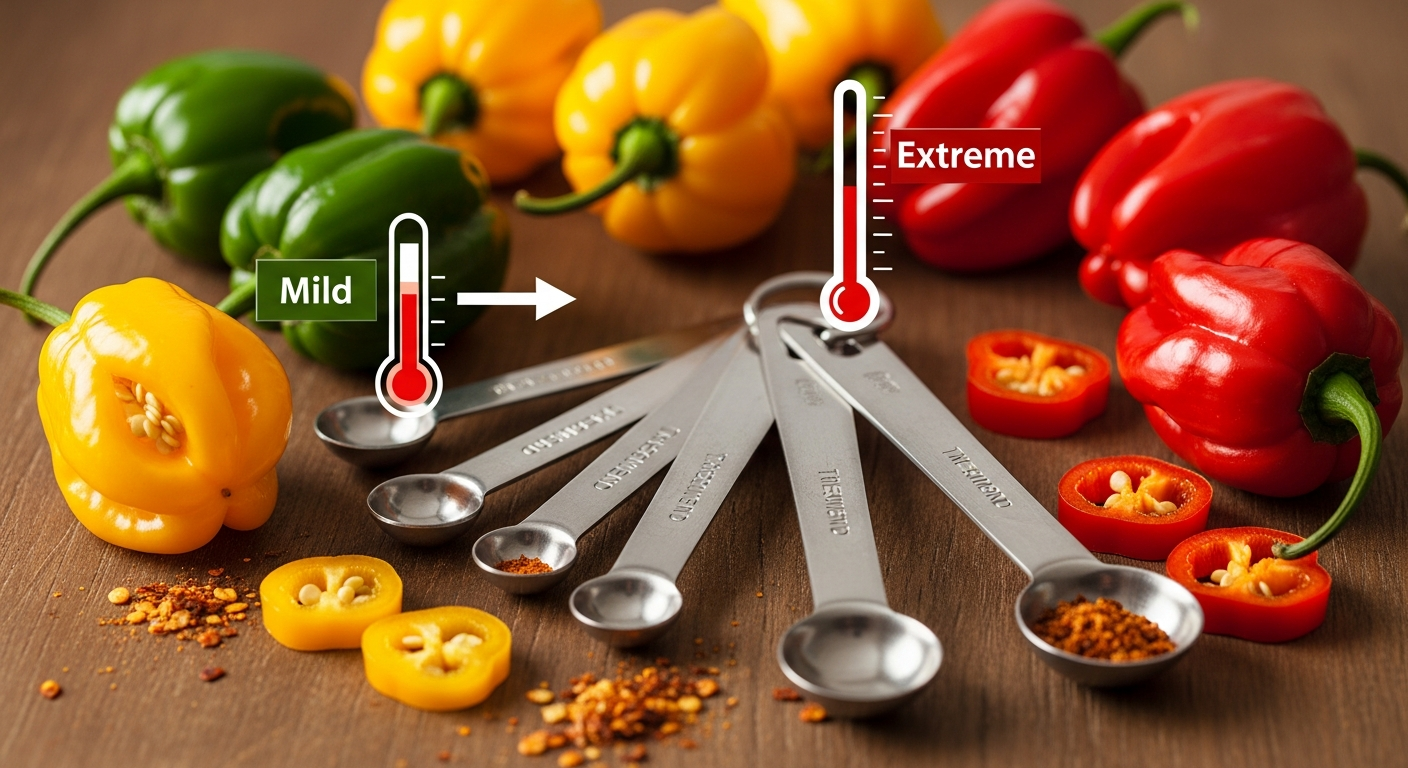
Label each sauce with its name and heat level so guests can navigate with confidence. Provide small spoons for each to prevent cross-contamination. This interactive approach transforms a simple jerk dinner into an engaging culinary experience where guests can customize each bite to their preferences.
The key to a successful sauce station is variety without redundancy. Each sauce should offer a distinctly different flavor experience. If two sauces taste similar, replace one with something that fills a different role. The goal is maximum range with minimum overlap, giving everyone at the table the perfect condiment for their palate.