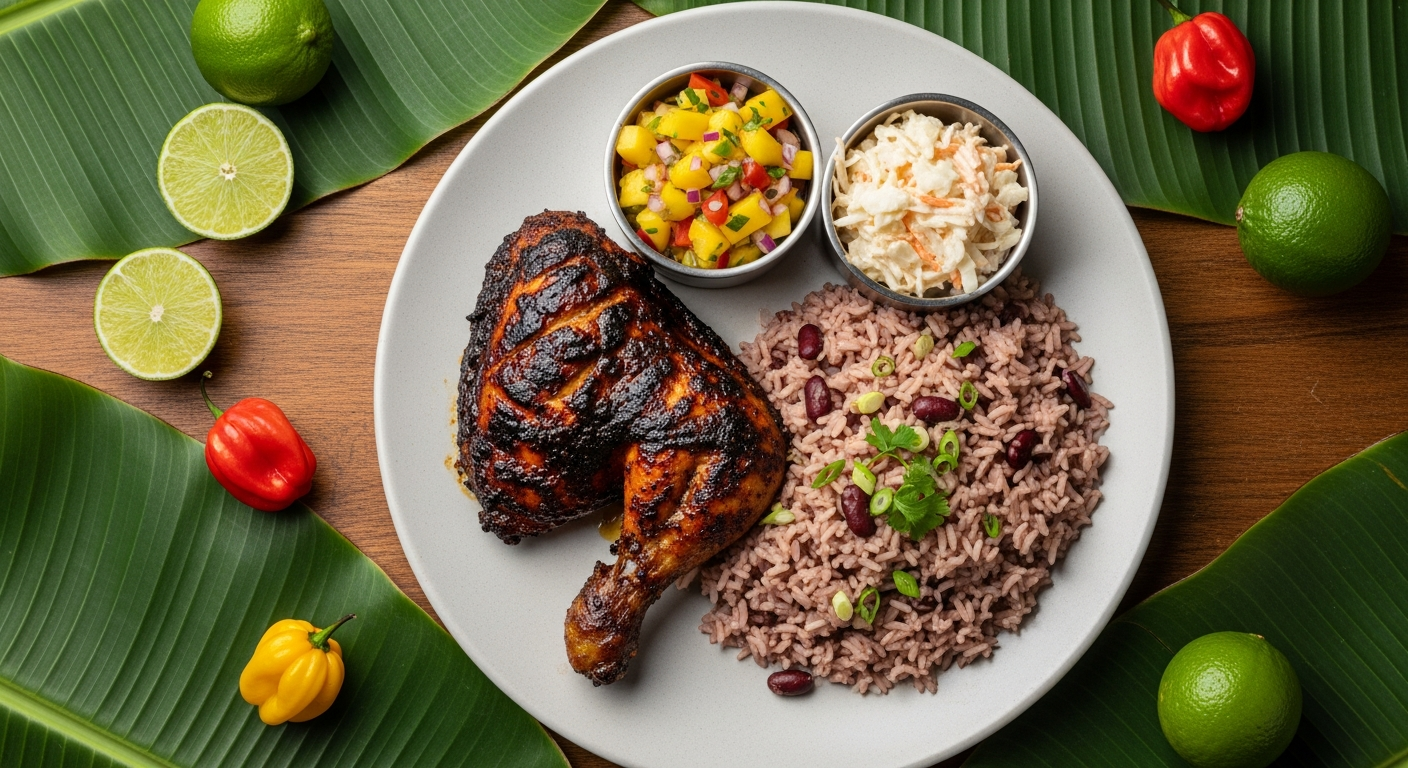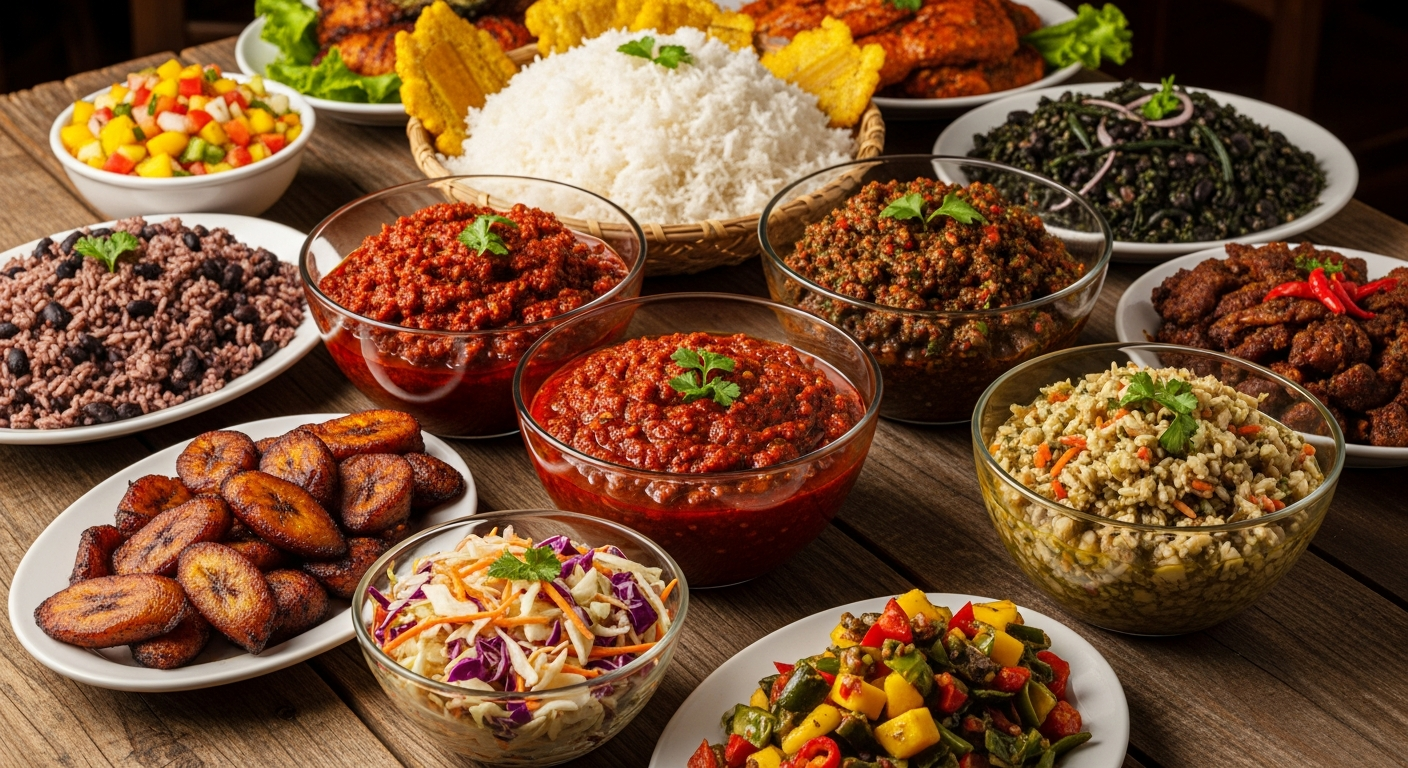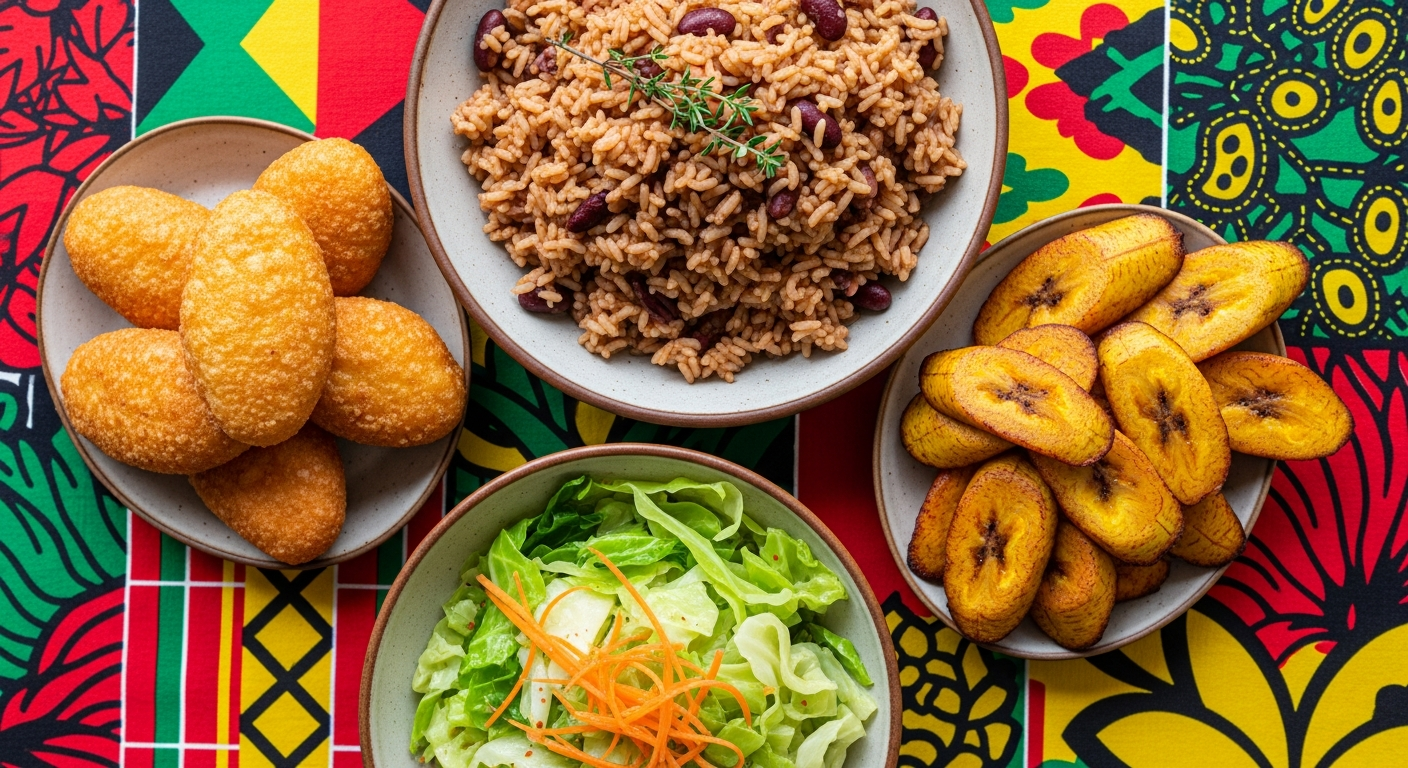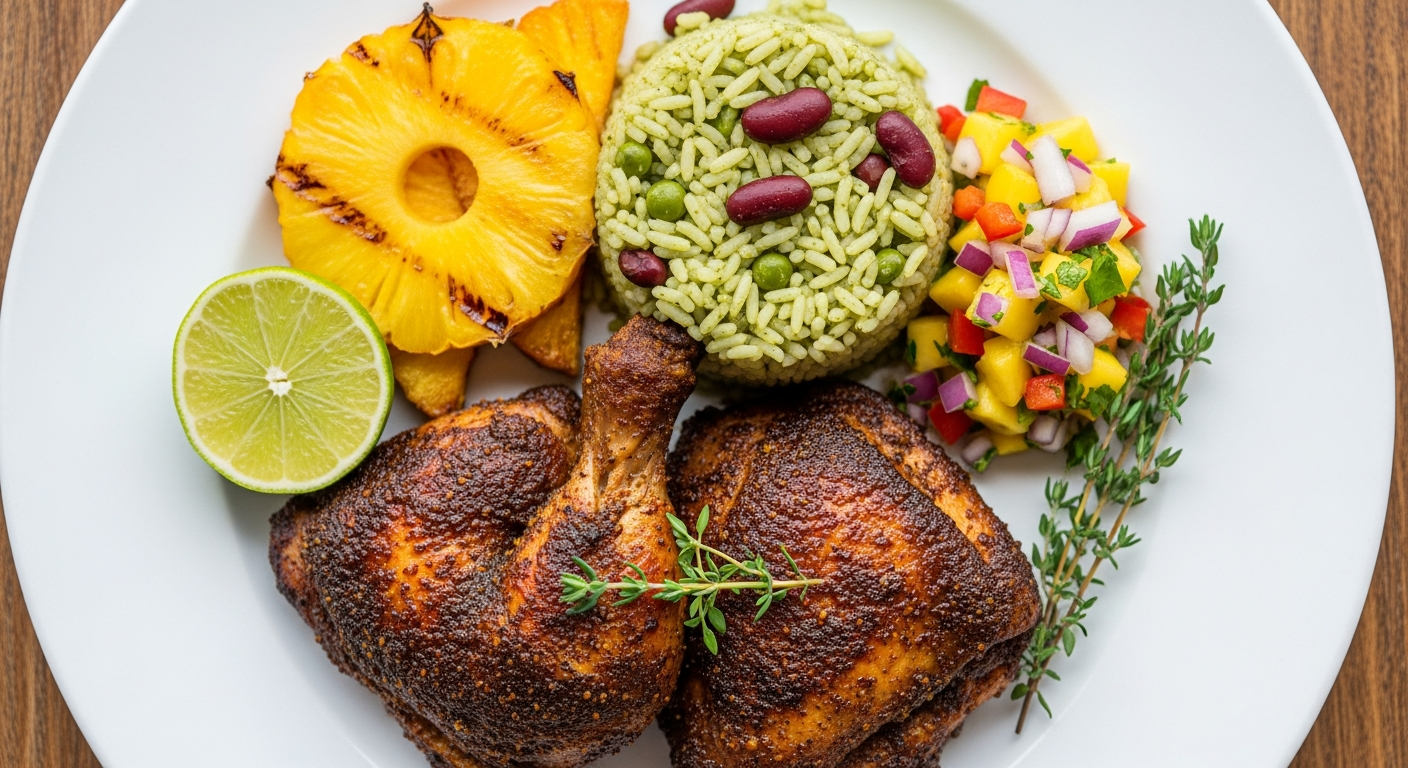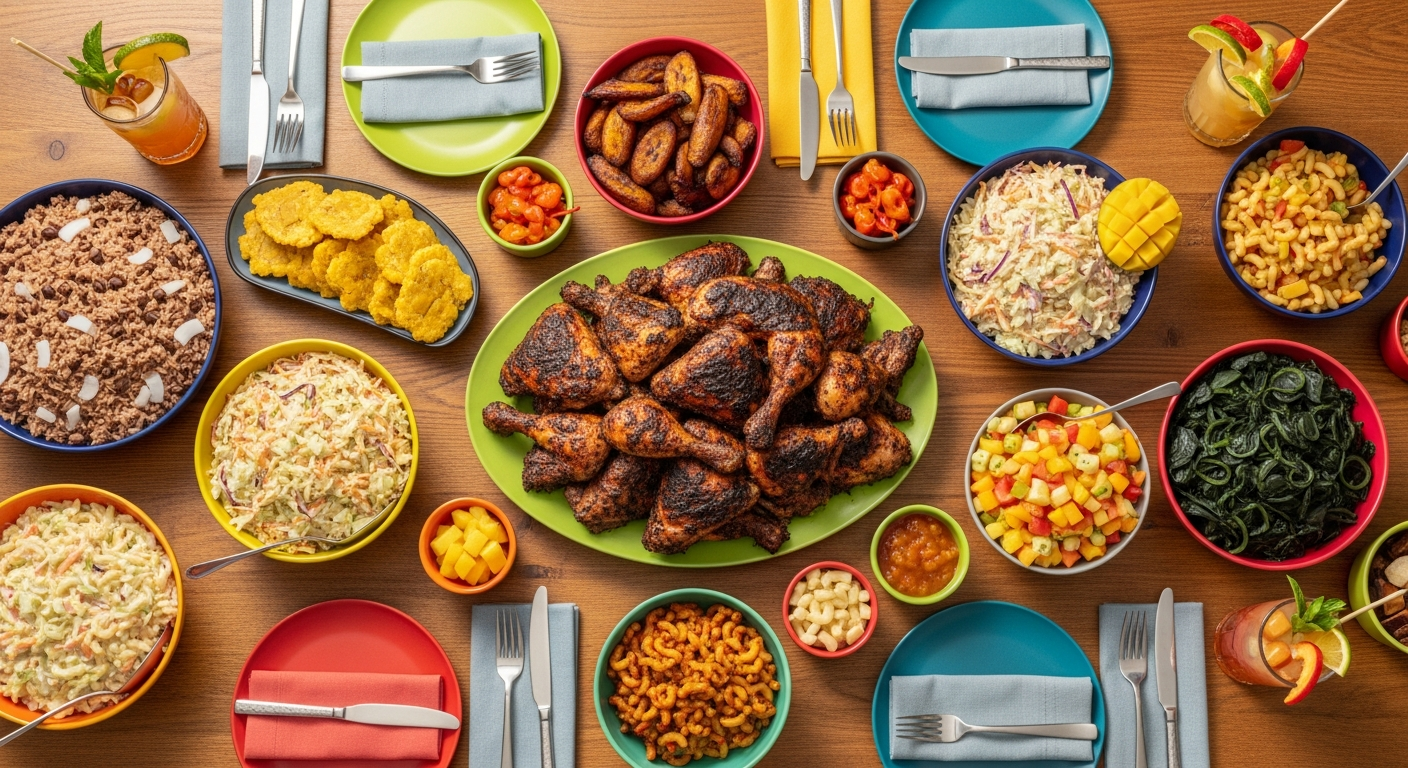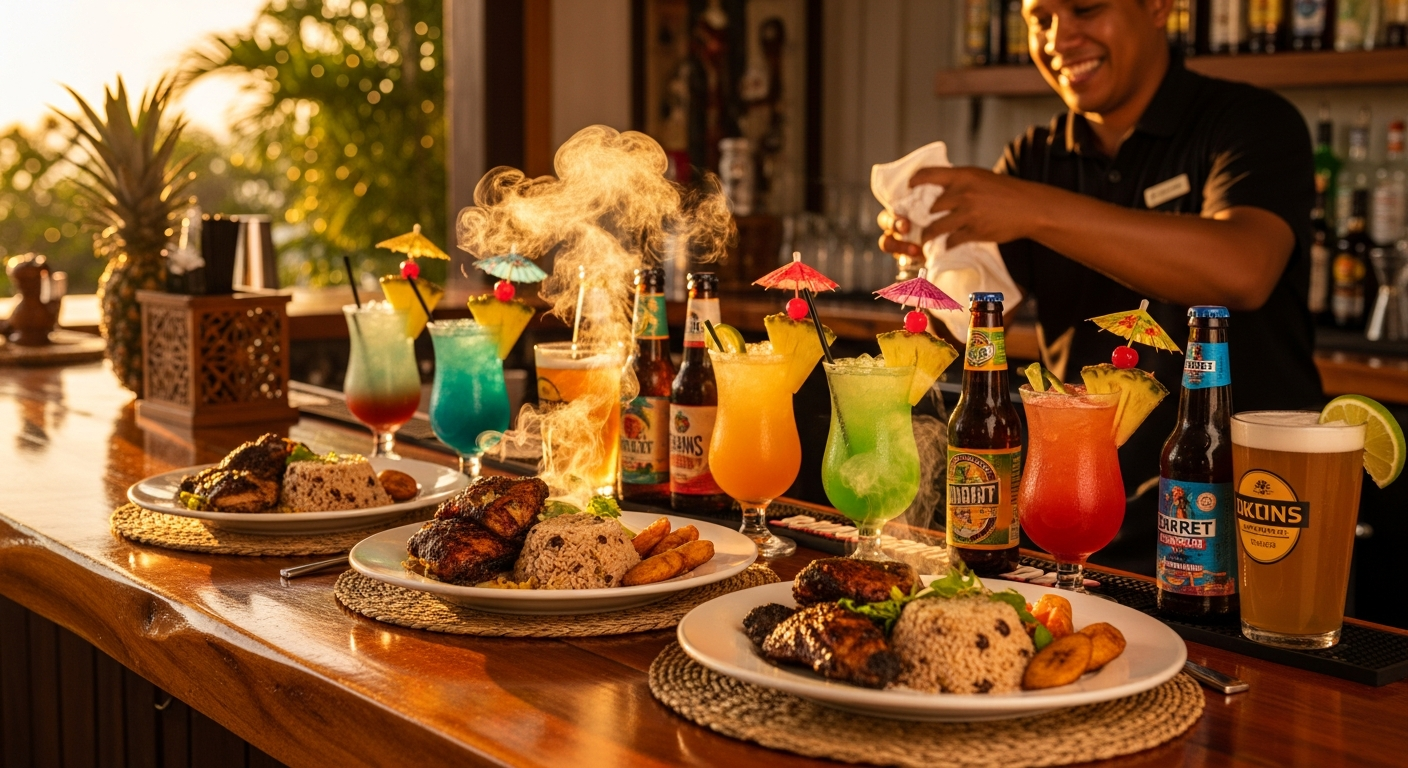
Jerk flavors with rice and beans is one of the most celebrated combinations in Caribbean cuisine. The partnership between boldly seasoned jerk protein and the comforting, starchy foundation of rice and beans has sustained generations of Caribbean families and captivated food lovers around the world. Understanding how to prepare and pair these two elements is fundamental to mastering Caribbean cooking.
The Marriage of Jerk and Rice
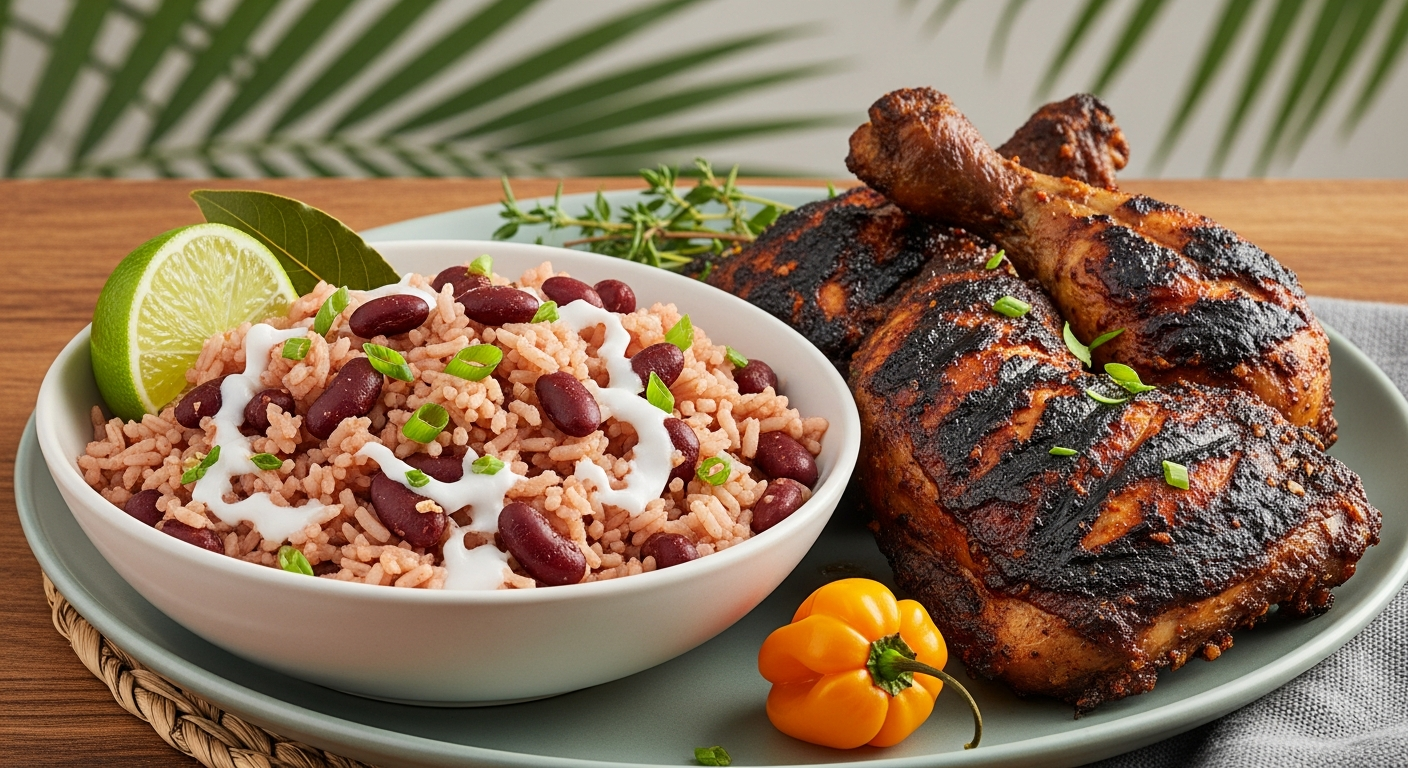
The relationship between jerk and rice is not accidental. The starchy, somewhat neutral character of rice provides the perfect canvas for the complex, multi-layered flavors of jerk seasoning. Every spoonful of rice absorbs the smoky, spicy juices from the jerk protein, becoming a vehicle for flavor rather than simply a filler. This is why, in Jamaica, jerk chicken without rice and peas feels fundamentally incomplete.
Beyond practical flavor considerations, the combination has deep cultural significance. Rice and peas is the Sunday dish in Jamaican households — the meal that brings families together. When paired with jerk chicken, it represents the best of Jamaican cooking: tradition, care, and bold flavor. Serving jerk without rice and peas would be like serving Thanksgiving without stuffing — technically possible, but spiritually wrong.
Classic Jamaican Rice and Peas
The recipe for authentic Jamaican rice and peas has been refined over generations. Despite the name, "peas" in this context refers to kidney beans, which are simmered until tender in a mixture of coconut milk, water, garlic, scallions, fresh thyme, and a whole scotch bonnet pepper. The rice is then added to this flavorful liquid and cooked until fluffy and infused with coconut-bean flavor.
Start by simmering dried kidney beans until tender, about ninety minutes. Alternatively, use canned kidney beans to save time. In a heavy-bottomed pot, combine the cooked beans with their cooking liquid, a can of full-fat coconut milk, enough water to cover the rice, minced garlic, chopped scallions, two sprigs of fresh thyme, and one whole scotch bonnet pepper (do not pierce it — you want flavor, not fire). Bring to a boil, add two cups of long-grain white rice, stir once, reduce heat to low, cover tightly, and cook for twenty to twenty-five minutes without lifting the lid.
The result should be rice that is fluffy but not dry, with each grain coated in a subtle film of coconut oil and infused with the aromatic seasonings. The kidney beans should be tender and creamy, distributed throughout the rice. The scotch bonnet, still intact, can be removed before serving or left as a garnish — just warn your guests not to bite into it.
Coconut Rice Variations
If you want to simplify the classic recipe, coconut rice without beans makes a quicker alternative. Cook long-grain rice in a mixture of half coconut milk and half water, seasoned with salt and a strip of lime zest. The coconut flavor provides richness that complements jerk seasoning, and the preparation takes about twenty minutes from start to finish.
Coconut rice with lime and cilantro is another variation that works beautifully with jerk. Fold chopped cilantro and lime juice into freshly cooked coconut rice for a bright, herbaceous version that adds freshness to the plate. This variation pairs especially well with jerk seafood, where the lighter, citrus-tinged rice does not overpower delicate fish or shrimp flavors.
For a toasted coconut rice, saute shredded coconut in oil until golden before adding the rice and liquid. The toasted coconut adds nutty depth and textural interest that elevates a simple side into something special. This technique is common in Southeast Asian cuisine and translates beautifully to Caribbean cooking.
Black Beans and Jerk: A Natural Combination
While kidney beans are traditional in Jamaican rice and peas, black beans offer a different but equally delicious pairing with jerk flavors. Black beans have an earthy, slightly sweet character that complements the warm spices in jerk seasoning. Cuban-style black beans, simmered with sofrito (onion, pepper, garlic), cumin, oregano, and a splash of vinegar, create a rich, saucy side dish that provides both protein and bold flavor alongside jerk chicken.
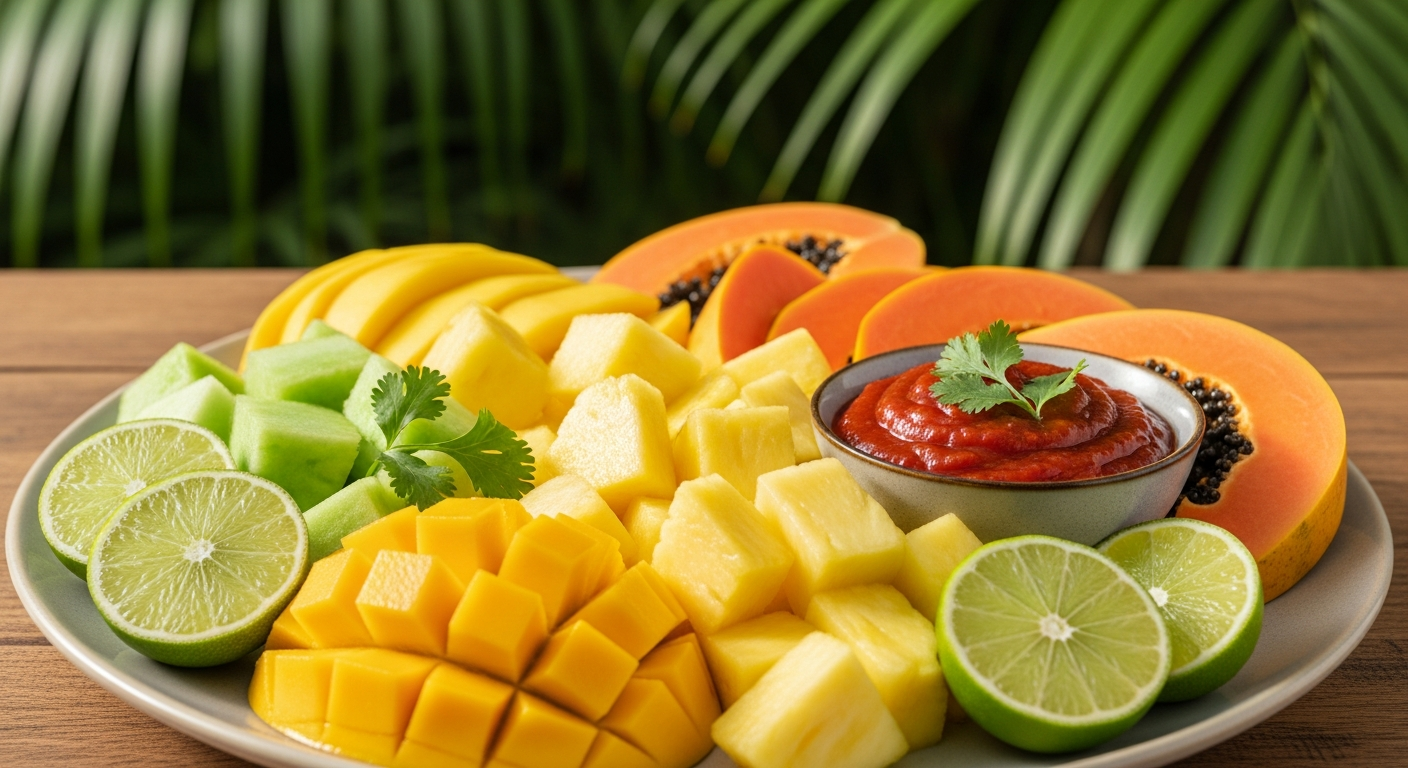
A simple black bean salad — canned black beans tossed with diced mango, red onion, cilantro, lime juice, and a touch of cumin — makes a quick, no-cook pairing option. The sweetness of mango and the brightness of lime cut through the richness of jerk, while the beans add substance and protein.
Black bean and rice bowls with jerk chicken have become a popular modern preparation. Layer coconut rice and seasoned black beans, top with sliced jerk chicken, add avocado, pickled onions, and a drizzle of scotch bonnet pepper sauce. This bowl format allows each diner to mix and match components in every bite, creating constant variety throughout the meal.
Pigeon Peas and Gungo Peas
Pigeon peas, known as gungo peas in Jamaica, are another traditional legume used in Caribbean rice dishes. They have a nuttier, more earthy flavor than kidney beans and a firmer texture that holds up well during cooking. Rice and gungo peas is particularly popular during the Christmas season in Jamaica, where it is served alongside traditional holiday dishes.
The preparation is similar to rice and peas but with a distinct flavor profile. Pigeon peas bring a depth that pairs especially well with jerk pork, whose richer, fattier character can stand up to the more assertive bean flavor. For an extra layer of smokiness, add a smoked turkey neck or ham bone to the pot while the rice cooks.
Red Beans and Rice: The Trinidad Connection
Trinidadian-style red beans and rice, known as pelau when prepared as a one-pot dish with meat and caramelized sugar, offers a different approach to the rice-and-beans tradition. In pelau, sugar is caramelized in oil until dark brown, then meat and seasonings are added, followed by rice and pigeon peas. The caramelized sugar gives the rice a distinctive brown color and a deep, complex sweetness.
Pelau-style rice alongside jerk creates a powerful combination where two bold flavor systems — the caramelized sweetness of the rice and the smoky spice of the jerk — work in harmony rather than competition. The browning technique adds a dimension that plain rice and peas cannot match.
Beans as a Main Course with Jerk Seasoning
Beans do not have to play a supporting role. Jerk-seasoned baked beans — navy beans slow-cooked with jerk paste, brown sugar, ketchup, and mustard — create a hearty, protein-rich side dish that is perfect for cookouts and large gatherings. The long, slow cooking melds the jerk flavors into the beans, creating a deeply satisfying dish that can also serve as a vegetarian main course.
Jerk bean stew, made with a mixture of kidney beans, chickpeas, and black beans simmered in a jerk-seasoned tomato broth with root vegetables, is another option that works as both a side and a standalone meal. Serve it over rice with a dollop of coconut cream and a squeeze of lime for a warming, nourishing bowl that showcases how well jerk flavors work with legumes.
Tips for Perfect Rice Every Time
Perfect rice is the foundation of a great jerk meal, and getting it right consistently requires attention to a few details. Use a heavy-bottomed pot with a tight-fitting lid. Rinse rice three times in cold water before cooking to remove excess starch. Use the correct liquid-to-rice ratio — for long-grain white rice, use one and three-quarter cups of liquid per cup of rice.
Never stir rice once it has come to a boil and been covered. Stirring releases starch and creates a gummy texture. Let the rice rest for five minutes after cooking with the lid on before fluffing with a fork. This resting period allows steam to redistribute and ensures fluffy, separate grains.
For coconut rice and peas specifically, the coconut milk can scorch if the heat is too high. Keep the flame at the lowest possible setting once the pot is covered. If your stove does not go low enough, use a heat diffuser plate between the burner and the pot. This small investment prevents burned rice and wasted ingredients.