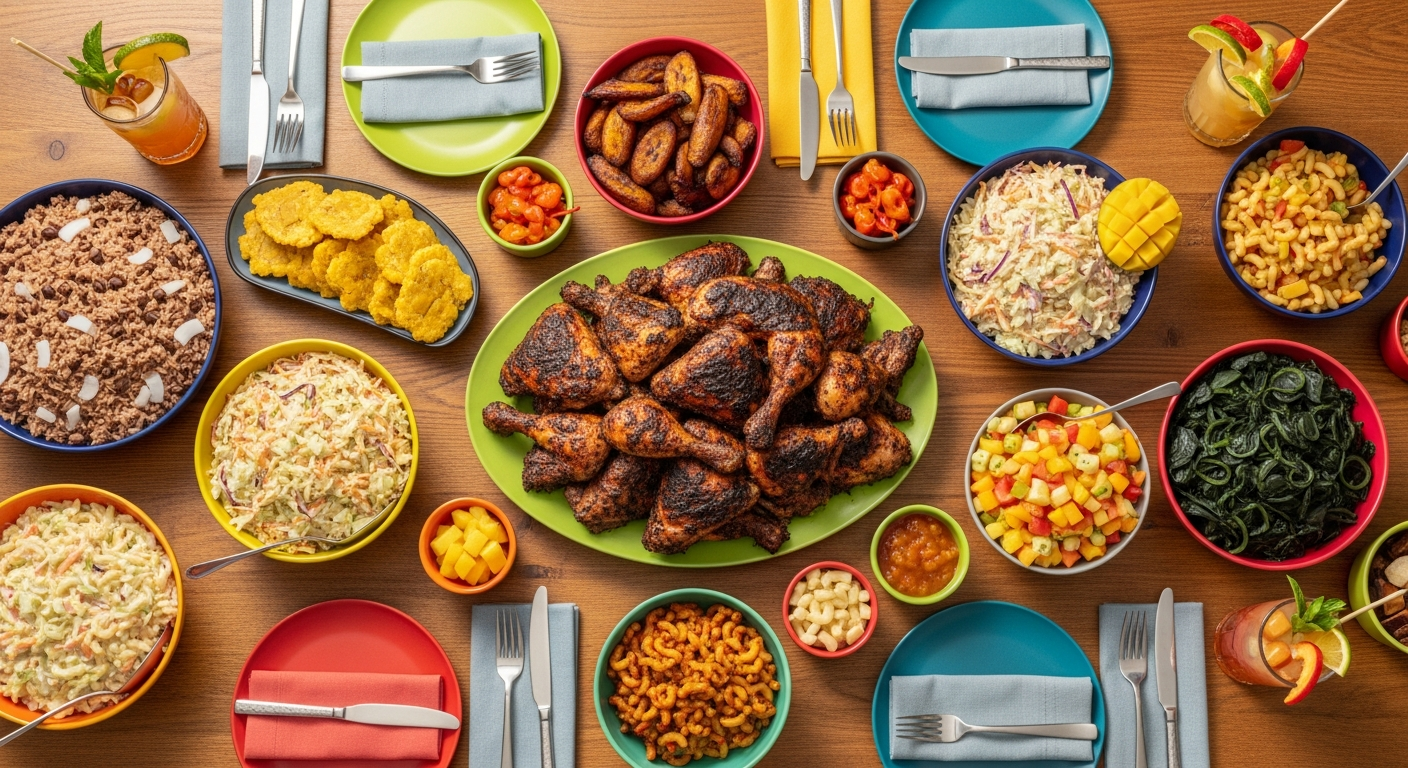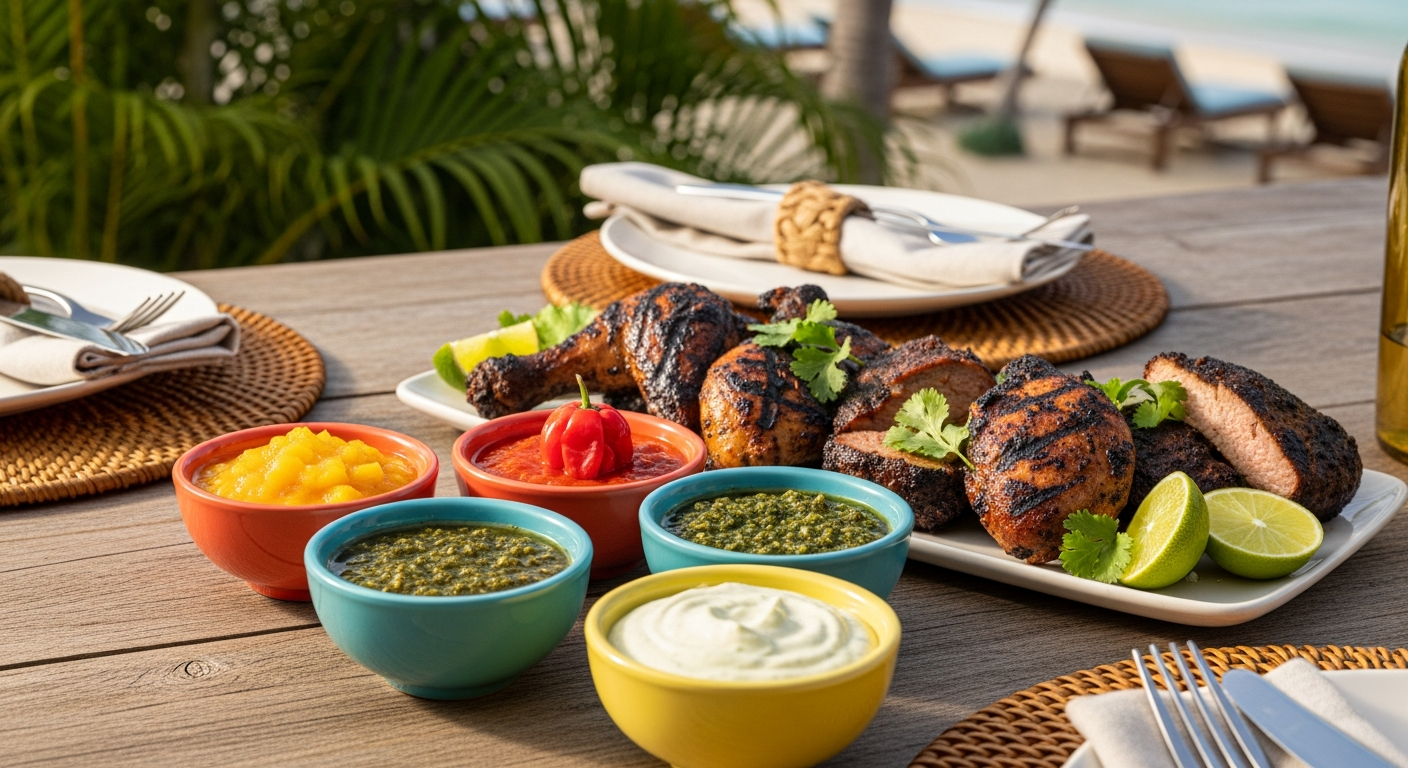
Jamaican sides for jerk dishes are what transform a single grilled protein into a complete Caribbean dining experience. In Jamaica, food is never served alone. Every plate tells a story of balance — heat against cool, smoky against fresh, rich against light. The sides you choose are just as important as the jerk itself, and getting them right is what separates an average meal from an unforgettable one.
Rice and Peas: The Essential Foundation
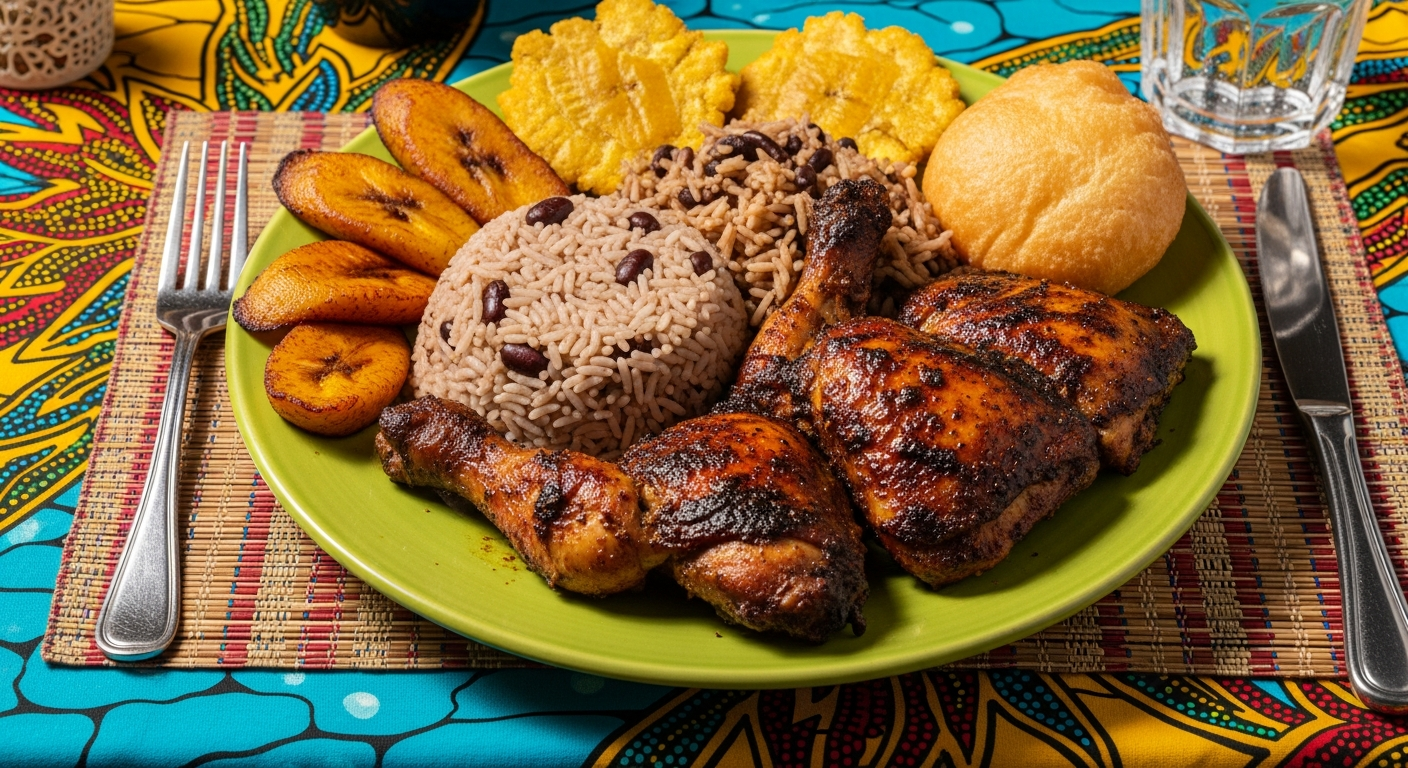
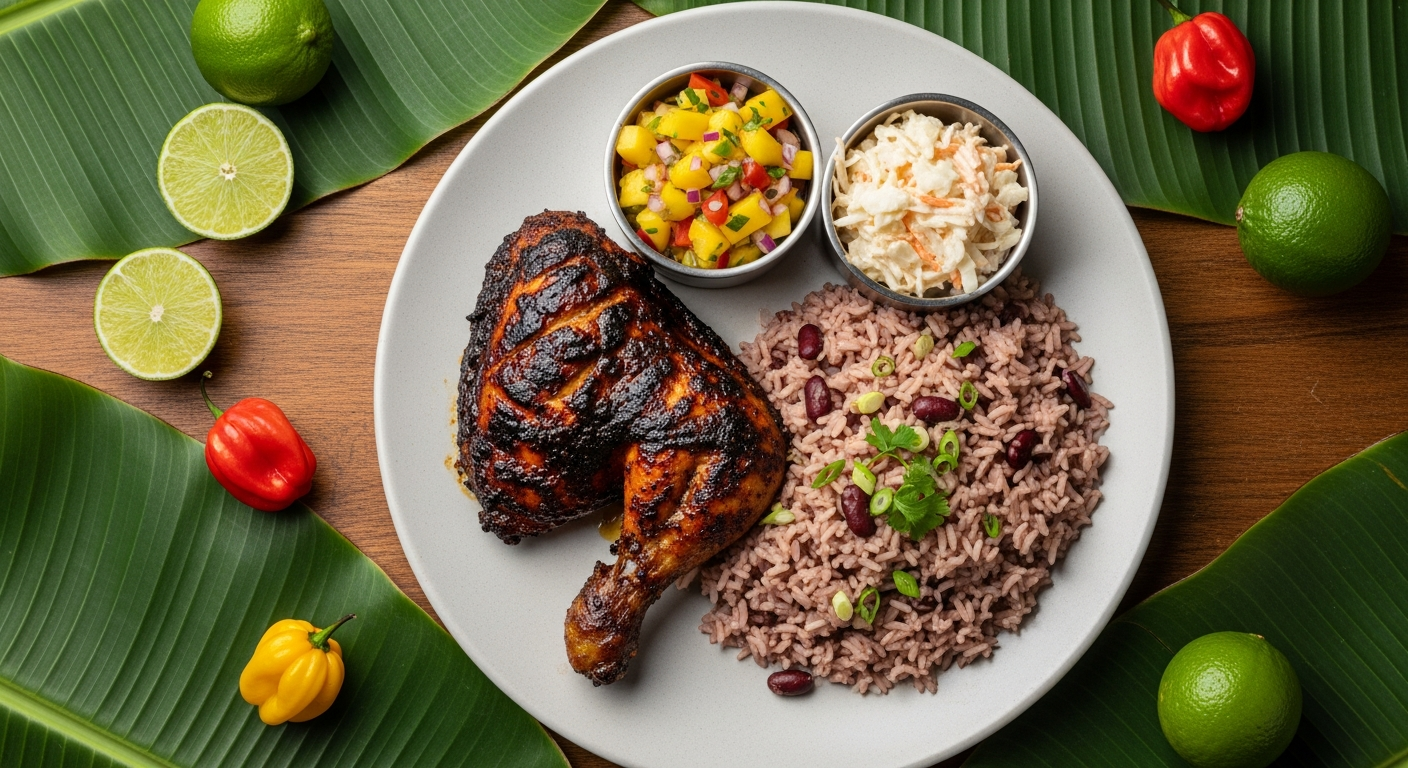
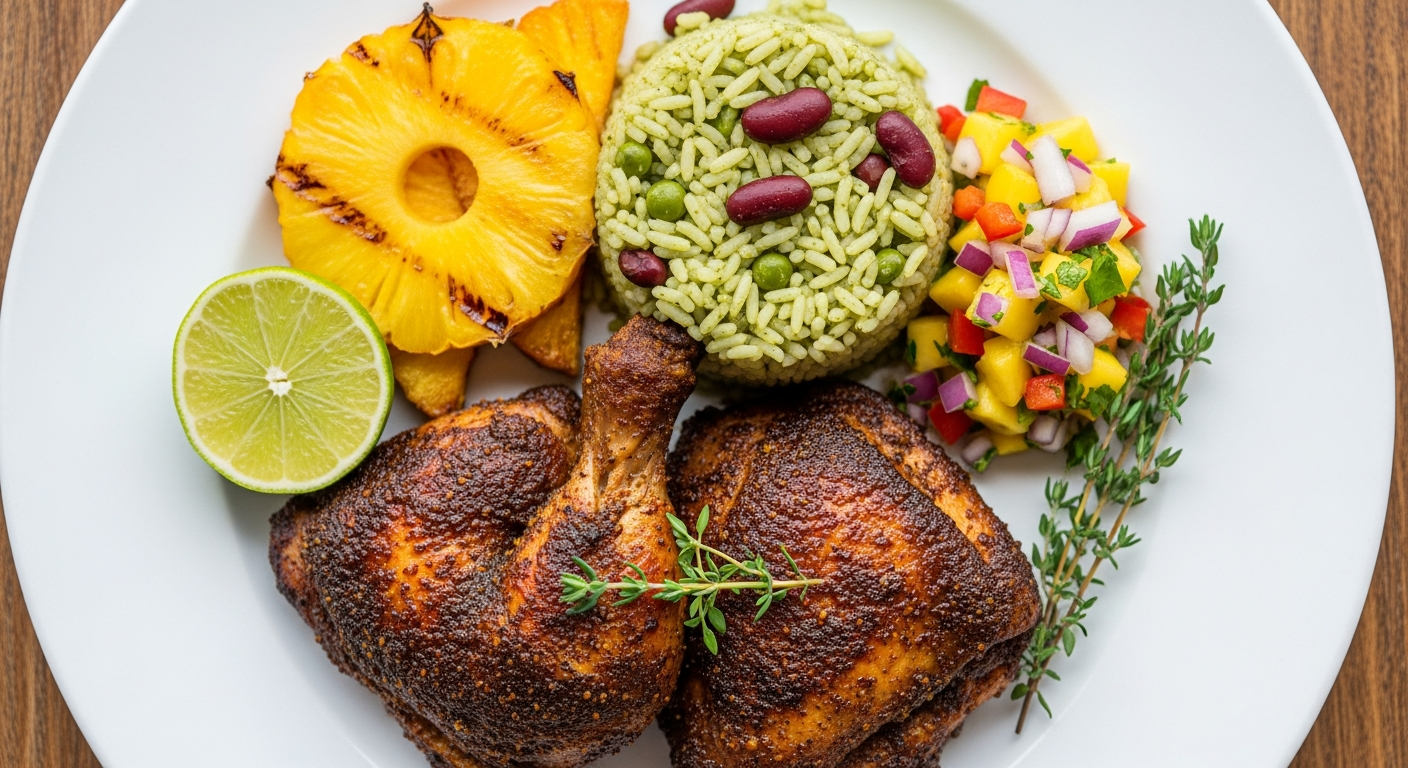
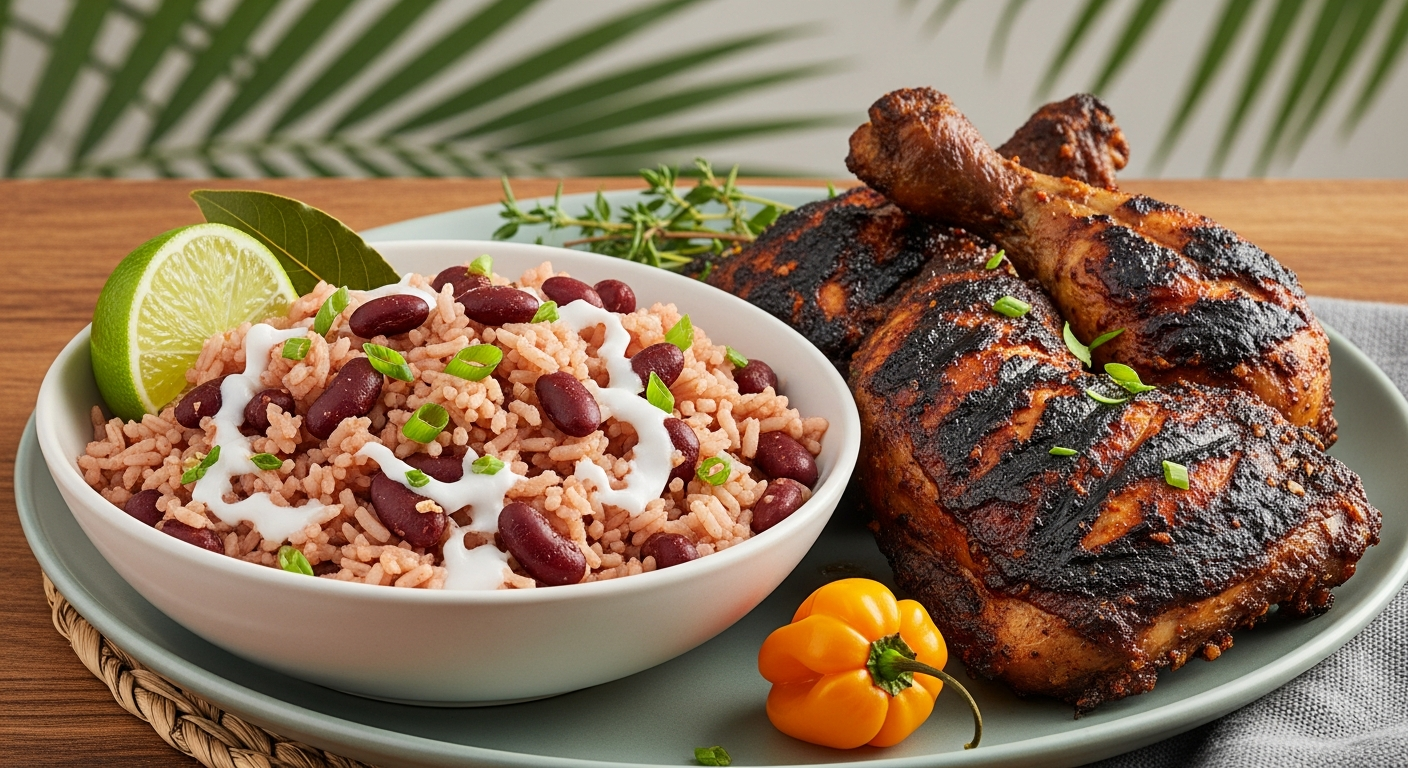
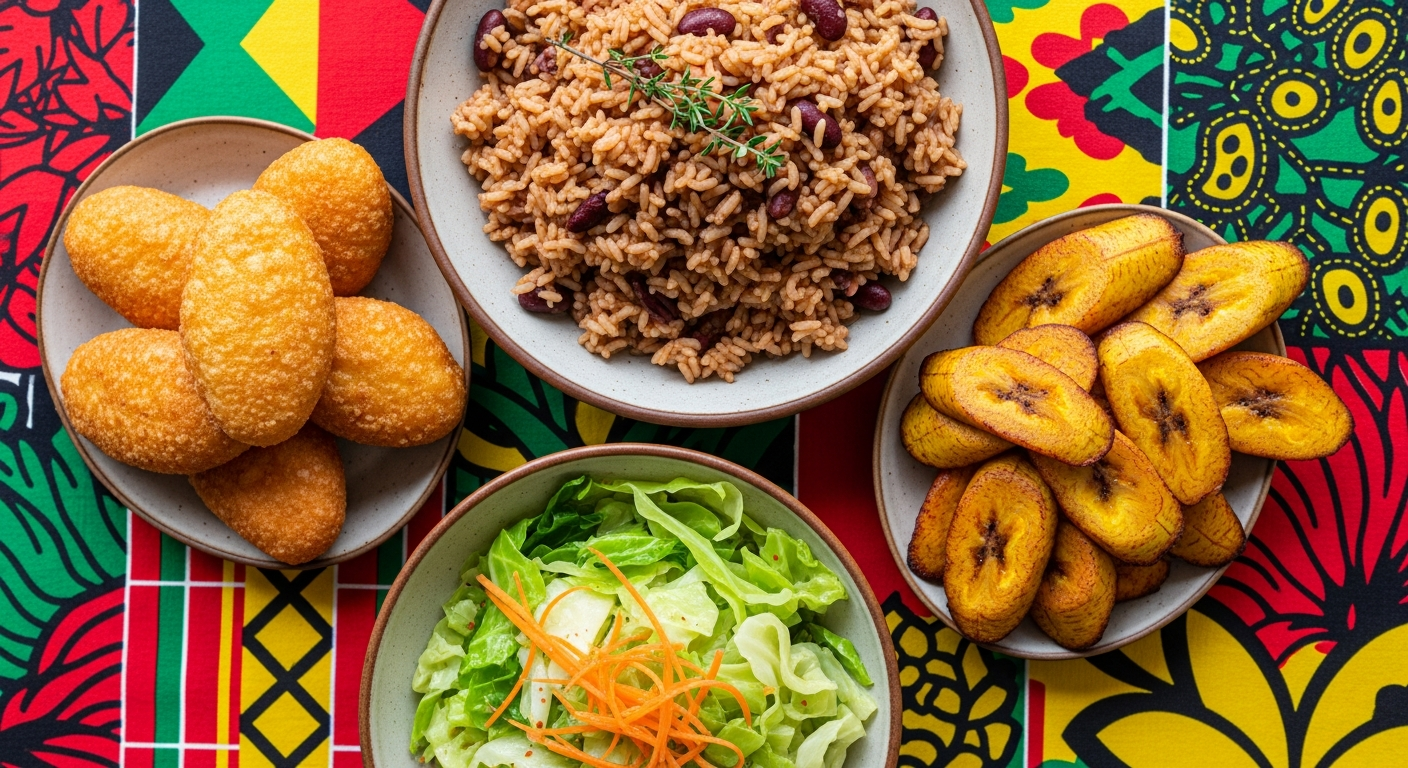
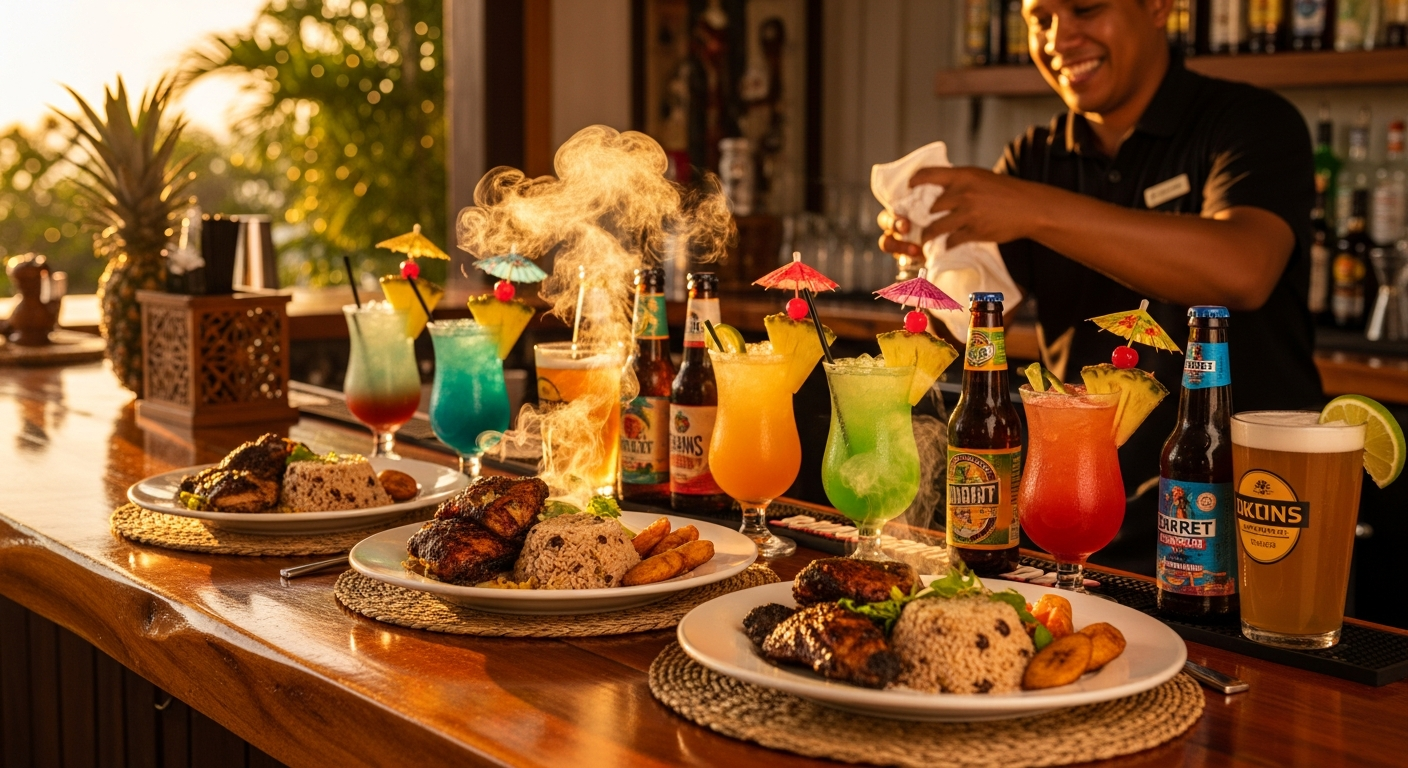
No discussion of Jamaican sides for jerk dishes can begin anywhere other than rice and peas. This is the bedrock of Caribbean cuisine, the dish that appears on nearly every Jamaican table, especially on Sundays. Despite its simple name, rice and peas is a complex and deeply satisfying dish. Long-grain rice is cooked in coconut milk with kidney beans (the "peas" in Jamaican parlance), fresh thyme, scotch bonnet pepper, garlic, and scallions. The result is creamy, aromatic, and subtly sweet — the perfect counterpoint to the fiery intensity of jerk seasoning.
The key to excellent rice and peas lies in the coconut milk. Use full-fat coconut milk, not the light version, and let the beans simmer in it before adding the rice. This infuses every grain with rich coconut flavor. The scotch bonnet should be added whole and unpierced — you want its floral aroma without releasing the full force of its heat into the rice. Remove it before serving.
Festival Bread: Sweet Fried Perfection
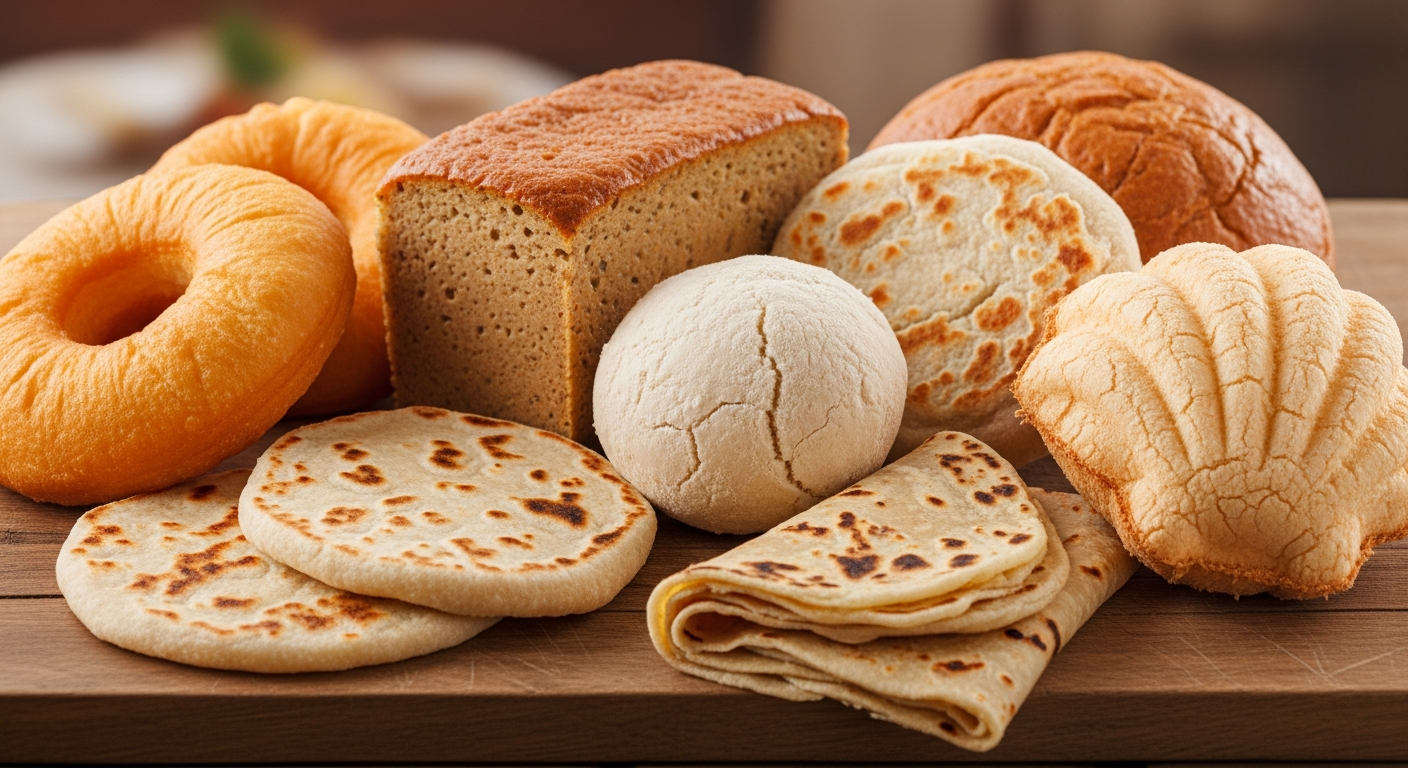
Festival is a slightly sweet cornmeal dumpling that is deep-fried until golden brown. It has a crispy exterior and a soft, almost cake-like interior that provides a wonderful textural contrast to grilled jerk meat. The sweetness of festival bread plays beautifully against the heat of scotch bonnet peppers, creating a harmony that keeps you reaching for more of both.
To make festival, combine cornmeal, flour, sugar, salt, a pinch of nutmeg, and enough water to form a stiff dough. Shape into elongated ovals about four inches long and fry in vegetable oil at 350 degrees Fahrenheit until deep golden brown. Drain on paper towels and serve warm. Festival is best eaten fresh — it loses its crunch as it cools. If cooking for a crowd, keep batches warm in a low oven at 200°F while you finish frying.
Bammy: The Ancient Cassava Bread
Bammy is one of the oldest foods in the Caribbean, a flatbread made from grated cassava that predates European colonization. The Taino people, the indigenous inhabitants of Jamaica, developed this bread centuries ago, and it remains a beloved accompaniment to fish and jerk dishes today. Bammy has a dense, chewy texture and a mild, slightly nutty flavor that absorbs sauces and juices beautifully.
Traditional bammy is soaked in coconut milk before frying, which softens it and adds richness. You can also bake or grill it for a lighter version. Bammy pairs exceptionally well with jerk chicken because its neutral flavor acts as a canvas for the bold jerk seasoning, while its dense texture provides substance to the meal. Find it at Caribbean grocery stores or make your own from grated, pressed cassava.
Fried Plantains: Caramelized Sweetness
Ripe plantains, sliced on a diagonal and fried until caramelized, are a staple across Caribbean cuisine. Their natural sweetness intensifies during frying, creating golden, candy-like pieces that melt in your mouth. The sweetness provides a stunning contrast to jerk heat, and the soft texture complements the charred exterior of grilled meat beautifully.
Choose plantains that are very ripe — the skin should be mostly black with some remaining yellow. These will be sweet enough to caramelize properly. Fry in vegetable oil over medium heat 2-3 minutes per side until deep golden. Green plantains can be twice-fried as tostones (flattened after the first fry), which offer a savory, starchy alternative equally delicious alongside jerk. Season tostones with garlic and salt while hot.
Vegetables and Greens
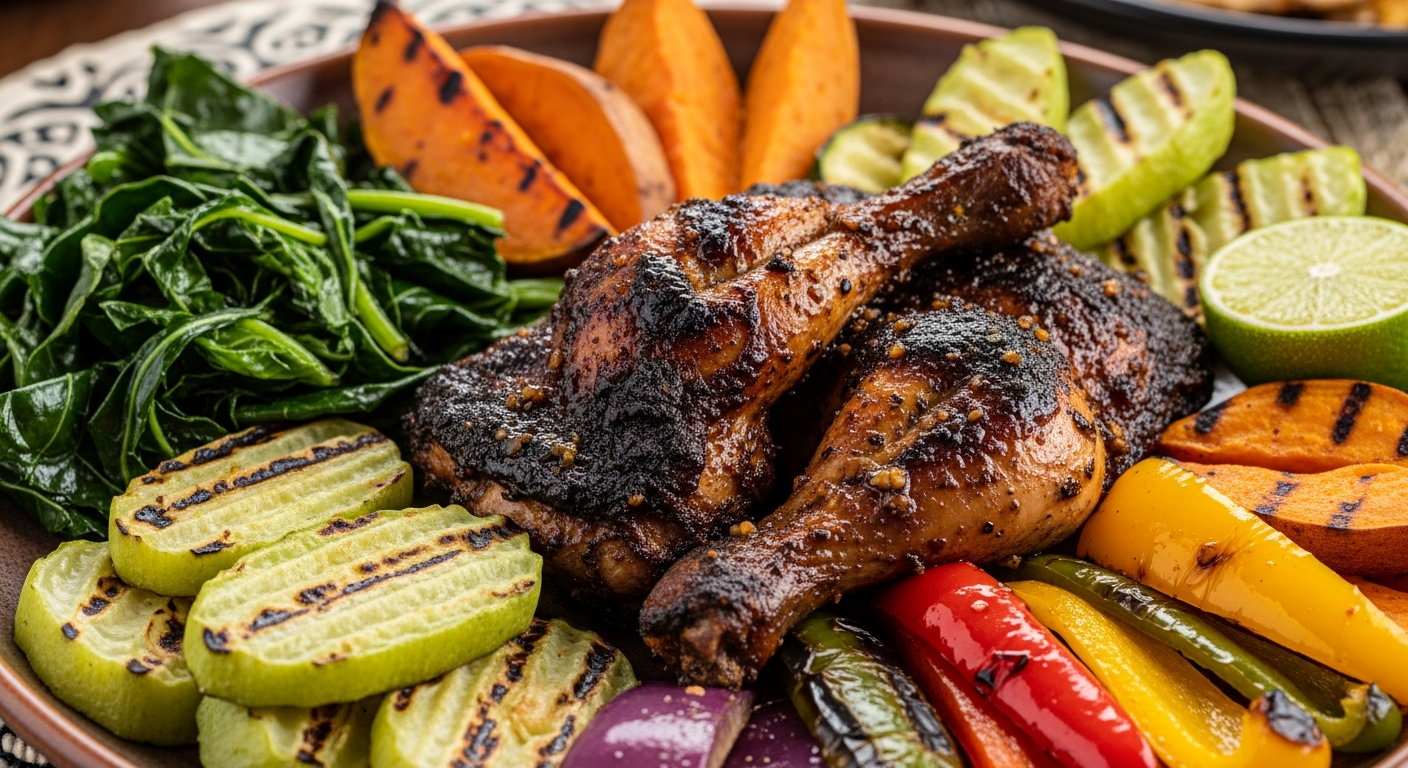
Jamaican steamed cabbage with carrots is a quick, nutritious side sautéed with onions, bell peppers, thyme, and a touch of scotch bonnet. The vegetables retain their crunch and freshness, providing a light, healthy counterbalance to the richness of jerk meat. A squeeze of lime at the end brightens everything up. Key technique: do not overcook. Five to seven minutes of high-heat sautéing keeps the colors vivid and the texture satisfying.
Callaloo — a leafy green similar to spinach — cooked down with onions, garlic, and scotch bonnet pepper provides earthy, mineral depth. Callaloo is rich in iron, calcium, and vitamins A and C, making it the most nutritious side on the Jamaican table. Cook just until wilted with some texture remaining. A splash of coconut milk at the end adds richness that ties it to the rice and peas.
Roasted breadfruit is a traditional accompaniment particularly in Portland Parish, the birthplace of jerk. When roasted over an open flame, breadfruit develops smoky sweetness with a texture between potato and fresh bread. Its mild flavor does not compete with jerk seasoning, while its starchy substance helps temper heat. Find fresh breadfruit at Caribbean grocery stores in season, or use canned as an excellent alternative.
Jamaican Sides Pairing Table
| Side Dish | Flavor Profile | Texture | Best With | Prep Time |
|---|---|---|---|---|
| Rice and Peas | Creamy, coconut, herbaceous | Soft, fluffy | Jerk chicken, pork | 40 min |
| Festival Bread | Sweet, slightly nutty | Crispy outside, soft inside | All jerk dishes | 20 min |
| Fried Plantains | Sweet, caramelized | Soft, yielding | Spicy jerk | 10 min |
| Bammy | Mild, nutty | Dense, chewy | Jerk fish, seafood | 20 min |
| Steamed Cabbage | Savory, fresh | Tender-crisp | All jerk dishes | 15 min |
| Callaloo | Earthy, mineral | Wilted, tender | Jerk chicken, pork | 15 min |
| Roasted Breadfruit | Smoky, slightly sweet | Dense, starchy | Traditional jerk spread | 45 min |
Tips for Timing Your Sides
When cooking a full jerk dinner, timing is everything. Start the rice and peas first — it takes about 40 minutes. While the rice simmers, prepare and fry your festival bread and plantains. Start the steamed cabbage last, as it cooks the fastest (15 minutes). If you are grilling jerk chicken, put the meat on first (it takes 60-90 minutes over indirect heat), then use the last 30 minutes to prepare all your sides so everything finishes together.
Leftovers store well individually. Rice and peas keep for up to five days refrigerated. Festival bread can be reheated in the oven at 300°F for 8 minutes to restore some crunch. Steamed cabbage is delicious cold the next day. With good planning, one large Sunday cooking session provides Caribbean-inspired meals for the entire week.