Jerk Chicken Calories and Nutrition: A Complete Guide
Jerk chicken calories are a frequent concern for health-conscious food lovers who want to enjoy the bold, spicy flavors of Caribbean cuisine without derailing their nutritional goals. People often ask: is jerk chicken fattening? The good news is that jerk chicken, when prepared thoughtfully, can be one of the healthier options in the grilled meat category. Understanding jerk chicken nutrition starts with knowing that the flavor comes primarily from spices, herbs, and peppers that add virtually zero calories to the dish.
So how many calories in jerk chicken are you actually consuming? The Jamaican jerk chicken calories in your meal vary significantly depending on the cut of chicken, the specific marinade ingredients, the cooking method, and the portion size. A standard serving of grilled jerk chicken thigh with skin on contains approximately 250 to 320 calories. Remove the skin, and that number drops to around 180 to 220 calories. Switch to a chicken breast, and you are looking at roughly 165 to 200 calories per serving.
Breaking Down the Macronutrients in Jerk Chicken
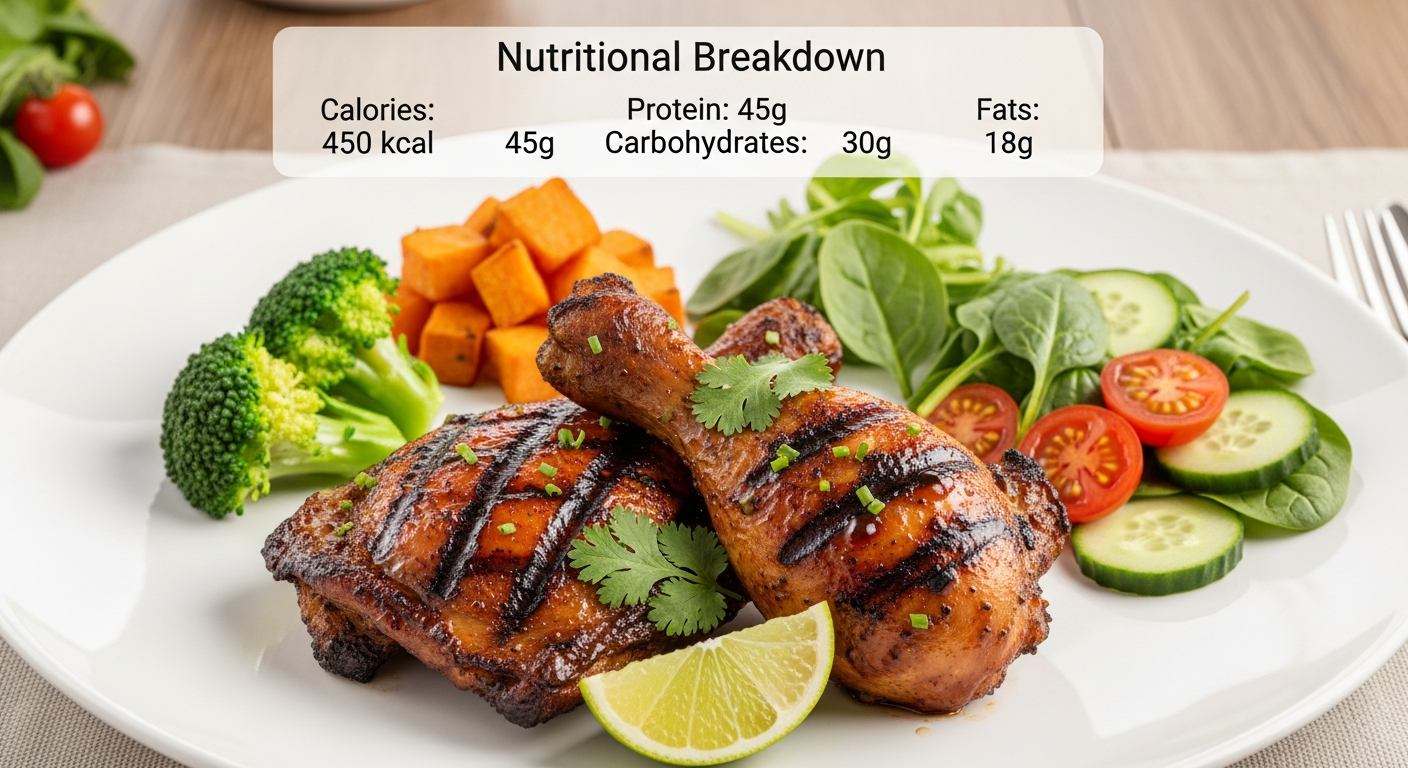
To truly understand what jerk chicken contributes to your diet, you need to look beyond just the calorie count and examine the full macronutrient profile. A typical six-ounce serving of skin-on grilled jerk chicken thigh provides approximately 280 calories, 38 grams of protein, 12 grams of fat, and 4 grams of carbohydrates. The protein content is impressively high, making jerk chicken an excellent option for anyone focused on building or maintaining muscle mass.
The fat content comes primarily from the chicken itself rather than the marinade. The jerk marinade typically contains only a tablespoon or two of oil per batch, which gets distributed across multiple servings. The primary fat in chicken is a mix of monounsaturated and saturated fats, with the skin containing the highest concentration. Removing the skin eliminates roughly 60 to 80 calories and 7 to 9 grams of fat per serving.
The carbohydrate content of jerk chicken is minimal, coming almost entirely from the sugars naturally present in the marinade ingredients: brown sugar or molasses (if used), the natural sugars in scotch bonnet peppers, scallions, and garlic, and any soy sauce or Worcestershire sauce in the recipe. This makes jerk chicken naturally compatible with low-carb and ketogenic dietary approaches.
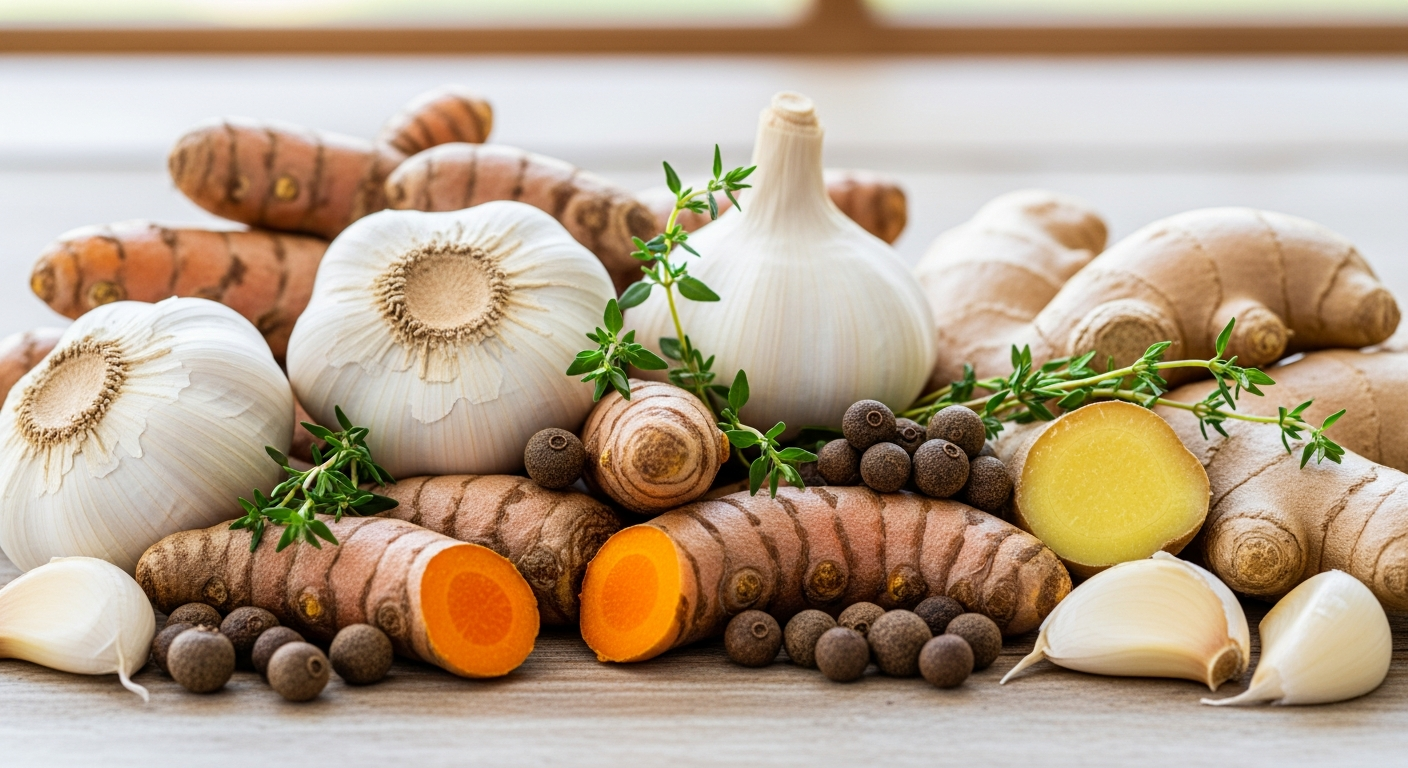
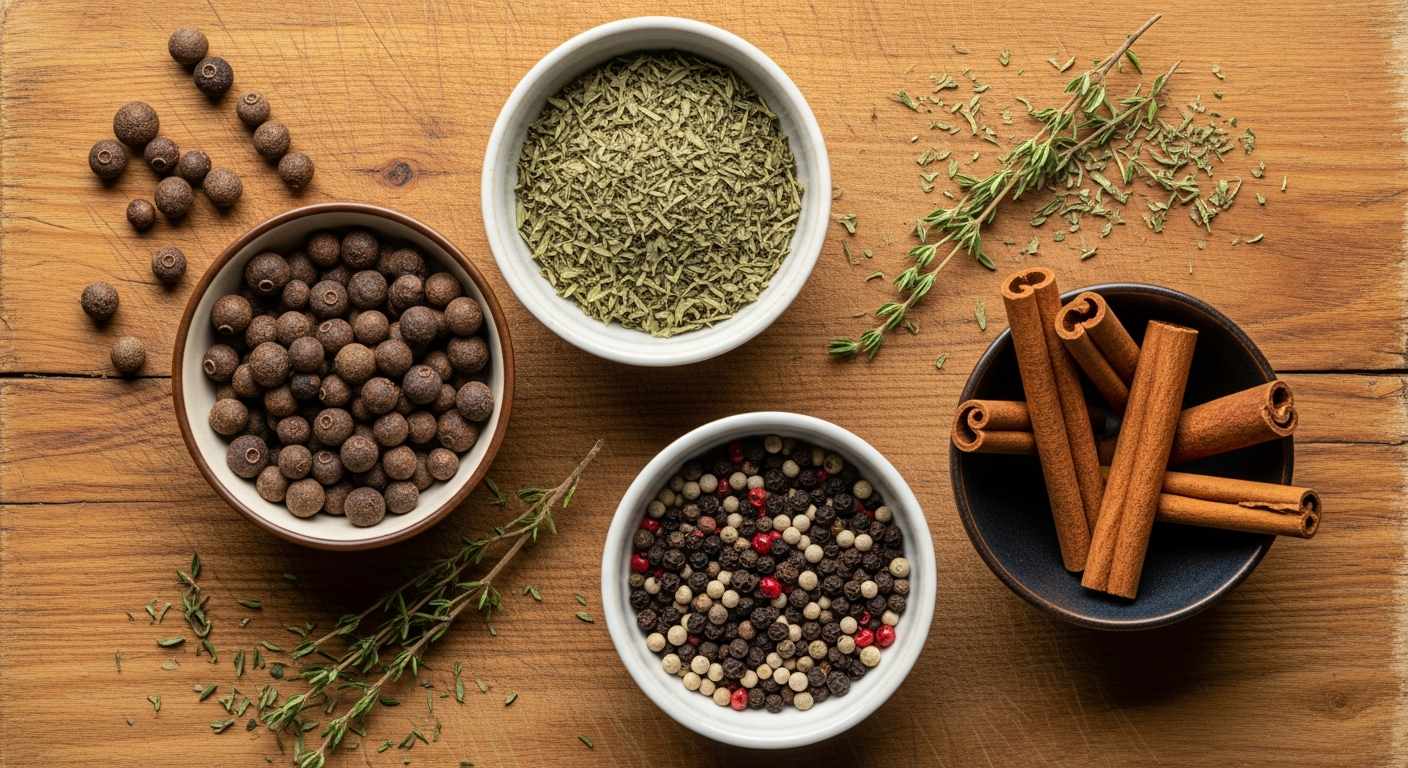
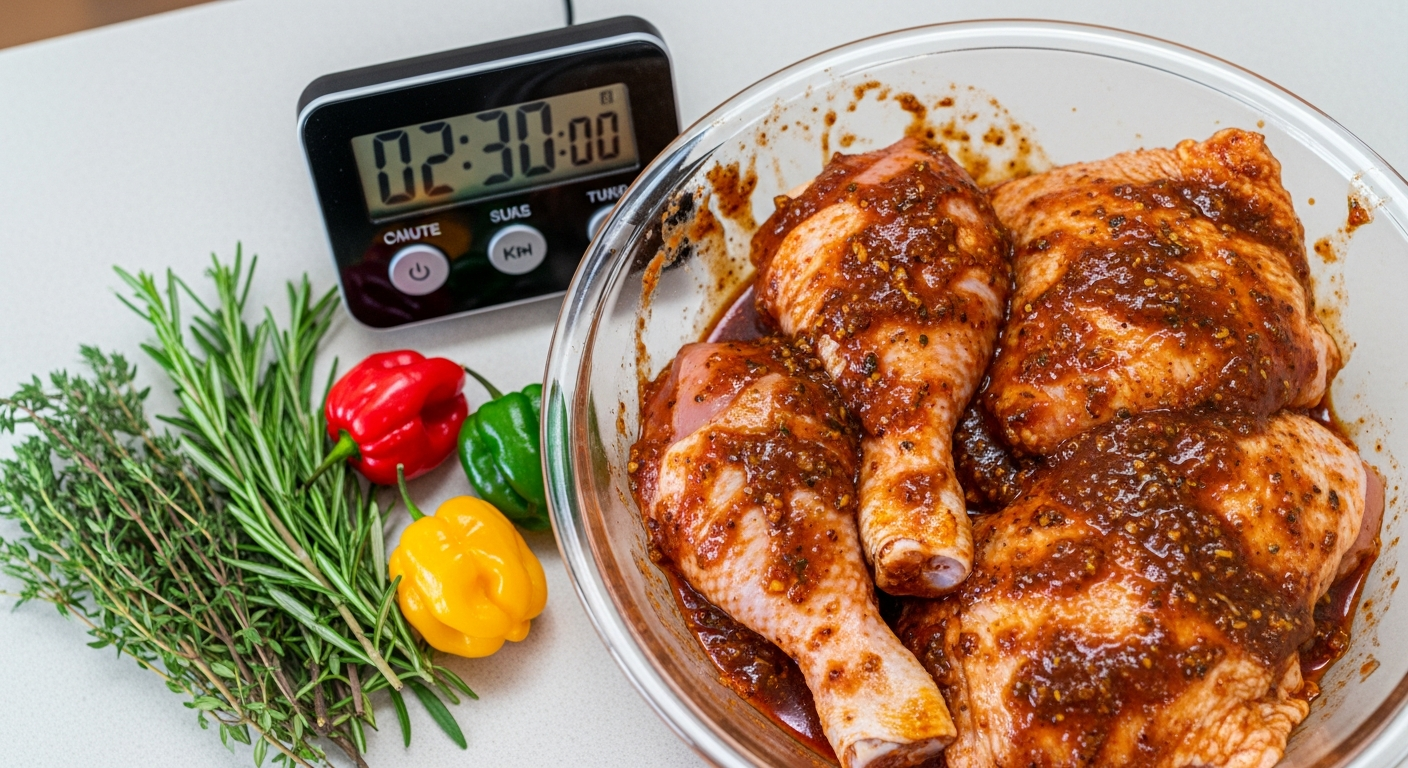
The micronutrient profile is where jerk chicken truly shines from a health perspective. Scotch bonnet peppers are extraordinarily rich in vitamin C, containing more per gram than most citrus fruits. Allspice provides manganese, iron, and antioxidant compounds. Fresh thyme contributes vitamin K and iron. Garlic and ginger offer well-documented anti-inflammatory and immune-supporting properties. The combination of these ingredients means that jerk marinade is essentially a health supplement disguised as seasoning.
Jamaican Jerk Chicken Calories by Cut: A Complete Comparison
Choosing the right cut of chicken has the single biggest impact on the calorie content of your jerk chicken. Here is a detailed breakdown of what you can expect from each common cut, based on a six-ounce cooked serving with standard jerk marinade.
Bone-in, skin-on chicken thigh is the traditional choice for jerk chicken and delivers approximately 280 to 320 calories per serving. The thigh meat stays exceptionally moist during the long, slow cooking process, and the skin crisps up beautifully over the coals. The higher fat content contributes to the rich, satisfying mouthfeel that makes jerk thighs so irresistible.
Boneless, skinless chicken thigh reduces the calorie count to about 200 to 240 calories per serving while maintaining much of the moisture and flavor that thigh meat is known for. This is an excellent compromise for health-conscious cooks who still want the superior texture of dark meat.
Bone-in, skin-on chicken breast comes in at roughly 230 to 270 calories per serving. The bone helps insulate the meat during cooking, reducing the risk of drying out, while the skin provides some additional fat and crispiness.
Boneless, skinless chicken breast is the leanest option at approximately 165 to 200 calories per serving, with a whopping 42 to 48 grams of protein. The challenge with breast meat is keeping it moist during the extended cooking times typical of jerk preparation. Brining before marinating and careful temperature management are essential when using this cut.
Chicken drumsticks fall in the middle of the range at about 220 to 260 calories per serving with skin on. Their compact shape and even thickness make them forgiving to cook, and they are often the most affordable option at the grocery store.
Tips for Making Jerk Chicken Healthier
There are numerous ways to reduce jerk chicken calories without sacrificing the authentic Caribbean flavors that make this dish so beloved. These tips have been developed and tested by health-conscious Caribbean cooks who refuse to compromise on taste.
The first and most impactful change is to remove the skin before eating. If you want the benefits of cooking with the skin on, which helps keep the meat moist and provides a surface for the crust to form, you can cook with the skin attached and simply peel it off before serving. This gives you the best of both worlds: juicy, well-crusted meat with significantly fewer calories.
Reducing or eliminating added sugar in the marinade is another effective strategy. Traditional jerk marinades sometimes include brown sugar or molasses, which can add 10 to 20 calories per serving. The natural sweetness from allspice, caramelized scallions, and the slight sweetness of scotch bonnet peppers provides sufficient sweetness without any added sugar.
Using an oil spray instead of pouring oil into the marinade reduces fat calories without affecting the overall flavor profile. The oil in a jerk marinade serves primarily as a carrier for fat-soluble flavor compounds, and a light coating achieves this just as effectively as a generous pour.
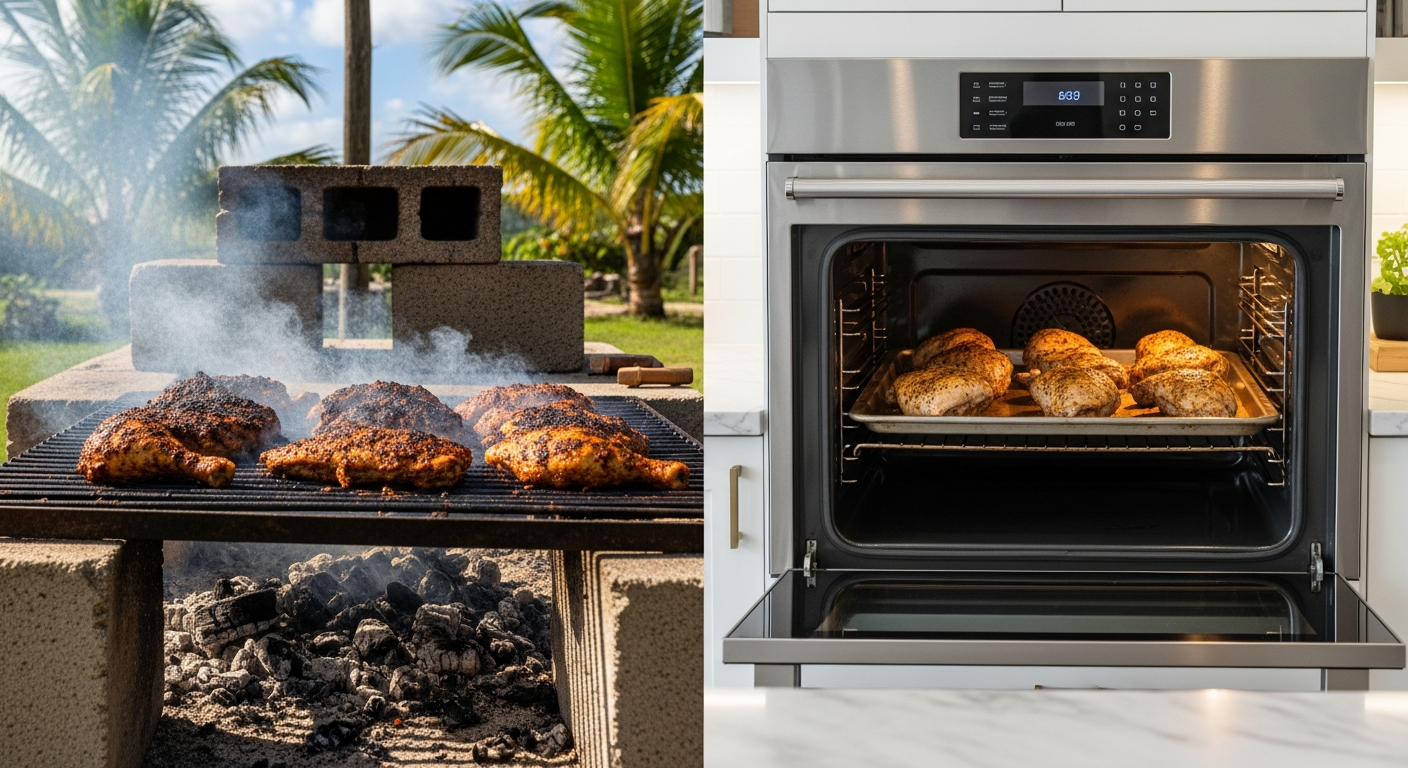
Grilling over charcoal or using a gas grill allows excess fat to drip away from the meat, effectively reducing the calorie content of the finished dish compared to pan-frying or baking in a closed container where the fat is reabsorbed. The dripping fat also creates small flare-ups that contribute to the characteristic charred flavor of jerk.
Smart Portion Control Without Feeling Deprived
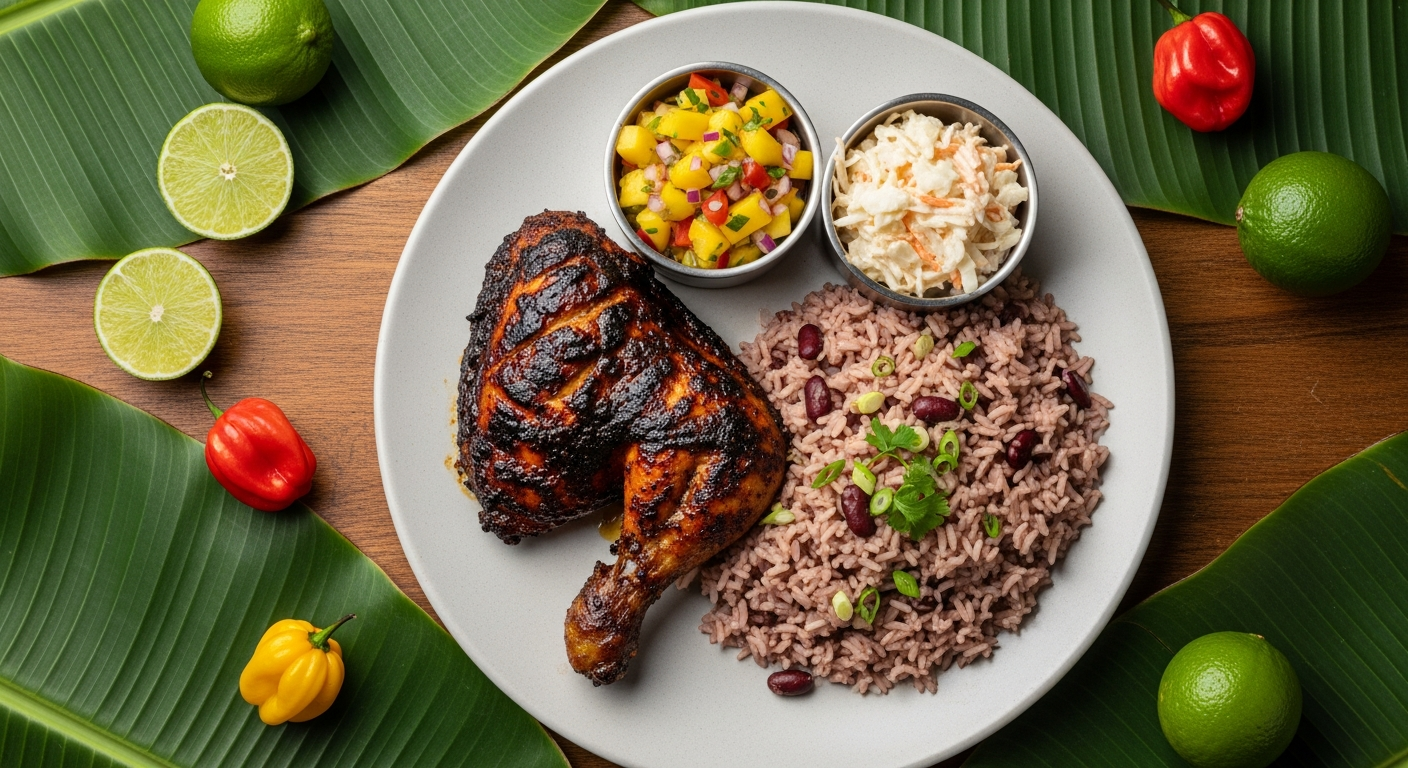
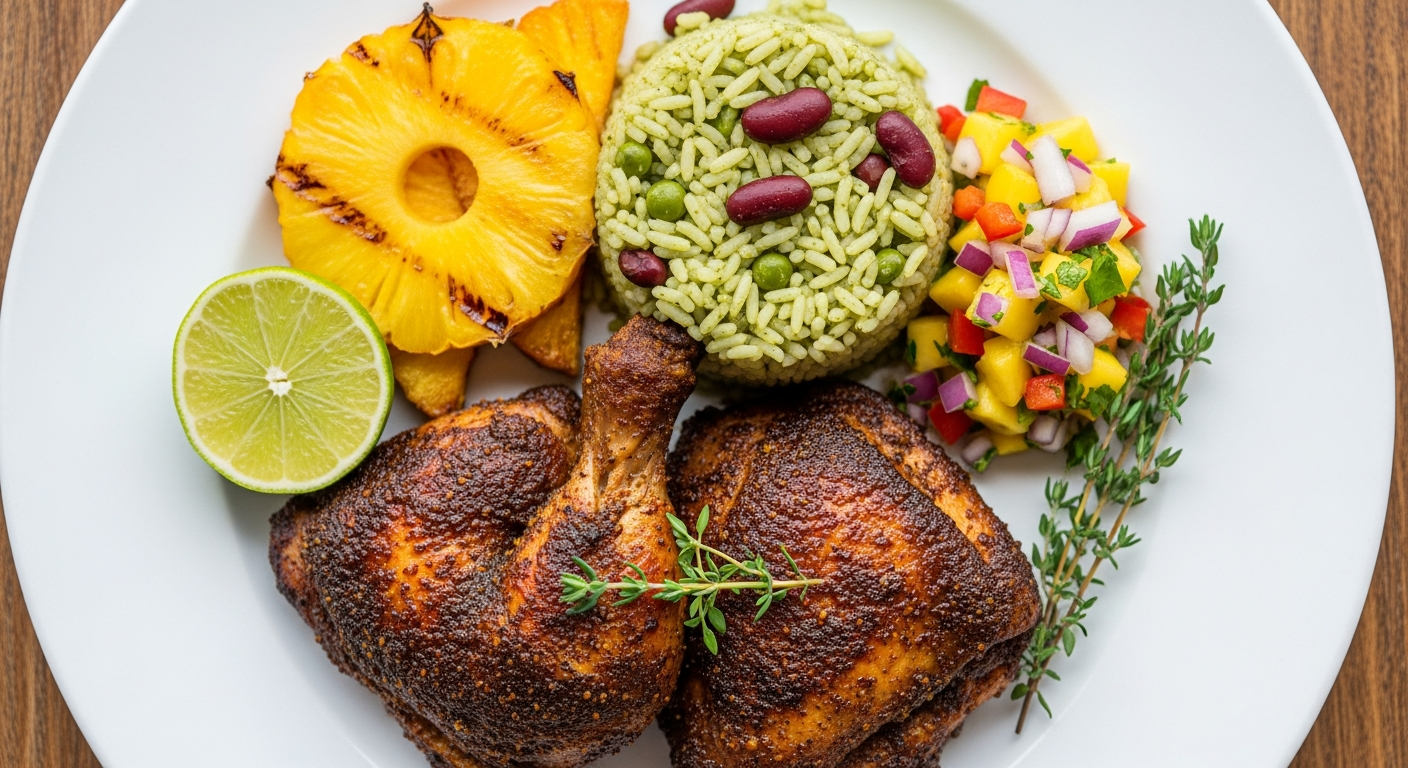
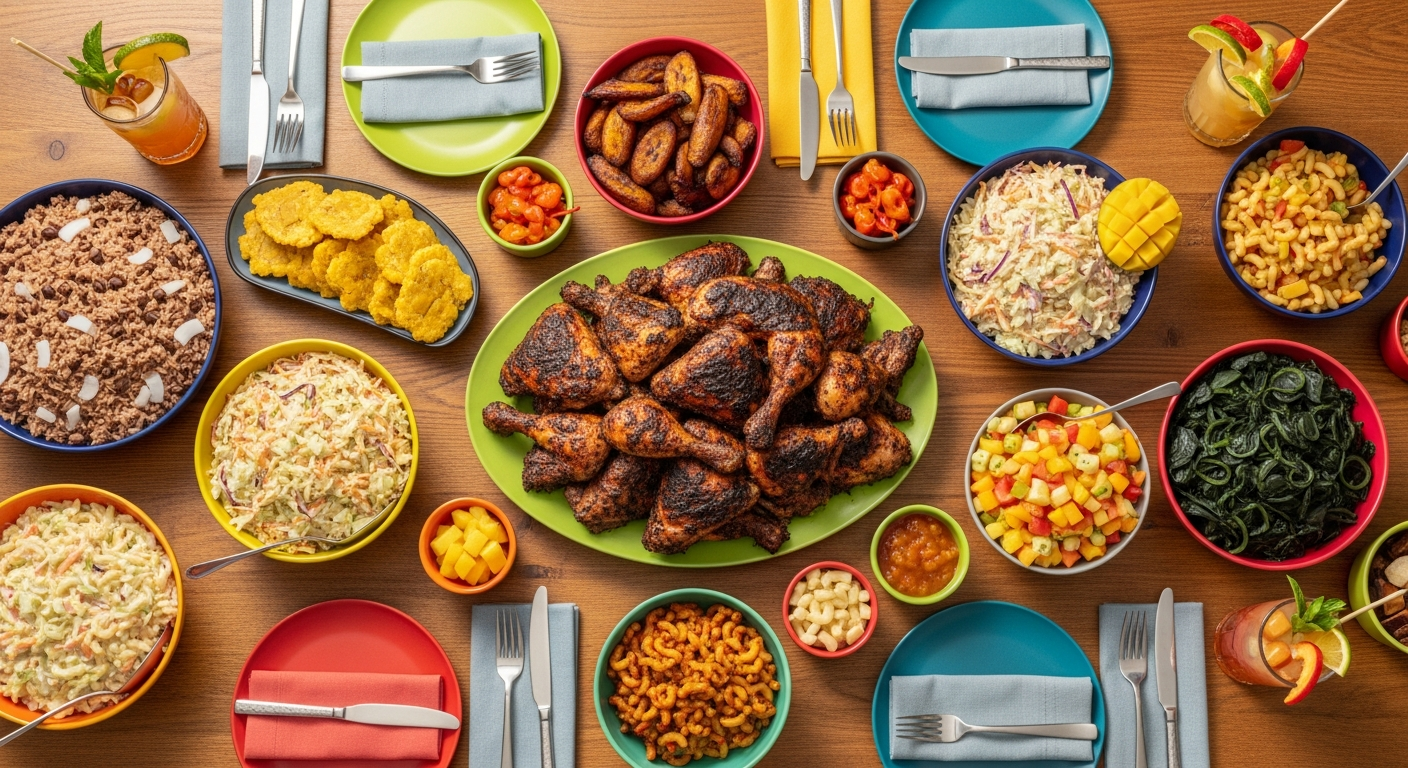
Portion control is perhaps the most practical approach to managing jerk chicken calories, and it does not have to mean eating less food. The key is to build your plate strategically. Serve a moderate portion of jerk chicken, about four to six ounces, alongside generous portions of low-calorie, high-volume side dishes that complement the flavors.
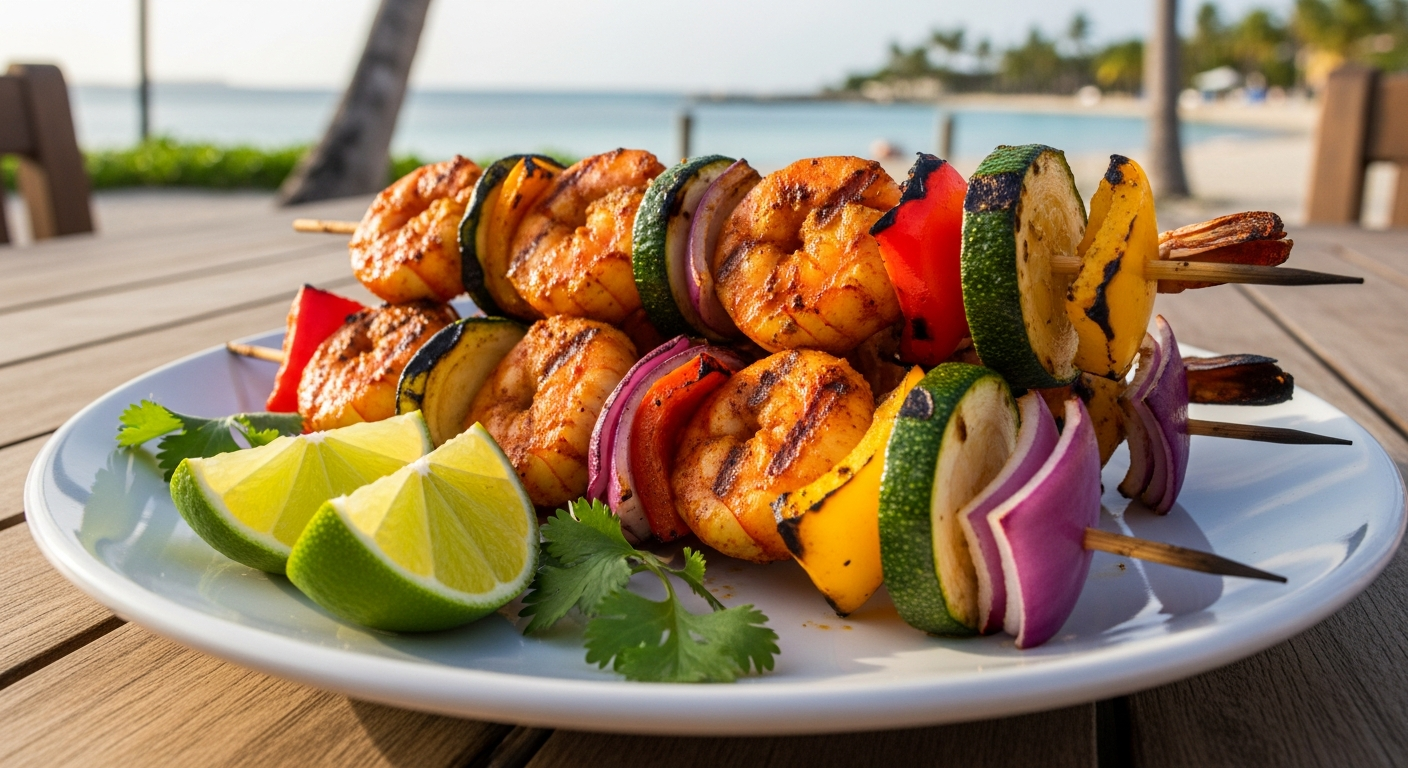
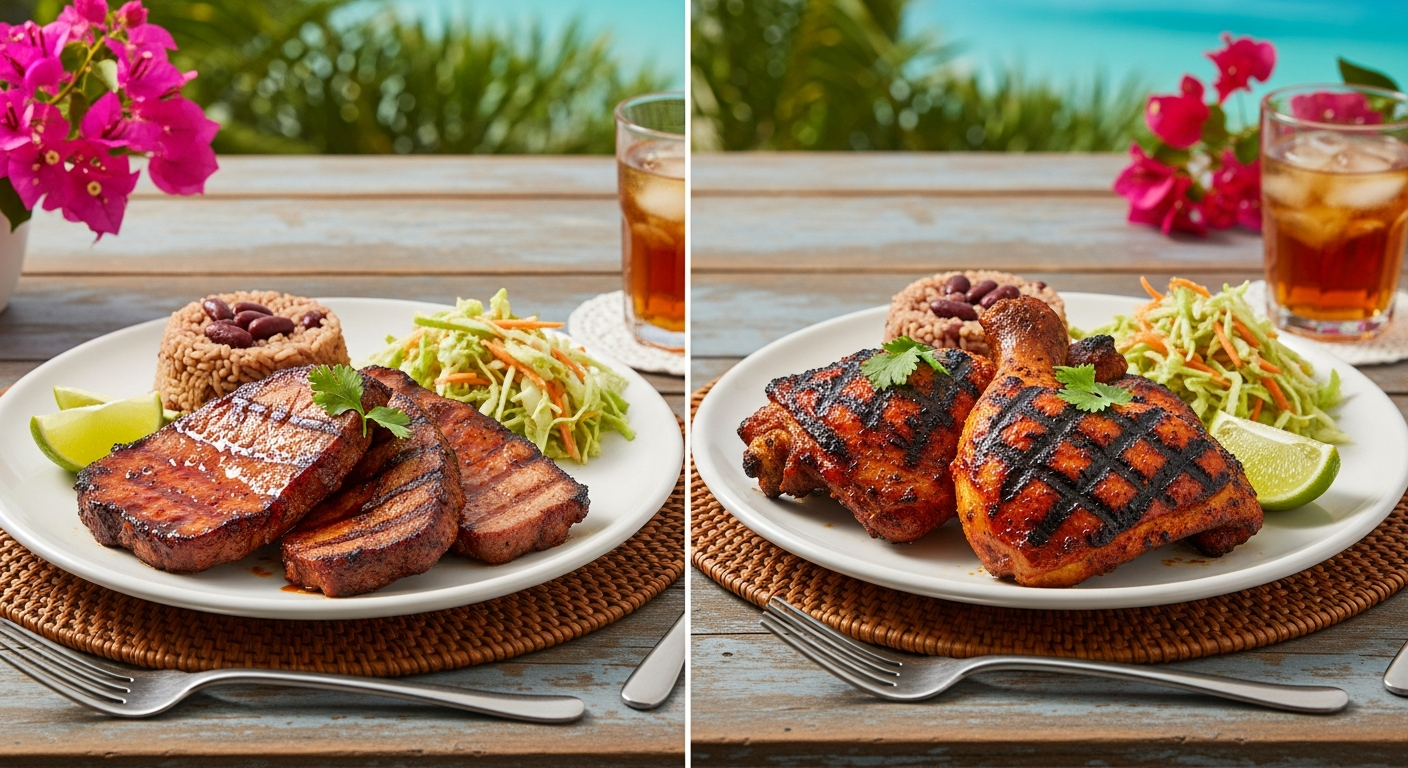
Caribbean coleslaw made with lime juice and a light vinaigrette instead of mayonnaise adds crunch and freshness for minimal calories. Grilled vegetables like bell peppers, zucchini, and corn take on a wonderful smoky character from the grill and pair beautifully with jerk seasoning. A side of black beans provides additional protein and fiber, helping you feel satisfied without needing a larger portion of chicken.
Steamed callaloo or sauteed greens offer another low-calorie, nutrient-dense accompaniment that is deeply traditional in Caribbean cuisine. These greens are loaded with iron, calcium, and vitamins while adding virtually no calories to your meal.
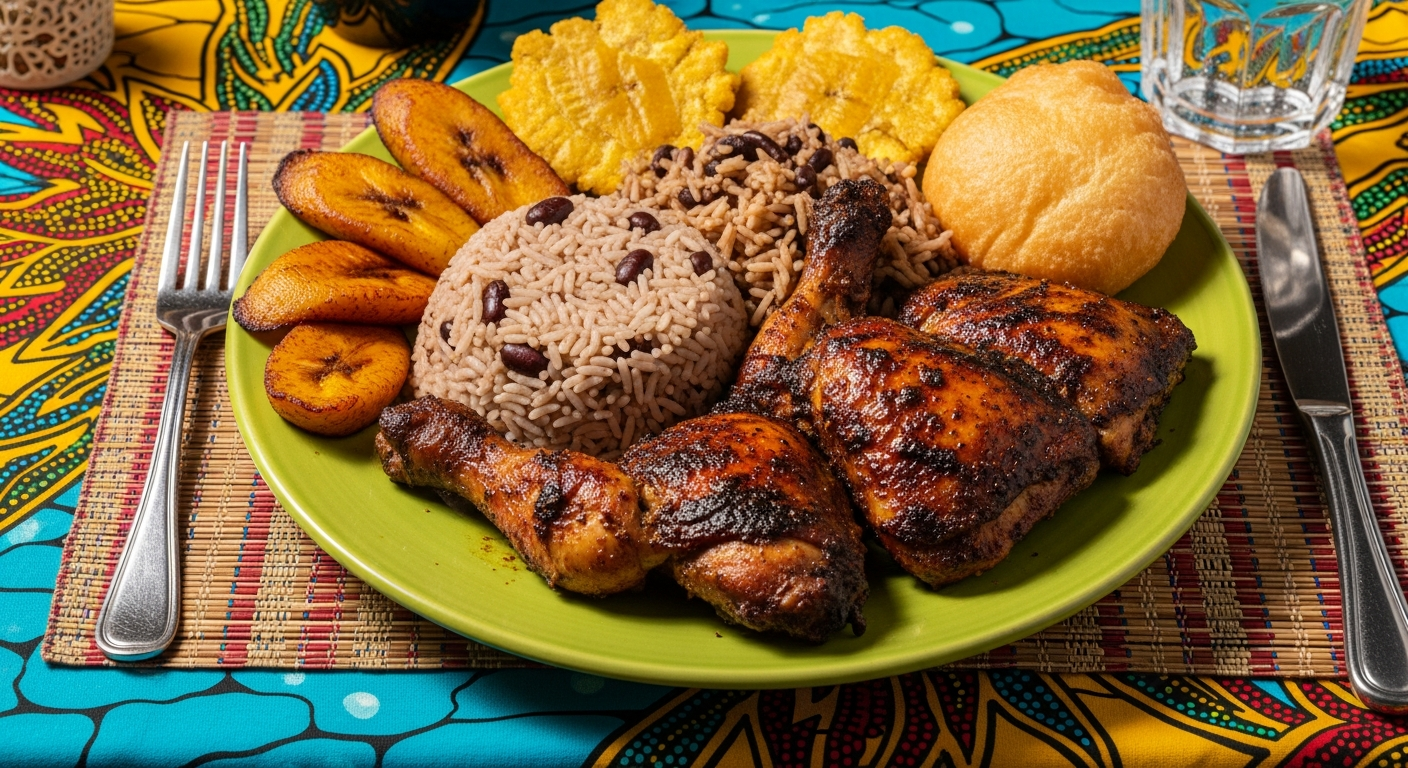
If you include rice and peas, which is the traditional pairing, opt for a smaller portion and consider using brown rice for additional fiber. A half-cup serving of rice and peas adds about 150 calories but provides a satisfying starchy element that rounds out the meal.
Jerk Chicken in a Meal Prep Context
One of the best things about jerk chicken from a nutritional planning perspective is that it is excellent for meal prep. The flavors actually improve over the first day or two in the refrigerator as the spices continue to meld, making it an ideal protein to prepare in bulk on the weekend and use throughout the week.
For meal prep, cook a large batch of jerk chicken thighs or breasts, let them cool, and slice or shred the meat. Portion it into containers with different side dishes for variety: rice and beans one day, a green salad the next, wrapped in a whole wheat tortilla with avocado and pickled onions on another day. This approach makes it easy to stay within your calorie goals while keeping your meals interesting and flavorful.
Pre-portioned jerk chicken stores well in the refrigerator for up to four days and can be frozen for up to three months. Reheat gently in a covered pan with a splash of water or chicken broth to maintain moisture, or serve cold in salads during warmer months.
Is Jerk Chicken Fattening? Health Benefits Beyond Calories
While managing calorie intake is important, it is worth noting that jerk chicken offers health benefits that go beyond its moderate calorie count. The capsaicin in scotch bonnet peppers has been shown in numerous studies to boost metabolism, reduce inflammation, and even support cardiovascular health. Some research suggests that regular consumption of capsaicin-rich foods may help with weight management by slightly increasing the rate at which the body burns calories.
Allspice, the other signature ingredient in jerk seasoning, contains eugenol, a compound with documented anti-inflammatory and analgesic properties. It also provides antioxidants that help protect cells from oxidative stress. The fresh thyme used in jerk marinades contains thymol, which has antimicrobial properties, and is a good source of vitamin C and vitamin A.
The combination of high protein content, moderate fat, low carbohydrates, and a spice profile rich in bioactive compounds makes jerk chicken one of the more nutritionally complete single-dish meals you can prepare. By making informed choices about cuts, portions, and cooking methods, you can enjoy this Caribbean classic regularly as part of a healthy, balanced diet.