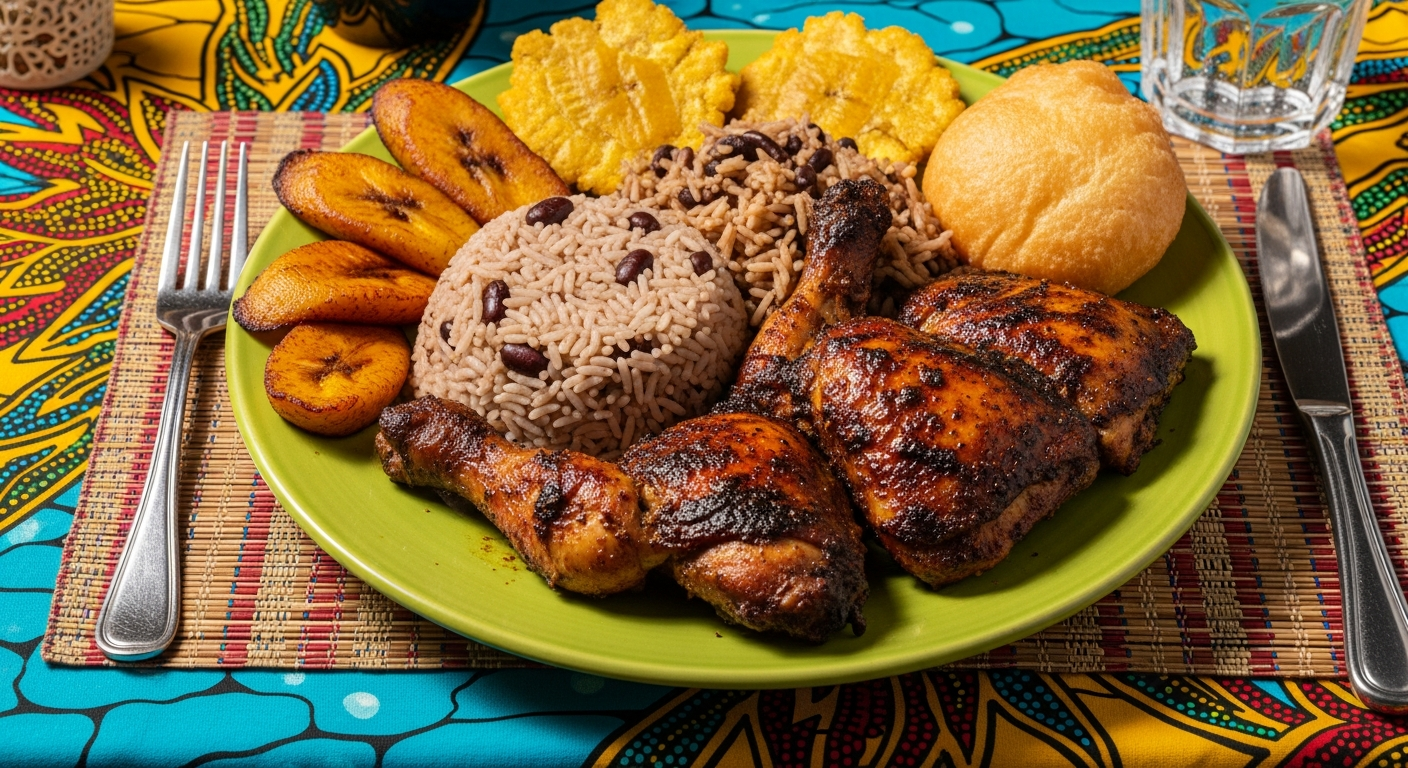
Jerk Chicken Side Dishes: The Best Caribbean Side Dishes for Your Meal
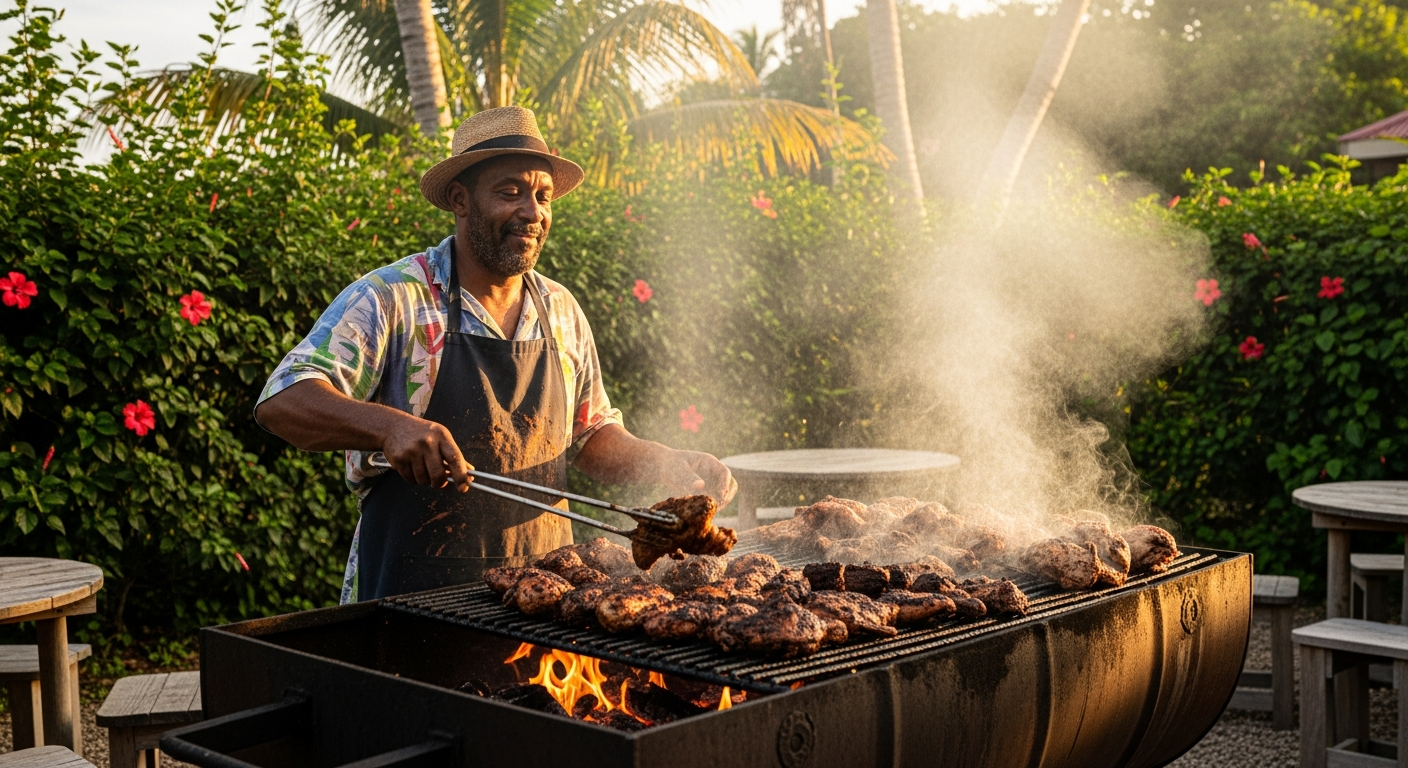
Looking for good sides with jerk chicken? Classic sides for Caribbean jerk chicken are not afterthoughts or random accompaniments. They are carefully chosen jerk chicken side dishes that have evolved alongside jerk cooking over centuries of Caribbean culinary tradition. Each side dish serves a specific purpose on the plate: some cool the palate against the fiery heat of scotch bonnet peppers, others provide starchy sustenance to anchor the bold flavors, and still others add textural contrasts that make every bite interesting.
Understanding why certain Caribbean side dishes for jerk chicken work so well together requires appreciating the principles of flavor balance that Caribbean cooks have perfected over generations. The intense heat and smoky depth of jerk seasoning needs cooling, creamy counterpoints. The rich, fatty character of well-marinated meat needs bright, acidic freshness. Good sides with jerk chicken provide mild, starchy bases that allow the jerk flavors to shine without competition. In this guide, we explore the best sides for Caribbean jerk chicken — from time-tested favorites to creative new pairings.
Rice and Peas: The Essential Companion
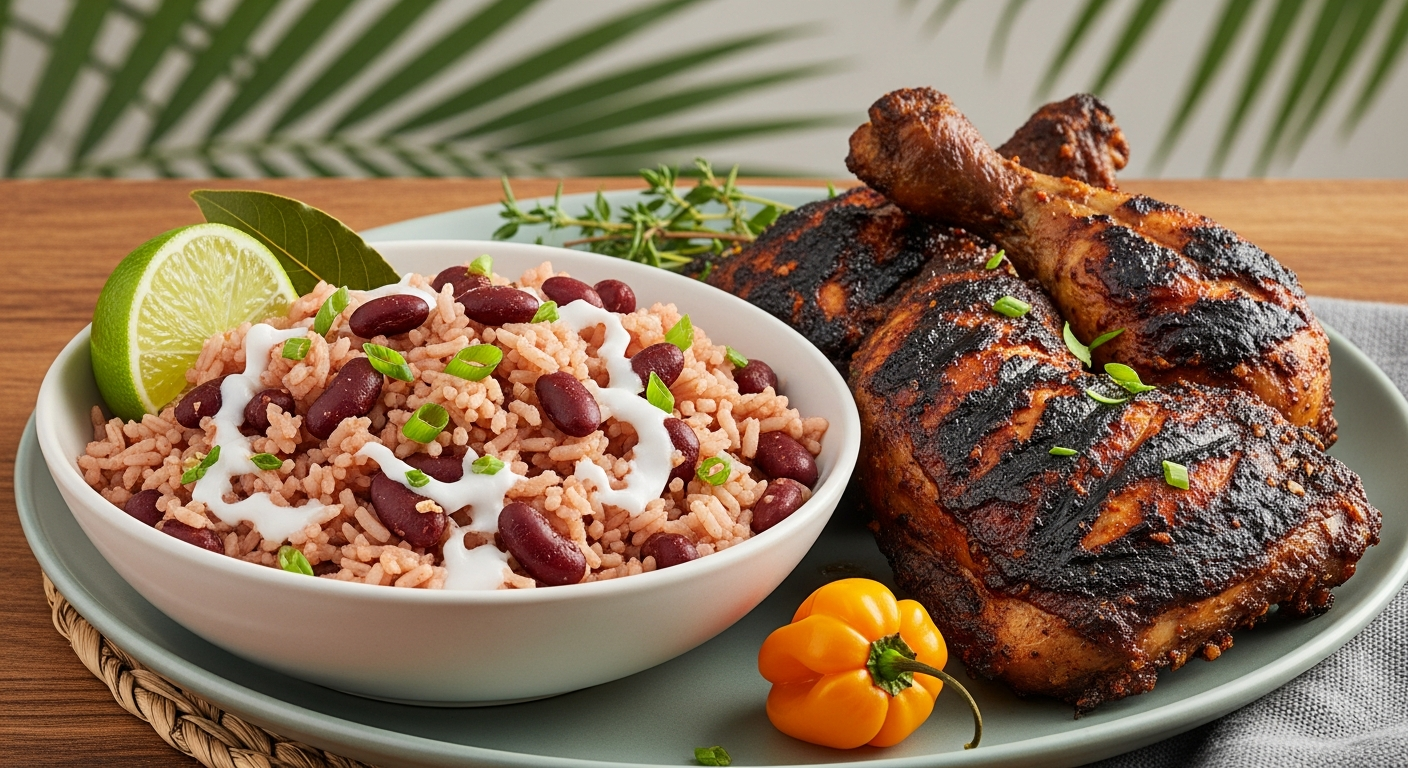
No discussion of classic sides for jerk chicken can begin anywhere other than rice and peas. In Jamaica, rice and peas is so inseparable from jerk chicken that ordering one without the other would strike most locals as incomplete, like serving pasta without sauce. This is the most traditional, most beloved, and most essential side dish in all of Caribbean cuisine.
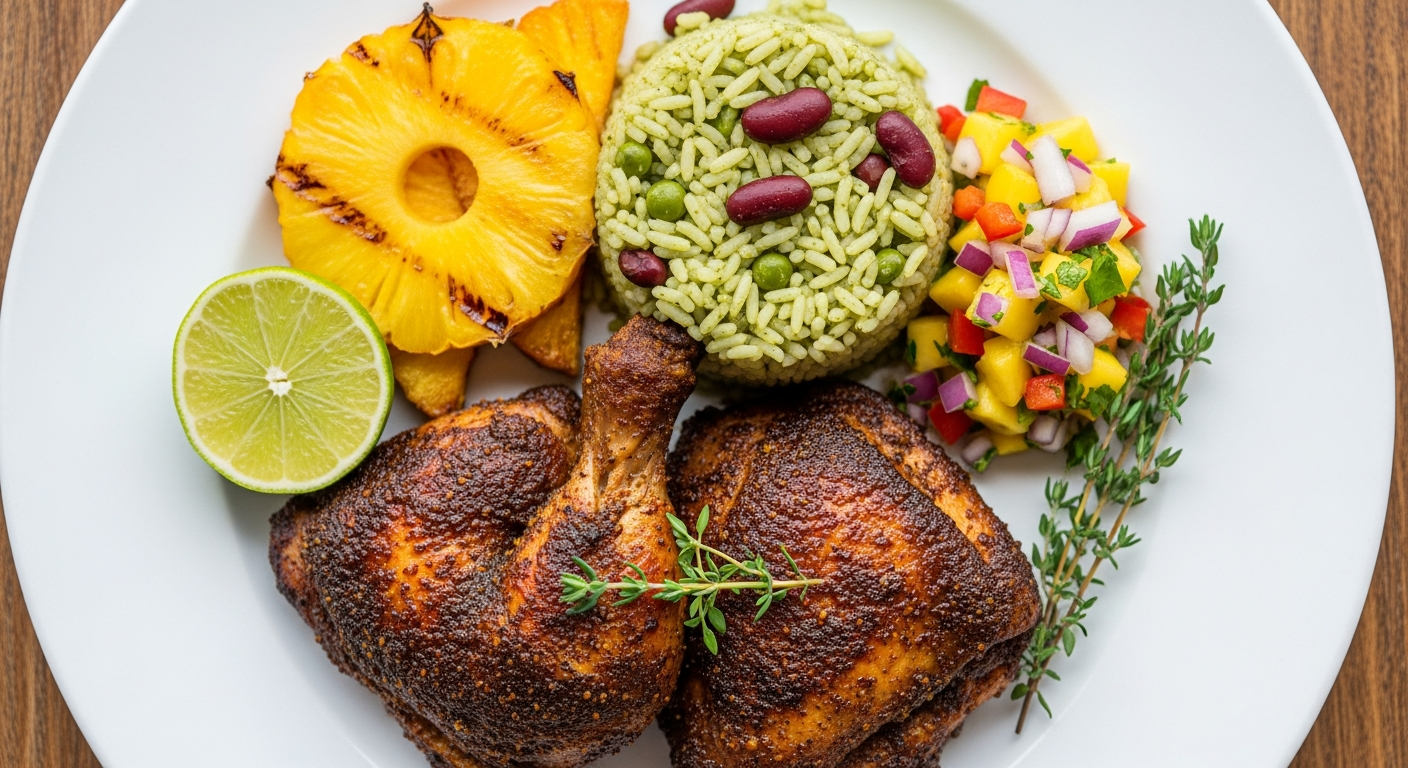
Despite the name, rice and peas is actually made with kidney beans, not green peas. The dish gets its distinctive character from coconut milk, which is simmered with the beans, thyme, scallions, and a whole scotch bonnet pepper (kept intact so it flavors the rice without releasing its full heat). The result is a creamy, subtly sweet, gently spiced rice that provides the perfect counterpoint to the aggressive flavors of jerk seasoning.
The technique for perfect rice and peas starts with cooking the kidney beans until tender, either from dried beans soaked overnight or from canned beans that have been rinsed and drained. The coconut milk is added to the cooking liquid, creating a rich base that the rice absorbs as it steams. The whole scotch bonnet sits on top of the rice during the final steaming phase, infusing the dish with gentle warmth without overwhelming heat.
The proportions matter enormously. Use about one cup of dried rice to one can of coconut milk, supplemented with enough water to reach the proper liquid-to-rice ratio for your specific rice variety. Long-grain white rice is traditional, though some families prefer parboiled rice for its firmer texture. The beans should comprise about one-quarter of the finished dish by volume.
Festival Bread: Sweet Fried Perfection
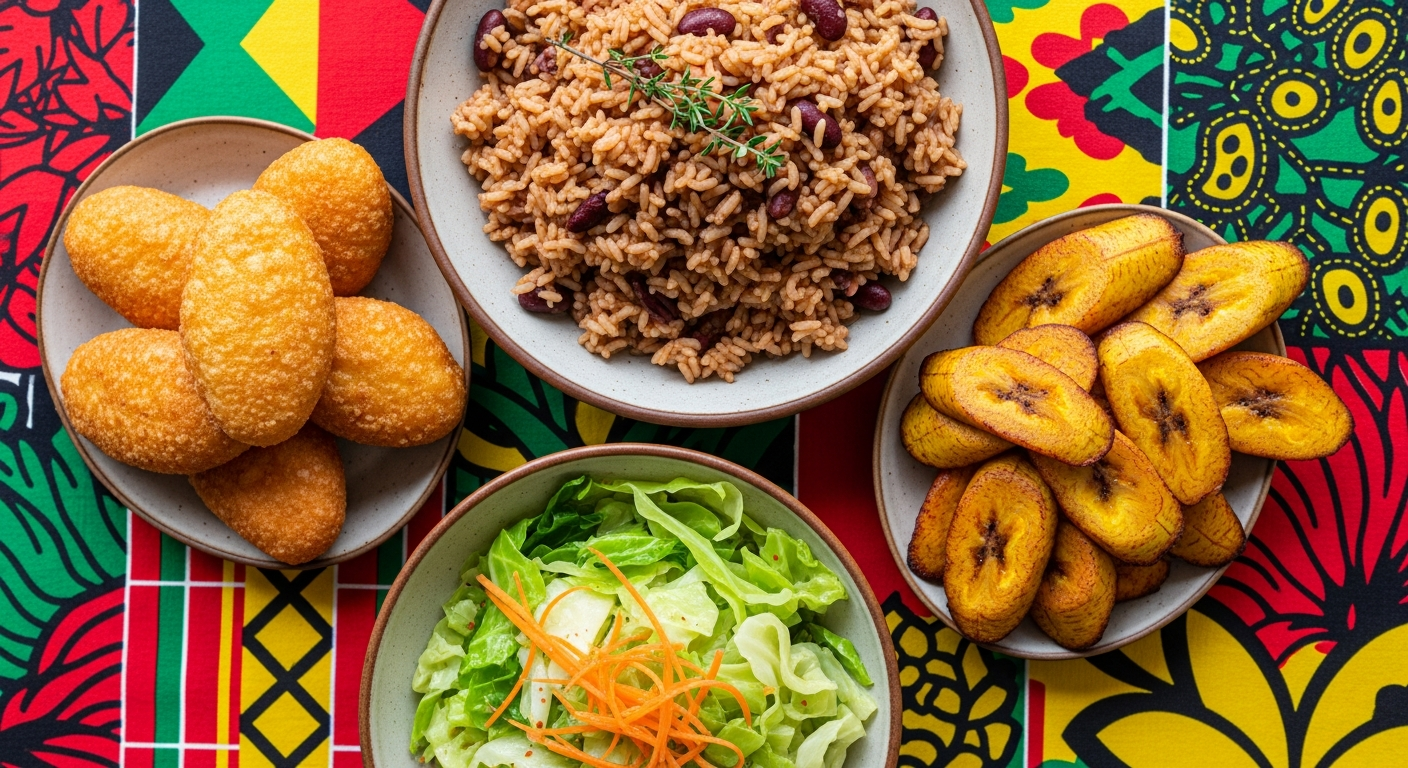
Festival is a slightly sweet, deep-fried bread that is as Jamaican as reggae music and Blue Mountain coffee. These golden, elongated dumplings get their subtle sweetness from a small amount of sugar in the dough, which caramelizes during frying to create a crisp, golden exterior surrounding a soft, pillowy interior.
Making festival at home is straightforward but requires attention to the oil temperature. The dough is a simple mixture of cornmeal, flour, sugar, salt, and enough water to form a pliable but not sticky dough. The mixture is shaped into torpedo-like logs about four inches long and one inch in diameter, then fried in oil at 350 degrees Fahrenheit until golden brown on all sides.
The interplay between festival and jerk chicken is a study in contrasts. The sweet, mild bread calms the spicy heat of the jerk, while the crispy fried exterior provides a textural counterpoint to the tender, smoky chicken. Many Jamaicans consider this the single best bite at any jerk stand: a piece of spicy, smoky chicken wrapped in a piece of sweet, crispy festival.
Caribbean Coleslaw: The Cooling Crunch
Caribbean coleslaw differs significantly from the heavy, mayonnaise-laden version common in North America. The Caribbean approach uses a bright, citrus-based dressing made with fresh lime juice, a touch of vinegar, a small amount of oil, and sometimes a hint of honey or sugar. The result is a light, refreshing slaw that cleanses the palate between bites of spicy jerk.
The vegetable base typically includes thinly shredded green cabbage, grated carrots, and thinly sliced red onion. Some versions add diced scotch bonnet pepper for a subtle kick, diced mango or pineapple for tropical sweetness, or chopped fresh cilantro for herbaceous brightness. The key is to keep the flavors clean and the texture crisp, providing maximum refreshment against the richness of the jerk.
For the best results, dress the coleslaw about thirty minutes before serving. This gives the lime juice time to slightly soften the cabbage while the flavors meld together, but not so long that the vegetables become limp and watery. Toss again just before serving to redistribute the dressing.
Fried Plantains: Caramelized Sweetness
Ripe plantains, sliced on the diagonal and fried until deeply caramelized, are one of the great pleasures of Caribbean dining. The natural sugars in ripe plantains concentrate and caramelize during frying, creating a flavor that is part banana, part caramel, and entirely addictive.
The ripeness of the plantain is critical. For frying, you want plantains with skins that have turned from yellow to mostly black, with the flesh inside still firm but yielding to gentle pressure. Under-ripe plantains will be starchy and bland rather than sweet. Over-ripe plantains will disintegrate in the oil rather than holding their shape.
Slice the plantains at a sharp diagonal to create elongated pieces with maximum surface area for caramelization. Fry in about half an inch of vegetable oil at medium-high heat until deep golden brown on each side, about two to three minutes per side. Drain on paper towels and serve immediately while the exterior is still crisp and the interior is soft and sweet.
Steamed Cabbage and Carrots
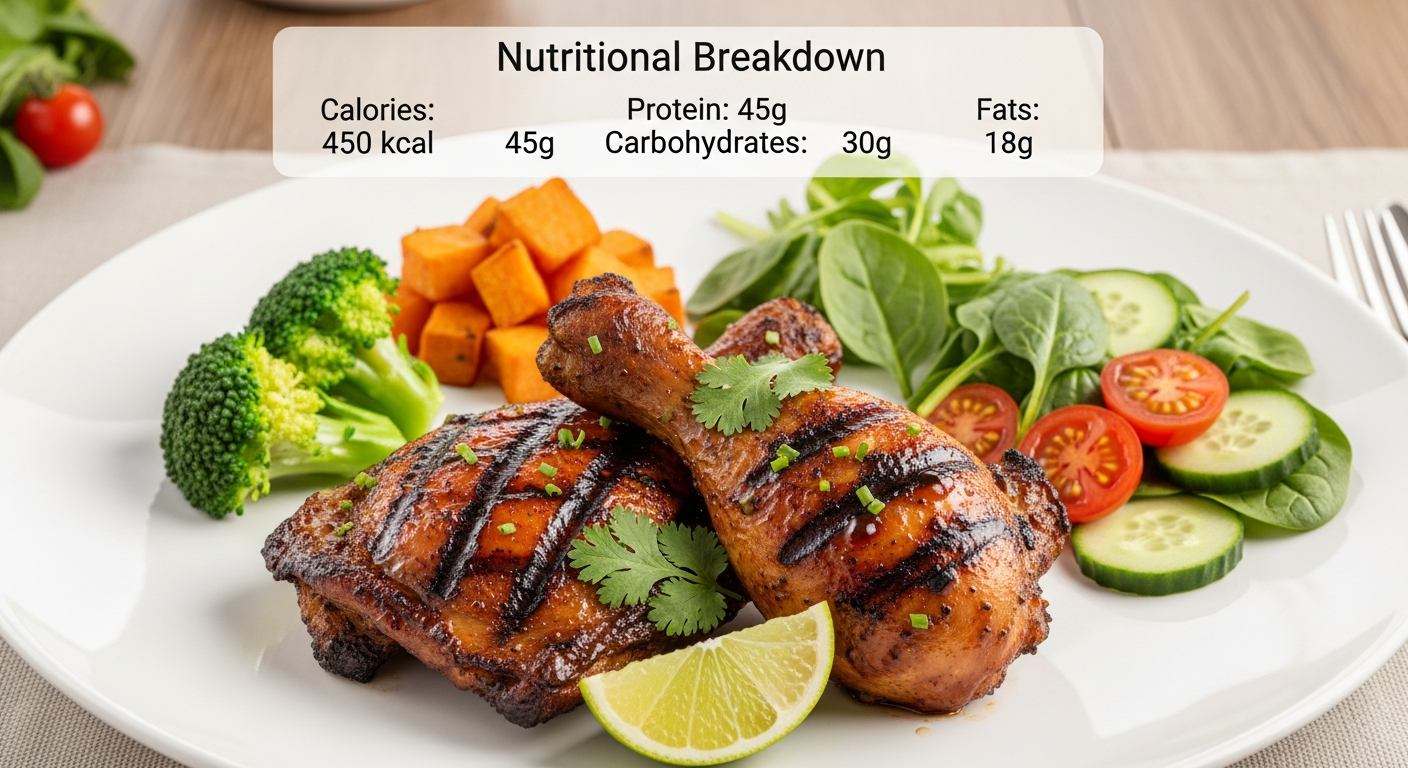
Steamed cabbage with carrots is a humble but essential side dish that appears alongside jerk at home kitchens across Jamaica. The simplicity of the preparation allows the jerk chicken to remain the star of the plate while providing a healthy, vegetable-forward component to the meal.
The traditional method involves sauteing sliced onions and garlic in a small amount of oil, then adding shredded cabbage and julienned carrots with a splash of water. The vegetables are covered and steamed until just tender but still retaining some crunch, usually about eight to ten minutes. Season with salt, black pepper, and a pinch of allspice to echo the flavors in the jerk.
Bammy: The Ancient Cassava Bread
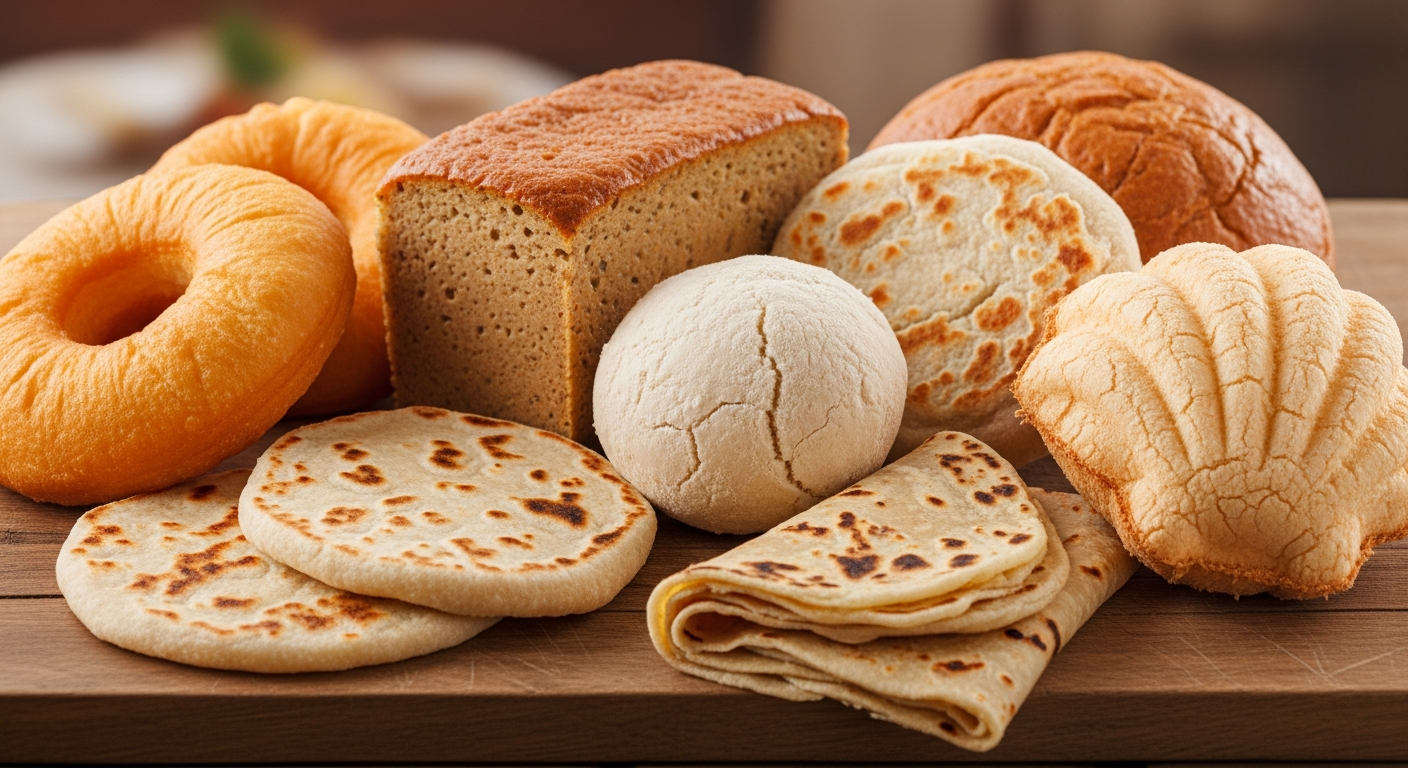
Bammy is a traditional Jamaican flatbread made from cassava root, a staple food that predates European contact in the Caribbean. The Taino people, the indigenous inhabitants of Jamaica, made cassava bread as a dietary staple, and the tradition has been preserved and adapted through centuries of Jamaican cooking.
Making bammy involves grating fresh cassava, squeezing out the liquid through a cloth to remove the naturally occurring toxins, forming the pressed cassava into flat, round discs, and then baking or frying them. The result is a dense, slightly chewy bread with a mild, slightly sweet flavor that absorbs the juices from jerk chicken beautifully.
To serve with jerk, bammy is typically soaked briefly in coconut milk and then fried until golden and crispy on the outside while remaining soft and absorbent on the inside. This preparation adds richness and a tropical flavor that complements the spicy, smoky jerk perfectly.
Bringing It All Together
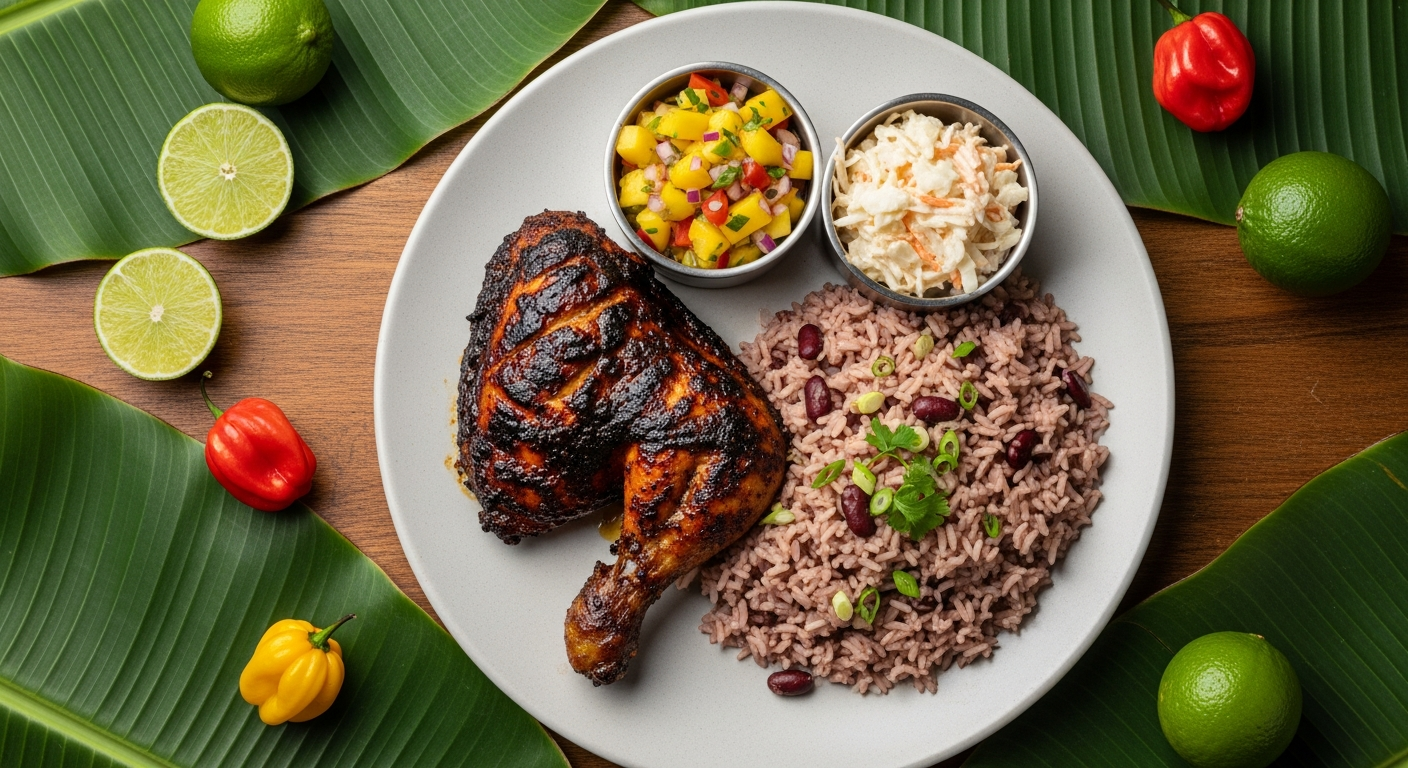
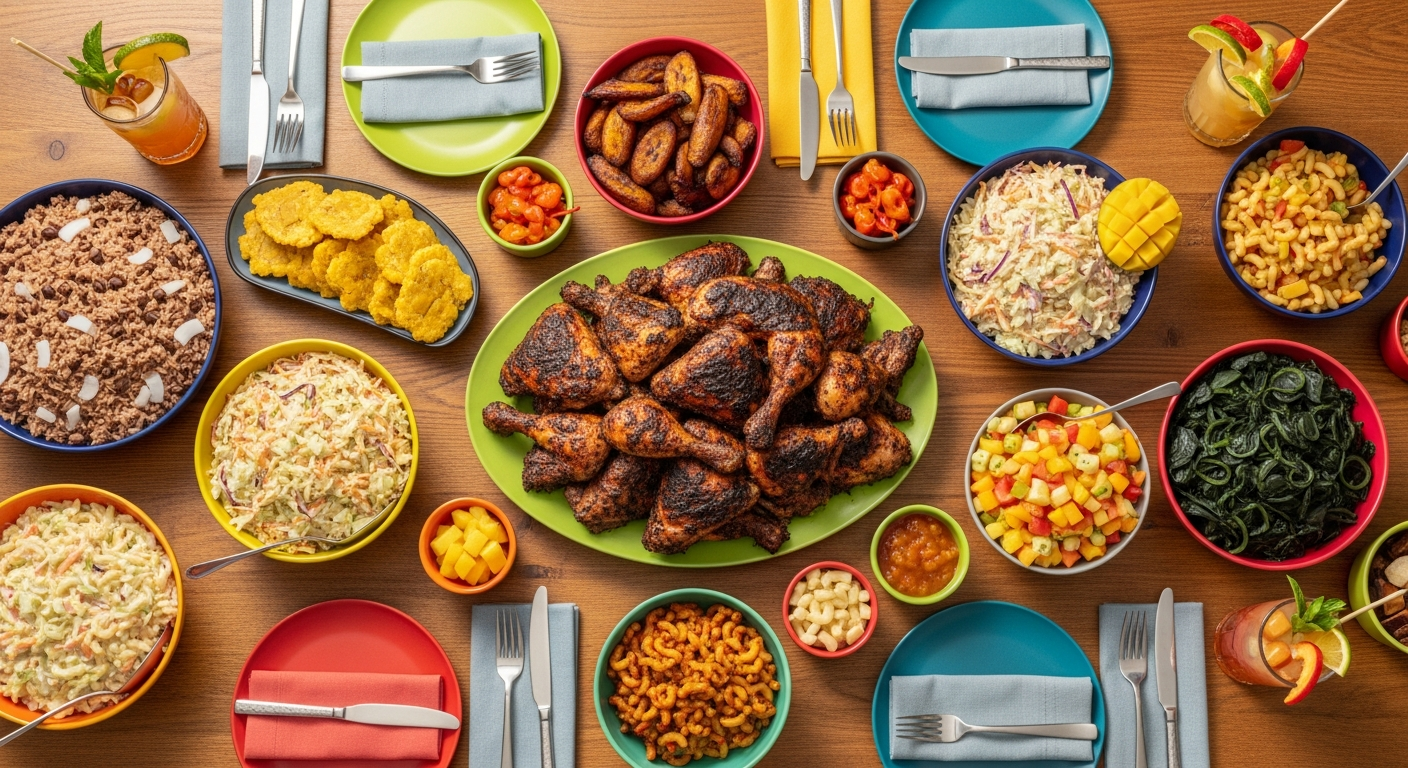
The art of building a complete jerk chicken plate lies in choosing sides that provide balance and variety. A truly great plate might include a generous serving of rice and peas as the starchy base, two or three pieces of festival bread for sweetness and crunch, a mound of Caribbean coleslaw for freshness and acidity, and a few slices of fried plantain for caramelized sweetness.
The proportions should favor the sides slightly, with the jerk chicken occupying about one-third of the plate and the sides filling the remaining space. This ensures that every bite of chicken can be accompanied by a complementary side, creating the flavor contrasts and textural variety that make a jerk meal so satisfying.
Do not be afraid to mix and match bites. A piece of jerk chicken eaten with a bite of festival and a forkful of coleslaw creates a completely different experience than the same chicken eaten with rice and peas and a slice of plantain. This variety within a single meal is one of the great joys of Caribbean dining and one of the reasons jerk chicken has captured imaginations far beyond the shores of Jamaica.