Jerk as a Symbol of Caribbean Identity
When people around the world think of Caribbean food, jerk is often the first flavor that comes to mind. This is no accident. Jerk cooking has evolved from a survival technique practiced by Jamaican Maroons into a powerful symbol of Caribbean identity that transcends national borders and resonates with diaspora communities across the globe. Understanding jerk's role in Caribbean identity means understanding how food can embody history, resistance, creativity, and pride.
The story of jerk's place in Caribbean identity begins with its origins but extends far beyond them. While jerk cooking is unquestionably Jamaican in origin, its influence has spread throughout the Caribbean and beyond, becoming a touchstone for Caribbean people everywhere. In much the same way that jazz belongs to the world while remaining rooted in African American culture, jerk has become a shared Caribbean heritage while maintaining its distinctly Jamaican character.
This expansion of jerk's cultural reach reflects broader patterns in Caribbean culture. The Caribbean has always been a place of cultural synthesis, where African, European, Indigenous, and Asian traditions have blended to create something new. Jerk cooking, with its African cooking techniques, Indigenous American ingredients, and adaptation to the Caribbean environment, is a perfect expression of this creative synthesis.
From Jamaica to the Wider Caribbean
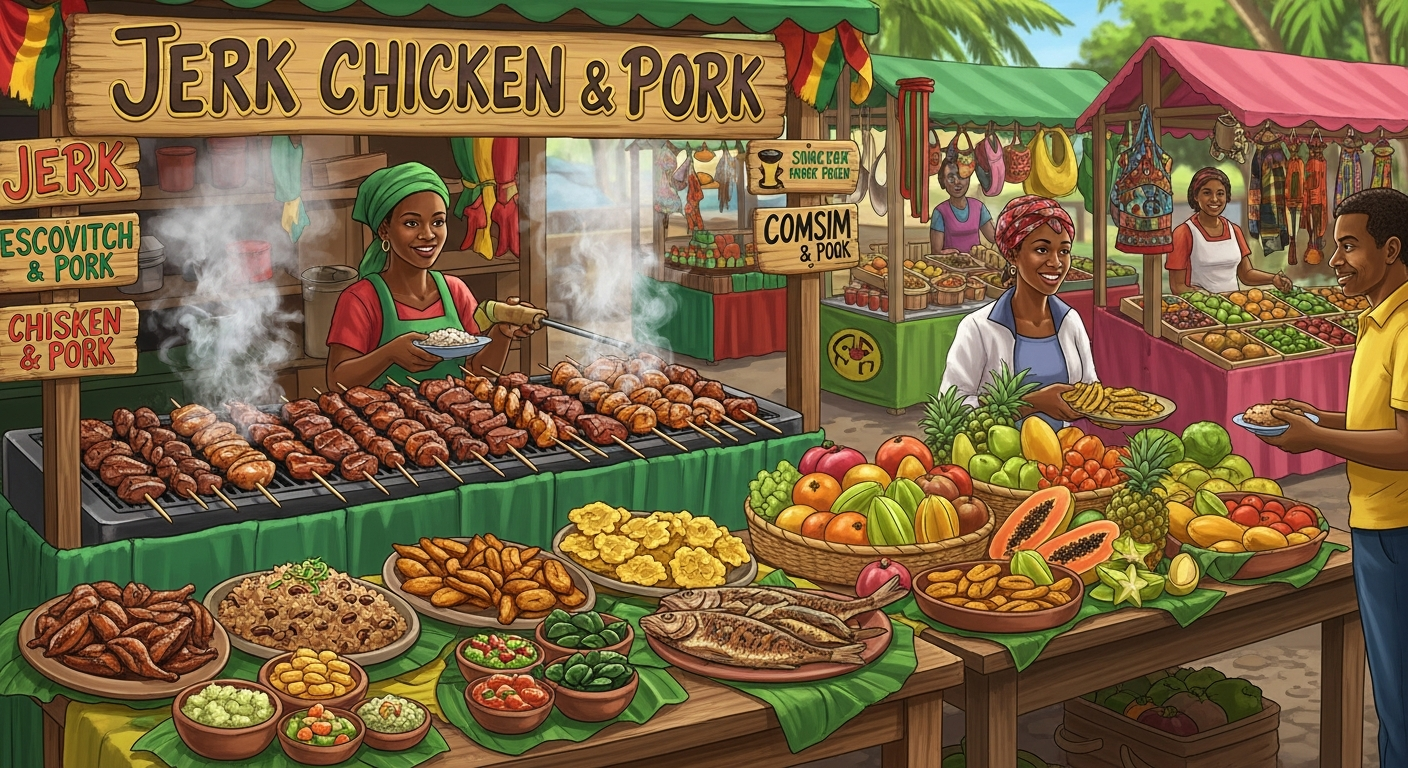
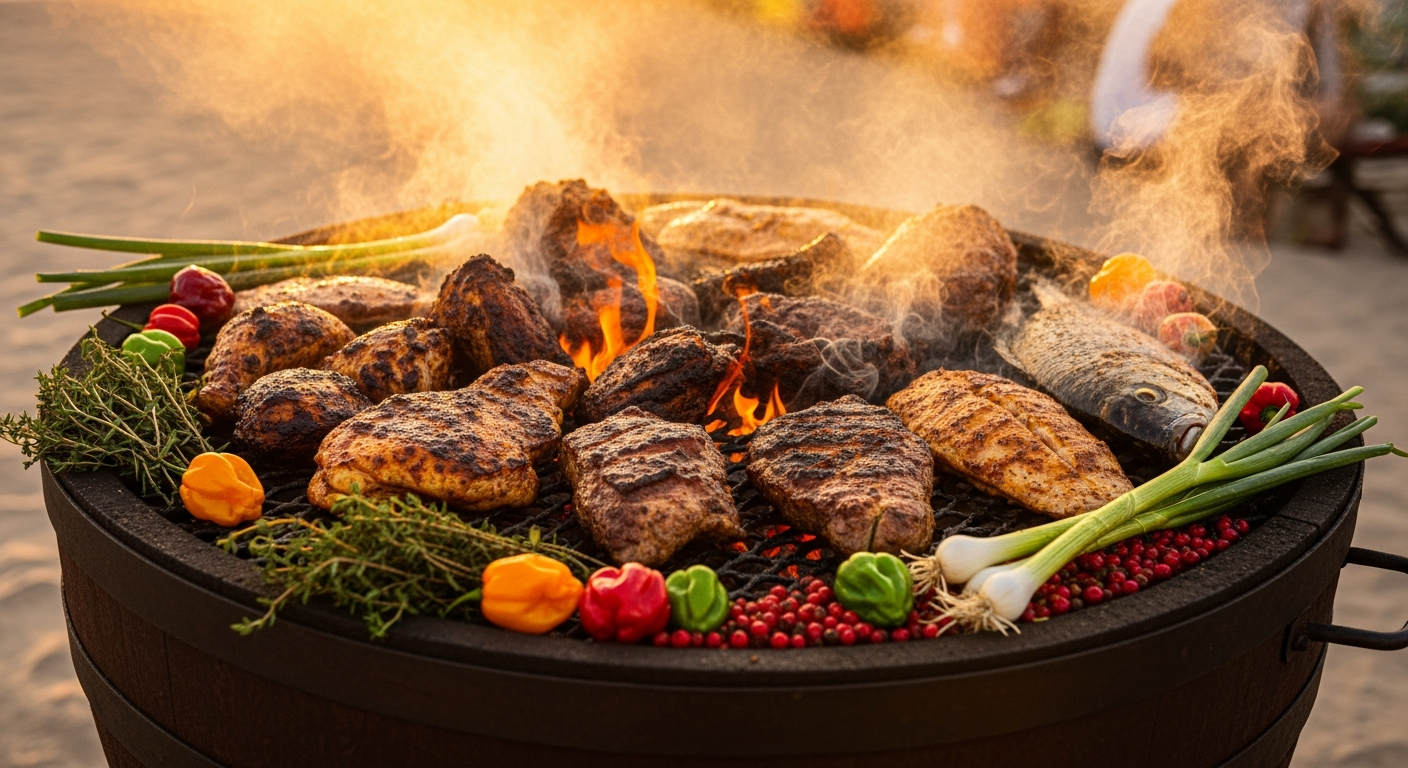
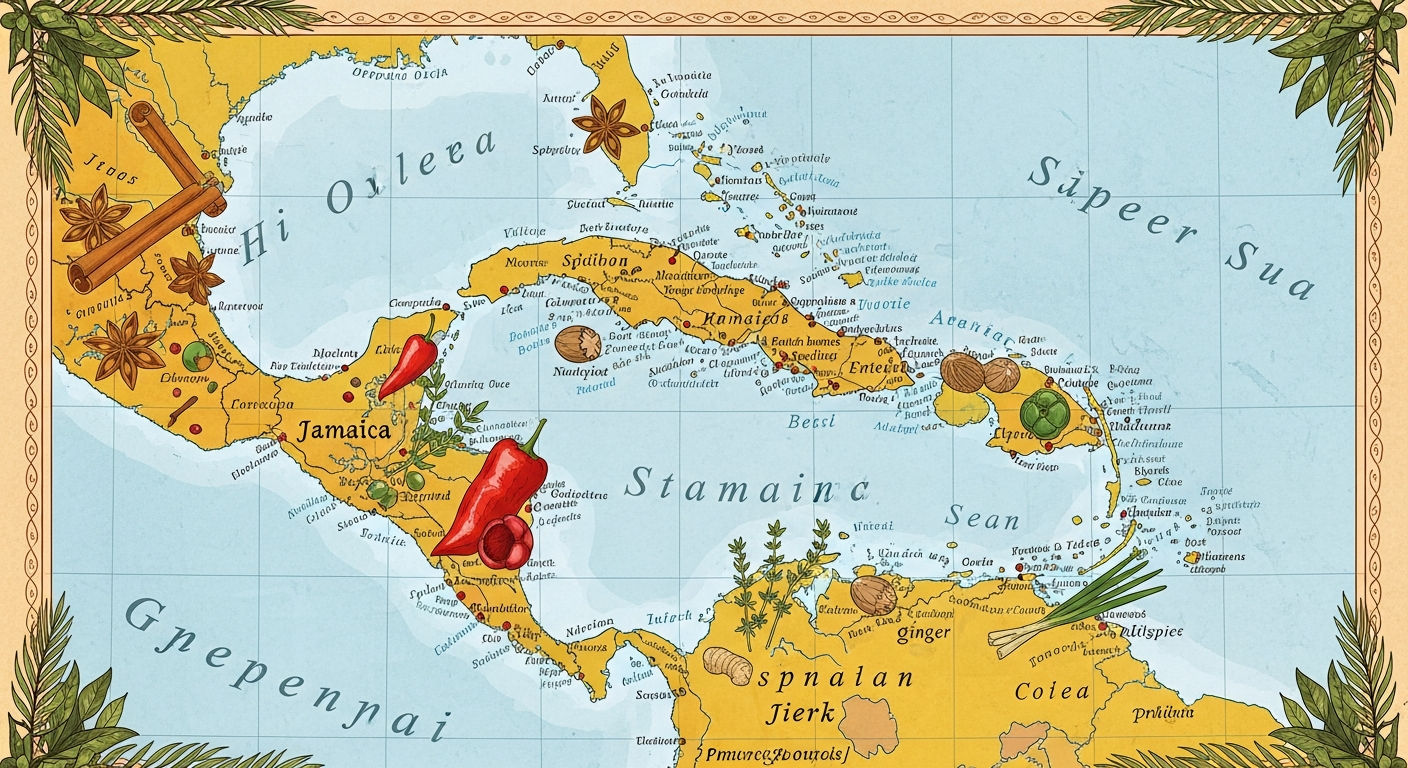
While jerk originated in Jamaica, its influence has spread throughout the Caribbean region. Neighboring islands have adopted and adapted jerk techniques and flavors, incorporating them into their own culinary traditions. In Trinidad and Tobago, jerk spices are sometimes combined with curry traditions to create fusion dishes. In Barbados, jerk-seasoned flying fish has become a popular variation. In the Bahamas, jerk flavors appear in conch preparations.
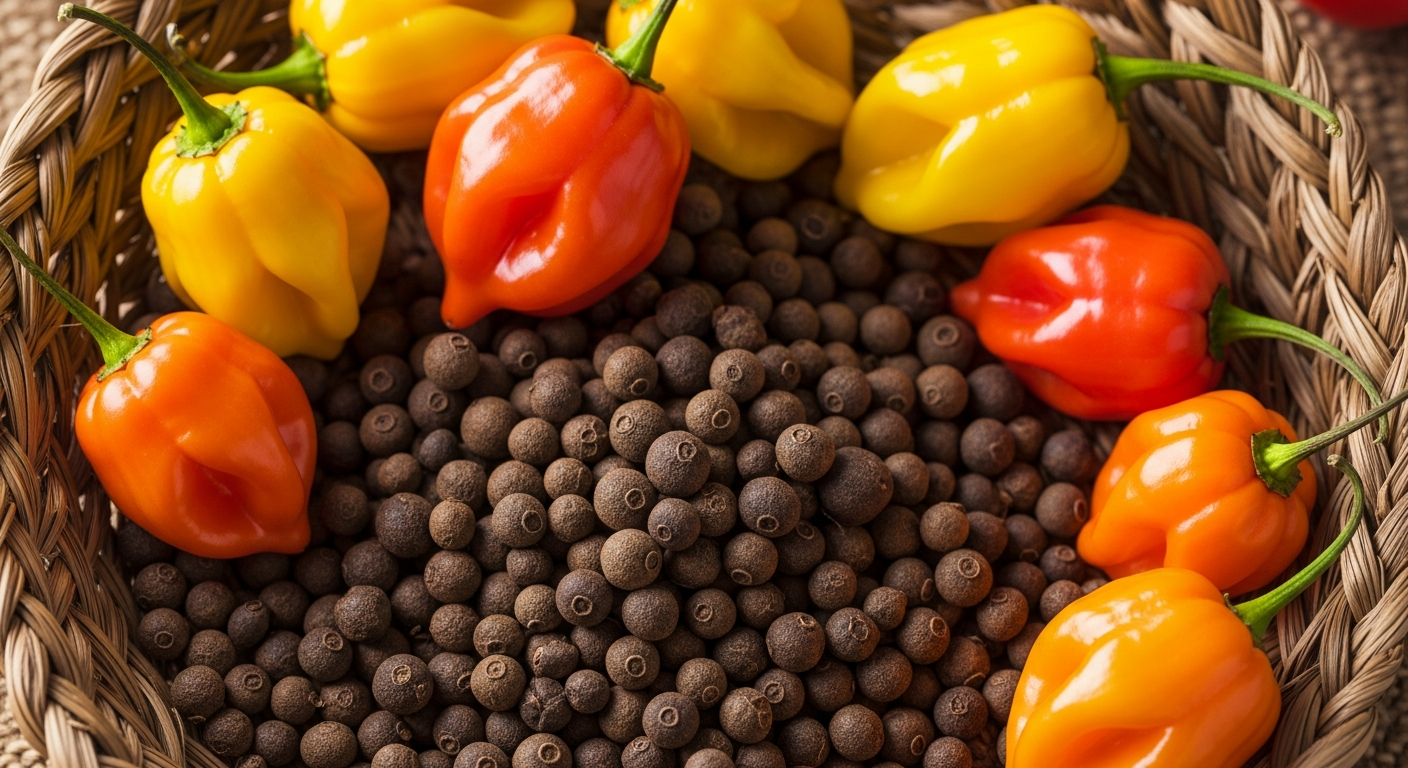
This regional adoption is not mere imitation. Each island brings its own culinary heritage and available ingredients to the interpretation, creating variations that honor the Jamaican original while reflecting local identity. A Trinidadian jerk is different from a Barbadian jerk, which is different from a Bahamian jerk, yet all share the fundamental character of the tradition — the heat of peppers, the warmth of allspice, the depth of smoke.
The spread of jerk throughout the Caribbean has been facilitated by the movement of people between islands, shared cultural events and music festivals, and the Caribbean's tradition of culinary exchange. Food has always been a primary medium of cultural expression in the Caribbean, and jerk has become a common vocabulary that connects diverse island communities.
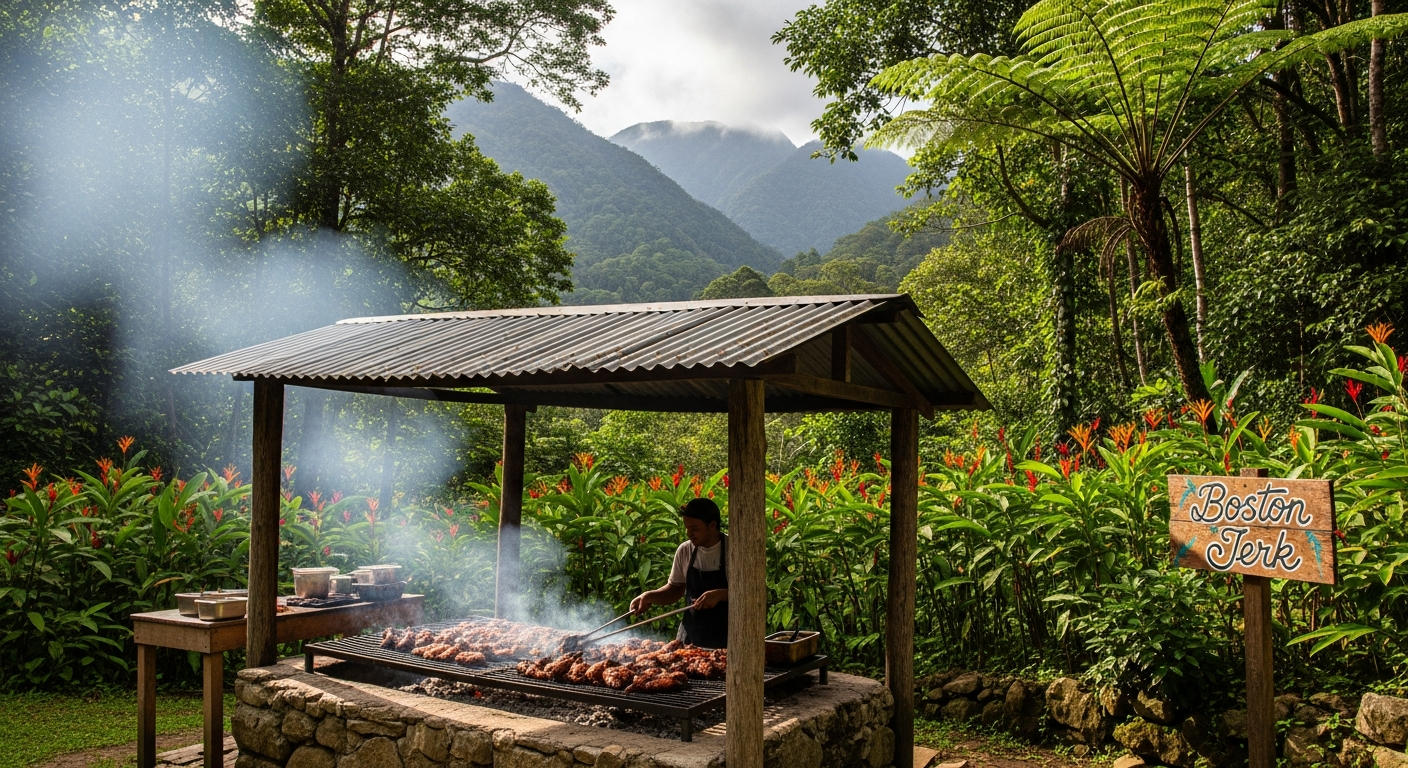
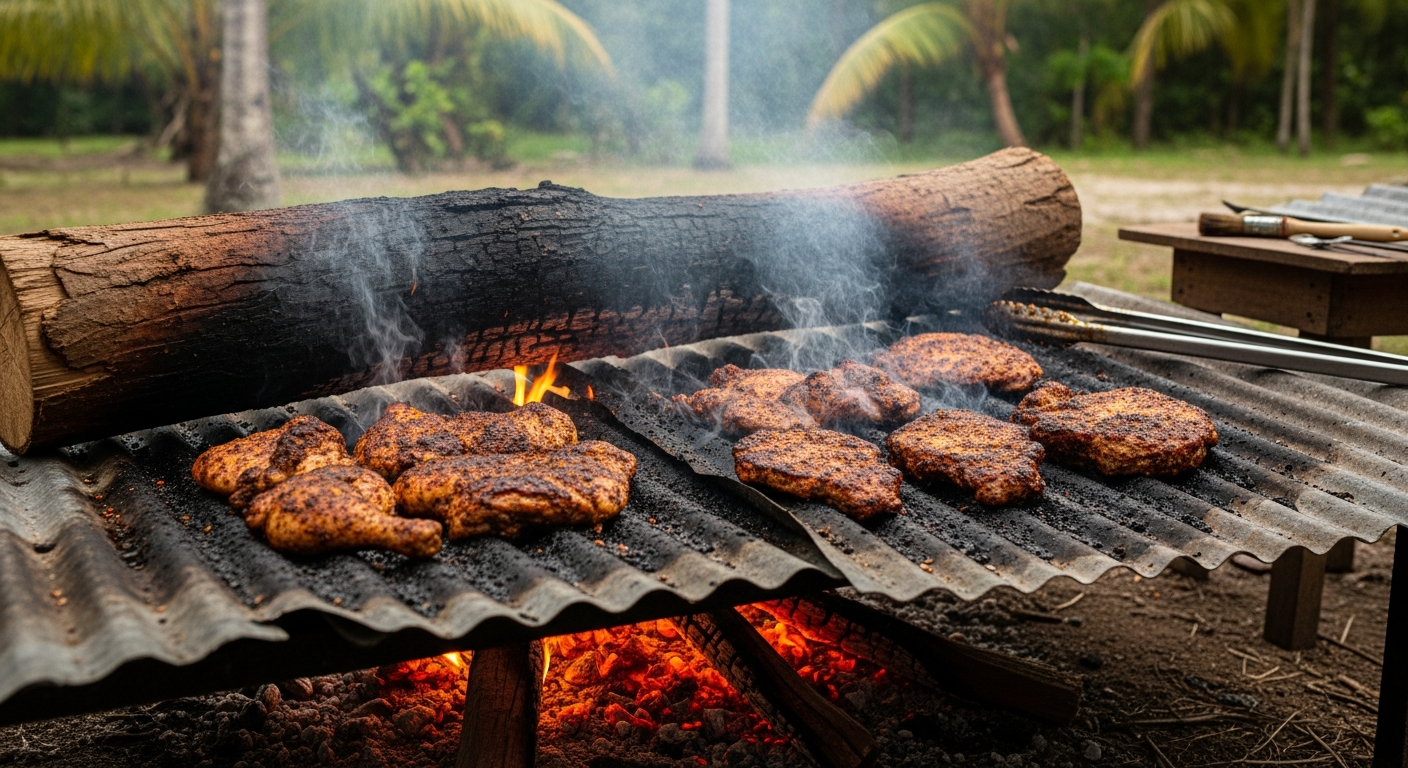
Regional variations also extend to cooking methods. While Jamaica is known for its pimento wood pits, other islands may use different local woods or alternative smoking techniques. These adaptations demonstrate the flexibility of the jerk tradition and its ability to maintain its essential character while adapting to different environments and resources.
Jerk in the Diaspora
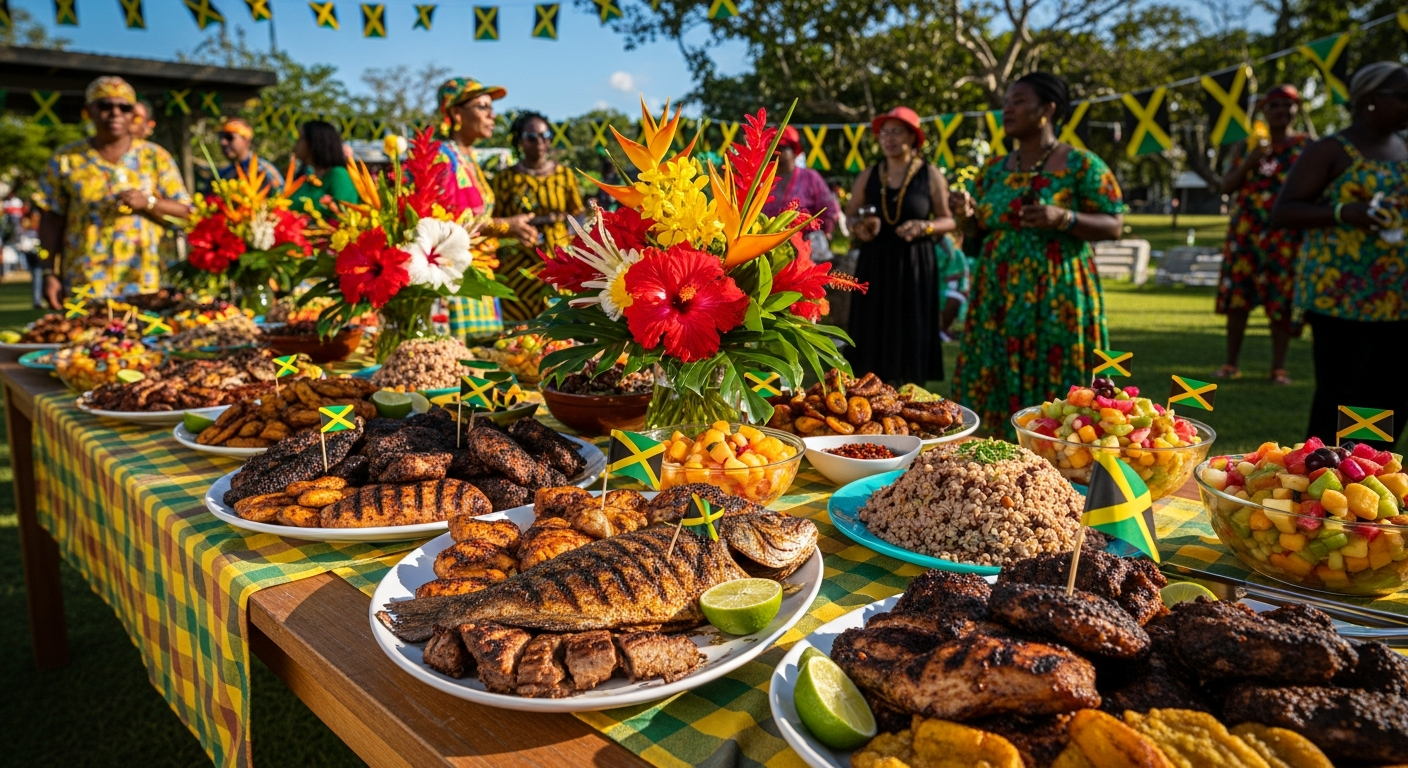
Perhaps nowhere is jerk's role in Caribbean identity more visible than in diaspora communities. In cities like London, New York, Toronto, and Miami, jerk restaurants and food trucks serve as cultural anchors for Caribbean communities, providing not just food but a sense of home and belonging.
In London's Brixton neighborhood, once the primary destination for Jamaican immigrants arriving in the 1950s and 1960s, jerk shops line the streets of Brixton Market and Electric Avenue. These establishments are more than restaurants; they are community institutions that maintain Caribbean identity in a foreign context. The smell of jerk smoke in Brixton is a declaration of cultural presence, a sensory reminder that Caribbean people and their traditions are a vital part of London's cultural fabric.
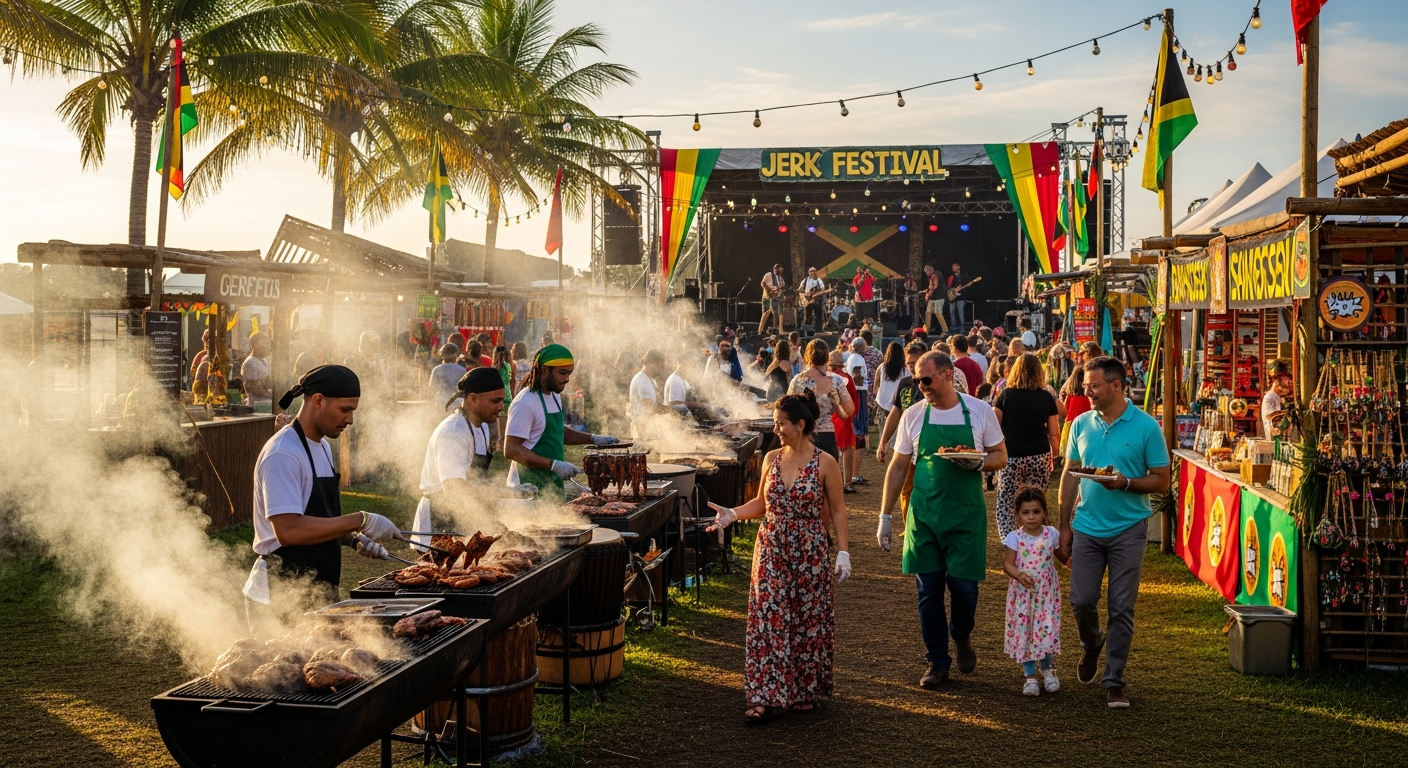
Similarly, in New York City, jerk spots in Brooklyn, the Bronx, and Queens serve as gathering places for Caribbean communities. The annual Jamaican Jerk Festival in New York draws tens of thousands of attendees, demonstrating the power of jerk to bring people together and celebrate shared identity. Toronto, home to one of the largest Caribbean populations outside the region, has its own thriving jerk scene, with restaurants and food festivals that celebrate jerk as a cornerstone of Caribbean-Canadian identity.
For second and third-generation Caribbean diaspora members, jerk often serves as a primary connection to their cultural heritage. Young people who may not speak patois or have visited the islands can still connect with their roots through the flavors of jerk chicken and the social experience of gathering at a jerk restaurant. In this way, jerk functions as a cultural bridge across generations and geographies.
Jerk and Caribbean Pride
Jerk's global recognition has become a source of immense pride for Caribbean people. When international food critics praise Jamaican jerk, when jerk-inspired dishes appear on the menus of high-end restaurants around the world, and when jerk seasonings are stocked in supermarkets from Tokyo to Stockholm, Caribbean people see their cultural contribution being acknowledged and valued.
This pride is not merely about food. It is about recognition of the creativity and sophistication of Caribbean culture more broadly. Jerk cooking is complex, nuanced, and technically demanding — qualities that challenge stereotypes about Caribbean cuisine and culture. The global success of jerk serves as evidence that Caribbean cultural traditions can stand alongside any in the world.
Caribbean governments have recognized the economic and cultural value of jerk, with Jamaica in particular promoting jerk as part of its national brand. The Jamaica Tourist Board features jerk prominently in its marketing, and jerk festivals are supported as both cultural events and tourist attractions. This official recognition reinforces jerk's role as a symbol of national and regional identity.
Challenges of Cultural Ownership
As jerk has gone global, questions of cultural ownership have become increasingly relevant. When a non-Caribbean chain restaurant sells "jerk chicken" made with generic spice blends and no connection to the tradition, is that cultural appreciation or appropriation? When food writers describe jerk as simply "spicy grilled chicken," does that diminish the cultural significance of the tradition?
These questions reflect broader debates about cultural ownership in a globalized world. Caribbean food scholars and cultural advocates argue that jerk's cultural context should be acknowledged even as the food itself is enjoyed worldwide. Understanding that jerk was created by enslaved people fighting for freedom, perfected by generations of skilled pit masters, and carries deep social and historical meaning should be part of how the world engages with this tradition.
The response from the Caribbean community has generally been welcoming of genuine interest in jerk cooking while pushing back against superficial or disrespectful appropriation. Most Caribbean people are happy to share their food traditions with anyone who approaches them with curiosity and respect. What they resist is the erasure of the cultural context that gives jerk its meaning.
Jerk's role in Caribbean identity continues to evolve as new generations interpret the tradition through their own experiences. Young Caribbean chefs are creating innovative fusion dishes that combine jerk flavors with global culinary techniques, extending the tradition while honoring its roots. This evolution ensures that jerk remains a living, dynamic element of Caribbean identity rather than a museum piece, continuing to serve as a powerful symbol of who Caribbean people are and where they come from.