Setting Out on the Jerk Pit Culinary Journey
A culinary journey through the world of jerk pit cooking is unlike any other gastronomic adventure. It takes you from the aromatic spice markets of Kingston to the smoky roadside pits of Boston Bay, from the home kitchens of Jamaican grandmothers to the innovative restaurants of Caribbean diaspora chefs around the globe. Along the way, you discover not just a cooking method but an entire philosophy of flavor built on patience, tradition, and a deep respect for ingredients.
The jerk pit culinary journey begins with understanding what makes this tradition unique among the world's barbecue cultures. While American barbecue emphasizes low and slow cooking with various wood smokes, Argentine asado focuses on open-fire grilling, and Korean barbecue centers on tabletop grilling with marinades, Jamaican jerk brings together elements of all these traditions while adding something entirely its own: the inseparable marriage of pimento wood smoke and a seasoning paste built on allspice and scotch bonnet pepper.
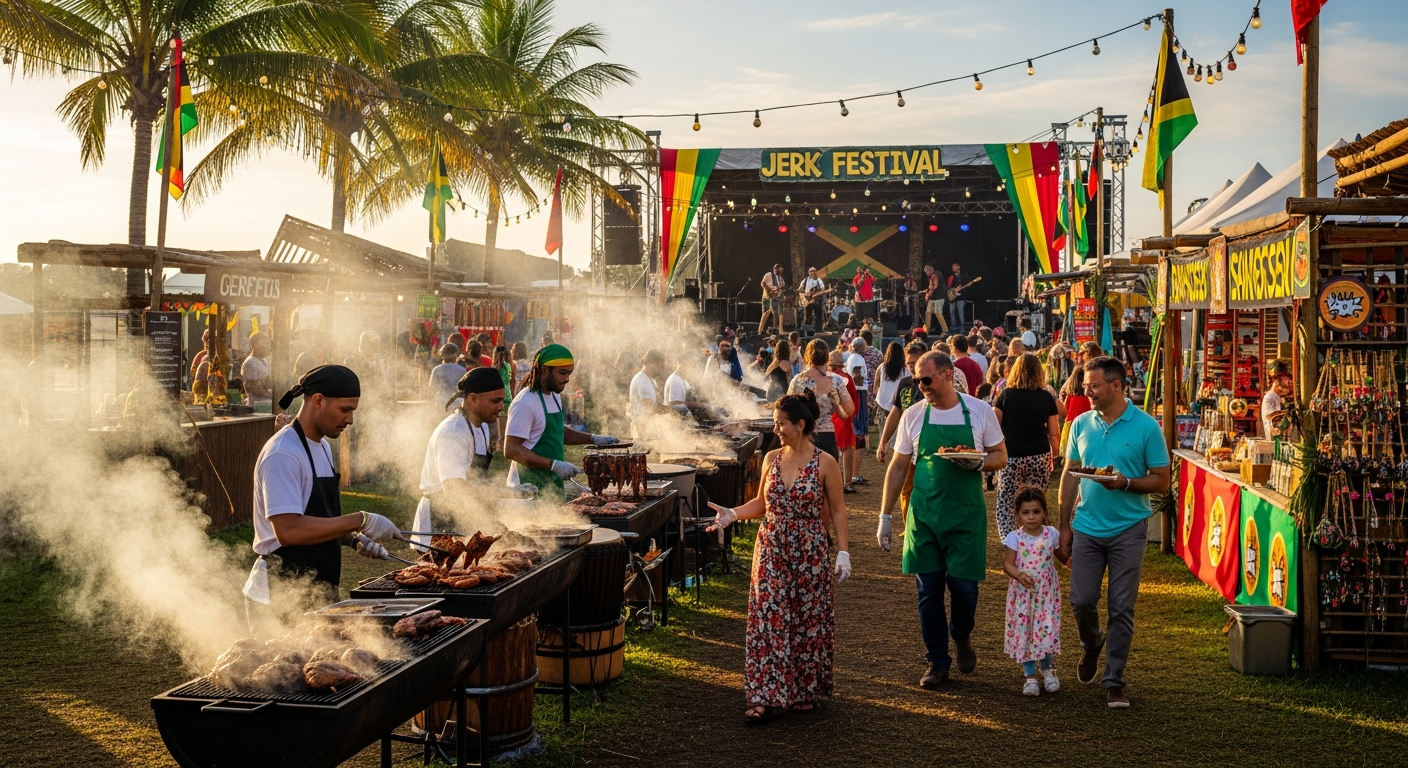
This journey is as much about people and places as it is about food. Every jerk pit has a pit master with a story, every marinade recipe has a family behind it, and every bite of great jerk connects you to a tradition that stretches back centuries. Understanding these human dimensions transforms jerk from a meal into an experience.
The Flavor Foundations
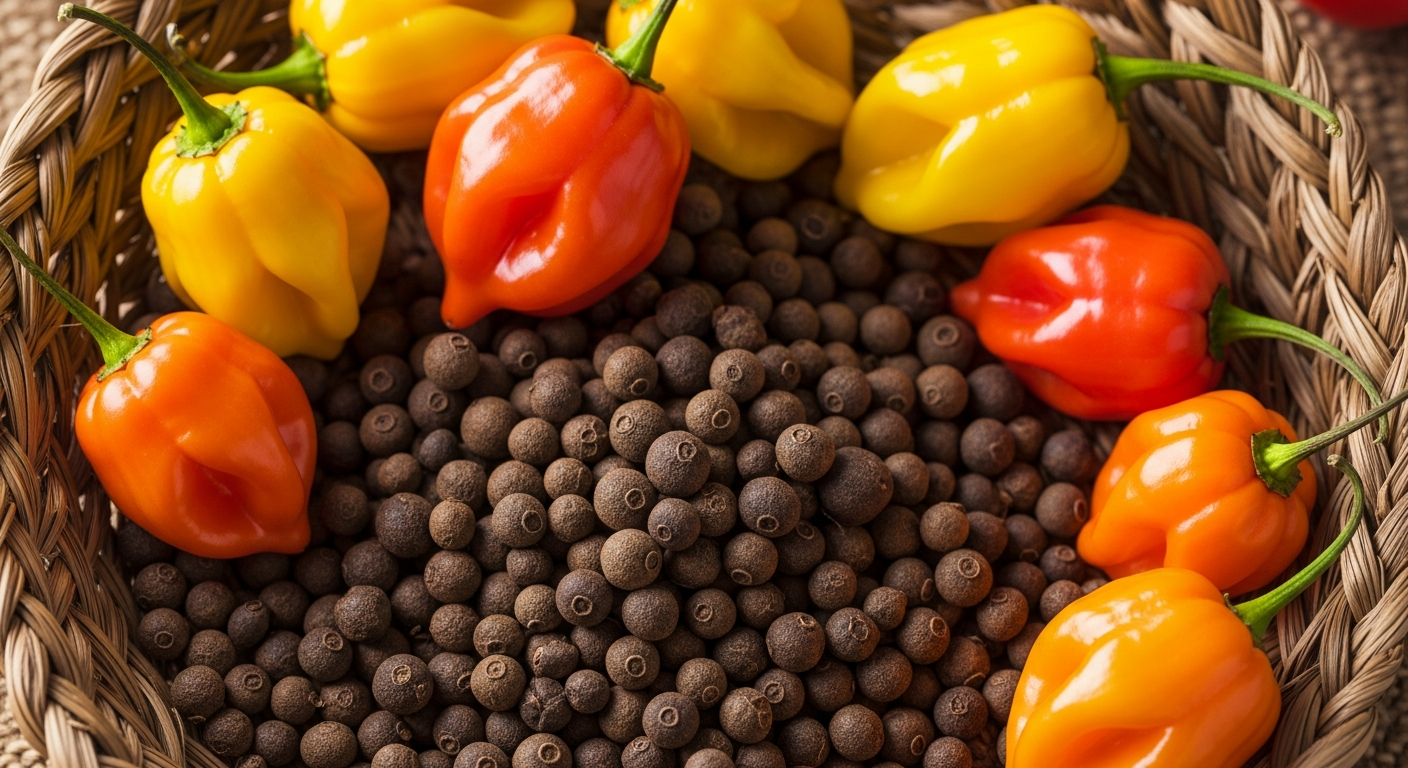
Any culinary journey begins with ingredients, and the jerk pit journey starts with the building blocks of flavor that define this tradition. At the foundation are two ingredients that cannot be substituted: Jamaican allspice and scotch bonnet pepper. These are supported by a cast of aromatics and seasonings that each pit master assembles according to their own formula.
Fresh thyme is the third essential element, providing an herbaceous backbone that ties the heat and warmth together. Jamaican thyme has a slightly different character from the thyme found in European or American markets, with a more pungent, almost minty quality that stands up to the bold flavors of the other ingredients.
Scallions (known in Jamaica as escallion) bring a fresh, onion-like sharpness that brightens the marinade. Garlic adds depth and complexity. Fresh ginger contributes a clean, spicy warmth that differs from the heat of the scotch bonnet. Together, these aromatics create the complex flavor base that makes jerk marinade so much more than just a hot sauce.
Beyond these core ingredients, pit masters differentiate their marinades through personal additions. Some include soy sauce for umami depth. Others add brown sugar or molasses for sweetness. Lime juice provides acidity that helps tenderize the meat. Nutmeg, cinnamon, and black pepper appear in some recipes. These variations are what make every pit master's jerk unique, even when the fundamental character remains consistent.
The Marinade Experience
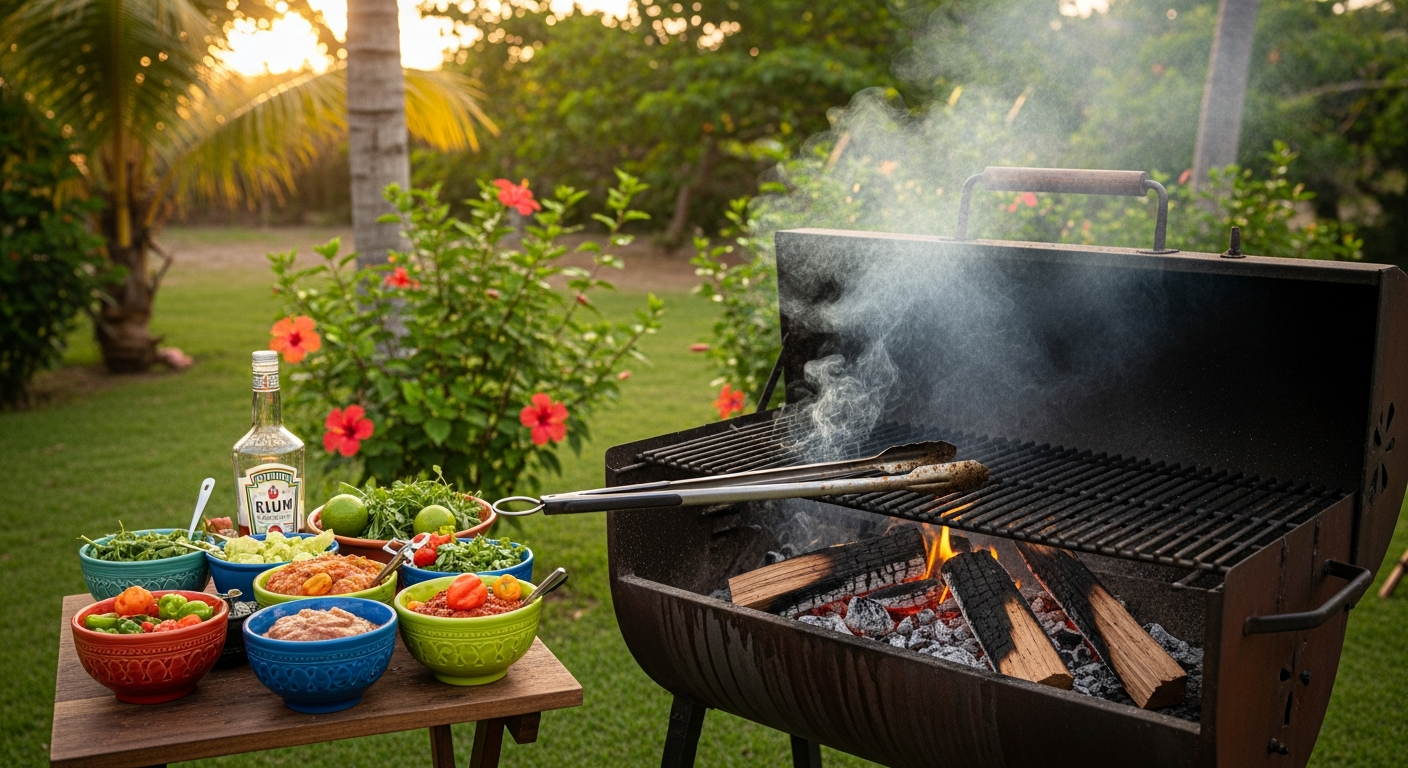
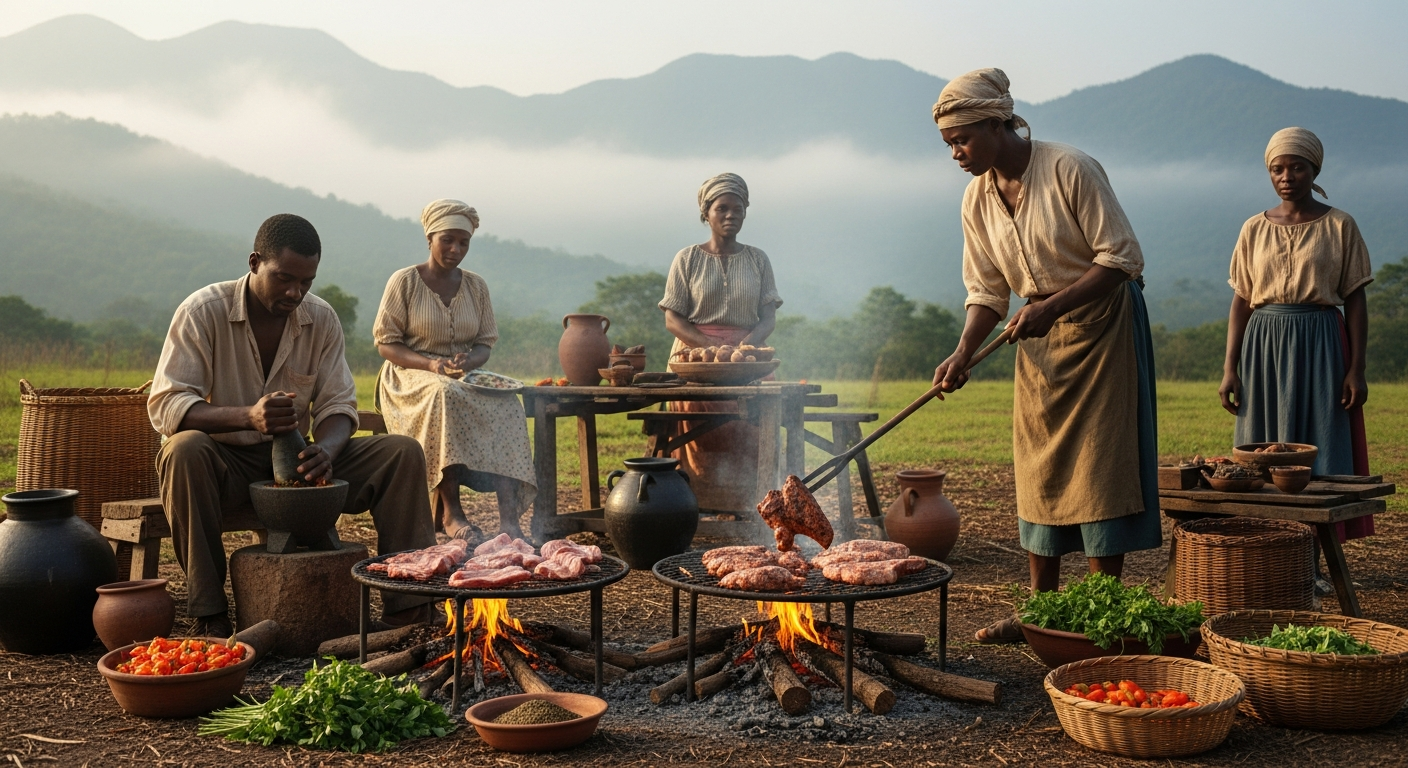
Preparing a jerk marinade is a sensory experience in itself and an essential station on the culinary journey. The traditional method involves grinding allspice berries in a mortar and pestle, chopping scotch bonnet peppers by hand, and blending everything into a thick paste. The aroma that fills the kitchen during this process is intoxicating — a complex perfume of spice, heat, herbs, and tropical fruit that signals something extraordinary is about to happen.
Modern cooks often use a food processor or blender, which is perfectly acceptable and produces consistent results. However, there is something to be said for the traditional mortar and pestle method, which bruises the ingredients rather than liquefying them, releasing oils and flavors in a slightly different way. The texture of a hand-ground marinade is coarser, with visible pieces of herbs and spice, and many pit masters believe this produces a better final product.
The marinating process itself is an exercise in patience. For the best results, chicken should marinate for at least four hours and ideally overnight. Pork benefits from even longer marination, up to 24 hours. During this time, the acidic components in the marinade begin to break down protein fibers, the essential oils penetrate deep into the meat, and the flavors meld and intensify. Rushing this step is the most common mistake in jerk cooking.
The Fire and the Smoke
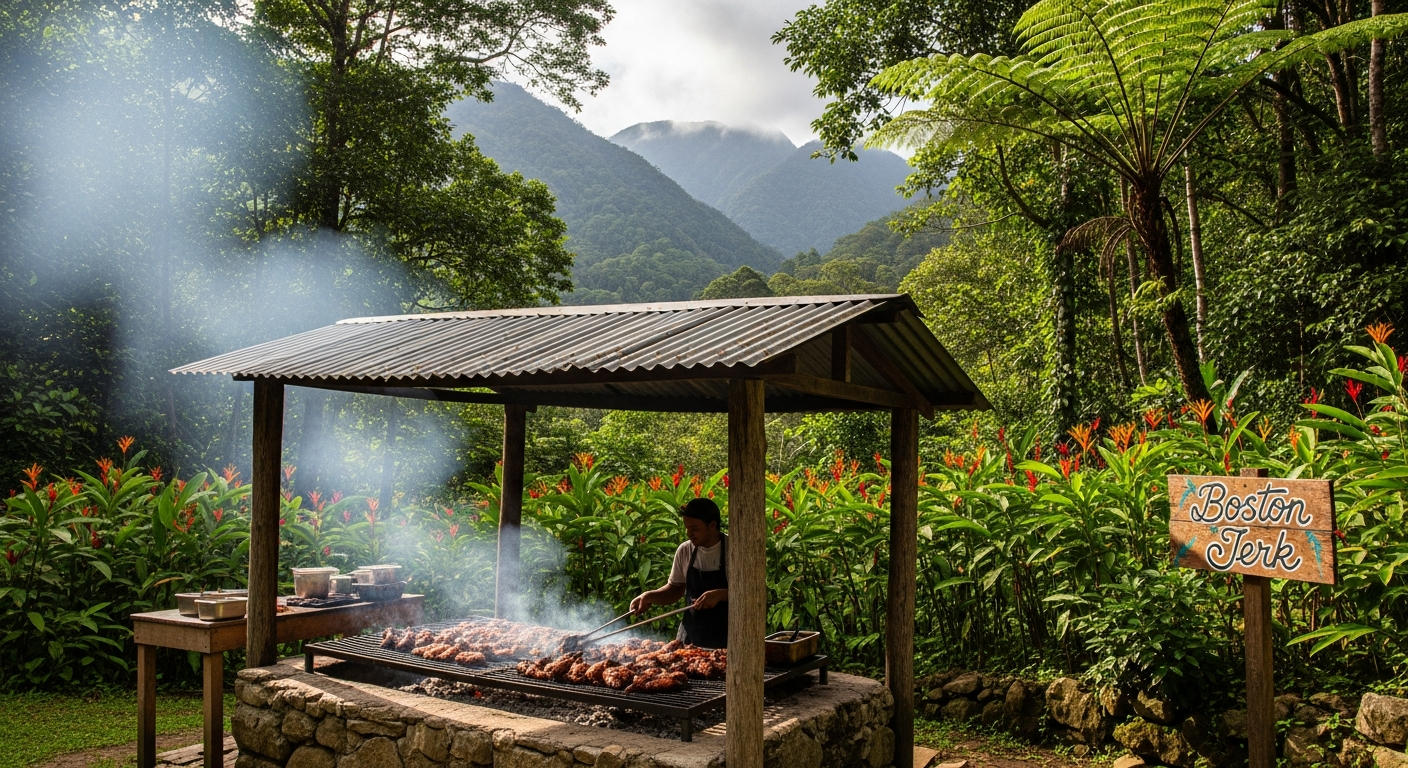
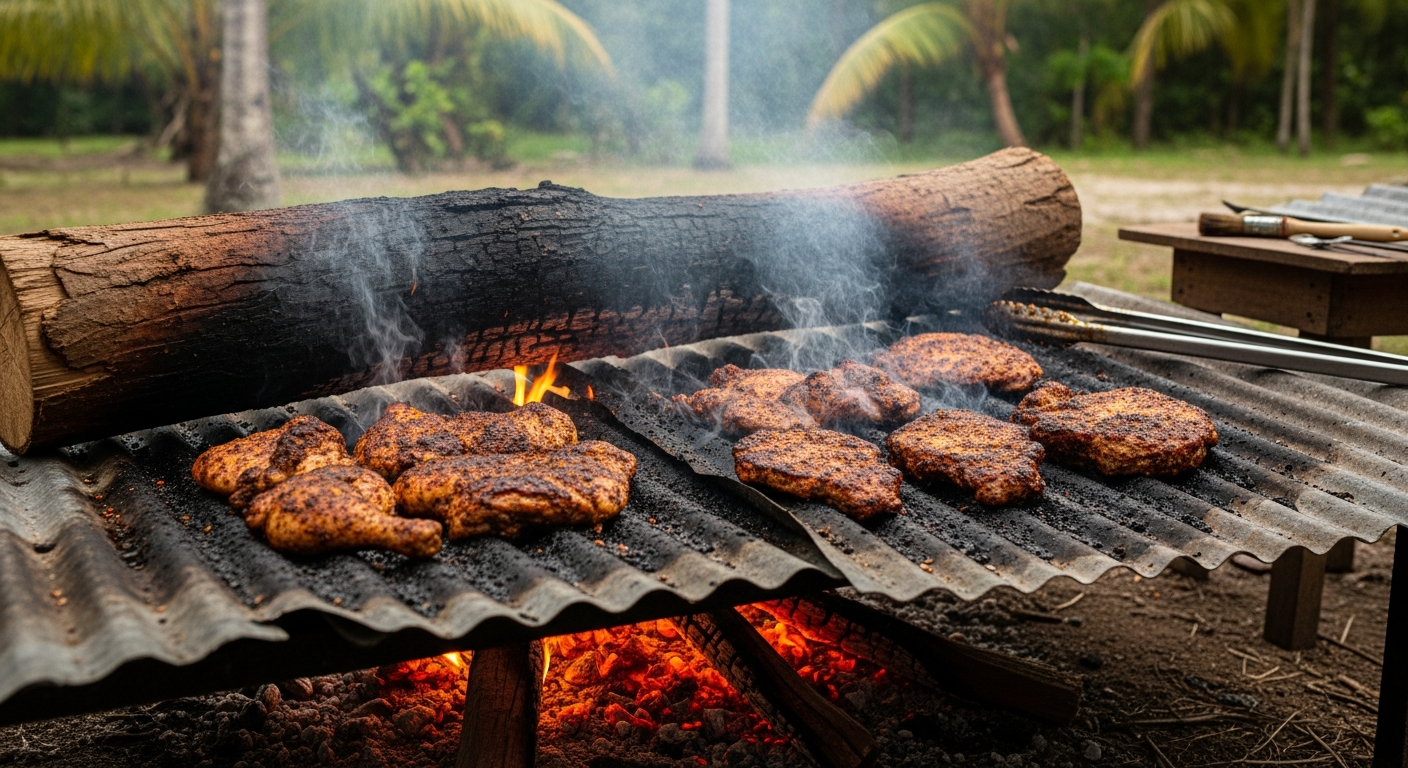
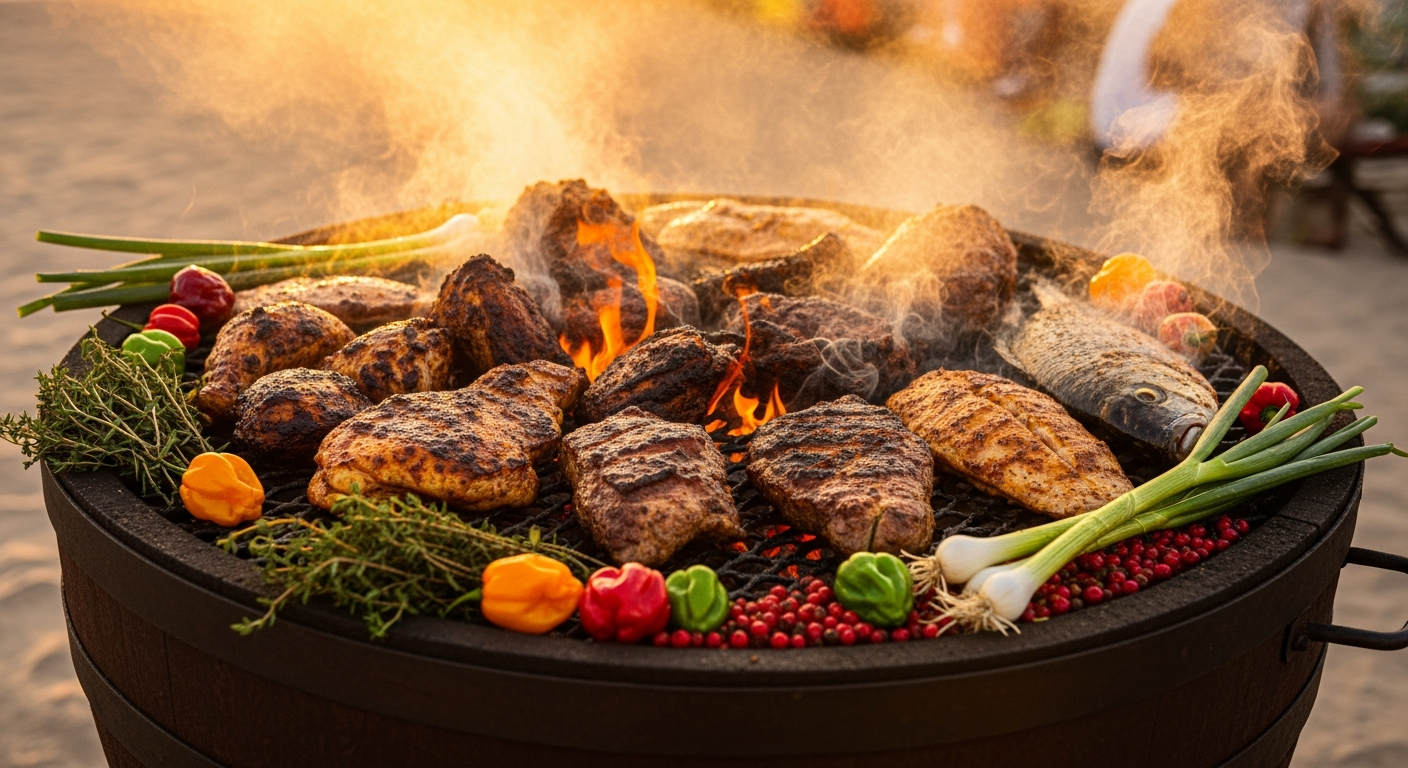
The jerk pit itself is where the culinary journey reaches its most dramatic stage. Watching a skilled pit master build, tend, and cook over a pimento wood fire is witnessing a craft that combines art and science in equal measure. The fire is not just a heat source; it is an ingredient, contributing flavor through the aromatic smoke that envelops the meat throughout the cooking process.
The first challenge is achieving the right balance of heat and smoke. Too much flame produces bitter, acrid smoke and burns the exterior before the interior cooks. Too little fire fails to generate enough smoke for proper flavor development. The ideal fire smolders steadily, producing a blue-white smoke that carries the sweet, complex aroma of pimento essential oils.
Temperature management throughout the cooking process requires constant attention. The pit master watches the color of the smoke, feels the heat with an outstretched hand, listens to the sizzle of fat hitting coals, and adjusts the fire accordingly. This multisensory engagement with the cooking process is what separates pit cooking from oven roasting or gas grilling. It is cooking in its most elemental form.
The transformations that occur during jerk pit cooking are remarkable. The marinade caramelizes and chars slightly on the surface, creating a complex, slightly bitter crust that contrasts with the moist, intensely flavored interior. The fat renders slowly, basting the meat from within. The smoke penetrates the outer layers, creating a pink-tinged smoke ring that is visible when the meat is cut. These physical and chemical changes are what convert raw ingredients into the finished masterpiece.
The Complete Jerk Meal
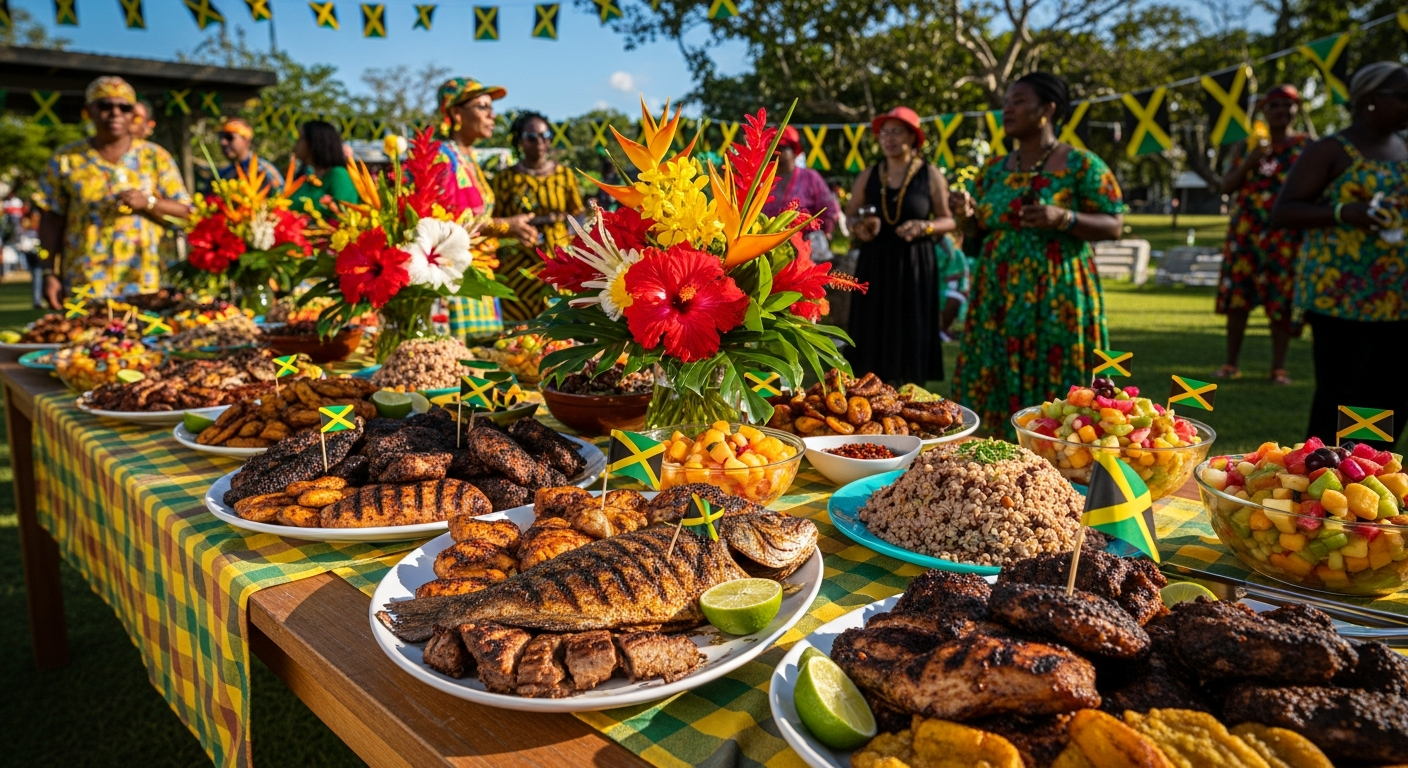
The culinary journey of jerk extends beyond the pit to the accompaniments and drinks that complete the meal. Traditional Jamaican sides are designed to complement and balance the intense flavors of jerk, creating a harmonious plate that satisfies on every level.
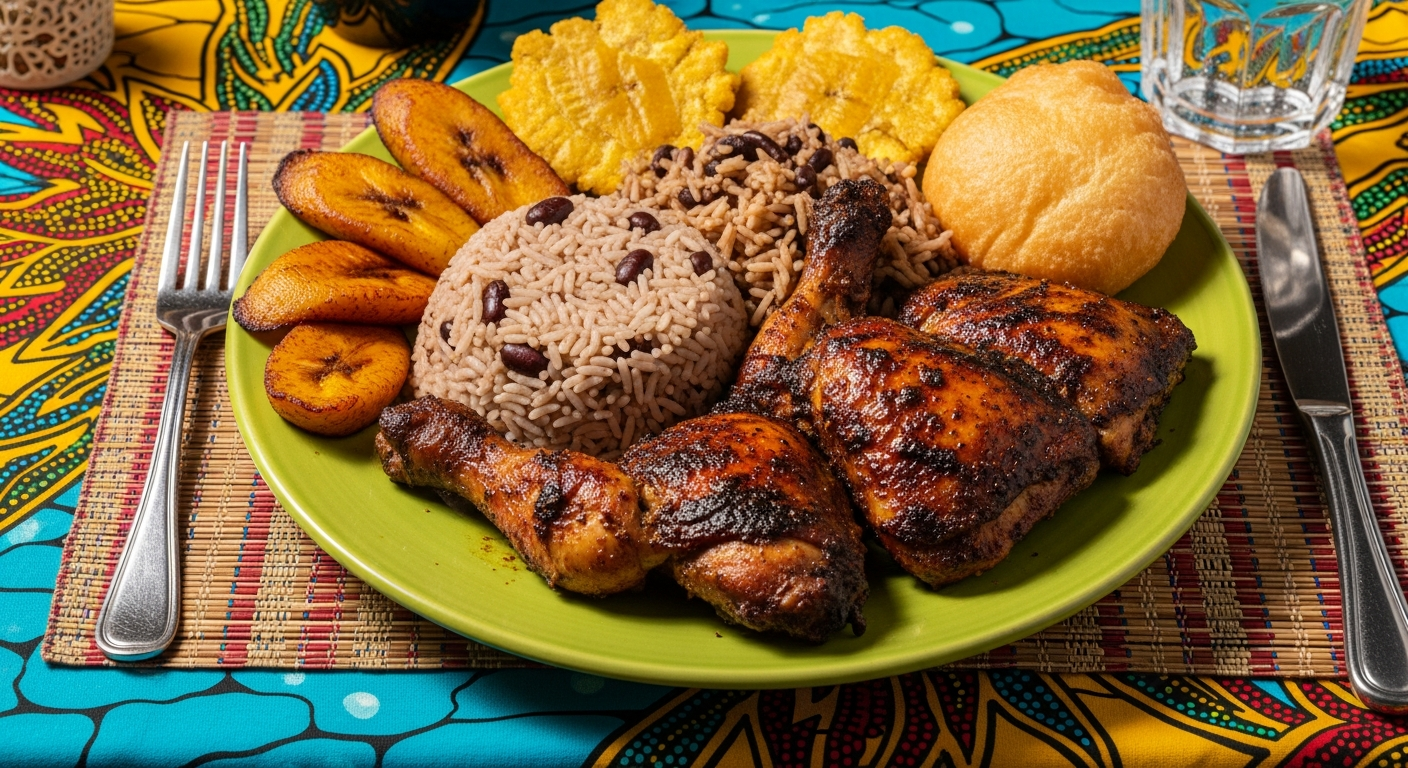
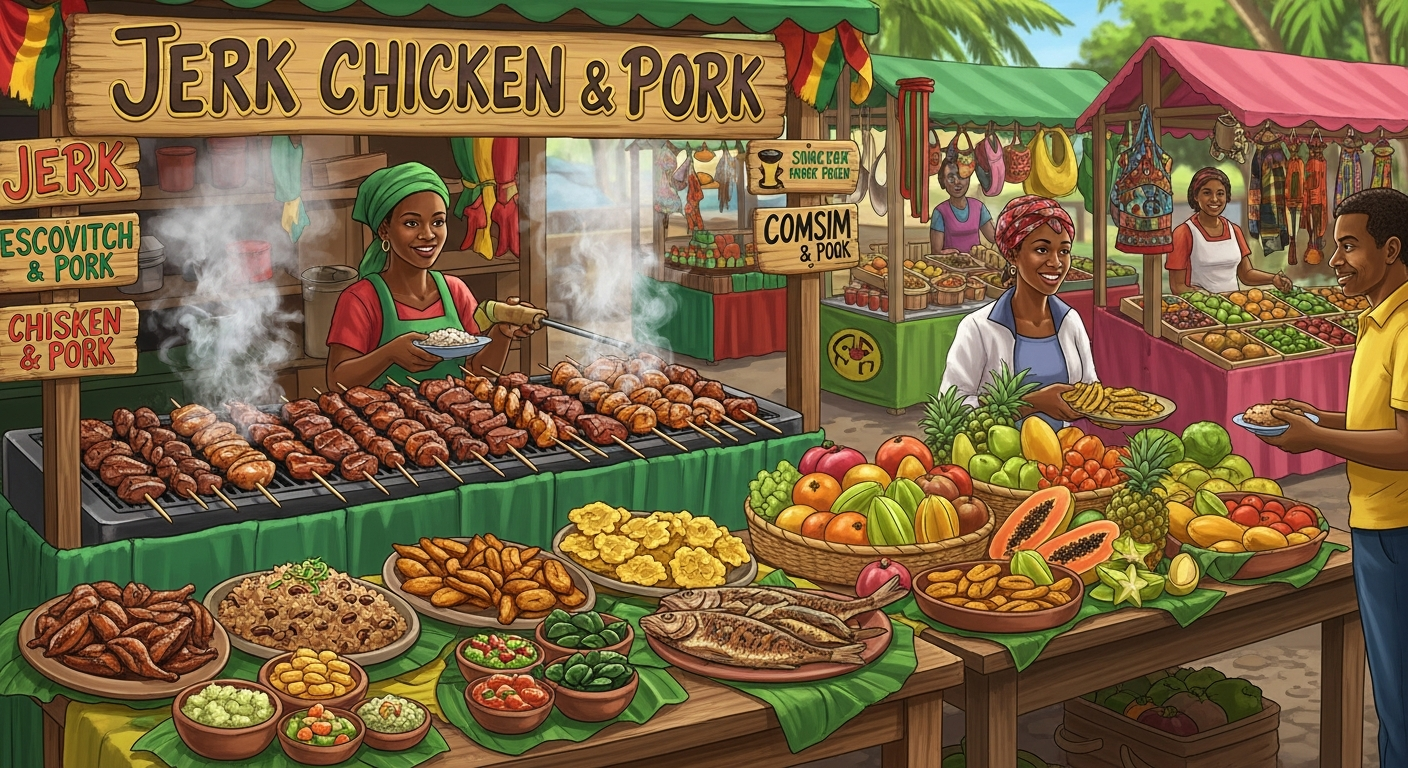
Rice and peas, cooked in coconut milk with kidney beans and seasoned with thyme and scotch bonnet, is the canonical side dish. The creamy, starchy rice absorbs the jerk juices and provides a soothing counterpoint to the heat. Festival, a slightly sweet fried dumpling, offers textural contrast with its crispy exterior and soft interior. Hard dough bread, dense and slightly sweet, serves as both a side dish and a utensil for soaking up juices.
Caribbean coleslaw, dressed with lime juice and a touch of scotch bonnet rather than heavy mayonnaise, provides freshness and crunch. Fried plantains add caramelized sweetness. Bammy, a cassava flatbread with Indigenous Taino origins, offers another starchy option with its own distinct character. Each of these sides has its own cultural story and its own role in the complete jerk experience.
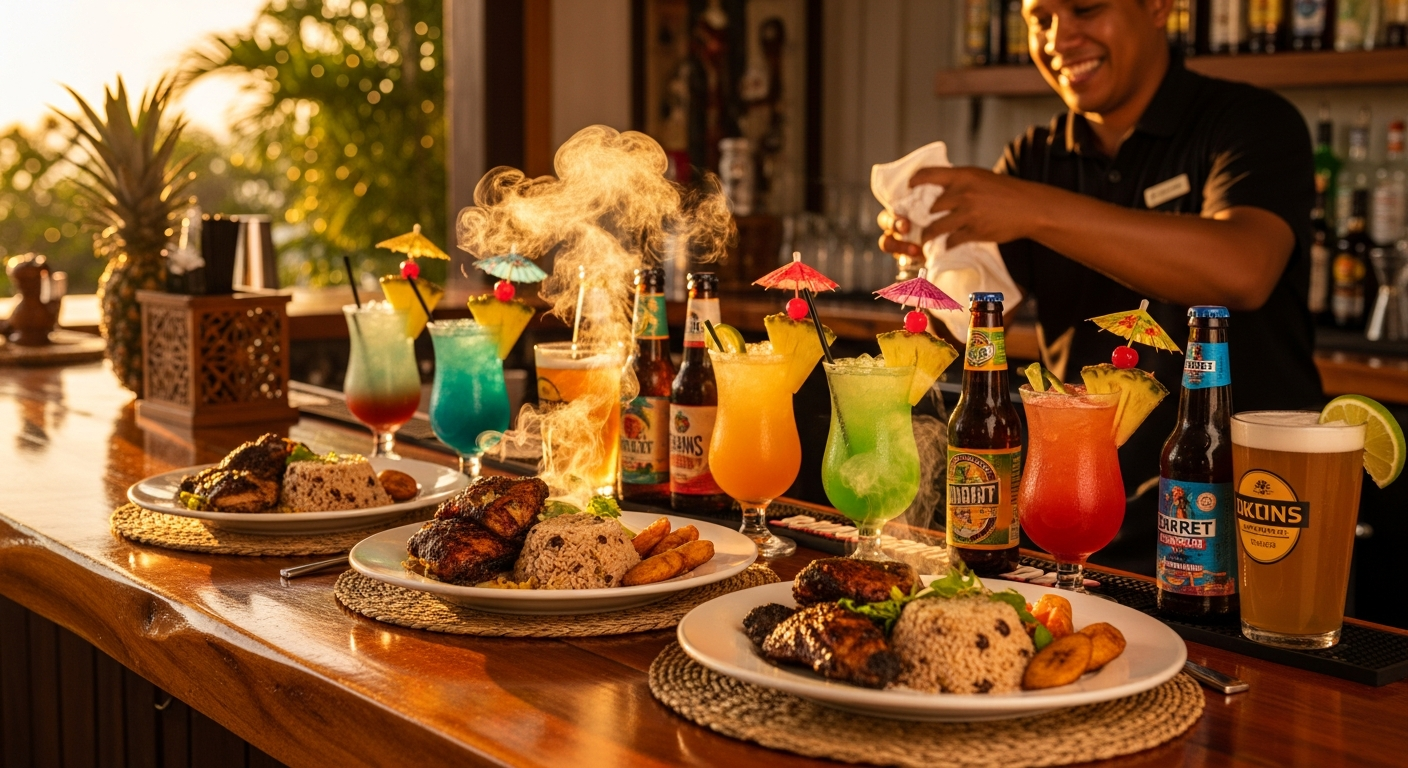
Beverages are equally important to the jerk culinary journey. Ginger beer, with its spicy bite, cleanses the palate and refreshes between bites. Sorrel punch, made from dried hibiscus flowers steeped with ginger and spices, provides a tart, festive accompaniment. Rum punch, mixed with fresh tropical juices, is the celebration drink of choice. For beer lovers, a cold Red Stripe has been the traditional companion to jerk for decades.
Taking the Journey Home
The final destination of any culinary journey is your own kitchen, where you apply what you have learned to create your own jerk experience. This does not require a trip to Jamaica or professional cooking equipment, though both would certainly enhance the adventure. It requires quality ingredients, patience, and respect for the tradition.
Start with the marinade. Source the best allspice and scotch bonnet peppers you can find. Take the time to prepare the marinade properly and let the meat marinate fully. If you have access to a charcoal grill, use it, adding pimento wood chips or a combination of apple wood and whole allspice berries to the coals. If you are limited to an oven, you can still achieve excellent results by broiling the marinated meat after slow-roasting it at a lower temperature.
Remember that the jerk pit culinary journey is not about perfection on the first attempt. It is about a lifelong engagement with a remarkable tradition, each cooking session building on the last, each batch of marinade refined through experience. The pit masters of Boston Bay did not achieve their mastery overnight. They learned through years of practice, observation, and love for the craft.
Whether you are standing over a pimento wood fire in Portland Parish or tending a backyard grill in a suburb far from Jamaica, you are participating in a culinary journey that connects you to centuries of tradition, creativity, and cultural pride. That is the true magic of jerk pit cooking.