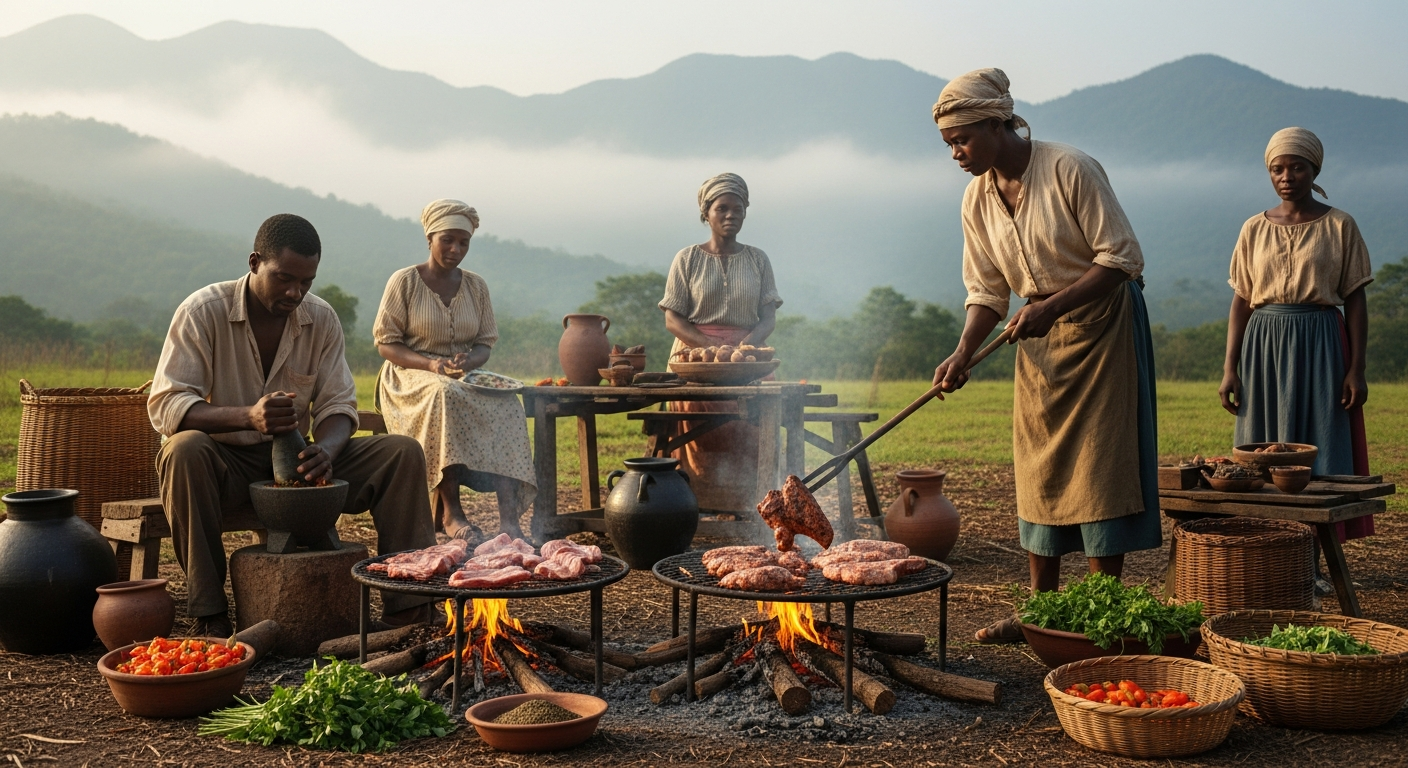
Jerk as an Act of Resistance
To eat jerk is to taste resistance. This is not metaphor or exaggeration but historical fact. Jerk cooking was born from one of the most remarkable resistance movements in the history of the Americas — the Maroon struggle for freedom in Jamaica. Understanding this connection between jerk and resistance transforms the experience of eating jerk from simple enjoyment of good food into an engagement with one of the most powerful stories of human determination and survival.
The Maroons were not passive refugees who stumbled upon a cooking technique. They were active resistance fighters who waged guerrilla warfare against the British colonial government for decades, ultimately winning treaties that recognized their independence — one of the few instances in the history of the transatlantic slave trade where enslaved people successfully fought for and won their freedom through armed resistance.
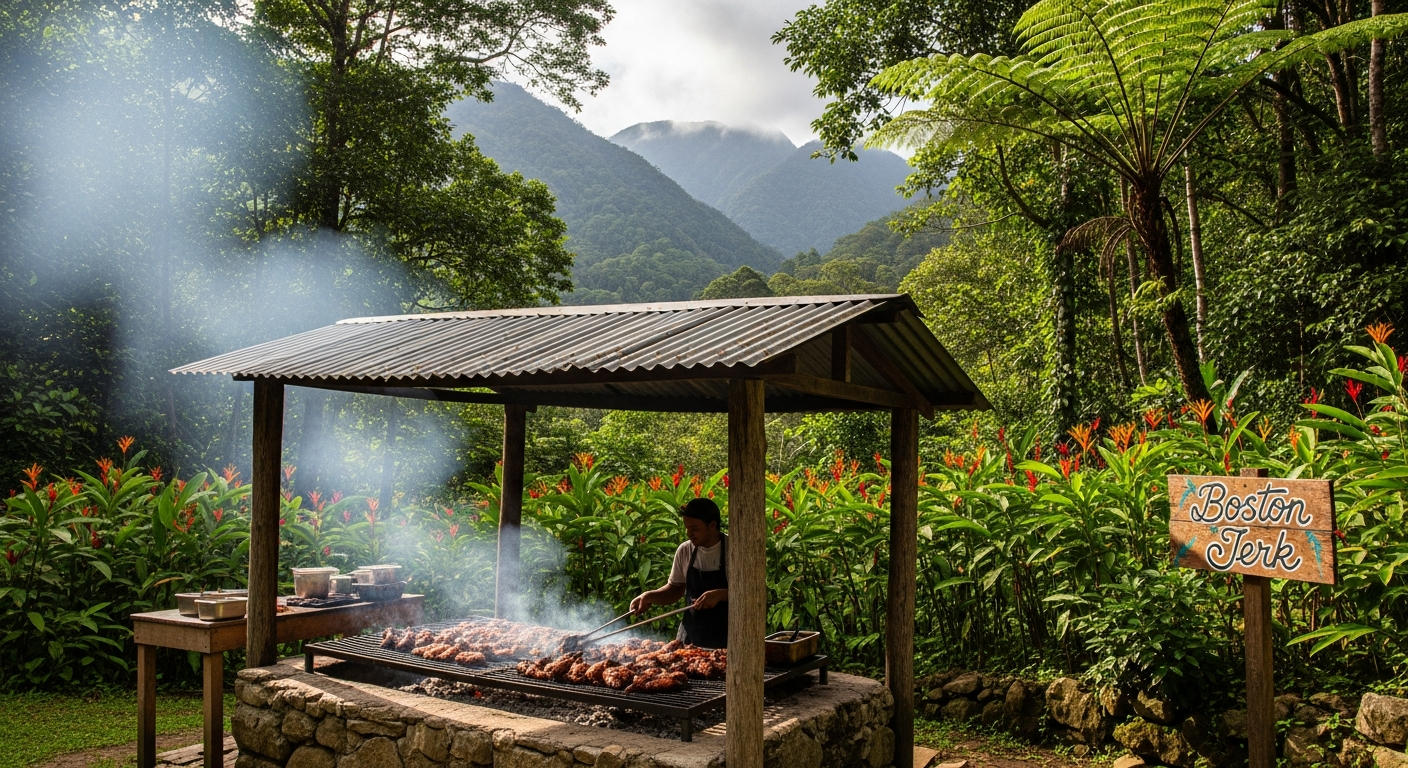
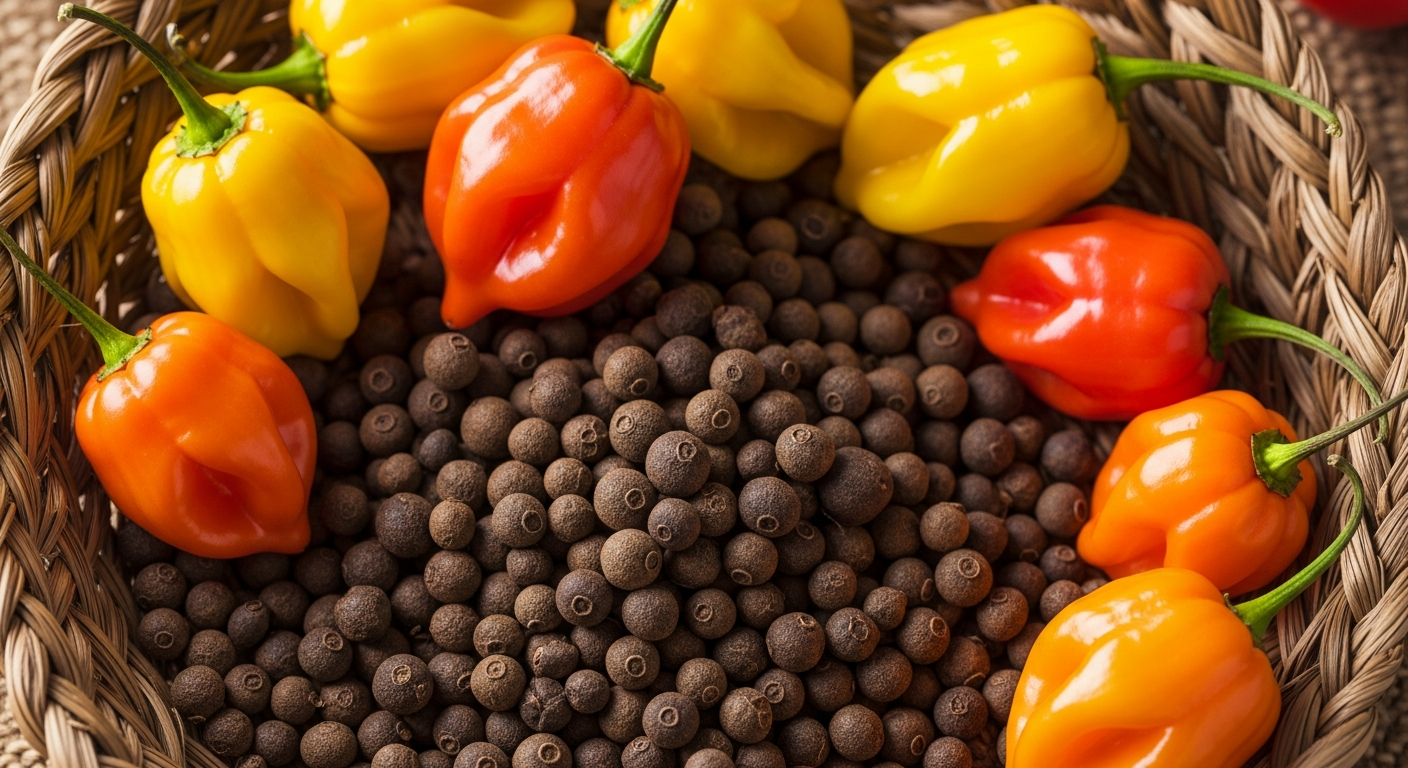
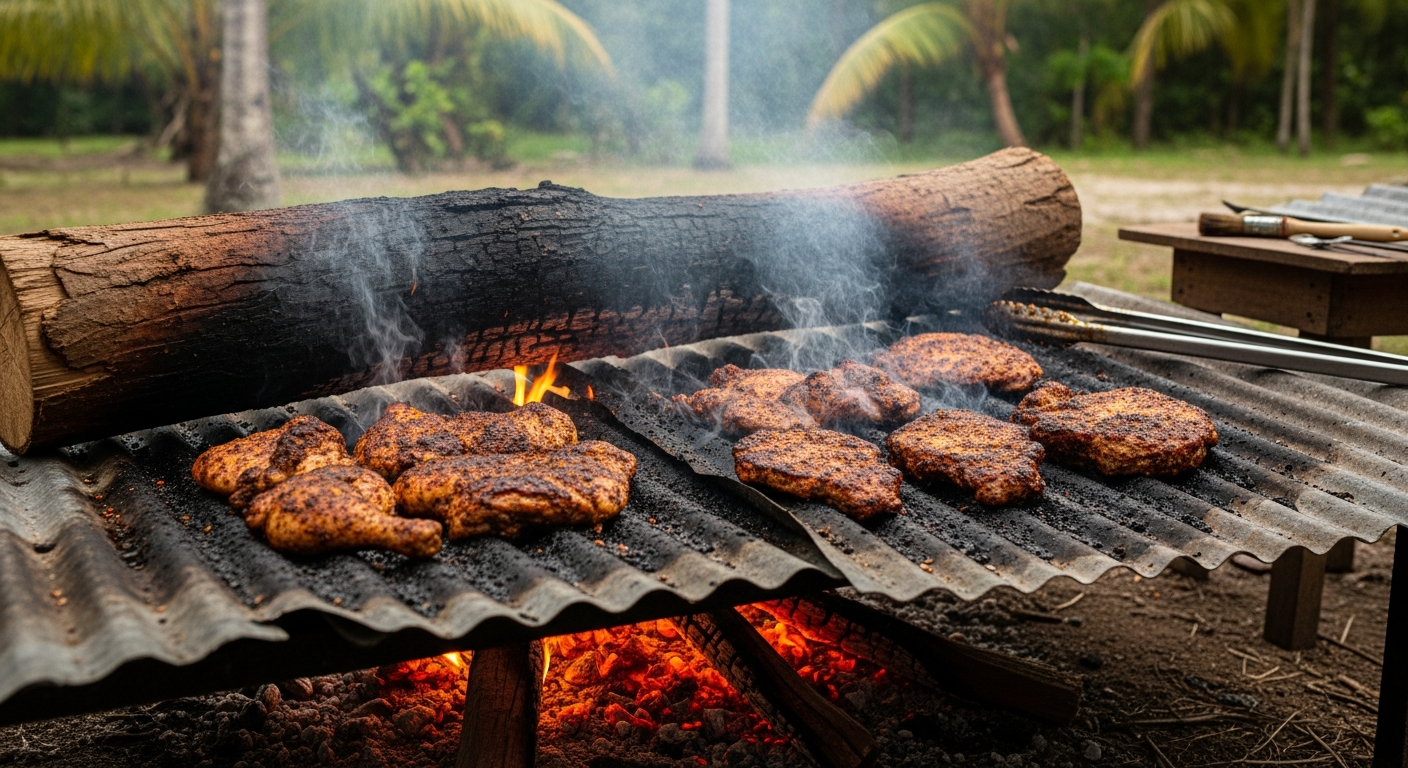
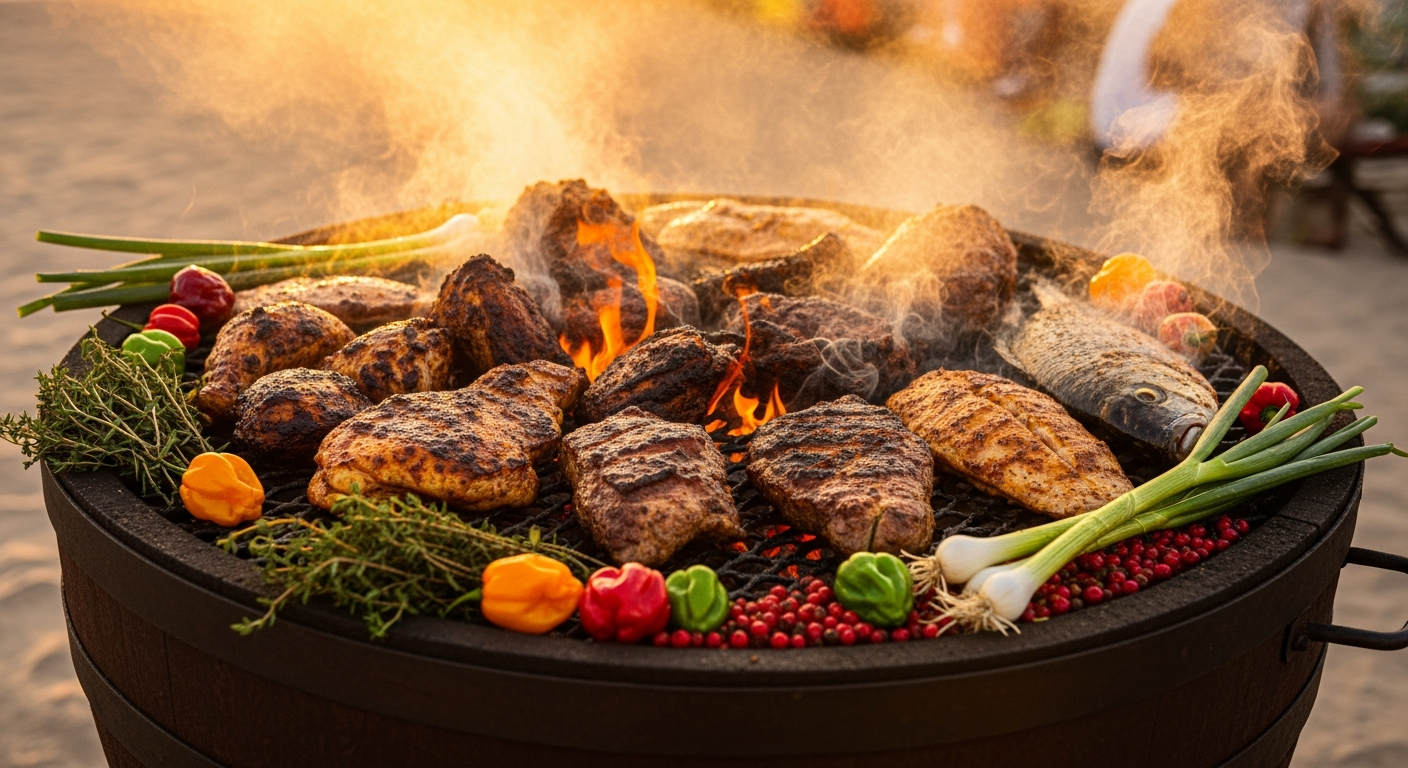
Jerk cooking was a technology of this resistance. The ability to prepare and preserve food efficiently in the mountain wilderness was essential to the Maroons' military success. The smoking technique that defines jerk allowed them to prepare meat that could be carried on military campaigns, sustaining warriors during prolonged engagements with British forces. The aromatic smoke from pimento wood could be controlled and minimized to avoid revealing their positions, and the preservation properties of the allspice and scotch bonnet in the marinade meant that prepared food remained edible for days without refrigeration.
The Maroon Legacy
The Maroons' contribution to Jamaican culture extends far beyond cooking. They preserved African languages, spiritual practices, music, and social structures that might otherwise have been lost under the brutal conditions of plantation slavery. Their communities, particularly those in Moore Town, Accompong, and other mountain settlements, maintained continuous cultural traditions that can be traced directly back to West African origins.
Within this broader cultural preservation, food traditions held a special place. Cooking was a daily practice that reinforced cultural identity, provided comfort and nourishment, and served as a vehicle for passing knowledge between generations. The jerk technique, along with other Maroon food traditions, was taught from parent to child, grandmother to grandchild, pit master to apprentice, creating an unbroken chain of culinary knowledge that stretches back to the 17th century.
The Maroon communities that exist today in Jamaica are recognized as the custodians of this heritage. The Accompong Maroons in St. Elizabeth Parish and the Moore Town Maroons in Portland Parish continue to practice traditional cooking methods, including jerk, and share their cultural knowledge with visitors and researchers. Their annual celebrations, particularly the Accompong Maroon Festival held every January 6th, feature traditional jerk cooking alongside drumming, dancing, and other cultural practices.
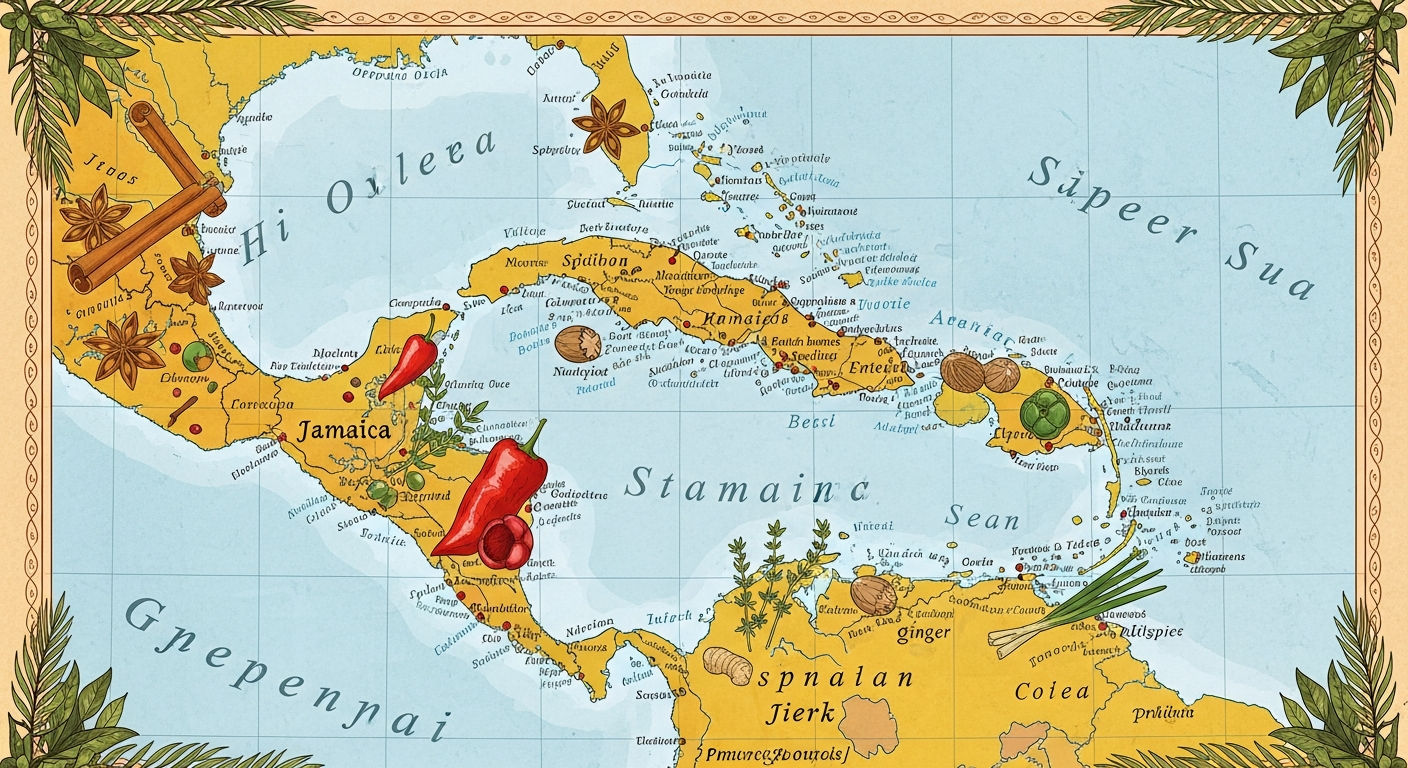
The Jamaican government has recognized the cultural significance of Maroon heritage, and the Blue and John Crow Mountains — the landscape that sheltered the Maroons and provided the pimento trees for their cooking fires — was designated a UNESCO World Heritage Site in 2015. This recognition acknowledges that the natural environment and the cultural traditions that developed within it, including jerk cooking, are of outstanding universal value.
Jerk and Jamaican National Identity
When Jamaica gained independence from Britain on August 6, 1962, the new nation needed cultural symbols that represented its unique identity. Reggae music, Rastafarian culture, and jerk cooking emerged as three of the most powerful symbols of Jamaican distinctiveness, each representing different aspects of the national character.
Jerk's role in national identity operates on multiple levels. At the most basic level, it is Jamaica's most recognized food, the dish that international visitors seek out and that Jamaicans abroad miss the most. At a deeper level, jerk represents the values that Jamaicans hold dear: creativity in the face of adversity, the importance of community and sharing, respect for tradition combined with openness to innovation, and a fierce independence that traces back to the Maroon ancestors.
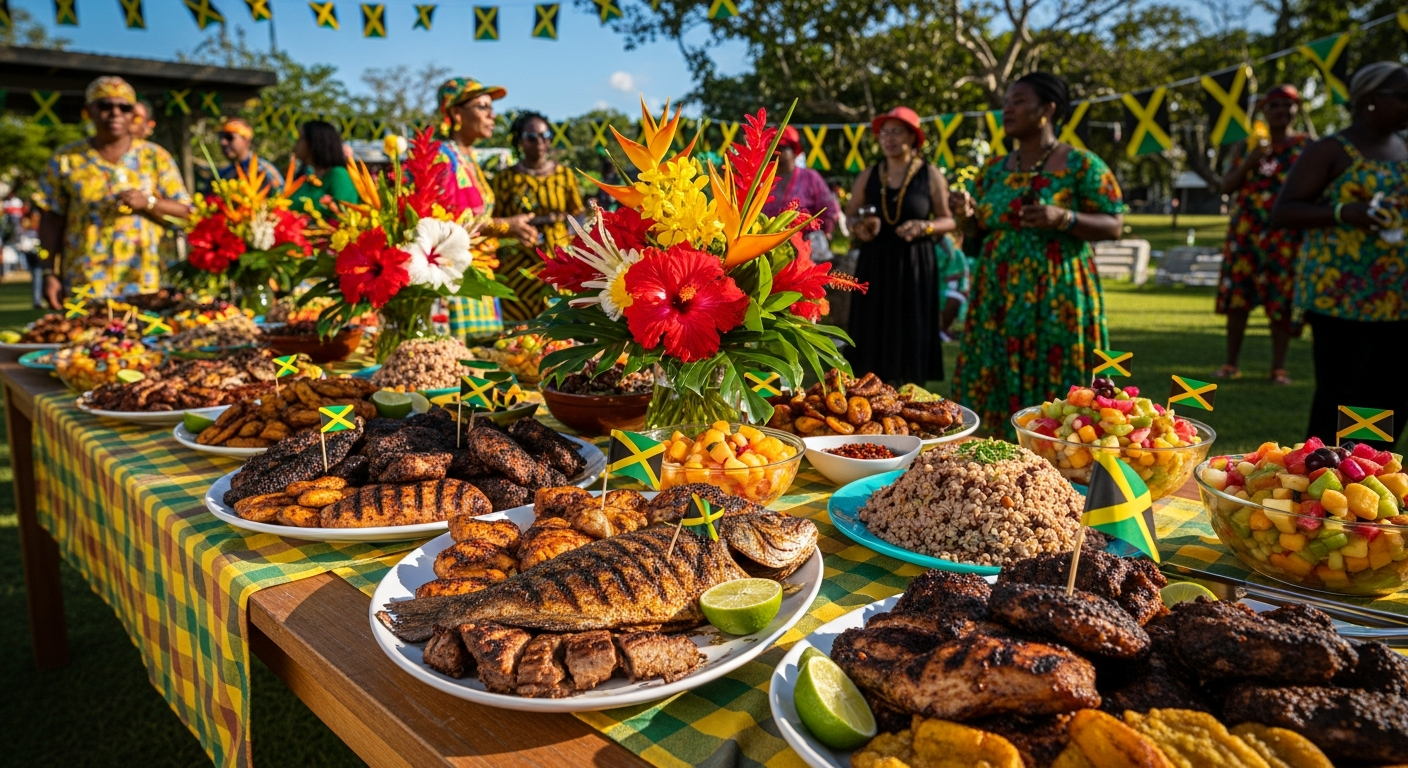
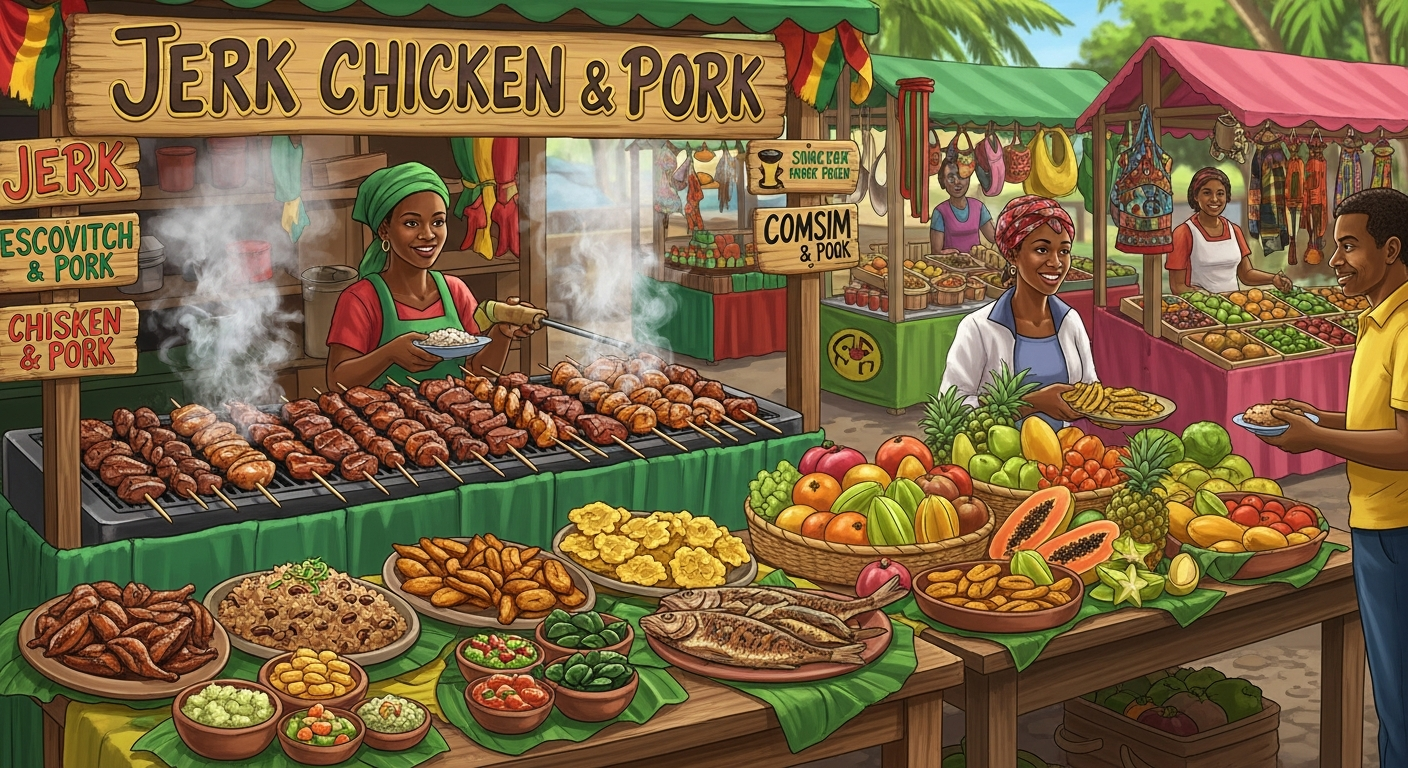
The connection between jerk and national identity is reinforced through everyday practice. In Jamaica, jerk is not reserved for special occasions or restaurant dining. It is everyday food, available from roadside stands in every parish, at every community event, and in every household. This ubiquity means that jerk is woven into the fabric of daily Jamaican life in a way that few foods achieve in any culture.
Political leaders have also embraced jerk as a symbol of national identity. Jamaican diplomatic events abroad often feature jerk cooking, and government-sponsored cultural promotions regularly highlight jerk as a cornerstone of Jamaican heritage. The Jamaica Tourist Board's marketing campaigns have long used jerk as a draw for culinary tourists, positioning Jamaica as a food destination where visitors can experience authentic jerk in its place of origin.
Resistance Through Preservation
In the modern context, the resistance embodied by jerk cooking has taken on new forms. As global food culture becomes increasingly homogenized, the preservation of authentic jerk techniques represents a form of cultural resistance against the flattening of culinary diversity. Every pit master who maintains traditional methods, every family that passes down a marinade recipe, every community that gathers around a jerk pit is engaging in an act of cultural preservation that echoes the original Maroon resistance.
This preservation resistance faces real challenges. The commercialization of jerk through mass-produced seasonings and chain restaurants threatens to dilute the tradition. Young Jamaicans, attracted by global food trends, may view traditional jerk as old-fashioned. Environmental pressures on pimento trees, including deforestation and climate change, threaten the availability of the essential smoking wood.
In response to these challenges, cultural organizations, individual pit masters, and community groups are working to document, preserve, and promote authentic jerk traditions. Oral history projects record the knowledge of elder pit masters. Cooking programs teach young people traditional techniques. Sustainable forestry initiatives work to protect pimento tree populations. These efforts represent a continuation of the Maroon spirit of resistance, adapted to contemporary threats.
The Jamaica Intellectual Property Office has also explored the possibility of geographical indication protection for jerk, similar to the protections that exist for Champagne or Parmesan cheese. Such protection would help ensure that the term "jerk" maintains its connection to authentic Jamaican preparation methods rather than being diluted into a generic descriptor for anything spicy and grilled.
Jerk as Everyday Resistance
For Caribbean people in the diaspora, cooking and eating jerk is an act of everyday resistance against cultural erasure. In societies that may not always value or understand Caribbean cultural contributions, maintaining food traditions is a way of asserting identity and visibility.
The jerk restaurant in a foreign city is a statement of presence: we are here, our culture is valuable, and our food is worth celebrating. When a Jamaican grandmother in London or Toronto makes jerk chicken for her grandchildren, she is not just preparing dinner — she is transmitting cultural knowledge, maintaining family connections to homeland traditions, and resisting the pressure to assimilate completely into the host culture.
This everyday resistance also operates through the economic sphere. Caribbean food entrepreneurs who build businesses around jerk cooking create economic independence and community wealth, echoing the Maroons' original quest for self-sufficiency. Successful jerk restaurants and food brands demonstrate that Caribbean cultural traditions can be commercially viable without being compromised.
The Continuing Story
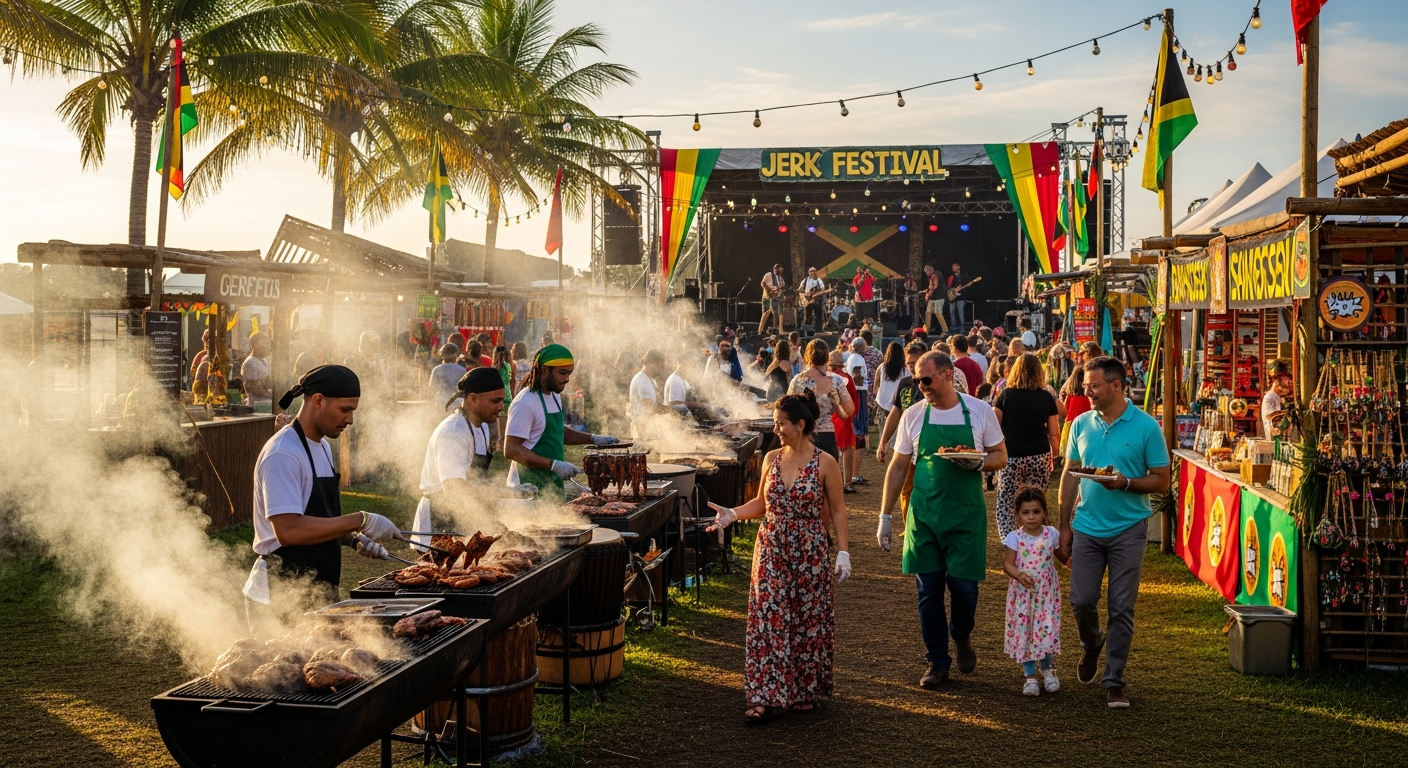
The story of jerk cooking as an expression of Jamaican identity and resistance is not a historical footnote — it is an ongoing narrative that continues to unfold with each generation. Young Caribbean chefs who innovate with jerk flavors while respecting the tradition are writing new chapters. Community activists who organize jerk festivals and cooking workshops are strengthening cultural connections. Scholars who research and document jerk's history are ensuring that the story is preserved.
What makes this story so compelling is its universality. While jerk is specifically Jamaican, the themes it embodies — resistance against oppression, creativity born from necessity, the preservation of cultural identity through food, and the power of tradition to connect past and present — resonate with people everywhere. This is why jerk has achieved global recognition not just as a flavor but as a cultural phenomenon.
Every time you prepare or eat jerk, you participate in this ongoing story. You connect with the Maroons who created the tradition, the pit masters who perfected it, the diaspora communities that carried it around the world, and the cultural advocates who work to preserve it. Jerk cooking is more than food. It is a taste of resistance, a flavor of freedom, and a reminder that the most powerful cultural expressions often emerge from the most challenging circumstances.