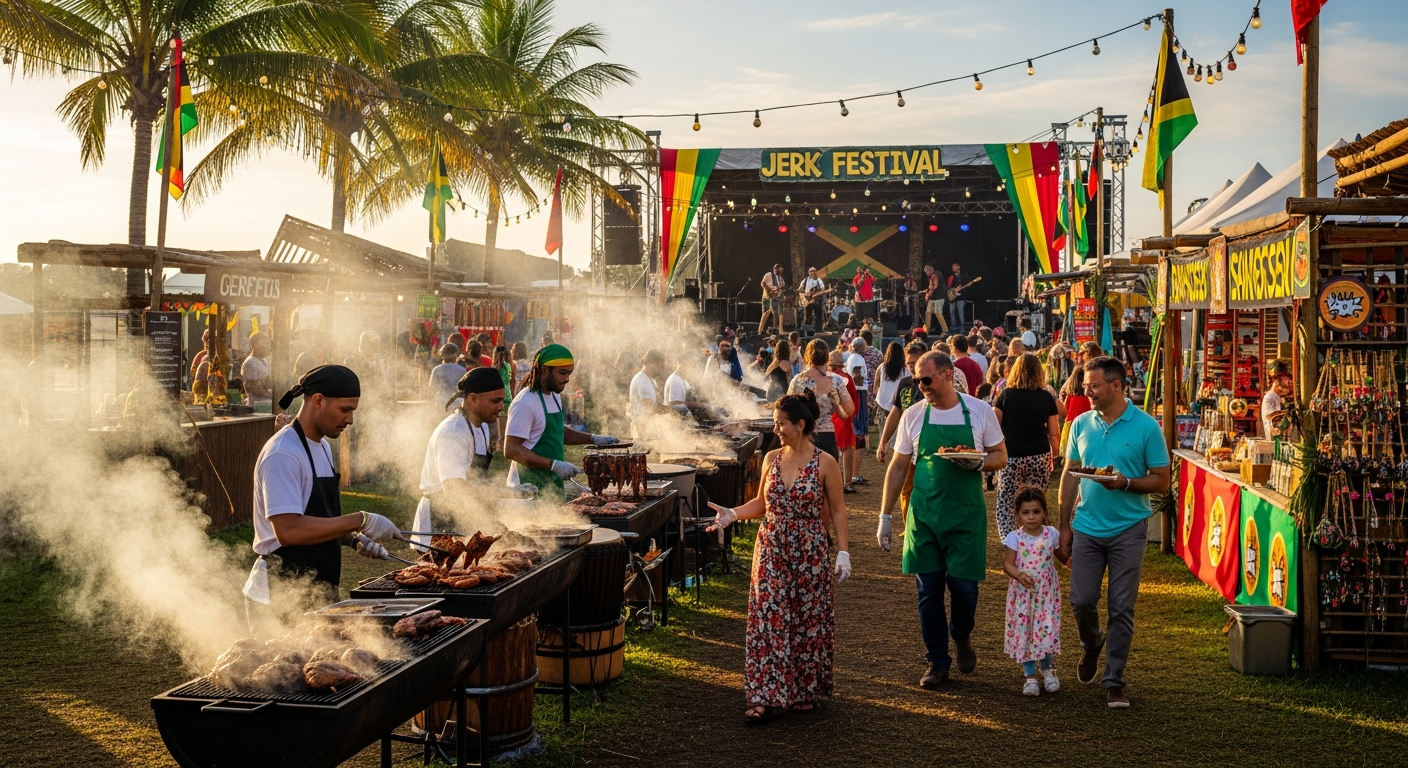
The Jerk Festival Tradition
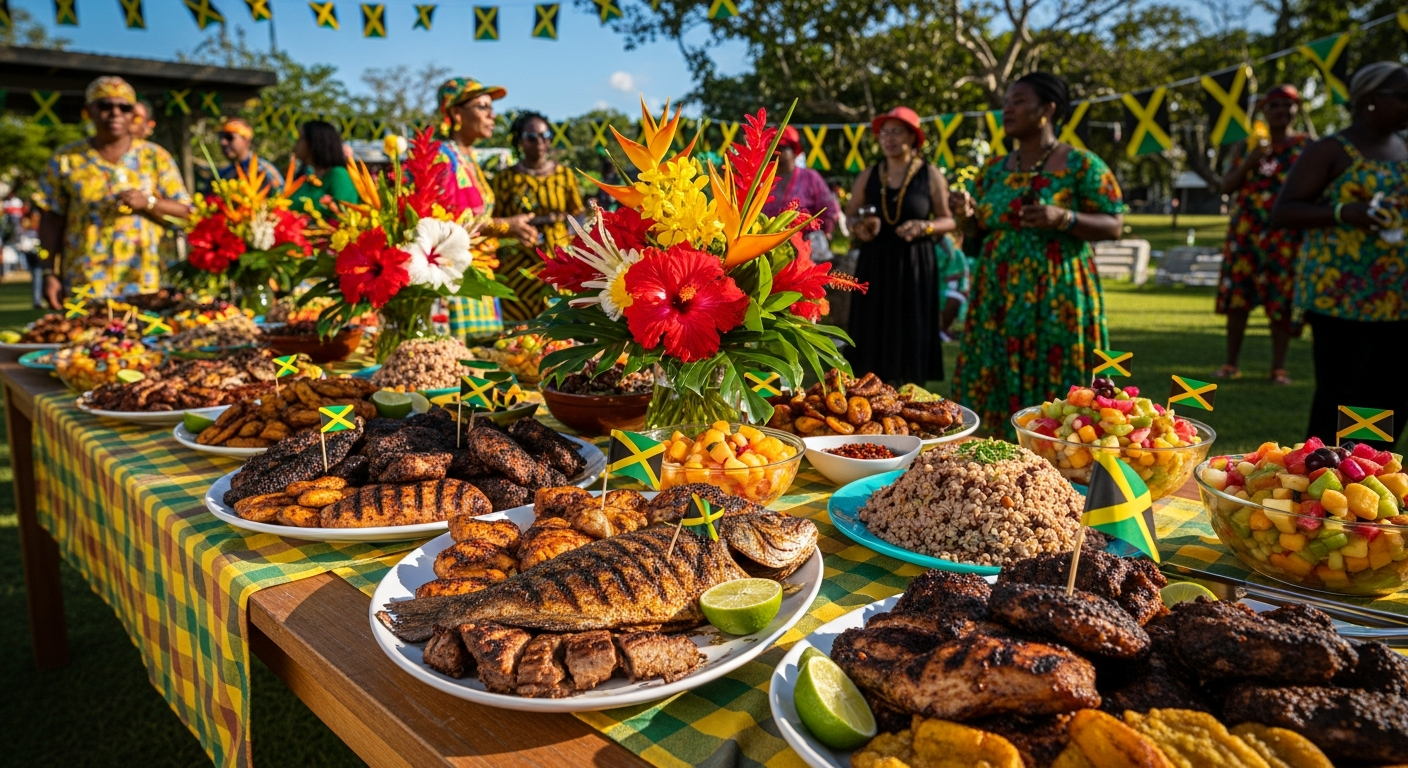
Jamaican jerk festivals represent one of the most vibrant and joyful expressions of Caribbean culture in the world today. These celebrations bring together the two art forms that Jamaica is most famous for — food and music — creating immersive experiences that honor tradition while embracing contemporary creativity. From the original Portland Jerk Festival in Jamaica to the massive Grace Jamaican Jerk Festival in New York and events in cities across the globe, jerk festivals have become essential expressions of Caribbean cultural identity.
The concept of a dedicated jerk festival is relatively recent, emerging in the late 20th century as Jamaicans sought to celebrate and promote their culinary heritage in an organized format. But the tradition draws on much older roots. In Jamaica, food and music have always been inseparable. No dance, no party, no community gathering is complete without both, and jerk has long been the food of choice for outdoor celebrations and social events.
What makes a jerk festival more than just a food event is the totality of the cultural experience. The smoke rising from dozens of jerk pits, the pounding rhythms of reggae and dancehall, the community spirit of thousands of people gathered to celebrate shared heritage — these elements combine to create something that transcends a simple food festival and becomes a cultural statement.
The Portland Jerk Festival: Where It Began
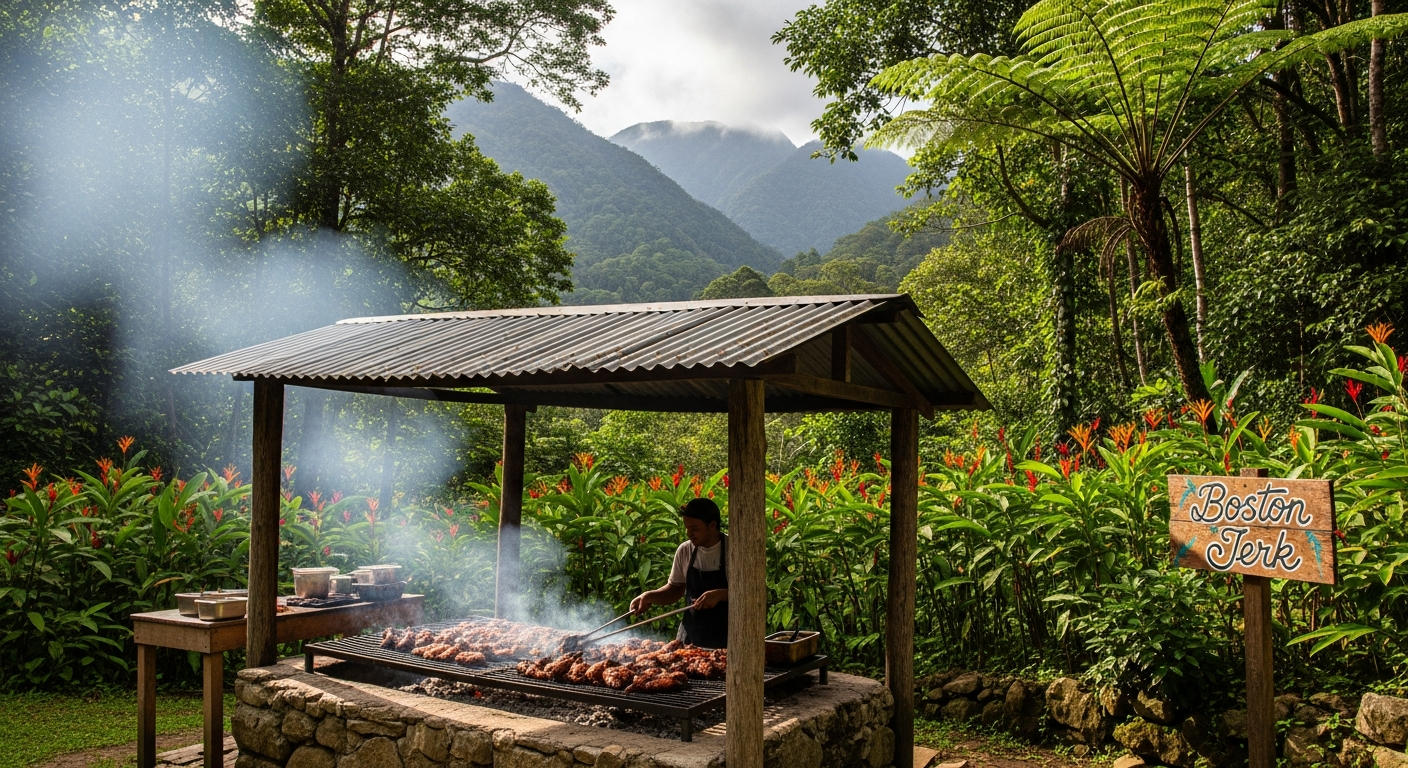
The Portland Jerk Festival, held annually in Boston Bay, Portland Parish, is the spiritual home of jerk festival culture. This event, which began in the 1990s, takes place in the very community where commercial jerk cooking originated, giving it an authenticity that no other jerk festival can claim.
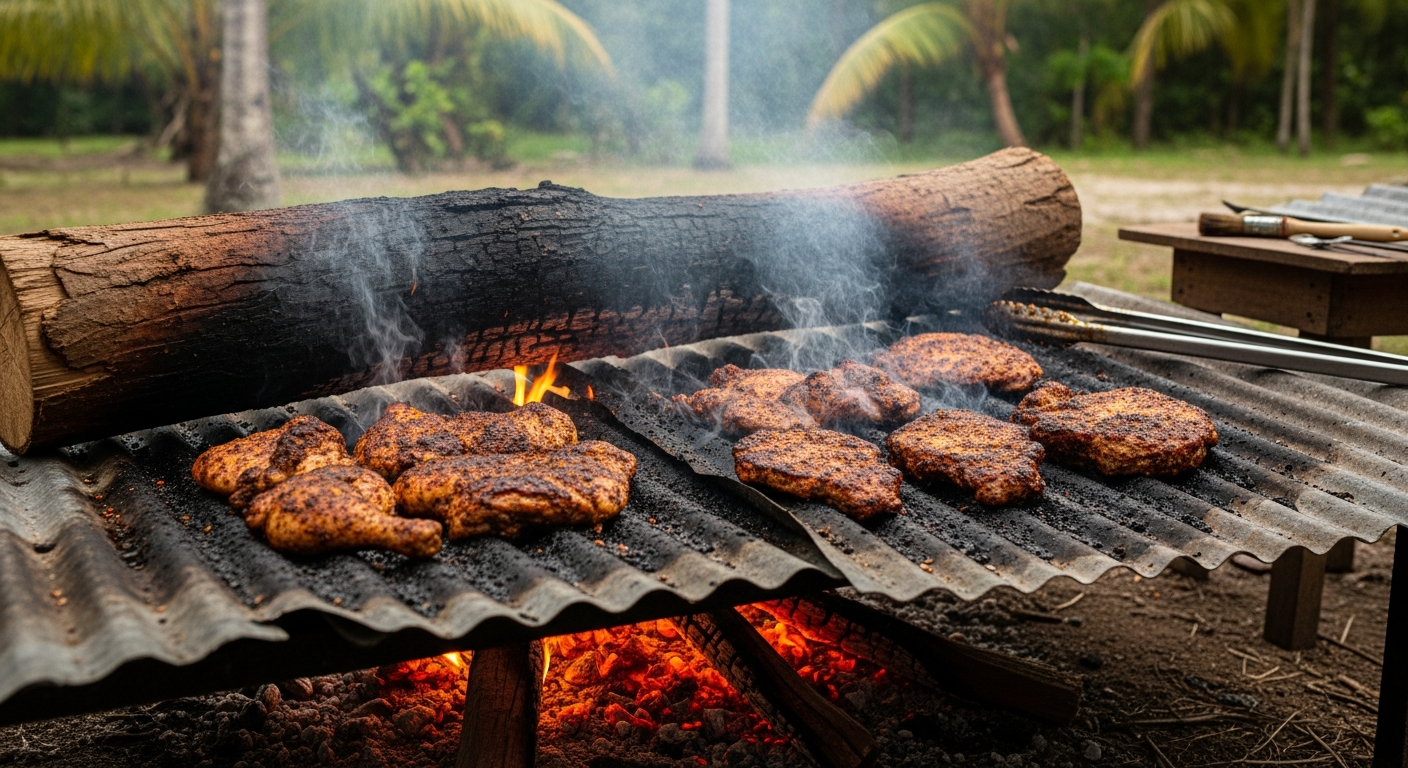
The Portland festival is relatively intimate compared to the massive diaspora events. It features local pit masters cooking over traditional pimento wood pits, live music performances on a main stage, and a relaxed atmosphere that reflects the laid-back character of Portland Parish. Visitors can watch the pit masters at work, sample different preparations, and participate in cooking demonstrations.
What the Portland festival lacks in scale, it makes up for in authenticity. The jerk cooked here is the real thing — prepared by pit masters who learned their craft from their parents and grandparents, using techniques and recipes that have been refined over generations. For serious jerk enthusiasts, attending the Portland Jerk Festival is a pilgrimage, a chance to taste jerk at its absolute best in the place where it was born.
The festival also serves an important economic function for the Portland community. It draws visitors from across Jamaica and increasingly from international destinations, bringing revenue to a parish that is less developed than the major tourist centers on the north coast. The success of the festival has helped Portland establish itself as a culinary tourism destination, with year-round jerk tourism supplementing the annual event.
Grace Jamaican Jerk Festival: The Diaspora Celebration
If the Portland festival is the spiritual home of jerk festival culture, the Grace Jamaican Jerk Festival in New York is its global showcase. Held annually in Roy Wilkins Park in Queens, this massive event draws tens of thousands of attendees and has become one of the premier Caribbean cultural events in North America.
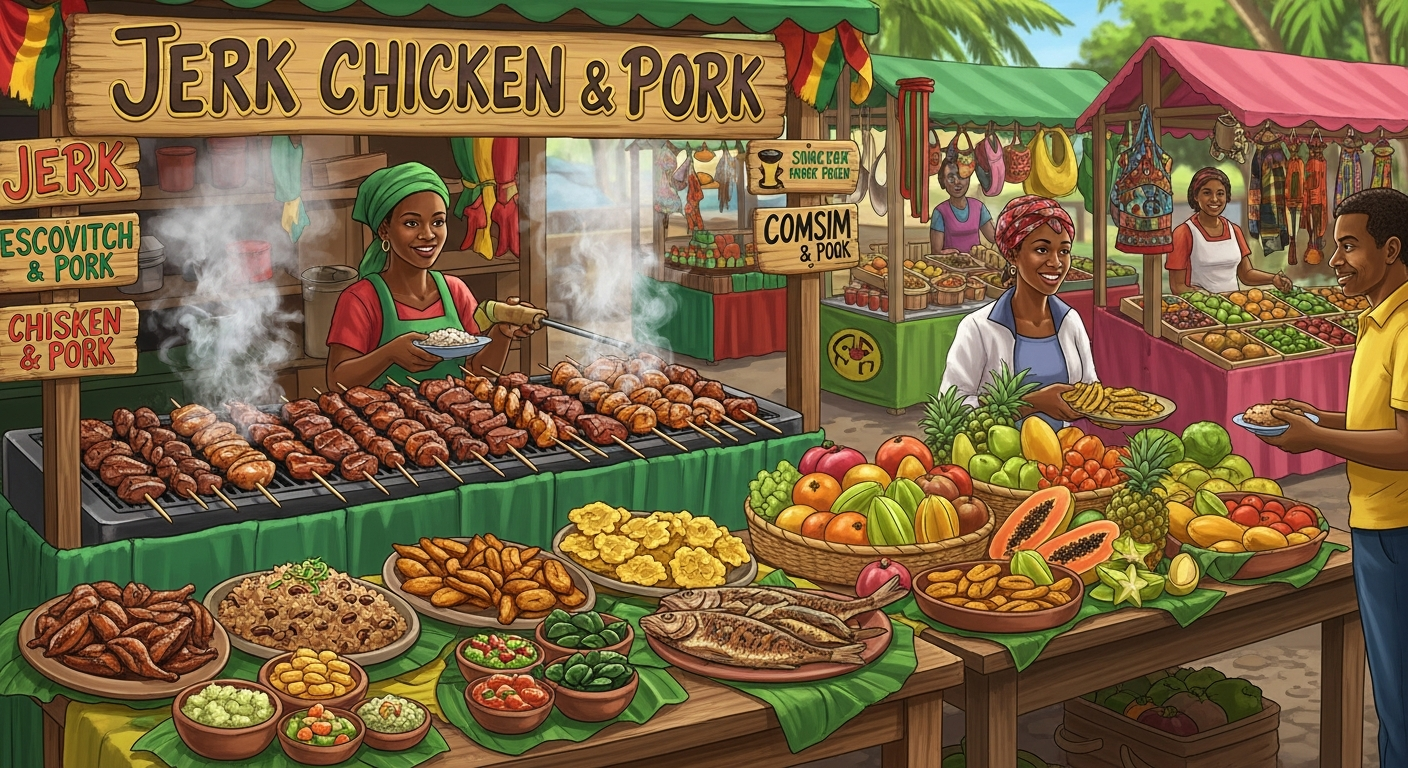
The New York festival is a full sensory experience. Dozens of vendors compete for bragging rights, serving their best jerk preparations to crowds of eager tasters. The cooking competition is fierce, with pit masters from across the Caribbean diaspora bringing their unique interpretations of the tradition. Categories include best jerk chicken, best jerk pork, most creative jerk dish, and best overall, with judges evaluating flavor, texture, presentation, and authenticity.
The music at the New York festival is equally impressive. Major reggae, dancehall, and soca artists perform throughout the day and into the evening, creating a soundtrack that perfectly complements the food. The combination of world-class Caribbean music and exceptional jerk cooking draws a diverse crowd that includes Jamaican diaspora families, food enthusiasts, music lovers, and curious visitors experiencing Caribbean culture for the first time.
Beyond the food and music, the New York festival features cultural demonstrations, cooking classes, a kids' zone, a marketplace selling Caribbean products and crafts, and community organization booths. This breadth of programming reflects the festival's mission to celebrate not just jerk but Caribbean culture as a whole, using food and music as entry points to a broader cultural experience.
Jerk Festivals Around the World
The success of the Portland and New York festivals has inspired jerk festivals in cities around the world, each adapting the format to its local context while maintaining the essential combination of food and music. Toronto hosts the annual Jerk Festival at Centennial Park, drawing from the city's large Caribbean population. London has its own jerk events, often held in conjunction with the Notting Hill Carnival or as standalone celebrations in Brixton and other neighborhoods with Caribbean communities.
In Florida, where a significant Jamaican diaspora population has established itself, multiple jerk festivals operate throughout the year, from large-scale events in Miami and Fort Lauderdale to smaller community gatherings. Atlanta, Houston, and Washington DC have also developed their own jerk festival scenes, reflecting the spread of Caribbean communities across the United States.
These international festivals serve multiple functions. They are commercial events that generate revenue for vendors and organizers. They are cultural celebrations that maintain Caribbean identity in diaspora communities. They are educational opportunities that introduce non-Caribbean people to the richness of Caribbean food and music traditions. And they are community-building events that bring together people who might otherwise be separated by neighborhood, generation, or socioeconomic status.
The proliferation of jerk festivals has also created a competitive circuit of sorts. Top pit masters and jerk restaurants build their reputations through festival competitions, and winning a major jerk festival competition can transform a local vendor into a nationally recognized name. This competitive element drives innovation and quality, pushing pit masters to refine their techniques and develop new interpretations of the tradition.
The Music of Jerk
Music is not an add-on to the jerk festival experience — it is an integral part of it. The relationship between Jamaican food and Jamaican music runs deep, and jerk festivals are one of the most visible expressions of this connection. The rhythms of reggae, dancehall, ska, rocksteady, and soca provide the sonic backdrop against which the jerk experience unfolds.
The music at jerk festivals serves several functions. It creates atmosphere, transforming an outdoor food event into a cultural celebration. It provides entertainment during the inevitable waiting periods as pit masters tend their fires and the slow-cooked meat reaches perfection. And it reinforces cultural identity, connecting the food to the broader Caribbean cultural experience.
Reggae music, with its emphasis on roots, resistance, and community, is particularly well suited to the jerk festival context. Both jerk and reggae emerged from the experience of Jamaican people, both have achieved global reach while maintaining their cultural specificity, and both represent the creative genius of a small island nation whose cultural influence far outweighs its size.
Dancehall and soca bring energy and celebration to the festival atmosphere, encouraging movement and interaction among the crowd. The bass-heavy rhythms of dancehall and the up-tempo drive of soca create an irresistible impulse to dance, and at the best jerk festivals, the crowd moves as one, plates of jerk chicken in hand, celebrating the joy of Caribbean life.
The Future of Jerk Festivals
As jerk festivals continue to grow in popularity and number, they face both opportunities and challenges. The opportunity lies in reaching new audiences, promoting Caribbean culinary tourism, and providing economic opportunities for pit masters and food entrepreneurs. The challenge lies in maintaining authenticity and cultural integrity as events scale up and commercialize.
Some festival organizers are addressing these challenges by including educational components that teach attendees about the history and techniques of jerk cooking. Cooking demonstrations, panel discussions with pit masters, and cultural history presentations help ensure that the festival experience goes beyond consumption and into genuine cultural appreciation.
Technology is also shaping the future of jerk festivals. Social media has become a powerful promotional tool, with Instagram-worthy presentations of jerk dishes driving attendance and awareness. Live streaming of festival performances extends the reach of events beyond their physical boundaries. Online ticket sales and cashless payment systems improve the attendee experience.
The COVID-19 pandemic disrupted the jerk festival circuit, canceling events in 2020 and forcing scaled-down versions in subsequent years. However, the recovery has been strong, with festivals reporting increased attendance as people seek communal experiences and cultural celebrations. The pandemic may have ultimately strengthened the jerk festival movement by reminding people of the value of gathering together around food, music, and shared cultural identity.
Whether you attend a major festival in New York or Kingston, a community event in Toronto or London, or even organize your own jerk party in your backyard, the essence of the jerk festival experience remains the same: great food, great music, and the celebration of a culinary tradition that brings people together across boundaries of geography, generation, and background.