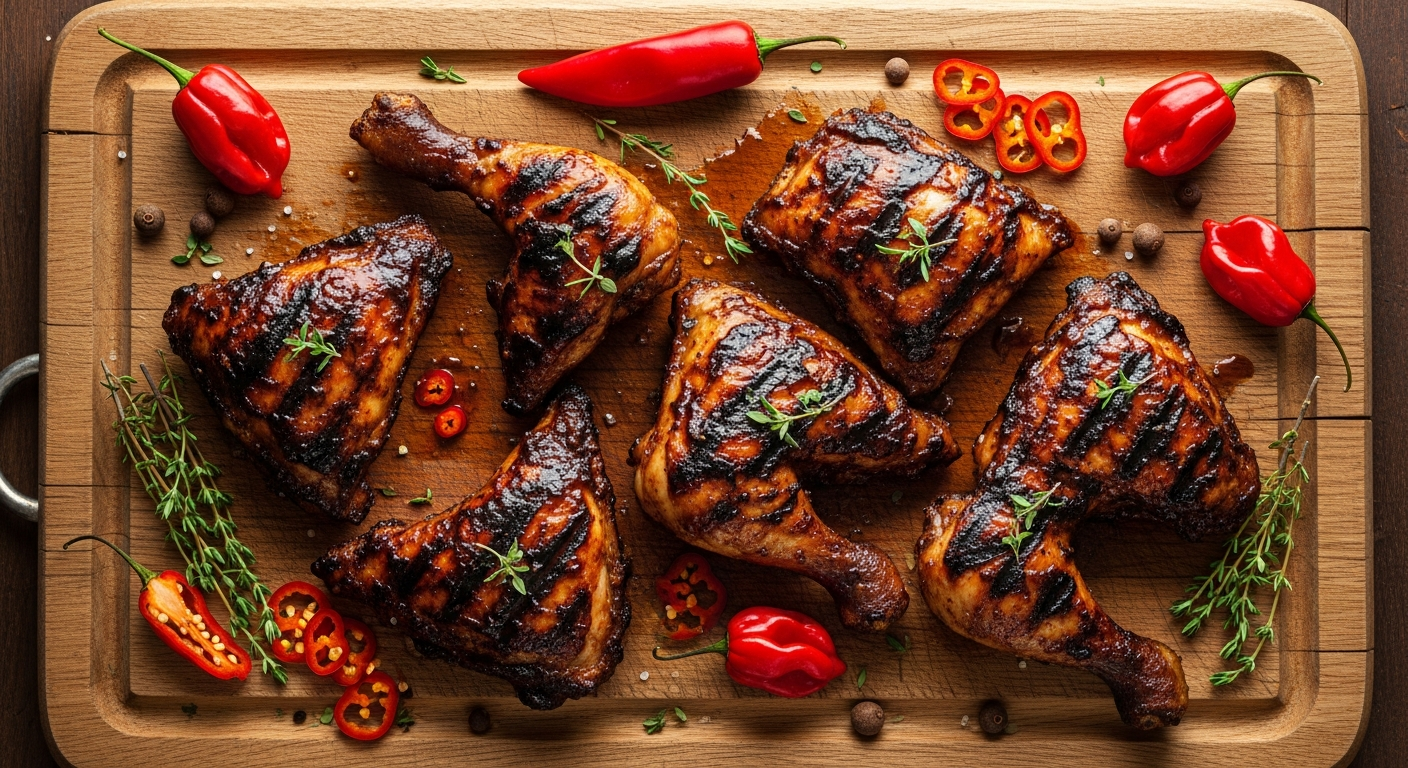
Jerk Tofu: Bold Plant-Based Jamaican Flavor
Jerk tofu is the most versatile plant-based jerk protein — pressed extra-firm tofu absorbs jerk marinade into its porous structure, then chars on a grill or in an oven, producing pieces that are crispy-edged, deeply spiced, and genuinely satisfying. Pressing is the non-negotiable first step.
Why Pressing Tofu Is Non-Negotiable
Fresh tofu is 80–90% water by weight. This water prevents marinade from entering the tofu structure and causes steaming rather than charring during cooking. Pressing removes 30–40% of the water content, opening the tofu's porous protein structure so it can absorb the jerk marinade like a sponge.
To press: place the tofu block on a folded kitchen towel or several layers of paper towels. Cover with another towel and place a heavy flat object (cast iron pan, stack of books) on top. Press for 30 minutes minimum, 1–2 hours ideally. Commercial tofu presses (dedicated devices) are more effective and less messy than the towel method. After pressing, the tofu will be significantly firmer, denser, and visually flatter. See our jerk ingredients guide for notes on tofu as a jerk protein.
Marinating Pressed Tofu
After pressing, cut the tofu into pieces — cubes (1-inch), slabs (½-inch thick), or planks (1-inch thick) depending on intended cooking method. Slabs and planks are better for grilling (more surface contact, less risk of falling through grates). Cubes are better for oven roasting and skillet cooking.
Marinate for 2–8 hours. Unlike seafood, tofu does not denature with extended marinating — it absorbs more flavor over time without texture degradation. The jerk marinade for tofu should include olive oil (helps carry flavors into the porous structure and promotes caramelization) and slightly less citrus than meat marinades. Use the standard jerk marinade recipe with 2 tablespoons oil added. A 4-hour marinade produces excellent flavor penetration throughout the tofu.
Cooking Methods
Grill: Place tofu planks or large slabs directly on an oiled grill grate over medium-high heat. Cook 4–5 minutes per side without moving — the tofu needs to develop a char crust before it will release cleanly from the grate. Use a wide, thin spatula for flipping. The grill method produces excellent char and slight smoky flavor from the marinade caramelizing on the hot grates. See our charcoal grill guide.
Oven: Arrange tofu cubes or slabs on a lightly oiled baking sheet (or better, a wire rack over a baking sheet for more even caramelization). Roast at 400°F for 25–30 minutes, flipping once at the halfway point, until golden-brown and firm on the exterior. The oven method is the most consistent and produces the crispiest exterior.
Cast iron skillet: Heat oil in a cast iron pan over high heat. Add tofu pieces in a single layer without crowding. Cook 3–4 minutes per side until deeply browned. Work in batches. This method is the fastest and produces excellent charred edges.
Air fryer: 375°F for 15–20 minutes, flipping halfway. Produces very crispy exterior with minimal oil. Excellent for weeknight cooking. See our air fryer guide for timing notes.
Serving Jerk Tofu
Jerk tofu works in all the same formats as jerk chicken: in rice bowls over rice and peas, in wraps or tacos, on salads, or as a main alongside traditional Jamaican sides. A drizzle of vegan jerk mayo or a fresh mango salsa over the tofu lifts the presentation and adds a cooling counterpoint to the scotch bonnet heat. For a fully plant-based Jamaican feast, pair with jerk sweet potatoes, jerk cauliflower, and jerk jackfruit.
Frequently Asked Questions
Frequently Asked Questions
What type of tofu is best for jerk cooking?
Can jerk tofu be frozen for better texture?
Is jerk tofu spicy?
How long does jerk tofu last in the refrigerator?
What is the difference between jerk tofu and regular grilled tofu?
Free Newsletter
Get Authentic Jerk Recipes Delivered
Authentic Jamaican recipes, cooking tips, and new guides delivered to your inbox. No spam — unsubscribe any time.
No spam. Unsubscribe anytime.
Complete Guide
Jerk Cooking Methods: Every Technique Compared
Everything you need to know about this topic in one comprehensive guide.
Read the complete guide →Continue Learning
Authority Guides
Related Topics
Recipes & Techniques
Buying Guides
Written by
Jerk Cuisine Specialist
Marcus Thompson has spent over a decade studying Jamaican culinary traditions, from the jerk pits of Boston Bay to home kitchens across the Caribbean diaspora.
View full bio