The Great Debate: Jerk Pork or Jerk Chicken?
The question of jerk pork or jerk chicken is one that has sparked friendly arguments at Caribbean dinner tables, jerk stands, and food festivals for generations. Both proteins have deep roots in Jamaican culinary tradition, both respond beautifully to jerk seasoning, and both have passionate advocates who insist their preferred version is the superior choice. But the two dishes are more different than many people realize, and understanding those differences will help you appreciate each one on its own merits.
Historically, jerk pork came first. The Maroon people of Jamaica, the escaped enslaved Africans who developed jerk cooking in the Blue Mountains during the 17th century, originally applied their seasoning and smoking techniques to wild boar. Chicken was a later adaptation that emerged as the technique spread beyond the Maroon communities and into broader Jamaican cuisine. So while jerk chicken may be more popular and more widely known today, jerk pork has the deeper historical claim.
Flavor Profile: How Jerk Pork and Chicken Differ
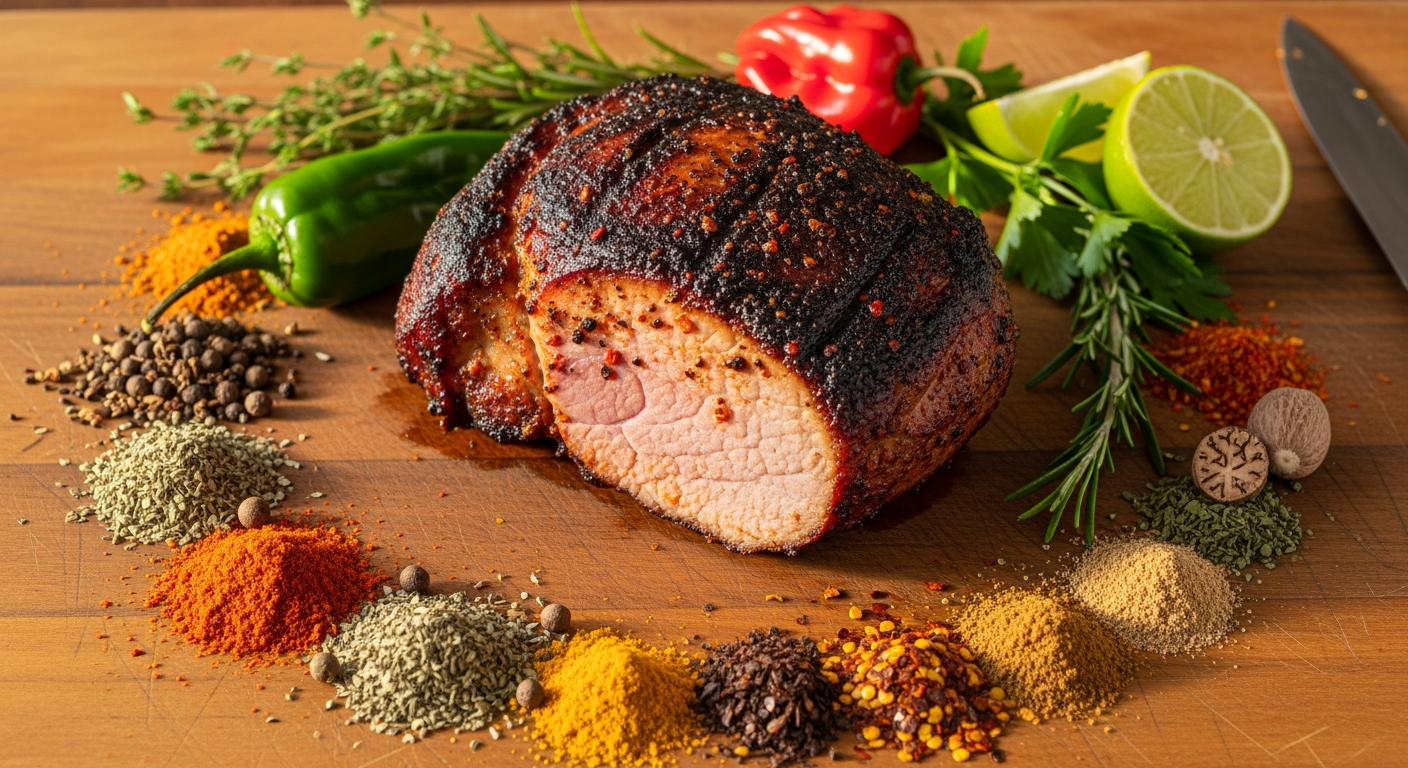
The fundamental flavor difference between jerk pork and jerk chicken comes down to the character of the meat itself and how it interacts with the jerk marinade. Pork has a naturally richer, slightly sweeter flavor than chicken, with a higher intramuscular fat content that creates a more luxurious mouthfeel. When this richness meets the bold spices of jerk seasoning, the result is an intensely flavored, deeply satisfying dish where the pork and the seasoning amplify each other.
Chicken, particularly dark meat, has a milder, more neutral flavor that allows the jerk seasoning to take center stage. Where jerk pork is a duet between the meat and the spice, jerk chicken is more of a solo performance by the marinade with the chicken providing the stage. This is not a criticism of chicken. In fact, many people prefer jerk chicken precisely because the jerk flavors come through more cleanly without competition from the protein.
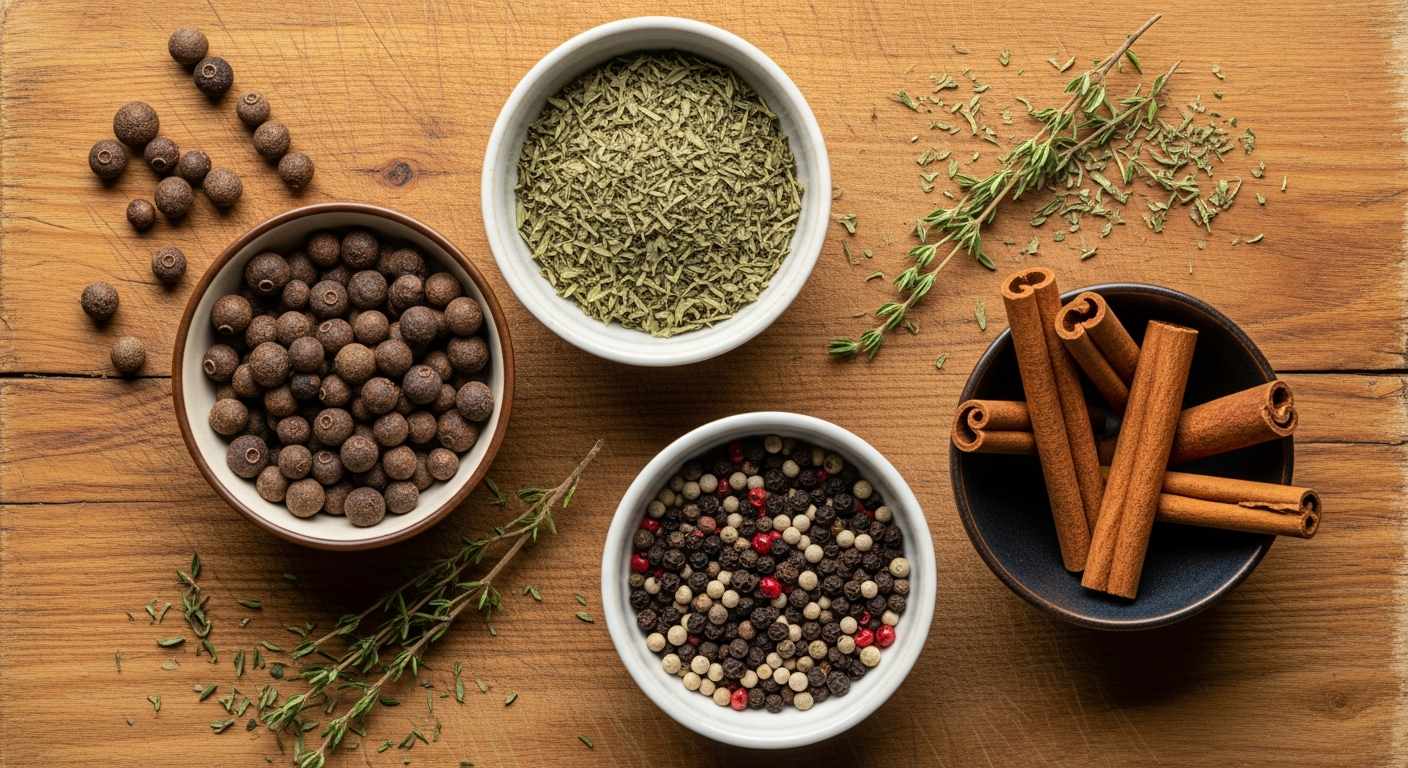
The fat content of pork also affects how the jerk flavors develop during cooking. As pork fat renders over the heat, it bastes the meat from within, carrying fat-soluble flavor compounds from the allspice, thyme, and other spices deeper into the flesh. The rendered fat also drips onto the coals, vaporizes, and rises back up to coat the meat with smoky, spicy vapor. This self-basting effect is more pronounced in pork than in the leaner chicken.
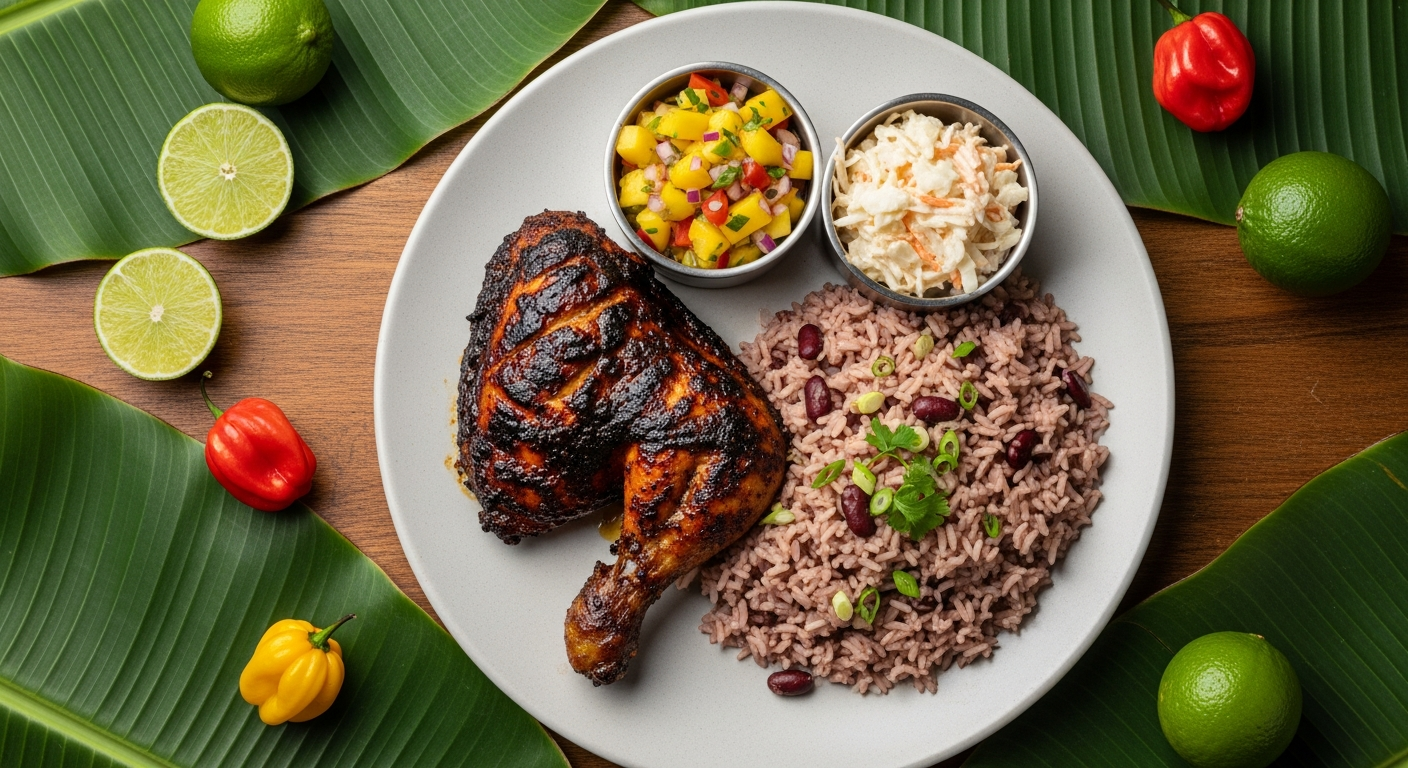
Texture is another key differentiator. Well-cooked jerk pork has a pull-apart tenderness that comes from the breakdown of collagen in the connective tissue during the low-and-slow cooking process. Jerk chicken, particularly the bone-in thighs and drumsticks that are traditional, has a firmer bite with a clear distinction between the charred, spicy skin and the tender, juicy meat beneath. Both textures are appealing, but they deliver fundamentally different eating experiences.
Cooking Methods: Different Approaches for Different Proteins
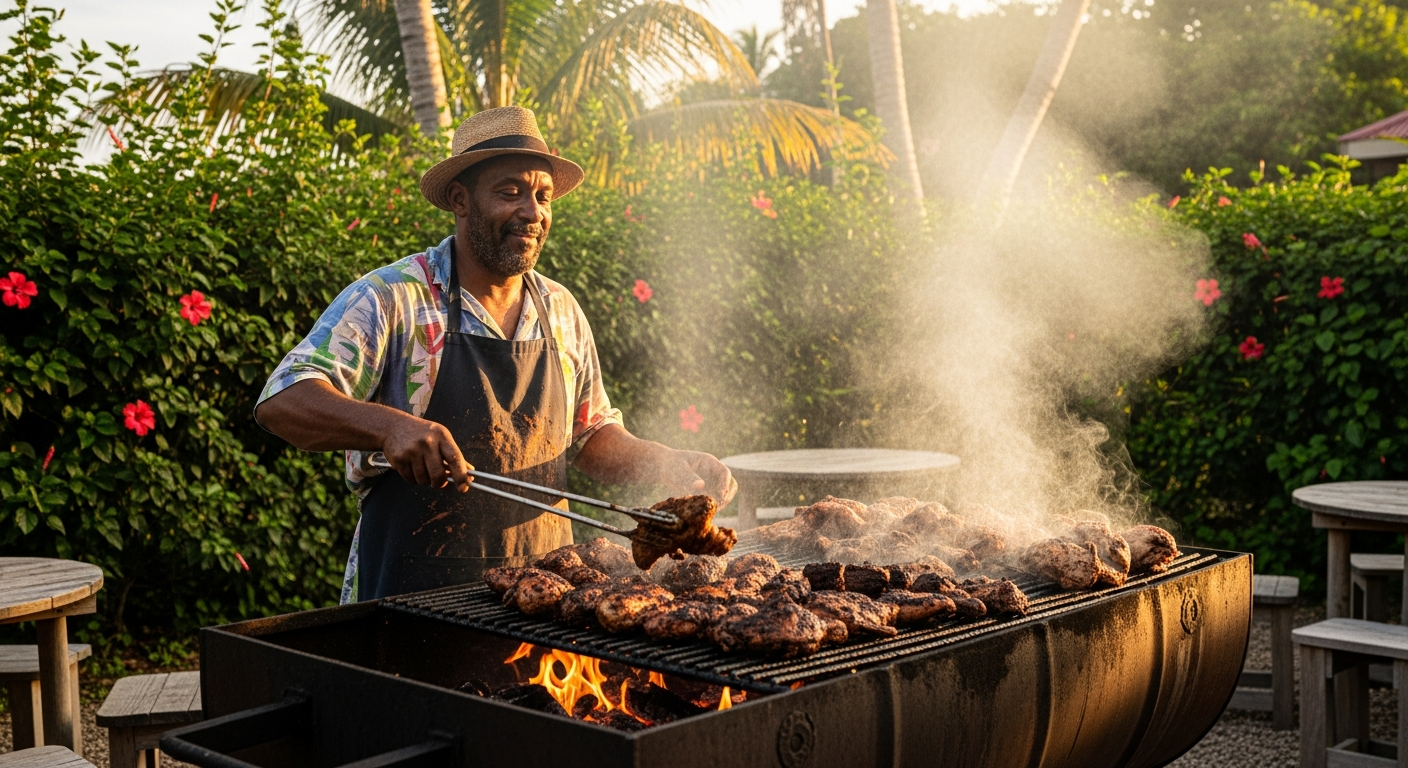
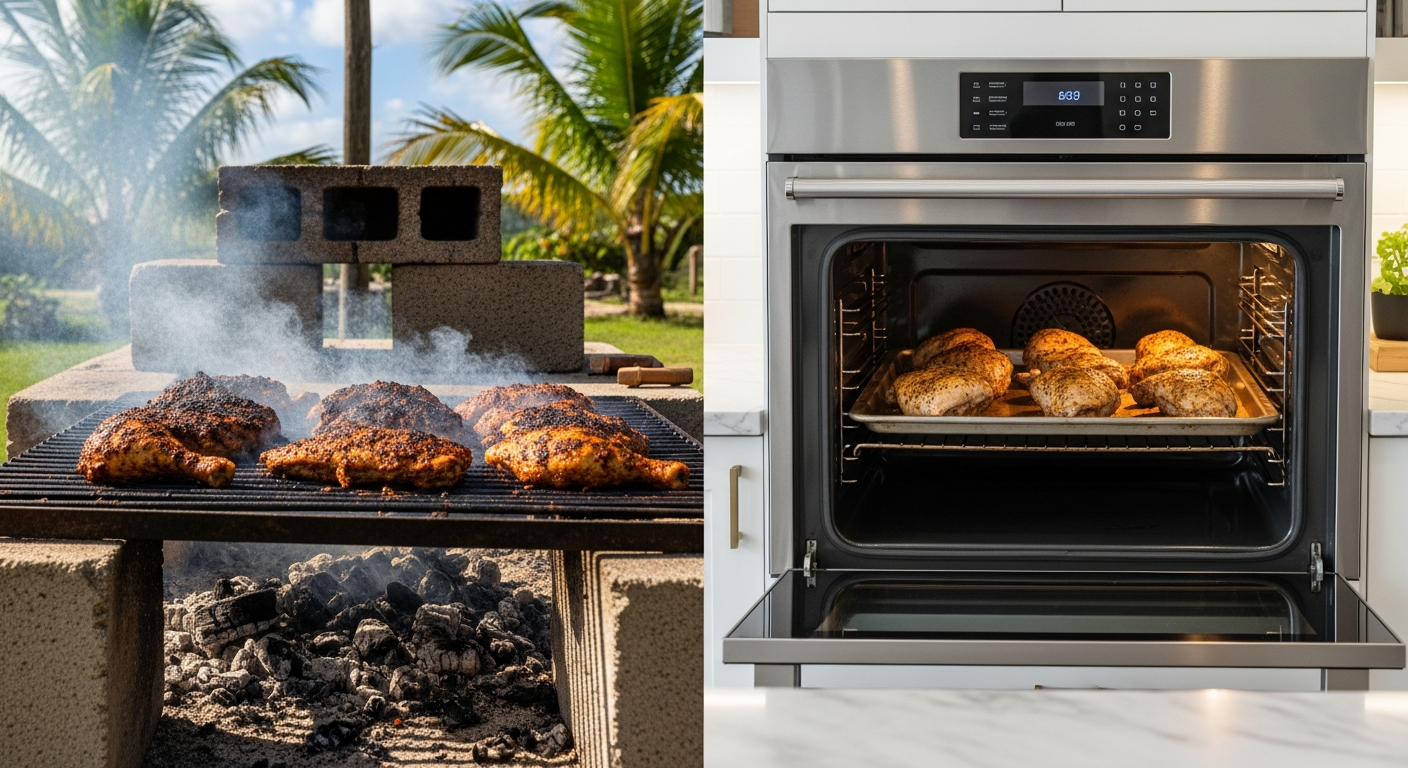
The ideal cooking method for jerk pork and jerk chicken differs significantly, which is one reason why many jerk stands specialize in one or the other rather than offering both. Jerk pork benefits from a longer, slower cook that allows the connective tissue to break down and the fat to render completely. Traditional jerk pork is cooked for three to four hours at moderate temperatures, often covered with sheets of zinc or banana leaves to create an oven-like environment on the grill.
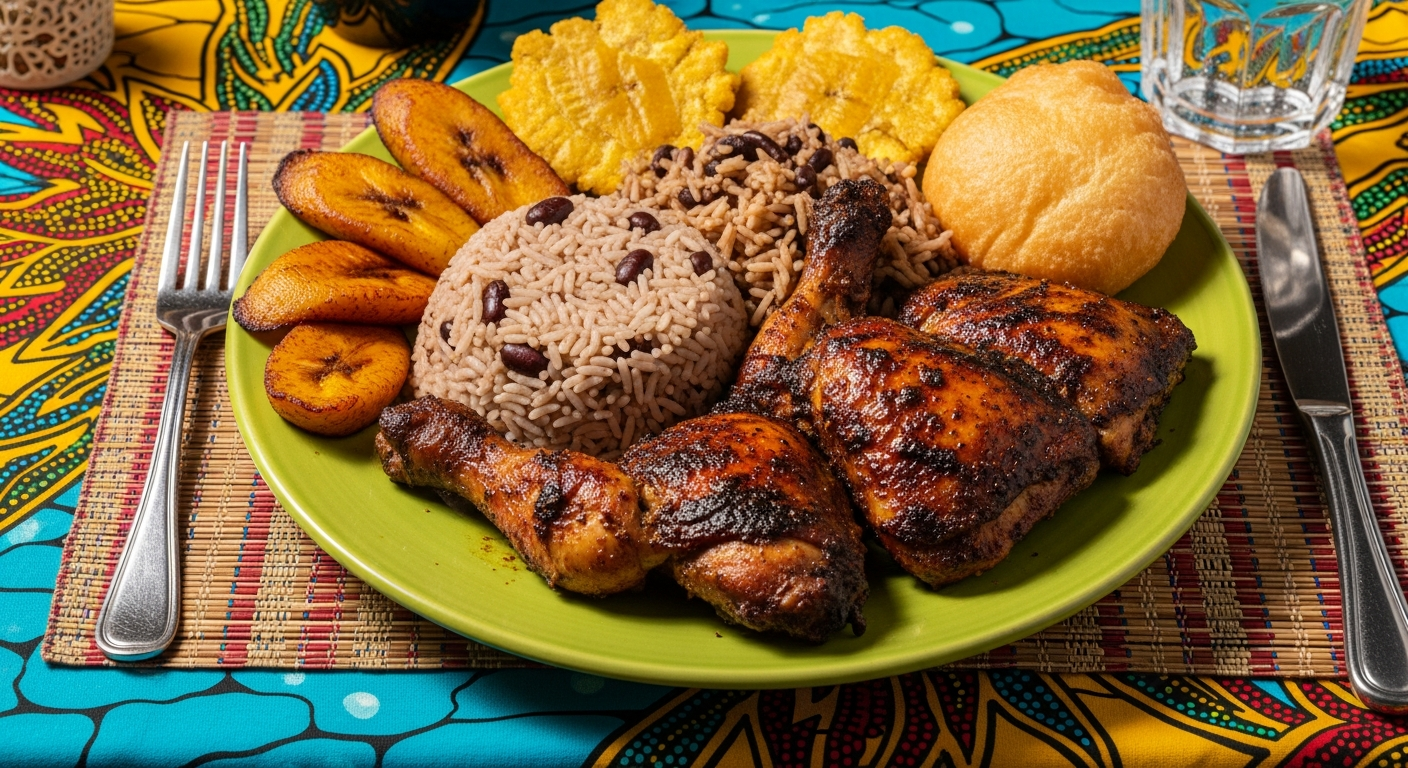
Jerk chicken cooks much faster, typically sixty to ninety minutes for bone-in pieces at a slightly higher temperature. The goal with chicken is to develop a charred, crispy skin while keeping the interior moist and juicy, which requires more active heat management than the patient, low-and-slow approach of pork. Chicken also benefits from more frequent basting to prevent the leaner meat from drying out.
The best cuts for jerk pork are shoulder (also called Boston butt), which has abundant fat and connective tissue for maximum flavor and tenderness, and loin chops, which cook faster and offer a leaner option with good flavor. For chicken, bone-in thighs and drumsticks are the traditional and generally preferred cuts, though whole chickens that have been spatchcocked (butterflied) are spectacular when done well.
Marination Differences
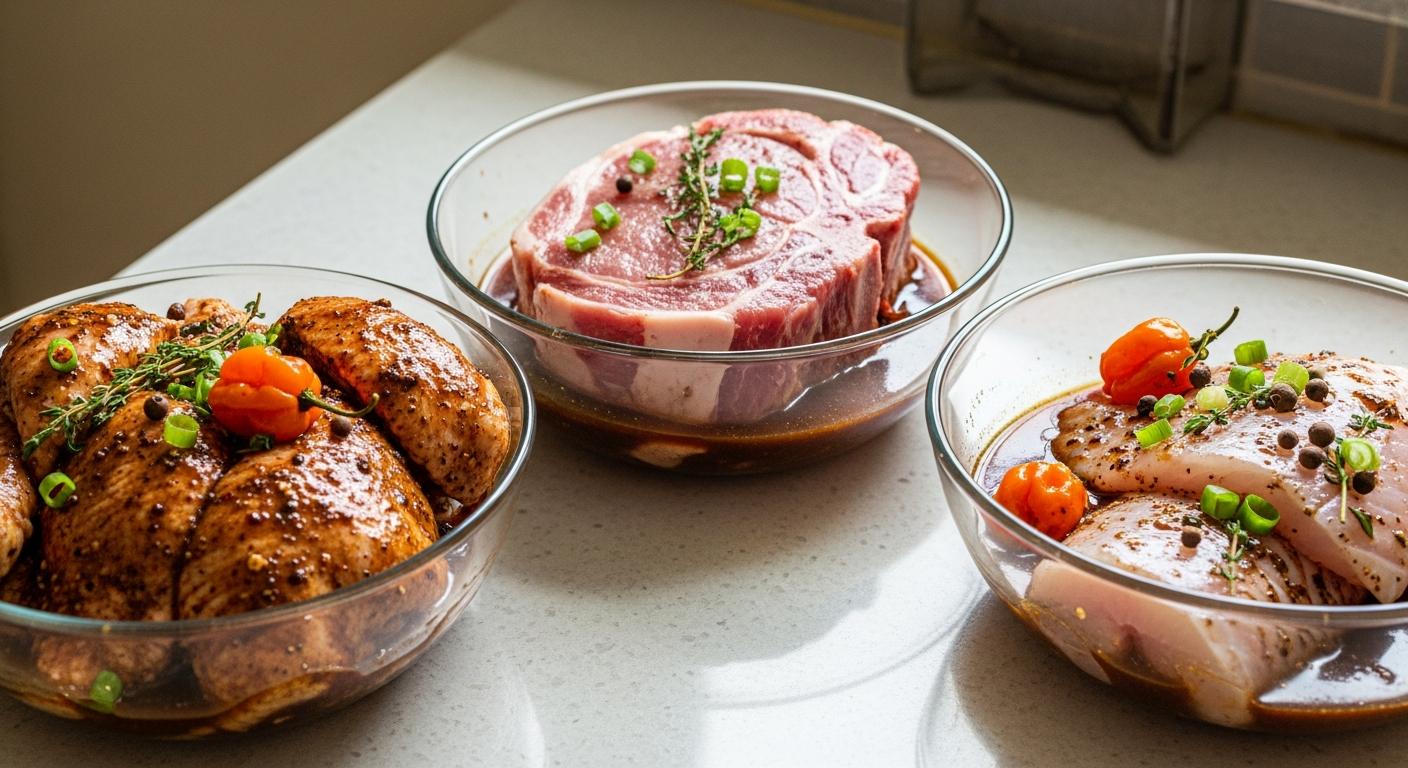
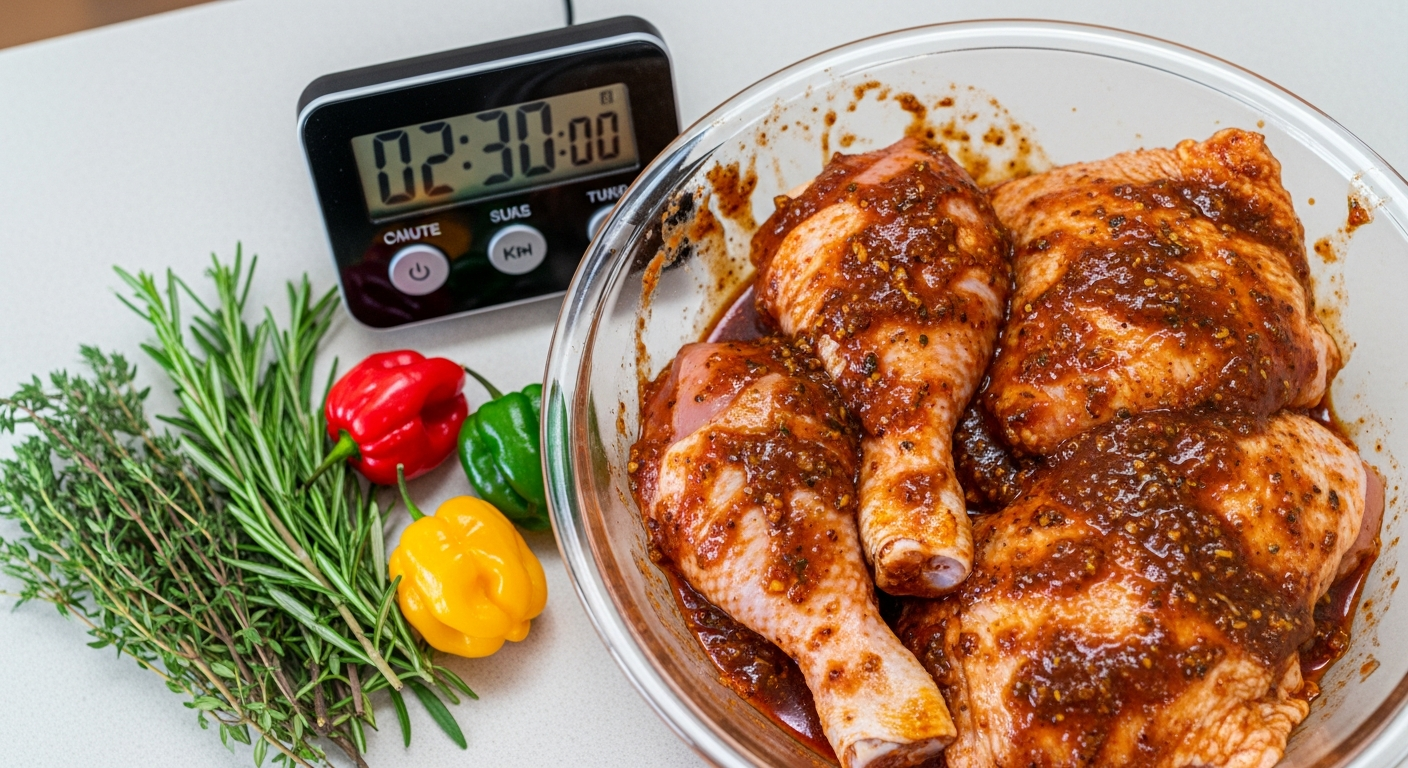
Both proteins benefit from extended marination, but the timing and technique vary. Pork, with its denser muscle fibers and higher fat content, can handle longer marination times than chicken. Pork shoulder can safely marinate for up to 48 hours, and many experienced cooks consider 24 hours the minimum for this cut. The extended time allows the salt and spices to penetrate through the thick, fatty meat to reach the center.
Chicken is more delicate and should not marinate for more than 24 hours for bone-in pieces or 12 hours for boneless cuts. The acid in the jerk marinade will begin to break down the chicken's protein structure past these points, resulting in a soft, mushy texture. Scoring the chicken deeply before marinating helps the flavors penetrate faster without requiring extended marination times.
Some cooks adjust their marinade recipe depending on whether they are preparing pork or chicken. Jerk pork marinades often include slightly more sugar and soy sauce to complement the natural sweetness of the pork and enhance browning on the longer cook. Jerk chicken marinades may use more lime juice and fresh herbs to brighten the lighter-flavored meat.
Nutritional Comparison
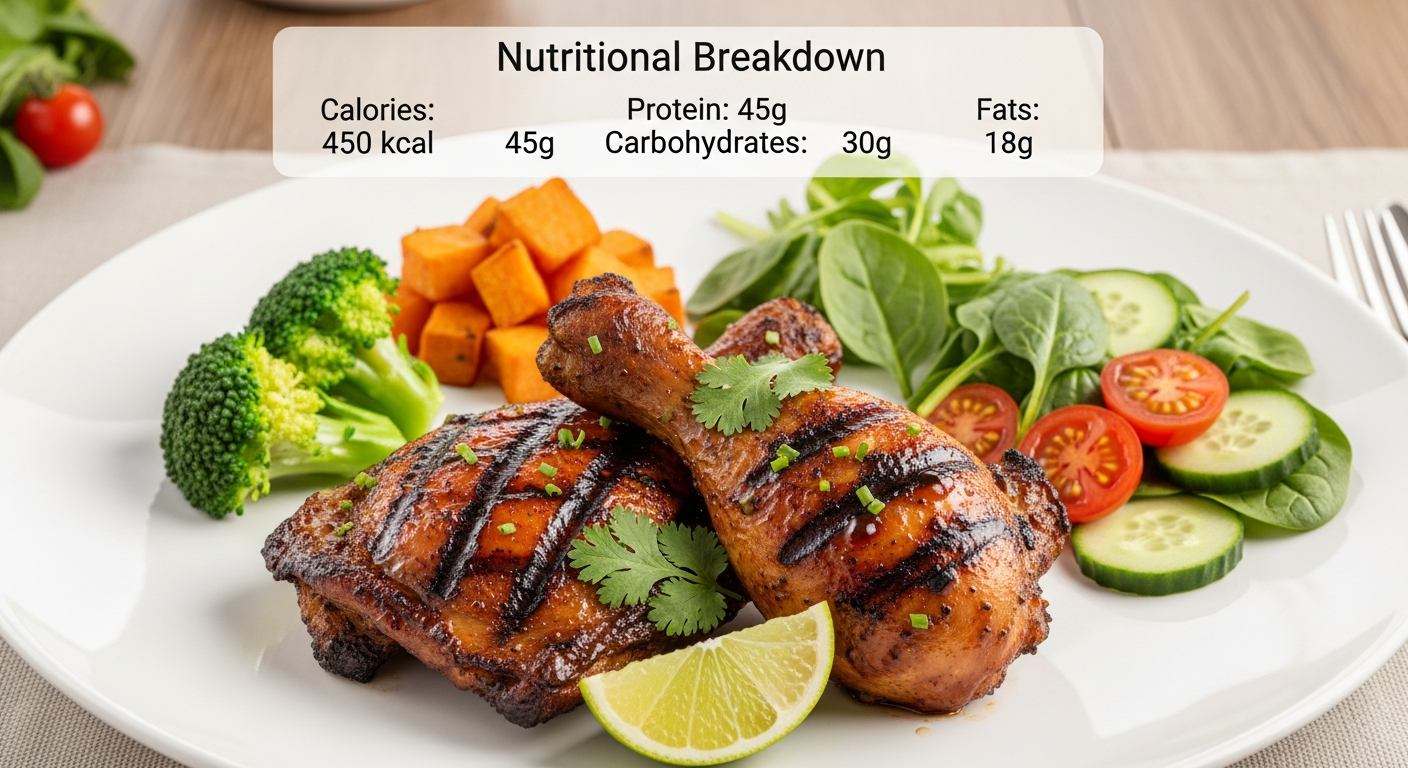
For health-conscious eaters, the nutritional differences between jerk pork and jerk chicken may influence the decision. A six-ounce serving of grilled jerk chicken thigh with skin provides approximately 280 calories, 38 grams of protein, and 12 grams of fat. The same size serving of jerk pork shoulder contains roughly 340 calories, 32 grams of protein, and 20 grams of fat.
Chicken is the leaner option with more protein per calorie, making it the better choice for those watching their fat intake or following a high-protein diet. However, pork provides more iron, zinc, and B vitamins per serving, making it the more micronutrient-dense option. Both are excellent sources of complete protein and can fit comfortably into a balanced diet.
The marinade itself contributes minimally to the calorie count of either version. The primary caloric differences come from the inherent fat content of the meat and the cooking method used. Grilling allows excess fat to drip away from both proteins, making it the healthiest cooking option for either jerk pork or jerk chicken.
Cultural and Regional Preferences
In Jamaica, regional preferences for jerk pork or jerk chicken often follow geographic lines. In Portland Parish, home to Boston Bay and the traditional heartland of jerk cooking, pork is often preferred and is considered the more authentic choice. The Maroon communities in the Blue Mountains maintain a strong tradition of pork jerk that connects to the original wild boar preparations of their ancestors.
In Kingston and the more urbanized areas of Jamaica, chicken tends to be more popular. It is faster to cook, more affordable, and arguably more accessible to a wider range of palates. Street-side jerk chicken is a ubiquitous sight in Kingston, served from modified oil drum grills on nearly every busy corner.
Outside of Jamaica, jerk chicken is far more widely known and available. This is partly because chicken is the more universally consumed protein worldwide and partly because the faster cooking time makes it more practical for restaurant service. Many people who consider themselves fans of jerk cooking have never tried jerk pork, which is a shame because they are missing one of the great dishes in Caribbean cuisine.
The Verdict: Why Not Both?
The honest answer to the jerk pork or jerk chicken question is that both are exceptional dishes that showcase the versatility of jerk seasoning in different ways. Jerk pork offers richness, depth, and a connection to the original traditions of Maroon cooking. Jerk chicken offers clean, bright jerk flavors, quicker preparation, and lower calorie content.
If you are new to jerk cooking, start with chicken. It is more forgiving of technique errors, cooks faster, and delivers the jerk flavor experience most people are looking for. The shorter cooking time means you can practice and refine your approach without investing half a day in each attempt.
If you are an experienced jerk cook looking to deepen your skills and understanding, tackle jerk pork. The longer cooking time, the fat management, and the patience required to achieve pull-apart tenderness will teach you things about jerk cooking that chicken simply cannot. And the reward, when you pull apart that first piece of perfectly cooked jerk pork and taste the smoky, spicy, impossibly tender meat, is one of the great experiences in Caribbean cooking.
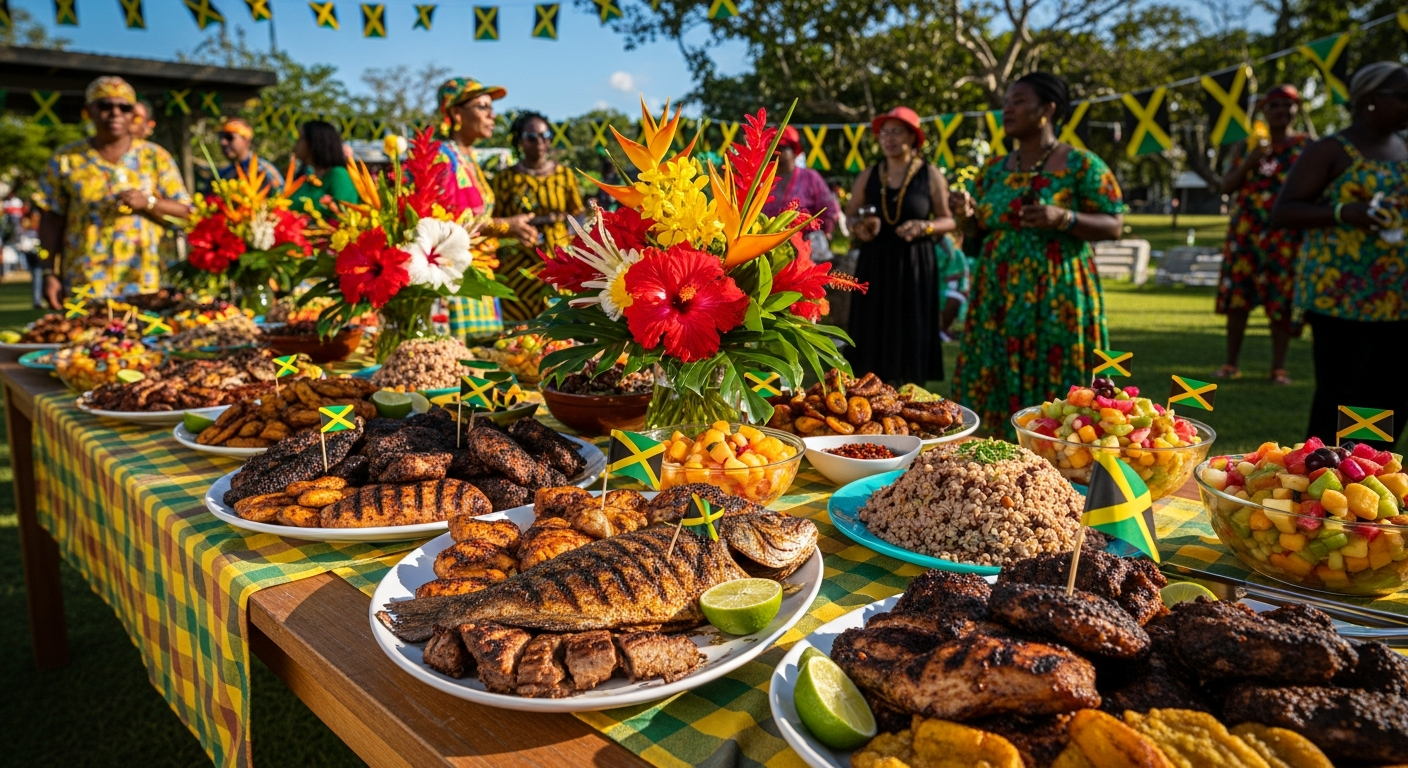
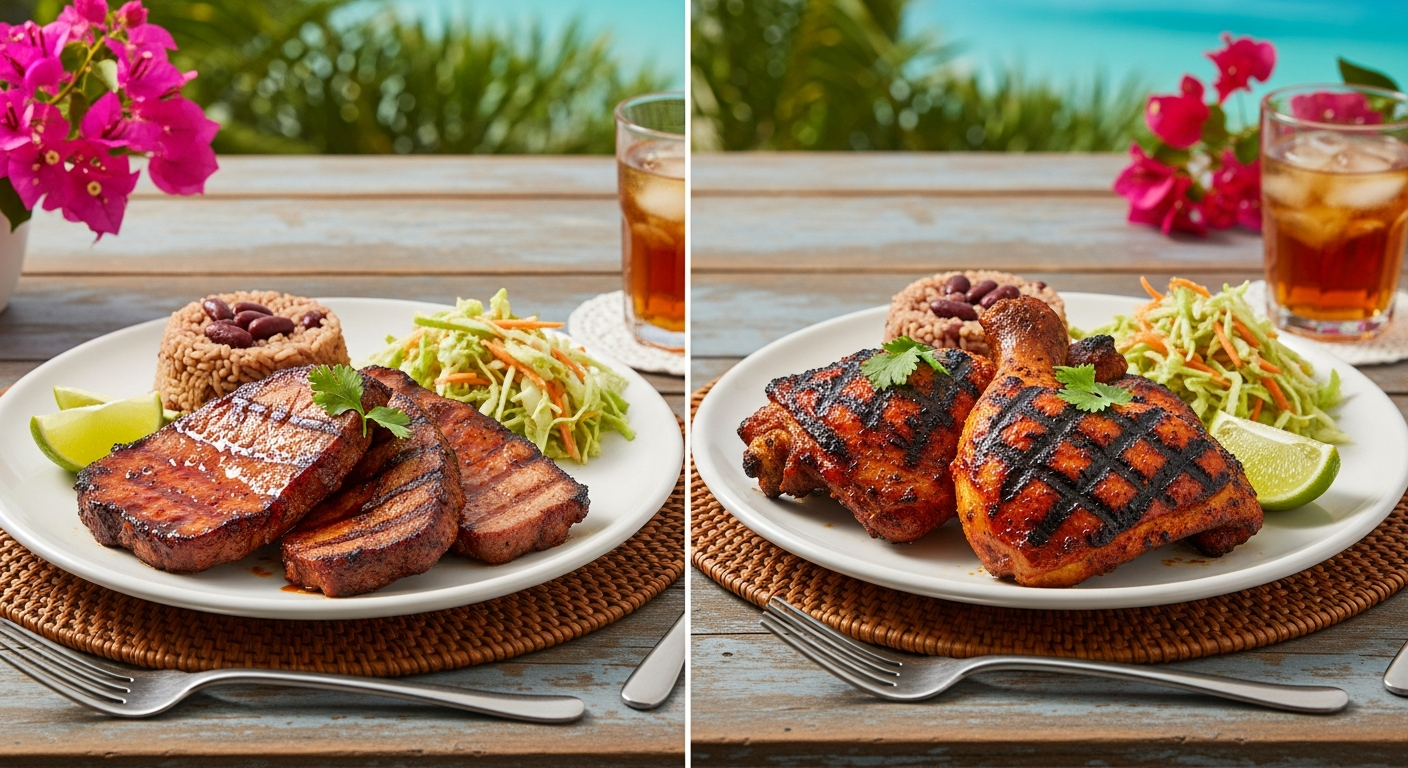
For the ultimate jerk experience, serve both at your next cookout. Let your guests taste the differences side by side and form their own opinions. You will find that the debate is part of the fun, and that both proteins earn passionate advocates among your friends and family. In the end, the best jerk is the one that brings people together around good food, lively conversation, and the shared appreciation of a culinary tradition that has been bringing joy to tables for centuries.