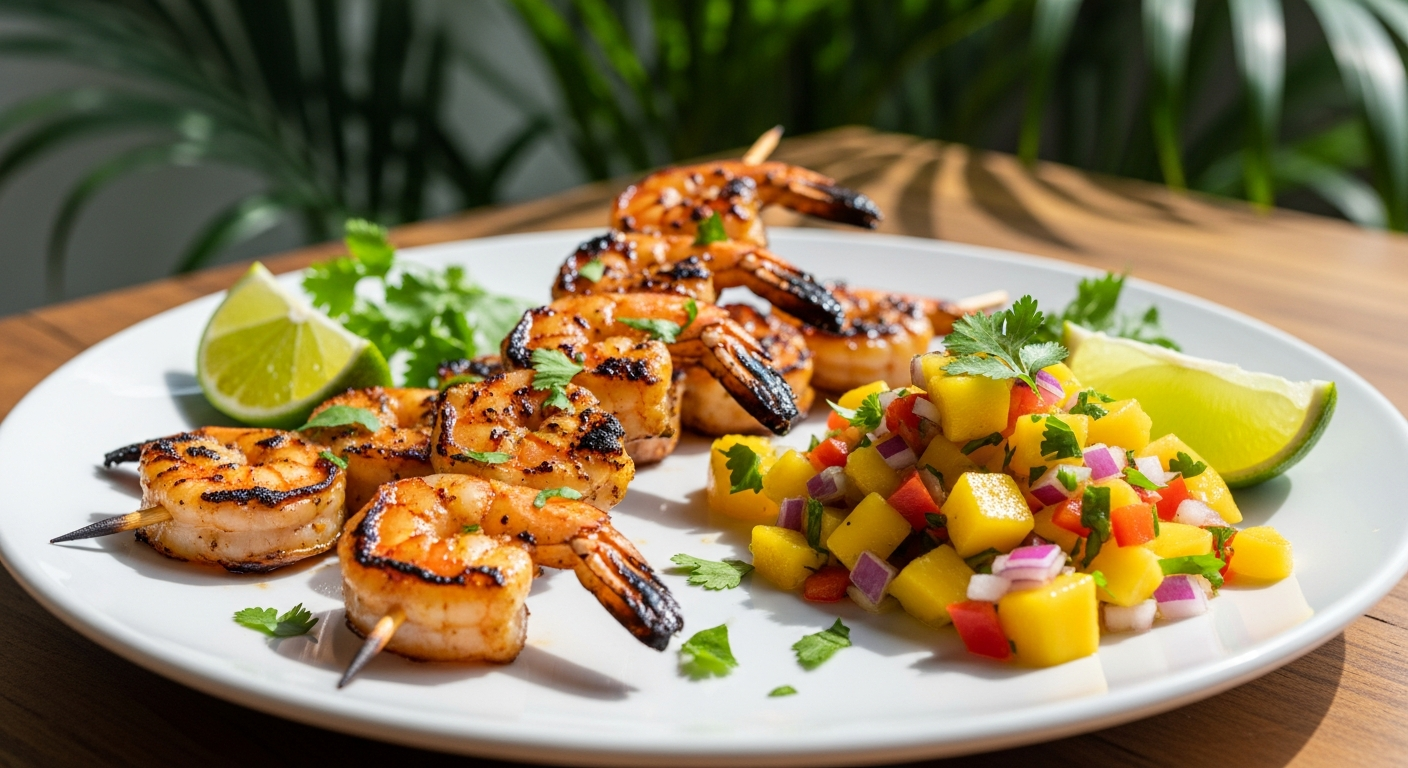
Jerk Mahi-Mahi: Tropical Fish with Jamaican Heat
Mahi-mahi (dolphinfish) has the firm texture and mild sweetness to hold up to jerk marinade without falling apart or being overwhelmed. Its natural ocean habitat overlaps with Jamaica's waters, making it a genuinely Caribbean choice for jerk seafood. Grill at high heat to 145°F and pair with mango salsa for a naturally complementary tropical combination.
Why Mahi-Mahi Suits Jerk Cooking
Mahi-mahi is one of the best jerk fish choices available outside Jamaica because of its textural properties. Its dense, firm flesh does not fall apart on the grill the way delicate fish like tilapia or sole would, and it holds its shape through the high-heat sear that caramelizes the jerk marinade. The moderate fat content (more than cod, less than salmon) means the marinade penetrates the surface effectively without the rapid over-penetration that affects very lean fish. The flavor of mahi-mahi is mild and sweet with a slight oceanic depth — a clean backdrop that allows the scotch bonnet and allspice to be the stars of the dish.
Mahi-mahi is also genuinely Caribbean — it inhabits warm tropical Atlantic waters, including the waters around Jamaica. Using mahi-mahi for Jamaican jerk is a culturally authentic choice, not just a practical substitute. The complete best fish for jerk guide compares mahi-mahi to all other available species.
Buying Mahi-Mahi
Mahi-mahi is available fresh at most seafood counters, year-round as frozen, and at fish markets. For jerk, choose fillets 6–8 oz each, approximately 1 inch thick — thinner fillets (under 3/4 inch) will overcook before the marinade caramelizes. The flesh should be firm to the touch and pinkish-white or beige in color; avoid any with brownish discoloration or a strong ammonia smell. See the jerk seafood guide for fish freshness and sourcing guidance.
Marinade and Timing
Marinate mahi-mahi for 20–40 minutes maximum. Its firm texture absorbs marinade more slowly than shrimp but faster than pork — 30 minutes produces excellent surface flavor penetration without the texture degradation that longer citrus marinades cause. For a 1-inch mahi fillet: use the standard jerk paste (3 scotch bonnets, 4 allspice berries ground, 3 garlic cloves, 2 green onions, 1 tablespoon thyme, soy sauce, rum, lime, oil — see the marinade recipe) plus 1 teaspoon brown sugar to promote caramelization on the white fish surface. Pat fillets dry before marinating and again after marinating for better char formation.
Cooking Jerk Mahi-Mahi
Grill: Oil the grate. Place fillets presentation-side down over direct high heat (450°F). Cook 4–5 minutes without moving — the fillet will release when properly seared. Flip carefully using two spatulas for support. Cook 3–4 minutes more to 145°F internal temperature. The flesh should be opaque throughout and flake into large, moist pieces with gentle fork pressure.
Oven: Preheat to 425°F. Place fillets on a lightly oiled baking sheet or cast iron. Roast 10–12 minutes until 145°F. Broil the final 2 minutes for additional caramelization.
Blackened: A cast iron skillet heated until smoking over high heat, 3–4 minutes per side, produces excellent results. The "blackened" technique — deep, dark caramelization of the spice coating — works particularly well with jerk mahi-mahi because the jerk marinade is already a spice paste that blackens beautifully without burning.
Serving Jerk Mahi-Mahi
Mahi-mahi's natural sweetness pairs especially well with tropical fruit — mango salsa and pineapple salsa are both classic companions. The sweet-heat combination of jerk mahi-mahi with mango salsa is one of the definitive Caribbean flavor pairings. Serve over coconut rice with black beans, sliced avocado, lime crema, and garnish with fresh scotch bonnet (or jalapeño for heat-averse guests) and cilantro. Traditional Jamaican sides work equally well.
Frequently Asked Questions
Frequently Asked Questions
Is mahi-mahi good for jerk fish tacos?
How long to cook jerk mahi-mahi on a grill?
Can I freeze and reheat jerk mahi-mahi?
What is the difference between mahi-mahi and swordfish for jerk?
Does mahi-mahi need to be skinned for jerk cooking?
Free Newsletter
Get Authentic Jerk Recipes Delivered
Authentic Jamaican recipes, cooking tips, and new guides delivered to your inbox. No spam — unsubscribe any time.
No spam. Unsubscribe anytime.
Complete Guide
Jerk Seafood Guide: Shrimp, Fish, Lobster & More
Everything you need to know about this topic in one comprehensive guide.
Read the complete guide →Continue Learning
Authority Guides
Related Topics
Recipes & Techniques
Written by
Jerk Cuisine Specialist
Marcus Thompson has spent over a decade studying Jamaican culinary traditions, from the jerk pits of Boston Bay to home kitchens across the Caribbean diaspora.
View full bio