Mastering heat in jerk cooking is the skill that separates weekend grillers from accomplished Caribbean cooks. Heat control affects everything: the depth of smoke penetration, the tenderness of the meat, the crispness of the exterior crust, and the development of the complex Maillard flavors that make properly cooked jerk irresistible. Understanding how to manage, measure, and manipulate heat at every stage of the cooking process is the most important technical skill in jerk cooking.
Understanding Heat Sources
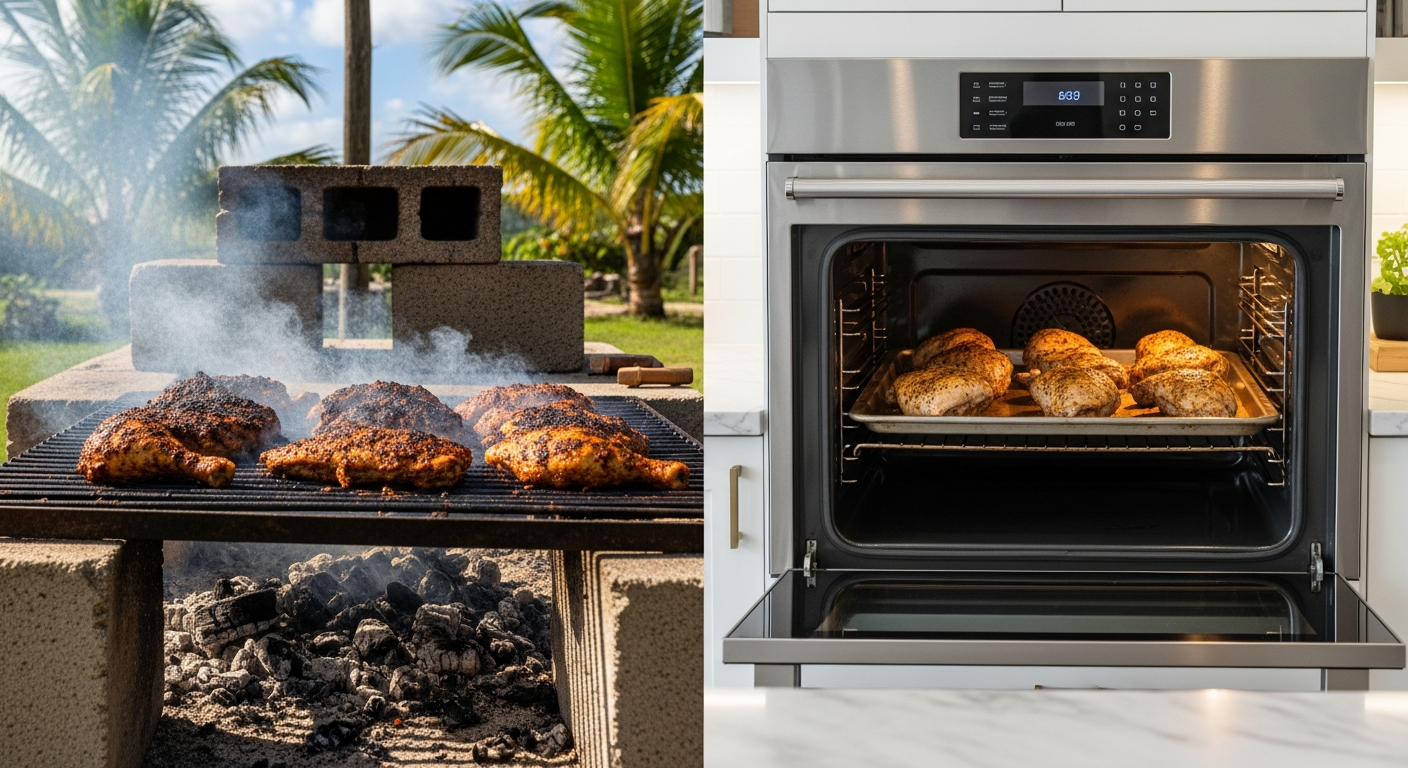
In jerk cooking, heat comes from three sources simultaneously: radiant heat from the coals, conductive heat from the grill grate, and convective heat from hot air and smoke circulating inside the covered grill. Each type of heat affects the meat differently, and managing all three is the key to consistent results.
Radiant heat is the infrared energy that radiates directly from the glowing coals. It is the most intense heat source and is responsible for the charring and caramelization on the meat surface closest to the fire. Radiant heat intensity follows the inverse square law — doubling the distance from the coals reduces the heat to one quarter. This is why raising and lowering the grill grate even a few inches has a dramatic effect on cooking speed.
Conductive heat transfers directly through the metal grill grate to the meat. The grate marks on your jerk chicken — those dark, charred lines — are produced by conductive heat. A well-preheated, heavy cast-iron grate produces deeper grate marks than a thin stainless steel grate because it stores more thermal energy.
Convective heat is the hot air circulating inside the closed grill. When the lid is down, the grill functions like an oven, with hot air moving around the food and cooking it from all sides. Convective heat is the gentlest of the three and is the primary cooking mechanism for indirect-heat jerk cooking.
Charcoal Temperature Management
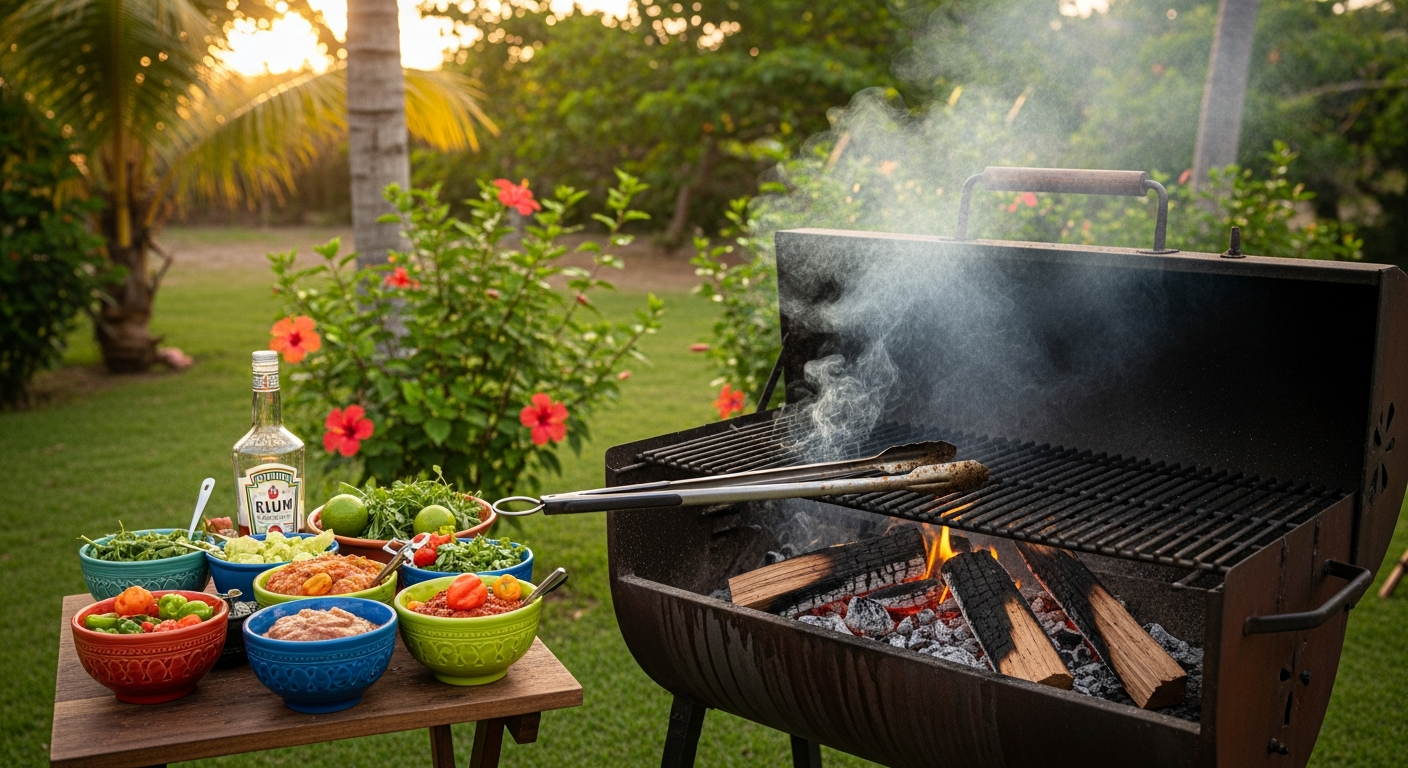
For charcoal grills, temperature control begins with the amount of charcoal used and continues with vent management throughout the cook. More charcoal equals more heat potential, but the vents determine how much of that potential is realized.
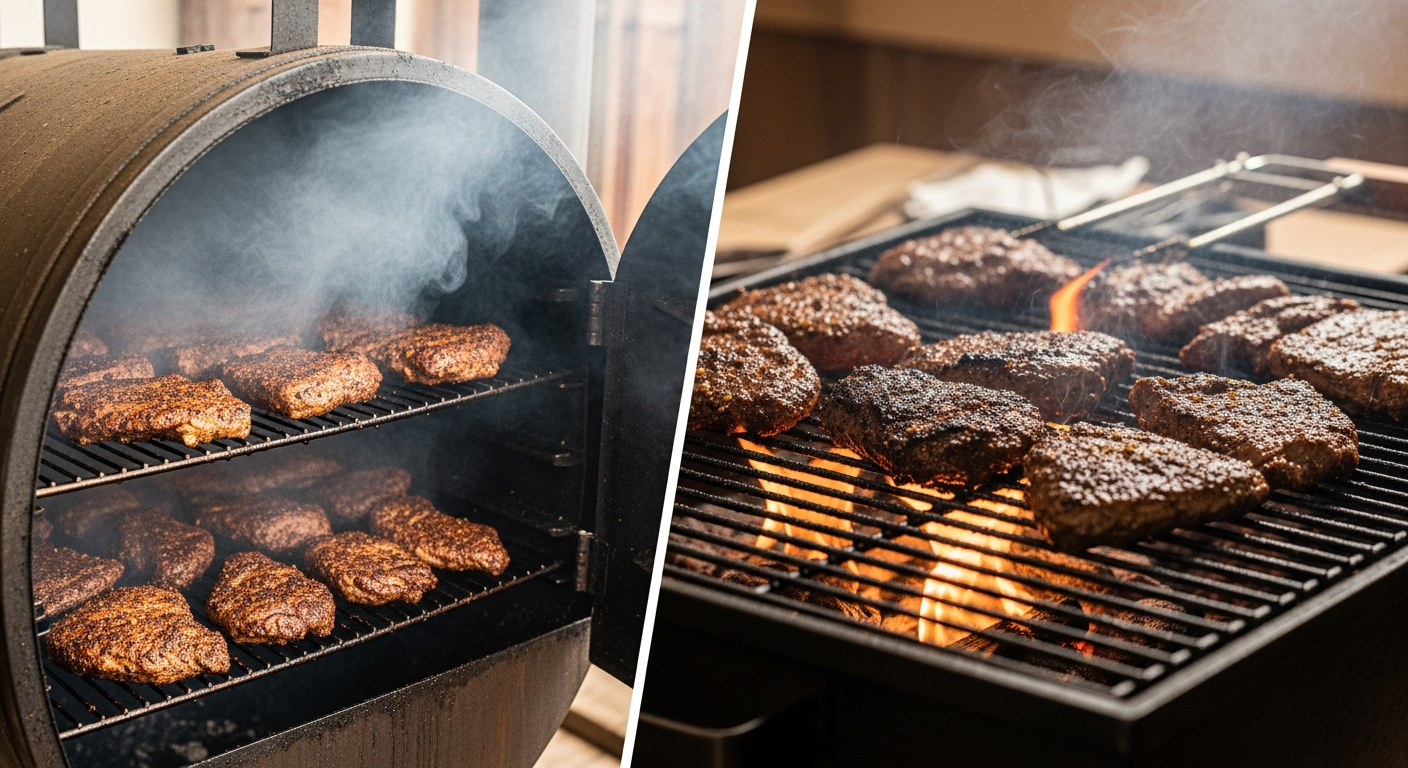
For high-heat grilling (four hundred degrees and above), fill the charcoal chimney completely and open all vents fully. The maximum airflow feeds the fire, producing intense heat ideal for searing jerk steaks or finishing chicken with a crispy char.
For medium indirect heat (three hundred to three hundred twenty-five degrees — the ideal range for bone-in jerk chicken), use about three-quarters of a chimney of charcoal, arrange it on one side of the grill, and set the bottom vent to half open. The top vent should be fully open to maintain good smoke flow and prevent stale smoke accumulation.
For low-and-slow smoking (two hundred twenty-five to two hundred fifty degrees), use half a chimney of charcoal and close the bottom vent to one quarter open. At this restricted airflow, the charcoal burns slowly and steadily, maintaining a low temperature for hours. Check every thirty minutes and make small vent adjustments — quarter-turn increments — rather than large changes, which cause temperature swings.
Internal Temperature Targets
Every protein has a specific internal temperature that indicates doneness, and jerk cooking is no exception. An accurate instant-read thermometer is the single most important tool in your jerk cooking arsenal.
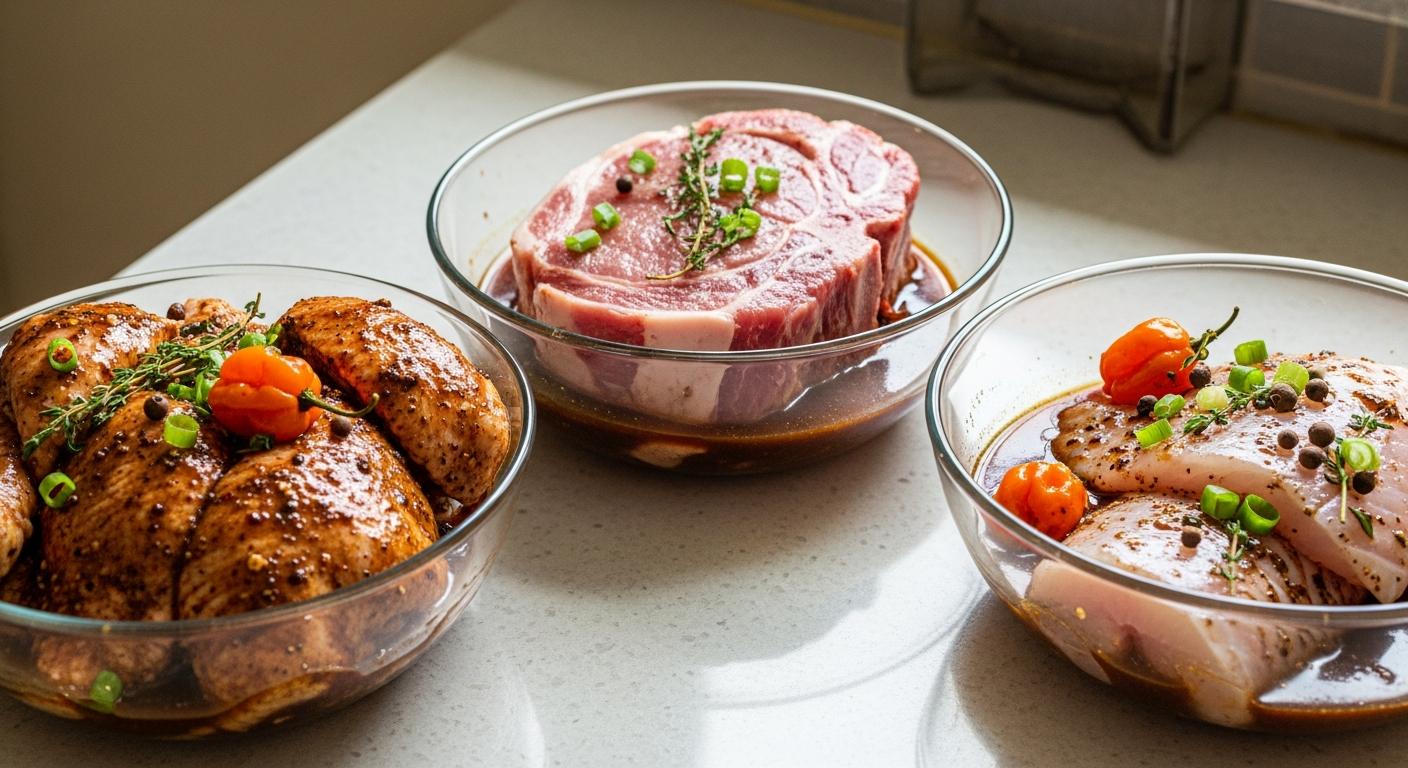
Chicken: one hundred sixty-five degrees Fahrenheit is the food-safety target. For the juiciest dark-meat chicken, pull it at one hundred seventy-five degrees — the additional cooking continues to break down the collagen in thighs and drumsticks without drying out the meat. White-meat chicken breast is best at one hundred sixty degrees (carryover cooking will bring it to one hundred sixty-five during resting).
Pork shoulder: two hundred to two hundred five degrees for pulled pork. At this temperature, the collagen has fully converted to gelatin and the meat pulls apart effortlessly. If a probe thermometer slides into the thickest part with no resistance, the pork is done regardless of the exact temperature reading.
Pork chops and tenderloin: one hundred forty-five degrees with a five-minute rest. Pork is safe to eat at this temperature, and the lower temp keeps lean cuts moist and tender.
Fish: one hundred forty-five degrees, though many chefs prefer one hundred thirty-five to one hundred forty degrees for medium doneness in thicker fillets. Fish continues cooking rapidly after removal from heat, so pulling it five degrees below target and allowing carryover is wise.
The Resting Period
Perhaps the most overlooked aspect of heat management in jerk cooking is the resting period after the meat leaves the grill. During cooking, heat drives moisture toward the surface of the meat. Cutting into the meat immediately causes those juices to pour out onto the cutting board, leaving the meat dry.
Resting allows the internal temperature to equalize and the displaced juices to redistribute throughout the meat. The general rule is to rest meat for a time equal to about one quarter of its cooking time: fifteen to twenty minutes for a jerk chicken that cooked for sixty to ninety minutes, and thirty to forty-five minutes for a pork shoulder that cooked for six to eight hours.
Tent the resting meat loosely with foil to retain warmth without trapping steam (which softens the crust). Place it on a cutting board with a channel to catch any juices — these drippings are gold for making a finishing sauce or gravy.
Troubleshooting Temperature Problems
If your grill temperature is too high and you cannot bring it down with vent adjustments, close the lid and all vents completely for two to three minutes. This starves the fire of oxygen and drops the temperature rapidly. Then slowly reopen the vents to find the right balance.
If the temperature is too low and will not rise, the charcoal may have insufficient airflow. Check that ash is not blocking the bottom vent — tap or shake the grill to clear accumulated ash. If the charcoal is simply spent, light a fresh chimney and add glowing coals to boost the fire.
Temperature spikes from fat dripping onto coals are common in jerk cooking. These flare-ups produce momentary intense heat and can char the exterior. Managing flare-ups requires either moving the meat away from the hot spot temporarily or keeping a spray bottle of water nearby to dampen the flames — though water should be used sparingly, as it can create ash and cool the coals excessively.