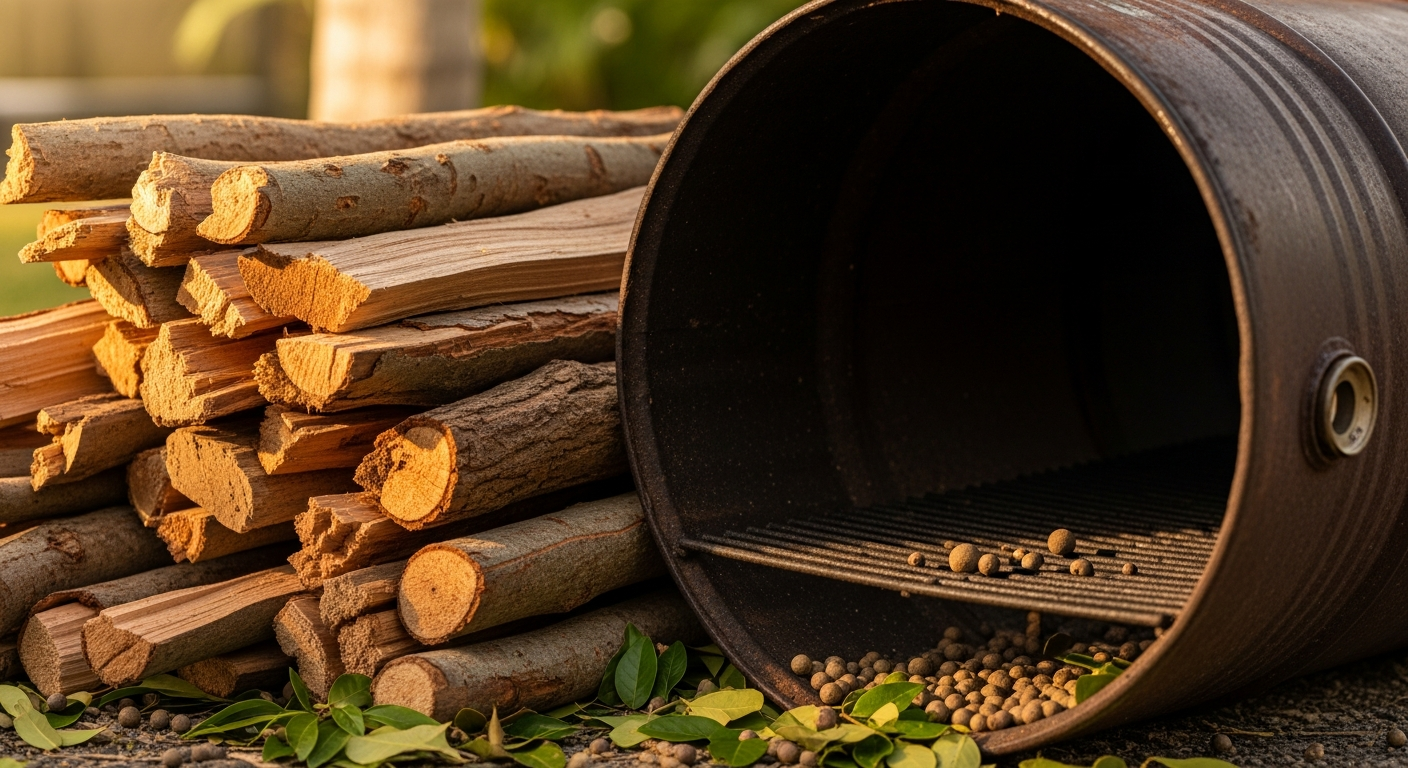
Allspice Berries: The Essential Soul of Jamaican Jerk
Allspice is the defining spice of Jamaican jerk — more than scotch bonnet, more than any other ingredient, allspice (pimento) is what makes jerk unmistakably Jamaican. The allspice berry contains a complex of volatile oils that taste simultaneously of clove, cinnamon, nutmeg, and black pepper. Whole berries, freshly ground just before use, produce a flavor that ground commercial allspice cannot replicate.
Why Allspice Defines Jamaican Jerk
Allspice (Pimenta dioica), known as "pimento" in Jamaica, is native to the Caribbean and Central America — Jamaica is one of its primary growing regions. The tree that produces allspice berries is the same tree that produces pimento wood, the traditional jerk cooking fuel. The compound eugenol — present in high concentrations in allspice berries — is responsible for the clove-like, warm, complex aroma that defines Jamaican jerk at the chemical level. No other spice contains this combination of eugenol, methyl eugenol, and cineole in the same proportions. The full jerk ingredients guide explains allspice's role in the complete spice profile.
The historical importance of Jamaican allspice cannot be overstated. Jamaica dominated global allspice production for centuries — Jamaican allspice was so prized by European traders that it was exported worldwide before any other Jamaican commodity. The Maroons who developed jerk cooking had unlimited access to allspice on the tree — it was free, local, and fundamental to their cooking tradition. For the full cultural story, see the history guide.
Whole Berries vs Pre-Ground Allspice
The flavor difference between freshly ground whole allspice berries and commercial pre-ground allspice powder is significant. Allspice volatile oils (especially eugenol) oxidize rapidly after grinding — pre-ground allspice that has been sitting in a jar for more than 6 months has lost a significant portion of its aromatic complexity. Whole allspice berries, by contrast, retain their volatile oils almost indefinitely when stored in an airtight container away from light and heat. Grinding just before use preserves the maximum aromatic content.
For jerk marinade, use whole allspice berries that you grind or crush yourself when possible. A mortar and pestle is the traditional tool — it produces a coarse, uneven grind that retains textural elements. A high-speed blender or spice grinder produces a finer powder that incorporates more smoothly into liquid marinades. Both are correct — the choice depends on the texture of marinade you prefer. See our allspice buying guide for the best whole berry sources.
Toasting Allspice Berries
Toasting whole allspice berries before grinding amplifies their flavor significantly. Place berries in a dry skillet over medium heat. Toast, shaking the pan occasionally, for 2–3 minutes until the berries become fragrant and slightly darkened. Do not burn — burnt allspice develops an acrid, bitter character. Remove from heat immediately when fragrant. Allow to cool before grinding. The toasting process drives off surface moisture, concentrates the volatile oils, and creates additional flavor compounds through the Maillard reaction. Toasted-and-ground allspice in jerk marinade produces a noticeably more complex, deeper spice character than untoasted ground allspice.
How Much Allspice in Jerk Marinade
For a standard jerk marinade (feeding 4–6 people on 2 lbs of protein): 8–12 whole allspice berries, toasted and ground (approximately 1–1.5 teaspoons ground). This produces an assertive, authentic allspice presence in the finished marinade. Reducing to 4–6 berries (½–¾ teaspoon) produces a milder, more background allspice note. Pre-ground allspice: use 1.5–2 teaspoons to approximate the impact of 10 freshly ground berries (pre-ground is less potent). See the complete jerk marinade recipe for the full recipe with all quantities.
Storage
Whole allspice berries: store in an airtight glass jar in a cool, dark location — they keep 2–4 years with minimal flavor loss. Ground allspice: 6–12 months maximum before noticeable flavor loss. The best test for allspice potency: rub a small amount between your fingers and smell — if the eugenol aroma is faint or absent, the allspice has lost its volatile oils and should be replaced. Our allspice buying guide covers the best sources for fresh whole berries.
Frequently Asked Questions
Frequently Asked Questions
What does allspice taste like?
Can I substitute allspice in jerk marinade?
What is the difference between allspice and mixed spice?
Is Jamaican allspice different from other allspice?
Why is allspice called "pimento" in Jamaica?
Editorial Selection
Recommended Products
Mortar and Pestle
TraditionalBest for: Grinding whole spices
Traditional tool for grinding whole allspice berries — produces the right coarse texture for jerk paste.
Why we recommend it: Hand-grinding toasted allspice in a mortar produces a paste texture that blenders can't replicate — and the hand-ground spice retains more aromatic compounds.
Affiliate link coming soonEditorial note: These are independent recommendations based on quality and usefulness for jerk cooking. We may earn a small commission if you purchase through our links — at no extra cost to you. See our affiliate disclosure for full details.
Free Newsletter
Get Authentic Jerk Recipes Delivered
Authentic Jamaican recipes, cooking tips, and new guides delivered to your inbox. No spam — unsubscribe any time.
No spam. Unsubscribe anytime.
Complete Guide
Essential Jamaican Jerk Ingredients Guide
Everything you need to know about this topic in one comprehensive guide.
Read the complete guide →Continue Learning
Authority Guides
Related Topics
Recipes & Techniques
Buying Guides
Written by
Jerk Cuisine Specialist
Marcus Thompson has spent over a decade studying Jamaican culinary traditions, from the jerk pits of Boston Bay to home kitchens across the Caribbean diaspora.
View full bio