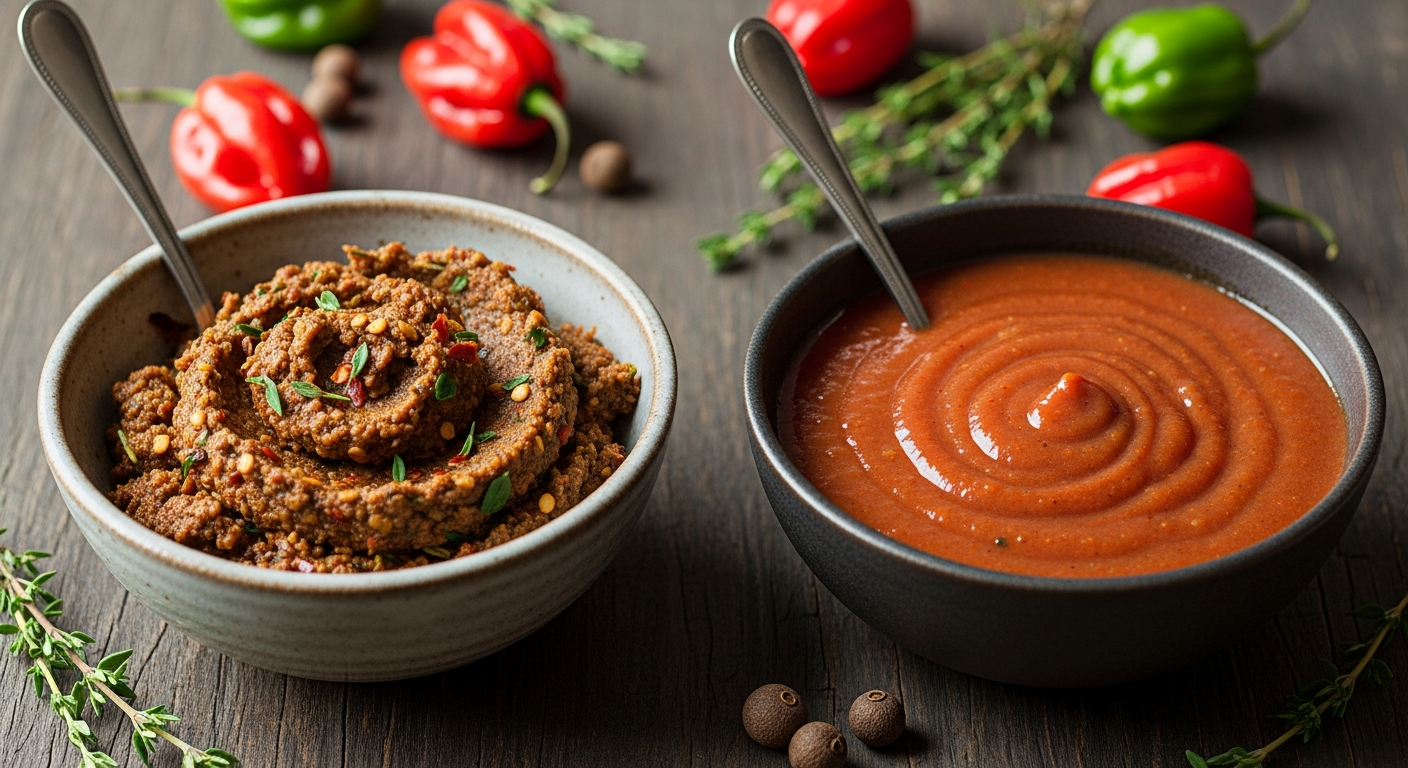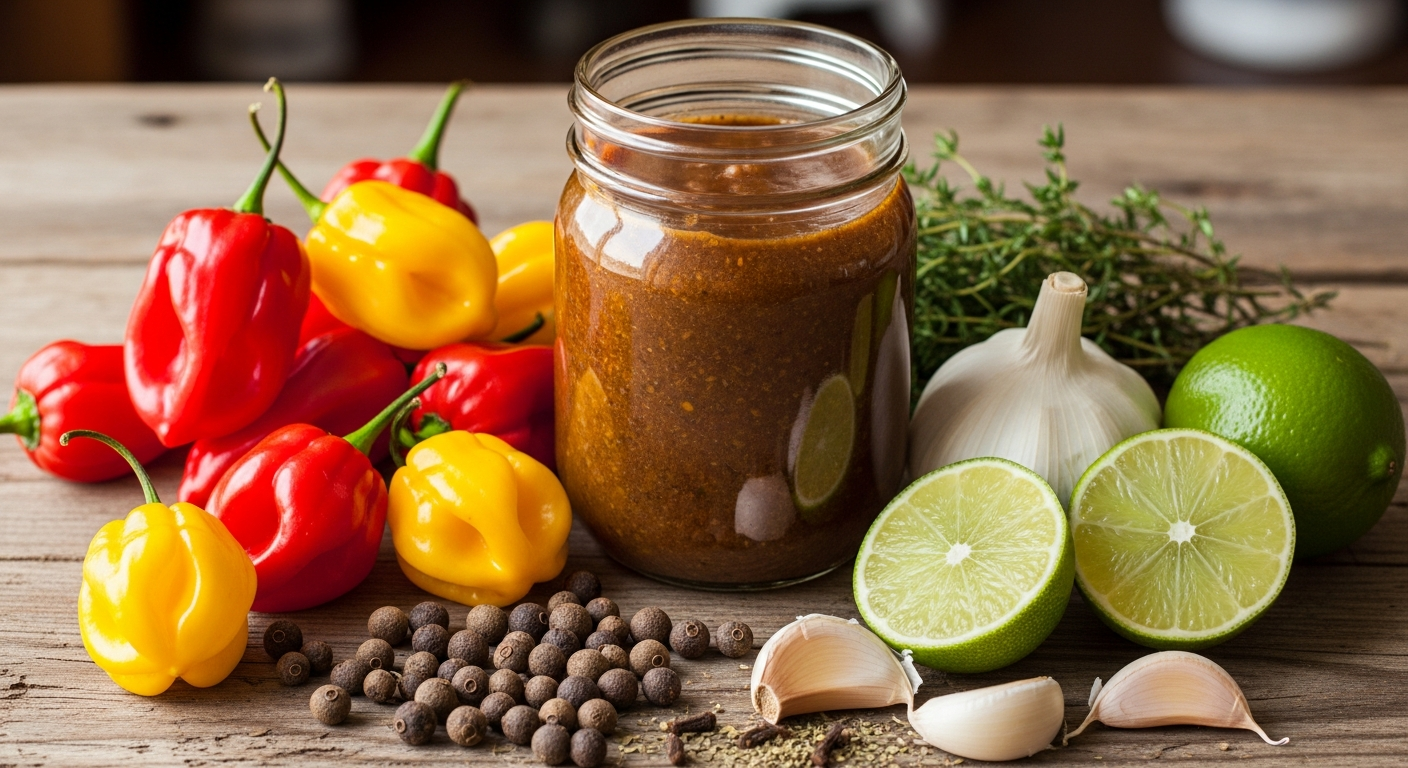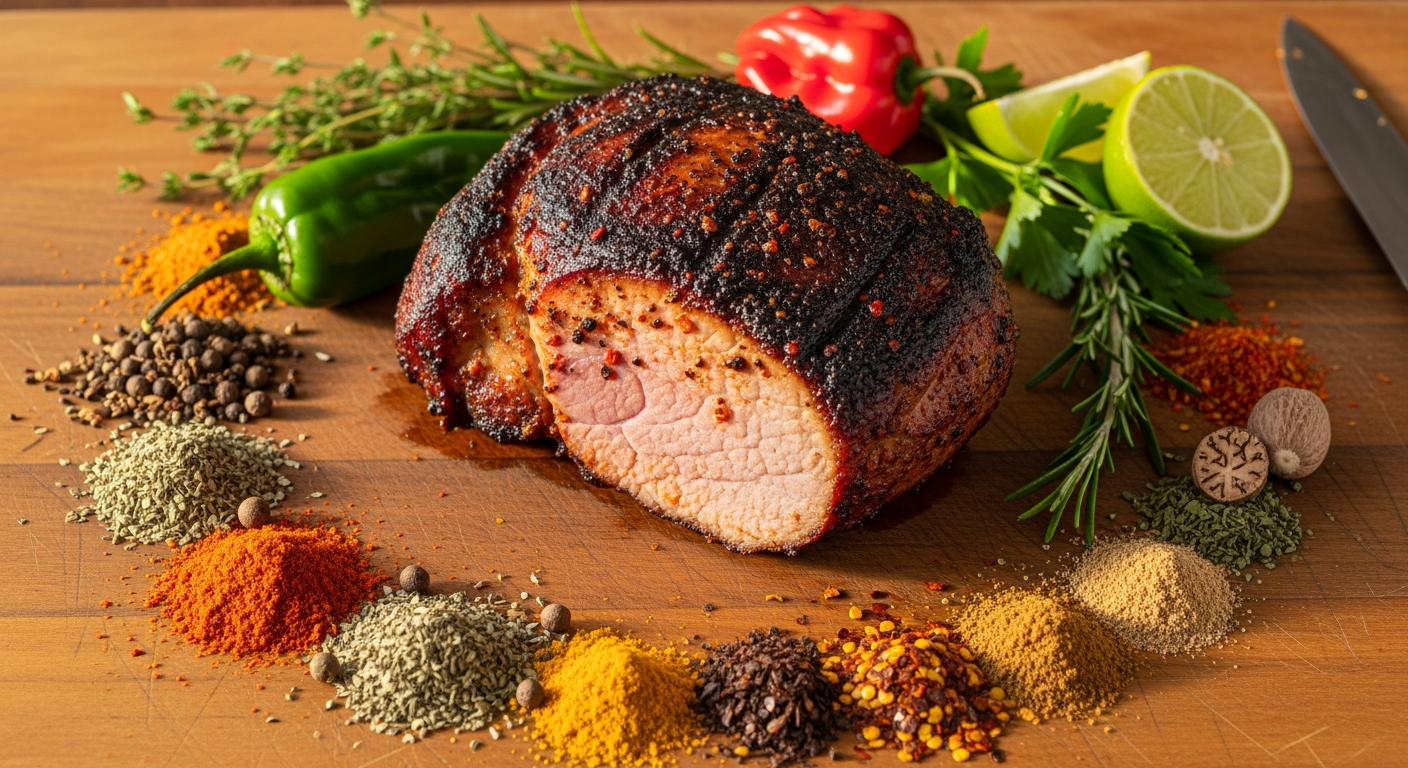
Jerk-marinated pork shoulder on a cutting board with Caribbean spices
Marinades

Jerk Marinades for Pork: Tips for Perfect Results

· Reviewed by Audrey Clarke 5 min read
JerkPit Editorial: Sourcing Verified Authentic Ingredients Editorial Independence Last tested: March 4, 2026

Jerk marinades for pork tips represent essential knowledge for any serious Caribbean cook. While chicken dominates the jerk conversation internationally, pork holds an equally important — and arguably more traditional — place in Caribbean cooking. The original Maroon jerk was made with wild boar, not chicken, and the rich fattiness of pork provides an ideal canvas for the complex, fiery flavors of a well-made jerk marinade.

Why Pork Excels with Jerk Marinade

Pork's intramuscular fat content is what makes it such an exceptional partner for jerk seasoning. Fat is a flavor carrier — the aromatic compounds in allspice, thyme, and scotch bonnet are fat-soluble, meaning they dissolve into and are distributed by the fat within the meat. A well-marbled pork shoulder absorbs and retains jerk flavors throughout its interior in a way that leaner proteins cannot match.

The collagen in pork — particularly in shoulder, ribs, and belly — also plays a role. During long, slow cooking, collagen breaks down into gelatin, which creates a luscious, silky texture and helps the meat retain moisture. When combined with a jerk marinade that has penetrated the meat over hours of marination, the result is impossibly tender, deeply flavored pork that falls apart at the touch of a fork.

Choosing the Right Cut

Pork shoulder (also called pork butt or Boston butt) is the king of jerk pork. This heavily marbled, collagen-rich cut is virtually impossible to overcook and rewards both long marination and slow cooking with extraordinarily deep flavor. Score the fat cap in a crosshatch pattern and rub the marinade into every crevice. Marinate for twenty-four to forty-eight hours.

Pork ribs — both spare ribs and baby back ribs — are the second-best option. Their combination of meat, fat, and bone creates a vehicle for jerk flavor that is unmatched in terms of dramatic presentation and eating pleasure. The bones conduct heat during cooking, helping to cook the meat evenly while the fat bastes the exterior.

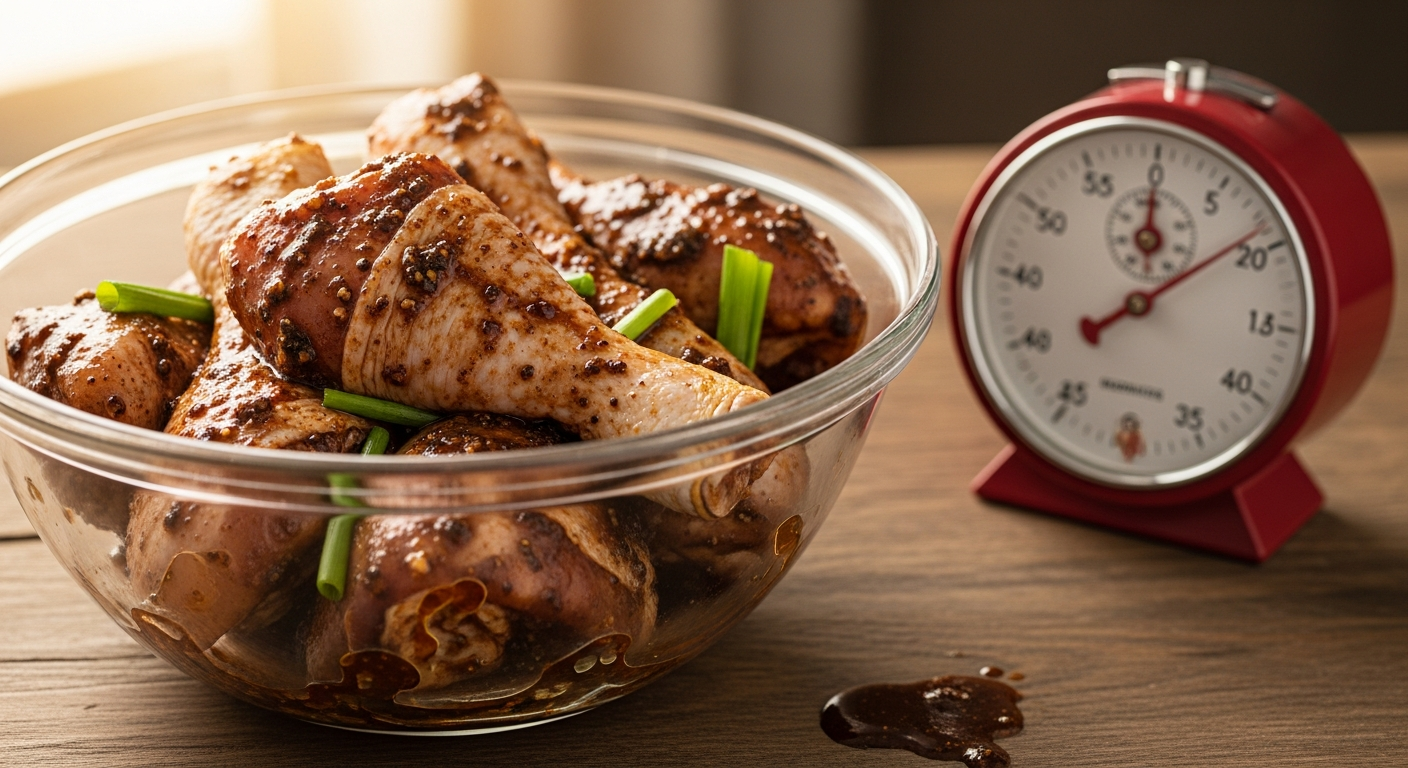
Pork tenderloin offers a leaner option for those watching fat intake. Because it lacks the protective fat of shoulder, tenderloin needs a shorter marination time and faster cooking. Marinate for two to six hours, then grill over high heat for twelve to fifteen minutes total, turning frequently.

Pork belly is gaining popularity in jerk cooking. Its extreme fat content absorbs the marinade deeply, and when cooked low and slow, the fat renders out while the exterior develops a crispy, spicy crust. The result is reminiscent of Chinese-style roast pork but with Caribbean heat and complexity.

Adapting Jerk Marinade for Pork

While the same base marinade works for both chicken and pork, several adjustments optimize it specifically for pork. First, increase the sugar content slightly. Pork's natural sweetness pairs beautifully with the caramelization that occurs when sugar in the marinade hits high heat. Add an extra tablespoon of brown sugar or a tablespoon of dark molasses per batch.

Second, consider adding dark rum. A quarter cup of dark Jamaican rum (Appleton Estate or similar) adds a warm, caramel depth that specifically complements pork's flavor. The alcohol evaporates during cooking, leaving behind complex flavor compounds that enhance the overall profile.

Third, increase the allspice. Pork can handle — and benefits from — a more aggressive allspice presence than chicken. Add an extra tablespoon of ground allspice or a handful of additional whole berries. The warm, complex notes of allspice marry beautifully with the richness of pork fat.

Low-and-Slow Technique for Jerk Pork Shoulder

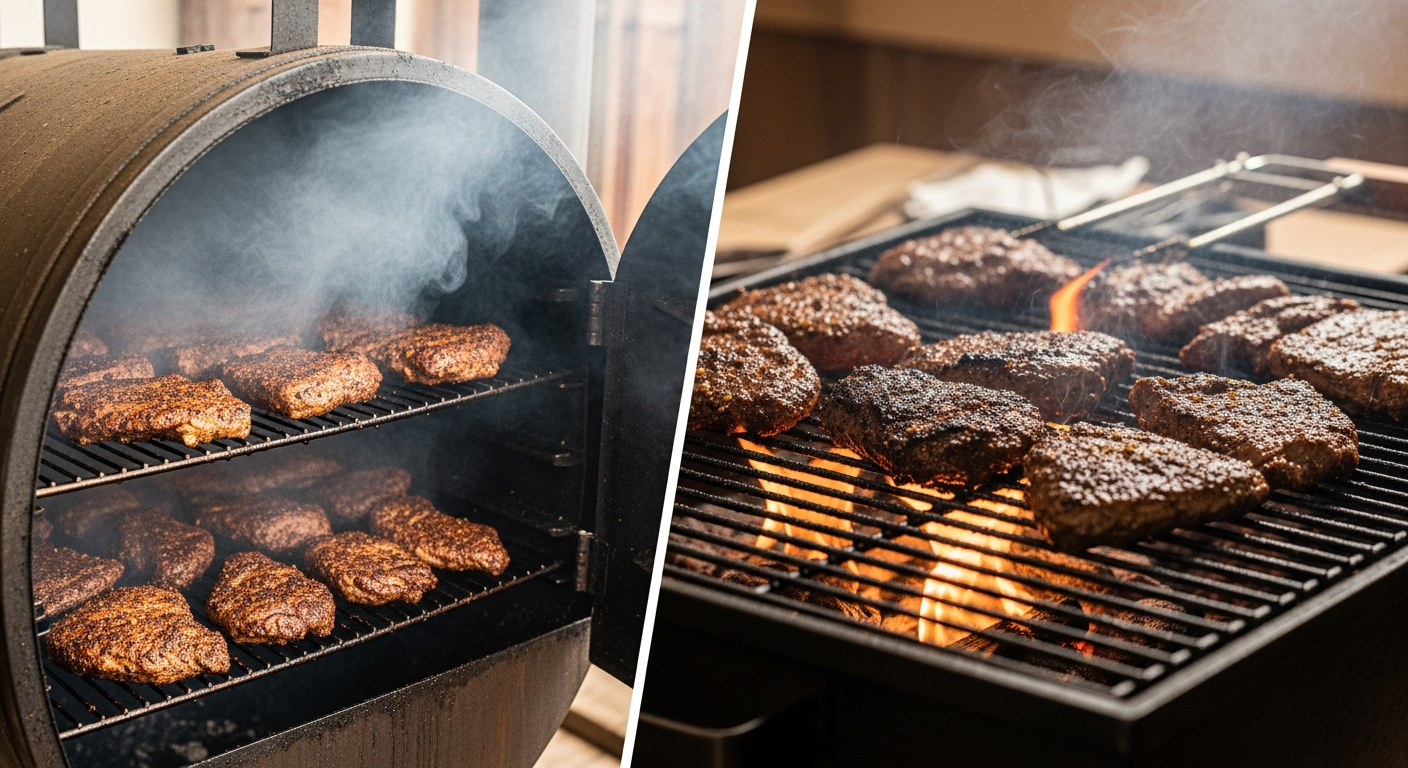
The best jerk pork shoulder is cooked low and slow — between two hundred twenty-five and two hundred fifty degrees Fahrenheit for six to eight hours for a five-pound shoulder. This extended cooking time allows the collagen to break down completely, the fat to render and baste the meat, and the marinade flavors to concentrate as moisture slowly evaporates.

If using a charcoal grill or smoker, add pimento wood chips or chunks every hour for the first four hours. The combination of jerk marinade and pimento smoke creates a depth of flavor that is truly extraordinary. After the initial smoking period, the meat has absorbed enough smoke — continuing to add wood risks making the pork taste bitter.

Monitor the internal temperature with a meat thermometer. The pork is done when it reaches an internal temperature of two hundred to two hundred five degrees Fahrenheit and a probe slides into the thickest part with almost no resistance. Rest the meat for at least thirty minutes before pulling or slicing — this allows the juices to redistribute throughout.

Quick-Cook Jerk Pork Options

For weeknight cooking, jerk pork chops and tenderloin offer faster alternatives. Marinate pork chops for four to eight hours, then grill over medium-high heat for five to six minutes per side. Let them rest for five minutes before serving — the internal temperature should reach one hundred forty-five degrees Fahrenheit.

Jerk pork tenderloin can be ready in under thirty minutes. After marinating, sear the whole tenderloin in a cast-iron skillet over high heat, turning to brown all sides, then transfer to a four-hundred-degree oven for twelve to fifteen minutes. Rest for ten minutes before slicing into medallions.

For stir-fry applications, slice pork loin or tenderloin thin, toss with a reduced-strength jerk marinade (half the normal spice concentration), and cook in a very hot wok for three to four minutes. The brief, intense heat caramelizes the marinade quickly, creating a charred, spicy coating on each slice.

Serving Jerk Pork

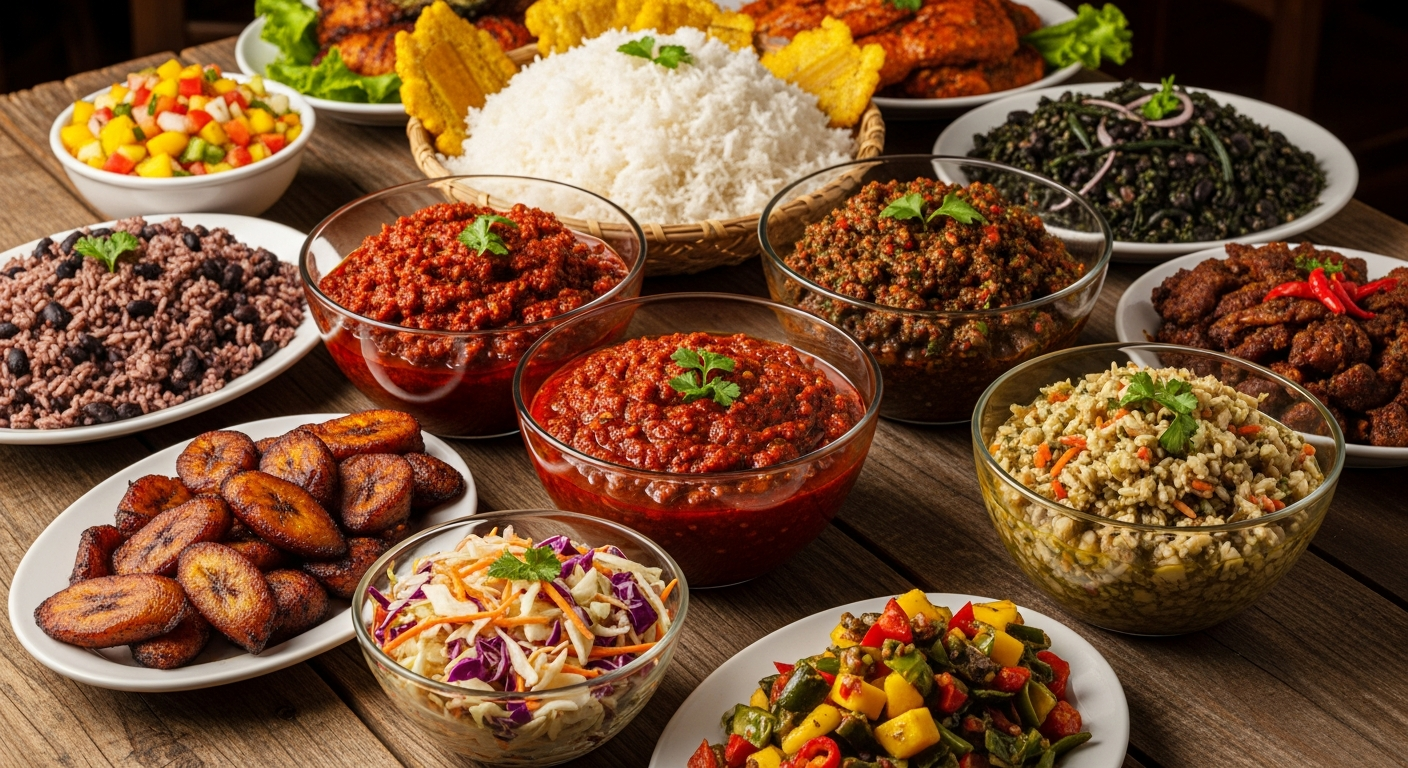
Traditional accompaniments for jerk pork include festival bread, whose slightly sweet, fried dough is the perfect vehicle for the rich, spicy pork juices. Roasted breadfruit, with its starchy, chestnut-like flavor, provides a hearty base. And a vinegar-based pepper sauce on the side adds additional heat and acidity for those who want it.

For pulled jerk pork shoulder, serve on hard dough bread with Caribbean coleslaw for a sandwich that rivals any barbecue offering on earth. The combination of tender, smoky, spicy pork with crunchy, lime-dressed slaw between slices of dense, chewy bread is genuinely transcendent.
Recommended Reading

The marinade is where authentic jerk flavor is built.

complete jerk marinade guide →

Full ingredient ratios, overnight timing chart, and the technique used at Boston Bay jerk stands.

Free Newsletter

Get Authentic Jerk Recipes Delivered

Authentic Jamaican recipes, cooking tips, and new guides delivered to your inbox. No spam — unsubscribe any time.

No spam. Unsubscribe anytime.

Frequently Asked Questions

What is the best pork cut for jerk cooking?
Pork shoulder (Boston butt) is the best cut — its heavy marbling absorbs the marinade deeply and the collagen breaks down during slow cooking for incredibly tender results.
How long should pork marinate in jerk seasoning?
Pork shoulder benefits from 24-48 hours. Ribs need 12-24 hours. Chops do well with 4-8 hours, and tenderloin should marinate for only 2-6 hours due to its lean composition.
Should I modify jerk marinade for pork?
Yes — add extra brown sugar or molasses for enhanced caramelization, increase the allspice, and consider adding a quarter cup of dark rum for depth that specifically complements pork.
What temperature should I cook jerk pork shoulder?
Low and slow at 225-250°F for 6-8 hours until the internal temperature reaches 200-205°F. This allows complete collagen breakdown for fall-apart tender results.

Editorial Selection

Recommended Ingredients

Affiliate disclosure
🌶️

Whole Scotch Bonnet Peppers (Fresh)

Non-Negotiable

Best for: Authentic wet jerk marinade

The irreplaceable heat source in authentic jerk. Scotch bonnets have a fruity, floral aroma that habaneros partially approximate but never fully match.

Why we recommend it: No other pepper delivers the authentic flavor profile of Jamaican jerk. If you can source fresh scotch bonnets, use them.

Affiliate link coming soon
🌶️

Whole Allspice Berries (Pimento)

Best for: Dry rubs and wet marinades

The other essential jerk spice. Whole berries freshly ground in a spice grinder produce a noticeably more aromatic result than pre-ground allspice.

Why we recommend it: Allspice is the backbone of the dry spice profile in jerk. Grinding whole berries fresh makes a measurable difference in depth of flavor.

Affiliate link coming soon
🌶️

Grace Browning Sauce

Best for: Authentic color and depth in marinade

A Jamaican kitchen staple made from caramel coloring — adds a rich mahogany color and subtle depth of flavor to jerk marinade.

Why we recommend it: Widely used in authentic Jamaican jerk recipes to achieve the characteristic dark color. Rarely found in other cuisines but essential here.

Affiliate link coming soon
🌶️

Fresh Jamaican Thyme

Best for: Authentic herbal notes in wet marinade

Smaller-leafed and more intensely aromatic than European thyme. Worth seeking out at Caribbean or West Indian grocery stores.

Why we recommend it: Jamaican thyme has more concentrated volatile oils than standard thyme, producing a more pronounced herb note in the finished marinade.

Affiliate link coming soon
🌶️

Pimento Wood Chips (for Smoking)

Best for: Authentic smoke on charcoal or gas grill

From the allspice tree — the traditional fuel for authentic Jamaican jerk pits. Produces a sweet, clove-like smoke unlike any other wood.

Why we recommend it: If you want the smoke component of authentic jerk, no other wood delivers the same flavor. Available from specialty Caribbean suppliers online.

Affiliate link coming soon

Editorial note: These are independent recommendations based on quality and usefulness for jerk cooking. We may earn a small commission if you purchase through our links — at no extra cost to you. See our affiliate disclosure for full details.

Written by

Marcus Thompson

Jerk Cuisine Specialist

Marcus Thompson grew up in Portland Parish, Jamaica — home to the original Boston Bay jerk stands — and has spent over a decade studying Jamaican jerk cooking techniques, marinade science, and the Maroon cultural history behind the world's most iconic grilled dish.

View full bio

Reviewed by

Audrey Clarke

Caribbean Food Editor

Food editor and recipe developer specializing in Caribbean and African-diaspora cuisines. Contributor to food publications in the UK and North America.

Related Articles

More from JerkPit on Jamaican jerk cooking

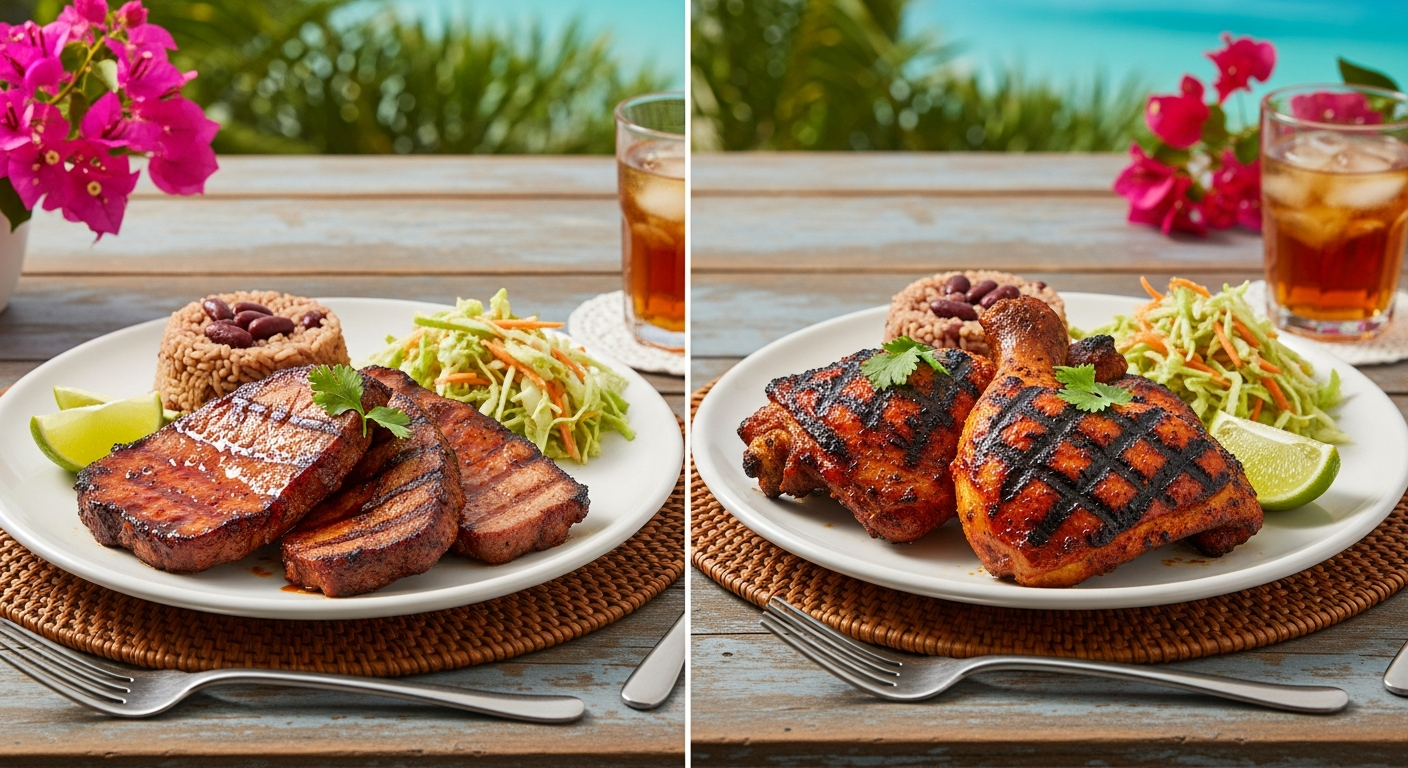
Side-by-side comparison of beautifully grilled jerk pork and jerk chicken on a wooden serving board
Jerk Recipes

Jerk Pork or Jerk Chicken: Which Is Better?

Explore the great Caribbean debate: jerk pork or jerk chicken? Compare flavors, techniques, history, and find which one you should try first.

8 min read · Updated February 27, 2026
Authentic Jamaican jerk marinade ingredients with mortar and pestle, scotch bonnet peppers, and allspice berries on a wooden board
Marinades

Authentic Jamaican Jerk Marinade: The Complete Guide

The definitive guide to building an authentic Jamaican jerk marinade from scratch, with traditional ingredients, proper ratios, regional variations, and expert techniques.

7 min read · Updated January 29, 2026
Chicken pieces marinating in jerk seasoning in a glass bowl with a kitchen timer
Marinades

Jerk Marinade Timing for Meat: How Long Is Enough?

Timing is everything when marinating with jerk seasoning. Too little and flavors stay on the surface; too much and textures break down. Here is your complete guide.

6 min read · Updated March 15, 2026
Split image comparing smoky low-and-slow jerk and high-heat grilled jerk chicken
Cooking Techniques

Jerk Meats: Smoking vs Grilling — Which Is Better?

Smoking and grilling produce distinctly different jerk results. Learn the advantages of each method and when to choose one over the other.

5 min read · Updated March 10, 2026
Side-by-side bowls of dry jerk rub and wet jerk marinade paste
Cooking Techniques

Dry Rub or Wet Marinade for Jerk: Which Should You Choose?

Dry rub or wet marinade — two paths to jerk perfection. Compare the techniques, flavors, and practical advantages of each approach.

6 min read · Updated March 15, 2026
Assortment of jerk marinades alongside Caribbean side dishes on a wooden table
Marinades

Jerk Marinades That Pair Perfectly with Caribbean Sides

The right jerk marinade transforms not just your protein but your entire Caribbean meal. Learn which marinades pair best with traditional sides.

4 min read · Updated March 20, 2026
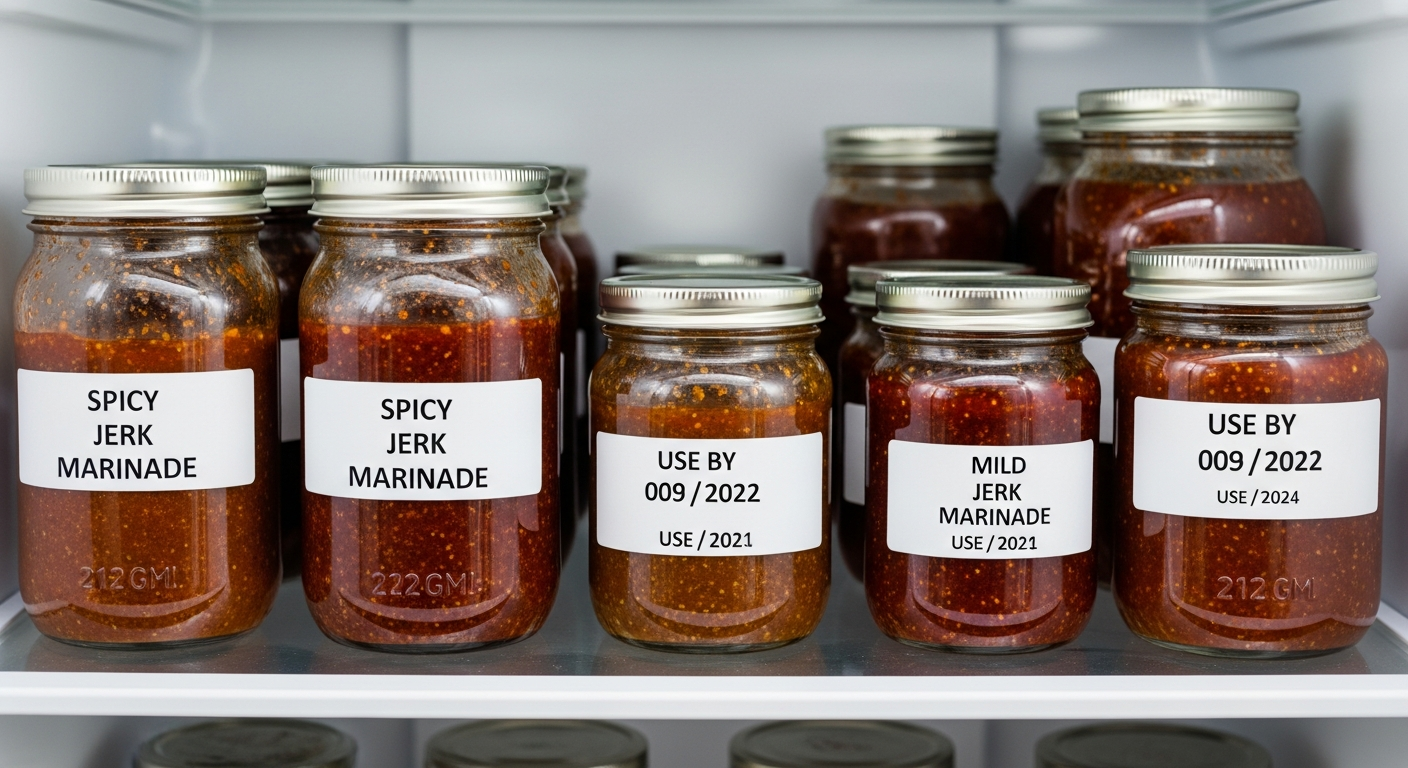
Glass jars of jerk marinade stored in a refrigerator with labeled dates
Marinades

Storing Jerk Marinade Safely: A Complete Guide

Proper storage ensures your jerk marinade stays fresh and safe. Learn refrigeration, freezing, and batch prep techniques for maximum shelf life.

5 min read · Updated January 9, 2026
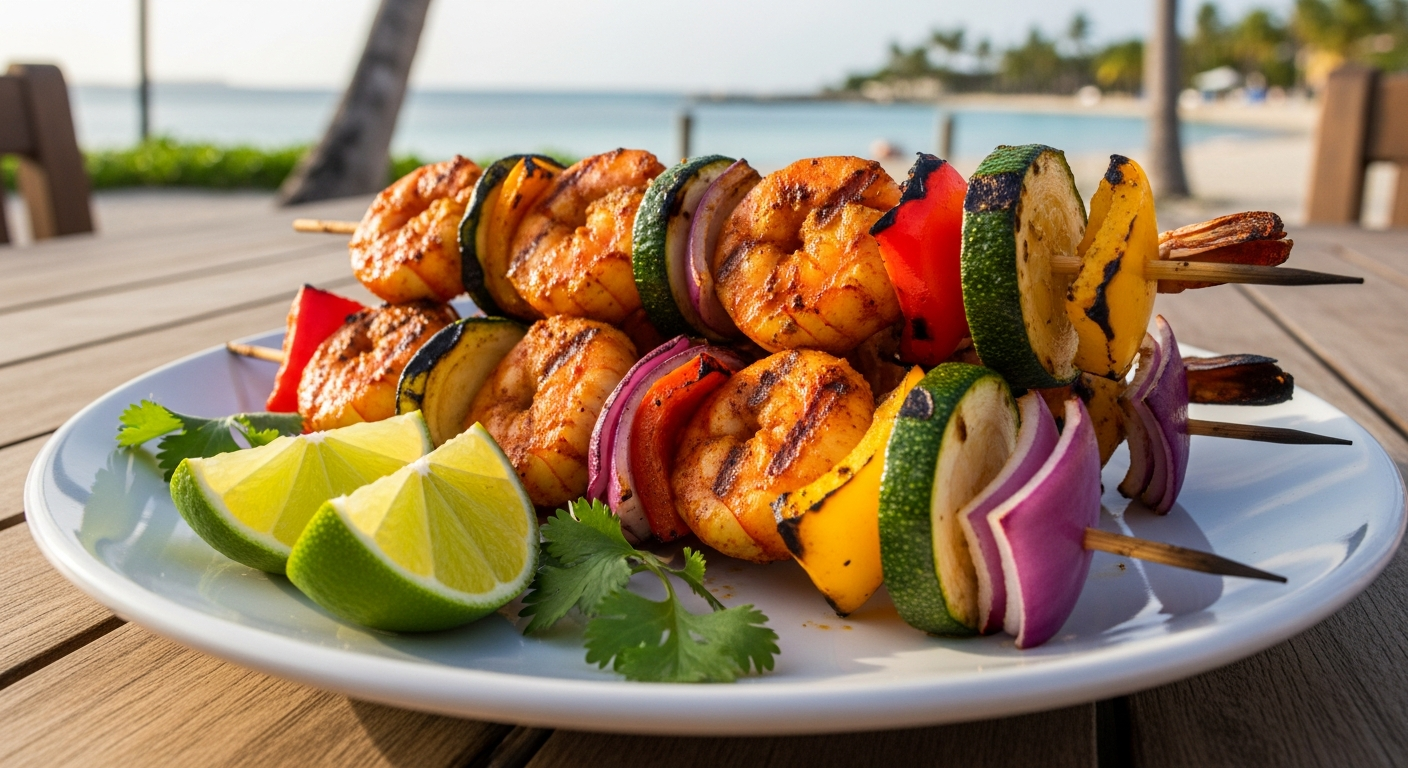
Grilled jerk-marinated shrimp and vegetables on skewers with lime wedges
Marinades

Jerk Marinade for Veggies and Seafood: A Flavorful Guide

Jerk marinade is not just for chicken. Learn how to adapt traditional jerk flavors for seafood and vegetables with the right timing and technique.

5 min read · Updated January 28, 2026
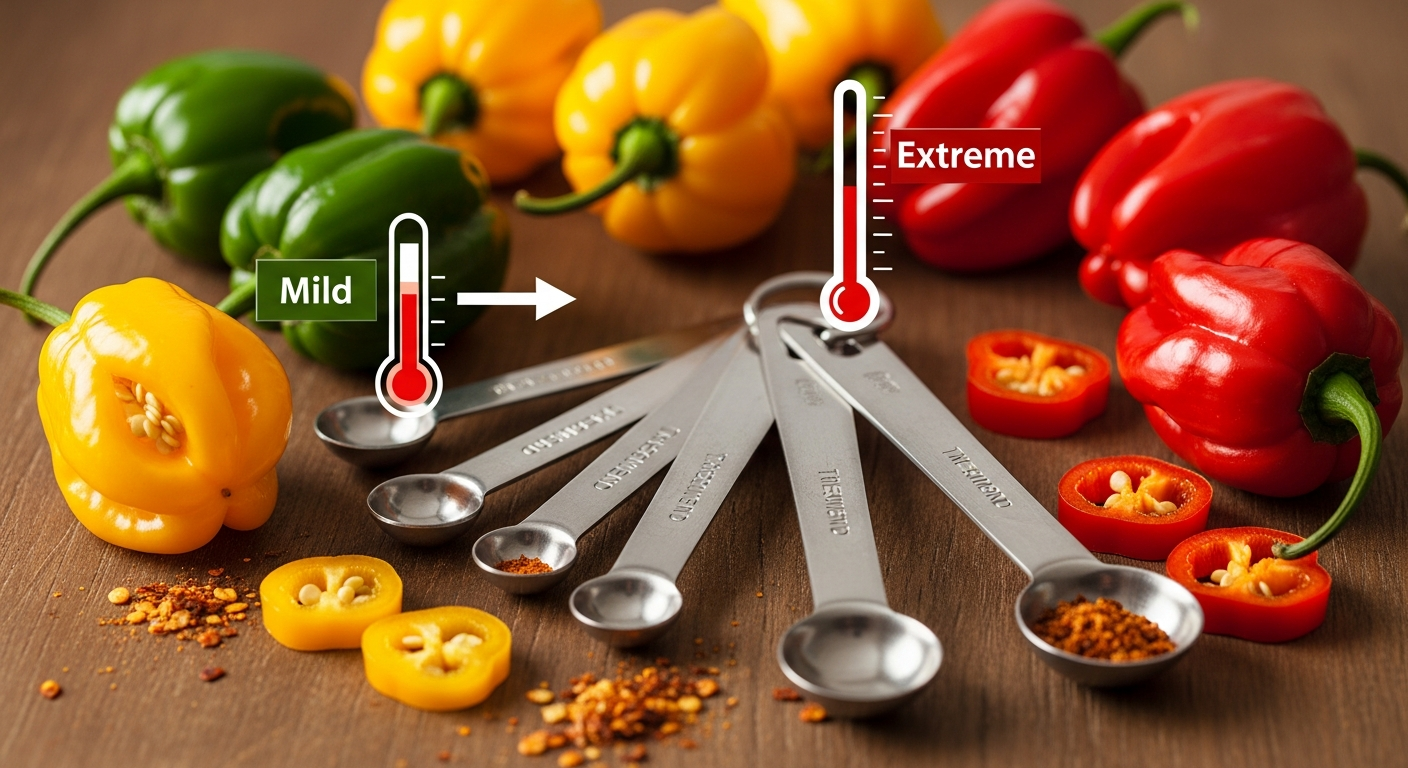
Scotch bonnet peppers in varying colors showing different heat levels for jerk marinade
Marinades

Adjusting Heat in Jerk Marinades: From Mild to Fiery

Master the art of heat control in jerk marinades. From kid-friendly mild to authentic fiery heat, learn to adjust spice without sacrificing flavor.

6 min read · Updated January 12, 2026
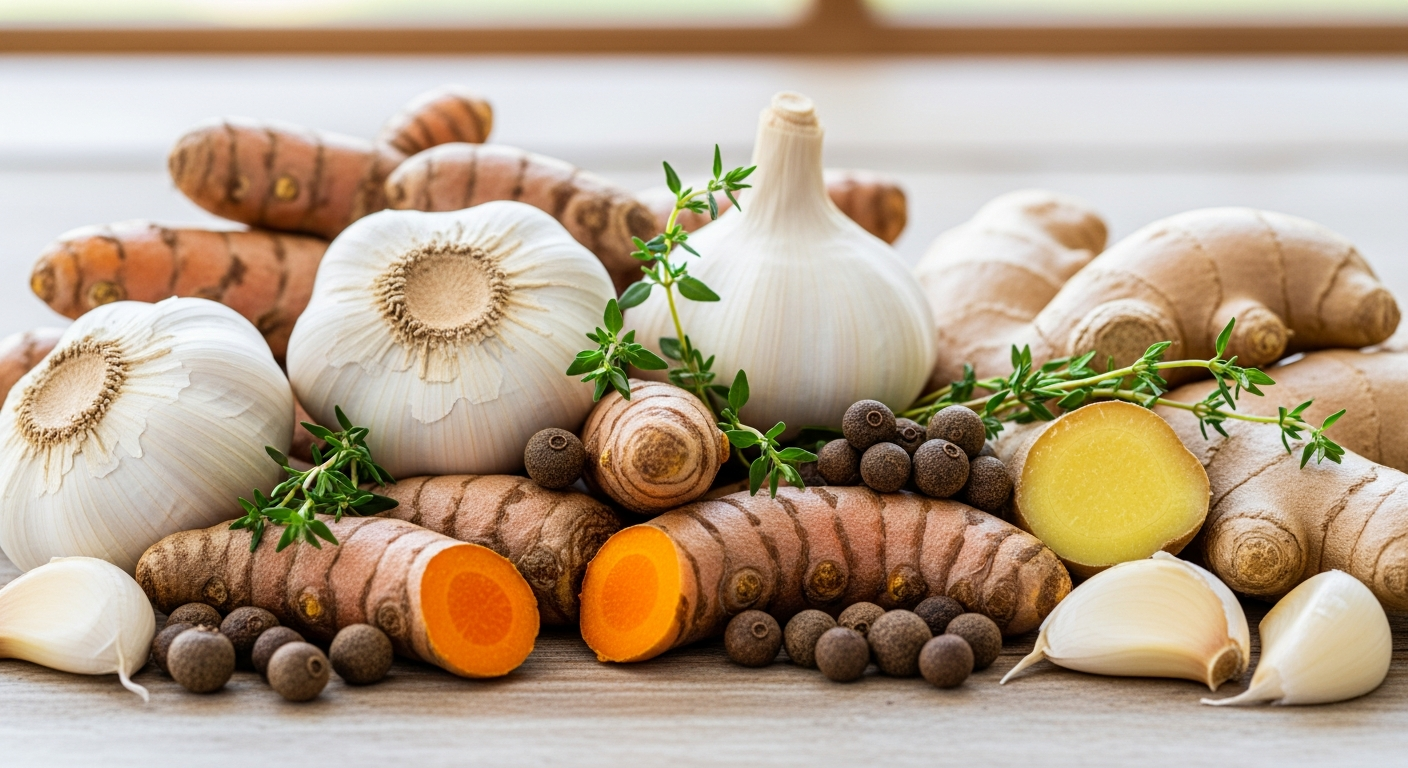
Fresh jerk marinade ingredients including turmeric, scotch bonnet, and allspice with nutritional labels
Marinades

Jamaican Jerk Marinades: Health Benefits and Nutritional Insights

Jerk marinades are not just delicious — their core ingredients carry impressive health benefits, from anti-inflammatory allspice to metabolism-boosting capsaicin.

5 min read · Updated February 8, 2026
Side-by-side comparison of traditional mortar-and-pestle and modern blender jerk marinades
Marinades

Jerk Chicken Marinades: Traditional vs Modern Approaches

Traditional jerk marinades and modern interpretations each have their strengths. Explore how the classic recipe has evolved and when each approach shines.

5 min read · Updated January 2, 2026
Homemade jerk marinade blended in a glass jar surrounded by fresh Caribbean ingredients including scotch bonnet and allspice
Marinades

Your Complete Homemade Jamaican Jerk Marinade Guide

Everything you need to make authentic Jamaican jerk marinade at home, from sourcing ingredients to blending the perfect paste and storing it for future use.

6 min read · Updated March 14, 2026

Recommended Guides

The most important resources on JerkPit.com for authentic Jamaican jerk cooking