What if I told you that every bite of jerk chicken carries the stories of generations? The rich tapestry of Jamaican jerk cooking is not just about flavor; it's a journey through culture, survival, and creativity that has evolved over centuries.
What You Will Learn
The foundational ingredients of jerk cooking, including Scotch bonnet peppers and allspice, introduced by indigenous peoples.
How the Maroons adapted cooking techniques, emphasizing resourcefulness and community in preserving jerk traditions.
The evolution of jerk cuisine from a survival strategy to a celebrated culinary art form.
Nutritional benefits of traditional jerk ingredients, highlighting their potential health advantages.
The impact of regional variations on jerk flavors, showcasing the diversity found across Jamaica.
Innovative fusion dishes that merge jerk with other culinary traditions, expanding its reach and popularity.
The Evolution of Jerk Cuisine: From Origins to Modern Adaptations
Delve into the journey of Jamaican Jerk, examining its foundational influences, transformation, and contemporary health-conscious variations. This visual highlights key aspects of its rich history and ongoing evolution.
Indigenous & Maroon Influences
Taíno & Arawak Contributions
• Local Herbs (Thyme, Scallions)
• Scotch Bonnet Peppers
• Allspice (Pimento)
Maroons' Role in Preservation
• Adapted Cooking Techniques
• Smoky Flavors (Pimento Wood)
• Preserved Community Values
From Survival to Culinary Art
Survival Strategy
• Fire/Smoke for Preservation
• Spices for Flavor & Masking
Culinary Expression
• Cultural Fusion
• Personal Expression & Creativity
Health & Contemporary Adaptations
Nutritional Aspects
• High Protein Content
• Metabolism Boost (Spicy)
• Antioxidants (Allspice)
Health-Conscious Modifications
• Leaner Meats
• Incorporate Vegetables
• Lighter Marinades
The Rich History of Jamaican Jerk Cooking
Ah, the story of Jamaican jerk cooking is a vibrant tapestry woven from diverse cultural threads. This beloved culinary tradition, with its bold flavors and rich history, invites you to dive deep into the heart of Jamaica. Today, let's explore the indigenous and Maroon influences that have shaped jerk cuisine into the art form it is today.
As we journey through this flavorful history, we uncover the contributions of the Taíno and Arawak peoples, along with the resilient Maroons who played a crucial role in preserving this unique cooking style. Their legacies continue to influence every bite of our jerk dishes!
Indigenous and Maroon Influences on Jerk Cuisine
The foundation of jerk cooking can be traced back to the indigenous Taíno and Arawak peoples. They introduced essential ingredients, such as spices and herbs, that are still pivotal in jerk seasoning today. Have you ever tasted a Scotch bonnet pepper or the warmth of allspice? These native flavors have become synonymous with jerk cuisine, adding depth and character to our dishes.
The use of local herbs like thyme and scallions
Scotch bonnet peppers for that signature heat
Allspice berries, known as pimento, which impart a unique flavor
But it doesn't stop there! The Maroons, descendants of enslaved Africans who escaped and formed their own communities, were instrumental in preserving jerk traditions. They adapted cooking techniques to suit their environment and created the smoky flavors we associate with jerk today. Their resourcefulness and methods of preservation are detailed further in this brief history of Jamaican Jerk, emphasizing community and the joy of shared meals, which are values I hold dear in my kitchen at Jerk Pit.
Exploring Taíno and Arawak Contributions
The Taíno and Arawak peoples laid the groundwork for what would become a beloved culinary tradition. They were masters at utilizing the land's natural bounty, which is something we strive for in our recipes at Jerk Pit. Can you imagine cooking with fresh, local ingredients? It's a practice that connects us to our roots and the rich heritage of Jamaican cooking.
Today, recognizing these indigenous influences is vital. It reminds us of the resilience and creativity that shaped jerk cuisine. Just as the Taíno and Arawak thrived in their environment, we can learn to appreciate the value of fresh, authentic ingredients in our own kitchens!
The Role of Maroons in Preserving Jerk Traditions
The Maroons' efforts in preserving jerk cooking can’t be overstated. This historical overview of Maroon culture explains how they took the culinary knowledge passed down from their ancestors and infused it with their own experiences, creating a distinctive style that celebrates both survival and celebration. Their secret techniques, like slow smoking over pimento wood, impart a rich flavor that brings jerk dishes to life.
As someone who has spent countless hours perfecting these methods, I can guarantee the journey of exploring jerk cooking is just as rewarding as the delicious results. From backyard barbecues to family gatherings, these traditions foster a sense of community and belonging that is at the core of Jamaican culture.
From Survival Food to Culinary Expression
Initially, jerk cooking served as a survival strategy for the Maroons. The smoky flavors were not just tasty—they were practical! Maroons would jerk meats as a way to preserve them while infusing them with incredible taste. It's fascinating to see how a necessity turned into a culinary art form that we cherish today.
Use of fire and smoke to prolong the shelf life of meats
Incorporation of spices to enhance flavors while masking the taste of preservation
Transformation of simple ingredients into flavorful dishes that bring joy
This evolution from survival food to culinary expression is a testament to the enduring spirit of Jamaican culture. Today, jerk cooking stands as a symbol of creativity and resilience, encouraging us all to explore new flavors and techniques in our kitchens.
How Jerk Cooking Developed as a Survival Strategy
In the early days, Maroons had to make the most of what was available. Jerk cooking was born out of necessity, using techniques that ensured nothing went to waste. They would season meats and cook them over an open flame, a practice that is still at the heart of jerk cooking today!
This practical approach meant that every family could adapt their jerk methods to reflect their tastes and available resources. It’s this flexibility that makes jerk cooking so special—it’s a canvas for creativity and personal expression!
Cultural Fusion and the Evolution of Jerk Flavors
The journey of jerk cooking is a beautiful example of cultural fusion. As different people and influences came together in Jamaica, so did their flavors. The spices, methods, and traditions blended, creating the delicious jerk we know and love today. Isn't it incredible how food can connect us across cultures?
In my own experience at Jerk Pit, I see this fusion every day. Each recipe is steeped in history while also inviting you to add your unique twist! I encourage you to take these traditional recipes and make them your own—experiment with flavors, share stories, and celebrate the rich tapestry of our culinary heritage.
Pro Tip
Did you know? To enhance the authentic flavor of your jerk dishes, try marinating your meats overnight. This allows the spices to penetrate deeply, ensuring each bite is bursting with the rich, smoky flavors that define Jamaican jerk cuisine. Don't hesitate to experiment with additional herbs or even a splash of your favorite fruit juice for a unique twist!
Health, Nutrition, and Contemporary Adaptations of Jerk
When we talk about jerk cuisine, it's not just about the flavors—there's a rich tapestry of health and nutrition entwined in each bite. The traditional ingredients found in jerk dishes can offer a variety of potential health benefits. For instance, spicy foods, like those featuring Scotch bonnet peppers, are known to boost metabolism and even enhance heart health. Have you ever felt a warming glow after enjoying a plate of jerk chicken? That’s the power of those vibrant spices!
Moreover, the core spices used in jerk cooking, such as allspice, provide not only flavor but also antioxidant properties, making your meal not just delicious but also beneficial for your body. This brings us to an essential point: how can we adapt these traditional recipes to fit modern health-conscious trends?
Examining Nutritional Aspects of Jerk Dishes
As I dive deeper into the world of Jamaican jerk, I’ve discovered that there are a few key nutritional aspects worth discussing:
High Protein Content: Jerk meats, often chicken or pork, are packed with protein, making them a great option for maintaining muscle health.
Spicy Benefits: The heat from Scotch bonnet peppers can enhance metabolism, potentially aiding in weight management.
Herbs and Spices: Ingredients like thyme and garlic contribute to overall wellness, supporting immunity and digestion.
While enjoying these benefits, we can also make health-conscious modifications to our jerk recipes. For example, using leaner cuts of meat or incorporating more vegetables can create a balanced dish that satisfies without compromising on the authentic jerk experience.
Potential Health Benefits of Traditional Ingredients, Including Spicy Food
Exploring the health benefits of jerk cuisine is like uncovering hidden treasures. The traditional ingredients used in jerk cooking can offer a wealth of advantages:
Allspice: Known for its anti-inflammatory properties.
Scotch bonnet peppers: Can help reduce inflammation and promote heart health.
Thyme: A natural antimicrobial, great for boosting immunity.
So the next time you whip up a batch of jerk chicken, remember that you're not just cooking; you're infusing your meal with a host of beneficial properties!
Health-Conscious Modifications for Jerk Recipes
As we embrace the vibrant flavors of jerk, it’s essential to consider how we can modify these recipes to suit our health goals. Here are some simple adaptations:
Choose leaner meats: Opt for chicken breast instead of thighs for a lower-fat option.
Incorporate veggies: Add grilled vegetables like bell peppers and zucchini for extra nutrients.
Experiment with marinades: Create a lighter marinade using yogurt or citrus juices instead of oil for a tangy twist.
These modifications allow us to enjoy the essence of jerk while aligning with our contemporary health needs. There’s nothing quite like savoring a delicious jerk meal that fuels both body and spirit!
Regional Variations and Fusion in Jerk Cuisine
As a culinary enthusiast, I am always fascinated by the regional variations of jerk cuisine found across Jamaica. Each area has its unique spin on this traditional dish, giving us a rich tapestry of flavors to explore. For example, jerk pork from the coast may have a sweeter profile due to local fruits, while inland variations might lean towards a spicier kick. Isn’t it incredible how geography influences the culinary experience?
Discovering Unique Jerk Styles Across Jamaica
Here are some notable regional styles that highlight the diversity of jerk cooking:
Kingston Jerk: Known for its bold spices and smoky flavor, often grilled over pimento wood.
St. Ann Jerk: Often incorporates local fruits in the marinade, offering a sweeter taste.
Montego Bay Jerk: Features a spicier profile, with a heavier hand on the Scotch bonnet peppers.
These variations are a testament to Jamaica's rich cultural heritage and its influence on jerk cuisine. Each bite tells a story, inviting us to celebrate the diverse flavors of the island.
Fusion Cuisine: Where Jerk Meets Other Culinary Traditions, Including Caribbean Influences
Fusion cuisine is another exciting aspect of jerk cooking today. I love seeing how chefs creatively incorporate jerk flavors into different culinary traditions. This academic paper on Caribbean foodways sheds light on how such culinary fusions occur. Here are a few delicious examples:
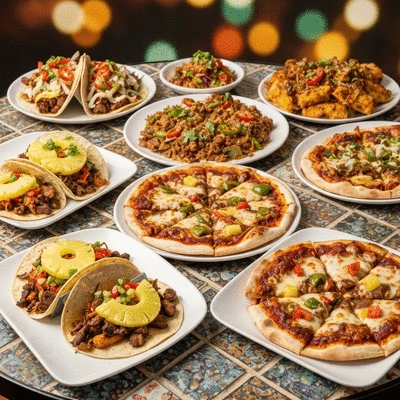
Jerk Tacos: A delightful blend of Jamaica and Mexico, featuring jerk chicken topped with fresh salsa.
Jerk Pizza: Savory jerk chicken served on a crispy crust with tropical toppings.
Jerk Pasta: A unique twist where spaghetti is paired with a creamy jerk sauce.
These fusion dishes not only broaden our palate but also bring the spirit of jerk cooking to new audiences. It’s all about connecting cultures through the universal language of food!
Frequently Asked Questions About Jamaican Jerk Cooking
What are the foundational ingredients of Jamaican jerk cooking?
The foundational ingredients include Scotch bonnet peppers for heat, allspice (pimento) for a unique flavor, and local herbs like thyme and scallions, all introduced by indigenous Taíno and Arawak peoples.
How did the Maroons influence jerk cuisine?
The Maroons adapted cooking techniques, emphasizing resourcefulness and community values. They were instrumental in preserving jerk traditions by using methods like slow smoking over pimento wood, which imparts the signature smoky flavor.
How did jerk cooking evolve from a survival strategy to a culinary art form?
Initially, jerk cooking was a survival strategy for the Maroons to preserve meats using fire and smoke, along with spices to enhance flavor. Over time, it evolved into a celebrated culinary art form, symbolizing creativity and resilience.
What are the nutritional benefits of traditional jerk ingredients?
Traditional jerk dishes offer high protein content from meats, metabolism boosts from spicy Scotch bonnet peppers, and antioxidants from ingredients like allspice and thyme, contributing to overall wellness.
Are there regional variations in jerk flavors across Jamaica?
Yes, there are distinct regional variations. For example, Kingston jerk is known for bold spices, St. Ann jerk often incorporates local fruits for a sweeter profile, and Montego Bay jerk features a spicier kick.
What are some examples of fusion dishes featuring jerk?
Jerk flavors have been creatively incorporated into fusion dishes such as jerk tacos (blending Jamaican and Mexican influences), jerk pizza (jerk chicken on a crispy crust), and jerk pasta (spaghetti with creamy jerk sauce).
Recap of Key Points
Jerk cooking is deeply rooted in the cultural influences of the indigenous Taíno and Arawak peoples, who introduced key ingredients like Scotch bonnet peppers and allspice.
The Maroons significantly contributed to jerk cuisine by preserving cooking traditions and adapting techniques that reflect their environment.
Jerk cooking evolved from a survival strategy to a celebrated culinary art, emphasizing the use of fire and smoke for flavor enhancement.
Health benefits of jerk cuisine include high protein content and antioxidant properties from traditional ingredients.
Contemporary adaptations of jerk recipes can incorporate leaner meats and more vegetables to align with modern health-conscious trends.
Regional variations of jerk showcase the diverse flavors influenced by local ingredients, creating a rich tapestry of culinary experiences across Jamaica.
Fusion cuisine, such as jerk tacos and jerk pizza, highlights the versatility of jerk flavors and connects different culinary traditions.
At Jerk Pit, we are passionate about sharing the vibrant culture and bold flavors of authentic Jamaican jerk cooking. Our mission is to inspire, educate, and empower food lovers and home cooks to master the art of Caribbean cuisine.

Jamaican Sides for Jerk Dishes
Jerk Dishes with Caribbean Sides
Jerk Pit Master Secrets Explained
Jamaican Jerk: A Taste of Heritage
Jerk Marinades with Caribbean Sides