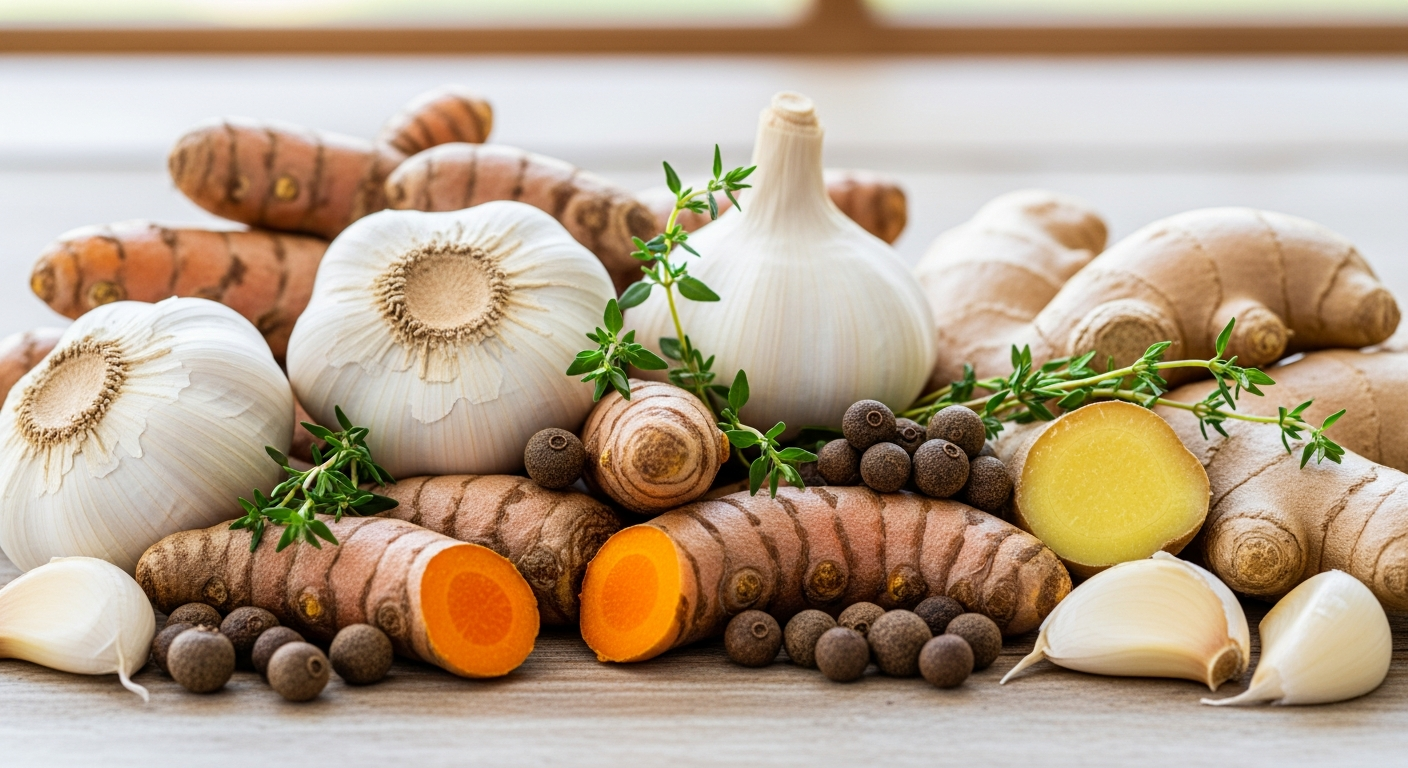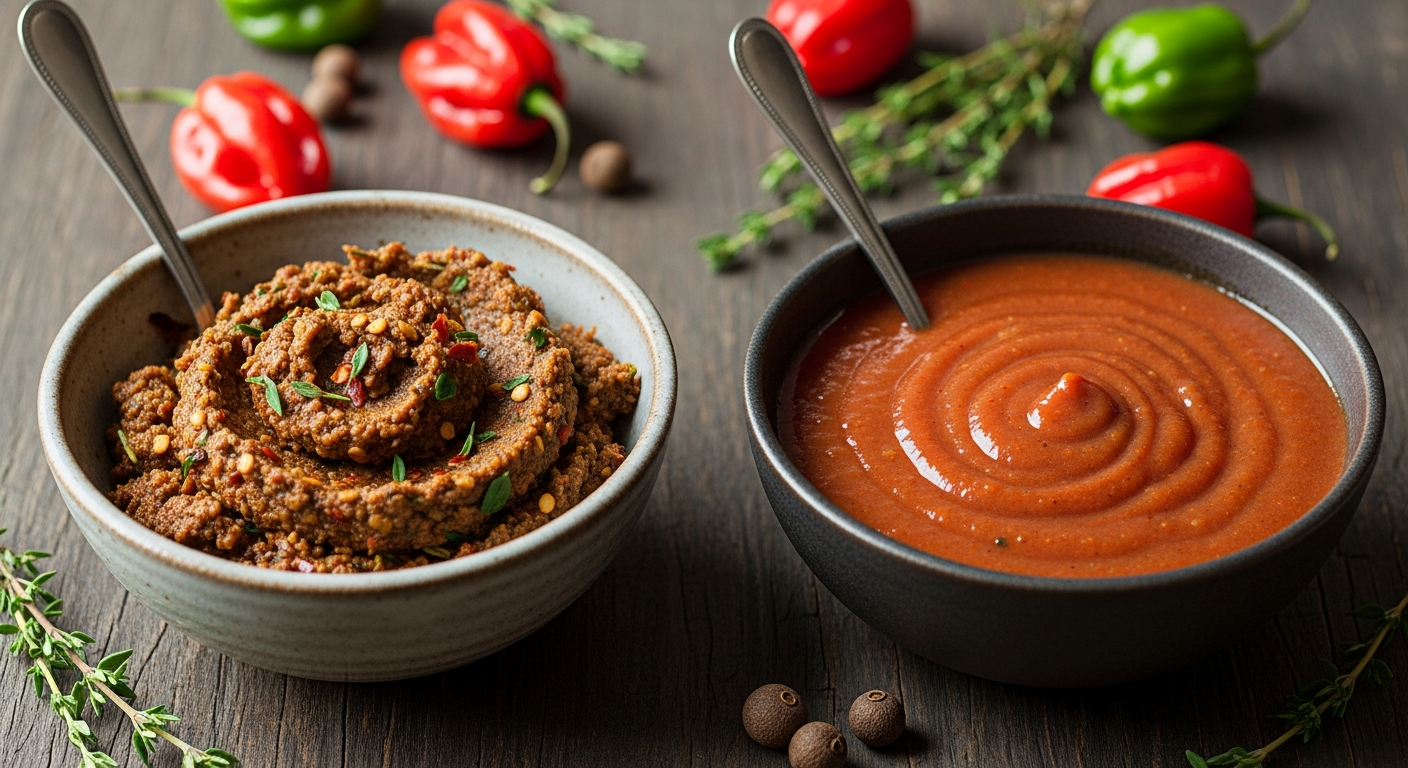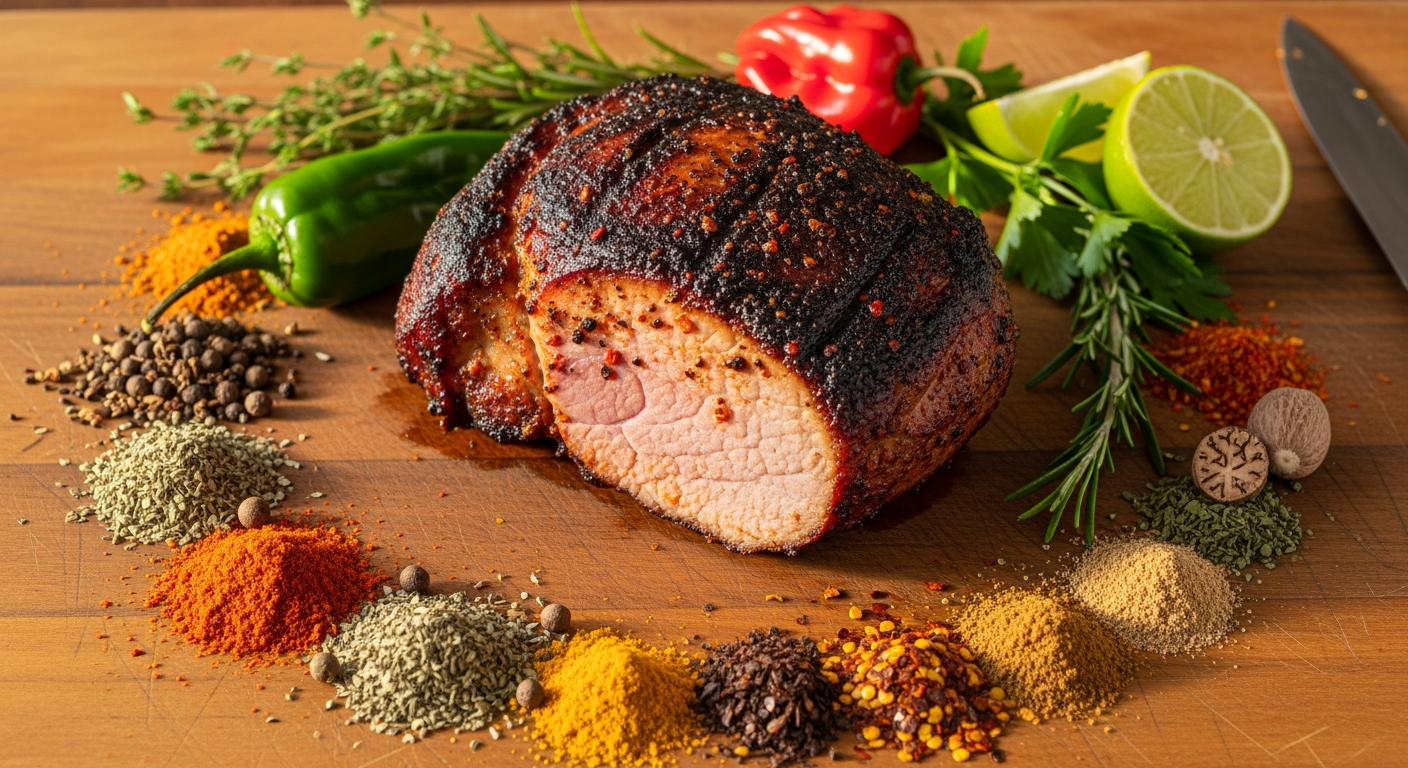
Beginner's guide ingredients for jerk marinade laid out on a kitchen counter including scotch bonnet, allspice, garlic, thyme, and ginger
Marinades

Jerk Marinade for Beginners: Step-by-Step Guide

· Reviewed by Audrey Clarke Updated March 30, 2026 3 min read

Making jerk marinade for the first time is easier than it looks. The recipe requires a blender, 8–10 common ingredients, and about 10 minutes of prep. The most important things to know as a beginner: allspice is the dominant spice (use more than you think), scotch bonnet peppers are very hot (wear gloves when handling), and the marinade needs time to work — at least 4 hours, preferably overnight. Start here and you will have a foundation you can build on for years.

What Each Ingredient Does

Understanding why each ingredient is in the recipe helps beginners make confident adjustments:

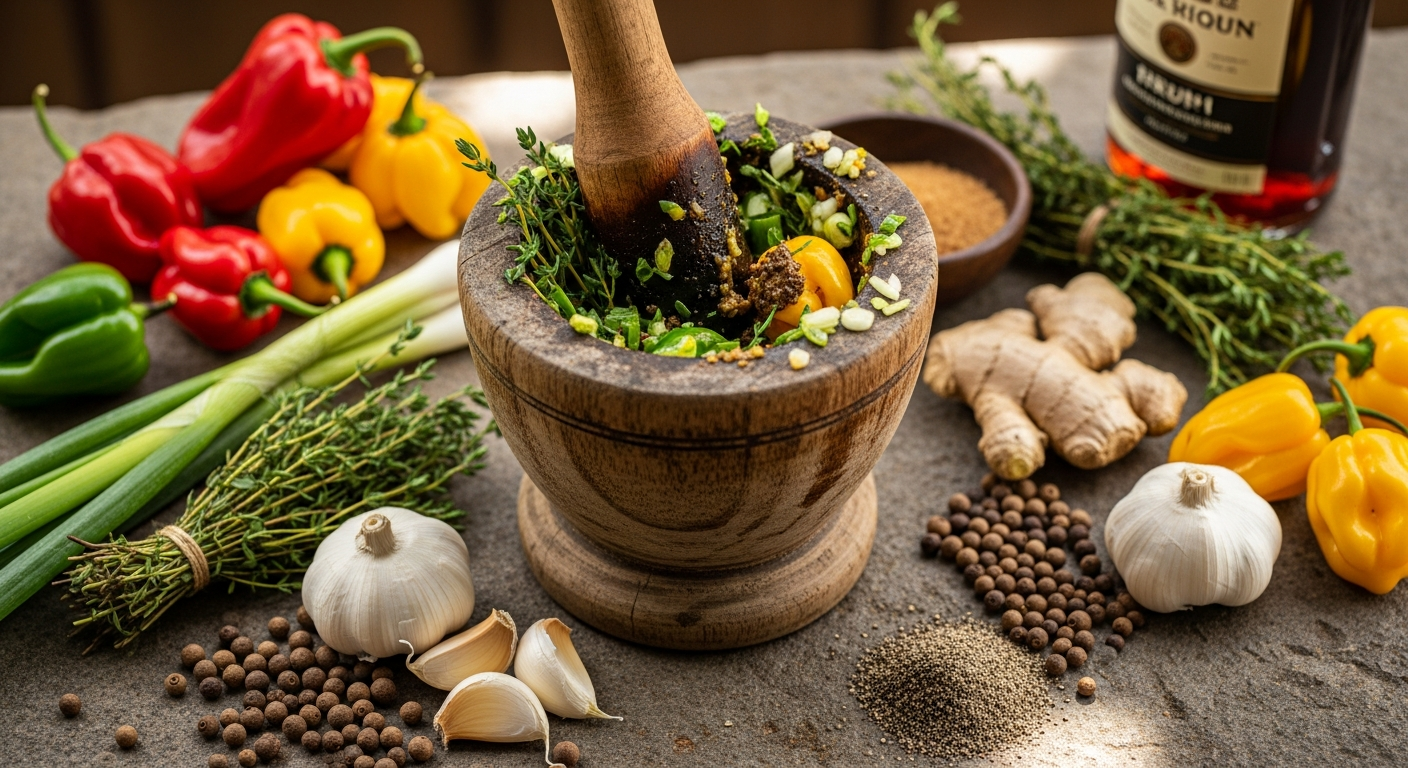
  • Scotch bonnet peppers — Provide the signature fruity, floral heat that defines jerk. Without them, jerk chicken is just well-seasoned grilled chicken. Start with 1 pepper (seeded) and work up.
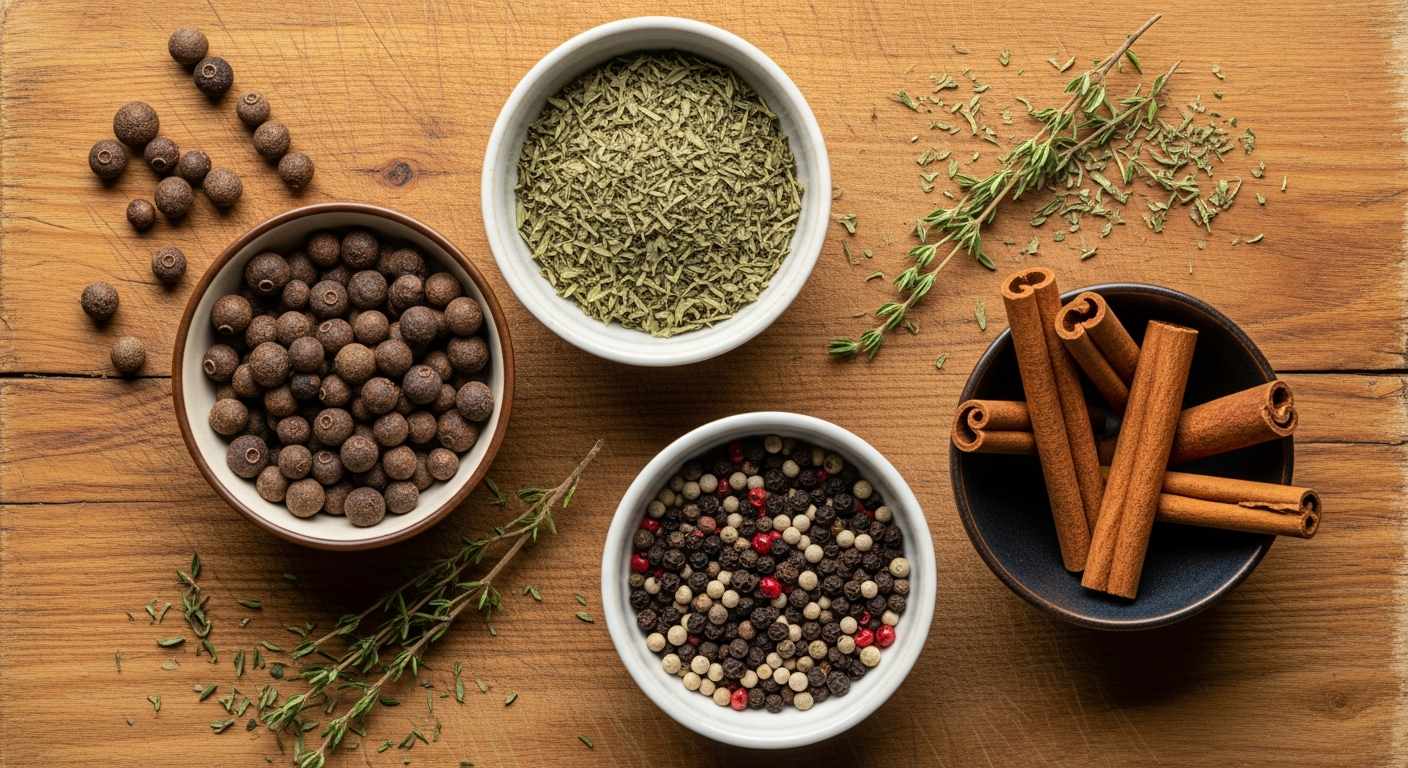
  • Allspice (ground or whole pimento) — The most important spice in jerk seasoning. It smells and tastes like a blend of cinnamon, cloves, and black pepper. Use it generously — 1–2 tablespoons per batch.
  • Fresh thyme — Adds herbal freshness and complexity. Fresh thyme is significantly better than dried for this recipe.
  • Scallions (green onions) — Mild allium flavor and freshness. Use the whole scallion including green tops.
  • Garlic — Depth and bite. Use 4–6 cloves minimum for meaningful garlic presence.
  • Ginger — Warmth and spice. Fresh ginger is far superior to ground for this recipe.
  • Soy sauce — Saltiness and umami. Reduces the need for extra salt and adds depth.
  • Brown sugar — Balances the heat and helps caramelization during cooking.
  • Lime juice — Acidity that helps tenderize meat and brightens the overall flavor.
  • Oil — Helps bind the marinade and prevents sticking during grilling or roasting.
Beginner jerk marinade ingredients labeled on a wooden board showing scotch bonnet, garlic, ginger, allspice, and thyme

Beginner-Friendly Recipe

This recipe uses conservative scotch bonnet quantities (start mild, add heat in future batches):

  • 1 scotch bonnet pepper, seeded (or 1 habanero)
  • 1 tablespoon ground allspice
  • 4 scallions
  • 4 garlic cloves
  • 1 tablespoon fresh ginger
  • 1 tablespoon fresh thyme
  • 2 tablespoons soy sauce
  • 1 tablespoon brown sugar
  • 2 tablespoons lime juice
  • 2 tablespoons vegetable oil
  • ½ teaspoon each: black pepper, salt, cinnamon, nutmeg

Blend all ingredients until smooth. Taste, adjust, and apply to scored chicken. Marinate for at least 4 hours (overnight is better). See our full jerk marinade recipe for the more advanced version with pimento wood and additional technique tips. If you prefer to start with a pre-made product while building your confidence, see our best jerk seasoning guide.

Common Beginner Mistakes

  • Not marinating long enough — 30 minutes is not enough. Minimum 4 hours for bone-in chicken.
  • Touching face after handling scotch bonnets — The capsaicin oil stays on your fingers and burns skin and eyes. Wear disposable gloves or wash hands thoroughly with soap several times.
  • Using too little allspice — Allspice is the backbone of jerk flavor. Beginners often under-use it from unfamiliarity. Be generous.
  • Skipping the scoring step — Cuts in the meat allow marinade to penetrate. Without scoring, the flavor stays surface-level.
  • Using bottled lime juice — Fresh lime juice has significantly brighter flavor than bottled. Use one or two fresh limes.
Recommended Reading

The marinade is where authentic jerk flavor is built.

complete jerk marinade guide →

Full ingredient ratios, overnight timing chart, and the technique used at Boston Bay jerk stands.

Frequently Asked Questions

I have never cooked with scotch bonnet peppers before. Should I be worried?
Scotch bonnets are very hot — handle them with care. Wear disposable gloves when cutting them, avoid touching your face, and wash all surfaces that touched the pepper thoroughly. If you are heat-sensitive, start with one seeded scotch bonnet or substitute with one seeded jalapeño plus ½ teaspoon of cayenne for a milder but still flavorful marinade.
Can I use a store-bought jerk paste instead of making my own marinade?
Yes — store-bought jerk paste (like Walkerswood or Grace) is a good starting point for beginners. Thin it with a little oil, lime juice, and soy sauce to create a usable marinade. As you gain confidence, try making your own marinade from scratch for a more personalized flavor.
How do I know if my jerk marinade tastes right?
Taste a small amount of the finished marinade on your fingertip. It should be hot (from the scotch bonnet), warm and aromatic (from the allspice), slightly sweet (from the brown sugar), salty (from the soy sauce), and bright (from the lime). If any element is missing or dominant, adjust accordingly.
What is the most common substitution needed for a jerk marinade?
The most common substitution is habanero for scotch bonnet pepper. Habaneros are widely available in mainstream supermarkets while scotch bonnets may require a trip to a Caribbean, Latin, or specialty grocery store. Use the same quantity as scotch bonnets — they have similar heat levels and aromatic profiles.

Written by

Marcus Thompson

Jerk Cuisine Specialist

Marcus Thompson grew up in Portland Parish, Jamaica — home to the original Boston Bay jerk stands — and has spent over a decade studying Jamaican jerk cooking techniques, marinade science, and the Maroon cultural history behind the world's most iconic grilled dish.

View full bio

Reviewed by

Audrey Clarke

Caribbean Food Editor

Food editor and recipe developer specializing in Caribbean and African-diaspora cuisines. Contributor to food publications in the UK and North America.

Related Articles

More from JerkPit on Jamaican jerk cooking

Beginner jerk chicken cooking steps showing raw chicken, marinated chicken, and finished grilled jerk chicken
Jerk Recipes

Jerk Chicken Recipe for Beginners: Step-by-Step

This beginner-friendly jerk chicken recipe breaks down every step — marinade, marinating time, and cooking — so your first attempt tastes great.

3 min read · Updated April 1, 2026
Authentic Jamaican jerk marinade ingredients with mortar and pestle, scotch bonnet peppers, and allspice berries on a wooden board
Marinades

Authentic Jamaican Jerk Marinade: The Complete Guide

The definitive guide to building an authentic Jamaican jerk marinade from scratch, with traditional ingredients, proper ratios, regional variations, and expert techniques.

7 min read · Updated January 29, 2026
Jerk chicken marinating in a glass bowl covered in scotch bonnet and allspice marinade in a refrigerator
Marinades

How Long Should Jerk Chicken Marinate?

Jerk chicken should marinate for a minimum of 2 hours, ideally 12–24 hours overnight for maximum flavor penetration.

3 min read · Updated March 26, 2026
Blender with jerk marinade ingredients including scotch bonnet peppers, allspice, thyme, garlic, and ginger
Marinades

Easy Jerk Marinade Recipe: Authentic Flavor in 10 Minutes

This easy jerk marinade recipe takes just 10 minutes and a blender, delivering authentic Jamaican scotch bonnet and allspice flavor.

3 min read · Updated March 29, 2026
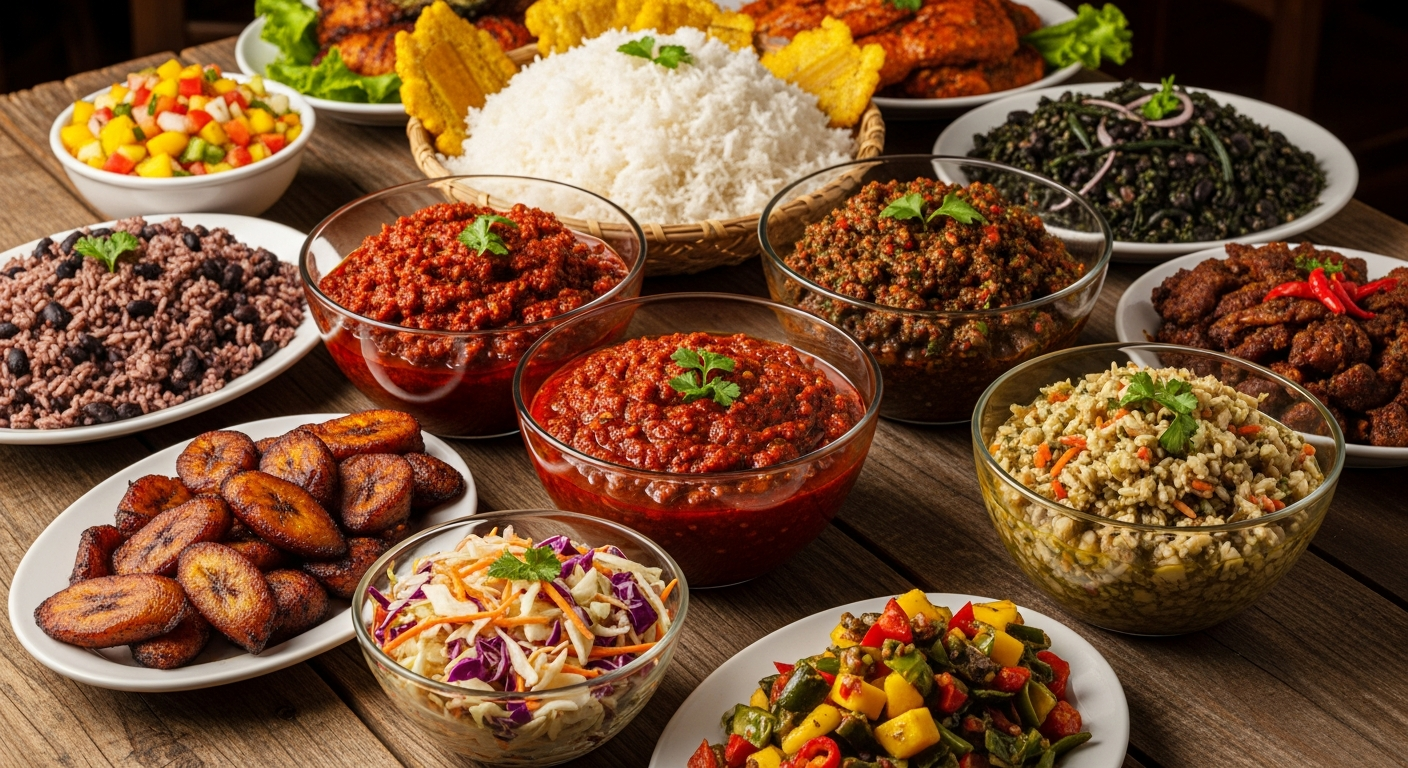
Assortment of jerk marinades alongside Caribbean side dishes on a wooden table
Marinades

Jerk Marinades That Pair Perfectly with Caribbean Sides

The right jerk marinade transforms not just your protein but your entire Caribbean meal. Learn which marinades pair best with traditional sides.

4 min read · Updated March 20, 2026
Glass jars of jerk marinade stored in a refrigerator with labeled dates
Marinades

Storing Jerk Marinade Safely: A Complete Guide

Proper storage ensures your jerk marinade stays fresh and safe. Learn refrigeration, freezing, and batch prep techniques for maximum shelf life.

5 min read · Updated January 9, 2026
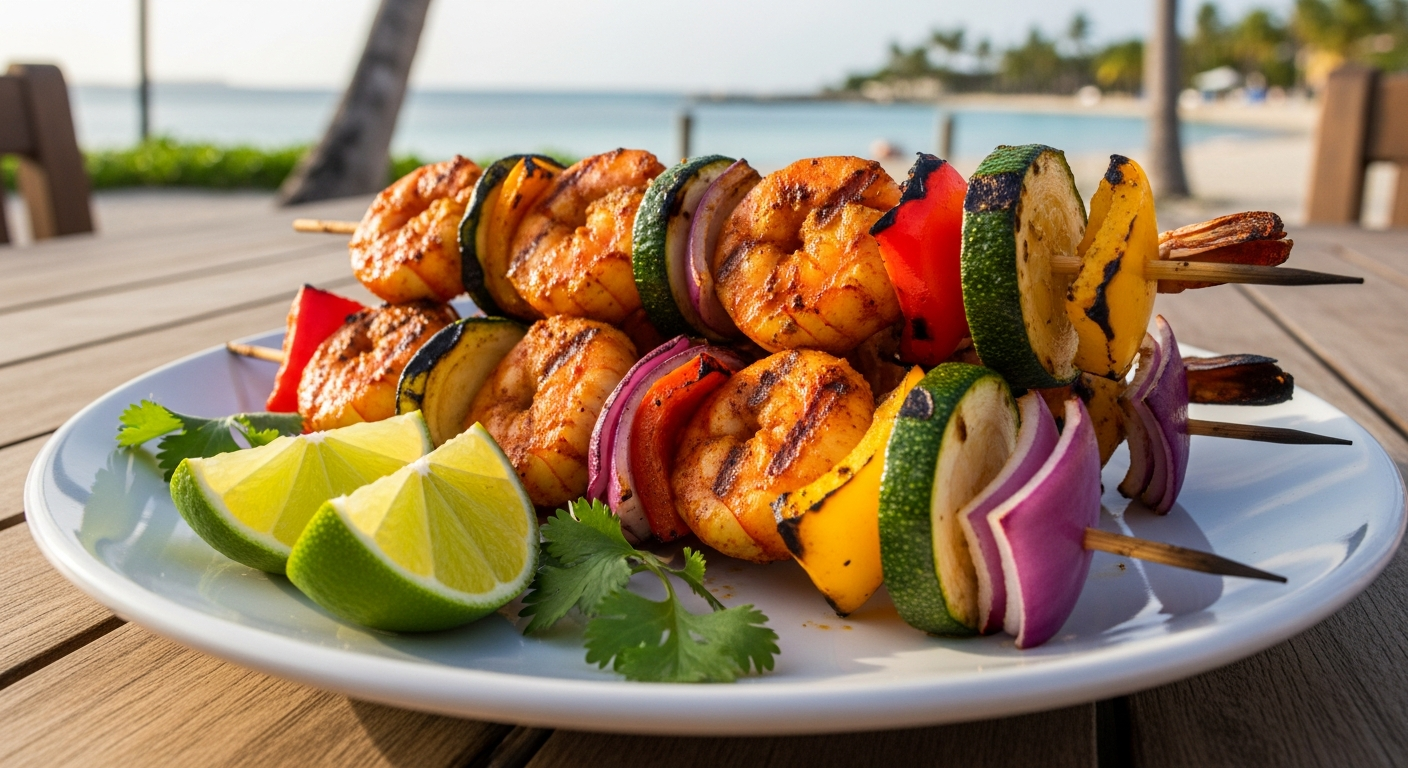
Grilled jerk-marinated shrimp and vegetables on skewers with lime wedges
Marinades

Jerk Marinade for Veggies and Seafood: A Flavorful Guide

Jerk marinade is not just for chicken. Learn how to adapt traditional jerk flavors for seafood and vegetables with the right timing and technique.

5 min read · Updated January 28, 2026
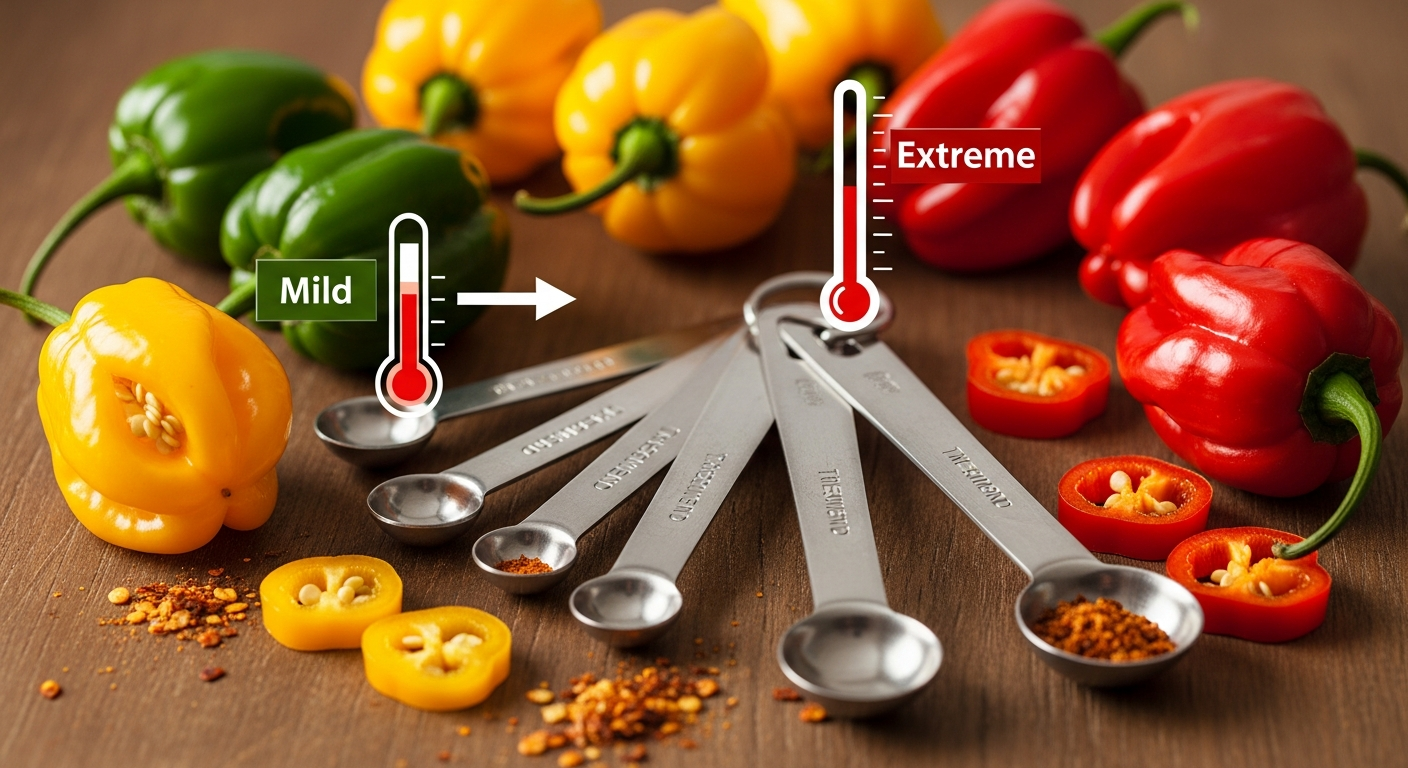
Scotch bonnet peppers in varying colors showing different heat levels for jerk marinade
Marinades

Adjusting Heat in Jerk Marinades: From Mild to Fiery

Master the art of heat control in jerk marinades. From kid-friendly mild to authentic fiery heat, learn to adjust spice without sacrificing flavor.

6 min read · Updated January 12, 2026
Fresh jerk marinade ingredients including turmeric, scotch bonnet, and allspice with nutritional labels
Marinades

Jamaican Jerk Marinades: Health Benefits and Nutritional Insights

Jerk marinades are not just delicious — their core ingredients carry impressive health benefits, from anti-inflammatory allspice to metabolism-boosting capsaicin.

5 min read · Updated February 8, 2026
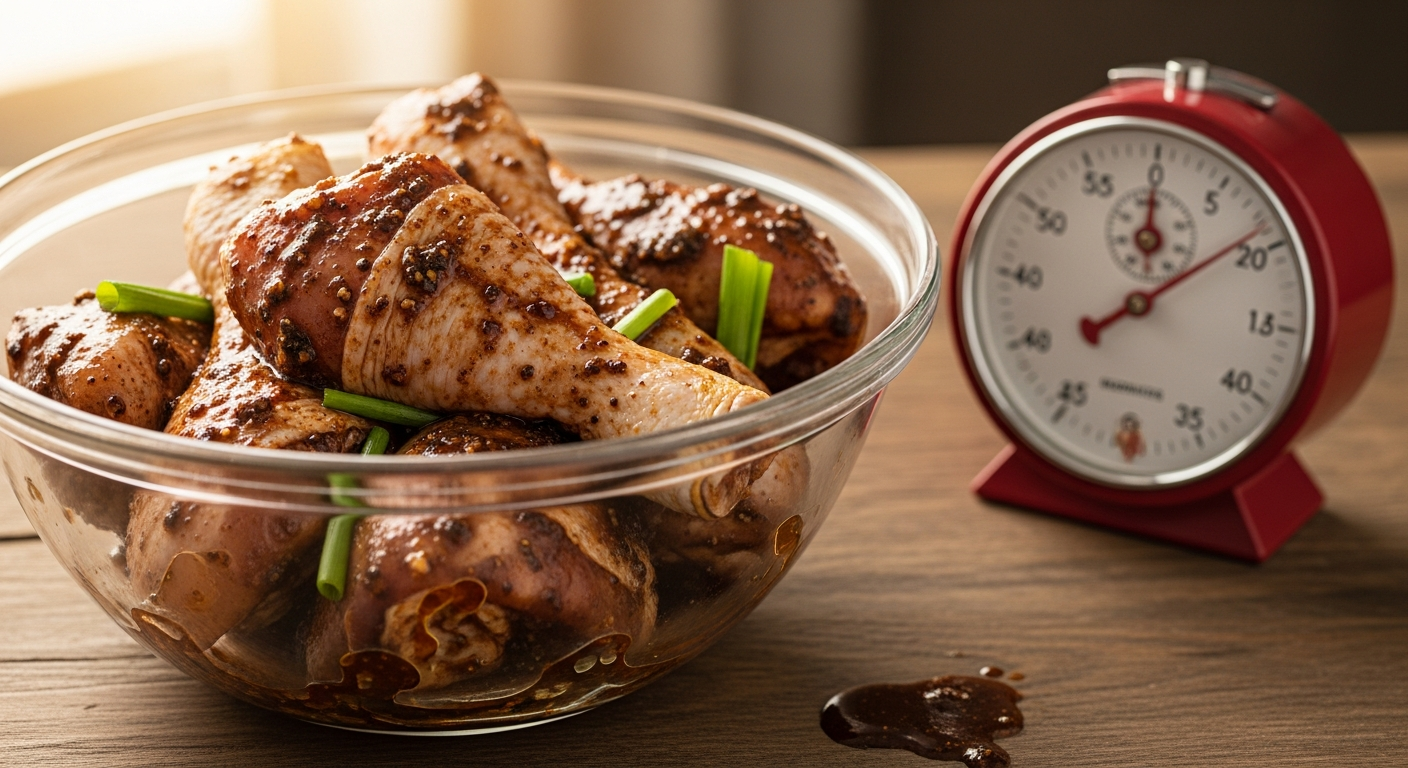
Chicken pieces marinating in jerk seasoning in a glass bowl with a kitchen timer
Marinades

Jerk Marinade Timing for Meat: How Long Is Enough?

Timing is everything when marinating with jerk seasoning. Too little and flavors stay on the surface; too much and textures break down. Here is your complete guide.

6 min read · Updated March 15, 2026
Jerk-marinated pork shoulder on a cutting board with Caribbean spices
Marinades

Jerk Marinades for Pork: Tips for Perfect Results

Pork and jerk seasoning are a match made in Caribbean heaven. Learn which cuts work best, how to adapt your marinade, and tips for perfect jerk pork.

5 min read · Updated March 4, 2026
Side-by-side comparison of traditional mortar-and-pestle and modern blender jerk marinades
Marinades

Jerk Chicken Marinades: Traditional vs Modern Approaches

Traditional jerk marinades and modern interpretations each have their strengths. Explore how the classic recipe has evolved and when each approach shines.

5 min read · Updated January 2, 2026

Recommended Guides

The most important resources on JerkPit.com for authentic Jamaican jerk cooking