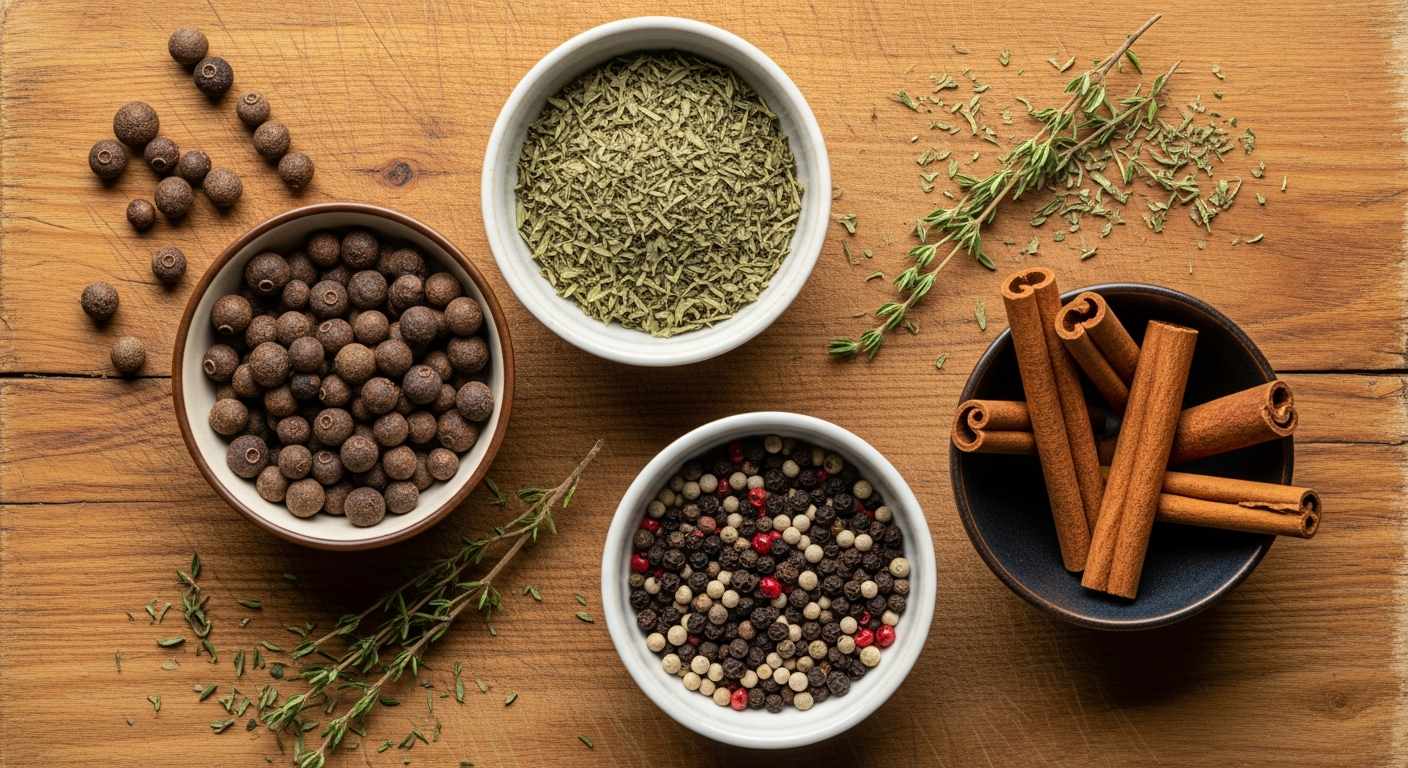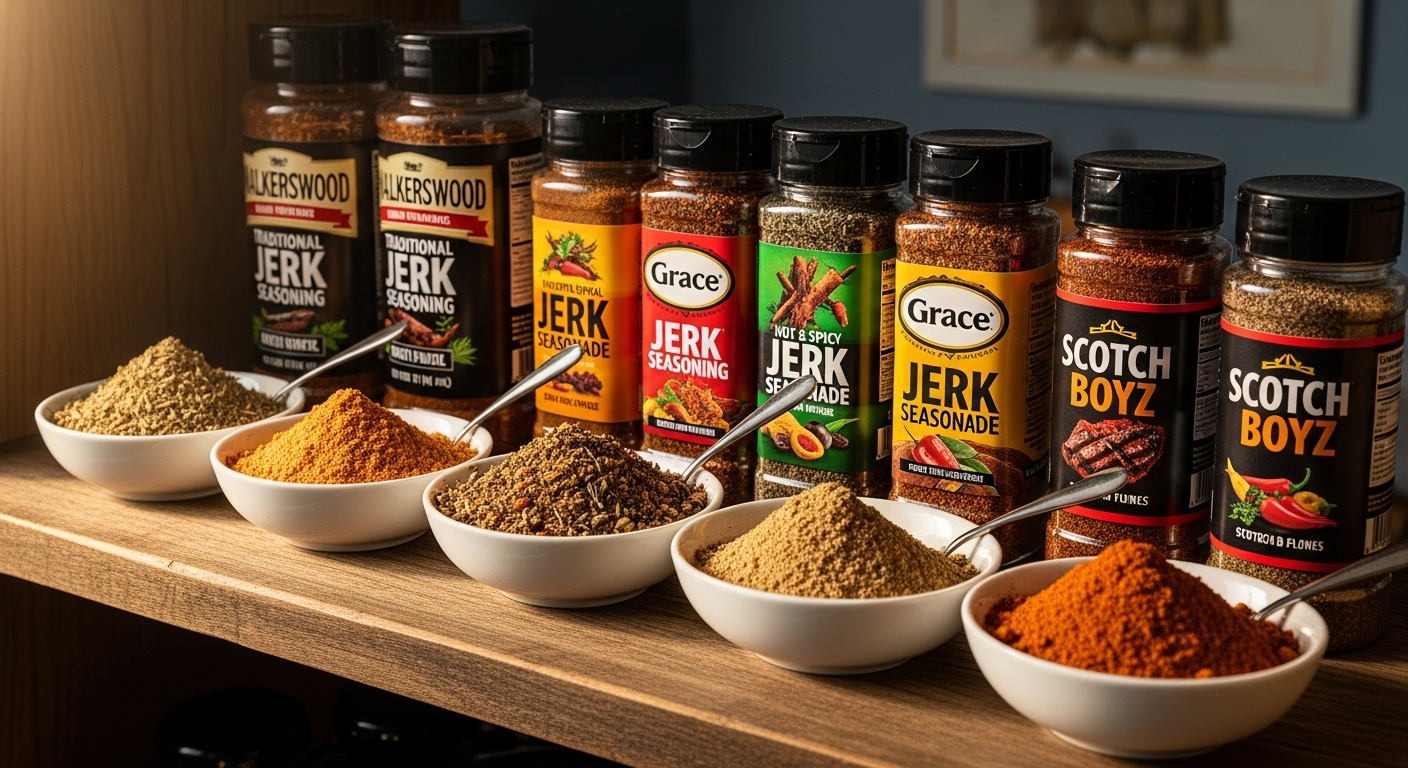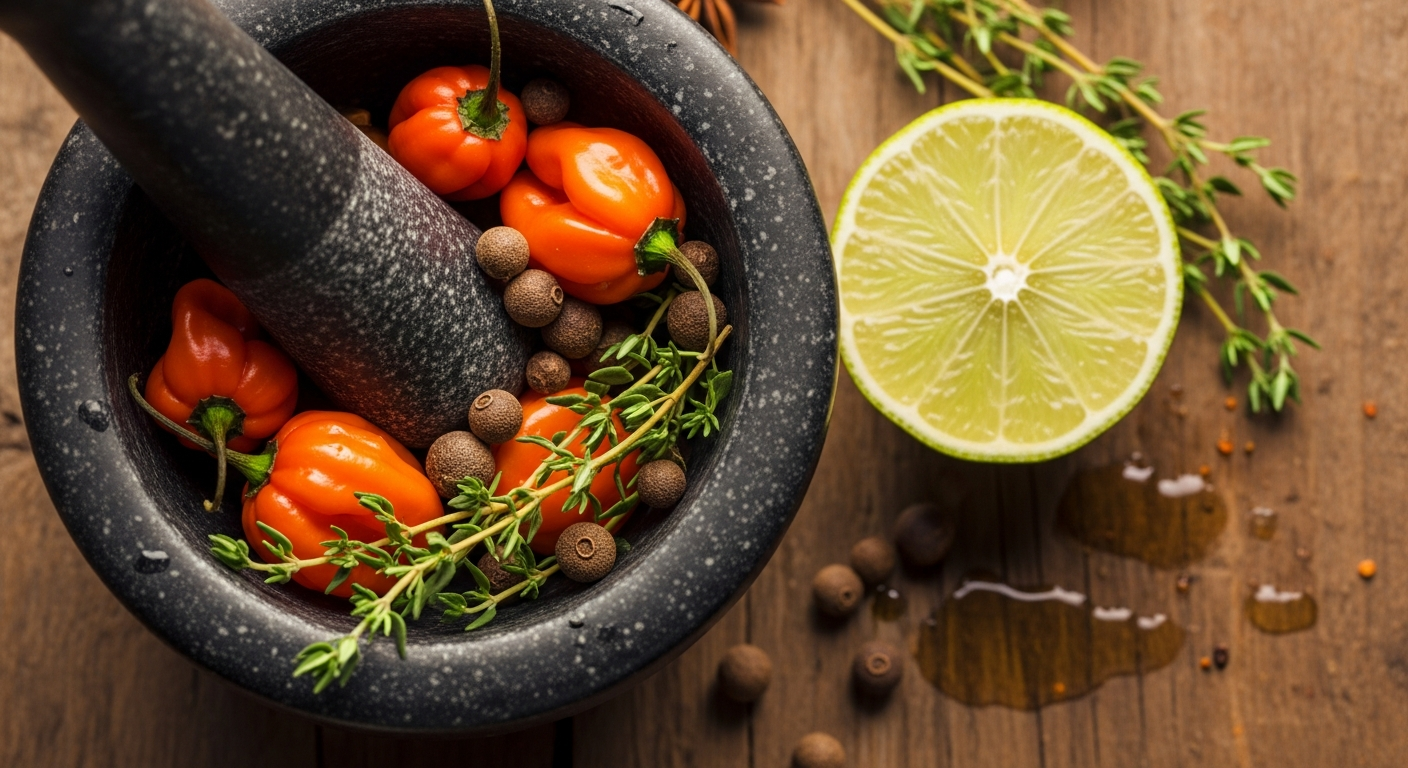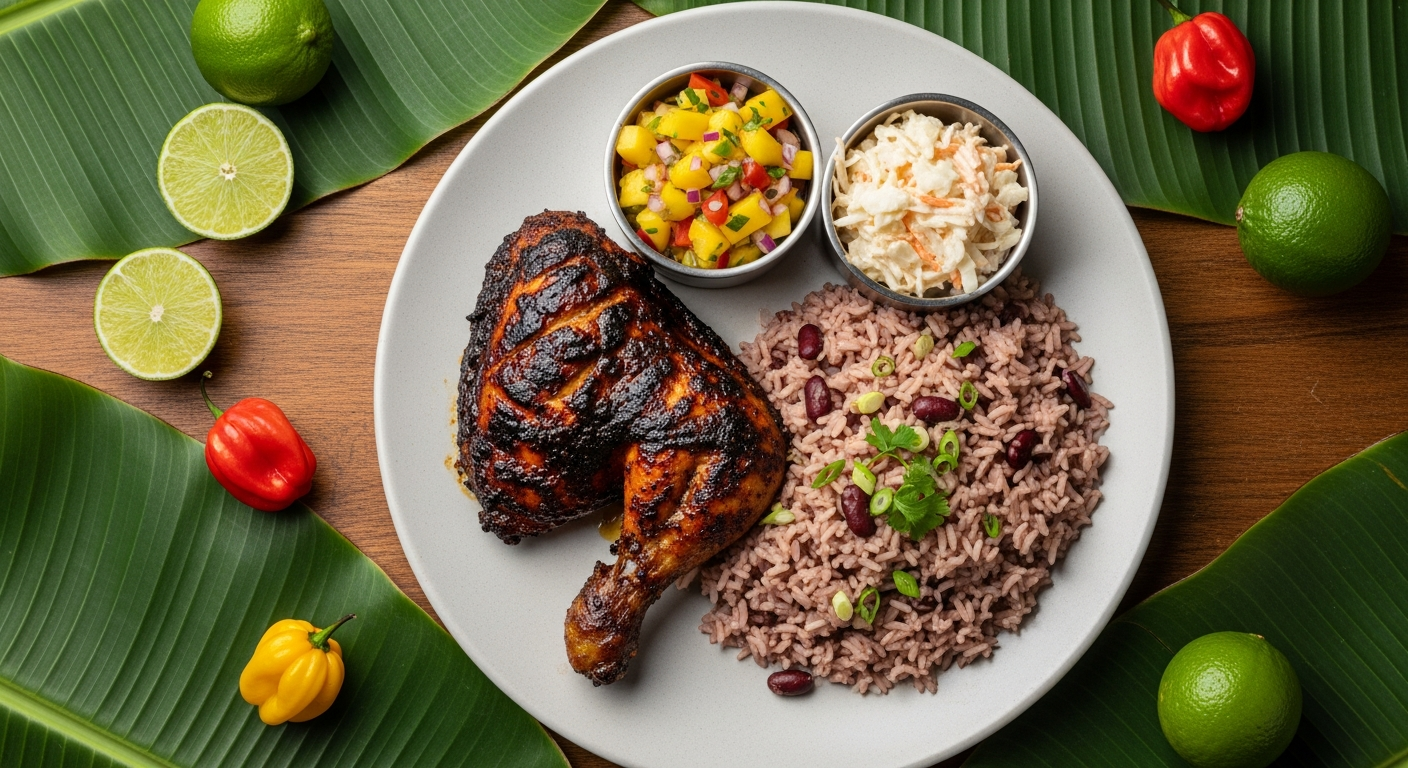
Making a great jerk marinade without scotch bonnet peppers is entirely possible — and the result can be just as flavorful and authentically Caribbean as the original. The scotch bonnet pepper provides the heat of jerk, but the flavor of jerk comes primarily from allspice, thyme, scallions, garlic, ginger, and the balance of sweet, sour, and savory in the marinade. Remove or moderate the scotch bonnet and you can preserve the full jerk character for guests who cannot or prefer not to handle extreme heat.
Why You Might Remove Scotch Bonnet
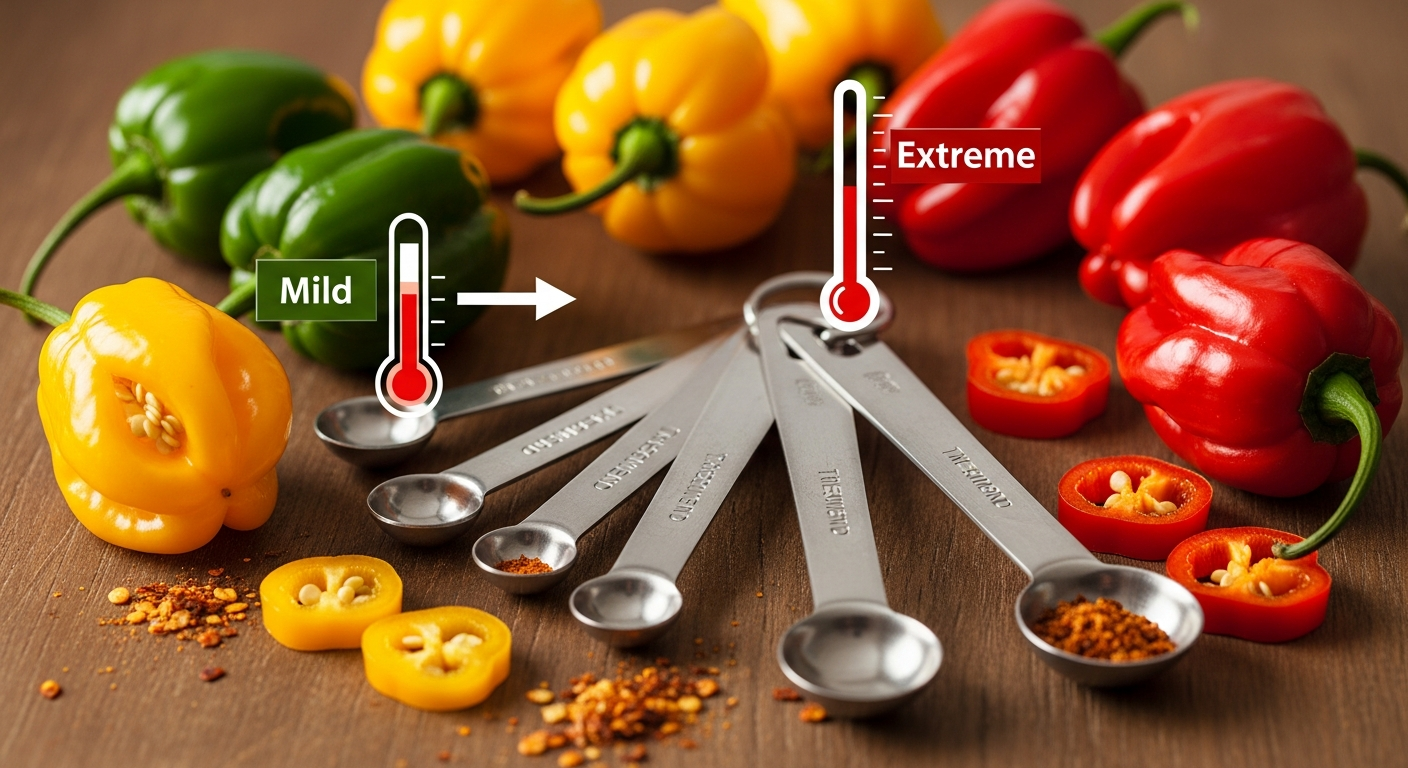
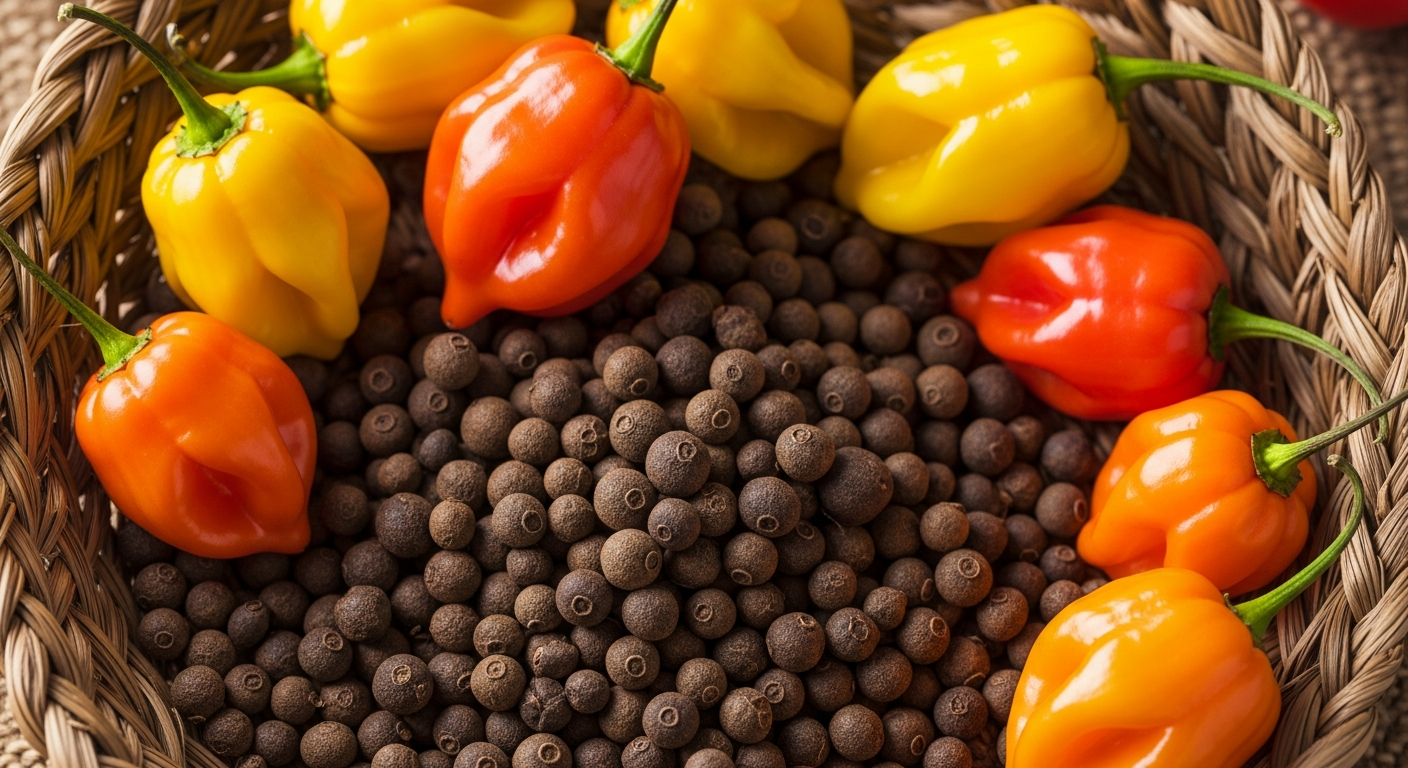
Scotch bonnet peppers register 100,000-350,000 on the Scoville heat scale — significantly hotter than a jalapeño (2,500-8,000 Scoville) and approaching the intensity of a habanero. For most adults who regularly eat spicy food, scotch bonnet is intense but manageable. For children, people with digestive sensitivities, or guests unaccustomed to Caribbean heat levels, it can be genuinely uncomfortable and ruin the dining experience.
Other reasons to skip or reduce scotch bonnet: allergy to capsaicin, pregnancy-related sensitivity, post-surgery digestive restrictions, or simply wanting to serve a crowd that spans a wide range of heat tolerances. A well-made jerk marinade without scotch bonnet still delivers deeply aromatic, complex Caribbean flavor — it just arrives without the burning heat.
It is worth noting that traditional jerk in Jamaica was not always maximally hot. Historical accounts suggest early Maroon jerk was moderately seasoned rather than aggressively hot, with the heat increasing over generations as scotch bonnet became more central to the regional flavor identity. A mild jerk marinade is therefore not a compromise — it is a historical precedent.
Best Mild Substitutes for Scotch Bonnet
The best substitute for scotch bonnet in a jerk marinade is another pepper that provides flavor without overwhelming heat. Several options work well depending on how mild you want the final dish.
Red bell pepper is the mildest option, providing zero heat and a sweet, fruity flavor that approximates some of the scotch bonnet's fruity character without any capsaicin. Use one whole red bell pepper, charred under the broiler or over an open flame, then peeled. The charring adds complexity that raw bell pepper lacks.
Anaheim pepper provides very mild heat (500-2,500 Scoville) with a clean, fresh flavor. Two or three Anaheim peppers give the marinade a gentle warmth that even heat-sensitive individuals can enjoy. They also add good body and color to the paste.
Ají amarillo is a Peruvian pepper with moderate heat (30,000-50,000 Scoville) and a distinctly fruity, tropical flavor that comes closer to scotch bonnet's character than any other mild substitute. It bridges the gap between zero-heat bell pepper and full-heat scotch bonnet exceptionally well.
For those who want mild rather than zero heat, one jalapeño or one small serrano pepper provides 2,500-23,000 Scoville — enough warmth to feel authentic without scorching. Remove the seeds and membranes and you reduce even this modest heat further.
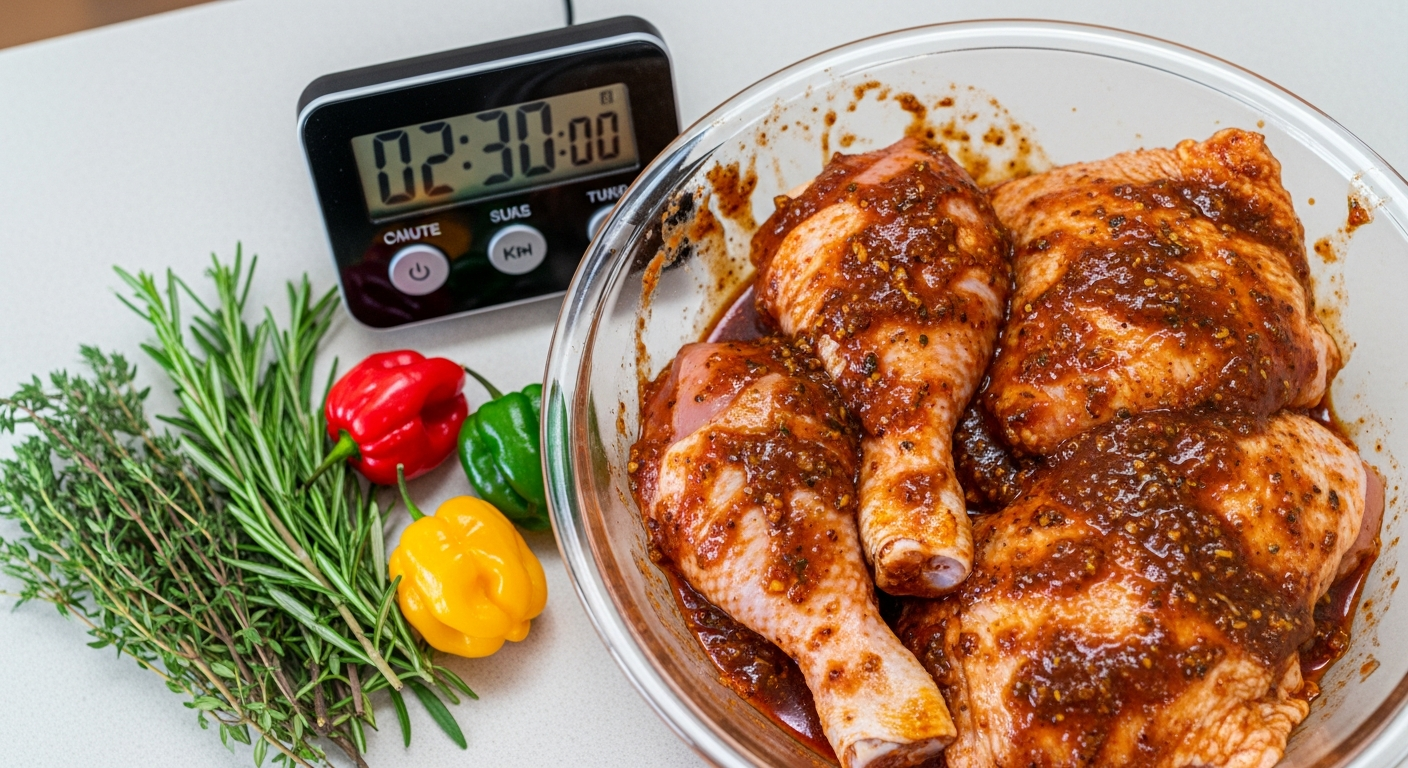
The Mild Jerk Marinade Recipe
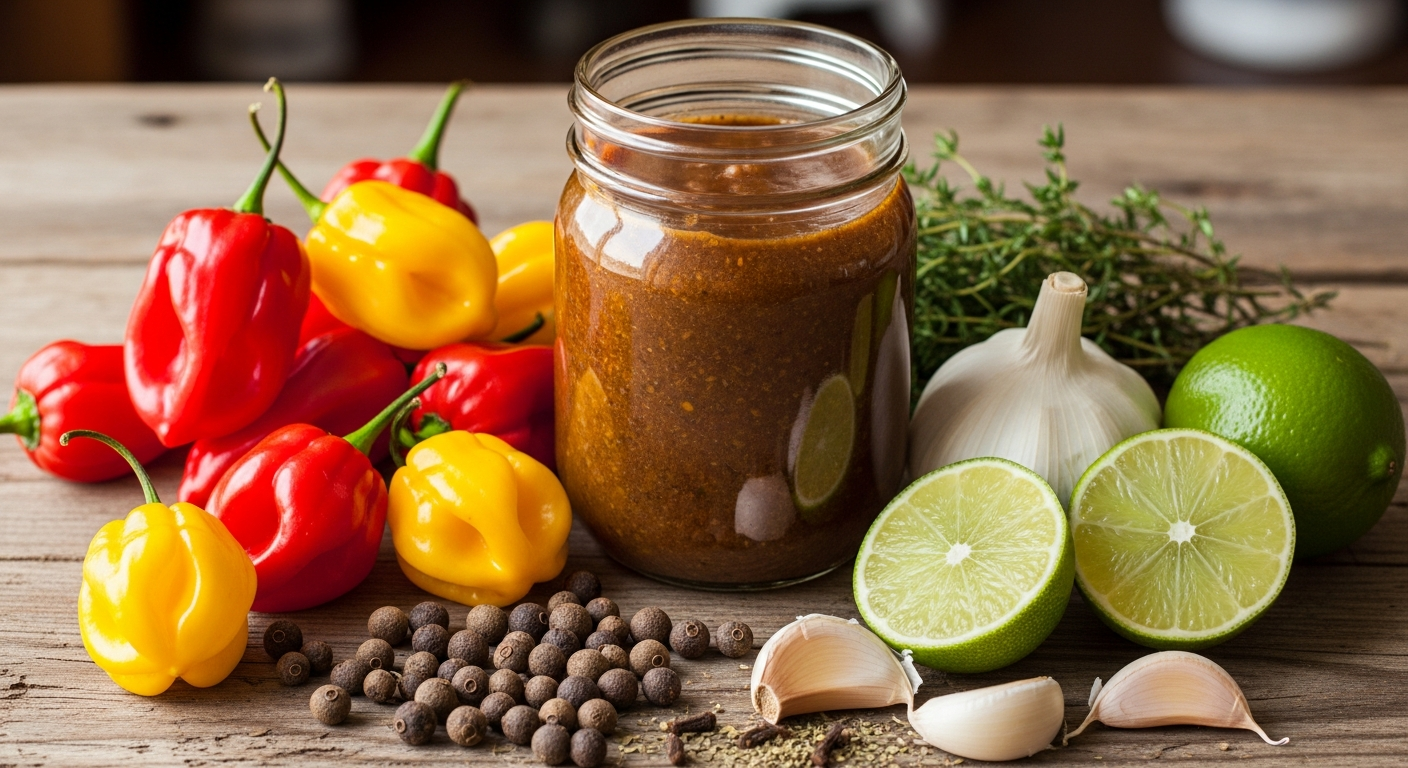
This recipe produces a deeply flavorful jerk marinade with Caribbean character and no painful heat. It works on chicken, pork, shrimp, fish, and vegetables equally well.
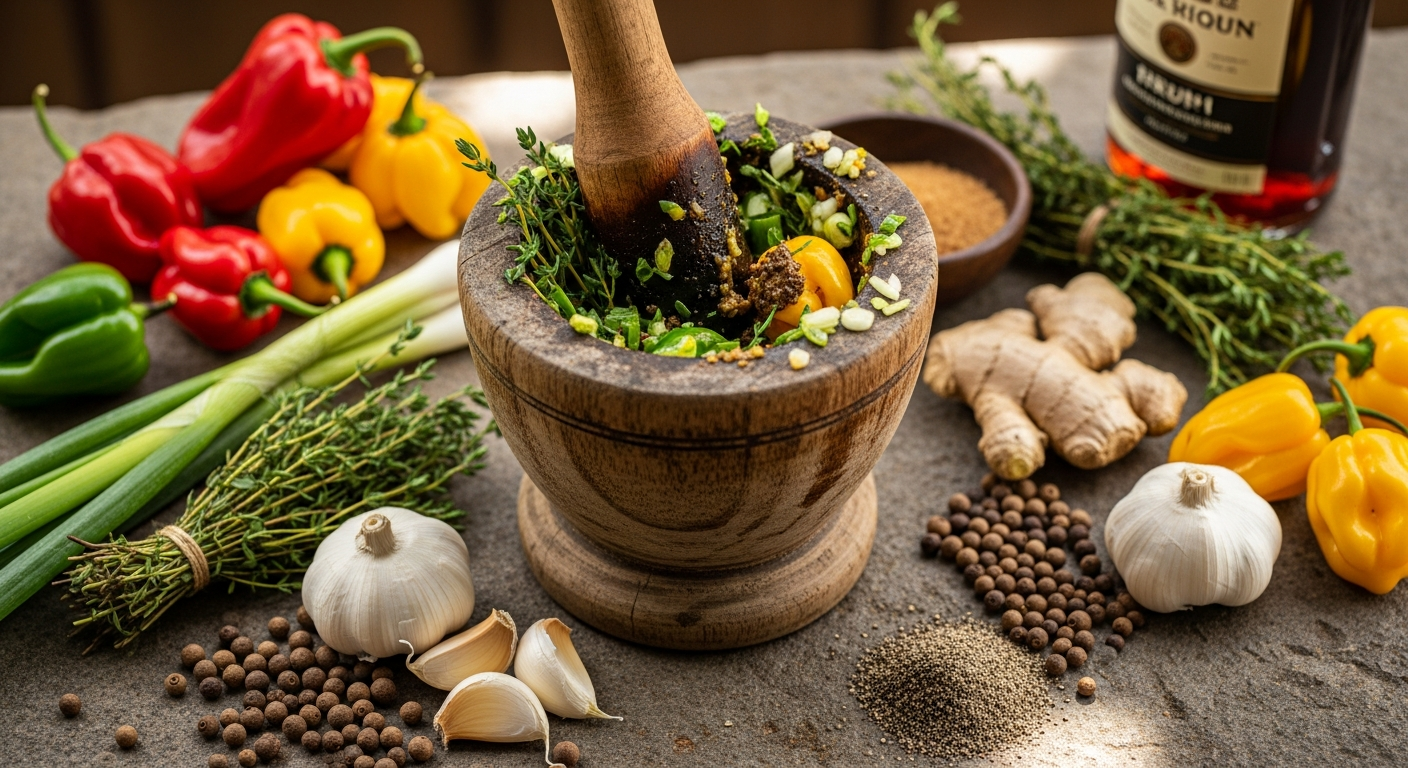
Ingredients: 1 large red bell pepper (charred, peeled), 1 jalapeño (seeded, optional for mild heat), 8 scallions, 8 garlic cloves, a 2-inch piece fresh ginger, 10 thyme sprigs, 2 tablespoons whole allspice berries (toasted and ground), ½ cup soy sauce, juice of 2 limes, 3 tablespoons brown sugar, 2 tablespoons vegetable oil, 1 tablespoon white vinegar, 1 teaspoon black pepper, ½ teaspoon cinnamon, ¼ teaspoon nutmeg, ¼ teaspoon smoked paprika.
Preparation: Toast and grind the allspice berries as described in our authentic jerk marinade guide. Char the bell pepper directly over a gas flame or under the broiler, turning until blackened on all sides. Place in a covered bowl for 10 minutes, then peel off the skin. Rough-chop all vegetables and combine everything in a blender or food processor. Blend to a thick paste, taste, and adjust sweetness, acidity, or salt to your preference.
The smoked paprika is a critical addition in the mild version — it replaces some of the aromatic complexity that scotch bonnet contributes and adds a subtle smokiness that amplifies the grilled character of the finished dish. Without it, the marinade can taste slightly flat compared to the full-heat version.
Keeping the Authentic Jerk Flavor Profile
The secret to a genuinely satisfying mild jerk marinade is over-delivering on the non-heat flavor elements. Since you are reducing or eliminating the scotch bonnet's aromatic complexity, compensate by intensifying other components. Use more allspice — up to three tablespoons of toasted whole berries. Add extra thyme, both in the marinade and fresh sprigs tucked around the protein during marinating. Increase the lime juice by half a lime for more acidity.
Consider adding a tablespoon of browning sauce (Jamaican Grace or similar) for depth and a rich, dark color that makes the mild marinade look as bold as the full-heat version. A splash of dark rum enhances the tropical warmth that scotch bonnet would otherwise provide.
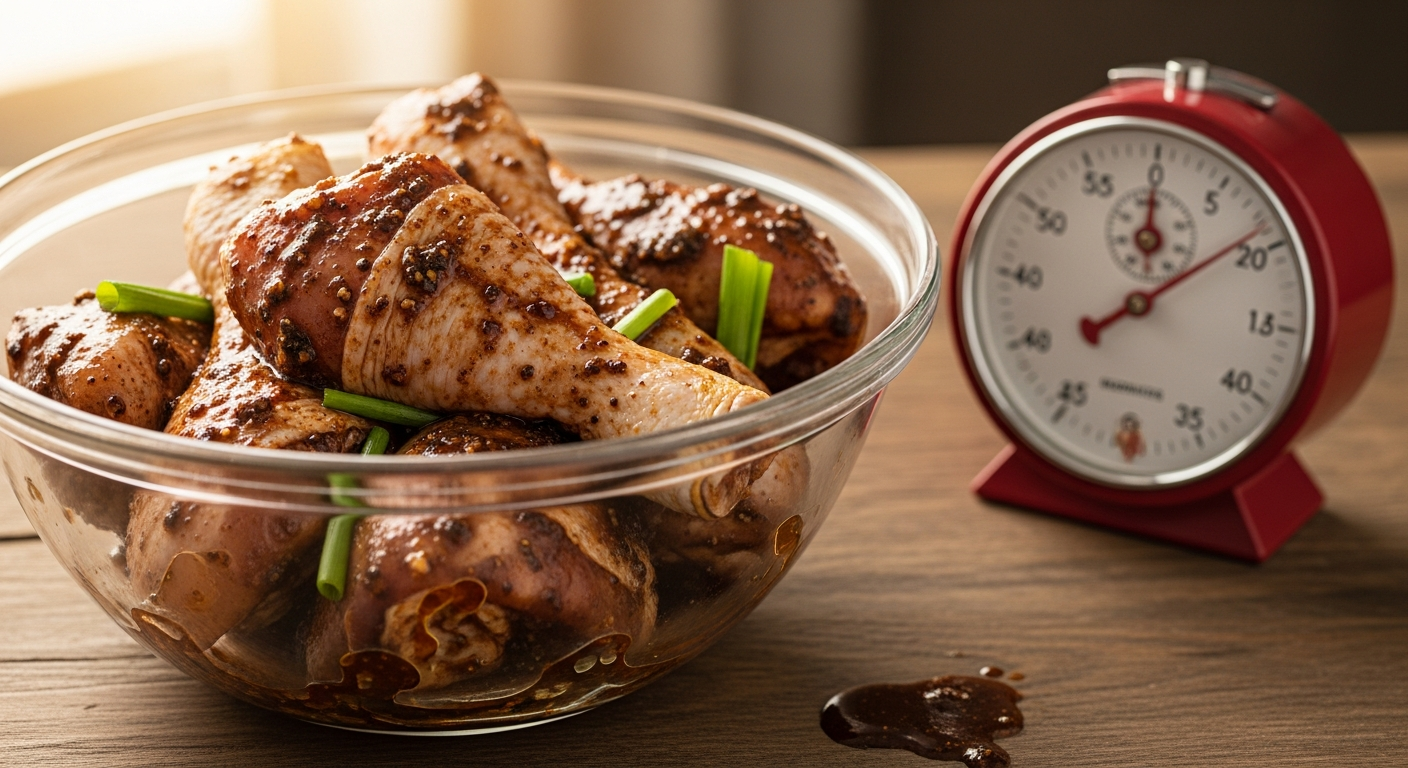
The marination time is even more important for mild jerk because you are relying entirely on the aromatics to carry the flavor into the meat. Marinate chicken for a full 24 hours rather than the minimum 4. This extended time allows the allspice, thyme, and ginger to penetrate deeply, producing meat that tastes boldly seasoned throughout rather than just on the surface.
Pepper Heat Comparison for Jerk Marinade
| Pepper | Scoville Range | Flavor Profile | Best For |
|---|---|---|---|
| Scotch Bonnet | 100,000–350,000 | Fruity, tropical, intensely hot | Traditional, heat lovers |
| Habanero | 100,000–350,000 | Fruity, slightly floral | Close substitute, still very hot |
| Ají Amarillo | 30,000–50,000 | Fruity, tropical | Mild-medium, closest flavor match |
| Serrano | 10,000–23,000 | Bright, grassy | Mild warmth |
| Jalapeño (seeded) | 500–2,500 | Vegetal, mild | Family-friendly |
| Anaheim | 500–2,500 | Clean, slightly sweet | Very mild |
| Red Bell Pepper | 0 | Sweet, fruity | Zero heat |
Cooking Tips for Mild Jerk
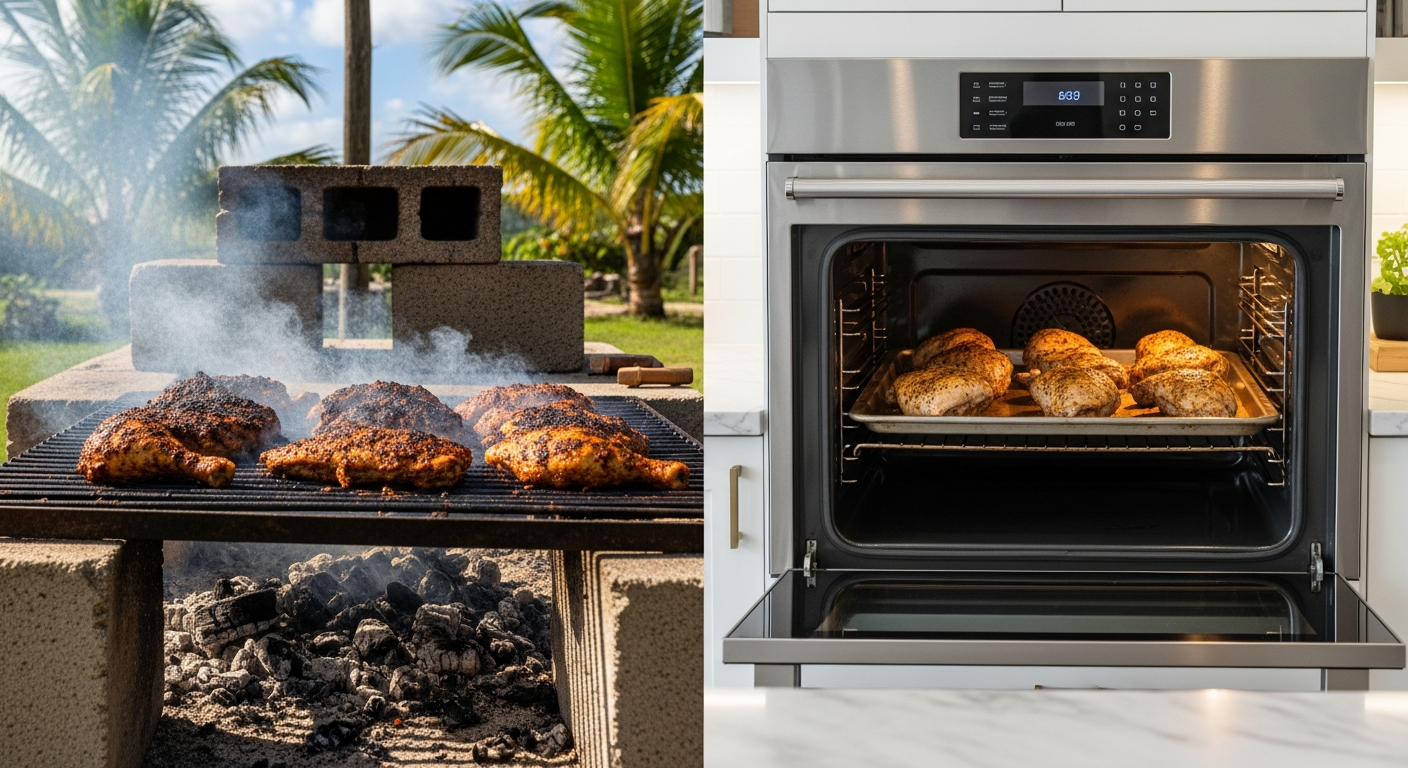
Mild jerk marinade behaves the same as the full-heat version during cooking. Apply it to scored meat, marinate for a full 24 hours (longer than the standard minimum for best results), then cook over charcoal indirect heat at 300-325°F. The brown sugar will caramelize to form the characteristic jerk crust and the allspice-forward marinade will develop gorgeous complexity in the smoke.
Serve with a bottle of your favorite hot sauce on the side for guests who want to dial up the heat independently. This approach lets you cook one batch of mild jerk that satisfies everyone at the table — heat lovers add their own kick, while heat-sensitive guests enjoy the full Caribbean flavor experience at their preferred spice level.
For truly spectacular results on mild jerk chicken, finish with a brush of scotch bonnet pepper jelly or habanero hot sauce in the last five minutes of cooking. The heat concentrates on the surface rather than penetrating throughout, giving the outside a fiery kick that dissipates as you eat into the interior. It is the best of both worlds for a mixed-tolerance crowd.