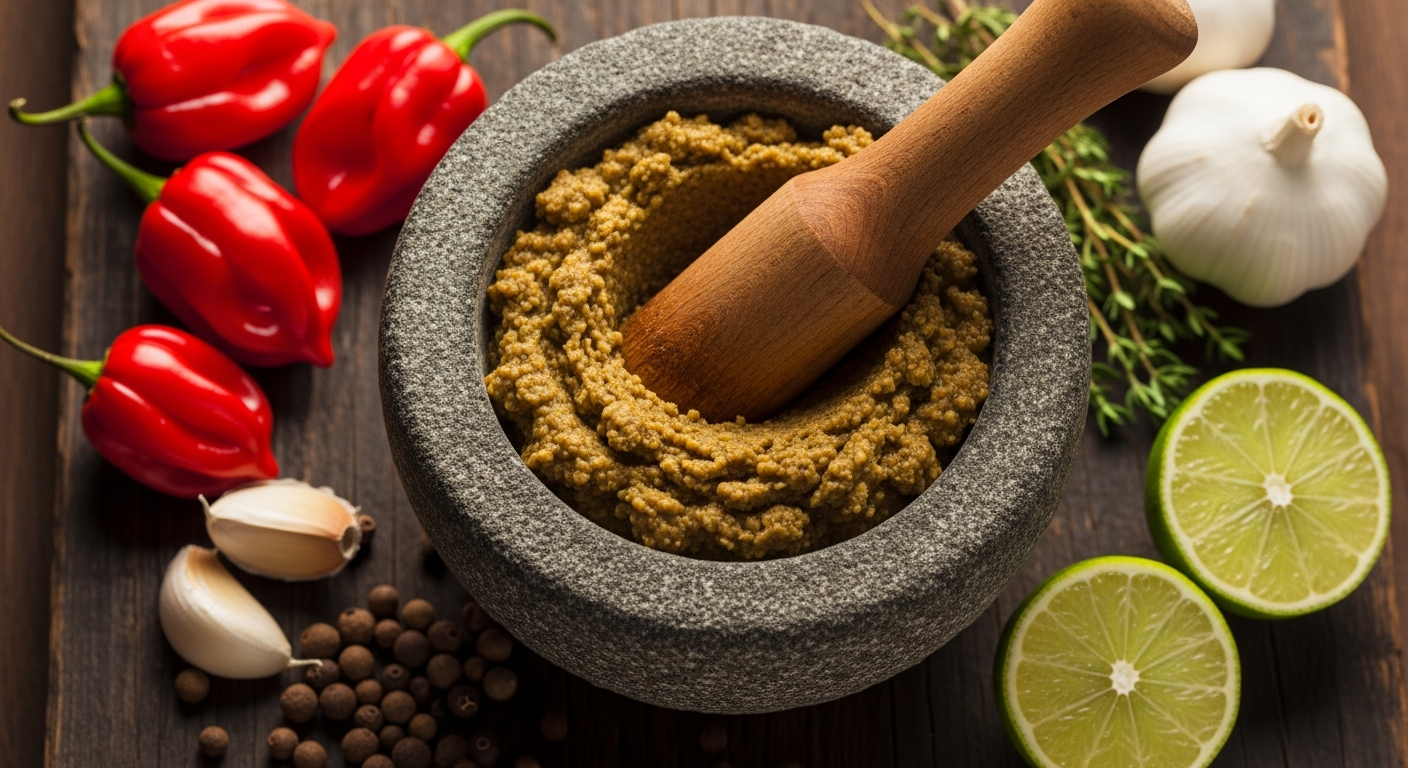
A great jerk marinade recipe is the single most important skill in Jamaican cooking. Everything else — the grill, the timing, the wood — plays a supporting role. The marinade carries the flavor, tenderizes the meat, and defines whether your jerk tastes like it came from a roadside shack in Boston Bay, Jamaica, or just a jar from the supermarket shelf.
This guide gives you the complete, authentic blueprint: the exact ingredients, the ratios that work, step-by-step method, timing charts for every protein, and every meaningful variation. By the end, you'll understand not just what goes in a jerk marinade, but why each ingredient belongs there — which means you can adapt it to your pantry without losing the soul of the dish.
What Makes a Jerk Marinade Authentic
Authenticity in Jamaican jerk cooking traces back to the Maroon communities of Jamaica — escaped enslaved Africans who built a self-sufficient culture deep in the Blue Mountains and Cockpit Country. They smoked and seasoned wild boar over fires made from pimento (allspice) wood, and those two ingredients — scotch bonnet pepper and allspice — remain the non-negotiable foundation of any legitimate jerk marinade today.
Three elements define authenticity:
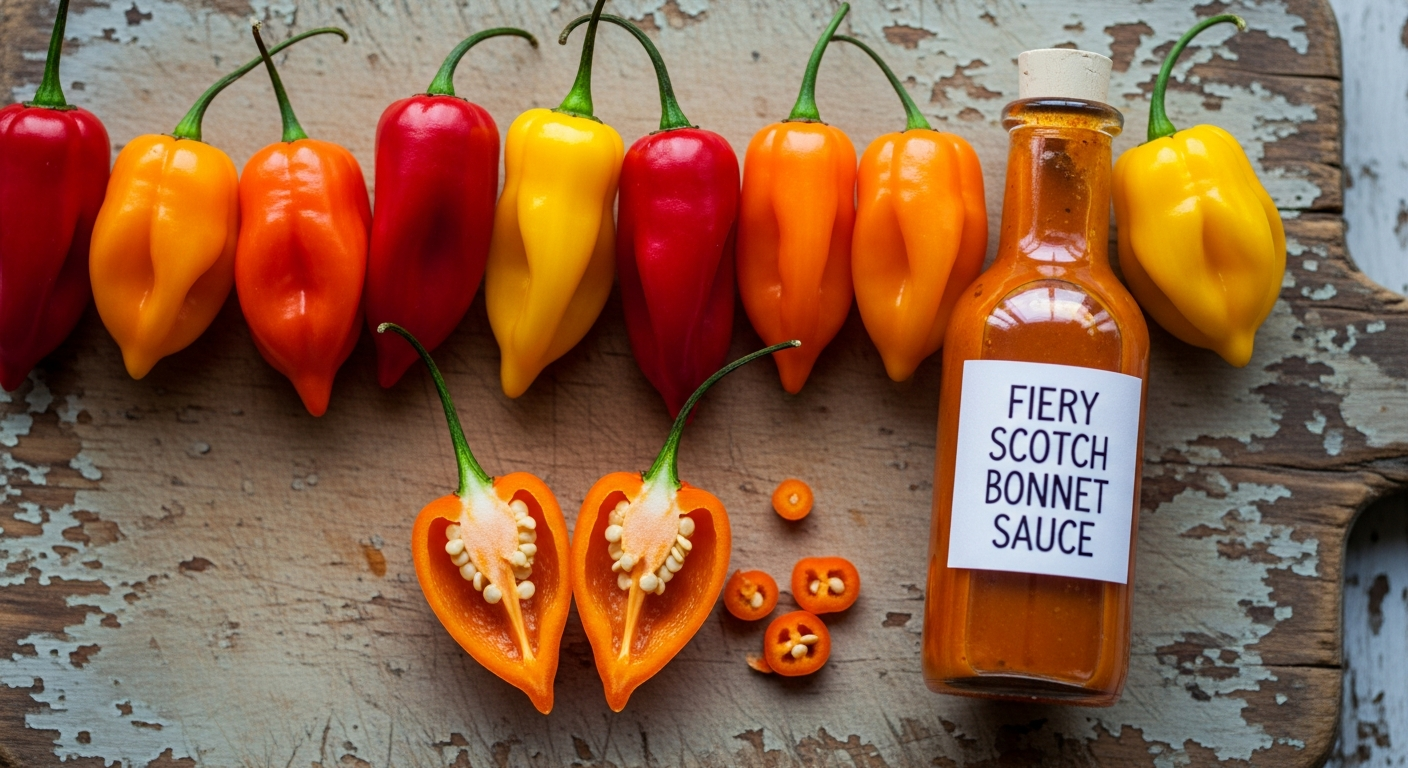
- Scotch bonnet peppers — not jalapeño, not serrano, not generic "hot sauce." The fruity, apricot-like heat of scotch bonnet is irreplaceable. It delivers both capsaicin punch and a floral sweetness that makes jerk taste like jerk.
- Ground allspice (pimento) — the warm, clove-meets-cinnamon-meets-pepper spice that acts as the aromatic spine of the marinade.
- Fresh thyme — not dried Italian thyme, but ideally the small-leafed Jamaican or Caribbean thyme, which is more pungent and lemony.
Beyond those three, there is genuine regional and family variation. Some recipes include browning sauce (a Jamaican kitchen staple made from burnt sugar), others add rum, and modern versions sometimes incorporate soy sauce as an umami anchor. None of these additions violate authenticity — they represent the living, evolving tradition of Jamaican home cooking.
Complete Ingredient List
Here is every ingredient in the standard jerk marinade recipe, with notes on what each contributes and when you can substitute:
The Heat
- 3–4 scotch bonnet peppers — provides fruity, intense heat. For mild jerk, use 1 pepper with seeds removed. Best substitute: habanero (1:1 ratio).
The Aromatics
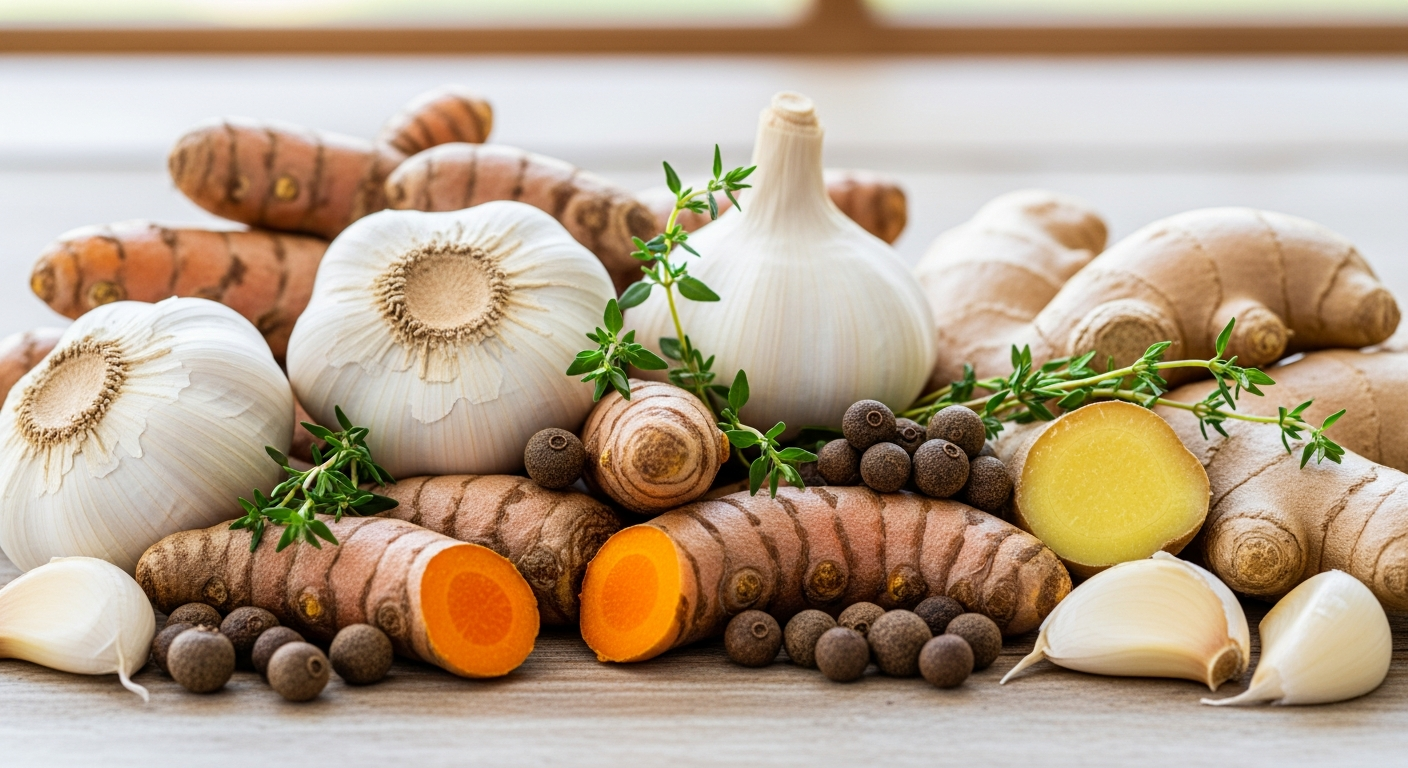
- 6 green onions (scallions) — the backbone of Jamaican cooking, providing sharp, grassy onion flavor without raw onion bitterness. Do not substitute white onion.
- 4 cloves garlic — flavor depth. Use fresh, not pre-minced.
- 1-inch piece fresh ginger — warmth and brightness. Dried ground ginger (½ tsp) can substitute in a pinch.
The Spices
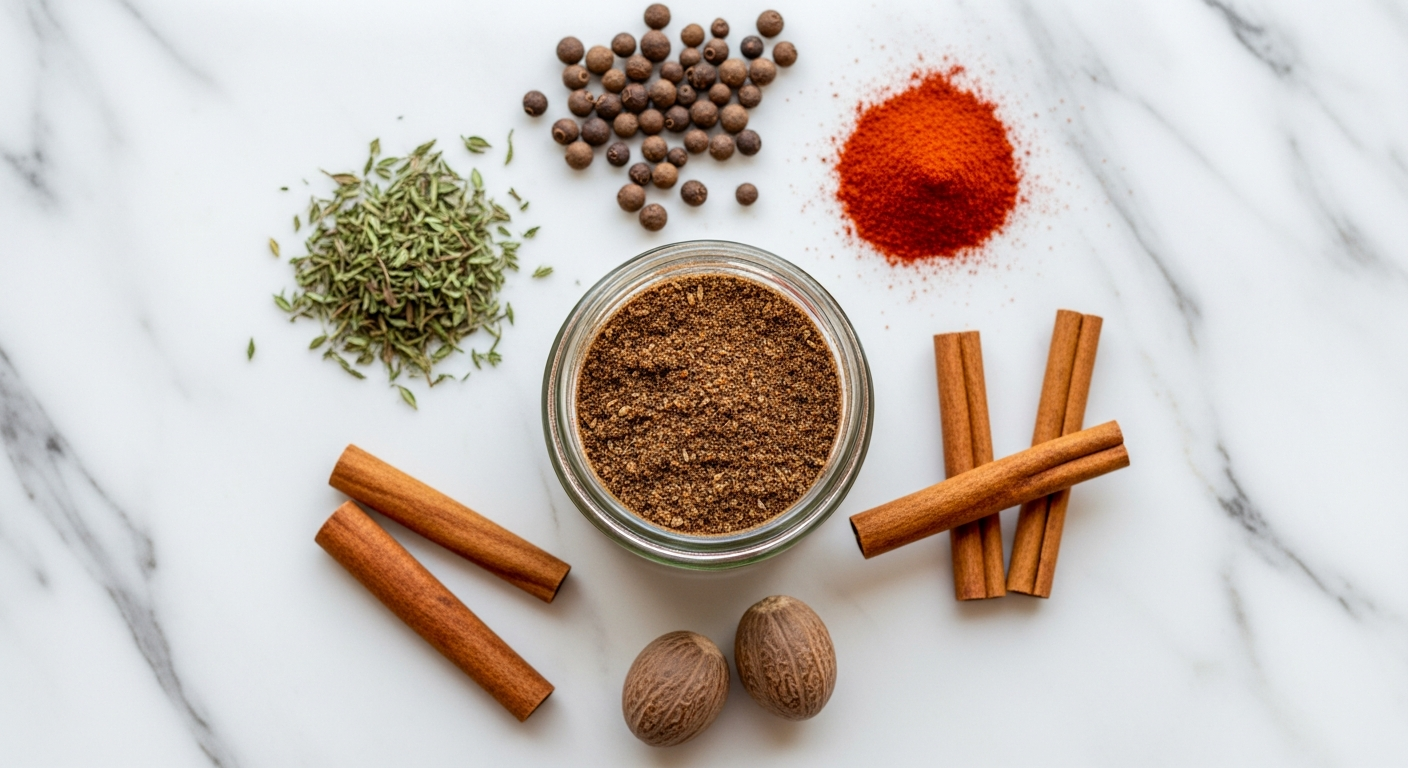
- 1½ tsp ground allspice (pimento) — the defining spice. Use freshly ground whole berries for the best result.
- 1 tsp fresh thyme leaves (or ½ tsp dried) — herbal bridge between heat and spice.
- ½ tsp ground cinnamon — warm sweetness that softens the heat.
- ¼ tsp ground nutmeg — adds complexity without dominating.
- 1 tsp black pepper — secondary pepper note; do not omit.
The Wet Components
- 3 tbsp soy sauce — umami depth and salt. Use low-sodium if managing salt intake.
- 2 tbsp neutral oil — carries fat-soluble flavor compounds into the meat and prevents burning on the grill.
- Juice of 2 limes — acid that tenderizes protein and brightens the overall flavor.
- 1 tbsp white vinegar — extra acid; can substitute apple cider vinegar for a slightly sweeter note.
The Balance
- 2 tbsp brown sugar — balances heat and acid; creates caramelized crust on the grill.
- ½ tsp salt — enhances every other flavor. Adjust based on how much soy sauce you use.
Step-by-Step Jerk Marinade Recipe
Follow these steps exactly for a consistent, deeply flavored result every time:
Step 1: Prepare Your Peppers Safely
Wear disposable gloves when handling scotch bonnet peppers — the capsaicin oil is extremely potent and will transfer to your eyes and skin for hours. Remove the stems. For medium heat, also remove seeds and white membrane. For full traditional heat, leave seeds in.
Step 2: Rough-Chop Everything
Roughly chop the scallions (including green tops), garlic cloves, and ginger. No need for precision — everything goes into the blender. The rough chop helps the blender catch everything evenly rather than leaving chunks unprocessed.
Step 3: Blend to a Paste
Add all ingredients to a blender or food processor in this order: wet ingredients first (oil, lime juice, soy sauce, vinegar), then the aromatics (scallions, garlic, ginger, peppers), then the dry spices. This order helps the blades move efficiently. Blend on high for 45–60 seconds until you have a smooth, dark-green paste with a deep orange-red undertone from the scotch bonnets.
If the paste is too thick to blend smoothly, add 2–3 tablespoons of water. The marinade should be pourable but not thin — about the consistency of a thick salad dressing.
Step 4: Taste and Adjust
Taste the marinade with a small piece of bread or plantain chip (not your finger — it's very spicy). Adjust:
- Too spicy → add more brown sugar, a splash more lime juice, or a tablespoon of neutral oil
- Not spicy enough → add another scotch bonnet or a pinch of cayenne
- Too salty → more citrus juice and sugar to balance
- Flat or dull → more allspice, a bit more garlic, and a few more thyme leaves
Step 5: Score and Coat the Meat
Using a sharp knife, score the meat at 1-inch intervals, cutting down to the bone where possible on bone-in pieces. This is critical — it allows the marinade to penetrate rather than just coating the surface. Pour or spoon the marinade generously over the meat, working it into every cut and under any skin on poultry.
Step 6: Marinate Under Refrigeration
Place the coated meat in a zip-lock bag or sealed container. Refrigerate. See the timing chart below for exact marinating times by protein type.
How Long to Marinate
Marinating time is one of the most debated topics in jerk cooking. The answer depends entirely on the protein. Here is a complete reference table:
| Protein | Minimum Time | Ideal Time | Maximum Time | Notes |
|---|---|---|---|---|
| Bone-in chicken thighs/legs | 4 hours | 12–24 hours | 36 hours | Most forgiving; score deeply |
| Chicken breast (boneless) | 2 hours | 4–8 hours | 12 hours | Over-marinating makes it mushy |
| Whole chicken (spatchcocked) | 8 hours | 24 hours | 48 hours | Under-skin application essential |
| Pork shoulder / butt | 8 hours | 24–48 hours | 72 hours | Dense meat needs time; inject marinade if possible |
| Pork chops / ribs | 4 hours | 12–24 hours | 36 hours | Score between ribs |
| Firm fish (snapper, mahi) | 20 minutes | 30–45 minutes | 1 hour | Acid breaks down fish quickly |
| Shrimp | 10 minutes | 15–30 minutes | 45 minutes | Beyond this, texture becomes rubbery |
| Vegetables | 30 minutes | 1–2 hours | 4 hours | Dense veg (cauliflower, corn) benefit from longer |
For deeper dives into marinating technique, read our guide on optimal jerk marinade timing for every cut of meat.
Jerk Marinade Variations
The base recipe above is traditional, but Jamaican home cooks and competitive jerk pit masters each have signature variations. Here are the most meaningful ones:
Pineapple Jerk Marinade
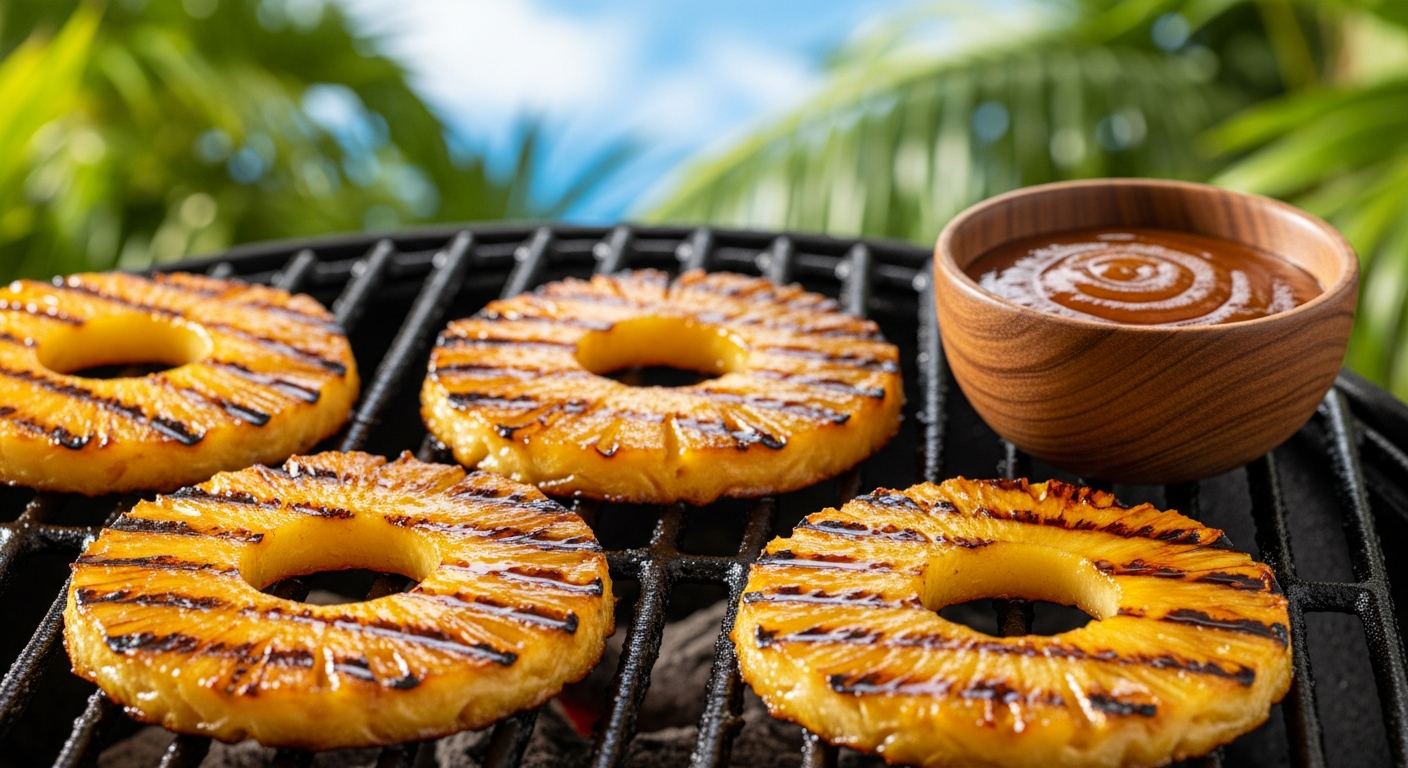
Add ¼ cup fresh pineapple (not canned — too sweet) to the blender. Pineapple contains bromelain, a natural tenderizer that breaks down protein, making this especially good for pork. It also adds tropical sweetness that tempers the scotch bonnet heat. See our guide on jerk marinades specifically for pork for the full pineapple jerk method.
Rum Jerk Marinade
Replace the white vinegar with 2 tablespoons of dark Jamaican rum (such as Appleton Estate or J. Wray & Nephew). The rum adds a molasses-like depth and a hint of oak that plays beautifully with the allspice. It also provides an alcohol base that helps extract flavor from the dry spices.
Citrus-Forward Jerk Marinade
Use the juice of 1 orange, 1 lime, and 1 lemon instead of just lime. This brightens the color and creates a more complex acid profile. Good for chicken breast where you want brightness without excessive tenderizing.
Mild Jerk Marinade
Replace scotch bonnets entirely with 2 mild sweet peppers (like ají dulce, the Caribbean sweet pepper) plus 1 teaspoon of smoked paprika for color and a whisper of heat. You keep the allspice and thyme backbone while making it family-friendly. Full guide: jerk marinade without scotch bonnet.
| Variation | Key Addition | Best For | Heat Level | Flavor Profile |
|---|---|---|---|---|
| Classic Traditional | Base recipe | Chicken, pork | Very Hot | Earthy, spiced, herbal |
| Pineapple Jerk | ¼ cup fresh pineapple | Pork, ribs | Hot | Fruity, tropical, caramelizing |
| Rum Jerk | 2 tbsp dark rum | Chicken, pork shoulder | Very Hot | Deep, smoky, complex |
| Citrus-Forward | Orange + lemon juice | Chicken breast, fish | Hot | Bright, fresh, tangy |
| Mild Family Jerk | Sweet pepper + paprika | All proteins | Mild | Aromatic, warm, kid-friendly |
| Coconut Jerk | 3 tbsp coconut cream | Shrimp, fish | Medium | Creamy, tropical, smooth |
Applying the Marinade: Best Techniques
How you apply jerk marinade matters almost as much as what's in it. Jamaican pit masters use a hands-on approach that differs significantly from the "dump and seal" method that most recipes describe.
The Score-and-Press Method (Traditional)
Cut slits 1–2 inches deep into the thickest parts of the meat — between joints, through skin, along the bone. Then press and massage the marinade forcefully into each cut. The goal is to get marinade directly against the bone and throughout the interior muscle, not just on the surface.
Injection (For Large Cuts)
For large pork shoulders or a whole chicken, a marinade injector allows you to push the liquid marinade directly into the center of the muscle. Thin the marinade slightly with extra lime juice or water before injecting. This is especially useful when time is limited.
Under the Skin (For Poultry)
Carefully lift the skin from the breast and thigh meat without tearing it, and pack marinade directly against the meat. The fat under the skin bastes the marinade into the flesh during cooking, yielding more flavorful results than external application alone.
For more on jerk marinades designed specifically for different birds and cuts, see traditional vs modern jerk chicken marinades.
Storing and Freezing Jerk Marinade
One of the most practical things about jerk marinade is that it stores extremely well, making batch preparation smart and economical.
Refrigerator Storage
Store unused jerk marinade in a clean glass jar with a tight-fitting lid. It will keep for up to 2 weeks in the refrigerator. The flavor actually intensifies after 24 hours as spices bloom further. Give it a good stir before each use.
Freezer Storage
For longer storage, pour the marinade into an ice cube tray and freeze solid (about 4 hours). Transfer the cubes to a labeled zip-lock freezer bag. Each cube is approximately 1–2 tablespoons — ideal for single servings of protein. Frozen jerk marinade keeps for up to 3 months. Thaw overnight in the refrigerator.
Marinated Meat Storage
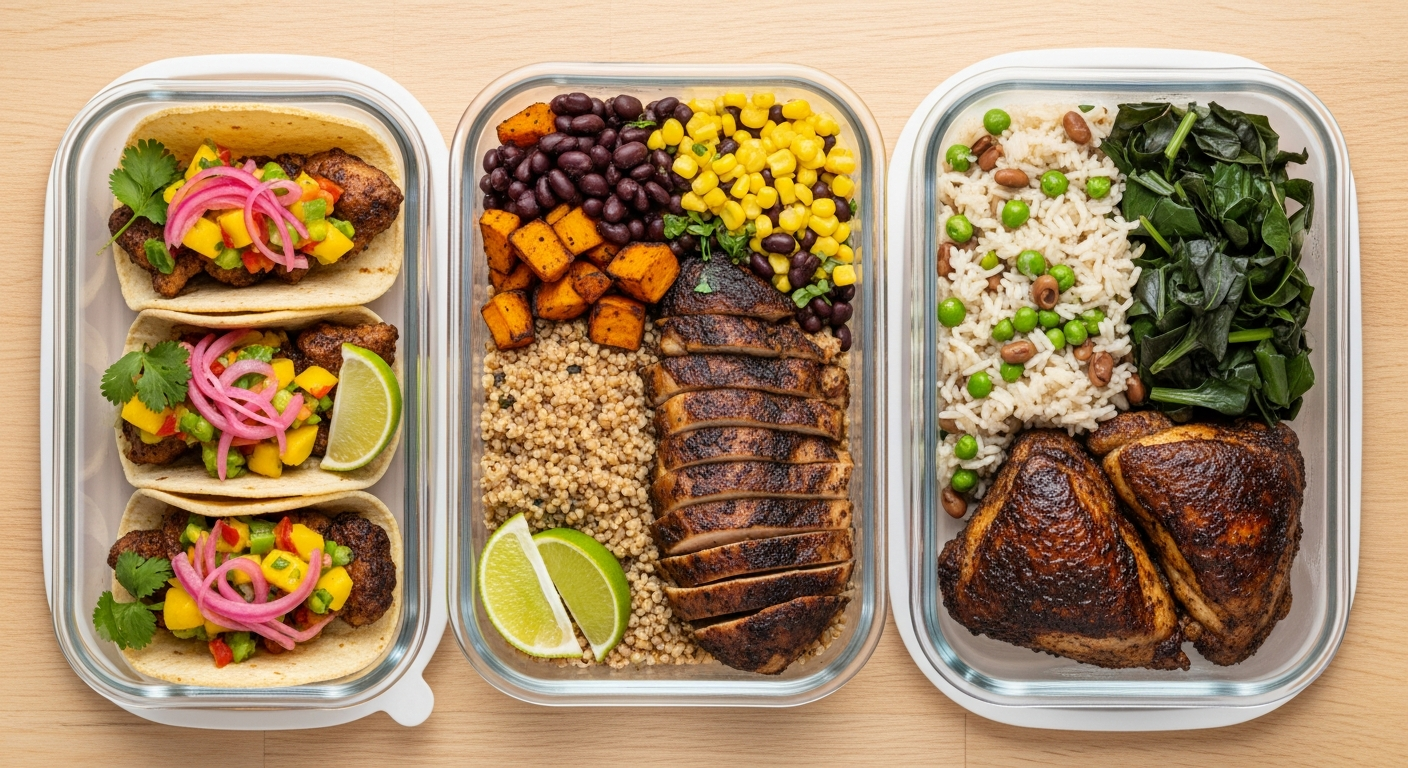
Meat in jerk marinade can be refrigerated for the marinating period (see timing table above) and then cooked. Alternatively, marinate and freeze raw — the flavors develop during the freeze-thaw cycle and the meat will be ready to cook straight from thawing. Label with protein, date, and marinade batch.
For complete storage guidance including shelf life and safety, read our dedicated piece on storing jerk marinade safely.
Common Mistakes to Avoid
Even experienced cooks make these errors with jerk marinade. Knowing them in advance saves a lot of disappointed meals.
Using Dried Peppers Instead of Fresh
Dried scotch bonnet or habanero flakes give heat but lose the fruity, floral aromatic quality that defines jerk. Always use fresh peppers. If fresh scotch bonnets are unavailable, fresh habanero is the only acceptable substitute for the full flavor profile.
Under-Scoring the Meat
The single biggest reason jerk tastes better from a Jamaican pit than from a home kitchen is the depth of scoring. Pit masters cut their meat aggressively — down to the bone — so the marinade infuses the interior. Most home cooks make shallow surface nicks. Score deeply and generously.
Not Enough Marinating Time
A 30-minute marinade produces surface flavor only. For chicken thighs, 4 hours minimum; 12–24 hours preferred. Plan ahead — jerk is not a spontaneous meal if you want authentic depth.
Blending Over-Smooth
A slightly textured marinade with visible herb and spice flecks clings to meat better than an ultra-smooth paste and creates more interesting char on the grill. Blend thoroughly but don't over-process into a completely uniform liquid.
Skipping the Oil
Oil is not optional. It carries fat-soluble flavor compounds (especially from scotch bonnet, allspice, and thyme) into the meat and prevents the exterior from drying out or burning before the interior is cooked. Do not use a "low fat" jerk marinade without oil.
Related Jerk Marinade Guides
Deepen your jerk marinade knowledge with these detailed guides:
- Authentic Jamaican Jerk Marinade Guide — the historical and cultural context behind the recipe
- Homemade Jamaican Jerk Marinade Guide — step-by-step for making it fully from scratch
- Jerk Marinade for Vegetables and Seafood — adapting the recipe for non-meat proteins
- Adjusting Heat in Jerk Marinades — controlling scotch bonnet intensity
- How to Make Jerk Marinade from Scratch — including sourcing tips for hard-to-find ingredients
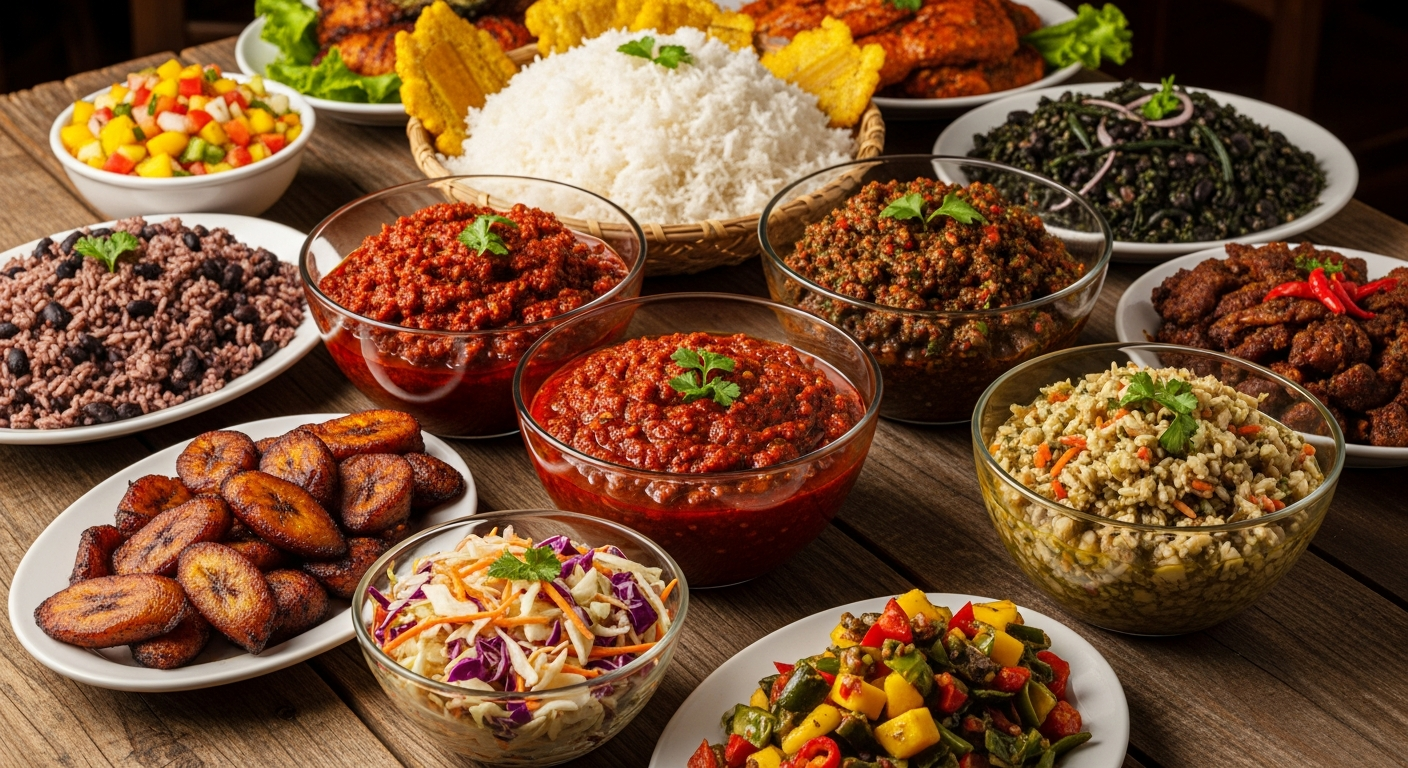
- Jerk Marinades with Caribbean Sides — pairing your marinade choice with the right accompaniments
- Jerk Marinades for Chicken, Pork, and Fish — how the marinade should be adjusted per protein
External Resources
- Serious Eats: Real-Deal Jerk Chicken — deep dive into the science of scotch bonnet and allspice
- Bon Appétit: Jerk Chicken — tested recipe with technique notes
- The Spruce Eats: Jerk Marinade Variations — regional adaptations and substitution guide