Instant-read thermometer inserted into jerk chicken thigh showing 165°F for doneness confirmation
Cooking Techniques

How to Tell When Jerk Chicken Is Done

· Reviewed by Audrey Clarke Updated April 2, 2026 3 min read

Jerk chicken is done when an instant-read thermometer inserted into the thickest part of the meat (away from any bone) reads 165°F (74°C). This is the USDA-recommended safe internal temperature and the most reliable method for determining doneness. The dark color of jerk marinade makes visual cues unreliable — jerk chicken can look deeply charred and almost burnt on the exterior while still being undercooked inside. Always verify with a thermometer for bone-in pieces, especially when cooking for guests or anyone who might be vulnerable to foodborne illness.

The Thermometer Method (Most Reliable)

Insert an instant-read thermometer into the thickest part of the meat. For chicken thighs, insert through the side of the thigh at the thickest point, making sure the tip of the thermometer is not touching bone (bone conducts heat and produces a falsely high reading). For chicken breast, insert from the thin end toward the thickest part. The reading you want: 165°F minimum. Many experienced cooks prefer bone-in thighs at 175–180°F — the higher temperature melts the connective tissue for a more tender, juicy result without any food safety risk.
Cross-section of properly cooked jerk chicken thigh showing the opaque, cooked interior compared to raw pink meat

Visual Cues Without a Thermometer

If you do not have a thermometer, use these indicators together (not individually — any one can be misleading):

  • Clear juices — Pierce the thickest part of the thigh with a sharp knife or skewer. The juices that run out should be completely clear, not pink or reddish.
  • Opaque meat — Cut into the thickest part. The meat should be completely opaque white or tan throughout, with no translucent pink areas.
  • Bone test — On drumsticks, the meat near the bone is the last to cook. If the meat visually pulls back from the top of the drumstick bone, it is likely done.
  • Fork-tender joint — At 165°F, a drumstick or thigh will rotate easily at the joint. If the leg resists, it needs more time.

Expected Timing by Method and Cut

CutGrill (375°F)Oven (400°F)Air Fryer (400°F)
Bone-in thigh38–45 min40–45 min28–32 min
Drumstick35–40 min35–40 min25–28 min
Boneless thigh25–30 min25–30 min20–22 min
Bone-in breast40–50 min45–55 min30–35 min
Wings30–35 min35–40 min22–25 min

These timings are guides, not absolutes. Actual time varies based on chicken size, grill temperature consistency, and starting temperature. Always confirm with a thermometer. Use a quality jerk seasoning and follow the proper marinating process for best results.
Recommended Reading

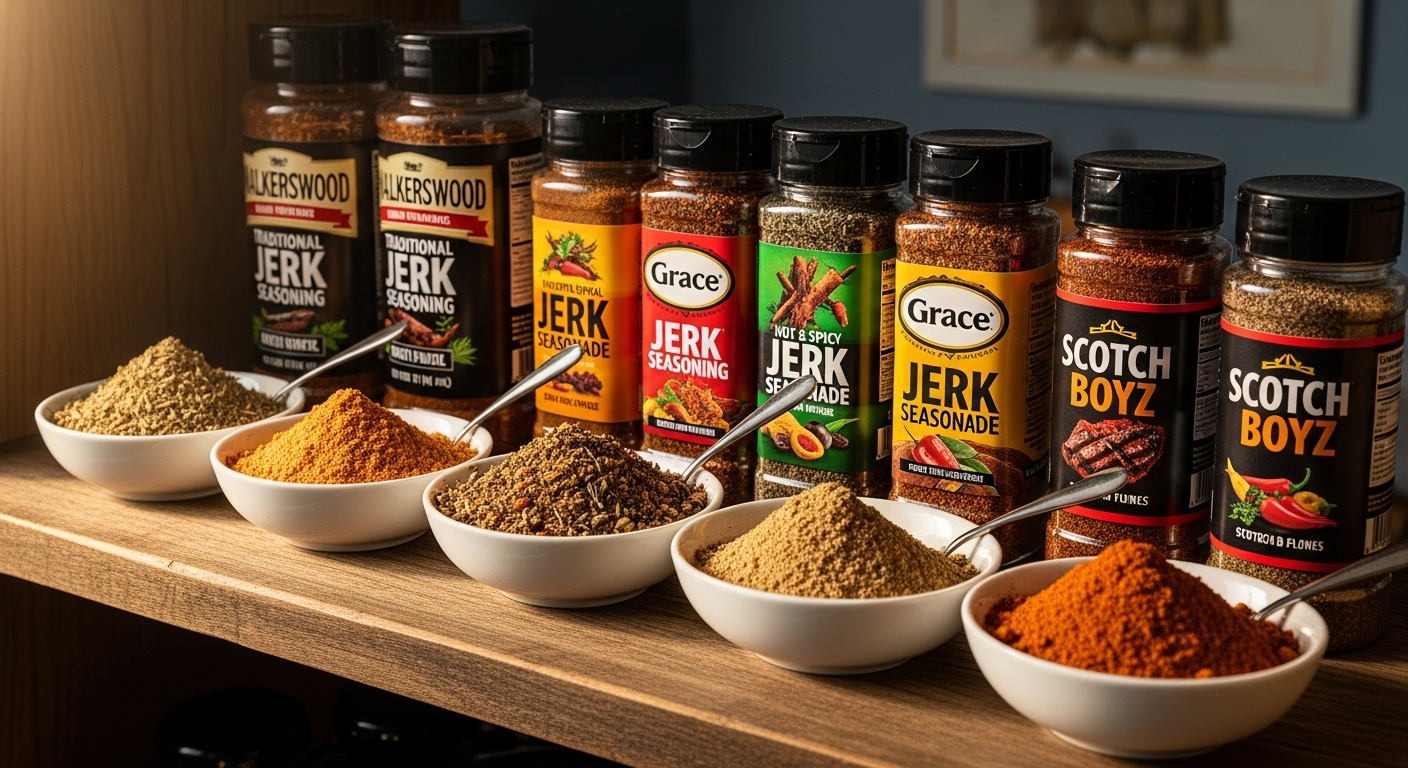
The seasoning you choose shapes the entire flavor of your jerk dish.

best jerk seasoning to buy →

We review 8 brands side by side and include a 5-minute homemade jerk seasoning blend.

Frequently Asked Questions

Is jerk chicken done at 165°F or 175°F?
165°F is the safe minimum temperature for all chicken cuts. However, bone-in chicken thighs and drumsticks are significantly more tender and juicy at 175–180°F, because the higher temperature melts the collagen in the connective tissue. There is no safety issue going to 175–180°F for dark meat cuts, and most experienced jerk cooks prefer the texture at this higher temperature.
Can jerk chicken look done on the outside but be raw inside?
Yes — and this is one of the key risks with jerk cooking. The dark jerk marinade caramelizes at a much lower temperature than the chicken's interior reaches safe temperature. Jerk chicken can have a deeply charred, fully-cooked-looking exterior while the interior is still at 130–140°F. Always use a thermometer for bone-in pieces.
What happens if I cook jerk chicken past 165°F?
Breast meat becomes noticeably dry and tough above 165°F because the muscle fibers contract and expel their moisture. Dark meat (thighs, drumsticks) actually improves in texture between 165–180°F as collagen melts. For the juiciest overall result: cook breast to exactly 165°F, cook thighs and drumsticks to 175–180°F.
Should I let jerk chicken rest after cooking?
Yes — rest jerk chicken for 5 minutes after removing from heat. During cooking, juices migrate toward the center of the meat. Resting allows them to redistribute throughout the meat before cutting. Cutting immediately causes juices to run out onto the cutting board rather than staying in the meat. Five minutes covered loosely with foil is sufficient.

Written by

Marcus Thompson

Jerk Cuisine Specialist

Marcus Thompson grew up in Portland Parish, Jamaica — home to the original Boston Bay jerk stands — and has spent over a decade studying Jamaican jerk cooking techniques, marinade science, and the Maroon cultural history behind the world's most iconic grilled dish.

View full bio

Reviewed by

Audrey Clarke

Caribbean Food Editor

Food editor and recipe developer specializing in Caribbean and African-diaspora cuisines. Contributor to food publications in the UK and North America.

Related Articles

More from JerkPit on Jamaican jerk cooking

Jerk chicken pieces on a rack in the oven with a dark, spiced exterior showing the oven-baked jerk chicken method
Jerk Recipes

How to Cook Jerk Chicken in the Oven

Oven jerk chicken at 400°F on a rack produces crispy, deeply flavored results close to grilled — here is the complete method.

3 min read · Updated April 3, 2026
Jerk chicken cooking on a charcoal grill with visible grill marks and charred exterior over glowing coals
Jerk Recipes

How to Cook Jerk Chicken on the Grill

Grilling jerk chicken correctly means using indirect heat, monitoring temperature, and managing flare-ups from the marinade's sugar content.

3 min read · Updated April 4, 2026
Instant-read meat thermometer inserted into grilled jerk chicken thigh showing 165 degrees Fahrenheit for perfect doneness
Cooking Techniques

Jerk Chicken Temperature Guide – Perfect Cooking Doneness

Never serve undercooked or dry jerk chicken again. This complete temperature guide covers safe internal temperatures, grill temps, and doneness techniques for perfect jerk every time.

6 min read · Updated January 19, 2026
Grill thermometer showing 375 degrees Fahrenheit ideal temperature for cooking jerk chicken over indirect heat
Cooking Techniques

What Temperature Should Jerk Chicken Be on the Grill?

Grill temperature for jerk chicken: 350–375°F on the cooking surface. Internal doneness: 165°F minimum, 175–180°F for bone-in dark meat.

3 min read · Updated April 3, 2026
Caribbean food side dishes including rice and peas, festival bread, and plantains alongside jerk chicken
Cooking Techniques

Jerk Dishes with Caribbean Food Side Dishes: Complete Guide

Master the art of cooking jerk dishes alongside Caribbean food side dishes with proper timing, temperature, and technique.

6 min read · Updated December 15, 2025
Glass jars of homemade jerk seasoning and dry rub stored in a spice cabinet
Cooking Techniques

Storing Homemade Jerk Seasoning: Tips for Maximum Freshness

Maximize the shelf life and flavor of your homemade jerk seasoning with proper storage techniques for both wet marinades and dry rub blends.

6 min read · Updated March 6, 2026
Backyard jerk cooking setup with charcoal grill, pimento wood chips, and tools
Cooking Techniques

Backyard Jamaican Jerk Cooking Essentials

Transform your backyard into a Caribbean jerk station with the right equipment, fuel, and techniques. Your complete guide to outdoor jerk cooking at home.

6 min read · Updated March 15, 2026
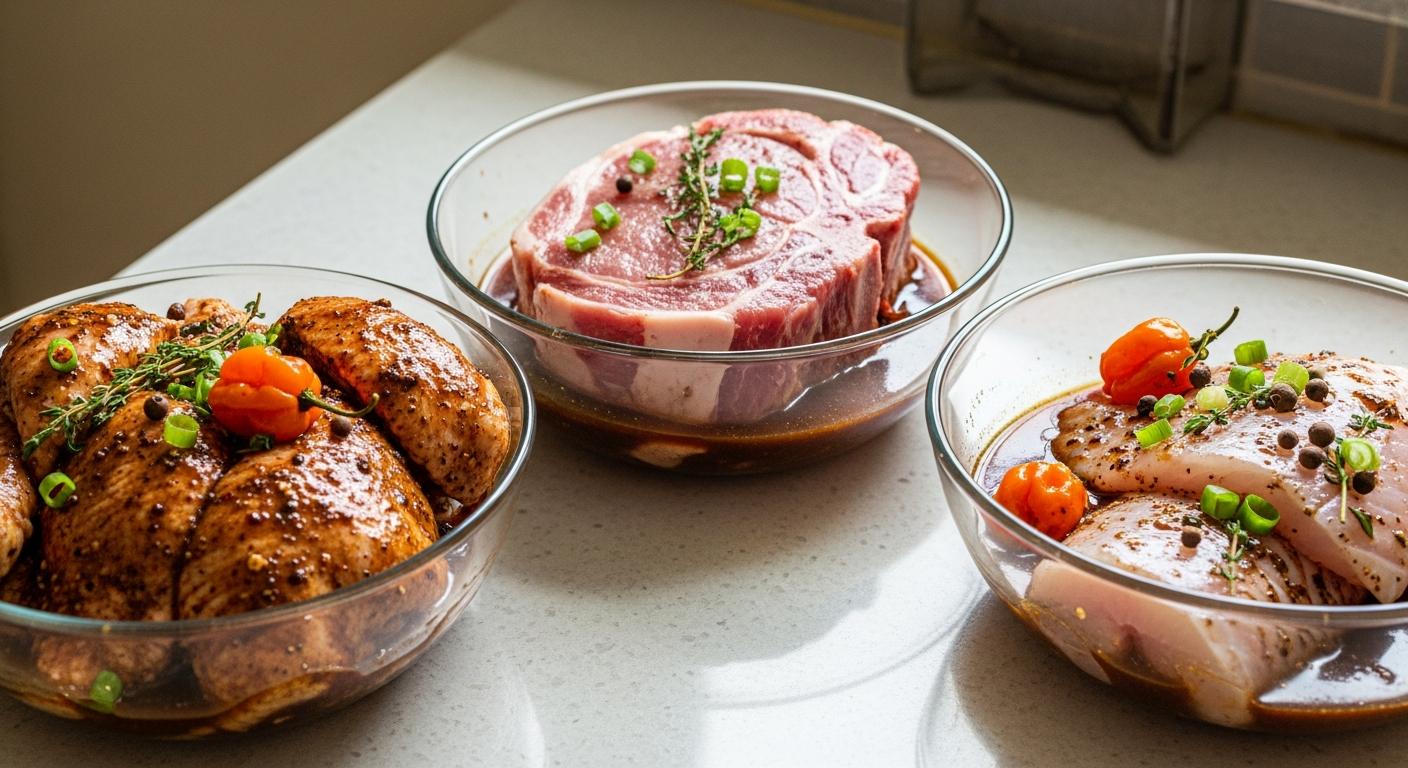
Three plates showing jerk chicken, jerk pork, and jerk fish with different marinades
Cooking Techniques

Jerk Marinades for Chicken, Pork, and Fish

One base marinade, three proteins, three different approaches. Learn how to optimize your jerk marinade for chicken, pork, and fish.

5 min read · Updated January 14, 2026
Split image comparing smoky low-and-slow jerk and high-heat grilled jerk chicken
Cooking Techniques

Jerk Meats: Smoking vs Grilling — Which Is Better?

Smoking and grilling produce distinctly different jerk results. Learn the advantages of each method and when to choose one over the other.

5 min read · Updated March 10, 2026
Close-up of a grill thermometer showing ideal jerk cooking temperature range
Cooking Techniques

Mastering Heat in Jerk Cooking: Temperature Control Guide

Temperature control separates good jerk from great jerk. Master the heat variables — from charcoal management to internal temperatures — for perfect results every time.

6 min read · Updated February 15, 2026
Traditional jerk grill with pimento wood smoke and chicken pieces over hot coals
Cooking Techniques

Tips for Traditional Jerk Grilling: Authentic Techniques

Learn the authentic grilling techniques used at Jamaican jerk stands. From fire building to turning and basting, these tips deliver genuine Caribbean results.

6 min read · Updated December 20, 2025
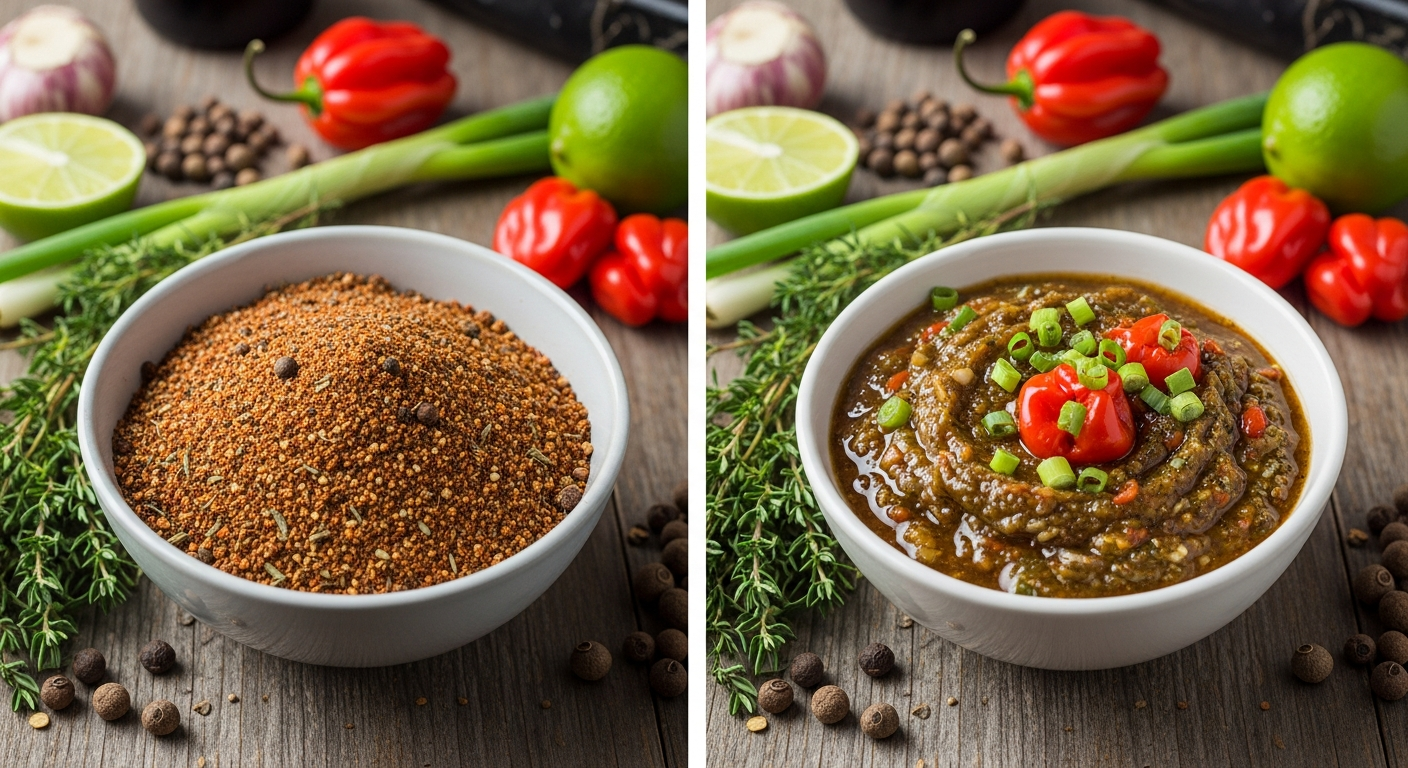
Side-by-side bowls of dry jerk rub and wet jerk marinade paste
Cooking Techniques

Dry Rub or Wet Marinade for Jerk: Which Should You Choose?

Dry rub or wet marinade — two paths to jerk perfection. Compare the techniques, flavors, and practical advantages of each approach.

6 min read · Updated March 15, 2026

Recommended Guides

The most important resources on JerkPit.com for authentic Jamaican jerk cooking