Getting the internal temperature of jerk chicken right is the difference between a perfectly cooked, juicy result and either dry overcooked meat or an unsafe undercooked one. Temperature is the most reliable indicator of doneness — more reliable than color, juice clarity, or timing estimates, all of which can be misleading. This complete jerk chicken temperature guide gives you every number you need to cook with confidence every time.
Safe Internal Temperature for Jerk Chicken
The USDA recommends cooking all poultry to a minimum internal temperature of 165°F (74°C) to ensure food safety. At this temperature, Salmonella, Campylobacter, and other poultry-associated pathogens are eliminated. This is the non-negotiable minimum for jerk chicken regardless of cut, cooking method, or marinade.
However, food safety and ideal texture are two slightly different targets. Jerk chicken thighs and drumsticks — the most traditional and recommended cuts — actually achieve their best texture between 175-185°F (79-85°C). At this higher temperature, the collagen in the connective tissue fully converts to gelatin, producing the fall-off-the-bone tenderness that defines great jerk chicken. The USDA minimum of 165°F is the safety floor; the flavor and texture target for dark meat is higher.
Jerk chicken breasts are the exception: pull them at 160°F (71°C) and let carryover cooking bring them to 165°F during the 5-minute rest. Breasts cooked to 175°F become dry and stringy — they lack the collagen of thighs that makes higher temperatures beneficial.
Grill Temperature Setup for Jerk Chicken
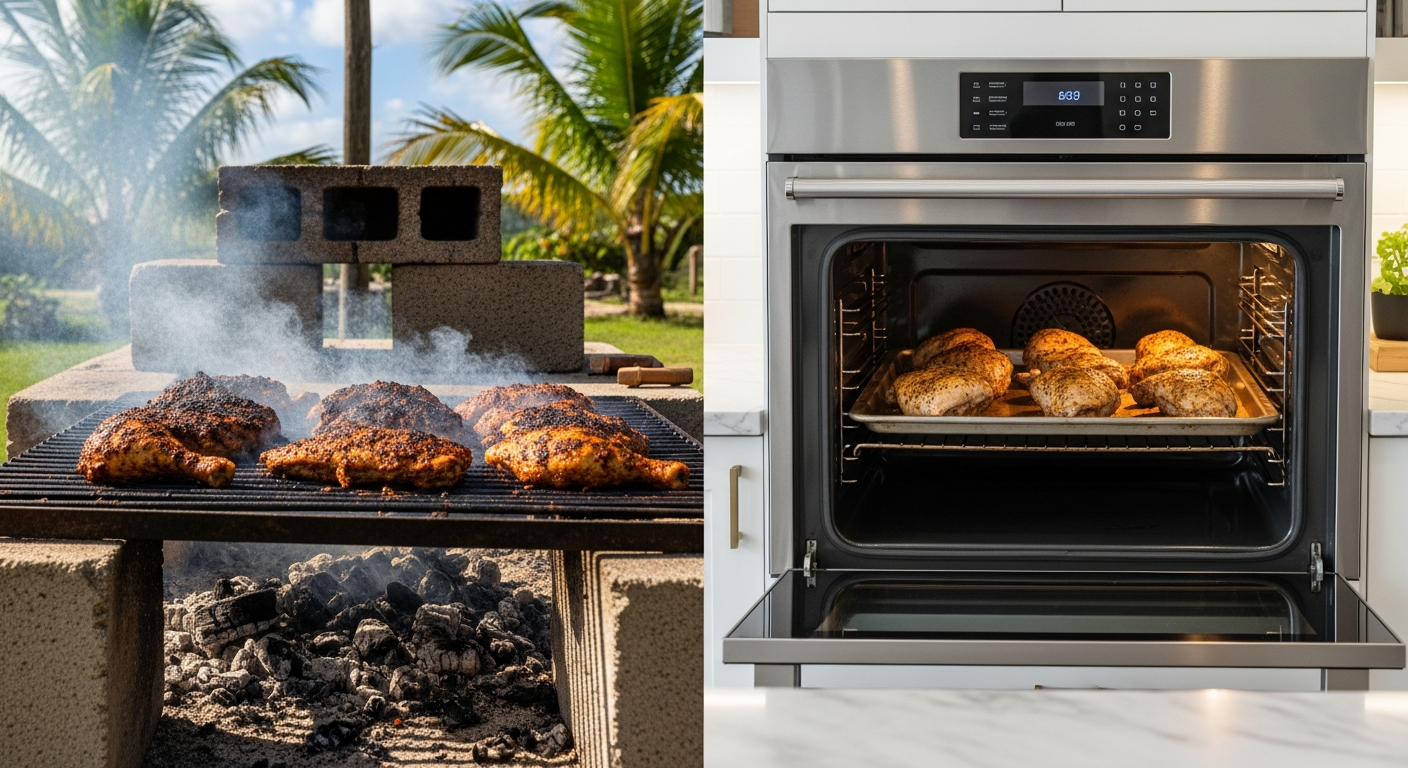
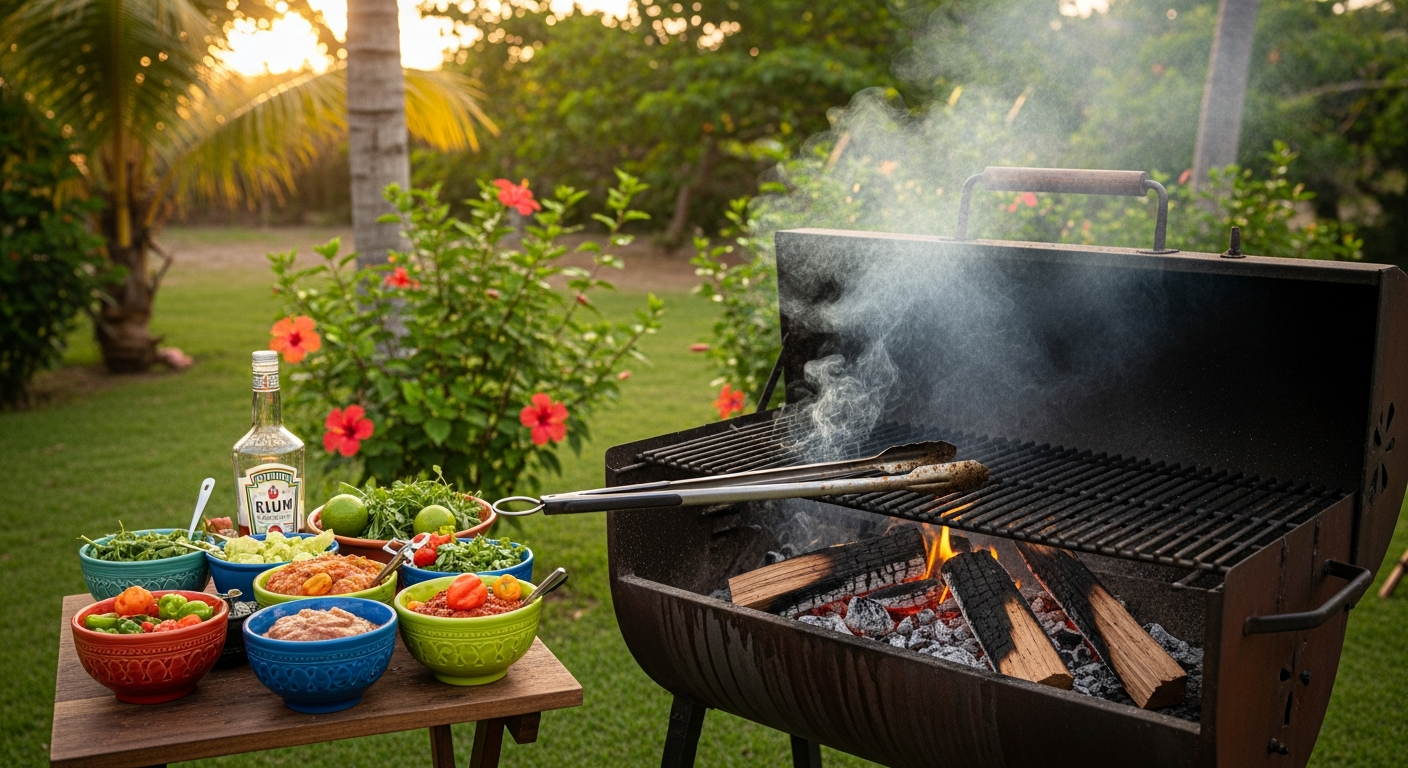
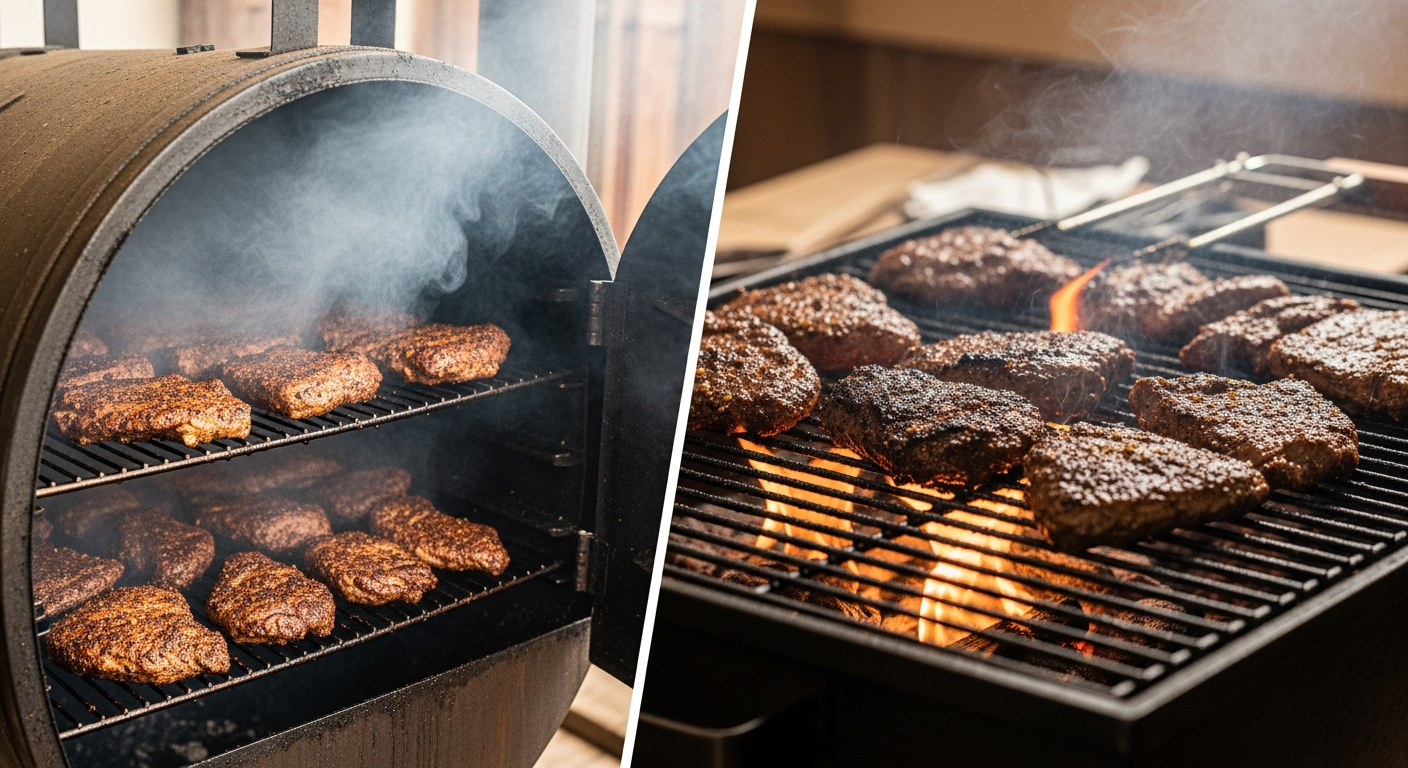
Traditional jerk is cooked over indirect heat at low-to-moderate grill temperatures. The ideal grill temperature for jerk chicken is 300-325°F (149-163°C) measured at the grill grate, not the lid thermometer (which typically reads 50-75°F lower than the actual cooking surface).
At 300-325°F, bone-in chicken pieces take approximately 60-90 minutes to cook through — this extended time at lower heat allows the allspice, scotch bonnet, and thyme flavors of the jerk marinade to fully develop, penetrate deeply, and caramelize slowly rather than burning on contact with high heat.
For the final 10-15 minutes, move the chicken to the direct heat side of the grill (which will be 400-450°F) to develop the characteristic charred, slightly crispy jerk crust. This finishing step is essential for authentic jerk texture and appearance. Monitor temperature carefully during this phase — the crust develops quickly and can burn if left unattended.
Temperature Guide by Chicken Cut
Different chicken cuts require different temperature targets because of their varying fat content, collagen levels, and thickness. Here is the complete breakdown for every cut commonly used in jerk cooking:
Bone-in thighs (the best jerk cut) should be pulled from the grill at an internal temperature of 175-185°F. The connective tissue in thighs requires higher temperatures to break down properly, and dark meat remains moist even at 185°F because of its higher fat content. This is the most forgiving cut for timing errors.
Drumsticks follow the same target as thighs: 175-185°F for optimal texture. Insert the thermometer into the thickest part of the drumstick, avoiding the bone and the very tip, which is thinner and cooks faster than the rest of the piece.
Bone-in chicken breast (jerk chicken breast) should reach 160°F before pulling from heat. Carryover cooking during the 5-minute rest will bring it to 165°F. Do not push breast meat beyond 165°F — the texture degrades rapidly at higher temperatures because breasts have no collagen to convert.
Whole jerk chicken presents the greatest challenge: the breast and thigh portions cook at different rates. The solution is to target 165°F in the breast (measured at the thickest part near the wing joint) and verify the thigh is at least 165°F simultaneously. In practice, thighs usually run 10-15°F higher than the breast, which is ideal.
How to Use a Thermometer for Jerk Chicken
An instant-read digital thermometer is the single most important tool for cooking perfect jerk chicken. Insert the probe into the thickest part of the meat, avoiding the bone (which conducts heat differently and gives a false reading) and avoiding the very edge of the piece (which cooks faster than the center).
For bone-in thighs, insert the probe parallel to the bone and angle it slightly into the thickest section of the meat — the area farthest from the bone and farthest from the surface. This gives the most accurate reading of the coolest part of the piece, which is the last to reach safe temperature.
Check the temperature at multiple locations if you have pieces of varying sizes, or if a single large piece has obvious thick and thin sections. The minimum temperature across all checked points must meet the target. If one area reads low, return to the grill and re-check in five-minute intervals.
Jerk Chicken Temperature Reference Table
| Cut | Pull Temperature | After Rest | Texture Goal | Grill Temp |
|---|---|---|---|---|
| Bone-in Thighs | 175-185°F | 177-187°F | Tender, juicy, fall-off-bone | 300-325°F indirect |
| Drumsticks | 175-185°F | 177-187°F | Tender, juicy | 300-325°F indirect |
| Bone-in Breast | 160°F | 165°F | Juicy, not stringy | 300-325°F indirect |
| Boneless Breast | 155°F | 160°F | Moist, sliceable | 375-400°F direct |
| Whole Chicken | 165°F (breast) | 167°F (breast) | Balanced doneness | 325°F indirect |
| Wings | 175°F | 177°F | Crispy, cooked through | 400°F direct |
Rest Time After Cooking
Resting jerk chicken after cooking is essential for juicy results. When meat comes off the grill, internal temperatures continue rising for several minutes — a phenomenon called carryover cooking. For bone-in jerk chicken pieces, expect a 2-5°F rise during a 5-10 minute rest. For a whole jerk chicken, expect a 5-10°F rise during a 10-15 minute rest.
During rest, muscle fibers that have contracted during cooking begin to relax, allowing the juices that migrated toward the center of the meat to redistribute throughout. Cutting into the chicken immediately after cooking releases these concentrated juices onto the cutting board rather than keeping them in the meat, resulting in noticeably drier pieces.
Tent the chicken loosely with aluminum foil during rest to keep it warm without creating steam that softens the crust. For jerk chicken, maintaining crust texture is important — a loose tent preserves crispness while allowing the meat to rest properly. After the rest period, the juices will run nearly clear when the meat is cut, and the interior will be fully cooked, juicy, and perfectly seasoned throughout.