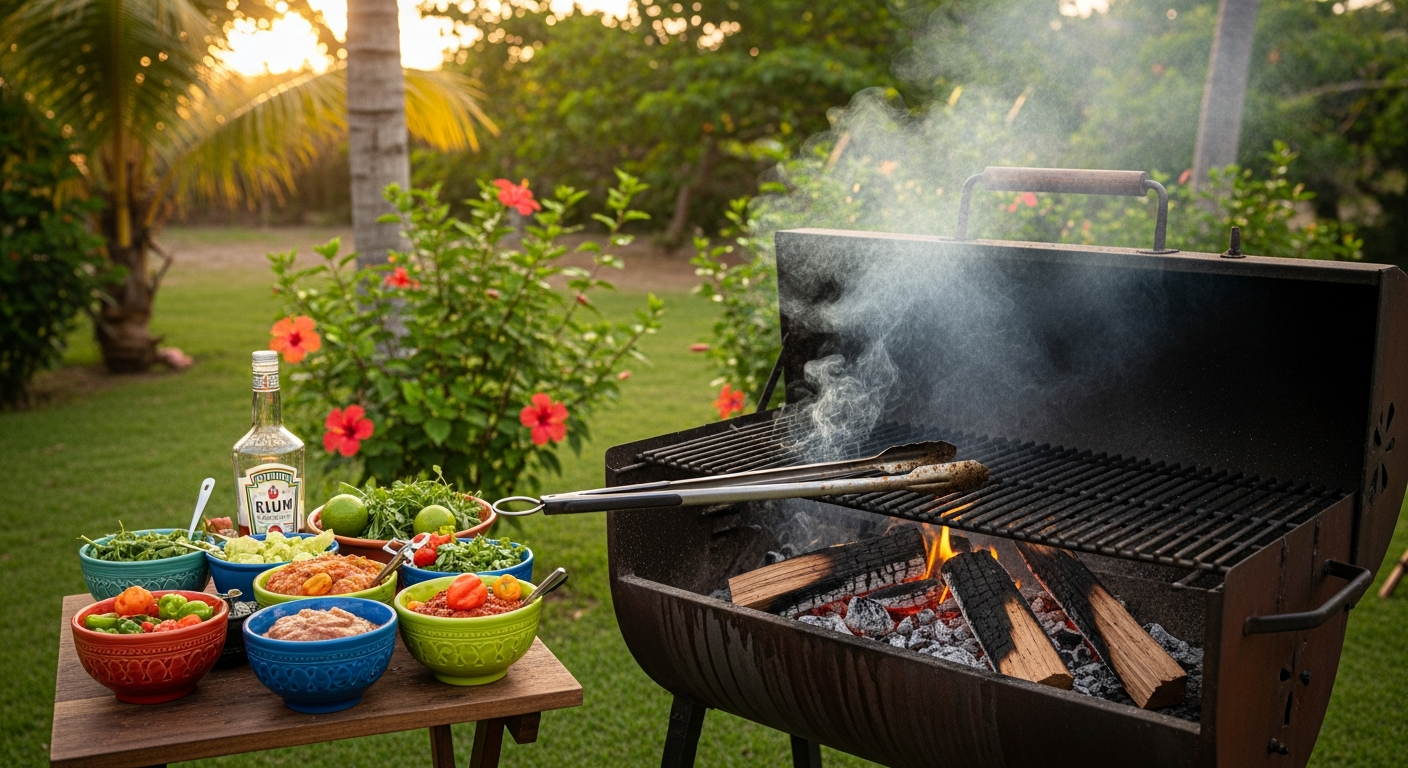
Grill thermometer showing 375 degrees Fahrenheit ideal temperature for cooking jerk chicken over indirect heat
Cooking Techniques

What Temperature Should Jerk Chicken Be on the Grill?

· Reviewed by Audrey Clarke Updated April 3, 2026 3 min read

The ideal grill temperature for jerk chicken is 350–375°F (175–190°C) at the cooking surface for indirect heat cooking. The chicken's internal temperature should reach 165°F (74°C) minimum — and for bone-in thighs and drumsticks, 175–180°F produces better texture. These two temperatures are distinct: the grill surface temperature is what you control by managing your fuel, and the internal meat temperature is what tells you when the chicken is done and safe to eat.

Why 350–375°F Is the Target Grill Temperature

The sugar in jerk marinade begins to caramelize around 320°F and starts to burn above 400°F. This window — 320°F to 400°F — is where jerk chicken caramelizes beautifully without scorching. At 350–375°F indirect heat, the chicken exterior develops a gorgeous dark, sticky, caramelized coating over 35–45 minutes while the interior cooks through evenly. Temperatures above 400°F cause the sugar to blacken before the chicken is cooked through; temperatures below 325°F produce a paler exterior and longer cooking times without the characteristic caramelized jerk crust.

Two-Zone Temperature Setup

Jerk chicken is cooked using a two-zone setup:

  • Indirect zone: 350–375°F — where the chicken cooks for 80% of the time. No direct flame beneath the chicken.
  • Direct zone: 450–500°F — where the chicken goes for the last 3–5 minutes per side for charring and caramelization.

The transition from indirect to direct zone is the finishing step. Move chicken to direct heat only after the internal temperature reaches 155–160°F in the indirect zone. The brief direct heat raises the internal to 165°F while creating the final char on the exterior.
Diagram showing grill temperature zones for jerk chicken with the indirect zone at 350-375F and direct zone for finishing

How to Measure Grill Temperature Accurately

The built-in temperature gauge on a grill lid measures temperature at the dome level, not at the cooking surface level. The surface temperature (where the chicken actually sits) is typically 50–100°F higher than the dome reading for charcoal grills and similar for gas grills. For the most accurate reading, use a grill surface thermometer (an infrared thermometer held about 2 inches from the grate works well). Alternatively, use a grill mat thermometer probe placed at grate level. Knowing your grill's actual cooking surface temperature takes the guesswork out of jerk chicken cooking.

Internal Temperature Targets

CutSafe MinimumIdeal (Juicy)Avoid
Bone-in thigh / drumstick165°F175–180°FAbove 190°F
Boneless thigh165°F170–175°FAbove 185°F
Bone-in breast165°F165–168°FAbove 175°F
Boneless breast165°F165°F exactlyAbove 170°F
Wings165°F175°FAbove 190°F

Use a quality jerk seasoning for the most flavorful results at these temperatures.
Recommended Reading

The marinade is where authentic jerk flavor is built.

complete jerk marinade guide →

Full ingredient ratios, overnight timing chart, and the technique used at Boston Bay jerk stands.

Frequently Asked Questions

What temperature is too hot for jerk chicken on a grill?
Avoid sustained temperatures above 400°F for indirect cooking. At higher temperatures, the brown sugar in jerk marinade burns and turns bitter before the chicken is cooked through. Direct heat for the finishing phase can be hotter (450–500°F) but should only be used for 3–5 minutes per side to char the exterior, not for extended cooking.
How do I maintain 375°F on a charcoal grill?
Maintain 375°F on a charcoal grill by adjusting the bottom intake vents (more open = more oxygen = hotter) and the top exhaust vents (control smoke and heat retention). At 375°F, both vents should be approximately half-open. If temperature drops, open the bottom vents; if it climbs, close them slightly. Avoid lifting the lid frequently, which causes temperature fluctuations.
Should I preheat the grill before adding jerk chicken?
Yes — always preheat for 10–15 minutes before adding chicken. A fully preheated grill produces immediate caramelization of the marinade on the chicken's surface when it makes contact with the grate. Adding chicken to an underheated grill means the exterior heats slowly and moisture escapes before proper searing, resulting in a less flavorful crust.
Does starting hot versus starting cool affect jerk chicken texture?
Yes. Starting with a hot grill (375°F preheated) sears the marinade onto the surface immediately, creating a sealed, flavorful crust. Starting cool means the chicken surface temperatures rise slowly, allowing more moisture to escape before any caramelization occurs. Always preheat and add chicken to a grill that has reached its target temperature.

Written by

Marcus Thompson

Jerk Cuisine Specialist

Marcus Thompson grew up in Portland Parish, Jamaica — home to the original Boston Bay jerk stands — and has spent over a decade studying Jamaican jerk cooking techniques, marinade science, and the Maroon cultural history behind the world's most iconic grilled dish.

View full bio

Reviewed by

Audrey Clarke

Caribbean Food Editor

Food editor and recipe developer specializing in Caribbean and African-diaspora cuisines. Contributor to food publications in the UK and North America.

Related Articles

More from JerkPit on Jamaican jerk cooking

Instant-read meat thermometer inserted into grilled jerk chicken thigh showing 165 degrees Fahrenheit for perfect doneness
Cooking Techniques

Jerk Chicken Temperature Guide – Perfect Cooking Doneness

Never serve undercooked or dry jerk chicken again. This complete temperature guide covers safe internal temperatures, grill temps, and doneness techniques for perfect jerk every time.

6 min read · Updated January 19, 2026
Jerk chicken cooking on a gas grill with the lid closed over indirect heat zone with visible char marks
Cooking Techniques

How to Cook Jerk Chicken on a Gas Grill

Gas grill jerk chicken requires indirect heat setup, consistent 375°F temperature, and optional wood chip smoke to approximate authentic Jamaican results.

3 min read · Updated March 28, 2026
Charcoal grill with jerk chicken over glowing coals with pimento wood smoke rising from the coals
Cooking Techniques

How to Cook Jerk Chicken on a Charcoal Grill

Charcoal is the most authentic method for jerk chicken — here is how to set up your grill, manage the heat, and add smoke for traditional Jamaican flavor.

3 min read · Updated March 29, 2026
Instant-read thermometer inserted into jerk chicken thigh showing 165°F for doneness confirmation
Cooking Techniques

How to Tell When Jerk Chicken Is Done

Jerk chicken is done when an instant-read thermometer reads 165°F in the thickest part — here are the backup methods when you have no thermometer.

3 min read · Updated April 2, 2026
Caribbean food side dishes including rice and peas, festival bread, and plantains alongside jerk chicken
Cooking Techniques

Jerk Dishes with Caribbean Food Side Dishes: Complete Guide

Master the art of cooking jerk dishes alongside Caribbean food side dishes with proper timing, temperature, and technique.

6 min read · Updated December 15, 2025
Glass jars of homemade jerk seasoning and dry rub stored in a spice cabinet
Cooking Techniques

Storing Homemade Jerk Seasoning: Tips for Maximum Freshness

Maximize the shelf life and flavor of your homemade jerk seasoning with proper storage techniques for both wet marinades and dry rub blends.

6 min read · Updated March 6, 2026
Backyard jerk cooking setup with charcoal grill, pimento wood chips, and tools
Cooking Techniques

Backyard Jamaican Jerk Cooking Essentials

Transform your backyard into a Caribbean jerk station with the right equipment, fuel, and techniques. Your complete guide to outdoor jerk cooking at home.

6 min read · Updated March 15, 2026
Three plates showing jerk chicken, jerk pork, and jerk fish with different marinades
Cooking Techniques

Jerk Marinades for Chicken, Pork, and Fish

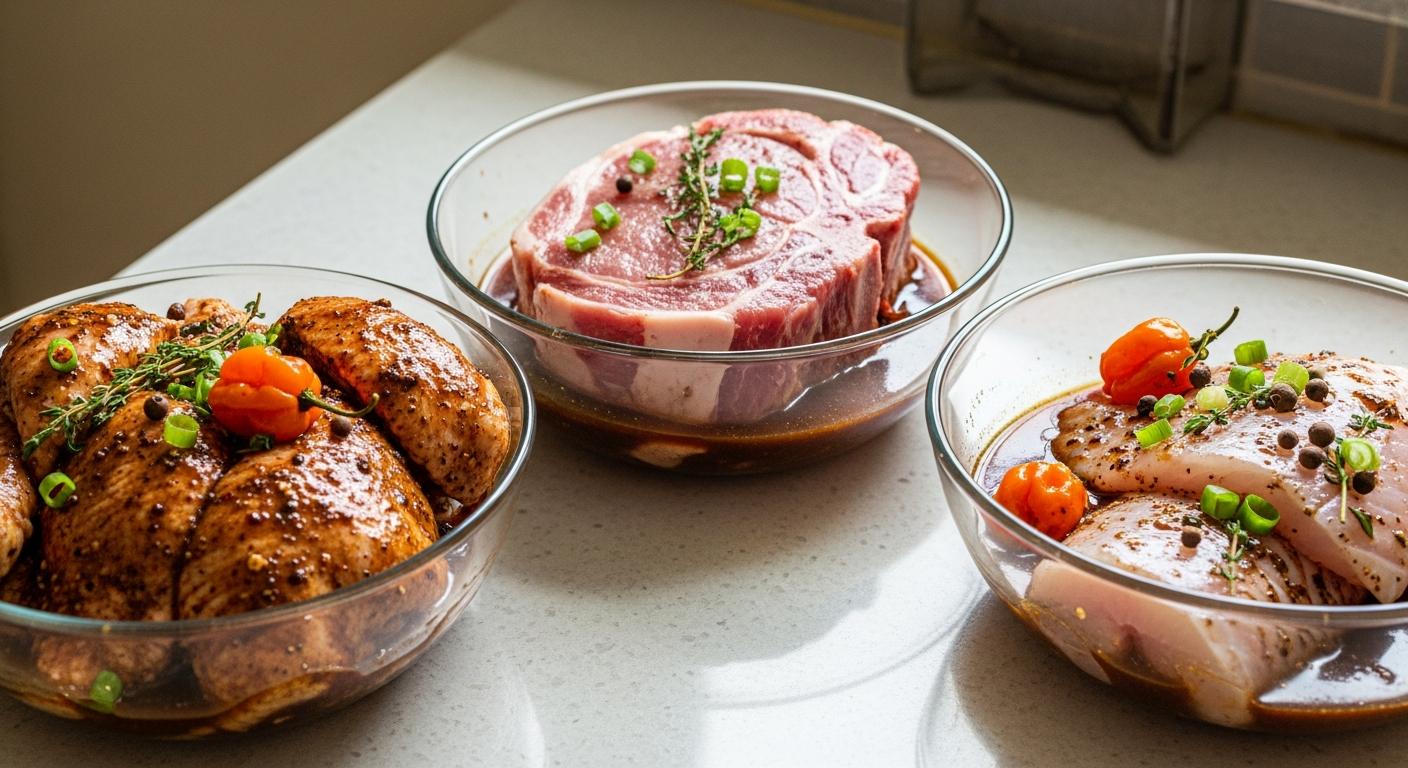
One base marinade, three proteins, three different approaches. Learn how to optimize your jerk marinade for chicken, pork, and fish.

5 min read · Updated January 14, 2026
Split image comparing smoky low-and-slow jerk and high-heat grilled jerk chicken
Cooking Techniques

Jerk Meats: Smoking vs Grilling — Which Is Better?

Smoking and grilling produce distinctly different jerk results. Learn the advantages of each method and when to choose one over the other.

5 min read · Updated March 10, 2026
Close-up of a grill thermometer showing ideal jerk cooking temperature range
Cooking Techniques

Mastering Heat in Jerk Cooking: Temperature Control Guide

Temperature control separates good jerk from great jerk. Master the heat variables — from charcoal management to internal temperatures — for perfect results every time.

6 min read · Updated February 15, 2026
Traditional jerk grill with pimento wood smoke and chicken pieces over hot coals
Cooking Techniques

Tips for Traditional Jerk Grilling: Authentic Techniques

Learn the authentic grilling techniques used at Jamaican jerk stands. From fire building to turning and basting, these tips deliver genuine Caribbean results.

6 min read · Updated December 20, 2025
Side-by-side bowls of dry jerk rub and wet jerk marinade paste
Cooking Techniques

Dry Rub or Wet Marinade for Jerk: Which Should You Choose?

Dry rub or wet marinade — two paths to jerk perfection. Compare the techniques, flavors, and practical advantages of each approach.

6 min read · Updated March 15, 2026

Recommended Guides

The most important resources on JerkPit.com for authentic Jamaican jerk cooking