Getting crispy jerk chicken skin comes down to managing moisture and applying high heat at the right moment. The four-step method: pat the skin completely dry before applying marinade, rest the marinated chicken uncovered in the refrigerator for at least 2 hours (the cold air further dries the skin), cook on a wire rack at 400°F to allow air circulation underneath, and finish under the broiler for 3–5 minutes. This combination produces skin that is genuinely crispy with deep caramelized jerk flavor rather than the rubbery, flabby skin that is the most common disappointment in oven-cooked jerk chicken.
Step 1: Start With Dry Skin
Moisture is the enemy of crispy skin. After scoring the chicken, pat every surface — including under the skin — completely dry with paper towels. Any pooled water or brine on the surface will steam the skin during cooking instead of crisping it. Take your time with this step. Thorough drying takes 2–3 minutes per batch of chicken and makes a dramatic difference in the final texture.
Step 2: Air-Dry in the Refrigerator
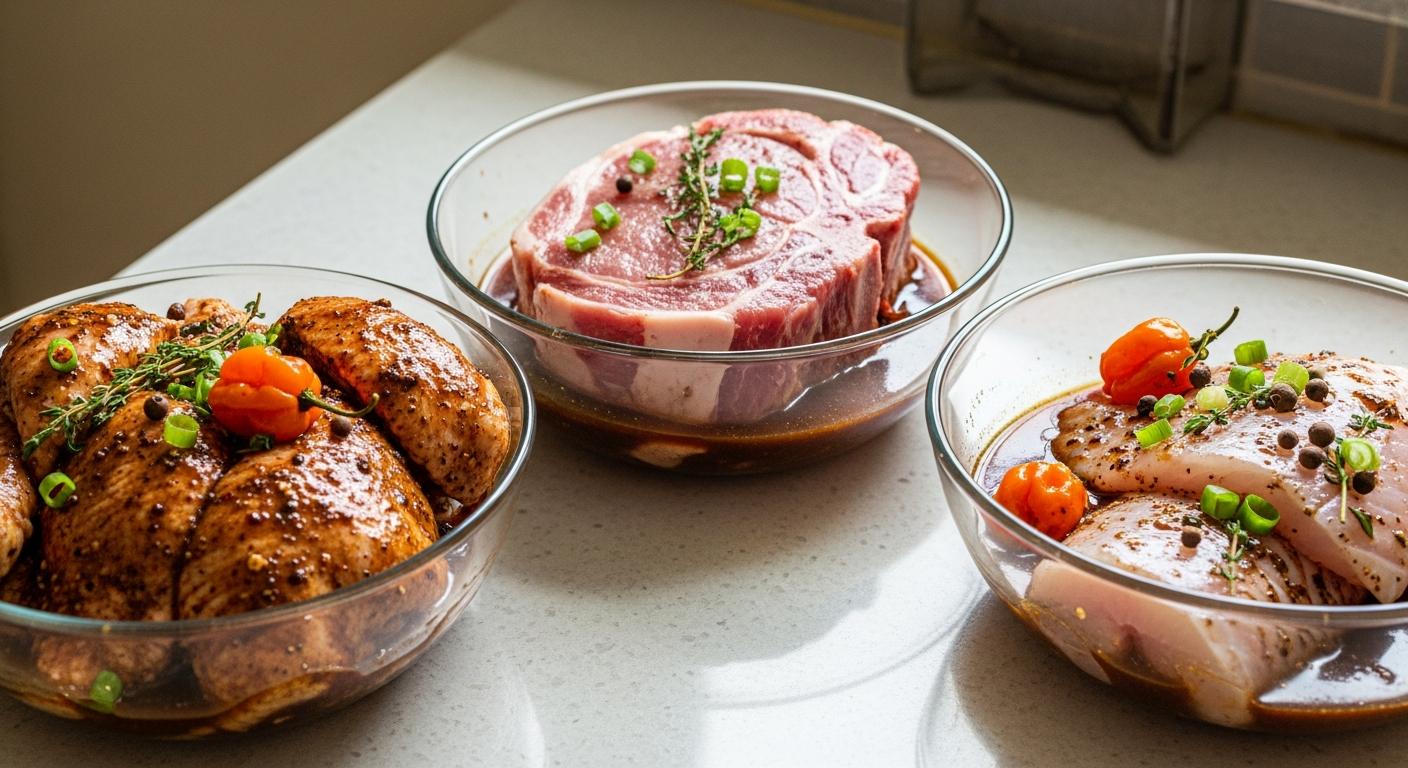
After applying the jerk marinade, place the chicken skin-side up on a wire rack over a baking sheet and refrigerate uncovered for 2–24 hours before cooking. This is the technique professional cooks use — the cold, circulating air in the refrigerator pulls additional moisture from the skin surface. The skin will look visibly drier and more leathery before cooking, which is exactly what you want. Even 2 hours of uncovered refrigerator rest dramatically improves crispiness compared to cooking immediately from the marinade bag.
Step 3: Use a Wire Rack in the Oven
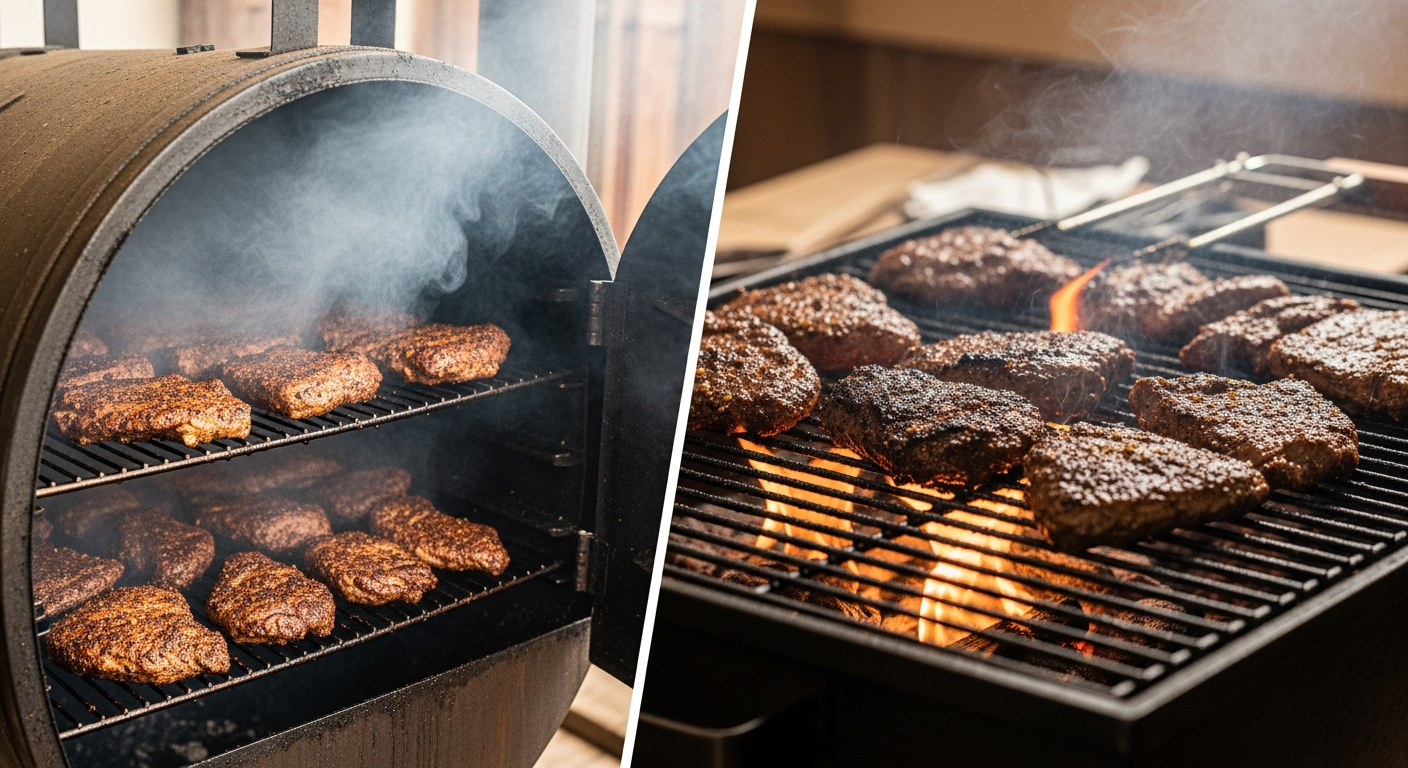
Placing chicken directly on a baking sheet means the underside sits in pooled fat and moisture, steaming the skin from below. A wire rack elevates the chicken so hot air circulates on all sides simultaneously. Both top and bottom skin surfaces dry and crisp during cooking. This simple equipment choice is responsible for 30–40% of the crispiness difference between rack-cooked and sheet-pan jerk chicken.
Step 4: The Broiler Finish
After the chicken reaches 165°F internal temperature, switch to broil and move the rack to the upper third of the oven. The broiler's intense direct overhead heat caramelizes the surface in 3–5 minutes, creating that dark, sticky, slightly charred exterior that defines proper jerk chicken skin. Watch every 30 seconds during this phase — the difference between perfectly charred and burnt is less than a minute under a hot broiler, especially with the brown sugar in jerk marinade.
Common Skin-Softening Mistakes to Avoid
- Covering the chicken with foil during baking (traps steam)
- Basting with liquid marinade during cooking (adds moisture back to the skin)
- Not preheating the oven fully before the chicken goes in
- Using skinless chicken cuts (obviously no skin to crisp — use skin-on cuts)
- Not resting long enough after broiling (skin continues to crisp slightly for 2–3 minutes after being removed from heat)