How long can jerk marinade last? It is one of the most common questions we receive at JerkPit, and the answer depends on how the marinade is stored, whether it has contacted raw meat, and the specific ingredients it contains. The good news: fresh homemade jerk marinade has impressive staying power when stored correctly, and commercial versions last even longer. This complete guide covers every storage scenario so you never have to guess whether your marinade is still good.
Refrigerator Shelf Life
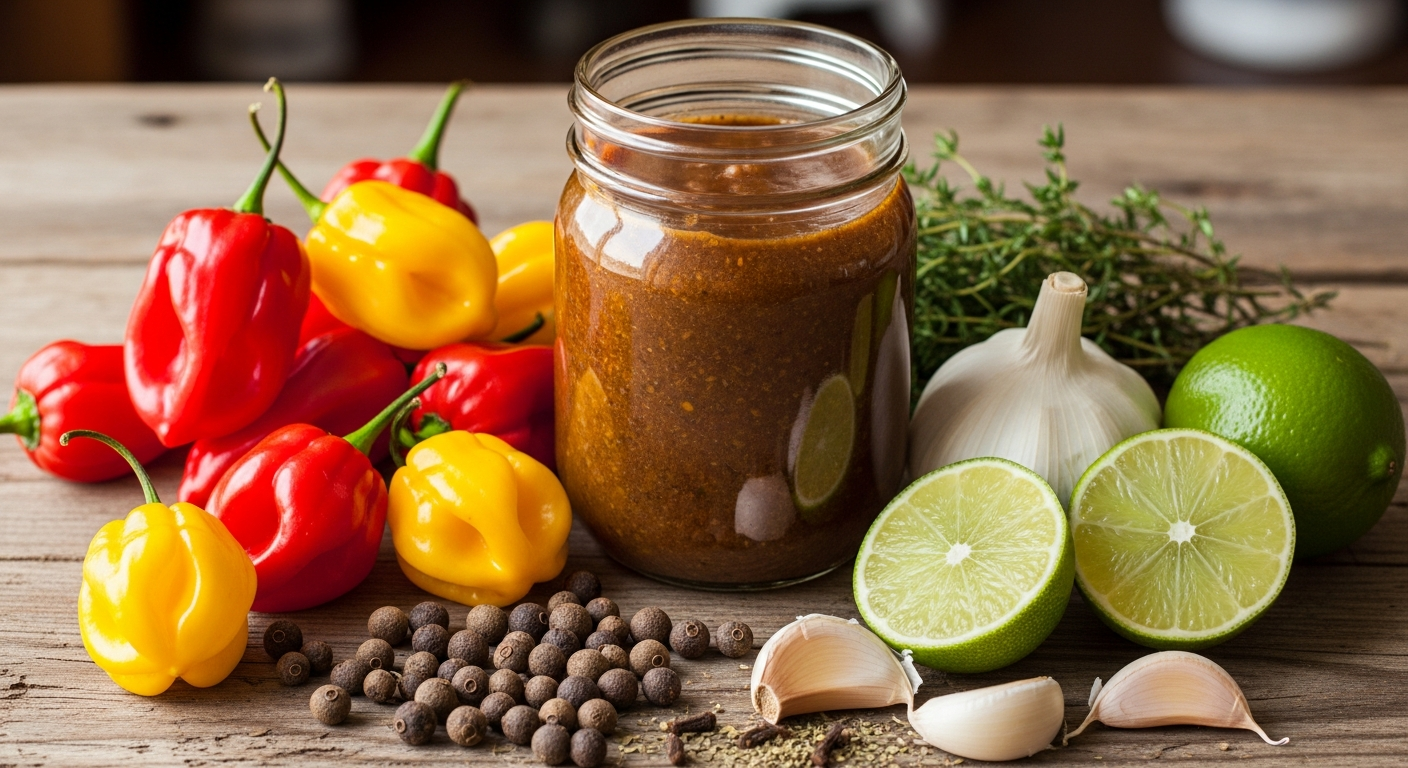
Fresh homemade jerk marinade stored in an airtight glass container in the refrigerator at 40°F (4°C) or below maintains peak quality for five to seven days. After this window, the fresh herbs — particularly thyme — begin to deteriorate, the flavors become muddled, and the garlic may develop off-putting bitterness. While the marinade may technically be safe to use for a few additional days, the flavor quality drops noticeably after day seven.
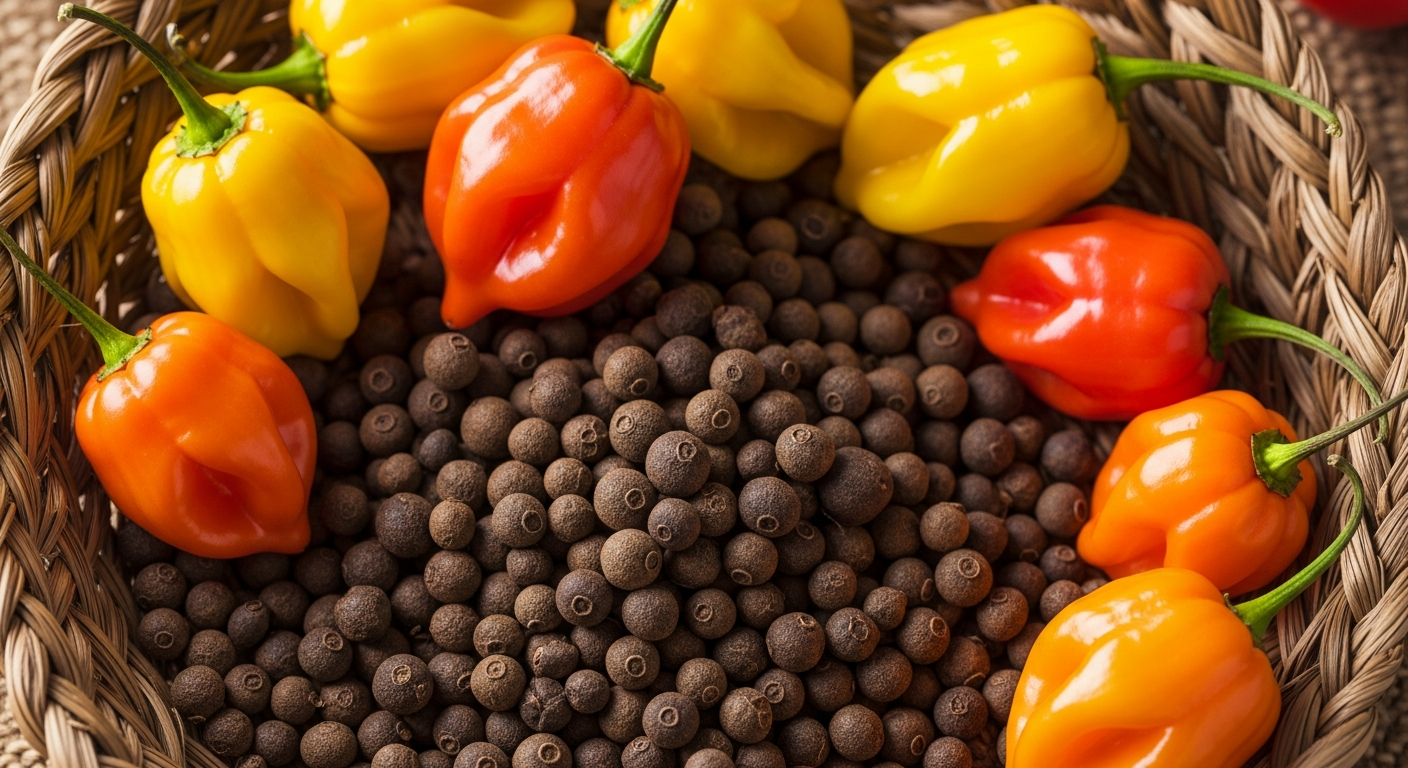
The acid from lime juice and vinegar acts as a natural preservative, inhibiting bacterial growth. Soy sauce contributes additional salt that further extends shelf life. Allspice and scotch bonnet peppers contain natural antimicrobial compounds. Despite these natural preservatives, the USDA recommends consuming homemade marinades within a week for both safety and quality reasons.
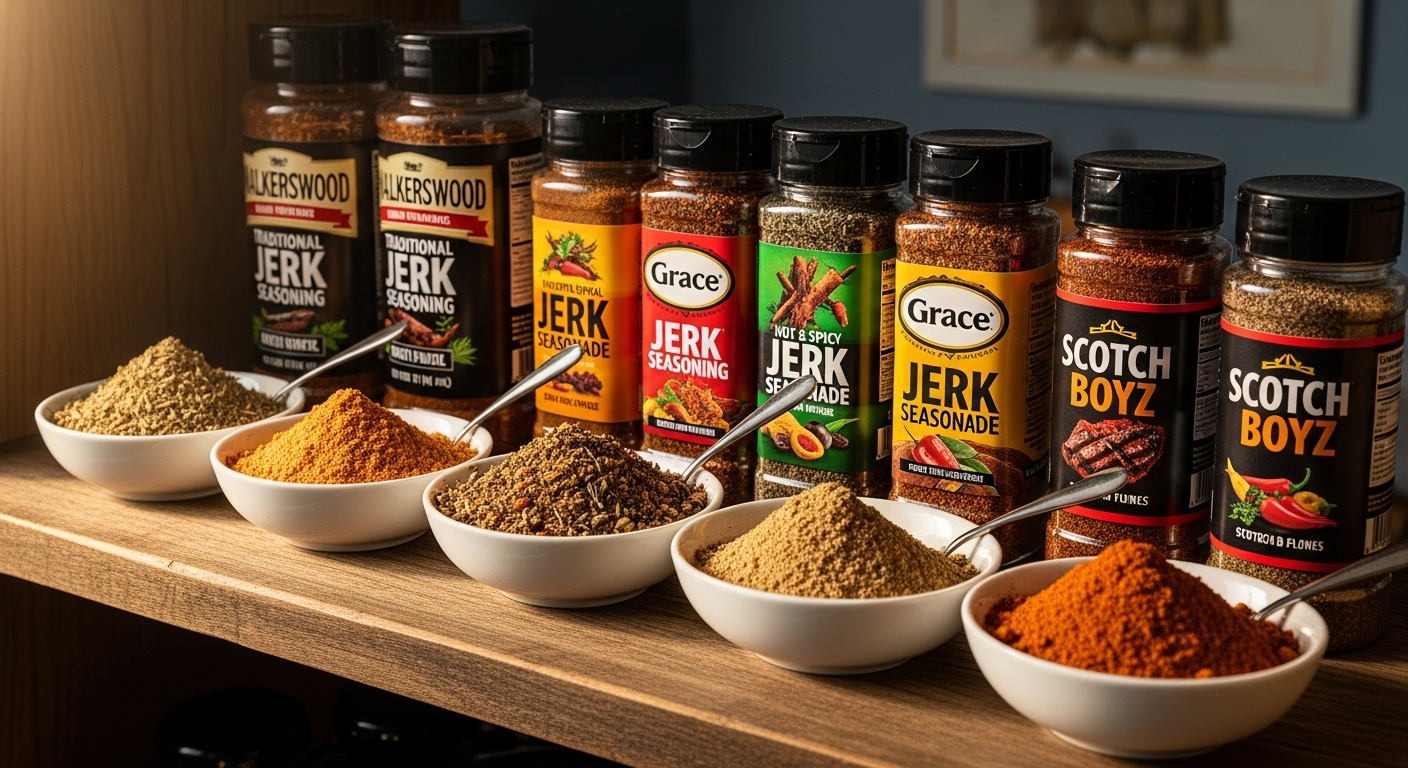
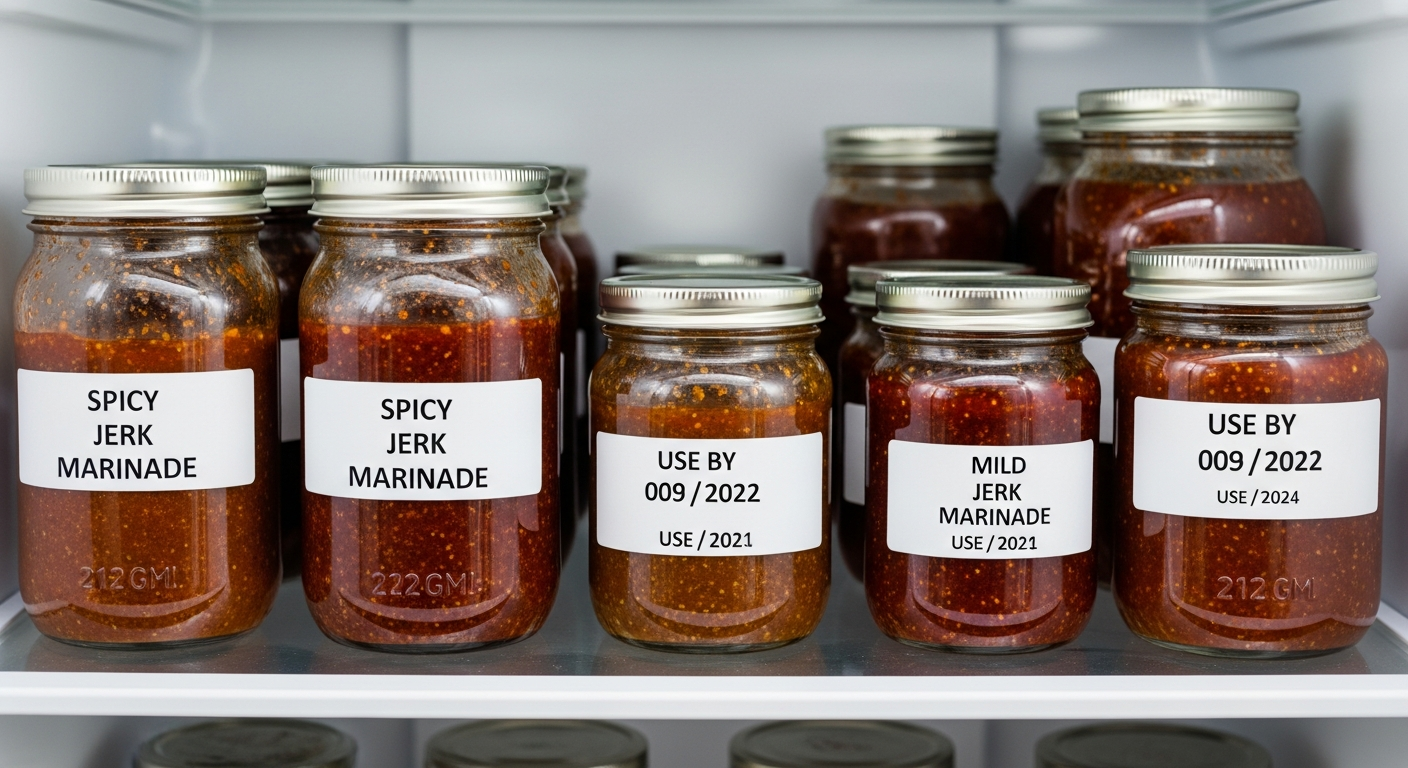
Commercial jerk marinades and pastes have significantly longer refrigerator shelf life due to pasteurization and preservatives. Opened Walkerswood, Grace, or similar brands keep in the refrigerator for three to six months after opening. Always check the manufacturer's guidelines and trust the "use by" date printed on the label rather than general rules.
Freezer Storage
Freezing is the most effective way to extend homemade jerk marinade shelf life dramatically. Properly frozen jerk marinade maintains peak flavor for three months and remains safe to use for up to six months, though flavor quality begins to degrade after the three-month mark as volatile aromatic compounds slowly escape even from frozen storage.
The best method for freezing is ice cube trays. Pour fresh marinade into a clean ice cube tray, cover with plastic wrap, and freeze solid — about four hours. Once solid, transfer the cubes to a labeled zip-top freezer bag. Each standard cube holds approximately two tablespoons of marinade, making it easy to portion out exactly what you need without thawing an entire batch.
For larger batches, freeze in quarter-cup or half-cup portions in small zip-top bags, pressing out all air before sealing. Lay flat in the freezer until solid for compact, stackable storage. Thaw overnight in the refrigerator — never at room temperature — before using. Do not refreeze thawed marinade.
Marinade That Has Contacted Raw Meat
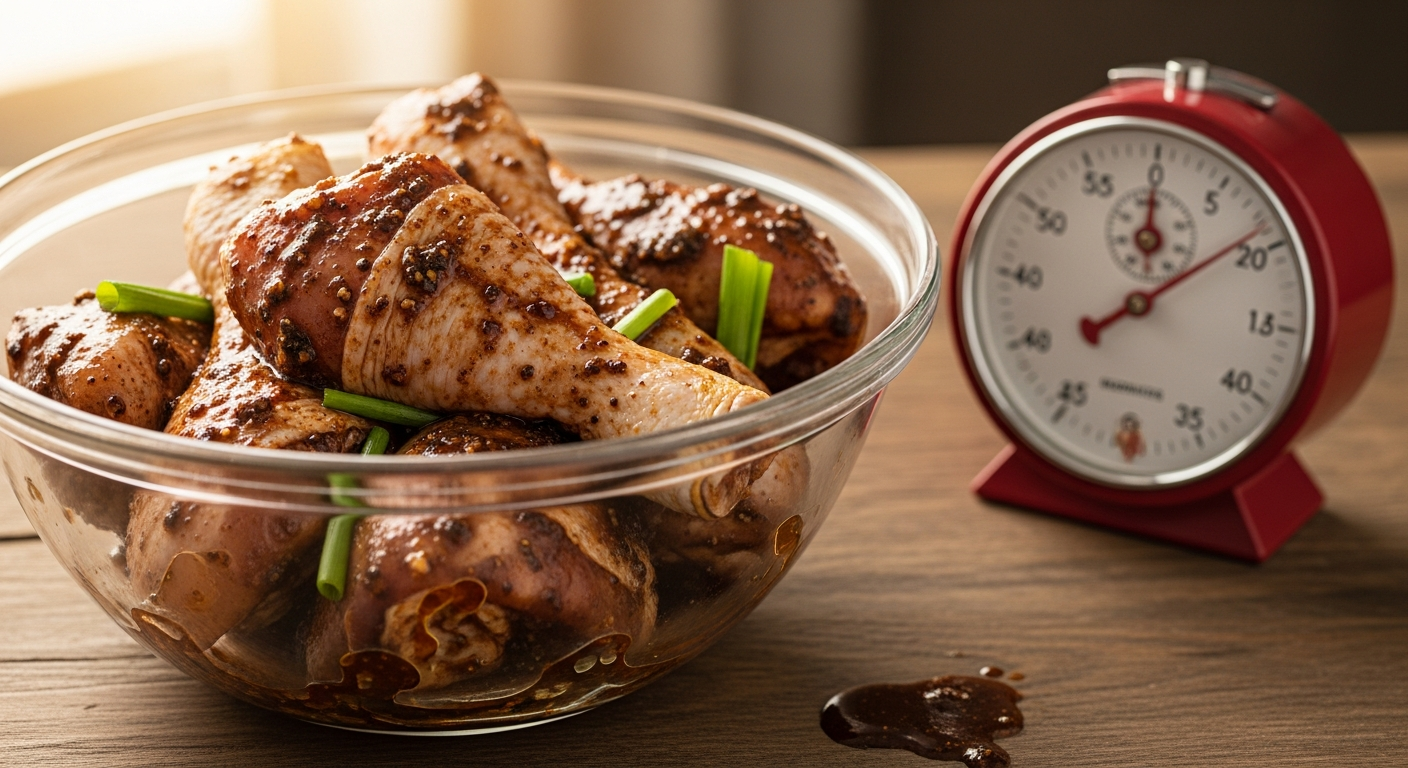
Marinade that has been in contact with raw meat carries the most critical food safety considerations. Any marinade used to marinate raw chicken, pork, or other proteins must be handled with care to prevent cross-contamination and foodborne illness from bacteria like Salmonella and Campylobacter.
Never use marinade that has contacted raw meat as a finishing sauce unless you boil it vigorously for a minimum of five minutes first. This kills any bacteria introduced from the raw protein. Better practice is to set aside a separate portion of fresh marinade before adding it to the raw meat — this reserved batch is safe to use as a sauce or glaze at any point during cooking.
Used marinade from the marinating process should be discarded after removing the protein, or boiled for sauce use as described above. It should never be stored in the refrigerator or reused on other proteins without boiling first. When in doubt, discard — the cost of a small amount of marinade is far less than the risk of foodborne illness.
Signs That Jerk Marinade Has Spoiled
Fresh jerk marinade has a vibrant, complex aroma combining scotch bonnet heat, herbal thyme, and warm allspice. Any significant departure from this characteristic smell is a warning sign. Off smells, sourness beyond the normal lime and vinegar tang, fermented or yeasty odors, or any hint of mold or mustiness indicate spoilage.
Visually, fresh marinade should maintain its characteristic dark green-brown color. Any pink or unusual discoloration, visible mold growth (even small spots), separation into layers that does not reconstitute with stirring, or slimy texture are all signs to discard immediately. When in doubt, trust your nose and eyes — jerk marinade should smell vibrantly alive, not flat or off.
Jerk Marinade Storage Comparison
| Storage Method | Shelf Life | Quality | Best Use |
|---|---|---|---|
| Refrigerator (homemade) | 5-7 days | Excellent for 5 days | Daily cooking, weekly batch |
| Freezer (ice cubes) | 3 months peak | Very good | Portion-controlled prep |
| Freezer (bags) | 3-6 months | Good to very good | Large batches |
| Refrigerator (opened commercial) | 3-6 months | Varies by brand | Convenience cooking |
| Used marinade (boiled) | Use same day | Good as sauce | Finishing sauce/glaze |
| Used marinade (unboiled) | Discard | Unsafe | Do not use or store |
Batch Preparation Strategy
The most efficient approach to jerk marinade is batch preparation. Making a large batch every week or two eliminates the 15-20 minute prep time on the day you want to cook, ensuring you always have authentic Caribbean flavor at the ready with zero effort. Here is the JerkPit recommended batch prep strategy:
Make a double or triple batch of the base recipe on a Sunday. Portion into ice cube trays and freeze immediately. Once frozen, transfer cubes to labeled freezer bags with the date. Pull out the number of cubes you need the night before cooking and thaw in the refrigerator overnight. By morning, you have fresh-tasting, perfectly portioned marinade ready to apply to your protein of choice.
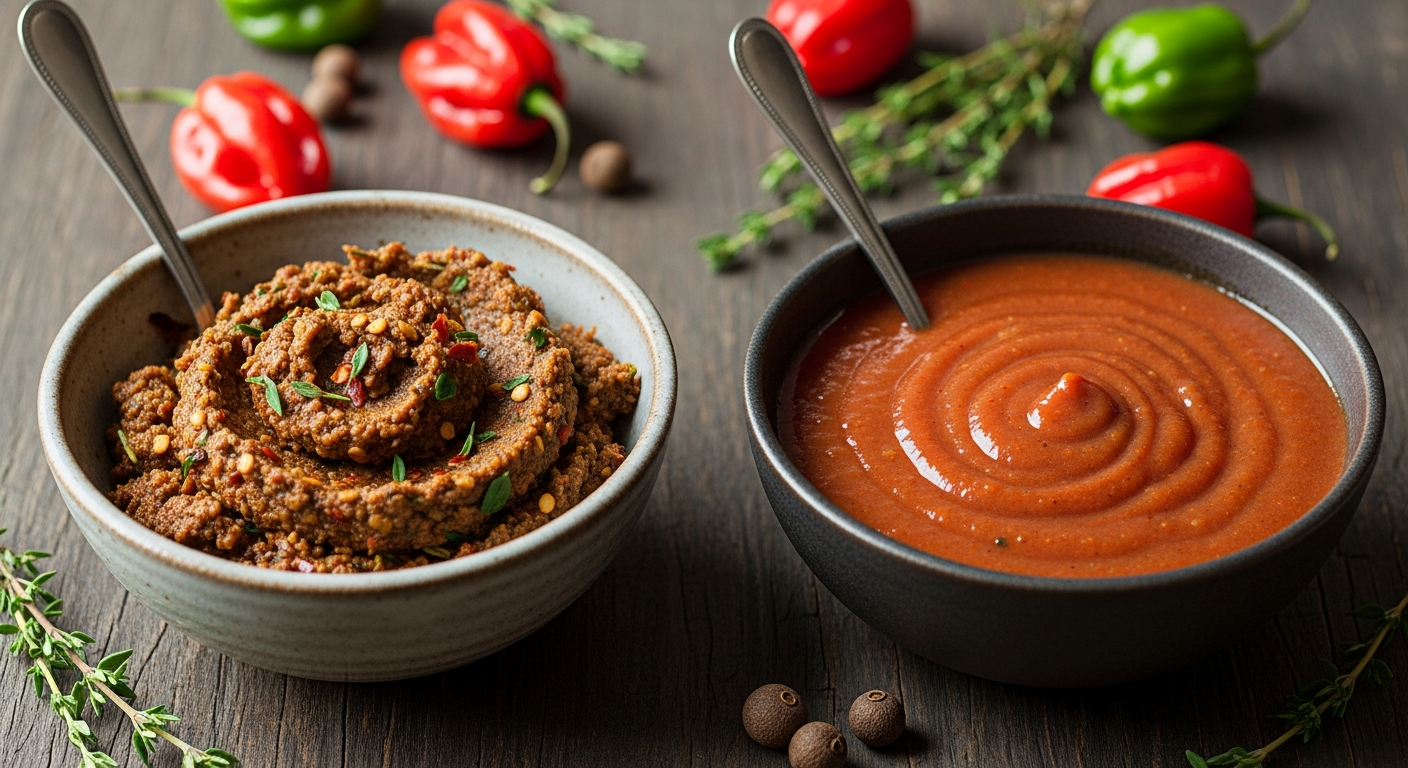
For even greater efficiency, make a concentrated marinade base by doubling all solid ingredients (peppers, aromatics, spices) while keeping liquid ingredients at normal amounts. This concentrated paste is twice as potent per tablespoon, so you use less per batch and it takes up half the freezer space. Thin it with fresh lime juice and soy sauce when you pull it from the freezer.
Always use glass containers for refrigerator storage — glass does not absorb odors or stains and keeps the powerful jerk aromatics contained. Avoid plastic containers, which absorb the intense scotch bonnet and allspice compounds and may transfer those flavors to other foods stored nearby. Mason jars with tight-fitting lids are the ideal storage vessel for homemade jerk marinade.